كيس مكعبات الثلج: استخدامات الصناعة, اتجاهات الشراء, والحزم المستدامة
أصبحت أكياس طوب الثلج أكثر أهمية لأن المزيد من الشحنات تنتقل الآن عبر شبكات مختلطة: تحقيق التجارة الإلكترونية, تسليم البقالة, توزيع الصيدلية, الخدمات اللوجستية المختبرية, المستودعات الإقليمية, والممرات العابرة للحدود. قد يمر نفس المنتج عبر غرفة التجميد, جدول التدريج, مركز الطرود, هنالك, ومنطقة استقبال العملاء. يساعد المصدر البارد الصلب فقط عندما يتناسب مع هذا الواقع التشغيلي.
للطوب الجليدي المستخدم مع أكياس تسليم معزولة لطعام الميل الأخير, خضروات, صيدلية, وحركة العينة, عادة ما يريد المشترون إجابة عملية: ما هو تنسيق الطوب الذي سيحمي المنتج دون إضاعة المساحة, إضافة تكلفة الشحن غير الضرورية, أو إنشاء عملية إرجاع يصعب إدارتها? تعتمد الإجابة على نظام التغليف وعلى كيفية استخدام العمال للطوب كل يوم.
لماذا يتم استخدام الطوب الجليدي عبر سلاسل التبريد الحديثة
لم تعد شبكات سلسلة التبريد مقتصرة على شاحنات التبريد الكبيرة. تعتمد العديد من الشركات على التغليف السلبي للطرود, التسليم المحلي, خدمة الهاتف المحمول, والنقل الاحتياطي. يمكن لطوب الثلج أن يدعم هذه العمليات لأنه يسهل عدها, شرط مسبق, مكان, يتعافى, ينظف, وإعادة استخدام. إن شكلها الصلب يجعل توحيد تعليمات التعبئة أسهل من الثلج السائب أو مواد التبريد غير المنتظمة.
تستخدم شركات الأغذية الطوب الجليدي للمساعدة في الحفاظ على النضارة أثناء جولات التسليم وشحن البضائع القابلة للتلف. تستخدمها فرق الرعاية الصحية والمختبرات بطرق أكثر تحكمًا, في كثير من الأحيان مع صناديق معزولة, أجهزة مراقبة درجة الحرارة, والإجراءات الكتابية. يمكن لفرق الخدمة الصناعية والميدانية استخدامها للعينات, الكواشف, أو مجموعات حساسة لدرجة الحرارة تنتقل خارج المنشأة الخاضعة للرقابة.
الموضوع المشترك هو السيطرة. لا يقوم فريق سلسلة التبريد بشراء أكياس طوب الثلج فقط من أجل خلق البرودة. يشتريها ليجعل البرودة قابلة للتكرار: نفس العدد من الطوب, نفس الموقف, نفس التكييف, ونفس شيك الاستلام عند استخدام نفس ملف الشحن.
سيناريوهات الصناعة
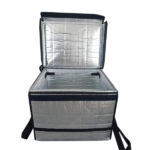
في البقالة وتوصيل الأطعمة الجاهزة, التحدي هو الافتتاح والإغلاق المتكرر. قد تتعرض حقيبة التسليم أو المبرد للهواء الدافئ في كل محطة. يجب وضع الطوب في مكان يدعم المنطقة الباردة دون عرقلة الوصول أو جعل الحقيبة غير مريحة للحمل. لا تزال الطرق المحلية القصيرة بحاجة إلى الانضباط لأن فتح الأبواب المتكرر يمكن أن يؤدي إلى تآكل الحماية من درجة الحرارة بسرعة.
في الخدمات اللوجستية الصيدلانية, التحدي هو المتطلبات الخاصة بالمنتج. لقاح, بيولوجي, منتج الأنسولين, كاشف, أو قد يكون للعينة حدود صارمة لدرجة الحرارة. يجب أن يكون المصدر البارد جزءًا من مجموعة مؤهلة, وقد يحتاج فريق الاستلام إلى دليل على أن الشحنة ظلت ضمن النطاق. لا ينبغي نسخ قالب الثلج الذي يعمل بشكل جيد للأغذية للاستخدام الدوائي دون مراجعة.
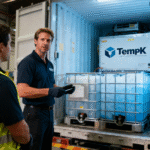
في الشحنات أو الشحنات على مستوى البليت, التحدي هو التعرض غير المتكافئ. زوايا البليت, الطبقات العليا, وقد ترتفع درجة حرارة الوجوه الخارجية بشكل أسرع من قلب المنتج. الطوب الأكبر, لوحات, أغطية حرارية, شاحنات البليت المعزولة, وقد تكون هناك حاجة إلى وضع مراقب استراتيجي. نمط التحميل مهم بقدر أهمية كمية المبرد.
اتجاه السوق: من المكونات الفردية إلى أنظمة التعبئة والتغليف
الاتجاه الواضح في شراء سلسلة التبريد هو الانتقال من شراء المكونات الفردية إلى تصميم أنظمة التعبئة والتغليف. يتساءل المشترون بشكل متزايد عن كيفية عمل الطوب الجليدي مع بطانة الصندوق, مبرد EPP, كيس التسليم, غطاء البليت, أو مسجل البيانات. يعد هذا تحولًا صحيًا لأن فشل سلسلة التبريد نادرًا ما يأتي من مكون واحد فقط. أنها تأتي عادة من عدم تطابق بين المنتج, طريق, التغليف, والإجراء.
الاتجاه الآخر هو تبسيط SKU. لا تحتاج العمليات الكبيرة إلى عشرة أحجام مماثلة من الطوب إذا كانت ثلاثة أحجام يمكن أن تغطي معظم العبوات. عدد أقل من وحدات SKU يجعل التدريب أسهل, تقليل أخطاء التخزين, تبسيط دوران التجميد, ومساعدة المشتريات في التفاوض على إمدادات أكثر استقرارًا. الخطر هو المبالغة في التبسيط: قد لا يزال الطوب المناسب للمخزون غير صحيح بالنسبة لمنتج أو مسار معين.
وتؤثر الاستدامة أيضًا على قرارات الشراء. يمكن للطوب القابل لإعادة الاستخدام أن يقلل من النفايات ذات الاستخدام الواحد عند استعادتها وإعادة تدويرها. لكن, الاستدامة تعتمد على النظام الكامل. معدلات العودة, تنظيف المياه, طاقة الفريزر, وزن النقل, تلف التغليف, وإعادة التدوير في نهاية العمر تؤثر جميعها على النتيجة الحقيقية.
كيف ينبغي تقييم الاستدامة
أ الطوب الجليدي القابل لإعادة الاستخدام ليست مستدامة تلقائيًا لمجرد أنه يمكن استخدامها مرة أخرى. يجب أن يعود فعلا إلى العملية, تبقى نظيفة, تجنب التسرب, التعامل مع البقاء على قيد الحياة, ويتم إعادة تجميدها بكفاءة. لشبكات الطرود المفتوحة حيث لن يعود الطوب, قد يظل التصميم القابل لإعادة الاستخدام مفيدًا للمتانة, ولكن يجب أن تكون الشركة صادقة فيما يتعلق بافتراضات نهاية العمر.
تعتبر أنظمة التوصيل ذات الحلقة المغلقة أكثر ملاءمة. طرق البقالة, أساطيل توصيل الوجبات, حقائب الصيدلة, سعاة المختبرات, وقد تقوم شبكات التوزيع الداخلية بجمع الطوب بعد الاستخدام. في تلك العمليات, قذائف متينة, وضع العلامات واضحة, تعليمات التنظيف, ويمكن أن يدعم دوران الفريزر التحكم في التكاليف وتقليل النفايات.
الوزن جزء من الاستدامة أيضًا. الطوب الأكبر من المطلوب يزيد من وزن النقل وقد يفرض كرتونة أكبر. إن الخيار البيئي الأفضل ليس دائمًا أكبر لبنة قابلة لإعادة الاستخدام. إنها أصغر عبوة موثوقة تحمي المنتج في ظل ظروف المسار المعتمدة.
الطوب الثلجي مقارنة بمصادر التبريد البديلة
الثلج السائب غير مكلف ولكنه ينتج مياهًا ذائبة, التعامل غير المتكافئ, والتحكم المحدود في التعبئة. تعتبر عبوات الجل المرنة مفيدة عند الحاجة إلى ملامسة الأسطح غير المنتظمة. يعد الطوب الجليدي الصلب مفيدًا عندما يحتاج الفريق إلى هندسة محددة, التراص أفضل, التعامل الأنظف, والوضع المتكرر. يمكن أن تدعم ألواح PCM أو الطوب نطاقات درجة حرارة أكثر إحكامًا عند مطابقتها لمتطلبات المنتج.
يمكن للثلج الجاف أن يدعم الشحنات المجمدة أو المجمدة, لكنه يجلب التسامي, تهوية, التعامل, والاعتبارات التنظيمية. إنه ليس بديلاً مباشرًا للطوب الجليدي المبرد. يمكن للحاويات النشطة التي يتم التحكم في درجة حرارتها أن توفر تحكمًا قويًا للشحنات ذات القيمة العالية, لكنهم يضيفون التكلفة, الشحن, صيانة, واللوجستيات العكسية. يعتمد الخيار الأفضل على مخاطر المنتج ومتطلبات المسار.
لحقيبة الطوب الجليدي, يجب أن تتم المقارنة حول حالة الاستخدام. طريق الطعام المبرد المحلي, شحنة طبية عبر البلاد, منصة من المأكولات البحرية, وقد يتطلب مسار تصدير الأدوية مصادر تبريد مختلفة حتى لو ظهرت كلمة جليد في اسم المنتج.
ما يجب على المشترين تضمينه في مناقشات الموردين
يجب أن تربط مناقشات الموردين بين المصطلحات التجارية والاستخدام التشغيلي. لسعة الحقيبة, تخطيط الجيب, راحة الراكب, جودة الإغلاق, تنظيف, التحكم في التكثيف, ومدة الطريق, اسأل كيف سيتم توفير الطوب, كيف ستناسب تدفق التعبئة الحالي لديك, وما هي الوثائق أو الدعم الذي سيكون متاحًا بعد الطلب الأول. يكون السعر المنخفض أقل جاذبية إذا كان المنتج يخلق عمالة إضافية أو عبوات غير متناسقة.
حدد نطاق درجة حرارة المنتج ومدة المسار قبل طلب التوصية.
قم بقياس تجويف الحمولة النهائية بعد تركيب العزل والطوب.
أدوات اتخاذ القرار مفيدة
تحقق من التفاصيل قبل اختيار التغليف
يمكن أن تساعدك هذه الأدوات السريعة في مقارنة مخاطر المسار, احتياجات التحجيم, خيارات المبرد, وتفاصيل التعبئة والتغليف قبل أن تطلب عرض أسعار.
حاسبة عبوات التبريد
تقدير كمية عبوات الثلج الهلامي للشحنات المبردة والتخطيط العملي للمسار.
تقدير عبوات الثلجمقاومة سقوط المواد العازلة
مراجعة مقاومة السقوط وعوامل المناولة قبل اختيار المواد العازلة.
تحقق من المقاومةحاسبة الثلج الجاف
تقدير احتياجات الثلج الجاف للشحنات المجمدة أو شديدة البرودة قبل التعبئة.
تقدير الثلج الجافاسأل ما إذا كان المورد يمكنه دعم مراجعة العينة, أوامر الطيار, وتكرار الكثير من الإنتاج.
تحقق مما إذا كانت ملصقات الكرتون, لون, مقاس, أو العلامات المقولبة يمكن أن تقلل من أخطاء المستودعات.
تأكيد التنظيف, إعادة الاستخدام, وممارسات نهاية العمر لعمليات الحلقة المغلقة.
راجع كيفية تعامل المورد مع تغيرات المواد أو الصيغة بمرور الوقت.
النظر في تكلفة الشحن الداخلي, مكعب البليت, سعة الفريزر, ومساحة التخزين.
استخدم مراقبة درجة الحرارة أثناء التجارب بدلاً من الاعتماد على اللمس أو الفحص البصري.
سوف يناقش المورد المفيد عملية التعبئة, ليس فقط الطوب. يجب أن تتضمن المحادثة نوع العزل, مبلغ الحمولة, درجة حرارة البداية, مدة الطريق, التعرض الموسمي, وما إذا كان المنتج حساسًا للحرارة, حساسة للتجميد, أو كليهما.
أمثلة تشغيلية دون المبالغة في المطالبة
قد يقوم مشغل البقالة المحلي بوضع قطع طوب رفيعة في الجيوب الجانبية لأكياس التوصيل المعزولة واستعادتها في نهاية الطريق. يمكن أن تكون عملية التعبئة عملية عندما يكون وقت الطريق قصيرًا, يتم إغلاق الحقائب بشكل صحيح, ويقوم العمال بتدوير الطوب المكيف بالكامل. لا ينبغي افتراض حماية كل منتج أثناء التأخير الطويل في الهواء الطلق.
قد يستخدم ناقل المختبر صندوقًا صلبًا معزولًا به طوب مشروط وفاصل لنقل العينات بين المرافق. قد يتضمن الإجراء تحميل السجلات وفحص درجة الحرارة. قد لا يكون نفس الطوب مقبولًا لنوع عينة مختلف إذا تغير نطاق درجة الحرارة المسموح به.
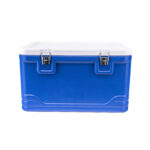
قد يستخدم مصدر المواد الغذائية طوبًا أكبر في علبة كرتون أو منصة نقالة معزولة لطريق مبرد. يجب أن يأخذ التصميم في الاعتبار وقت الإقامة الجمركي, التعرض النهائي, ودرجة حرارة تحميل المنتج. إذا أصبح المسار أطول أو أكثر دفئا, قد يحتاج الفريق إلى نظام مختلف بدلاً من مجرد إضافة المزيد من الطوب.
إطار القرار للنظام التالي
أولاً, تصنيف المنتج. هل هو مبرد, المجمدة, درجة حرارة الغرفة التي تسيطر عليها, أو حساسة للتجميد? ثانية, تصنيف الطريق. هل هو الميل الأخير, قطعة, عبر البلاد, يصدّر, أو شحن البليت? ثالث, تصنيف نموذج التشغيل. هل سيعود الطوب, أم أنهم في اتجاه واحد? تعمل هذه الأسئلة الثلاثة على تضييق الخيارات قبل أن يقوم المشتري بمقارنة الأسعار.
التالي, حدد عائلة الحزمة: شنطة, صندوق, بطانة, برودة, غطاء البليت, أو الشاحن المؤهل. اختر الطوب فقط بعد معرفة هندسة الحاوية وحجم الحمولة. قد يصبح من الصعب استخدام المصدر البارد الذي يبدو جذابًا في حد ذاته إذا كان يمنع تحميل المنتج, يمنع إغلاق الغطاء, أو يخلق وزنًا كبيرًا جدًا للتعامل اليدوي.
أخيراً, تجربة النظام وتوثيق النتيجة. تجربة صغيرة يمكن أن تكشف عن مشاكل تتعلق بقدرة التجميد, وقت التدريج, التكثيف, تعليمات العامل, تدفق العودة, واستلام الفحص. تعتبر هذه النتائج أكثر قيمة من الادعاء النظري حول مدة بقاء الطوب.
التعليمات
هل الطوب الثلجي مناسب للشحنات الدولية؟? قد تكون مناسبة لبعض الممرات المبردة أو المجمدة, ولكن يجب أن تراعي الحزمة الكاملة مدة المسار, الجمارك يسكن الوقت, التعامل مع شركات الطيران أو الناقل, والمتطلبات الخاصة بالمنتج.
هل الطوب القابل لإعادة الاستخدام أقل تكلفة? يمكنهم خفض التكلفة في عمليات الحلقة المغلقة عند الاسترداد, تنظيف, التجميد, ويتم إدارة التناوب بشكل جيد. في شحنات في اتجاه واحد, قد يكون حساب التكلفة الإجمالية مختلفًا.
هل يجب على المشتري اختيار عبوات الجل أو الطوب الصلب? اختر بناءً على ملاءمة الحاوية, حساسية المنتج, خطة إعادة الاستخدام, وتكرار الحزمة. العبوات المرنة تتوافق بشكل أفضل, في حين أن الطوب الصلب أسهل في التوحيد والتكديس.
حول Tempk
و Tempk, نحن نركز على العملي تغليف السلسلة الباردة للطعام, الأدوية, التكنولوجيا الحيوية, وغيرها من الشحنات الحساسة لدرجة الحرارة. تشمل مجموعة منتجاتنا العامة عبوات جل الثلج, حزم الثلج الجاف, طوب الجليد, أكياس معزولة, بطانات الصندوق المعزولة, صناديق إي بي بي, صناديق الشحن الباردة, أغطية البليت الحرارية, ومواد سلسلة التبريد ذات الصلة. لمشاريع أكياس الطوب الجليدي, نحن نساعد المشترين على التفكير من خلال المبرد, حاوية, حمولة, طريق, وعملية التعامل معًا بدلاً من التعامل مع الطوب كملحق منفصل.
تبدأ عملية الموافقة العملية بمتطلبات المنتج, وليس كتالوج المبردات. تحديد نطاق درجة الحرارة المسموح بها, الحد الأقصى للوقت خارج التخزين الخاضع للرقابة, حجم الحمولة, درجة حرارة التحميل, وأسوأ التعرض المحيط المتوقع. عندها فقط يجب على الفريق اختيار كتلة الطوب, وضع الطوب, العزل, فواصل, والرصد. هذا الأمر يمنع حدوث خطأ شائع: الموافقة على حزمة ذات مظهر بارد لم يتم فحصها مطلقًا مقابل المسار الحقيقي.
للبرامج المتكررة, يجب أن تكون تعليمات التعبئة بسيطة بما يكفي ليتبعها موظفو المستودعات تحت ضغط الوقت. رسم, تسلسل الصور, تعليمات التكييف المسبق للطوب, وغالبًا ما تؤدي خانة الاختيار الخاصة بوضع الحمولة إلى حماية درجة الحرارة أكثر من الشرح الفني الطويل. يجب أن توضح التعليمات أيضًا ما يجب فعله عند تلف الطوب, مذابة جزئيا, متسخ, أو مفقود.
ناقش حزمتك
مشاركة نطاق درجة الحرارة الخاصة بك, مدة الشحن, حجم الحمولة, وظروف المناولة المتوقعة لمناقشة الحل العملي لأكياس طوب الثلج. اطلب بكميات كبيرة, عينة, أو إرشادات مخصصة قبل الموافقة على إعادة التعبئة.