Insulated Shipping Box Factory Temperature Sensitive Shipping: دليل المصادر العملي
A practical sourcing guide for insulated shipping box factory temperature sensitive shipping, مساعدة المشترين على مطابقة تصميم الصندوق, مطالبات الموردين, خطر الطريق, وواجبات سلسلة التبريد.
صندوق شحن معزول للشحن حساس لدرجة حرارة المصنع: دليل المصادر العملي لشحنات سلسلة التبريد الحقيقية
The best answer to insulated shipping box factory temperature sensitive shipping starts with the shipment profile. ما هو المنتج في الداخل, ما هي درجة الحرارة التي تتطلبها, كم هو الطريق, أين نقاط التسليم؟, ومن سيقرر ما إذا كان يمكن قبول الشحنة أم لا? بمجرد أن تكون هذه الأسئلة واضحة, يصبح الصندوق أسهل في التقييم. يدعم صندوق الشحن المعزول المناسب الحزمة المطلوبة, يحمي مساحة الحمولة القابلة للاستخدام, يناسب الممر, ويمنح فريقك طريقة عملية لتوثيق ما حدث أثناء النقل.
إن قرار تحديد المصادر الأكثر فائدة يربط بين ثلاث مجموعات تعمل غالبًا بشكل منفصل. تحتاج المشتريات إلى مورد وعرض أسعار عادل. تحتاج العمليات إلى حزمة يمكن تعبئتها بسرعة والتعامل معها دون أي ارتباك. تحتاج الجودة إلى دليل على أن الشروط المطلوبة للمنتج قد تم أخذها في الاعتبار وأنه يمكن مراجعة الانحرافات. الصندوق المعزول هو المكان الذي تلبي فيه هذه الاحتياجات.
ابدأ بقرار القبول في الوجهة
تبدأ عملية تحديد المصادر الجيدة في نهاية الطريق. اسأل ماذا سيفعل المتلقي عند وصول الطرد. هل سيتحققون من المسجل? هل سيقومون بالتفتيش حزم هلام? هل سيسجلون حالة الصندوق? هل سيقومون بنقل المنتج على الفور إلى مخزن خاضع للرقابة? هل سيرفضون الشحنة إذا كان الكرتون الخارجي مبللاً؟, سحق, دافيء, أو غير موثقة? تحدد هذه الأسئلة المعيار الذي يجب أن تدعمه الحزمة.
للمواد, عينات, الأطعمة, الأدوية, مستحضرات التجميل, المواد الكيميائية, والمنتجات المتخصصة التي يمكن أن تتلف بالحرارة أو التجميد, نادرًا ما يعتمد القبول على الصندوق وحده. قد يعتمد قرار الاستلام على متطلبات ملصق المنتج, اتفاقيات الجودة, قواعد سلامة الغذاء, مواصفات العملاء, أو إجراءات التشغيل القياسية الداخلية. عندما يحدد المشترون القبول أولاً, إنهم يتجنبون شراء طرد يبدو جيدًا عند الإرسال ولكنه يفشل في تقديم المعلومات المطلوبة عند الوصول.
حدد متطلبات المنتج قبل تحديد الصندوق
تبدأ متطلبات الشحن بالمنتج, ليس كتالوج التعبئة والتغليف. يتم تعريف الشحن الحساس لدرجة الحرارة بواسطة المنتج, ليس بالصندوق. تتطلب بعض الشحنات ظروفًا مبردة, بعضها يتطلب ظروفًا محيطة خاضعة للرقابة, وبعضها يحتاج إلى الحماية من التجمد أو ارتفاع درجة الحرارة. المربع الذي يعمل مع منتج واحد قد يكون خاطئًا بالنسبة لمنتج آخر حتى لو كانت مسافة المسار تبدو متشابهة. قد تحتاج المنتجات الطازجة إلى التبريد دون التعرض لإصابة تقشعر لها الأبدان. قد تتطلب العينة الصيدلانية مراقبة موثقة بدلاً من مجرد تصميم داخلي بارد. قد تحتاج شحنة اللقاح إلى الحماية من الحرارة والتجميد العرضي. وبالتالي يمكن لنفس الحجم الخارجي أن يدعم العديد من الحزم المختلفة جدًا, ولكل منها ملف تعريف المخاطر الخاص بها.
يجب أن توضح ورقة المواصفات المفيدة فئة المنتج, نطاق درجة الحرارة المستهدفة, مدة الشحن المخطط لها, التعرض المحيطي المتوقع, وزن الحمولة, حجم الحمولة الصالحة للاستخدام, وأي متطلبات للمراقبة أو التوثيق. تتيح هذه الحقائق للمورد أن يوصي بتكوين واقعي. بدونهم, غالبًا ما يحصل المشترون على عرض أسعار عام لا يمكن الحكم عليه بشكل عادل. والنتيجة هي عادةً صندوق يبدو غير مكلف ولكنه يخلق تكاليف مخفية من خلال عمالة التعبئة, المبرد الضائع, عمليات التسليم الفاشلة, ووقت مراجعة الجودة.
لشحنات الشحن الحساسة لدرجة الحرارة, ومن المهم بشكل خاص التمييز بين الصندوق الواقي المعزول ونظام الشحن الحراري المؤهل. يمكن لصندوق الحماية أن يقلل من التعرض. تم تقييم النظام المؤهل بحمولة محددة, سائل التبريد, عبوة, واختبار الملف الشخصي. عندما يذكر الموردين الأداء, اسأل ما هي الشروط التي تم استخدامها. إذا كان ملف الاختبار, حمولة, أو يختلف تكوين سائل التبريد عن مسارك, تعامل مع المطالبة كنقطة بداية وليس ضمانًا.
كيفية العزل, سائل التبريد, والفضاء الجوي يعملان معًا
غالبا ما يوصف العزل كما لو أنه يخلق البرد, ولكن لا. إنه يبطئ انتقال الحرارة بين البيئة الخارجية ومنطقة الحمولة. يمكن أن تدخل الحرارة من خلال الجدران, طبقات الغطاء, زوايا, فجوات الهواء, وخلال كل حدث افتتاحي. يمتص المبرد الحرارة أو يطلقها داخل الشاحن. الحمولة, سائل التبريد, والعزل يشكل نظام واحد. إذا تم تغيير أي جزء, يمكن أن يتغير الأداء أيضًا.
توفر المواد المختلفة مقايضات مختلفة في التعامل والأداء. تعتبر رغوة EPS شائعة واقتصادية ولكنها قد تكون هشة وقد تتساقط منها جزيئات. يمكن أن يكون EPP أكثر متانة وقابل لإعادة الاستخدام في العديد من التطبيقات, مما يجعلها جذابة للتعامل المتكرر والعمليات الغذائية. ألواح البولي يوريثين, لوحات عزل فراغ, بطانات عاكسة, ويمكن استخدام التصميمات الهجينة عند الحاجة إلى مقاومة حرارية أعلى أو كفاءة في المساحة. يجب تقييم هذه المواد مقابل مخاطر المسار, متطلبات التنظيف, يكلف, أهداف الاستدامة, وما إذا كان بإمكان المورد تقديم دليل على التكوين المحدد.
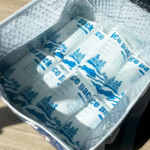
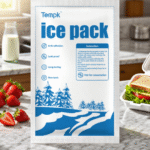
اختيار المبرد مهم بنفس القدر. عبوات الثلج ذات الأساس المائي يمكن أن يؤدي إلى خطر تجميد المنتجات التي لا تتحمل ملامسة العبوات المجمدة. قد تساعد عبوات الجل المكيفة أو مواد تغيير الطور في إدارة هذه المخاطر, لكنها لا تزال بحاجة إلى التكييف والتنسيب الصحيحين. يمكن للثلج الجاف أن يدعم الشحنات المجمدة أو المجمدة, ومع ذلك فهو يقدم التهوية, وضع العلامات, الناقل, ومشكلات توافق المنتج. للعديد من المشترين, السؤال الأكثر أمانًا ليس "أي سائل التبريد هو الأقوى".?"ولكن" أي سائل تبريد تم اختباره باستخدام هذا الصندوق ", هذه الحمولة, وهذا الافتراض الطريق?'
ما يجب تأكيده قبل توسيع نطاق الطلب
| ما يجب التحقق منه | لماذا يهم | كيفية التحقق قبل الطلب |
|---|---|---|
| درجة حرارة المنتج المطلوبة | قد يحتاج نفس الصندوق إلى سائل تبريد أو عبوة مختلفة للتبريد, المجمدة, المحيطة التي تسيطر عليها, أو احتياجات الحماية من التجميد. | تأكيد تسمية المنتج, مواصفات العميل, أو تعليمات الجودة قبل طلب عرض الأسعار. |
| مساحة حمولة قابلة للاستخدام | يمكن أن يكون الحجم الداخلي الإجمالي مضللاً عند تعبئة سائل التبريد, المقسمات, والطبقات الواقية تأخذ مساحة. | اطلب الأبعاد الداخلية وعينة من الرسم أو الصورة. |
| مدة الطريق وعمليات التسليم | تظهر المخاطر غالبًا عند أرصفة التحميل, محاور, الجمارك تحمل, تخزين عطلة نهاية الأسبوع, وتسليم الميل النهائي. | رسم خريطة لأطول طريق موثوق, ليس فقط وقت العبور المخطط له. |
| التوافق المبرد | حزم هلام, حزم المياه, بي سي إم, والثلج الجاف غير قابلين للتبديل وقد يؤديان إلى تجميد أو مخاطر على السلامة. | اسأل عن نوع سائل التبريد الذي تم استخدامه في الاختبار وكيف يجب تكييفه. |
| الرصد والسجلات | للبضائع المنظمة أو ذات القيمة العالية, القبول قد يعتمد على الأدلة, ليس فقط مظهر الحزمة. | تأكيد وضع مسجل البيانات, إعدادات التنبيه, وثائق المعايرة, وطريقة الاسترجاع عند الحاجة. |
| اتساق العينة إلى الإنتاج | العينة الجيدة لا تساعد إذا كانت مادة الإنتاج, غطاء مناسب, أو تتغير الملحقات لاحقًا. | اسأل عن كيفية التحكم في التغييرات وما إذا كانت وحدات الإنتاج تتوافق مع العينة المعتمدة. |
ليس المقصود من هذا الجدول جعل عملية الشراء أبطأ. إنه يمنع الخطأ الشائع المتمثل في مقارنة الموردين بسعر الصندوق مع تجاهل المتغيرات التي تحدد قبول الشحنة. عندما يبدو اقتباسان متشابهين, عادة ما يكون المورد الذي يمكنه شرح هذه النقاط بوضوح أسهل لفريق الجودة أو العمليات للعمل معه.
Factory Sourcing: What Should Stay Consistent After the Sample
A factory buyer should compare sample quality with production quality, request packout instructions, confirm material options, and ask how changes in box size, العزل, بطانة, سائل التبريد, and accessories are controlled.
Factory sourcing is useful when the buyer needs repeatability, التعبئة والتغليف ذات العلامة الخاصة, modified dimensions, accessory matching, or a clearer route from sample to production. The key is not to ask only whether the factory can make an insulated box. Ask how it controls material selection, تغييرات العفن, التحمل الغطاء, اختيار الخطوط الملاحية المنتظمة, تناسب المبرد, وضع العلامات, تعليمات التعبئة, والتفتيش. ل تغليف السلسلة الباردة, a small change in wall geometry, اتصال الغطاء, or internal layout can change the way heat enters the payload area.
A practical sample review should include a filled packout, not only an empty container. Place the intended product or a representative dummy payload into the box with the planned coolant and protective materials. Check whether staff can pack it consistently without forcing the lid, whether the logger location is protected but meaningful, whether the box can be sealed, and whether the outer carton survives expected handling. Only then does the sample tell you something useful about production use.
المراقبة والمعايير: الأدلة دون المبالغة
نقاط التحكم العملية هي تعليمات المنتج, خطر الطريق, تكوين التعبئة والتغليف, يراقب, وتلقي القرارات. تختلف اللوائح ومتطلبات العملاء حسب السوق وفئة المنتج. تعتبر المعايير والوثائق الإرشادية مفيدة لأنها تمنح الفرق لغة مشتركة, لكنها لا تحول الشاحن العادي إلى حل عالمي. الملامح الحرارية ISTA 7E, على سبيل المثال, يمكن أن يدعم اختبار حزمة النقل الحراري لبيئات الطرود, ومع ذلك، فإن ملف تعريف المختبر ليس هو نفسه كل مسار قد تسلكه شحنتك. تساعد إرشادات التحكم في درجة الحرارة الصادرة عن الاتحاد الدولي للنقل الجوي (IATA) فرق الشحن الجوي للرعاية الصحية على التفكير في التغليف, الوثائق, تسميات, التعامل, والمسؤوليات, ولكن كل شحنة لا تزال بحاجة إلى الحجز الصحيح وتعليمات الناقل.
أدوات اتخاذ القرار مفيدة
تحقق من التفاصيل قبل اختيار التغليف
يمكن أن تساعدك هذه الأدوات السريعة في مقارنة مخاطر المسار, احتياجات التحجيم, خيارات المبرد, وتفاصيل التعبئة والتغليف قبل أن تطلب عرض أسعار.
مرجع المواد العازلة
قارن بين خيارات المواد العازلة لاحتياجات التعبئة والتغليف المختلفة لسلسلة التبريد.
قارن الموادحاسبة الثلج الجاف
تقدير احتياجات الثلج الجاف للشحنات المجمدة أو شديدة البرودة قبل التعبئة.
تقدير الثلج الجافمولد قائمة التحقق من الامتثال
قم ببناء قائمة مرجعية عملية لمراجعة التغليف, شحن, والتوثيق.
بناء قائمة مرجعيةيسجل مسجل بيانات درجة الحرارة الأدلة; فهو لا يحمي المنتج بنفسه. ويجب وضعه حيث تكون القراءة ذات معنى بالنسبة للحمولة الصافية ومحميًا من الاتصال المباشر بسائل التبريد ما لم تكن هذه هي نقطة القياس المقصودة. لتخزين اللقاحات, تسلط إرشادات مركز السيطرة على الأمراض الضوء على أجهزة تسجيل البيانات الرقمية, وثائق المعايرة, وفترات التسجيل المحددة. في الشحن, وينطبق نفس المنطق: يجب أن تكون القراءة قابلة للتفسير, يجب أن تتطابق عتبات الإنذار مع المنتج, ويجب أن يعرف الفريق المتلقي ما يجب فعله في حالة ظهور رحلة.
يجب على المشترين تجنب الادعاءات العامة مثل "الصندوق المتوافق مع الناتج المحلي الإجمالي" أو "الموافقة على جميع شحنات الأدوية" ما لم يتمكن المورد من شرح المقصود بالضبط. يعتمد الامتثال عادة على عملية خاضعة للرقابة, حزمة مناسبة, التأهيل الموثق أو التحقق, معالجين مدربين, وإدارة الانحراف. الصندوق هو أحد مكونات هذه العملية. قد يكون عنصرا هاما جدا, ولكنه ليس برنامج الامتثال بأكمله.
عندما يكون الصندوق الأرخص أو الأقوى هو الاختيار الخاطئ
يمكن أن يكون الصندوق الأرخص خاطئًا عندما يدفع المخاطر إلى المخاض, يضيع, فقدان المنتج, أو شكاوى العملاء. يمكن أيضًا أن يكون الصندوق الأقوى خاطئًا عندما يكون كبيرًا جدًا, ثقيلة جدا, مكلفة للغاية للعودة, أو من الصعب جدًا على الموظفين حزم أمتعتهم باستمرار. الخيار الأفضل هو الصندوق الذي يناسب ملف الشحنة بمستوى مقبول من الأدلة والجهد التشغيلي.
ولهذا السبب يجب أن تتضمن محادثة الموردين حدودًا. اسأل أين لا ينبغي استخدام الصندوق. اسأل عن الطرق التي تتطلب مبردًا مختلفًا أو مؤهلًا إضافيًا. اسأل ما إذا كان التصميم مخصصًا للتبريد الشخصي, تسليم المواد الغذائية التجارية, توزيع الأدوية, نقل الطوارئ, أو الشحن العام الحساس لدرجة الحرارة. الحدود الواضحة ليست نقطة ضعف. إنها تساعد المشترين على تجنب استخدام منتج جيد في موقف خاطئ.
السيناريو النموذجي الذي يوضح المقايضة
تخيل أن شركة تقوم بشحن عينات حساسة لدرجة الحرارة من موقع الإنتاج إلى معمل اختبار. الشحنة صغيرة, لكن قيمة القرار عالية لأن العينات المتأخرة أو المعرضة للخطر يمكن أن تعطل اختبار الإطلاق. يعتبر المشتري شاحنًا رغويًا قياسيًا, حاوية EPP قابلة لإعادة الاستخدام, ونظام سلبي عالي الأداء. يعتمد الاختيار الصحيح على حد درجة حرارة العينة, طريق البريد السريع, وقت الانتظار المتوقع, وما إذا كان المختبر يحتاج إلى تسجيل درجة الحرارة قبل قبول العينات.
في هذا النوع من الشحن, الإفراط في الشراء والشراء المنخفض كلاهما ممكن. قد يكون النظام المتميز غير ضروري لمسار قصير يتم التحكم فيه مع مخاطر منخفضة واستلام سريع. قد يكون المبرد الرخيص غير مناسب إذا كان الطريق يتضمن عطلات نهاية الأسبوع, الاحواض الساخنة, أو معايير القبول الرسمية. يصبح قرار التعبئة أكثر وضوحًا عندما يقوم الفريق بتدوين افتراضات المسار الفعلية.
كيفية وضع قائمة مختصرة للمورد دون المبالغة في تعقيد المشروع
تعمل القائمة المختصرة البسيطة المكونة من ثلاث خطوات لمعظم مشاريع التعبئة والتغليف لسلسلة التبريد. أولاً, قم بإزالة أي مورد لا يمكنه مناقشة نطاق درجة الحرارة المطلوبة, حمولة, سائل التبريد, أبعاد, وافتراضات المسار. ثانية, قارن الخيارات المتبقية باستخدام نفس افتراضات الحزمة حتى تكون الأسعار عادلة. ثالث, اختبار أو مراجعة العينات مع الأشخاص الذين سيقومون بحزمها بالفعل, سفينة, يستلم, والموافقة على المنتج. هذه العملية أسرع من مناقشة المواصفات بشكل منفصل.
لا يحتاج أقوى الموردين إلى الوعد بأن صندوقًا واحدًا يناسب كل طريق. يجب أن يكونوا قادرين على شرح المكان المناسب للمنتج, حيث لا يصلح, وما هي المعلومات التي لا تزال مطلوبة. هذا الصدق مهم لأن عبوات سلسلة التبريد مليئة بمطالبات الأداء المشروط. وقت الانتظار المعلن, إذا عرضت, يجب أن تكون مرتبطة باختبار الملف الشخصي, حمولة, كمية المبرد, التعرض المحيطي, ومعايير القبول. إذا كانت هذه التفاصيل مفقودة, اطلب التوضيح قبل الاعتماد على المطالبة.
للطلبات المتكررة, احتفظ بسجل التغليف الذي يتضمن صور العينات المعتمدة, تحديد, تعليمات الحزمة, الاتصال بالمورد, تغيير التاريخ, واستلام المتطلبات. تساعد هذه الوثيقة في تدريب الموظفين الجدد, يقلل من انجراف التعبئة, ويعطي مرجعا للمشتريات عند إعادة الطلب. كما أنه يجعل من السهل تقييم تغييرات المورد لأنه يمكن مقارنة الخيار الجديد بالنظام الفعلي, ليس ضد الذاكرة.
التعليمات
هو صندوق شحن معزول بدرجة كافية لشحنات الشحن الحساسة لدرجة الحرارة?
ليس في حد ذاته. يعمل صندوق الشحن المعزول على إبطاء نقل الحرارة, لكن التحكم في درجة الحرارة يعتمد على متطلبات المنتج, نوع المبرد, تخطيط الحزمة, مدة الطريق, التعرض المحيطي, وعملية التعامل. للشحنات المنظمة أو ذات القيمة العالية, قد يحتاج المشترون أيضًا إلى المراقبة, تعليمات موثقة, ومراجعة الجودة. تعامل مع الصندوق باعتباره أحد مكونات نظام سلسلة التبريد.
ماذا يجب أن أسأل المورد قبل الطلب؟?
اسأل عن الأبعاد الداخلية والخارجية, مساحة حمولة قابلة للاستخدام, وصف المواد, توافق المبرد, تعليمات الحزمة, أساس الاختبار, توافر العينة, طريقة التغليف بالكرتون, وعملية التحكم في التغيير. إذا كانت الشحنة حساسة, اسأل أيضًا عن كيفية إجراء المراقبة وما هي الوثائق التي تدعم أي مطالبة أداء معلنة.
يمكن استخدام علبة واحدة للتبريد, المجمدة, والشحنات المحيطة الخاضعة للرقابة?
في بعض الأحيان يمكن أن يدعم نفس الصندوق الخارجي أكثر من تطبيق واحد, ولكن فقط مع المبرد المناسب والتعبئة. قد يكون تكوين البضائع المبردة خاطئًا بالنسبة للبضائع المجمدة أو للمنتجات التي يجب أن تتجنب التجميد. تأكد من متطلبات درجة حرارة المنتج ولا تفترض أن تغيير سائل التبريد يؤهل الصندوق تلقائيًا لمسار جديد.
كيف أقلل المخاطر عند الشراء بكميات?
الموافقة على حزمة العينة قبل تقديم طلب كبير, ثم التأكد من مطابقة وحدات الإنتاج للعينة المعتمدة. الاحتفاظ بسجلات الأبعاد, مادة, غطاء مناسب, مُكَمِّلات, وتعليمات التعبئة. إذا قام المورد بتغيير المواد, الأدوات, سائل التبريد, أو تكوين الكرتون, قم بمراجعة التغيير قبل استخدام الصناديق للشحنات الهامة.
متى يجب أن أستخدم مسجل البيانات؟?
استخدم مسجل البيانات عندما تكون قيمة المنتج, التوقعات التنظيمية, متطلبات العملاء, أو أن خطر الطريق يجعل دليل درجة الحرارة مهمًا. يجب تكوين المسجل لمجموعة المنتجات ووضعه في مكان تكون فيه القراءات ذات معنى. ويسجل ما حدث; ولا يصحح درجة الحرارة داخل العبوة.
خاتمة
The right choice for insulated shipping box factory temperature sensitive shipping depends on product temperature, تناسب الحمولة, مدة الطريق, تكوين المبرد, سلوك التعامل, واحتياجات التوثيق. صندوق الشحن المعزول القوي ليس مجرد حاوية; إنه المركز المادي للحزمة التي يجب أن تكون قابلة للتكرار. قبل الطلب, تأكيد متطلبات المنتج, مقارنة الأنظمة الكاملة, مراجعة أدلة المورد, واختبر العينة بالطريقة التي سيستخدمها بها فريقك فعليًا.
حول Tempk
و Tempk, نحن نتعامل مع التغليف المعزول كجزء من عملية سلسلة التبريد العاملة بدلاً من منتج مستقل. Our product range includes temperature-control packaging formats such as الصناديق المعزولة, صناديق تبريد, حزم الجليد, وملحقات سلسلة التبريد ذات الصلة. للمشترين مقارنة الموردين, يمكننا المساعدة في تغيير المسار, منتج, ومعلومات الحمولة في مناقشة التعبئة والتغليف الأكثر عملية.
CTA
شارك بنوع منتجك, طريق, نطاق درجة الحرارة المستهدفة, وحجم الطلب المتوقع مع Tempk لمقارنة خيارات صناديق الشحن المعزولة العملية قبل توسيع نطاق الشراء.