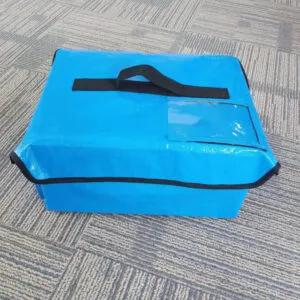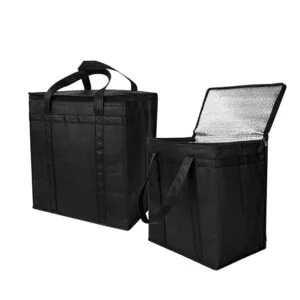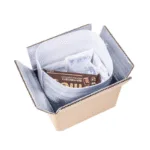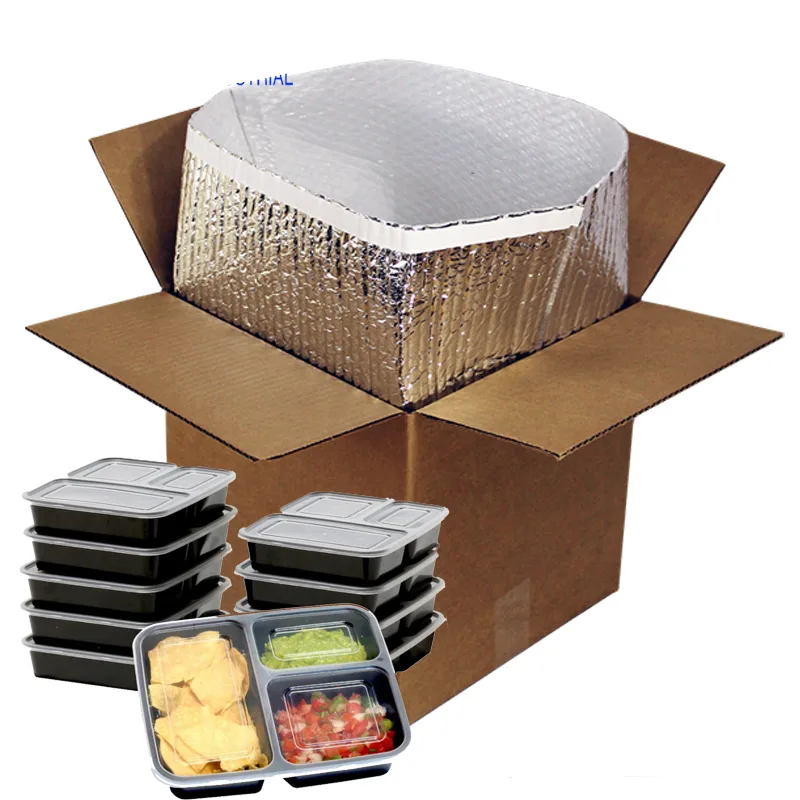
بطانة صندوقية معزولة بالورق مخصصة: إطار عملي لاختيار المورد المناسب
أفضل طريقة لاختيار الورق بطانة صندوق معزولة custom is to treat the liner as a controlled packaging component. يجب أن تناسب الكرتون, نقل الحرارة البطيء, دعم خطة التبريد, حماية الحمولة, وتكون قابلة للتكرار في العمليات اليومية. قد يغيب عن المشتري الذي يقارن فقط سعر الوحدة أو عدد الطبقات العوامل التي تحدد فعليًا ما إذا كانت الشحنة ستصل في حالة جيدة أم لا.
للمشترين B2B, مهندسي التعبئة والتغليف, مديري الوفاء, والفرق اللوجستية, تبدأ عملية الشراء الأقوى بمتطلبات الشحن ثم تنتقل إلى فحص الموردين. تحديد المنتج, طريق, هدف درجة الحرارة, مدة, حجم الكرتون, حجم الحمولة, سائل التبريد, وتوقعات المتلقي أولا. ثم قارن مواد البطانة, عينات, بيانات الاختبار, ضوابط الجودة, والتكلفة الإجمالية. يقلل هذا التسلسل من خطر تخصيص المظهر الخارجي مع ترك الحجم القابل للاستخدام وموضع سائل التبريد دون حل.
ابدأ بمتطلبات الشحن
يجب أن تبدأ مواصفات البطانة بتسامح المنتج, وليس كتالوج المورد. مادة مجمدة, البند المبردة, منتج يمكن التحكم في درجة حرارة الغرفة, ومستحضرات التجميل الحساسة للحرارة يمكن أن تتطلب جميعها حماية مختلفة. حتى ضمن نفس فئة المنتج, قد تحتاج طرق الصيف والشتاء إلى وزن سائل تبريد مختلف, قواعد التدريج المختلفة, أو تعليمات التعبئة المختلفة.
يجب على المشتري تحديد نطاق درجة الحرارة المستهدفة, الحد الأقصى لوقت العبور, التعرض المحيطي المتوقع, الوقت على مقاعد البدلاء التعبئة, درجة حرارة بدء المنتج, وعملية الاستلام. للمنتجات الهامة, ينبغي لفريق الجودة أن يقرر ما إذا كان أ الشاحن المؤهل, سجل درجة الحرارة, تأهيل المسار, أو الوثائق الرسمية مطلوبة. يمكن للبطانة أن تدعم عناصر التحكم هذه ولكن لا ينبغي الخلط بينها وبين نظام التحكم الكامل.
فهم ما يمكن أن تفعله الخطوط الملاحية المنتظمة وما لا يمكنها فعله
البطانة المعزولة هي حاجز سلبي. إنه يبطئ حركة الحرارة بين البيئة الخارجية والحمولة, لكنه لا يخلق التبريد في حد ذاته. عندما يجب أن تظل الشحنة مبردة, المجمدة, أو ضمن درجة حرارة الغرفة التي تسيطر عليها, تعمل البطانة عادة مع عبوات هلامية مكيفة, مواد تغيير المرحلة, الثلج الجاف, أو حمولة مبردة مسبقًا. نفس البطانة يمكن أن تعمل بشكل مختلف تمامًا عندما يكون حجم الكرتون, كتلة المبرد, طريق, وتغيير الانضباط التعبئة.
إن حزمة السلسلة الباردة هي أكثر من مجرد صندوق يحتوي على مادة عاكسة. إنه مزيج من العزل, سائل التبريد, حمولة, السيطرة على الفراغ, إنهاء, عملية التعامل, واستلام الفحص. للمستحضرات الصيدلانية, البيولوجيا, عينات المختبر, أو الغذاء المنظم, يجب على المشترين التعامل مع البطانة كأحد مكونات نظام التغليف الحراري الأوسع, وليس كدليل تلقائي على أن الشحنة مؤهلة لكل حارة.
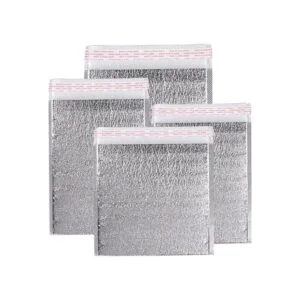
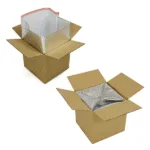
تشمل إنشاءات البطانة الشائعة فقاعة الرقائق, فقاعة معدنية, رغوة EPE مع مواجهة احباط, الألواح المصنوعة من الألياف أو الورق, العزل القائم على القطن أو النسيج, والهياكل الهجينة. كل بناء له مقايضات. أفلام الفقاعات خفيفة ومدمجة. تضيف الرغوة توسيدًا وسمكًا. يمكن للبطانات الورقية تحسين تجربة التخلص حيث تقبلها برامج إعادة التدوير. قد تعمل الأنظمة الهجينة على تحسين سرعة التعبئة أو العرض ولكنها لا تزال بحاجة إلى اختبار خاص بالمسار.
المشتري الحذر يفصل بين ثلاث مطالبات. أولاً, قد تكون المادة مناسبة للاستخدام في التغليف إذا كانت الوثائق تدعمها. ثانية, قد يكون للبطانة أداء حراري في اختبار محدد. ثالث, قد يكون نظام الشحن الكامل مؤهلاً لمسار أو ملف تعريف. هذه ليست نفس المطالبة, والخلط بينهما قد يؤدي إلى مخاطر الامتثال وتلقي النزاعات.
تعتبر بطانة الصندوق المعزولة بالورق مفيدة لأنها يمكن أن تجعل شحن الكرتون العادي أكثر استقرارًا حرارياً وأسهل في القياس. إنه محدود لأنه يعتمد على أجزاء أخرى من العبوة. إذا كانت عبوات الجل غير مكيفة, إذا كان حجم الكرتون كبير, أو إذا لم يتم إغلاق الغطاء بشكل صحيح, لا تستطيع البطانة استعادة الأداء المفقود بنفسها.
مقارنة المواد حسب الأداء والعمليات
يجب أن يرتبط اختيار المواد بالمسار وعملية التشغيل. لبطانة الصندوق المعزول بالورق المخصص, يمكن للمشترين مقارنة عزل الألياف, ألواح من الورق المقوى, يلتف الورق, والطلاءات أو الأفلام التي تدير الرطوبة والتعامل معها. البطانة الأفضل ليست دائمًا الأكثر سمكًا أو الأكثر تعقيدًا. إنها البطانة التي تلبي المتطلبات الحرارية, يناسب الكرتون, يدعم التعبئة السريعة, يبقى ثابتا في الإنتاج, ويعطي المتلقي عملية التخلص يمكن التحكم فيها.
استخدم هياكل الفقاعات المعدنية أو الفقاعات المعدنية عندما تكون خفيفة الوزن, تخزين مدمج, والإدراج السريع للكرتون من الأولويات.
استخدم الهياكل القائمة على الرغوة عند إضافة التوسيد, سمك مرن, وهناك حاجة إلى عزل أقوى للتعامل القاسي أو المنتجات الثقيلة.
استخدم الخيارات المستندة إلى الورق أو الألياف عندما تكون تجربة التخلص مركزية, ولكن تأكد من سلوك الرطوبة وقبول إعادة التدوير المحلي.
استخدم شاحنًا مؤهلًا أو حاوية قابلة لإعادة الاستخدام عندما تكون الشحنة ذات درجة حرارة ضيقة, مدة طويلة, أو مخاطر الامتثال العالية.
ملائم, حمولة, وهندسة الكرتون
يعد الملاءمة أحد متغيرات الشراء الأكثر إغفالًا. يجب على المشتري قياس الكرتون الداخلي بعد تركيب البطانة, وليس فقط الصندوق الخارجي. زوايا, طيات, اللوحات, وتداخل الإغلاق يمكن أن يقلل من المساحة القابلة للاستخدام. إذا كانت الحمولة بالكاد تناسبها, قد يسحق العمال البطانة, تغيير موقف حزمة هلام, أو اترك الغطاء مفتوحًا جزئيًا. كل من هذه التغييرات يمكن أن تقلل من الاتساق.
المواصفات الجيدة تشمل أبعاد الكرتون, الأبعاد النهائية للبطانة, تحمل السماكة, حجم قابل للاستخدام المثبتة, وزن الحمولة, تخطيط المبرد, وطريقة الإغلاق. ويجب أن يحدد أيضًا كيفية تعبئة البطانة للشحن الداخلي وكيف يجب على المشغلين فتحها, إدراج, وأغلقه. هذه التفاصيل الصغيرة تصنع الفارق بين العينة التي تعمل مرة واحدة والبرنامج الذي يعمل كل يوم.
قائمة التحقق من مؤهلات الموردين
نظرًا لأن تخصيص بطانة الصندوق المعزولة بالورق هو قرار تحديد المصادر بقدر ما هو قرار التعبئة والتغليف, يجب على المشترين طرح أسئلة مباشرة قبل تقديم طلب بالجملة. تغطي مناقشات الموردين الأكثر فائدة اتساق الإنتاج, الوثائق, حدود التخصيص, ودعم حل المشكلات.
اسأل عن الأبعاد الداخلية والخارجية, ليس فقط حجم الكرتون المسمى, لأن الحجم القابل للاستخدام يتغير بعد إدخال العزل.
تأكيد سعة الحمولة, سمك الخطوط الملاحية المنتظمة, طريقة الإغلاق, بناء التماس, وما إذا كان يتم توفير البطانة كحقيبة, مجموعة لوحة, كيس, أو إدراج مسبق التشكيل.
طلب عينات من نفس هيكل المادة المخصص للإنتاج, ومقارنتها بالرسم المعتمد قبل الطلب بالجملة.
تحقق من التوافق مع عبوات الجل, حزم PCM, الثلج الجاف عند الاقتضاء, منصات ماصة, أكياس داخلية, تسميات, ودرجة الكرتون للعميل.
مراجعة سرعة التعبئة, تدريب المشغلين, التعشيش أو كفاءة التخزين المسطح, تحميل الكرتون, نمط البليت, وتأثير الوزن الأبعاد.
أدوات اتخاذ القرار مفيدة
تحقق من التفاصيل قبل اختيار التغليف
يمكن أن تساعدك هذه الأدوات السريعة في مقارنة مخاطر المسار, احتياجات التحجيم, خيارات المبرد, وتفاصيل التعبئة والتغليف قبل أن تطلب عرض أسعار.
مدقق مخاطر الطريق
قم بمراجعة ظروف المسار قبل اختيار التغليف لمتطلبات التشغيل الحقيقية.
تحقق من مخاطر الطريقمولد قائمة التحقق من الامتثال
قم ببناء قائمة مرجعية عملية لمراجعة التغليف, شحن, والتوثيق.
بناء قائمة مرجعيةمقاومة سقوط المواد العازلة
مراجعة مقاومة السقوط وعوامل المناولة قبل اختيار المواد العازلة.
تحقق من المقاومةتوضيح موك, مهلة, رسوم العمل الفني أو الأدوات, خيارات مختلطة الحجم, عملية إعادة الطلب, وكيف يقوم المورد بتوصيل التغييرات المادية.
تحديد معايير التفتيش الاستلام, بما في ذلك التسامح سمك, سلامة الختم, جودة الطباعة, رائحة, تلوث, عدد الكرتون, والاسترداد بعد الضغط إذا تم استخدامه.
كيفية مراجعة البيانات الحرارية
لا ينبغي أبدًا فصل المخطط الحراري عن طريقة الاختبار. اسأل عن حجم الكرتون الذي تم استخدامه, ما هي كتلة الحمولة التي كانت معبأة, كم عدد عبوات الجل أو حزم PCM التي تم تضمينها, كيف تم تكييفهم, حيث تم وضع أجهزة الاستشعار, ما هو الملف الشخصي المحيط الذي تم استخدامه, وكم من الوقت استمر الاختبار. قد لا تنطبق المدة المطالب بها بدون هذه التفاصيل على منتجك.
للأغذية والمأكولات البحرية, يجب أن يأخذ الاختبار في الاعتبار الرطوبة, التحكم في التسرب, قوة الكرتون, ووقت فتح المتلقي. لشحنات الرعاية الصحية والأدوية, يجب أن تتماشى الاختبارات مع حالة المنتج الموضحة وإجراءات الجودة الداخلية. في كلتا الحالتين, يجب أن يحدد تلقي الفحص ما يحدث إذا وصلت الحزمة دافئة, مبتل, تالف, تأخير, أو فقدان سجل درجة الحرارة.
ملاحظات التطبيق لحالة الاستخدام هذه
ورق بطانات الصندوق المعزولة غالبًا ما يتم اختيارها من قبل العلامات التجارية التي تريد تجربة تخلص أنظف من الرغوة أو بطانات المواد المختلطة. السؤال العملي ليس ببساطة ما إذا كانت البطانة تحتوي على ورق. يجب على المشترين التحقق من كيفية تعامله مع التكثيف, ما إذا كانت الطلاءات تؤثر على قبول إعادة التدوير المحلي, مقدار السماكة المطلوبة, وما إذا كانت الكرتونة المعبأة لا تزال تلبي أهداف الوزن الأبعاد.
تفاصيل التطبيق مهمة لأن نفس البطانة يمكن أن تدعم أهدافًا مختلفة. يمكن استخدامه للحفاظ على استقرار المكونات المبردة, تقليل التعرض للحرارة للشوكولاتة, حماية العناصر المجمدة من التأخير القصير, حماية الأدوية من التقلبات المحيطة, أو تحسين العرض التقديمي في مربع الاشتراك. كل هدف يغير المبرد, كرتون, التعامل, ومعايير القبول.
التسعير وإجمالي تكلفة الأرض
تتضمن مقارنة الأسعار المفيدة سعر الوحدة, سمك المواد, كمية الطلب, مكعب الشحن, وزن المبرد, عمالة التعبئة, مطالبات الضرر, وعبء التخلص. يجب على المشترين طلب فواصل الأسعار حسب كمية الطلب, ولكن يجب عليهم أيضًا حساب الشحن الداخلي, مساحة التخزين, تغييرات الكرتون, تغييرات حزمة هلام, عمالة التعبئة, ومن المحتمل تخفيض المطالبة. بالنسبة لبرامج الاستيراد, يمكن أن تكون كثافة الكرتون الرئيسية وأبعاد الشحن بنفس أهمية سعر الوحدة.
للعرف, تصنيع المعدات الأصلية, أو بطانات مطبوعة, اسأل ما هي التكاليف التي يتم دفعها لمرة واحدة وأيها يتم تكرارها. الأدوات, إعداد العمل الفني, لوحات الطباعة, جولات العينة, والحد الأدنى من التشغيل قد يغير الاقتصاد. إذا كان البرنامج جديدا, يمكن أن يكون الأمر التجريبي الخاضع للرقابة أكثر أمانًا من ملء المستودع بحجم أو مادة لم يتم إثباتها على المسار.
الاستدامة دون فقدان حماية المنتج
يجب أن تكون الاستدامة محددة وقابلة للاختبار. لبطانة الصندوق المعزول بالورق المخصص, يجب على المشترين مقارنة الرفض, قبول الرصيف المحلي, مقاومة الرطوبة, تعليمات المتلقي, والمفاضلة بين سمك العزل ومكعب الكرتون. يجب أن تكون المطالبة القابلة لإعادة التدوير مدعومة بتعليمات يمكن للمستلمين فهمها. يجب أن تكون المطالبة القابلة لإعادة الاستخدام مدعومة بعملية إرجاع أو إعادة استخدام فعلية. يجب أن تظل المطالبة المتعلقة بالمواد الأقل تحمي المنتج من النفايات التي يمكن تجنبها.
نادرًا ما تكون الحزمة الأكثر استدامة هي تلك التي تحتوي على أبسط علامة تجارية. هو الذي يحمي المنتج, يقلل من المكعب والمواد غير الضرورية, يمكن التعامل معها بشكل صحيح من قبل المتلقي, ويمكن توفيره باستمرار دون بدائل متكررة. فقدان المنتج, شحنات الاستبدال, ويمكن لشكاوى العملاء أن تمحو فائدة البطانة التي تبدو أكثر خضرة على الورق ولكنها تفشل في النقل.
أعلام حمراء عند مقارنة الموردين
يقدم المورد مطالبة بوقت الانتظار ولكن لا يمكنه وصف كرتونة الاختبار, حمولة, سائل التبريد, أو الملف الشخصي المحيط.
تبدو العينة مختلفة عن عرض أسعار الإنتاج, أو أن الاقتباس لا يحدد هيكل المادة وسمكها.
يستخدم المورد كلمات واسعة مثل متوافق, التحقق من صحة, أو قابلة لإعادة التدوير دون توضيح حدود المطالبة.
مو, مهلة, عمل فني, عدد التعبئة والتغليف, أو تتغير شروط الشحن بعد موافقة المشتري على العينة.
تتطلب البطانة تسلسل تعبئة لا يمكن لموظفي المستودع تكراره أثناء ذروة الحجم.
مسار الطلب العملي
ابدأ بمادتين أو ثلاث مواد يمكن أن تلبي المتطلبات بشكل واقعي. طلب العينات والرسومات. قم ببناء حزمة اختبار باستخدام الكرتون الفعلي, حمولة, والمبرد. تشغيل طيار تحت التعرض المحيطي الموثوق به. مراجعة بيانات درجة الحرارة, وقت التعبئة, حالة الكرتون, حالة المنتج, وردود الفعل المتلقي. ثم قم بوضع اللمسات النهائية على المواصفات والتفاوض على الشروط التجارية.
بعد الطلب بالجملة الأول, الحفاظ على العينة المعتمدة ومعايير التفتيش. تحقق بعناية من كميات الإنتاج المبكرة وقم بتوثيق أي انحرافات. إذا قام المورد بتغيير المواد, تنسيق التعبئة والتغليف, أو مكان الإنتاج, كرر الشيكات ذات الصلة. يصبح برنامج الخطوط الملاحية المنتظمة أكثر موثوقية عندما تتم إدارته كعملية خاضعة للرقابة بدلاً من الشراء لمرة واحدة.
التعليمات
كم عدد العينات التي يجب اختبارها قبل طلب بطانة الصندوق المعزول بالورق المخصص?
اختبار عينات كافية لتعكس المادة المقصودة, حجم الكرتون, وعملية التعبئة. للشحنات الحرجة, اتبع خطة التحقق الخاصة بفريق الجودة بدلاً من الاعتماد على تجربة غير رسمية واحدة.
يمكن لحجم بطانة واحد أن يخدم عدة أحجام كرتونية?
أحيانا, ولكن فقط إذا كان حجم صالحة للاستعمال, إنهاء, ويظل وضع المبرد ثابتًا. يمكن أن يؤدي الحجم العالمي إلى تقليل المخزون ولكنه قد يؤدي إلى عدم ملاءمة الصناديق الكرتونية الأصغر حجمًا.
ما هي وثيقة المورد الأكثر أهمية?
الوثيقة الأكثر فائدة هي المواصفات أو الرسم الواضح المرتبط بعينة معتمدة. البيانات الحرارية, التصريحات المادية, ويجب أن تدعم تعليمات التعبئة هذه المواصفات.
حول Tempk
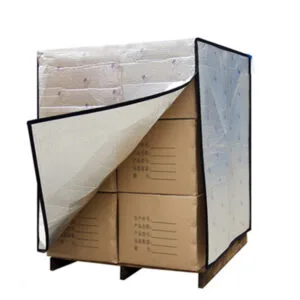
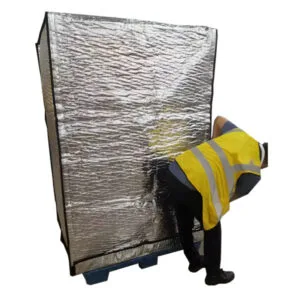
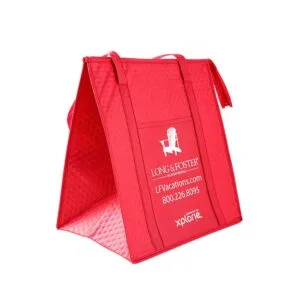
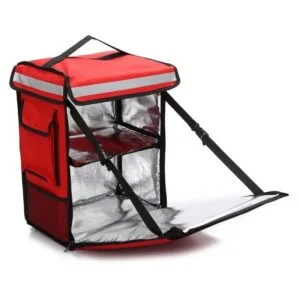
يدعم Tempk تغليف السلسلة الباردة برامج مع منتجات مثل عبوات جل الثلج, حزم الثلج الجاف, الطوب الجليد الفريزر, أكياس معزولة, صناديق معزولة EPP, صناديق الشحن الباردة, بطانات الصندوق المعزولة, وأغطية البليت. للمشاريع المتعلقة بالخطوط الملاحية المنتظمة, يمكننا مناقشة التنسيقات المعزولة القابلة للطي, هياكل رغوة EPE ورقائق الألومنيوم, تناسب الكرتون, والتوافق مع المصدر البارد للأغذية, الأدوية, وغيرها من الشحنات الحساسة لدرجة الحرارة. يتمثل دورنا في مساعدة المشترين على مطابقة تنسيق التغليف مع المسار, حمولة, وعملية التشغيل بدلاً من التعامل مع بطانة واحدة كحل عالمي.
تحدث إلى Tempk
شارك نطاق درجة الحرارة المستهدف, مدة الشحن, حجم الكرتون, حمولة, وشروط المسار لطلب توصية عملية بشأن الخطوط الملاحية المنتظمة أو مناقشة الطلب بالجملة.