التعبئة والتغليف الصيدلانية سلسلة التبريد يضمن استخدام الأدوية الحساسة لدرجة الحرارة، مثل اللقاحات, البيولوجية والعلاجات المتقدمة - تصل إلى وجهتها دون أن تفقد فعاليتها. في 2025 لقد انتقل هذا الانضباط من فكرة لوجستية لاحقة إلى ميزة استراتيجية. ومن المتوقع أن تنمو القيمة السوقية العالمية من 28.9 مليار دولار أمريكي 2025 إلى 75.0 مليار دولار أمريكي 2032 (CAGR 14.6%), مما يعكس الطفرة في العلاجات البيولوجية وعلاجات mRNA التي يجب شحنها في درجات حرارة محددة. يعد التغليف المناسب لسلسلة التبريد أمرًا مهمًا لأنه بدون تبريد ثابت, يمكن أن تفقد الأدوية البيولوجية فعاليتها وتصبح اللقاحات غير فعالة. يجب أن تحافظ سلسلة التبريد على نطاقات درجة حرارة محددة: 2-8 درجة مئوية لمعظم اللقاحات والأنسولين, -20 درجة مئوية للبيولوجيا المجمدة, -70 إلى -80 درجة مئوية للقاحات mRNA و درجة حرارة الغرفة التي تسيطر عليها (15-25 درجة مئوية) للأدوية الأخرى. ويؤدي الفشل في تلبية هذه النطاقات إلى الفساد وإهدار الاستثمار. يستخدم هذا الدليل أحدث اتجاهات البحث والصناعة لمساعدتك على الاختيار, تنفيذ وتحسين عبوات سلسلة التبريد الصيدلانية في 2025.
ما هو التغليف الصيدلاني لسلسلة التبريد ولماذا يهم؟? تعرف على كيفية حماية الخدمات اللوجستية التي يتم التحكم في درجة حرارتها من فعالية الأدوية والامتثال للإرشادات التنظيمية الصارمة.
كيف يمكنك تحديد حل التعبئة والتغليف المناسب لسلسلة التبريد؟? اكتشف المكونات الأساسية, نطاقات درجات الحرارة ومعايير القرار لاختيار الصناديق المعزولة, عبوات هلامية أو مبردات.
ما هي التقنيات والاتجاهات التي تعيد تشكيل عبوات السلسلة الباردة 2025? فهم كيفية مراقبة إنترنت الأشياء, العبوة الذكية, تعمل تقنية blockchain والرقمنة على دفع الإدارة الاستباقية للمخاطر.
كيف يمكن للتغليف المستدام لسلسلة التبريد أن يقلل من بصمتك البيئية? اكتشف المواد الصديقة للبيئة, حاويات واستراتيجيات قابلة لإعادة الاستخدام لتتماشى مع أهداف الاستدامة العالمية.
كيف تؤثر اللوائح وديناميكيات السوق على عبوات سلسلة التبريد? البقاء في صدارة الناتج المحلي الإجمالي, متطلبات إدارة الغذاء والدواء الأمريكية (FDA) ووكالة الأدوية الأوروبية (EMA) وتعرف على كيفية تأثير العوامل الإقليمية والتعريفات الجمركية على التكاليف.
ما هو تغليف سلسلة التبريد الصيدلانية ولماذا هو مهم?
إجابة مباشرة
تشير عبوات سلسلة التبريد الصيدلانية إلى المواد والأنظمة التي تحمي الأدوية الحساسة للحرارة أثناء النقل والتخزين. إن الحفاظ على نطاق درجة الحرارة الصحيح يضمن احتفاظ الأدوية بفعاليتها العلاجية وسلامتها. بدون تبريد ثابت, تتحلل الأدوية البيولوجية وتصبح اللقاحات غير فعالة. تستخدم سلسلة التبريد النموذجية مواد معزولة, المبردات وأجهزة المراقبة للحفاظ على البضائع بينهما 2-8 درجة مئوية, -20 درجة مئوية أو حتى -70 درجة مئوية, اعتمادا على المنتج. في 2025, يعد التغليف بسلسلة التبريد أمرًا ضروريًا بسبب نمو المواد البيولوجية, لقاحات mRNA والعلاجات الخلوية تجعل المزيد من المنتجات حساسة لدرجة الحرارة; يتم تكثيف التدقيق التنظيمي; ويطالب المرضى ومقدمو الخدمات بجودة أعلى.
التفسير الموسع
تخيل توصيل الآيس كريم في الصيف بدون مبرد: فيذوب ويفقد قيمته. وينطبق نفس المبدأ على المستحضرات الصيدلانية الحيوية. البروتينات, تتحلل الإنزيمات والأحماض النووية عند تعرضها للحرارة. تستخدم عبوات السلسلة الباردة شركات شحن معزولة, المبردات (مثل عبوات الجل أو الثلج الجاف) وأجهزة مراقبة درجة الحرارة للحفاظ على نطاقات درجات الحرارة الضيقة. تتطلب الهيئات التنظيمية مثل إدارة الغذاء والدواء الأمريكية (FDA) ووكالة الأدوية الأوروبية توثيق شروط التخزين; قد يؤدي عدم الامتثال إلى سحب المنتج, غرامات أو إيذاء المريض. تعمل عبوات سلسلة التبريد أيضًا على غرس الثقة في مقدمي الرعاية الصحية والمرضى من خلال ضمان وصول الأدوية الفعالة والآمنة. مع دخول المزيد من العلاجات – بما في ذلك العلاجات الجينية والبيولوجية المعقدة – إلى السوق, صناعة سلسلة التبريد تتوسع بسرعة. سيصل سوق تغليف سلسلة التبريد الصيدلانية العالمية 75 مليار دولار أمريكي 2032, مما يجعل الخبرة في هذا المجال أمرًا بالغ الأهمية لمديري سلسلة التوريد ومحترفي الجودة.
المكونات ونطاقات درجة الحرارة
تشتمل عبوات السلسلة الباردة على عناصر متعددة تعمل معًا للحفاظ على استقرار درجة الحرارة:
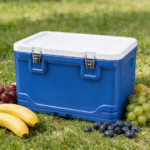
المواد العازلة: الصناديق, أغلفة وشاحن البليتات مصنوعة من البوليسترين الموسع (EPS), موسع البولي بروبيلين (إي بي بي) أو الألواح المعزولة بالفراغ تحبس الهواء البارد وتمنع انتقال الحرارة.
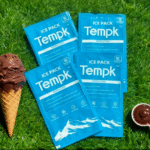
المبردات: حزم هلام, مواد تغيير المرحلة (PCMS) ويوفر الثلج الجاف الطاقة الحرارية للحفاظ على درجات الحرارة ضمن النطاق. الجليد الجاف (CO₂ الصلبة) يتسامى عند -78.5 درجة مئوية ويستخدم للشحن شديد البرودة, بينما تحافظ أجهزة PCM على نطاقات ضيقة تبلغ حوالي 2-8 درجة مئوية أو -20 درجة مئوية.
أجهزة مراقبة درجة الحرارة: تسجل أجهزة تسجيل البيانات الرقمية درجة الحرارة طوال فترة الشحن. يوصي مركز السيطرة على الأمراض باستخدام مسجل البيانات الرقمي (دي دي ال) بمسبار مخزَّن ودقة ±0.5 درجة مئوية. تقوم المراقبة في الوقت الفعلي عبر أجهزة استشعار إنترنت الأشياء بإرسال تنبيهات إذا انحرفت درجات الحرارة عن الحدود المحددة.
الحاويات والشاحنين: الحاويات المبردة, حاويات مبردة, توفر الصناديق المعزولة وشاحن المنصات حاويات آمنة للأدوية.
يلخص الجدول أدناه خيارات التغليف النموذجية ونطاقات درجات الحرارة الخاصة بها:
| عامل التغليف | نطاق درجة الحرارة | الأفضل ل | كيف يفيدك |
| صناديق معزولة | 2-8 درجة مئوية | اللقاحات, الأنسولين والأجسام المضادة وحيدة النسيلة | الحفاظ على الظروف المبردة للنقل على المدى القصير |
| حزم هلام | -20 درجة مئوية إلى -70 درجة مئوية | العلاجات البيولوجية والجينية | توفير الطاقة الباردة للشحنات لمسافات طويلة |
| الجليد الجاف | -78.5 درجة مئوية | البضائع المجمدة ولقاحات mRNA | يتيح النقل شديد البرودة للمنتجات التي تتطلب تجميدًا عميقًا |
| حاويات مبردة | 2-8 درجة مئوية | جميع المنتجات الحساسة لدرجة الحرارة | تقديم مدة ممتدة وبيئات خاضعة للرقابة للشحنات الكبيرة |
نصائح ونصيحة عملية
تقييم متطلبات المنتج: ابدأ بتحديد نطاق درجة الحرارة المطلوبة. على سبيل المثال, تحتاج لقاحات mRNA إلى -70 درجة مئوية أو أقل, بينما تتطلب أدوية إنقاص الوزن والعديد من المستحضرات البيولوجية درجة حرارة تتراوح بين 2-8 درجات مئوية.
تطابق المدة مع المبرد: قد تحتاج الرحلات القصيرة إلى عبوات هلامية فقط; غالبًا ما تتطلب الشحنات طويلة المدى أو الدولية ثلجًا جافًا أو تبريدًا نشطًا. يمكن تجديد حلول التبريد السلبية أثناء النقل للتخفيف من مخاطر الانحرافات.
دمج أجهزة الاستشعار: ترسل مستشعرات إنترنت الأشياء في الوقت الفعلي تنبيهات عند انحراف درجات الحرارة, السماح بالتدخلات قبل التلف.
الاستعداد للاضطرابات: خطط دائمًا للتأخير أو انقطاع التيار الكهربائي عن طريق إضافة سائل تبريد إضافي وحمل أجهزة مراقبة احتياطية.
التحقق من صحة التعبئة والتغليف: إجراء الاختبارات الحرارية ومعايرة أجهزة الاستشعار بانتظام لضمان الامتثال. يوصي مركز السيطرة على الأمراض (CDC) بضبط منظمات حرارة الثلاجة عند نقطة المنتصف (على سبيل المثال, 5 درجة مئوية) واستخدام مسجلات البيانات الرقمية.
دراسة حالة: في 2024 قامت إحدى شركات الأدوية بدمج أجهزة استشعار إنترنت الأشياء المتقدمة في شحنات اللقاحات, تقليل فقدان المنتج عن طريق 30% وتحسين الامتثال.
كيف يمكنك تحديد الحل المناسب لتغليف سلسلة التبريد؟?
إجابة مباشرة
يعتمد اختيار عبوة سلسلة التبريد الصيدلانية المناسبة على الحساسية الحرارية للمنتج, مدة الشحن والمتطلبات التنظيمية. تقييم نطاقات درجات الحرارة, طول الشحنة, قيمة المنتج وتحمل المخاطر. اختر التغليف السلبي (صناديق معزولة مع عبوات هلامية) للنقل القصير أو المنتجات منخفضة المخاطر; حدد العبوة النشطة (وحدات تبريد تعمل بالبطارية) للشحنات متعددة الأيام, متطلبات البرودة الفائقة أو المواد البيولوجية ذات القيمة العالية. الامتثال لممارسات التوزيع الجيدة (الناتج المحلي الإجمالي) وتعد إرشادات إدارة الغذاء والدواء الأمريكية/وكالة الأدوية الأوروبية أمرًا ضروريًا. تعد أجهزة تسجيل درجة الحرارة وDDL إلزامية بالنسبة لمعظم المنتجات.
التفسير الموسع
ابدأ بتصنيف منتجك: تتطلب اللقاحات والأنسولين عادة درجة حرارة تتراوح بين 2-8 درجات مئوية, بينما قد تحتاج المواد البيولوجية المجمدة إلى -20 درجة مئوية, وتتطلب لقاحات mRNA -70 درجة مئوية أو أقل. حدد المدة التي سيبقى فيها المنتج في مرحلة النقل; تتطلب الرحلات الطويلة عزلًا أكثر قوة أو تبريدًا نشطًا. النظر في حجم العبوة والحمولة: تشكل الصناديق الصغيرة أو شركات الشحن المعزولة حوالي 200 قطعة 38% من السوق وهي قياسية للتجارب السريرية والقوارير, بينما يخدم شاحنو البليت كميات كبيرة. تقييم حساسية التكلفة; يمكن أن تكلف التعبئة والتغليف المبردة 40-50 ٪ أكثر من العبوات المبردة القياسية, ومع ذلك قد يكون مبررًا لعلاجات عالية القيمة. أخيراً, التأكد من أن مواد التعبئة والتغليف ومسجلات البيانات تلبي المعايير التنظيمية, بما في ذلك شهادات المعايرة وحفظ السجلات الرقمية.
معايير القرار وأداة التقييم الذاتي
لمساعدتك في اختيار الحل الأمثل, النظر في هذه الأسئلة:
ما هو نطاق درجة الحرارة الذي يتطلبه منتجك؟? تحديد ما إذا كانت مبردة (2-8 درجة مئوية), المجمدة (-20 درجة مئوية) أو شديدة البرودة (-70 درجة مئوية أو أقل).
ما هي مدة الشحن? ل <24 ساعات, قد تكون الصناديق المعزولة التي تحتوي على عبوات هلامية كافية; للشحنات متعددة الأيام, استخدم PCMs أو الثلج الجاف.
ما هي قيمة المنتج? العلاجات الجينية عالية القيمة تبرر التبريد النشط والمراقبة الزائدة عن الحاجة.
هل تطبق اللوائح? اتبع الناتج المحلي الإجمالي والمبادئ التوجيهية الخاصة بكل بلد; تأكد من أن التعبئة والتغليف مؤهلة والتحقق من صحتها.
هل الاستدامة مهمة? اختر الشاحنين القابلين لإعادة الاستخدام والمبردات القابلة للتحلل عندما يكون ذلك ممكنًا.
قم بإنشاء مصفوفة تقييم ذاتي بسيطة لترتيب أولوياتك. على سبيل المثال, تعيين درجات للحساسية الحرارية, مدة, القيمة والاستدامة, ثم حدد حلول التعبئة والتغليف التي تلبي أو تتجاوز الحد الخاص بك في كل فئة.
رؤى تفصيلية عن أنواع التغليف
ينقسم سوق تغليف سلسلة التبريد الصيدلانية إلى حلول نشطة وسلبية. التعبئة والتغليف النشطة يستخدم مبردات كهربائية, مواد تغيير الطور والتبريد الذي يعمل بالبطارية. تحافظ هذه الحلول على درجات حرارة دقيقة وغالبًا ما تتضمن أجهزة استشعار مدمجة. إنها مثالية للشحنات شديدة البرودة من علاجات الخلايا والجينات ولكنها تكلف أكثر وتتطلب الشحن أو الوصول إلى الطاقة. التغليف السلبي يستخدم عزل الرغوة, حزم هلام, PCMs والثلج الجاف. إنه أبسط, أخف وزنا وقابلة لإعادة الاستخدام في كثير من الأحيان. تهيمن الأنظمة السلبية على الشحنات ذات الحجم الصغير, التجارب السريرية وتسليم الميل الأخير. تجمع الحلول الهجينة بين العزل السلبي والمراقبة في الوقت الفعلي, توفير الحماية والرؤية. عند اختيار التعبئة والتغليف, النظر أيضا في المواد: حساب البلاستيك ل 74% من السوق بسبب العزل المتفوق; لكن, تظهر بدائل مستدامة مثل الورق المعاد تدويره والمواد القائمة على النشا.
| نوع التغليف | الميزات الرئيسية | المنتجات المناسبة | فائدة عملية |
| التعبئة والتغليف النشطة (مبردات كهربائية, PCMS) | التبريد بالبطارية أو الطاقة; التحكم في درجة الحرارة الدقيقة | لقاحات مرنا, العلاجات الجينية, بيولوجيا شديدة البرودة | يتيح التبريد المستمر أثناء الرحلات الطويلة ولكن بتكلفة أعلى |
| التغليف السلبي (عزل الرغوة, حزم هلام) | يستخدم عزل EPS أو EPP مع عبوات هلامية; مدة درجة حرارة محدودة | الأنسولين, الأجسام المضادة أحادية النسيلة, أدوية GLP1 | خفيفة الوزن وفعالة من حيث التكلفة; من السهل التخلص منها أو إعادة استخدامها |
| التغليف الذكي الهجين | يجمع بين العزل السلبي وأجهزة استشعار إنترنت الأشياء ومسجلات البيانات | اللقاحات, البيولوجية التي تتطلب التتبع | يوفر رؤية في الوقت الحقيقي; يسمح بالتدخل الاستباقي أثناء الرحلات |
| التغليف المستدام (ورق, على أساس النشا, حاويات قابلة لإعادة الاستخدام) | مواد قابلة لإعادة التدوير; الحد الأدنى من البصمة الكربونية | منتجات غير شديدة البرودة; المستحضرات الصيدلانية العامة | يقلل من التأثير البيئي; يلبي أهداف ESG |
نصائح واقتراحات عملية
للتجارب السريرية: استخدم شركات الشحن الصغيرة المعزولة مع عبوات الجل وأجهزة تسجيل البيانات الرقمية. التحقق من صحة العبوة لكل تجربة لتجنب الانحرافات.
للشحنات الدولية لمسافات طويلة: اختر مواد تغيير الطور أو الثلج الجاف; دمج أجهزة استشعار إنترنت الأشياء للمراقبة المستمرة وتنبيهات الطوارئ.
لتسليم الميل الأخير: اجمع بين التغليف السلبي والمواد الصديقة للبيئة لتقليل النفايات والتوافق مع مبادرات الاستدامة.
للإرجاع والتذكير: وضع إجراءات الحجر الصحي وفحص المنتجات المرتجعة; لا يتم إعادة الشحن أبدًا بدون بيانات الاستقرار.
لعلاجات الخلايا والجينات عالية القيمة: استثمر في الأنظمة النشطة أو الهجينة المزودة ببطارية احتياطية وإمكانية تتبع blockchain للقضاء على التزييف وضمان سلسلة الحراسة.
مثال العالم الحقيقي: وتقدر منظمة الصحة العالمية أن ما يصل إلى 50% تم إهدار اللقاحات سنويًا قبل كوفيد 19 بسبب ضعف التحكم في درجة الحرارة والخدمات اللوجستية. يؤدي استخدام الحاويات المؤهلة المزودة بأجهزة استشعار لإنترنت الأشياء إلى تقليل الهدر بشكل كبير وتحسين توافر اللقاحات في المناطق المحرومة.
ما هي التقنيات التي تعيد تشكيل عبوات سلسلة التبريد في 2025?
إجابة مباشرة
الابتكارات التكنولوجية – وخاصة أجهزة استشعار إنترنت الأشياء, العبوة الذكية, تعمل تحليلات البيانات وتقنية blockchain على تحويل عبوات سلسلة التبريد الصيدلانية من الإدارة التفاعلية إلى الإدارة الاستباقية. توفر هذه الأدوات رؤية في الوقت الحقيقي لدرجة الحرارة, الرطوبة والموقع, تمكين المشغلين من التدخل قبل حدوث الانحرافات. تعمل عملية الرقمنة على دمج بيانات التعبئة والتغليف مع أنظمة تخطيط موارد المؤسسة, أتمتة تقارير الامتثال والصيانة التنبؤية.
التفسير الموسع
يمثل التحول من تسجيل درجة الحرارة يدويًا إلى المراقبة التي تعتمد على أجهزة الاستشعار تغييرًا أساسيًا في إدارة سلسلة التبريد. أنظمة مراقبة إنترنت الأشياء استخدام شبكات منخفضة الطاقة مثل الخلوية, LoRaWAN أو LTE M لنقل البيانات البيئية المستمرة إلى المنصات السحابية. عندما تخرج درجات الحرارة عن الحدود الآمنة, تتيح التنبيهات الآلية للفرق اللوجستية إعادة توجيه الشحنات, إضافة المبردات أو معدات الإصلاح. العبوة الذكية يمكنه تنظيم درجة الحرارة ذاتيًا وتقديم ملاحظات حول حالة المنتج; أجهزة استشعار متكاملة تراقب الصدمات, الميل والرطوبة, ويمكن لبعض الحاويات ضبط العزل أو التبريد من خلال مواد متغيرة الطور. تكنولوجيا البلوكشين يضمن التتبع والشفافية, إنشاء سجلات ثابتة لبيانات درجة الحرارة وعمليات نقل الحضانة. تحليلات البيانات والذكاء الاصطناعي اكتشاف الأنماط والتنبؤ بعوامل الخطر, إبلاغ تحسين الطريق والصيانة الوقائية. إجمالي, تعمل التكنولوجيا على تحويل سلسلة التبريد من الاحتواء التفاعلي إلى الاحتواء الاستباقي, النظام البيئي القائم على البيانات.
ابتكارات محددة وفوائدها
مراقبة درجة الحرارة في الوقت الحقيقي: تقوم أجهزة استشعار إنترنت الأشياء بالتقاط بيانات درجة الحرارة بشكل مستمر ونقلها إلى لوحات المعلومات المركزية. يتلقى المشغلون تنبيهات عند انحراف درجات الحرارة, السماح بالتدخل في الوقت المناسب.
تغليف ذكي مع عزل ذاتي التنظيم: يمكن للتغليف المدمج مع PCMs ووحدات التحكم الدقيقة ضبط البيئة الحرارية الخاصة بها, إطالة العمر البارد وتقليل استخدام المبردات.
Blockchain والتسلسل: تسجيل بيانات درجة الحرارة وسلسلة أحداث الحضانة على blockchain يمنع التلاعب والتزوير, تعزيز سلامة المرضى والامتثال التنظيمي.
التحليلات التنبؤية: تقوم خوارزميات التعلم الآلي بتحليل تاريخ درجات الحرارة, بيانات المسار والظروف البيئية للتنبؤ بأعطال المعدات وتحسين اختيار التغليف.
الواقع المعزز (AR) أدوات التدريب: يستخدم مشغلو الخدمات اللوجستية سماعات الرأس AR لتلقي تعليمات التعبئة خطوة بخطوة, الحد من الأخطاء البشرية وضمان الاتساق.
نصائح واقتراحات عملية
الاستثمار في البنية التحتية لإنترنت الأشياء: تجهيز الحاويات بأجهزة استشعار تدعم الاتصال الخلوي أو LoRaWAN; حدد الأجهزة ذات عمر البطارية الذي يتوافق مع مدة الشحن.
دمج البيانات مع أنظمة تخطيط موارد المؤسسات (ERP).: استخدم منصات البرامج التي تجمع بيانات الاستشعار, تتبع الشحنات, وأتمتة توثيق الناتج المحلي الإجمالي وإعداد التقارير.
اعتماد blockchain للبضائع ذات القيمة العالية: العمل مع مقدمي الخدمات اللوجستية لتنفيذ التتبع والتتبع القائم على blockchain; ضمان جميع أصحاب المصلحة - الشركات المصنعة, يمكن لشركات النقل والصيدليات تسجيل الحضانة والتحقق منها.
تدريب الموظفين على الأدوات الجديدة: تنفيذ برامج تدريبية باستخدام الواقع المعزز لتعريف الموظفين ببروتوكولات التعبئة واستكشاف الأخطاء وإصلاحها.
مراقبة مقاييس الاستدامة: استخدم أجهزة الاستشعار لقياس استهلاك الطاقة واستخدام المبردات; ضبط التغليف لتقليل البصمة الكربونية.
مثال عملي: يوفر برنامج التغليف الذكي الخاص بـ World Courier مراقبة في الوقت الفعلي لجميع الشحنات متعددة الاستخدامات, تمكين إدارة المخاطر الاستباقية وتقديم رؤية مفصلة للعملاء.
كيف يمكن للتغليف المستدام لسلسلة التبريد أن يقلل من بصمتك البيئية?
إجابة مباشرة
تركز الاستدامة في عبوات سلسلة التبريد الصيدلانية على تقليل انبعاثات الكربون, نفايات التعبئة والتغليف واستهلاك الطاقة مع الحفاظ على سلامة المنتج. تتبنى الشركات حاويات قابلة لإعادة الاستخدام, المبردات القابلة للتحلل ومصادر الطاقة المتجددة مثل التبريد بالطاقة الشمسية. يتوافق التغليف المستدام مع أهداف المسؤولية الاجتماعية للشركات, الضغط التنظيمي وتوقعات المستهلك للممارسات الصديقة للبيئة.
التفسير الموسع
تعتمد عمليات سلسلة التبريد التقليدية على حاويات EPS ذات الاستخدام الواحد ووحدات التبريد التي تعمل بالديزل, والتي تساهم في نفايات مدافن النفايات وانبعاثات الغازات الدفيئة. لمعالجة هذا, يقوم قادة الصناعة بتطوير شاحنين معزولين بالفراغ وقابلين لإعادة الاستخدام, مواد متغيرة الطور تعمل على إطالة العمر الحراري, والتعبئة والتغليف مصنوعة من الورق المعاد تدويره أو المواد القائمة على النشا. تعمل الألواح الشمسية الموجودة على أسطح المستودعات والمركبات المبردة الكهربائية على تقليل آثار الكربون. تساعد مراقبة استخدام الطاقة والانبعاثات الشركات على تحقيق الأهداف البيئية والاجتماعية والحوكمة (ESG) والمتطلبات التنظيمية. فضلاً عن ذلك, يؤدي تحسين سلسلة التوريد - مثل تخطيط الطريق والتصنيع المحلي - إلى تقليل مسافات النقل والانبعاثات المرتبطة بها. كما تحقق جهود الاستدامة فوائد اقتصادية: التغليف القابل لإعادة الاستخدام يقلل من التكلفة الإجمالية للملكية بمرور الوقت, وتعزز الممارسات الصديقة للبيئة سمعة العلامة التجارية بين العملاء المهتمين بالبيئة.
الاستراتيجيات المستدامة وأفضل الممارسات
قم بالتبديل إلى الحاويات القابلة لإعادة الاستخدام: يمكن إعادة استخدام الشاحنين المعزولين بالفراغ والمواد المتغيرة الطور عدة مرات, تقليل النفايات والتكلفة.
استخدم المبردات القابلة للتحلل: استكشف عبوات الجل المليئة بالهلام النباتي أو PCMs المصنوعة من مواد عضوية; تجنب المبردات الخطرة.
تنفيذ الخدمات اللوجستية العكسية: إنشاء نظام لاسترجاع وتنظيف الحاويات القابلة لإعادة الاستخدام; استثمر في التتبع لضمان العوائد.
الاستفادة من الطاقة المتجددة: تركيب الألواح الشمسية في المستودعات, اعتماد الشاحنات المبردة الكهربائية, واستخدام أنواع الوقود البديلة مثل الزيوت النباتية المعالجة مائيًا أو الميثان الحيوي.
قياس الانبعاثات والإبلاغ عنها: تتبع استخدام الطاقة وانبعاثات الكربون عبر سلسلة التبريد; تحديد أهداف التخفيض والإبلاغ العلني عن التقدم المحرز.
مثال: تم إنقاذ شركة لوجستية تستخدم المركبات التي تعمل بالوقود الغازي 1,400 طن من ثاني أكسيد الكربون الانبعاثات عن طريق التحول من الديزل إلى الوقود البديل.
نصائح واقتراحات عملية
تقييم تكلفة دورة الحياة: قارن التكلفة الإجمالية للتغليف القابل لإعادة الاستخدام - بما في ذلك التنظيف والخدمات اللوجستية العكسية - مع خيارات الاستخدام الفردي; غالبًا ما تتراكم المدخرات على مدار دورات متعددة.
تثقيف أصحاب المصلحة: تدريب الموظفين والشركاء على التعامل السليم مع الحاويات القابلة لإعادة الاستخدام وبروتوكولات إعادة التدوير.
التعاون مع الموردين: العمل مع موفري التغليف لتطوير مواد قابلة لإعادة التدوير أو قابلة للتحلل; المشاركة في البرامج التجريبية.
التوافق مع أطر ESG: التأكد من أن مبادرات الاستدامة تتوافق مع الأطر العالمية مثل أهداف الأمم المتحدة للتنمية المستدامة واللوائح المحلية.
التواصل الفوائد: مشاركة إنجازات الاستدامة مع العملاء والجهات التنظيمية لبناء الثقة وإظهار مسؤولية الشركات.
كيف تؤثر اللوائح وديناميكيات السوق على تغليف سلسلة التبريد?
إجابة مباشرة
المتطلبات التنظيمية وديناميكيات السوق هي التي تقود التغييرات في عبوات سلسلة التبريد الصيدلانية. السلطات مثل إدارة الغذاء والدواء, وكالة الأدوية الأوروبية ومنظمة الصحة العالمية تفوضان توثيق التحكم في درجة الحرارة, تأهيل التعبئة والتغليف والتسلسل. ممارسات التوزيع الجيدة في الاتحاد الأوروبي (الناتج المحلي الإجمالي) تتطلب المبادئ التوجيهية مراقبة في الوقت الحقيقي وأنظمة الجودة القائمة على المخاطر. في أثناء, ويتم تحفيز نمو السوق عن طريق البيولوجيا واللقاحات, ولكنها مقيدة بارتفاع تكاليف رأس المال والتعريفات الجديدة. يجب على الشركات أن تتنقل بين الاختلافات الإقليمية, تعقيد سلسلة التوريد والعوامل الجيوسياسية.
التفسير الموسع
تضمن اللائحة بقاء المستحضرات الصيدلانية آمنة وفعالة طوال عملية التوزيع. ممارسات التصنيع الجيدة الحالية لإدارة الغذاء والدواء (cGMP) تتطلب القواعد من الشركات التحقق من صحة جميع عمليات سلسلة التبريد - بما في ذلك تأهيل التعبئة والتغليف ومراقبة درجة الحرارة - مما يؤدي إلى إنشاء متطلبات الامتثال الأساسية. تؤكد المبادئ التوجيهية للناتج المحلي الإجمالي للاتحاد الأوروبي على إمكانية التتبع, السجلات الرقمية وإدارة الجودة; ويؤدي عدم الامتثال إلى سحب المنتج وفرض عقوبات عليه. في 2025, تعمل الجهات التنظيمية على تشديد المتطلبات من خلال تفويض خدمات معلومات رمز المنتج الإلكتروني (EPCIS) وتقييمات المخاطر. في نفس الوقت, تختلف ديناميكيات السوق الإقليمية: لدى الأمريكتين وأوروبا لوائح صارمة وخدمات لوجستية متقدمة, بينما تواجه مناطق آسيا والمحيط الهادئ تحديات في البنية التحتية تتطلب تعبئة معيارية. التعريفات الأمريكية المقدمة في 2025 أدت إلى زيادة تكاليف مكونات التعبئة والتغليف التي يتم التحكم في درجة حرارتها, حث الشركات على استكشاف مصادر قريبة ومتنوعة. التكاليف ونقص العمالة يزيد من الضغط على الهوامش, دفع الشركات لتحسين الطرق, اعتماد التخطيط القائم على الذكاء الاصطناعي وتأجير المعدات بدلاً من امتلاكها.
ديناميكيات السوق والرؤى الإقليمية
يتم تقييم سوق التعبئة والتغليف لسلسلة التبريد الصيدلانية بـ 28.9 مليار دولار أمريكي 2025 ومن المتوقع أن تنمو إلى 75 مليار دولار أمريكي 2032, مع 14.6% CAGR. يهيمن البلاستيك على تكوين المواد مع أ 74% الحصة السوقية, بينما تمثل الصناديق الصغيرة والشاحنون المعزولون 38% من أنواع المنتجات. تمثل شركات الأدوية الحيوية 54% من المستخدمين النهائيين, يعكس تركيز الطلب. أمريكا الشمالية تتصدر مع أ 31% يشارك, أوروبا مع 27%, وشرق آسيا مع 19%. تم حساب الخدمات اللوجستية التي يتم التحكم في درجة حرارتها 18% من الإنفاق اللوجستي للمستحضرات الصيدلانية الحيوية في 2020, ومن المتوقع أن يتجاوز نمو العلاجات الخلوية والجينية 81 مليار دولار أمريكي 2029- يتطلب حلول سلسلة فائقة البرودة. أدوية إنقاص الوزن (منبهات GLP 1) يجب أن تبقى في درجة حرارة 2-8 درجة مئوية; إن المخاوف بشأن المنتجات المقلدة تجعل الإدارة الصارمة لسلسلة التبريد أمرًا ضروريًا.
نصائح واقتراحات عملية
ابق متوافقًا: قم بمراجعة إرشادات الناتج المحلي الإجمالي وcGMP بانتظام; الاحتفاظ بسجلات رقمية لرحلات درجة الحرارة والإجراءات التصحيحية.
توحيد العمليات: تطوير إجراءات التشغيل الموحدة لتأهيل التعبئة والتغليف, معايرة, المراقبة وتدريب الموظفين.
تنويع المصادر: للتخفيف من آثار التعريفات الجمركية وانقطاع الإمدادات, تنويع الموردين, النظر في المساندة القريبة وتقييم المواد البديلة.
الاستفادة من الذكاء الاصطناعي والتحليلات: استخدم التحليلات التنبؤية لتحسين المسارات وتقليل استهلاك الوقود, معالجة كل من ضغوط التكلفة والأهداف البيئية.
مراقبة اللوائح الإقليمية: تكييف استراتيجيات التعبئة والتغليف مع مناطق مختلفة; على سبيل المثال, قد تحتاج منطقة آسيا والمحيط الهادئ إلى وحدات, التعبئة والتغليف القابلة للنشر بسهولة بسبب تقلب البنية التحتية.
هل تعلم? في استطلاع ل 200 صناع القرار اللوجستي, 44% تم تصنيف الحفاظ على سلامة المواد الحساسة لدرجة الحرارة كأولوية قصوى, تليها 38% للأمن و 27% من أجل الموثوقية.
2025 أحدث التطورات والاتجاهات في مجال التعبئة والتغليف لسلسلة التبريد الصيدلانية
نظرة عامة على الاتجاه
تدخل سلسلة التبريد الصيدلانية مرحلة تحولية 2025. مدفوعة بالتقدم التكنولوجي, التشديد التنظيمي والضغوط على الاستدامة, الصناعة تتحول نحو استباقية, الممارسات المعتمدة على البيانات والمسؤولة بيئيًا. الأبحاث الحديثة تسلط الضوء على ذلك 59% من قادة الصناعة يتوقعون نموًا مطردًا في تصنيع وأبحاث الأمراض المعدية خلال العام أو العامين المقبلين, الارتفاع إلى 70% في السنوات الثلاث إلى الخمس المقبلة. التقارب بين البيولوجيا, تتطلب لقاحات mRNA والعلاجات الخلوية بنية تحتية جديدة وحلول تعبئة وتغليف.
أحدث لقطة التقدم
تكامل إنترنت الأشياء والذكاء الاصطناعي: تتيح المراقبة في الوقت الفعلي والتحليلات التنبؤية للفرق اللوجستية توقع الرحلات وضبط المسارات أو أنظمة التبريد.
عبوات ذكية وذاتية التنظيم: تقوم المواد المتغيرة الطور المزودة بأجهزة استشعار مدمجة بضبط الخواص الحرارية, إطالة العمر البارد وتقليل النفايات.
اعتماد البلوكشين: يضمن إمكانية التتبع ويقلل من التزييف عن طريق تسجيل كل نقل ملكية في دفتر أستاذ غير قابل للتغيير.
إعادة الاستخدام والاستدامة: تعتمد الشركات أجهزة شحن معزولة بالفراغ ومواد تبريد قابلة للتحلل لتقليل التأثير البيئي; 60% من شركات الأدوية تستثمر في الحلول المستدامة.
التخصيص الإقليمي: تم تصميم استراتيجيات التعبئة والتغليف وفقًا للوائح والبنية التحتية المحلية - على سبيل المثال., التعبئة والتغليف المعيارية لآسيا والمحيط الهادئ, تكامل إنترنت الأشياء لأمريكا الشمالية وأوروبا.
تأثير التعريفات: الرسوم الجمركية الأمريكية الجديدة ترفع تكاليف المكونات, مما دفع بالقرب من المساندة والتنويع.
طفرة في العلاجات الخلوية والجينية: الخدمات اللوجستية الباردة جدا (-80 درجة مئوية وما دون) تتوسع مع تجاوز سوق CGT 81 مليار دولار أمريكي.
رؤى السوق والتوقعات
ويعتمد التوسع في السوق على المتطلبات التنظيمية, الابتكار التكنولوجي والاستثمارات الإقليمية. نمو صناعة الأدوية الحيوية في شرق آسيا يتسارع, مع الصين, كوريا الجنوبية واليابان تزيدان توزيع اللقاحات وصادراتها. في أثناء, تحافظ أوروبا على لوائح صارمة للناتج المحلي الإجمالي, زيادة الطلب على التغليف المتميز والمراقبة في الوقت الفعلي. تظل أمريكا الشمالية أكبر سوق بسبب الخدمات اللوجستية المتقدمة واعتماد تغليف إنترنت الأشياء. وتستثمر الأسواق الناشئة في أمريكا اللاتينية وأفريقيا في أبحاث الأمراض المعدية, خلق فرص لمقدمي الخدمات اللوجستية المتخصصة. لكن, ولا يزال الافتقار إلى البنية التحتية لسلسلة التبريد يمثل عائقًا: قبل كوفيد 19, حتى 50% تم إهدار اللقاحات على مستوى العالم بسبب عدم كفاية التحكم في درجة الحرارة.
الأسئلة المتداولة
س 1: ما هو نطاق درجة الحرارة الذي تحافظ عليه عبوات سلسلة التبريد الصيدلانية؟?
تتطلب معظم الأدوية التخزين بين 2-8 درجة مئوية, بينما تحتاج بعض المواد البيولوجية إلى -20 درجة مئوية، وتتطلب لقاحات mRNA أو العلاجات الخلوية -70 درجة مئوية أو أقل. يجب أن تحافظ الثلاجات على درجة حرارة تتراوح بين 2-8 درجات مئوية, المجمدات -50 درجة مئوية إلى -15 درجة مئوية, والمجمدات فائقة البرودة من -90 درجة مئوية إلى -60 درجة مئوية.
Q2: كيف أتأكد من أن العبوة الخاصة بي متوافقة؟?
اتبع إرشادات ممارسات التوزيع الجيدة والتحقق من صحة جميع مكونات التعبئة والتغليف. استخدم مسجلات البيانات الرقمية مع شهادات المعايرة, إجراء دراسات التأهيل الحراري والاحتفاظ بسجلات لرحلات درجة الحرارة. تأكد من أن التغليف مؤهل لنطاق درجة حرارة المنتج ومدته.
س 3: ما هو الفرق بين التغليف النشط والسلبي?
تستخدم التعبئة النشطة أنظمة تبريد تعمل بالطاقة وتحكمًا دقيقًا في درجة الحرارة - وهي مثالية للمنتجات شديدة البرودة أو ذات القيمة العالية. تعتمد العبوة السلبية على العزل ومواد التبريد مثل عبوات الهلام أو الثلج الجاف; فهي أخف وزنا وفعالة من حيث التكلفة.
س 4: كيف يمكنني تقليل التأثير البيئي لتغليف سلسلة التبريد?
اعتماد حاويات قابلة لإعادة الاستخدام, المبردات القابلة للتحلل ومصادر الطاقة المتجددة. تحسين طرق النقل لتقليل الانبعاثات والاستثمار في المواد المستدامة مثل الورق أو العزل المعتمد على النشا.
س 5: ما هو الدور الذي تلعبه التكنولوجيا في الخدمات اللوجستية الحديثة لسلسلة التبريد؟?
تتيح التكنولوجيا مراقبة درجة الحرارة والموقع في الوقت الحقيقي, التحليلات التنبؤية والتتبع القائم على blockchain. تعمل هذه الأدوات على تحويل إدارة سلسلة التبريد من رد الفعل إلى الاستباقي, الحد من النفايات وتحسين الامتثال التنظيمي.
اقتراح
الوجبات الرئيسية
ويؤكد هذا الدليل على ذلك يعد تغليف سلسلة التبريد الصيدلانية أمرًا ضروريًا لحماية فعالية الدواء وأصبحت أولوية استراتيجية. تشمل النقاط الرئيسية:
أهمية التحكم في درجة الحرارة: الحفاظ على نطاق درجة الحرارة الصحيح يمنع فقدان الفاعلية وانتهاكات الامتثال.
نمو السوق السريع: سوف ينمو السوق من 28.9 مليار دولار أمريكي 2025 إلى 75 مليار دولار أمريكي 2032, مدفوعة بالبيولوجية, لقاحات mRNA والعلاجات الخلوية.
معايير الاختيار: اختر العبوة بناءً على متطلبات درجة الحرارة, مدة الشحن, قيمة المنتج وأهداف الاستدامة; التحقق من صحة ضد المبادئ التوجيهية الناتج المحلي الإجمالي.
التحول التكنولوجي: مستشعرات إنترنت الأشياء, يتيح التغليف الذكي وتقنية blockchain إدارة المخاطر بشكل استباقي وإمكانية التتبع.
الاستدامة والديناميات الإقليمية: حاويات قابلة لإعادة الاستخدام, المبردات القابلة للتحلل والطاقة المتجددة تقلل من التأثير البيئي; ويجب أن تأخذ الاستراتيجيات الإقليمية في الاعتبار الأنظمة والبنية التحتية.
توصيات قابلة للتنفيذ
تقييم سلسلة التوريد الخاصة بك: إجراء تدقيق شامل لمتطلبات درجة حرارة المنتج, مدة الشحن والالتزامات التنظيمية. استخدم مصفوفة القرار لاختيار التغليف المناسب.
استثمر في التكنولوجيا: تجهيز الشحنات بأجهزة استشعار إنترنت الأشياء ودمج البيانات في أنظمة تخطيط موارد المؤسسات (ERP) للمراقبة والتحليلات في الوقت الفعلي. استكشف blockchain للمنتجات ذات القيمة العالية.
اعتماد الممارسات المستدامة: الانتقال إلى التغليف القابل لإعادة الاستخدام أو القابل للتحلل, تنفيذ الخدمات اللوجستية العكسية والاستفادة من مصادر الطاقة المتجددة. قياس الانبعاثات والإبلاغ عنها.
تدريب واعتماد الموظفين: تأكد من فهم الموظفين لإرشادات الناتج المحلي الإجمالي, بروتوكولات التعبئة والتغليف وإجراءات الطوارئ. استخدم أدوات الواقع المعزز للتدريب التفاعلي.
التعاون مع الخبراء: الشراكة مع موفري خدمات التغليف بسلسلة التبريد ذوي الخبرة الذين يقدمون حلولاً معتمدة ودعمًا تنظيميًا. ابق على علم بالاتجاهات الناشئة والتغييرات التنظيمية.
كن يقظًا: مراقبة التحديثات التنظيمية, ديناميكيات السوق والابتكارات التكنولوجية لتكييف إستراتيجية سلسلة التبريد الخاصة بك والحفاظ على الميزة التنافسية.
حول Tempk
نحن ملتزمون بتصميم وتصنيع حلول التعبئة والتغليف لسلسلة التبريد الصيدلانية عالية الجودة. تم تصميم منتجاتنا للحفاظ على التحكم الدقيق في درجة الحرارة, الامتثال لإرشادات الناتج المحلي الإجمالي وإدارة الغذاء والدواء, ودعم أهداف الاستدامة. نحن نقدم صناديق معزولة, الشاحنين المعزولين بالفراغ, حزم الهلام وحلول المراقبة التي تدعم إنترنت الأشياء والتي تحمي المواد البيولوجية عالية القيمة, اللقاحات والعلاجات المتقدمة. يبتكر مركز البحث والتطوير لدينا باستمرار لتقليل النفايات وتحسين الكفاءة. باختيارنا, تستفيد منه خبرة الصناعة, الامتثال التنظيمي و خيارات التغليف الصديقة للبيئة التي تدعم مهمتك في تقديم الأدوية المنقذة للحياة بأمان.
دعوة إلى العمل
جاهز لتحسين عبوات سلسلة التبريد الصيدلانية الخاصة بك? تواصل مع خبرائنا اليوم لمناقشة الحلول المخصصة, جدولة تدقيق التعبئة والتغليف أو طلب عينة من المنتج. معًا يمكننا حماية صحة المرضى, تلبية المتطلبات التنظيمية وخلق مستقبل أكثر استدامة.