صندوق من مادة البولي بروبيلين الموسع القابل لإعادة التدوير: دليل الاختيار العملي
الطريقة الأكثر أمانا لاختيار صندوق EPP هو تحديد الوظيفة التي يجب أن تؤديها قبل مناقشة الحجم, لون, شعار, أو سعر الوحدة. درجة غذائية قابلة لإعادة التدوير صندوق من مادة البولي بروبيلين الموسع يجب أن تحمي الأطعمة الجاهزة, مكونات مختومة, مجموعات الوجبات, سلع المخابز, ينتج, العناصر المبردة, أو حزم البيع بالتجزئة أثناء تسليم الحلقة المغلقة, توزيع الخدمات الغذائية, لوجستيات البقالة, وتداول المواد الغذائية بالجملة. ويجب أن يتناسب أيضًا مع طريقة تعبئة الموظفين, يرفع, كومة, ملصق, ينظف, وإرجاع الحاوية. تشرح هذه المقالة كيفية تقييم الصندوق كأداة تشغيل, ليس فقط كمنتج رغوة معزولة, حتى تتمكن من تجنب أخطاء المواصفات الشائعة قبل طلب العينات أو الانتقال إلى الشراء بالجملة.
إجابة عملية: يعمل صندوق البولي بروبيلين الموسع القابل لإعادة التدوير والقابل لإعادة التدوير بشكل أفضل عند تنسيق المنتج, مدة الطريق, مسار التعامل, ويتم التعرف على حلقة التنظيف قبل تحديد المربع. يمكن أن تدعم المادة العزل والتوسيد, لكن ضوابط العملية اليومية تحدد ما إذا كانت النتيجة موثوقة أم لا.
ابدأ بمهمة صندوق البولي بروبيلين الموسع القابل لإعادة التدوير والقابل لإعادة التدوير
ينبغي الحكم على صندوق البولي بروبيلين الموسع القابل لإعادة التدوير من خلال الوظيفة التي يؤديها. لهذا الموضوع, المهمة هي استخدام عبوات EPP القابلة لإعادة الاستخدام حيث تتوقع ملامسة الطعام, قواعد التنظيف, ويجب التعامل مع مطالبات نهاية العمر بعناية. يتضمن ذلك حماية المنتج, سرعة التعامل, التخزين المؤقت الحراري, تنظيف, وكرر الاستخدام. إذا قمت بتحديد حجم الصندوق فقط, تترك الكثير من القرارات للموظفين أثناء الإرسال.
نقطة البداية الأفضل هي كتابة وصف تشغيلي قصير: ما يدور في الداخل, كيف هي معبأة, من يحملها, حيث ينتظر, كم مرة يتم فتحه, ما هي الحالة التي يجب أن يصل إليها المنتج, وكيف يعود الصندوق. يوفر هذا الوصف للمورد معلومات مفيدة ويمنح فريقك وسيلة للحكم على العينات بشكل عادل.
يمكن أن يكون EPP خيارًا قويًا لأنه يجمع بين الوزن المنخفض, توسيد, والعزل. ومع ذلك، لا ينبغي المبالغة في بيعها. أ صندوق رغوة لا يقوم بإنشاء سلسلة تبريد تم التحقق من صحتها في حد ذاته. وهو يدعم الحزمة وسير العمل الذي لا يزال بحاجة إلى مطابقته للمنتج والمسار.
الغذاء الصف والقابلة لإعادة التدوير هي مطالبات منفصلة; يجب توثيق كلاهما بدلاً من الافتراض.
عمليات التحقق الأربعة الملائمة التي تمنع معظم الأخطاء
التحقق الأول من الملاءمة هو ملاءمة المنتج. ضع عبوة المنتج الحقيقية داخل العينة, بما في ذلك الصواني, أكياس, كرتون, المقسمات, وأي مبرد أو إدراج. تحقق مما إذا كانت الأطعمة الجاهزة, مكونات مختومة, مجموعات الوجبات, سلع المخابز, ينتج, العناصر المبردة, أو يمكن تعبئة عبوات البيع بالتجزئة دون الضغط على الغطاء أو ترك فجوات كبيرة غير مستقرة.
فحص الملاءمة الثاني هو التعامل مع الملاءمة. حرك الصندوق المحمل عبر المسار الفعلي: جدول الإنتاج, رف التدريج, عربة, تسليم العميل, تخزين العودة, ومنطقة التنظيف. انتبه إلى راحة الإمساك, توازن, تكديس, وما إذا كان الصندوق يمنع الرؤية أو الحركة في المساحات الضيقة.
فحص الملاءمة الثالث هو الملاءمة الحرارية. حدد ما إذا كان الهدف هو ببساطة إبطاء تغير درجة الحرارة خلال طريق قصير أو دعم مجموعة أكثر تحكمًا. للمنتجات ذات المتطلبات الصارمة, يحتاج الصندوق إلى سائل تبريد داعم, يراقب, والدليل الخاص بالطريق. للأغذية الأقل حساسية, قد تكون تجارب المسار العملية كافية لتأكيد الملاءمة.
التحقق من الملاءمة الرابعة هو إعادة الاستخدام. قرر كيف سيتم استرداد الصندوق, تنظيفها, المجففة, تفتيشها, مخزنة, ومتقاعد. إعادة الاستخدام ليست خاصية مادية وحدها; إنه روتين الإدارة.
- التأكد من كيفية تحضير الأطعمة, مكونات مختومة, مجموعات الوجبات, سلع المخابز, ينتج, العناصر المبردة, أو يتم تعبئة عبوات البيع بالتجزئة قبل دخولها إلى الصندوق.
- تحقق مما إذا كان بإمكان الموظفين رفع الحاوية وإغلاقها بأمان عندما تكون ممتلئة.
- حماية المنتج المباشرة المنفصلة عن العزل الحراري السلبي وفقًا لمواصفاتك.
- اكتب قاعدة تنظيف وفحص بسيطة قبل أول عملية شراء بالجملة.
ما يجب تأكيده قبل الانتقال من العينة إلى الطلب بالجملة
يتطلب الانتقال من العينة إلى الطلب بالجملة مستوى مختلفًا من الانضباط. يخبرك النموذج ما إذا كان المفهوم قد ينجح. يحتاج الطلب بالجملة إلى الثقة بأن نفس الأبعاد, جودة السطح, غطاء مناسب, لون, إدراج صالح, وسوف تتكرر طريقة التعبئة.
اطلب من المورد تأكيد الأبعاد الداخلية والخارجية, المعلومات المادية, وثائق الاتصال بالأغذية إذا كانت ذات صلة, الألوان المتاحة, تعبئة الكرتون, نهج التفتيش, وماذا يحدث إذا تغيرت الأدوات أو المواد. إذا كان التطبيق الخاص بك يعتمد على إدراجات, تسميات, أو أغطية خاصة, قم بتأكيد هذه الملحقات كجزء من نفس المراجعة وليس كفكرة لاحقة.
يلخص الجدول أدناه عمليات الفحص التي تمنع عادةً الأخطاء الأكثر تكلفة.
| سؤال مناسب | ما للتأكيد | خطر إذا تم تجاهله |
|---|---|---|
| هل يتطابق الصندوق مع الحمولة؟? | قياس الأطعمة الجاهزة, مكونات مختومة, مجموعات الوجبات, سلع المخابز, ينتج, العناصر المبردة, أو عبوات البيع بالتجزئة مع جميع الفواصل أو سائل التبريد | تتحرك البضائع السائبة; يتم سحق الأحمال الضيقة |
| يمكن للموظفين التعامل معها بالكامل? | رفع الاختبار, سلالم, رفوف الشاحنة, وتسليم | قد تفشل العينة الفارغة الجيدة أثناء طريق مزدحم |
| هل الدور الحراري واقعي؟? | تأكد مما إذا كنت تحتاج فقط إلى توفير العزل بينما يتحقق المشتري من ملاءمة الاتصال المباشر أو غير المباشر بالأغذية ومسارات إعادة التدوير أو العبوة المؤهلة | العزل وحده قد لا يلبي متطلبات المنتج الحساسة |
| هل يمكن للمورد تكرار ذلك? | مراجعة التسامح الإنتاج, التغليف, وتغيير السيطرة | قد تنحرف الطلبات بالجملة عن العينة المعتمدة |
هذه الشيكات بسيطة, لكنهم يجبرون المناقشة على الابتعاد عن الادعاءات الغامضة. بدلًا من السؤال عما إذا كان الصندوق قويًا, اسأل عن الأحمال وظروف المناولة التي يهدف إلى دعمها. بدلا من السؤال عما إذا كان يحافظ على درجة الحرارة, اسأل تحت أي ظروف الحزمة والمسار يكون البيان ذا معنى.
السيناريو النموذجي وكيفية تقييمه
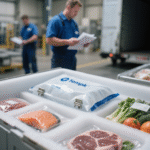
قد يرغب عامل توصيل البقالة في الحصول على صناديق معزولة قابلة لإعادة الاستخدام تقلل من التغليف القابل للتصرف. لا تزال خطة التغليف بحاجة إلى وثائق ملامسة الطعام, إجراءات التنظيف, ومسار نهاية العمر الذي يتوافق مع خيارات إعادة التدوير المحلية.
لتقييم هذا السيناريو, لا ينبغي للمشتري أن يبدأ بمقارنة الكتالوج وحده. يجب على الفريق حزم البضائع الفعلية, أغلق الغطاء, احمل الصندوق عبر مسار الطريق, اتركه في منطقة التدريج المتوقعة, افتحه كما يفعل الموظفون أثناء الولادة, وفحص الحاوية المرتجعة بعد التنظيف.
أثناء المحاكمة, لاحظ المشاكل التي من السهل تفويتها: فرك ملصقات المنتجات على الحائط, جمع التكثيف في الزوايا, الموظفين يفرطون في ملء الصندوق, مقابض الضغط في اليدين, يتم وضع الأغطية على الأرضيات القذرة, أو الصناديق التي تعود بمحتويات مختلطة. تكشف هذه التفاصيل ما إذا كان التصميم المحدد يمكن أن يصبح معيارًا قابلاً للتكرار.
إذا كان المنتج هشا, غالي, أو حساسة لدرجة الحرارة, أضف المزيد من الحذر. قد لا تكون التجربة البصرية القصيرة كافية. قد يحتاج الفريق إلى تسجيل درجات الحرارة الخاضعة للرقابة, وضع المبرد المحدد, إسقاط أو التعامل مع الشيكات, واستلام معايير الفحص قبل الموافقة على الصندوق من أجل طرحه على نطاق أوسع.
عندما يحتاج الصندوق إلى الدعم من حزمة كاملة
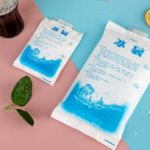
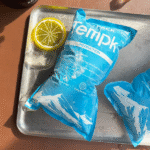
قد يحتاج صندوق البولي بروبيلين الموسع القابل لإعادة التدوير إلى دعم من مكونات التغليف الأخرى. يمكن للإدراج التحكم في موضع المنتج. يمكن أن تقلل الفواصل من الاحتكاك. يمكن لحزم الجل أو حزم تغيير الطور أن تدعم المسارات المبردة عند تحديدها بشكل صحيح. يمكن أن تساعد البطانات في التنظيف أو الانفصال. يمكن أن تدعم الملصقات إمكانية التتبع والتحكم في الإرجاع.
أدوات اتخاذ القرار مفيدة
تحقق من التفاصيل قبل اختيار التغليف
يمكن أن تساعدك هذه الأدوات السريعة في مقارنة مخاطر المسار, احتياجات التحجيم, خيارات المبرد, وتفاصيل التعبئة والتغليف قبل أن تطلب عرض أسعار.
حاسبة علبة الثلج
تقدير كمية عبوات الثلج الهلامي للشحنات المبردة والتخطيط العملي للمسار.
تقدير عبوات الثلجمدقق مخاطر الطريق
قم بمراجعة ظروف المسار قبل اختيار التغليف لمتطلبات التشغيل الحقيقية.
تحقق من مخاطر الطريقبطانة الصندوق & تحجيم غطاء البليت
تحقق من منطق تحديد حجم بطانة الصندوق وغطاء منصة التحميل لمشاريع التغليف المعزولة.
تقدير الحجمتكمن المخاطرة في افتراض أن إضافة المكونات يؤدي دائمًا إلى تحسين الأداء. قد يؤدي المزيد من سائل التبريد إلى إتلاف بعض المنتجات إذا تسبب في تجميد أو تكثيف موضعي. يمكن للإدخال حماية منتج واحد مع جعل التنظيف أكثر صعوبة. يمكن أن تساعد البطانة في احتواء الانسكابات ولكنها قد تبطئ الجفاف أو تضيف النفايات. يجب أن يكون لكل مكون سبب.
وهذا أيضًا هو المكان الذي يهم فيه التواصل بين المشتري والموردين. شارك الطريق, تنسيق المنتج, هدف الحزمة, وقيود التشغيل. تعتمد التوصية الجيدة على ما إذا كانت الشحنة يتم تسليمها في اتجاه واحد, حلقة قابلة لإعادة الاستخدام, تشغيل الطعام, طريق المخبز, برنامج الاشتراك في الوجبات, أو مشروع توريد الجملة.
لا تكتب مواد قابلة لإعادة التدوير في ورقة المواصفات إلا إذا كنت تعرف ما هو تدفق المواد والتسويق الذي تشير إليه المطالبة.
ملاحظات إضافية للمشتري قبل الموافقة النهائية
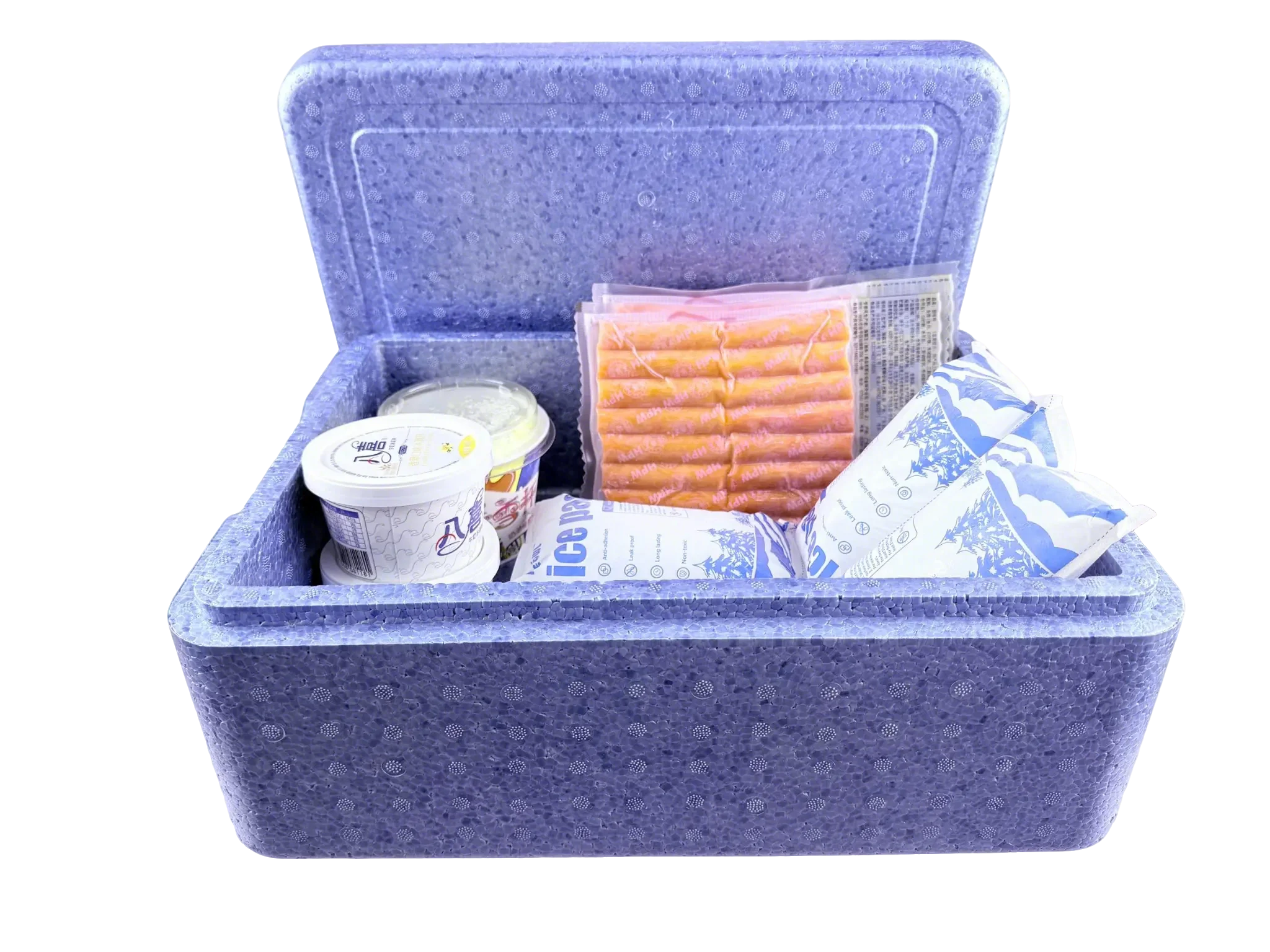
البولي بروبلين الموسع عبارة عن رغوة ذات خلية مغلقة مصنوعة من خرزات البولي بروبيلين. في التعبئة والتغليف, هذا الهيكل مفيد لأن المادة يمكن أن تكون خفيفة, مرن, وعازلة للحرارة في نفس الوقت. للحصول على صندوق من مادة البولي بروبيلين الموسع القابل لإعادة التدوير, هذه الخصائص ليست سوى نقطة البداية. التصميم المصبوب, واجهة الغطاء, ملف تعريف الجدار, تناسب الحمولة, ويحدد روتين التنظيف ما إذا كان الصندوق يعمل بشكل جيد بعد أسابيع من التعامل معه.
يجب أيضًا وصف حاوية EPP القابلة لإعادة الاستخدام من خلال دورها. قد تكون حاوية مناولة, صندوق خارجي وقائي, صندوق نقل المواد الغذائية معزول, أو جزء واحد من العبوة السلبية التي يتم التحكم في درجة حرارتها. تتداخل هذه الأدوار, لكنها ليست متطابقة. إذا كان المنتج حساسًا لدرجة الحرارة, لا يزال المشتري بحاجة إلى تحديد حالة بدء المنتج, مدة الطريق, التعرض المحيطي, اختيار المبرد, تردد الافتتاح, واستلام الفحص.
للتطبيقات الغذائية, يجب أن تكون اللغة المادية دقيقة. لم يتم إثبات ملاءمة الغذاء من خلال كلمة EPP وحدها. يجب على المشترين أن يطلبوا المستندات التي تناسب السوق وحالة الاتصال بالأغذية, خاصة إذا كان الطعام غير المعبأ, الأسطح الدهنية, العناصر الساخنة, أو الغسيل المتكرر متضمن. إذا كانت المنتجات دائمًا في عبوات بيع بالتجزئة مختومة, قد تختلف مخاطر التوثيق والتنظيف عن الاتصال المباشر بالطعام.
تحتاج إعادة التدوير أيضًا إلى حدود عملية. يرتبط مادة البولي بروبيلين بتيارات الراتنج القابلة لإعادة التدوير في العديد من الأسواق, وغالباً ما يتم الترويج لـ EPP على أنها قابلة لإعادة التدوير, لكن المسار الفعلي لنهاية العمر يعتمد على المجموعة المحلية, مستوى التلوث, لون, تسميات, وما إذا كان بإمكان المشغل دمج الصناديق المرتجعة. عادةً ما تكون لخطة إعادة الاستخدام أولاً قيمة تشغيلية أقوى من المطالبة الغامضة بإعادة التدوير في نهاية العمر الافتراضي.
أسئلة الموردين تستحق السؤال
- ما هي الأبعاد الداخلية, وهل تشمل أي زوايا مستدقة أو مستديرة?
- أي المنتجات, الصواني, إدراج, أو تم أخذ عبوات المبرد في الاعتبار عند التوصية بهذا الحجم?
- ما هي المستندات التي تدعم المطالبات المتعلقة بالطعام أو المواد للسوق المستهدف?
- كيف ينبغي تنظيف الصندوق, المجففة, تفتيشها, وتخزينها بين الاستخدامات?
- هل ستتطابق وحدات الإنتاج مع العينة المعتمدة في الغطاء المناسب, جودة السطح, أبعاد, والاكسسوارات?
- كيف يتم تعبئة الصناديق للتصدير أو التسليم المحلي حتى لا تصل مشوهة?
- ما هي عملية الموافقة على تغيير المواد, الأدوات, لون, إدراج, أو التعبئة الكرتون?
ملاحظات المراجعة الميدانية للتنفيذ
أخيراً, إشراك الأشخاص الذين سيستخدمون الصندوق. السائقين, موظفي المطبخ, ملتقطي المستودعات, وغالبًا ما يلاحظ المستلمون مشكلات لا يمكن للمشتريات رؤيتها من خلال ورقة المواصفات. ملاحظاتهم على قبضة, سرعة الغطاء, ارتفاع المكدس, رائحة, بقايا, ونمط التحميل يمكن أن يمنع تكرار عملية شراء سيئة عبر أسطول كامل.
يجب أن يتناسب الصندوق أيضًا مع واقع التخزين الخاص بك. تحتوي بعض العمليات على مساحة أرضية كبيرة; ويعمل آخرون من مطابخ صغيرة, غرف خلفية ضيقة, أو المركبات التي يكون فيها كل سنتيمتر مهمًا. تخزين الصندوق الفارغ, مساحة التجفيف, وحجر الصندوق التالف جزء من قرار الشراء, على الرغم من أنها نادراً ما تظهر في صور الكتالوج.
يستحق وضع العلامات نفس الاهتمام. قد يتم نقل صندوق البولي بروبيلين الموسع القابل لإعادة التدوير من خلال الإنتاج, إرسال, تحميل السيارة, تسليم العميل, وإرجاع التخزين. إذا كانت منطقة التسمية غير واضحة, قد يقوم الموظفون بربط شريط أو ملصقات على الأسطح التي يصعب تنظيفها. منطقة تسمية محددة, ممارسة التسمية القابلة للإزالة, أو نظام العلامات القابل لإعادة الاستخدام يمكن أن يقلل من البقايا والارتباك.
غالبًا ما يتم التغاضي عن تلقي التفتيش. عندما يعود الصندوق من تسليم الحلقة المغلقة, توزيع الخدمات الغذائية, لوجستيات البقالة, وتداول المواد الغذائية بالجملة, يجب على شخص ما أن يقرر ما إذا كان نظيفًا بدرجة كافية لإعادة الاستخدام, يحتاج للغسيل, يحتاج إلى تجفيف, أو يجب إزالته من الخدمة. هذا القرار يحمي الشحنة القادمة. إذا اختلطت الحاويات القذرة والنظيفة, فحتى الصندوق المصمم جيدًا يمكن أن يخلق مخاطر تشغيلية.
التعليمات
ما هو أول شيء يجب التحقق منه من وجود صندوق من مادة البولي بروبيلين الموسع الصالح للطعام وقابل لإعادة التدوير?
تحقق مما إذا كان الصندوق يناسب المنتج الحقيقي والطريق. قياس المنتج المعبأ, خطوات التعامل, مساحة المركبة, وعملية الإرجاع قبل التركيز على اللون أو الشعار. المربع الذي يناسب وصف الكتالوج ولكن ليس سير العمل سوف يسبب احتكاكًا يوميًا.
متى يكون صندوق EPP المعزول غير كافٍ؟?
قد لا يكون ذلك كافيًا عندما يتطلب المنتج نطاقًا صارمًا لدرجة الحرارة, مؤهل موثق, التعرض الطويل غير المنضبط, أو فتح متكرر. في تلك الحالات, يجب تقييم الصندوق كجزء من حزمة كاملة مع سائل التبريد, يراقب, والاختبار الخاص بالطريق.
كيف أقارن بين الموردين دون الإعتماد فقط على السعر?
مقارنة جودة العينة, الأبعاد الداخلية, الوثائق المادية, غطاء مناسب, سلوك التراص, إرشادات التنظيف, اتساق الإنتاج, واستعداد المورد لمناقشة مسارك. يمكن أن يكون سعر الوحدة المنخفض مكلفًا إذا فشل الصندوق أثناء المناولة أو كان يتطلب استبدالًا متكررًا.
هل يجب علي تخصيص الصندوق?
التخصيص فقط عندما تكون الحاجة واضحة. إدراجات, الشعارات, الألوان, التعامل مع التغييرات, والأحجام الخاصة يمكن أن تحسن سير العمل, ولكن يمكنهم أيضًا إضافة التكلفة والتأخير. التحقق من صحة الإصدار القياسي أولاً, ثم قم بالتخصيص وفقًا لمتطلبات التشغيل المثبتة.
خاتمة
يجب اختيار صندوق البولي بروبيلين الموسع القابل لإعادة التدوير والقابل لإعادة التدوير كأصل تشغيلي, ليس كصندوق إسفنجي عام. تحديد الحمل, طريق, مسار التعامل, التوقع الحراري, حلقة التنظيف, وإثبات المورد قبل الموافقة على العينة.
بمجرد أن تكون هذه التفاصيل واضحة, يصبح الاختيار النهائي أسهل. يمكنك مقارنة التصاميم حسب الملاءمة, التكرار, والتوثيق بدلاً من الاعتماد على المطالبات التسويقية الواسعة أو سعر الوحدة وحده.
حول Tempk
تمبك هو تغليف السلسلة الباردة العلامة التجارية لشركة شنغهاي تيمبك الصناعية., المحدودة. نحن نقدم تنسيقات المنتجات مثل الصناديق المعزولة EPP, عبوات جل الثلج, عبوات ثلج مملوءة بالماء, أكياس معزولة, بطانات الصندوق, و أغطية البليت الحرارية. للمشترين الذين يقومون بتقييم صندوق من مادة البولي بروبيلين الموسع القابل لإعادة التدوير, يمكننا المساعدة في مقارنة الخيارات العملية حول الحمولة, ظروف الطريق, تخطيط إعادة الاستخدام, ووثائق الموردين.
للحصول على توصية عملية, مشاركة الحمولة الخاصة بك, هدف درجة الحرارة, طول الطريق, خطوات التعامل, وتوقع الحجم باستخدام Tempk قبل اختيار صندوق من مادة البولي بروبيلين الموسع القابل لإعادة التدوير.