إطار عملي لاختيار مصنع عبوات بلاستيكية صالح لتصدير المواد الغذائية
قبل مقارنة الاقتباسات, تحديد كيف يبدو النجاح في التعبئة, ينقل, إيصال, تنظيف, وإعادة استخدام. لا تزال الحاوية الموصوفة بأنها من الدرجة الغذائية أو جودة التصدير بحاجة إلى دليل على حالة ملامسة الغذاء المقصودة وسوق الوجهة. يعتمد الاستعداد للتصدير أيضًا على الوثائق, طريقة التعبئة, وضع العلامات, وضوابط الاستلام. يجمع الإطار أدناه بين التصميم, شراء, تصديق, والضوابط التشغيلية في مسار قرار واحد.
القرارات الهندسية في تعبئة الصادرات, التوزيع عبر الحدود, والخدمات اللوجستية للأغذية القابلة للإرجاع
اكتب الوظيفة حاوية بلاستيكية قابلة للتعشيش في جملة واحدة: حماية وتنظيم المنتجات المعبأة, مكونات, حزم المأكولات البحرية, عبوات اللحوم, منتجات المخابز, وختم الأطعمة الجاهزة أثناء مرورها بموافقة المصنع, تعبئة الصادرات, التعامل مع الميناء أو المطار, التخليص الجمركي, تلقي في الخارج, توزيع, غسل, وإمكانية العودة. ثم اكتب ما لا ينبغي افتراض القيام به. اعتمادا على الطريق, والتي قد تشمل العقم, الموافقة على ملامسة الطعام, احتواء التسرب, تغليف البضائع الخطرة, أو التحكم في درجة الحرارة. يمنع هذا الحد المكون من سطرين المشروع من تجميع التوقعات غير المتوافقة تحت اسم منتج واحد.
رتب العواقب الموثوقة لتعبئة الصادرات, التوزيع عبر الحدود, والخدمات اللوجستية الغذائية القابلة للإرجاع. ضع في اعتبارك تلف المنتج, تلوث, التراص غير المستقر, إصابة العامل, التتبع المفقود, تأخر الاستلام, رحلة حرارية, رفض الطريق, وفقدان الأصول القابلة لإعادة الاستخدام. إن النتيجة الأعلى ليست دائمًا الحدث الأكثر تكرارًا. المواصفات العملية تعطي الأولوية لمزيج الخطورة, احتمالية, وإمكانية الاكتشاف بدلاً من الميزة الأسهل في الاقتباس.
ضع خطوطًا حمراء قبل مقارنة الموردين. قد يكون الخط الأحمر عبارة عن مدة حرارية غير مدعومة, لا يوجد تتبع المواد, مفصل غير قابل للتنظيف, لا يوجد إشعار تغيير الإنتاج, مكدس تحميل مختلط غير مستقر, أو تصميم لا يمكن إعادته اقتصاديًا. تعمل الخطوط الحمراء على تسريع القائمة المختصرة لأنها تفصل عدم اليقين غير المؤهل عن الميزات التي يمكن تحسينها لاحقًا. قم بتطبيق هذه المقايضة على تقييد الحاوية إلى منصة التحميل في عينة نية الإنتاج.
ما يمكن للحاوية إثباته وما لا يمكنها إثباته
يجب وصف الحاوية البلاستيكية القابلة للتعشيش حسب الوظيفة, وليس بالصفات. قد تشمل وظائفها التي تم التحقق منها الحمل, تكديس, التعشيش أو للطي, مقاومة التعامل المحدد, التسميات الداعمة, قبول إدراجات, وتقديم الأسطح للتنظيف. مطالبات مثل ماء, طبي, درجة الغذاء, الأدوية, حراري, أو التحكم في درجة الحرارة يتطلب تعريفات وأدلة إضافية. لا ينبغي أبدًا السماح للمصطلح بأن يشير ضمنًا إلى موافقة النظام على نطاق أوسع مما يستطيع المورد إثباته.
تتطلب تطبيقات الأغذية دليلاً على حالة الاتصال والنقل المقصودة. نحن. تتناول قواعد النقل الصحي ممارسات الأطراف في سلسلة النقل, وتتناول ضوابط الاتصال الغذائي في الاتحاد الأوروبي التركيب البلاستيكي وهجرة المواد المعمول بها. لا يزال المشترون بحاجة إلى تأكيد البناء النهائي, إضافات, طريقة التنظيف, نوع الطعام, درجة حرارة, ومتطلبات الوجهة. ويجب على فريق تصدير الأغذية ربط هذه النقطة بقاعدة قبول موثقة.
استخدم المعايير كأدوات داخل خطة الأدلة. ضغط, تكديس, اهتزاز, يسقط, ويمكن للملفات التعريفية الحرارية أن تجعل نتائج الموردين قابلة للمقارنة عند أخذ العينة, حمولة, تكييف, ومعايير القبول هي نفسها. الاسم القياسي في الكتيب ليس كافيًا, والنتيجة الناجحة لا تضمن مسارًا مختلفًا. يجب أن يقرر فريق الجودة أو الهندسة لدى المشتري كيفية دعم الاختبار للاستخدام المقصود. قم بتأكيد التوصية بشأن عينة غرض الإنتاج.
تحويل الهندسة والمواد إلى متطلبات يمكن التحقق منها
بناء المواصفات في خمس كتل: حمولة, هندسة, بيئة, عملية, والأدلة. الحمولة تغطي الأبعاد, وزن, هشاشة, اتصال, وحساسية درجة الحرارة. تغطي الهندسة المساحة القابلة للاستخدام, إنهاء, كومة, التعامل, والواجهات. البيئة تغطي الوقت, درجة حرارة, رُطُوبَة, المواد الكيميائية, والأشعة فوق البنفسجية. العملية تغطي التعبئة, ينقل, تنظيف, يعود, والتقاعد. الأدلة تغطي الرسومات, تصريحات, الاختبارات, تقتيش, وتغيير السيطرة. تأكيد سجلات التلوين والمواد المضافة بعد التصنيع والتكييف البيئي.
ترجمة مناقشة التصميم إلى الميزات التي تهم هنا: هندسة التعشيش, بصمة البليت, ضبط النفس من الحاوية إلى البليت, لوحات التسمية, جدران مهواة أو مغلقة, وخيارات الغطاء والختم. لكل ميزة, سجل الفائدة المقصودة والأثر الجانبي المحتمل. قد تعمل فتحة التهوية على تحسين تدفق الهواء ولكنها تقلل من الاحتواء. قد يؤدي الاستدقاق إلى تحسين التعشيش ولكنه يقلل من الحجم. قد تتحكم الحشية في التسرب ولكنها تضيف التنظيف والاستبدال. قد يؤدي الإدخال المعزول إلى تحسين الأداء الحراري ولكنه يقلل من الحمولة ويعقد التحميل. يجب أن توضح عينة الإنتاج كيف يؤثر الامتثال لملامسة الأغذية للوجهة على الاستخدام في عمليات تصدير الأغذية.
اجعل الأسئلة المادية محددة بنفس القدر: إعلان الراتنج, الامتثال لملامسة الغذاء للوجهة, السجلات الملونة والمضافة, التعرض لدرجة الحرارة, التحكم في المحتوى المعاد تدويره, ومخاطر الرائحة والتلوث. اطلب دليل المنتج النهائي الذي يطابق المطالبة. يدعم اسم الراتنج تحديد المواد; فإنه لا يثبت العروة, المفصلي, لحام, ختم الحافة, ملصق, أو غطاء مجمعة. على نفس المنوال, الرسم الأبعاد يدعم الملاءمة; لا يؤسس حياة المكدس, تسرب, قابلية التنظيف, أو ملف تعريف درجة الحرارة. احتفظ بالمطالبة مشروطة حتى يتطابق الدليل الخاص بإعلان الراتنج مع البناء المقترح.
| بوابة | سؤال الموافقة | الحد الأدنى من الإخراج | مالك |
|---|---|---|---|
| 1. استخدام الحالة | ما هي الوظيفة والحدود المحددة? | ملخص المتطلبات المعتمدة | العمليات والجودة |
| 2. تصميم | هل العينة مناسبة وتتعامل مع الحمولة? | مراجعة الرسم والعينات | هندسة |
| 3. شهادة | هل المطالبات مرتبطة بشروط الاختبار؟? | التقارير والوثائق المادية | جودة |
| 4. طيار | هل يعمل في الحلقة الفعلية? | السجل التجريبي وقائمة القضايا المفتوحة | العمليات |
| 5. إنتاج | هل الإنتاج مطابق للعينة المعتمدة؟? | خطة التفتيش ومراقبة التغيير | المشتريات والموردين |
| 6. دورة الحياة | كيف يتم التنظيف, بصلح, خسارة, والتحكم في التقاعد? | SOP والمقاييس الخاصة بالأسطول | صاحب البرنامج |
علاج كل بوابة لتعبئة الصادرات, التوزيع عبر الحدود, والخدمات اللوجستية الغذائية القابلة للإرجاع كسجل للقرار. التقدم فقط عندما يكون المالك, شهادة, وتكون المخاطر التي لم يتم حلها مرئية للفريق متعدد الوظائف.
حدود النظام الحراري لتعبئة الصادرات, التوزيع عبر الحدود, والخدمات اللوجستية للأغذية القابلة للإرجاع
قرر أولاً ما إذا كان التحكم في درجة الحرارة ينتمي إلى مشروع الصندوق. إذا كانت السيارة أو الغرفة توفر بالفعل تحكمًا موثوقًا به وكانت الحمولة محمية خلال كل عملية تسليم, قد يحتاج الصندوق فقط إلى تدفق الهواء والتوافق الميكانيكي. إذا كانت هناك ثغرات, بطانة معزولة, برودة, غطاء البليت, حزمة هلام مكيفة, حزمة PCM, نظام الثلج الجاف, أو قد تكون هناك حاجة إلى حل نشط. يجب أن تتبع الإجابة مواصفات المنتج ومخاطر المسار. استخدم مراجعة التأهيل لتأكيد إدارة التكثيف على مستوى النظام.
إذا كانت الحماية السلبية مطلوبة, تحديد توافق تدفق الهواء المبرد أو المبرد, خيار بطانة معزولة, خطة التبريد لسد فجوات التسليم, مراقبة درجة الحرارة, وإدارة التكثيف قبل اختيار المكونات. يجب أن يأخذ التصميم في الاعتبار درجة حرارة بدء الحمولة, مساحة فارغة, الجسور العازلة, تكييف المبرد, فصل المنتج, التعرض المحيطي, والفتح. وأي تغيير في هذه المتغيرات يمكن أن يغير الأداء. لا يكون التكوين الذي تم اختباره من قبل المورد مفيدًا إلا عندما تكون الحزمة المقترحة قابلة للمقارنة بشكل حقيقي. ولذلك يجب أن يوثق الملف الحراري توافق المبرد أو تدفق الهواء المبرد للحزمة المحددة.
يخدم التأهيل والمراقبة الروتينية أغراضًا مختلفة. يحدد اختبار التطوير ما إذا كانت الحزمة الخاضعة للرقابة يمكنها تلبية معيار القبول ضمن ملف تعريف محدد. تتحقق مراقبة الطريق مما حدث أثناء الاستخدام. يمكن للمسجل أن يدعم الإصدار أو التحقيق, لكنه لا يستطيع تعويض المفقود حزمة المبرد, حمولة دافئة, غطاء مفتوح, أو طريق غير مؤهل. يجب أن يربط تلقي التعليمات البيانات بعملية اتخاذ قرار واضحة. لتعبئة الصادرات, التوزيع عبر الحدود, والخدمات اللوجستية الغذائية القابلة للإرجاع, تحقق من خيار البطانة المعزولة ضمن الحمولة المعلنة والملف المحيطي.
قم بتجربة العملية قبل شراء الأسطول
استخدم أربع بوابات موافقة. البوابة الأولى مناسبة: حمولات الحمولة, يغلق, يفرغ, وتبقى قابلة للتحديد. يتم التحكم في البوابة الثانية: ميكانيكية, تنظيف, تسرب, أو تعالج التجارب الحرارية المخاطر المحددة. البوابة الثالثة هي طيار تشغيلي: يستخدم الموظفون العاديون وحدات غرض الإنتاج من خلال الحلقة الكاملة. البوابة الرابعة هي إصدار الإنتاج: يُظهر الفحص الوارد والتحكم في التغيير أن الوحدات المقاسة تتوافق مع التصميم المعتمد. لبرنامج تصدير المواد الغذائية هذا, تضمين حجم التداخل الفارغ في نموذج التشغيل.
يجب أن يتضمن السجل التجريبي استثناءات, ليس فقط المتوسطات. لاحظ الأحمال الأثقل والأخف, فتحات صعبة, عوائد رطبة, تأخر التسليم, أكوام مختلطة, الملحقات المفقودة, ضرر, إعادة غسل, وأي رحلة درجة الحرارة. تكشف الاستثناءات عن هامش التصميم وفجوات التدريب. يمكن للبرنامج الذي يسجل الرحلات الناجحة فقط أن يقيس نقاط الضعف الخفية. يجب أن توضح مراجعة الأسطول كيف تؤثر قدرة الغسيل المحلية على التكلفة والموثوقية.
بعد الإطلاق, إدارة الحاوية كأصل. قم بتعيين المعرفات عند الاقتضاء, سجل أسباب الضرر, مكونات منفصلة قابلة للإصلاح, تحديد حالة الغسيل والتفتيش, الحفاظ على المخزون البديل, وتقاعد الوحدات غير الآمنة. قم بمراجعة البيانات الميدانية قبل الموافقة على تغييرات المورد أو المكونات. التحكم في دورة الحياة هو الخطوة التي تحول الفكرة القابلة لإعادة الاستخدام إلى برنامج يمكن الاعتماد عليه. قبل توسيع النطاق, التنازل عن ملكية الخسارة ومخاطر التأخير الجمركي.
أدوات اتخاذ القرار مفيدة
تحقق من التفاصيل قبل اختيار التغليف
يمكن أن تساعدك هذه الأدوات السريعة في مقارنة مخاطر المسار, احتياجات التحجيم, خيارات المبرد, وتفاصيل التعبئة والتغليف قبل أن تطلب عرض أسعار.
سائل التبريد & مرجع PCM
قارن خيارات سائل التبريد وPCM عندما يحتاج المسار إلى دعم إضافي لدرجة الحرارة.
قارن الخياراتبطانة الصندوق & تحجيم غطاء البليت
تحقق من منطق تحديد حجم بطانة الصندوق وغطاء منصة التحميل لمشاريع التغليف المعزولة.
تقدير الحجممرجع المواد العازلة
قارن بين خيارات المواد العازلة لاحتياجات التعبئة والتغليف المختلفة لسلسلة التبريد.
قارن الموادالأدلة التي يجب طلبها قبل الموافقة التجارية
قم بإدراج المصنع حسب جودة أدلته. طلب رسم معتمد, إعلان مادي, تقرير البعد الحرج, عينة نية الإنتاج, تقارير الاختبار ذات الصلة, تعليمات التنظيف أو التعبئة والتغليف, تحديد الدفعة, وشروط التحكم في التغيير. لهذا التطبيق, قم أيضًا بمراجعة حزمة الإعلان, نطاق الشهادة وصلاحيتها, دعم رمز النظام المنسق دون ضمان التصنيف الجمركي, دقة قائمة التعبئة, السيطرة على التغيير, والاحتفاظ بالعينة. يجب أن تحدد المستندات التكوين والشروط, لا مجرد تكرار مطالبة التسويق. التعامل مع الاحتفاظ بالعينة كجزء من حزمة الأدلة, وليس ضمانا لفظيا.
استخدم التسلسل الهرمي للأدلة. البيان اللفظي هو الأدنى. تعتبر ورقة البيانات العامة أفضل ولكنها قد لا تتطابق مع التجميع. اختبار المورد على التكوين المقترح أقوى. قد يضيف تقرير المختبر المستقل أو المعتمد الثقة عندما تكون الطريقة والعينة ذات صلة. أعلى دليل عملي هو وجود طيار متحكم فيه في طريق المشتري, مدعومة بوحدات إنتاج يمكن تتبعها وخطة للتفتيش المستمر. يجب أن تحدد مراجعة الموردين كيفية التحكم في التحكم في التغيير بعد التوسع.
تحدي أوضاع الفشل مباشرة: باستخدام الوثائق المحلية لسوق مختلفة, تطل على البليت المتراكم, منع تدفق الهواء المبرد, خلط العوائد النظيفة والقذرة, والاعتماد على مطالبات التصدير العامة. اسأل عن ميزة التصميم التي تمنع كل حدث, كيف تم اختبار هذه الميزة, وكيف تحافظ عليه فحوصات الإنتاج. إذا لم يتمكن المورد من الإجابة, تحويل عدم اليقين إلى اختبار عينة أو إزالة المطالبة من المواصفات. وهذا يبقي المفاوضات التجارية مرتبطة بالمخاطر بدلاً من عدد الميزات. يجب أن يجعل ملف المشتريات دقة قائمة التعبئة قابلة للتتبع.
أوضاع الفشل المهمة في تعبئة الصادرات, التوزيع عبر الحدود, والخدمات اللوجستية للأغذية القابلة للإرجاع
الافتراض واحد: الحجم المذكور يساوي مساحة الحمولة. ولا يجوز بعد تفتق, الأغطية, المقسمات, العزل, والمبرد. الافتراض الثاني: اسم المادة يثبت الأداء. لا يثبت الهندسة النهائية. الافتراض الثالث: يغطي تصنيف المكدس كل مدة ودرجة حرارة. قد يأتي من اختبار مختلف. يجب استبدال كل افتراض برسم, عينة, وحالة الاختبار ذات الصلة. يجب أن تتضمن المراجعة بوضوح المخاطر المدرجة: باستخدام الوثائق المحلية لسوق مختلفة.
الافتراض الرابع: التنسيق القابل لإعادة الاستخدام يكون مستدامًا تلقائيًا. مسافة العودة, خسارة, تنظيف, بصلح, وطريق التقاعد يحدد النتيجة. الافتراض الخامس: ملصق حراري يثبت التحكم في درجة الحرارة. النظام الكامل, شروط البداية, ملف تعريف المحيط, عبوة, وانضباط التشغيل يحدد النتيجة. هذه الافتراضات باهظة الثمن لأنها عادةً ما تفشل بعد شراء الأدوات أو الأسطول. قم بتحويل وضع الفشل "المطل على منصة التحميل" إلى عنصر التحقق المملوك.
تستخدم العلامات التحذيرية الخاصة بالمشروع الوثائق المحلية لسوق مختلفة, تطل على البليت المتراكم, منع تدفق الهواء المبرد, خلط العوائد النظيفة والقذرة, والاعتماد على مطالبات التصدير العامة. ضعهم في القائمة المرجعية لمراجعة العينات. من المرجح أن يمسك بهم فريق متعدد الوظائف بسبب العمليات, جودة, هندسة, الصرف الصحي, والخدمات اللوجستية ترى أجزاء مختلفة من المخاطر. يجب أن تكون القائمة المرجعية قصيرة, المملوكة, ومرتبطة بالتصرف: يقبل, يراجع, امتحان, الحجر الصحي, أو رفض. لتعبئة الصادرات, التوزيع عبر الحدود, والخدمات اللوجستية الغذائية القابلة للإرجاع, تحديد عنصر التحكم الذي يعالج وضع الفشل "حظر تدفق الهواء المبرد".
عينة واحدة يمكنها محاذاة العمليات, جودة, والهندسة
ورشة عمل متعددة الوظائف لتعبئة الصادرات, التوزيع عبر الحدود, ويمكن إكمال الخدمات اللوجستية للأغذية القابلة للإرجاع حول عينة واحدة لغرض الإنتاج. ضع الحمولة التمثيلية, تسميات, حطام, المكونات الحرارية إذا لزم الأمر, وأدوات المناولة على الطاولة. اطلب من العمليات حزمها, اللوجستية لنقلها وتكديسها, الجودة لفحص الأدلة, والصرف الصحي لتنظيفه وتجفيفه. سجل حيث تعتمد العملية على الحكم أو الحل البديل.
ثم قم بمحاكاة انحراف موثوق: تسليم متأخر, تحميل جزئي, العودة الرطبة, تأثير بارد, غطاء مفقود, أو تفتيش غير متوقع. يجب على الفريق أن يقرر ما إذا كان التصميم يحتوي على الحدث, ما إذا كانت الحالة قابلة للاكتشاف, وما هي التعليمات التالية. يكشف هذا التمرين غالبًا عن متطلبات أكثر فائدة من مطالبة عامة أخرى بالمتانة. إبقاء النتيجة قابلة للتتبع من خلال دعم رمز النظام المنسق دون ضمان التصنيف الجمركي.
قم بإغلاق ورشة العمل بالإجراءات المسماة, نقاط الرسم المعدلة, الاختبارات, أصحاب, ومواعيد القبول. يتلقى المورد قائمة خاضعة للرقابة بدلاً من التعليقات المتضاربة من الأقسام المختلفة. عندما تصل العينة التالية, يمكن لنفس الفريق التحقق من التغييرات وتحديد ما إذا كان التصميم جاهزًا لطيار المسار. استخدم الضغط والاهتزاز إذا كان يمثل مخاطر التشغيل المقصودة.
الأسئلة المتداولة
ما هي الوثيقة الأولى التي يجب إعدادها قبل الاتصال بمصنع حاويات بلاستيكية لتصدير المواد الغذائية?
قم بإعداد ملخص حالة الاستخدام الموجز الذي يغطي الحمولة, أبعاد قابلة للاستخدام, الحمولة القصوى, طريق, التعرض البيئي, التعامل, تنظيف, يعود, تعريف, وأي متطلبات درجة الحرارة. أضف المطالبات التي يجب دعمها والشروط التي من شأنها عدم أهلية التصميم. وهذا يعطي الموردين أساسًا مشتركًا لعرض الأسعار. لهذا المشروع, الحفاظ على دعم رمز النظام المنسق دون ضمان إمكانية تتبع التصنيف الجمركي إلى العينة المعتمدة.
كيف يمكنني فصل متطلبات الصندوق عن متطلبات سلسلة التبريد؟?
تعيين التعامل الميكانيكي, تكديس, إنهاء, صحة, وتحديد الهوية إلى الصندوق. تعيين العزل, المبردات, التبريد النشط, عبوة, الشروط المسبقة, يراقب, والتأهيل الحراري لنظام التحكم في درجة الحرارة. يجب أن تتفاعل بشكل صحيح, ولكن لا يجوز استخدام أحدهما كدليل على الآخر. لهذا المشروع تصدير المواد الغذائية, قم بتأكيد الإجابة على عينة غرض الإنتاج بدلاً من افتراض تكافؤ الكتالوج.
أي دليل المورد يجب أن يحمل أكبر قدر من الوزن?
إعطاء وزن أكبر للرسومات الخاصة بالتكوين, الوثائق المادية, عينات نية الإنتاج, تقارير الاختبار مع الشروط الكاملة, وطريق تجريبي ناجح بدلاً من الكتيبات العامة. يمكن للاختبار المستقل أن يضيف الثقة عندما تكون الطريقة والعينة ذات صلة. يعد التحكم في التغيير أمرًا ضروريًا حتى تظل الأدلة مرتبطة بالإنتاج. لهذا المشروع, إبقاء التحكم في التغيير قابلاً للتتبع إلى العينة المعتمدة.
كم عدد العينات المطلوبة قبل شراء الأسطول?
لا يوجد رقم عالمي. استخدم عينات كافية للتحقق من ملاءمتها, تباين الإنتاج, التعامل, تنظيف, وطرق الفشل ذات المصداقية. يجب أن يشتمل البرنامج التجريبي على وحدات غرض الإنتاج والمشغلين العاديين. يجب أن تكون خطة العينة قائمة على المخاطر ومتفق عليها من قبل الهندسة أو الجودة بدلاً من اختيارها من أجل الراحة فقط. اعتمد القرار على وجهة استقبال الطيار ضمن المسار والحمولة المقصودين.
ماذا يجب أن يحدث بعد دخول الحاوية إلى الخدمة؟?
تحديد التحكم, حالة التنظيف, تقتيش, بصلح, استبدال الملحقات, ترميز الضرر, خسارة, والتقاعد. مراجعة البيانات الميدانية وتغييرات الموردين بشكل دوري. تظل العبوة القابلة لإعادة الاستخدام موثوقة فقط عندما يحافظ نظام التشغيل على الحالة والتكوين الذي تمت الموافقة عليه في الأصل. لهذا المشروع تصدير المواد الغذائية, قم بتأكيد الإجابة على عينة غرض الإنتاج بدلاً من افتراض تكافؤ الكتالوج.
القرار النهائي
حدد مصنع حاويات بلاستيكية قابل للتعشيش لتصدير المواد الغذائية من خلال تسلسل متحكم فيه: تحديد الوظيفة والخطوط الحمراء, التحقق من الأدلة الهندسية والمادية القابلة للاستخدام, تحديد ما إذا كانت هناك حاجة للتحكم الحراري, اختبار أوضاع الفشل ذات الصلة, تجربة حلقة التشغيل الكاملة, والحفاظ على التصميم المعتمد من خلال التفتيش ومراقبة التغيير. اجعل كل مطالبة مرتبطة بشروطها وصاحبها.
حول Tempk
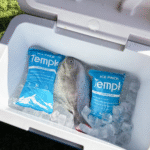
لوازم تيمبك تغليف السلسلة الباردة مكونات مثل حزم هلام, طوب الجليد, حزم PCM, بطانات وأكياس معزولة, EPP والصناديق المعزولة الأخرى, صناديق الشحن الباردة, و أغطية البليت الحرارية. هنا, وينصب التركيز العملي على مساعدة مصدري المواد الغذائية على التخطيط لطبقات سلسلة التبريد السلبية, بما في ذلك البطانات, حزم هلام, طوب الجليد, الصناديق المعزولة, ويغطي البليت حول حاوية التصدير. المتطلبات الخاصة بالمنتج, تأهيل الطريق, وتظل مراجعة جودة العميل هي الأساس لأي اختيار نهائي.
اطلب مراجعة عملية
لإجراء مراجعة متكاملة للحاويات وسلسلة التبريد, توفير سوق الوجهة, حالة ملامسة الغذاء, طريق, خطة البليت, متطلبات درجة الحرارة, وإرجاع النموذج للحصول على توصية أكثر فائدة.