كيفية اختيار صندوق EPP ممتص للصدمات معتمد من ISO?
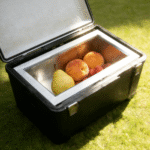
اختيار الحق صندوق EPP ممتص للصدمات أمر بالغ الأهمية لحماية العناصر الهشة والسلع الحساسة لدرجة الحرارة أثناء النقل. موسع البولي بروبيلين (إي بي بي) تجمع الحاويات امتصاص الطاقة و العزل الحراري لحماية المنتجات من التأثيرات وتقلبات درجات الحرارة. يقدم العديد من مقدمي الخدمات اللوجستية الآن ISO 9001 أو ISO 13485 معتمد صناديق EPP المطابقة لمعايير الجودة العالمية. يشرح هذا الدليل ما الذي يجعل صندوق EPP يمتص الصدمات, كيفية اختيار الكثافة والتكوين الصحيحين, كيفية اختبار والتحقق من صحة التعبئة والتغليف الخاصة بك, وسبب أهمية إعادة الاستخدام والاستدامة في 2025. بحلول النهاية, ستفهم كيفية الاستفادة من حاويات EPP المعتمدة من ISO للحصول على موثوقية, صديقة للبيئة سلسلة التبريد الشحن.
سيجيب هذا المقال:
لماذا تمتص صناديق EPP الصدمات وكيف تضمن شهادة ISO الجودة: تعرف على خصائص المواد التي تبدد طاقة التأثير ودور معايير ISO في ضمان الأداء المتسق.
كيفية اختيار صندوق EPP المناسب لامتصاص الصدمات: مقارنة الكثافات, أدخل الأشكال الهندسية والأحجام لتتناسب مع هشاشة منتجك وطريق الشحن.
كيفية اختبار والتحقق من صحة التعبئة والتغليف EPP: استكشف طرق اختبار ISTA وASTM للتأكد من أن صندوقك يتحمل السقوط, الاهتزازات والضغط.
كيفية إعادة الاستخدام, تؤثر الاستدامة واللوائح الجديدة على تغليف EPP في 2025: فهم أهداف إعادة الاستخدام, حسابات تكلفة الاستخدام والاتجاهات التنظيمية مثل لائحة الاتحاد الأوروبي 2025/40.
ما هي الاتجاهات التي تشكل صناديق EPP الممتصة للصدمات: اكتشاف الابتكارات مثل تقسيم المناطق الكثافة, إدراج وحدات وضغط الأتمتة.
ما الذي يجعل صندوق EPP الممتص للصدمات معتمدًا من ISO?
يجمع صندوق EPP الممتص للصدمات بين مقاومة الصدمات وإدارة الجودة وفقًا لمعايير ISO. البولي بروبلين الموسع عبارة عن رغوة خرزية مغلقة الخلية تُقدر بامتصاصها للطاقة ومقاومتها للصدمات المتعددة. عند تعرضه للصدمات, كمادات الرغوة, ينشر الحمل ويرتد - على غرار النعل الأوسط لحذاء الجري - مما يسمح للصندوق بالاحتفاظ بشكله حتى بعد الضربات المتكررة. تحمي هذه المرونة الحمولات الهشة وتحافظ على غطاء محكم, منع الانجراف درجة الحرارة. يقدم المصنعون ذوو الجودة العالية عملياتهم إلى ISO 9001 أو ISO 13485 شهادة, والذي يتحقق من الالتزام بأنظمة إدارة الجودة من أجل الاتساق والتتبع. هذه الشهادات, بالإضافة إلى علامات CE أو NSF الإضافية, منح المشترين الثقة بأن كل صندوق يلبي معايير التصنيع والسلامة الصارمة.
موسع البولي بروبيلين (إي بي بي) يستخدم على نطاق واسع في الصناعات التي تتطلب الحماية. يسلط مقدمو الخدمات اللوجستية الضوء على أن EPP مادة ممتازة لامتصاص الصدمات, تستخدم عادة في السيارات, قطاعات الطيران والفضاء لحماية المعدات أثناء النقل. هذه الخاصية نفسها تجعل EPP مثالية لشحن سلسلة التبريد, حيث قد تتدافع البضائع أثناء النقل وتتطلب العزل. صناديق EPP خفيفة الوزن لكنها قوية, الحفاظ على استقرار الأبعاد في ظل درجات الحرارة القصوى والتأثيرات المتكررة. على عكس البوليسترين الموسع (EPS), والتي يمكن أن تتشقق تحت الضغط, يرتد EPP مرة أخرى من الخدوش والضربات ويمكن إعادة تدويره أو إعادة تشكيله بعد الاستخدام. عند دمجها مع أنظمة إدارة الجودة العالمية, هذه الخصائص تخلق موثوقة, حاوية قابلة لإعادة الاستخدام.
كيف يمتص EPP الصدمات ويعزل
يعمل هيكل الرغوة ذات الخلايا المغلقة من EPP على تبديد الطاقة الحركية مع الحفاظ على العزل. كل خرزة في الرغوة تعمل بمثابة وسادة هوائية صغيرة, الضغط تحت التأثير ثم يعود إلى شكله الأصلي. يسمح هذا الهيكل للصندوق بامتصاص القطرات والاهتزازات مع الحفاظ على استقرار درجة الحرارة الداخلية. تأثير الارتداد يشبه النعل الأوسط لحذاء الجري; فهو يمنع الشقوق, الخدوش أو التشوه الدائم ويضمن استمرار إغلاق الغطاء بشكل صحيح. لأن EPP خفيف الوزن, فهو يقلل من تكاليف الشحن دون التضحية بالمتانة. يتم عزل المادة أيضًا عن طريق محاصرة الجيوب الهوائية, مما يجعلها مناسبة للشحنات التي يتم التحكم في درجة حرارتها من -40 درجة مئوية إلى 120 درجة مئوية مع الحد الأدنى من فقدان درجة الحرارة في الساعة.
| ميزة | موسع البولي بروبيلين (إي بي بي) | لماذا يهم |
| امتصاص الطاقة | ينضغط الإسفنج ذو الخلايا المغلقة عند الاصطدام ثم يرتد | يحمي البضائع الهشة من السقوط والاهتزازات |
| العزل الحراري | يحبس الجيوب الهوائية للحفاظ على درجات الحرارة من -40 درجة مئوية إلى 120 درجة مئوية, فقدان 1-2 درجة مئوية فقط في الساعة >75 % ممتلىء | يحافظ على المنتجات الباردة أو الساخنة ضمن نطاقات آمنة |
| الاستقرار الأبعاد | يقاوم التشوه الدائم تحت الضغط | يحافظ على محاذاة الغطاء وختمه, منع غطاء البوب |
| قابلية إعادة الاستخدام وإعادة التدوير | يمكن إعادة استخدامها مئات المرات وإعادة تدويرها إلى منتجات جديدة | يقلل تكلفة الشحنة ويدعم أهداف الاستدامة |
| شهادة الأيزو | يمكن أن يتوافق الإنتاج مع ISO 9001/ISO 13485 أنظمة الجودة | يضمن التصنيع المتسق والامتثال للمتطلبات التنظيمية |
إرشادات عملية لاختيار صندوق EPP ممتص للصدمات معتمد من ISO
التحقق من نطاق الشهادة: ابحث عن المنتجات التي تم تدقيقها تحت ISO 9001 أو ISO 13485. ISO 9001 يغطي إدارة الجودة العامة, بينما ايزو 13485 ينطبق بشكل خاص على الأجهزة الطبية; كلاهما يشير إلى التوثيق القوي وإمكانية التتبع.
تقييم الكثافة والسمك: يمتص صندوق EPP عالي الكثافة المزيد من الطاقة ولكنه أثقل. إذا أبلغ العملاء عن زوايا متشققة, اختر مناطق زاوية ذات كثافة أعلى وأكثر سمكًا.
تأكيد نطاق درجة الحرارة: تأكد من أن الصندوق يمكنه التعامل مع متطلبات درجة حرارة منتجك. للأغذية أو الأدوية, التحقق من أنه آمن للاتصال المباشر بالأغذية (على سبيل المثال, المفوضية الأوروبية 1935/2004 امتثال) وخالية من مركبات الكلوروفلوروكربون.
التحقق من إمكانية إعادة التدوير: اختر الموردين الذين يقدمون برامج إعادة التدوير أو إعادة الشراء. تعمل EPP القابلة لإعادة التدوير على تقليل النفايات ودعم استدامة الشركات.
طلب بيانات التحقق من الصحة: يقدم البائعون ذوو السمعة الطيبة تقارير اختبار ISTA أو ASTM للسقوط, اهتزاز, اختبارات الضغط والإغلاق.
حالة حقيقية: تقوم شركة Tribeca North America بتصنيع الصناديق الحرارية EPP التي تم اختبارها في مختبرات خارجية ISO 9001 و ISO 13485 الشهادات جنبا إلى جنب مع م و جبهة الخلاص الوطني شهادات. تقوم صناديقها بتخزين الطعام بأمان من -40 درجة مئوية إلى 120 درجة مئوية مع الحد الأدنى من فقدان درجة الحرارة وهي آمنة للاستخدام في غسالة الأطباق.
كيفية اختيار صندوق EPP المناسب لامتصاص الصدمات 2025?
يعتمد اختيار صندوق EPP المناسب لامتصاص الصدمات على هشاشة المنتج, توجيه المخاطر واستراتيجية إعادة الاستخدام. ابدأ بتحليل حساسية منتجك للصدمات ودرجة الحرارة. للإلكترونيات الهشة أو الأجهزة الطبية, اختر EPP عالي الكثافة وقم بدمج إدخالات أو أقسام مخصصة لمنع الحركة. للسلع القوية, قد تكون الكثافة الأخف كافية. تقييم بيئة الشحن: تتطلب الطرق الأطول مع عمليات التسليم المتعددة أو التعامل القاسي حماية إضافية من الصدمات والعزل. تمنح الصناديق المعتمدة من ISO الثقة في الجودة وتسمح بالامتثال التنظيمي الأسهل. أخيراً, قرر ما إذا كنت تريد استخدام حاويات للاستخدام الفردي أو حاويات قابلة لإعادة الاستخدام. تكلف صناديق EPP عالية الكثافة مبلغًا أكبر مقدمًا ولكن يمكن إعادة استخدامها من 50 إلى 200 مرة, مما يؤدي إلى انخفاض التكلفة لكل استخدام.
خطة للكثافة, الهندسة وتناسب. يتم إنتاج صناديق EPP عالية الكثافة لامتصاص الصدمات عبر نطاق واسع من الكثافة. اختر الكثافة بناءً على الحمل المتوقع الأثقل وحساسية المحتويات. فضلاً عن ذلك, أدخل الهندسة يهم: توفر كتل الزاوية تعبئة سريعة للمساكن الهشة ولكن يجب أن تكون كبيرة بما يكفي لتجنب نقاط الضغط, توفر حشوات المهد دعمًا ثابتًا ولكنها تتطلب المحاذاة, وتوفر الإدخالات الملتفة بالكامل تحكمًا نظيفًا وحماية من الغبار ولكن يجب تحديد حجمها بعناية. يجب أن يتحكم ملاءمة الصندوق والإدخالات في كليهما موضع و صدمة; تؤدي إضافة الإدخالات ذات المفاتيح إلى منع القائمين على التعبئة من وضع العناصر بشكل غير صحيح. قم دائمًا بقياس منتجك واترك مساحة للعزل والمبرد إذا كان الصندوق سيتم استخدامه في سلسلة التبريد.
دليل اختيار الكثافة والإدراج
| نوع المنتج | كثافة EPP الموصى بها | نوع الإدخال | سبب |
| الالكترونيات الهشة (شاشات, أجهزة استشعار) | كثافة عالية; زوايا أكثر سمكا | حشوة كاملة أو مهد | يحمي المكونات الحساسة من نقاط الضغط والاهتزازات |
| الأجهزة الطبية & قوارير | كثافة عالية مع إدراجات وحدات | إدراج المهد مع محاذاة المفاتيح | يمنع التذبذب ويضمن تحديد المواقع بشكل ثابت |
| الأدوية & طعام | كثافة متوسطة مع تجويف عازل | كتل المهد أو الزاوية | يوازن بين الحماية من الصدمات والعزل; يتيح مساحة لحزم الجل أو الثلج الجاف |
| قطع غيار السيارات & أدوات | كثافة متوسطة إلى منخفضة | كتل الزاوية أو الأقسام المخصصة | يمتص الصدمات; الأشكال المخصصة تناسب الأجزاء غير المنتظمة |
| بركة قابلة لإعادة الاستخدام (طريق متعدد) | كثافة عالية, زوايا معززة | إدراجات وحدات يمكن تبديلها | يتحمل التأثيرات المتكررة ويحافظ على شكله خلال أكثر من 50-200 رحلة |
نصائح للقياس والتركيب
قياس جميع الأبعاد المنتج الخاص بك وحساب النتوءات. اترك مساحة خالية لا تقل عن 5-10 مم لامتصاص الصدمات ولإدخال الحشو.
اترك مساحة لمواد التبريد (حزم هلام, الثلج الجاف) عند شحن البضائع الحساسة لدرجة الحرارة. يؤدي الإفراط في التعبئة إلى رفع الغطاء وضعف الختم.
استخدم الإدخالات أو الملصقات ذات المفاتيح لمنع شركات التعبئة من محاذاة المنتج بشكل خاطئ. قم بتسمية اتجاه المحتويات للتحقق السريع.
اختبار مع أحمال الحالة الأسوأ; قم بتعبئة العناصر الثقيلة في الزوايا القصوى لترى كيف يعمل الصندوق تحت أقصى قدر من الضغط.
حالة حقيقية: تواجه العديد من الفرق عددًا أقل من "حالات الفشل الغامضة" بمجرد التحول من الرغوة الهشة ذات الاستخدام الواحد إلى صناديق EPP عالية الكثافة الممتصة للصدمات. تعمل الإدخالات ذات المفاتيح على تحسين سرعة التعبئة وتقليل مطالبات الضرر.
كيف يمكنك اختبار والتحقق من صحة صندوق EPP المعتمد من ISO?
يتحقق الاختبار من أن صندوق EPP الخاص بك يلبي متطلبات الأداء قبل النشر على نطاق واسع. معايير الصناعة مثل أي (الرابطة الدولية للانتقال الآمن) و أستم D4169 توفير إجراءات لمحاكاة مخاطر العالم الحقيقي. لخطوط الطرود, اختبارات إسقاط ISTA تكرر الحافة, تأثيرات الزاوية والوجه; اختبارات الاهتزاز تحاكي حركة النقل; اختبارات الضغط تقيم قوة التراص; وتضمن فحوصات الإغلاق بقاء الأغطية محكمة الغلق وتمنع اكتساب الحرارة. يحدد ASTM D4169 تسلسل المخاطر لبيئات التوزيع. يمكن للمختبرات المعتمدة أو فرق الجودة الداخلية إجراء هذه الاختبارات على صناديق النماذج الأولية, توثيق معايير النجاح/الفشل وتعديلات التصميم اللازمة.
تتضمن خطة التحقق البسيطة إسقاط, اهتزاز, اختبارات الضغط والختم. قم بإجراء قطرات متعددة من ارتفاعات واقعية على الحواف والزوايا, التحقق من وجود ضرر داخلي ومحاذاة الغطاء. استخدم طاولات الاهتزاز لمحاكاة اهتزاز الشاحنة أو الناقل; يجب ألا تنجرف المحتويات إلى ما هو أبعد من التسامح. قم بتطبيق الضغط لتقييم أداء التراص وملاحظة أي تشوه دائم. أخيراً, قم بإجراء فحص الإغلاق والختم للتأكد من بقاء الحشيات سليمة ومنع التسربات أو ارتفاع درجات الحرارة. كرر الاختبارات بعد دورات متعددة لتقييم التأثيرات التراكمية. للشحنات التي يتم التحكم بدرجة حرارتها, قم أيضًا بإجراء التحقق الحراري للتأكد من احتفاظ الصندوق بدرجة الحرارة المستهدفة باستخدام المبردات المختارة.
مصفوفة اختبار التغليف الأساسية لـ EPP
| نوع الاختبار | ما يكشف | معايير النجاح/الفشل | تكرار |
| يسقط (حافة, ركن, وجه) | حماية التأثير | لا يوجد ضرر للمنتج; لا يزال الغطاء محكم الغلق ويعود الصندوق إلى شكله | لكل تكرار التصميم; يتكرر 10-20 مرة |
| اهتزاز | مقاومة التخفيف والتحول | لا توجد حركة داخلية تتجاوز التسامح المحدد مسبقًا; لا ارتداء أو ضرر | مرة واحدة على الأقل لكل تصميم; تتكرر مع حمولات مختلفة |
| ضغط | قوة التراص | لا تشوه دائم; الحفاظ على محاذاة الغطاء | مرة واحدة لكل تصميم; إعادة الاختبار بعد قطرات |
| فحص الختم | السلامة الحرارية | إغلاق كامل بدون فجوات أو تسريبات | بعد كل اختبار قطرة وضغط |
| عقد حراري | أداء العزل | تظل درجة الحرارة ضمن النطاق للمدة المقصودة | مع كل مجموعة غاز تبريد وحمولة |
نصائح الاختبار والمزالق الشائعة
اختبر أسوأ حزمة, ليس الأفضل. استخدم أثقل العناصر, أشكال غير منتظمة والحد الأدنى من سائل التبريد لمعرفة كيفية أداء الصندوق في الظروف القاسية.
تضمين الحزم الجديدة في التحقق من الصحة. يمكن أن تكشف الأخطاء البشرية عن نقاط الضعف في تصميم الإدخال والتعليمات.
تحقق من الأضرار التراكمية. أعد الاختبار بعد القطرات والضغط لمعرفة ما إذا كانت الشقوق الصغيرة تنتشر أو ترتخي الأغطية.
تسجيل درجات الحرارة والصدمات. استخدم مسجلات البيانات أثناء الاختبارات لربط الأضرار المادية بالأداء الحراري وتحسين التغليف وفقًا لذلك.
توثيق كل شيء. الحفاظ على تقارير الاختبار, الصور وسجلات البيانات; أنها تدعم الامتثال التنظيمي والتحسين المستمر.
حالة حقيقية: غالبًا ما تدفع برامج صندوق EPP عالية الكثافة الممتصة للصدمات تكاليفها بمجرد التوقف عن الدفع مرتين - مرة للاستبدال ومرة أخرى لإعادة الشحن. آلة حاسبة صغيرة تساعد على قياس المدخرات: ضرب الشحنات الشهرية بمعدل الفشل, التكلفة لكل فشل والتخفيض المتوقع لتقدير المدخرات الشهرية.
كيفية إدارة إعادة الاستخدام, الاستدامة والامتثال للوائح الجديدة?
توفر صناديق EPP القابلة لإعادة الاستخدام فوائد تكلفة طويلة المدى وتتوافق مع أهداف الاستدامة. تتميز عبوات الرغوة ذات الاستخدام الواحد بسعر شراء منخفض ولكن التكلفة الإجمالية مرتفعة بسبب الكسر وإعادة التعبئة. قد تستمر الصناديق المموجة لمدة 1-2 دورات, بينما يمكن إعادة استخدام صناديق EPP الممتصة للصدمات عالية الكثافة 50-200+ مرات اعتمادا على الممرات. تؤدي إعادة الاستخدام إلى تقليل النفايات وإطفاء تكلفة الحاوية على العديد من الشحنات. لإدارة إعادة الاستخدام بشكل فعال, تحتاج الشركات إلى عمليات مسح الحاويات داخل وخارج, عوائد التجميع, تنظيف الصناديق بسرعة (تحت 2 دقائق) ومراقبة معدلات الخسارة. تساعد بطاقات الأداء والاختبارات الذاتية السريعة في تحديد ما إذا كانت إعادة الاستخدام قابلة للتطبيق أم لا; تشير الدرجة العالية إلى الاستعداد لتوسيع نطاق برنامج قابل لإعادة الاستخدام.
تتطور اللوائح نحو إعادة الاستخدام وكفاءة المساحة. اللائحة الأوروبية 2025/40 يحدد أهدافًا لتعبئة النقل: 40 % قابلة لإعادة الاستخدام بواسطة 2030 ومستوى "المسعى". 70 % بواسطة 2040. تفرض نفس اللائحة حدًا أقصى لنسبة المساحة الفارغة 50 % للتغليف المجمع أو التجارة الإلكترونية. وتعكس هذه القواعد دفعة أوسع للحد من الهدر وتحسين الكفاءة في مجال الخدمات اللوجستية. صناديق EPP معتمدة من ISO, كونها خفيفة الوزن ودائمة, المساعدة في تلبية هذه المتطلبات من خلال دعم إعادة الاستخدام وتقليل المساحة الفارغة. كما أنها قابلة لإعادة التدوير, مزيد من الحد من التأثير البيئي. فضلاً عن ذلك, إن تركيز الاتحاد الأوروبي على إمكانية التتبع والتوثيق الرقمي يكمل ISO 9001/ISO 13485 الأنظمة, التأكد من أن دورة حياة كل حاوية مسجلة وقابلة للتدقيق.
مقارنة التكلفة لكل استخدام
| نوع التغليف | دورات إعادة الاستخدام النموذجية | التكاليف الخفية | الوجبات الجاهزة |
| رغوة للاستخدام مرة واحدة | 1 | الكسر, أعد حزم العمالة | مقدمًا رخيص ولكنه مكلف على المدى الطويل بسبب الاستبدال |
| المموج فقط | 1-2 | معجب, رُطُوبَة, التناقض | تباين الفشل العالي; ليست مثالية للمنتجات الهشة |
| صندوق EPP ممتص للصدمات عالي الكثافة | 50-200+ | السيطرة على الخسارة, تنظيف | تكلفة أولية أعلى ولكن تكلفة يمكن التنبؤ بها لكل شحنة; يدعم أهداف إعادة الاستخدام |
إعادة استخدام قائمة التحقق من الاستعداد
وجهات يمكن التنبؤ بها: هل تقوم بالشحن إلى وجهات متكررة تسمح بعمليات إرجاع خاضعة للرقابة؟?
عودة التجميع: هل يمكنك تجميع المرتجعات أسبوعيًا أو شهريًا لتقليل التكاليف اللوجستية؟?
مساحة تخزين: هل لديك مساحة لتخزين الفوارغ دون إعاقة العمليات?
إمكانية المسح للداخل/الخارج: هل يمكنك مسح الحاويات داخل وخارج لتتبع الاستخدام والخسارة?
القدرة على التنظيف: هل يمكنك تنظيف أو مسح الحاويات في الأسفل؟ 2 دقائق?
تحمل الخسارة: هل تعرف معدل الخسارة المقبول لديك ولديك خطة احتياطية لعمليات الإرجاع المتأخرة؟?
إذا سجلت 0-2 نقطة, ركز على حماية الرحلة الواحدة أولاً; 3-5 نقاط تقترح إعادة استخدام القيادة على حارة واحدة, و6-7 نقاط تعني أنك مستعد لتوسيع نطاق برنامجك القابل لإعادة الاستخدام.
نصيحة عملية: أضف منطقة معرف مرئية لمسح صناديق EPP وتصميمها بحيث تتداخل عندما تكون فارغة. استبدل عمليات الإغلاق أو الملصقات بدلاً من الحاويات بأكملها لإطالة العمر.
2025 اتجاهات التعبئة والتغليف EPP الممتصة للصدمات
يتطور مشهد التعبئة والتغليف EPP مع المتطلبات والابتكارات الجديدة. حيث أصبحت الشبكات اللوجستية أسرع وأكثر آلية, العبوات تتحمل المزيد من القطرات والاهتزازات. في 2025, هناك ثلاث قوى تقود قرارات التصميم لصناديق EPP الممتصة للصدمات: الأتمتة, ضغط الامتثال و الحد من النفايات.
نظرة عامة على الاتجاه
الأتمتة تزيد من التعرض للتأثير. تتعامل أنظمة الفرز عالية السرعة والروبوتات مع الطرود بسرعة, رفع عدد التأثيرات والاهتزازات التي يتعرض لها الصندوق. يستجيب المصممون من خلال زيادة الكثافة في الزوايا ومسارات التحميل مع إبقاء المناطق الأخرى أخف وزنًا - وهي تقنية تُعرف باسم تقسيم الكثافة. تعمل الإدخالات المعيارية وميزات المحاذاة ذات المفاتيح على تحسين سرعة التعبئة واتساقها.
ضغط الامتثال يدفع إلى إعادة الاستخدام وكفاءة المساحة. اللوائح مثل الاتحاد الأوروبي 2025/40 يتطلب 40 % تغليف النقل القابل لإعادة الاستخدام بواسطة 2030 وتقييد المساحة الفارغة. تتبنى الشركات أنظمة EPP معيارية مع إدخالات قابلة للتبديل لتلبية الأهداف الفضائية وتمكين حلقات إعادة الاستخدام.
أصبح الحد من النفايات والكربون أمرًا أساسيًا. ويظل فقدان الغذاء قضية عالمية; تقارير منظمة الأغذية والزراعة 13.2 % يتم فقد الطعام بين الحصاد والتجزئة وحسابات هدر الطعام 8-10 % من انبعاثات الغازات الدفيئة العالمية. تعمل صناديق EPP الممتصة للصدمات القابلة لإعادة الاستخدام على تقليل نفايات التغليف, بينما تقلل التحسينات في المتانة من تلف المنتج وتلفه.
أحدث لقطة التقدم
تقسيم الكثافة: يضع المصممون EPP عالي الكثافة عند نقاط الضغط (زوايا, مسارات التحميل) وكثافة أقل في أماكن أخرى لتحقيق التوازن بين الحماية والوزن.
إدراج وحدات: يمكن للصندوق الخارجي الواحد أن يضم مجموعات إدخال متعددة مصممة خصيصًا لمنتجات مختلفة, تقليل المخزون وتلبية قواعد المساحة الفارغة.
حلقات قابلة لإعادة الاستخدام: تطبق الشركات بروتوكولات التتبع والتنظيف الرقمية لإدارة صناديق EPP القابلة لإعادة الاستخدام عبر رحلات متعددة.
حاسبات التكلفة وأدوات المخاطر: تساعد أدوات القرار شركات الشحن على تقدير تكاليف الفشل وتبرير الاستثمارات في عبوات EPP عالية الكثافة.
مواد مستدامة: يهدف البحث في الرغاوي الهجينة مثل Piocelan والمواد المضافة القابلة للتحلل إلى تعزيز إمكانية إعادة التدوير وتقليل البصمة الكربونية.
رؤى السوق
من المتوقع أن يصل سوق التغليف بسلسلة التبريد القابلة لإعادة الاستخدام 4.97 مليار دولار أمريكي في 2025, مما يعكس الطلب المتزايد على طويلة الأمد, حاويات صديقة للبيئة. لا يزال الفاقد من الغذاء على مستوى العالم مرتفعًا - 13.2 % من الحصاد إلى البيع بالتجزئة - ويمثل 8-10 % من انبعاثات الغازات الدفيئة, تحفيز الاستثمار في العبوات القابلة لإعادة الاستخدام والتي تمنع الضرر والتلف. مع زيادة الأتمتة, ستحتاج المزيد من العبوات إلى تحمل قوى التأثير الأعلى, مما يجعل حلول EPP الممتصة للصدمات جزءًا أساسيًا من مجموعة أدوات سلسلة التبريد.
الأسئلة المتداولة
1: لماذا تختار صندوق EPP ممتص للصدمات معتمد من ISO بدلاً من المواد الأرخص?
يضمن الصندوق المعتمد من ISO الجودة والأداء المتسقين; يقلل امتصاص الطاقة في EPP من الأضرار الناجمة عن السقوط والاهتزازات. على الرغم من أنها أكثر تكلفة مقدما, يمكن إعادة استخدام صناديق EPP عالية الكثافة من 50 إلى 200 مرة وتقليل فقد المنتج, خفض التكلفة الإجمالية للملكية.
2: كيف أعرف كثافة EPP التي يجب استخدامها?
تعتمد الكثافة على هشاشة المنتج وظروف الطريق. للإلكترونيات الحساسة أو الأجهزة الطبية, اختر كثافة أعلى مع زوايا معززة وإدراج مهد. للعناصر الأقل هشاشة, قد تكون الكثافة المنخفضة كافية. اختبار النماذج الأولية باستخدام اختبارات السقوط والاهتزاز.
3: هل صناديق EPP مناسبة للأغذية والأدوية؟?
نعم. يمكن للصناديق الحرارية EPP عالية الجودة التعامل مع درجات الحرارة من -40 درجة مئوية إلى 120 درجة مئوية وتفقد فقط 1-2 درجة مئوية في الساعة عندما تزيد عن ذلك 75 % ممتلىء. تأكد من أن الصندوق آمن لملامسة الطعام وخالي من المواد الكيميائية الضارة (على سبيل المثال, الامتثال للمفوضية الأوروبية 1935/2004). تضمن شهادة ISO الجودة وإمكانية التتبع.
4: كيف يمكنني تتبع وإدارة صناديق EPP القابلة لإعادة الاستخدام?
استخدم مناطق الهوية المرئية وأنظمة المسح لتسجيل الدخول والخروج لكل حاوية, مراقبة معدلات الخسارة وجدولة التنظيف. يجب أن يتم تجميع حلقات العودة بانتظام, ويجب أن يكون التنظيف سريعًا (<2 دقائق). تساعد بطاقات الأداء في تقييم مدى الاستعداد لإعادة الاستخدام.
5: كيف تؤثر اللوائح الجديدة على خيارات التغليف الخاصة بي?
اللوائح مثل الاتحاد الأوروبي 2025/40 تعيين أهداف إعادة الاستخدام والمساحة الفارغة. اختر وحدات, صناديق EPP قابلة لإعادة الاستخدام لتلبية هذه المتطلبات والاستثمار في التتبع الرقمي لتوثيق الامتثال. يقلل التغليف المستدام أيضًا من التأثير البيئي وقد يصبح إلزاميًا.
ملخص وتوصيات
الوجبات الرئيسية: تجمع صناديق EPP الممتصة للصدمات بين الحماية من الصدمات والعزل, مما يجعلها مثالية لنقل العناصر الهشة والحساسة لدرجة الحرارة. تمتص رغوة الخلية المغلقة من EPP الصدمات وتعود إلى شكلها, الحفاظ على محاذاة الغطاء ومنع الشقوق. تصنيع حاصل على شهادة الأيزو (ISO 9001 أو ISO 13485) يضمن الجودة والامتثال المتسقين. يتضمن اختيار المربع المناسب اختيار الكثافة المناسبة, أدخل الشكل الهندسي والملاءمة بناءً على هشاشة المنتج ومخاطر المسار. يتحقق الاختبار باستخدام بروتوكولات ISTA أو ASTM من الأداء. يمكن للبرامج القابلة لإعادة الاستخدام خفض التكاليف ودعم الاستدامة, خاصة وأن اللوائح تدفع إلى إعادة الاستخدام وكفاءة المساحة. 2025 الاتجاهات مثل تقسيم المناطق الكثافة, ستشكل الإدخالات المعيارية وتقليل النفايات تصميم العبوة.
الخطوات التالية القابلة للتنفيذ:
قم بتقييم منتجاتك وطرقك. تحديد الهشاشة, وزن, متطلبات درجة الحرارة ومخاطر العبور. تصنيف الشحنات التي تتطلب حماية EPP عالية الكثافة.
اختيار الموردين الحاصلين على شهادة الأيزو. طلب إثبات ISO 9001 أو ISO 13485 الشهادة واطلب تقارير التحقق من الصحة, بما في ذلك نتائج اختبار ISTA/ASTM.
النموذج الأولي والاختبار. اطلب عينات بكثافات مختلفة وأدخل التصميمات. إسقاط السلوك, اهتزاز, اختبارات الضغط والختم باستخدام أسوأ السيناريوهات. تسجيل النتائج وتحسين التصميم.
خطة لإعادة الاستخدام. قم بتقييم قدرة شبكتك على دعم المرتجعات والمسح الضوئي. ابدأ بالحلقات التجريبية واستخدم قائمة التحقق من جاهزية إعادة الاستخدام لتحديد ما إذا كان سيتم التوسع أم لا.
دمج الاستدامة والامتثال. اختر المواد القابلة لإعادة التدوير, التخطيط لإعادة التدوير في نهاية العمر ومراقبة اللوائح القادمة (على سبيل المثال, الاتحاد الأوروبي 2025/40). استخدم التتبع الرقمي لتوثيق الامتثال وإمكانية التتبع.
ابق على اطلاع على الاتجاهات. مراقبة الابتكارات مثل تقسيم المناطق حسب الكثافة, إدراجات وحدات ورغاوي هجينة, وقم بتكييف استراتيجية التعبئة والتغليف الخاصة بك لمواكبة ذلك.
باتباع هذه التوصيات, يمكن لمؤسستك الاستفادة من القوة الوقائية لصناديق EPP الممتصة للصدمات المعتمدة من ISO, تقليل ضرر المنتج, انخفاض البصمة الكربونية والامتثال للمعايير المتطورة.
حول Tempk
Tempk هي شركة رائدة في مجال توفير حلول التعبئة والتغليف التي يتم التحكم في درجة حرارتها. نحن متخصصون في صناديق EPP عالية الكثافة, ألواح معزولة بالفراغ, و مواد تغيير المرحلة للخدمات اللوجستية الغذائية والصيدلانية. لدينا ص&يقوم فريق D بتصميم حاويات تمتص الصدمات, الحفاظ على الاستقرار الحراري ودعم إعادة الاستخدام. مع ISO 9001 و ISO 13485 تصنيع معتمد واختبار ISTA/ASTM الصارم, نحن نقدم الجودة والامتثال المتسقين. تتضمن حلولنا أيضًا برامج قابلة لإعادة الاستخدام وأدوات تتبع رقمية تساعد العملاء على تقليل الهدر وتلبية اللوائح الجديدة. سواء كنت بحاجة إلى حماية المواد البيولوجية الهشة أو شحن مجموعات الوجبات الفاخرة, يوفر Tempk التوجيه, خدمات التعبئة والتغليف والتحقق لضمان وصول البضائع الخاصة بك بشكل آمن ومستدام.
على استعداد لتحسين التعبئة والتغليف الخاصة بك? اتصل بخبراء Tempk لمناقشة متطلبات صندوق EPP الممتص للصدمات, طلب عينات وترتيب الاختبار. سنساعدك على اختيار الحل المناسب لمنتجاتك وسلسلة التوريد الخاصة بك.