اختيار أغطية البليت للتحكم في درجة الحرارة للشوكولاتة عن طريق الشحن, خط, والأدلة
الحق أغطية البليت للتحكم في درجة الحرارة بالنسبة للشوكولاتة يتم تحديدها من الشحنة العكسية. ابدأ بالحالة التي انتهت بها ألواح الشوكولاتة, منتجات مصبوبة, الشوكولاتة, وجبات خفيفة مغلفة, تشكيلات الهدايا الموسمية, والمكونات الحساسة للحرارة, بارد, رُطُوبَة, ويجب الحفاظ على الرائحة, تحديد الجزء غير المنضبط الذي يهدده, وتحديد ما إذا كان الغطاء السلبي يمكنه تقليل هذا الخطر دون التدخل في المعدات النشطة, التعامل, أمان, أو الامتثال. يمكن أن يؤدي غطاء البليت إلى إبطاء عملية التسخين أو التبريد, لكنها لا تستطيع تبريد منصة نقالة دافئة بشكل فعال, منع كل شكل من أشكال الإزهار, أو التعويض عن المسار الذي يبقي الشوكولاتة في ظروف ضارة لفترة طويلة جدًا. وبالتالي فإن عملية الشراء السليمة تجمع بين رسم خرائط الطريق, البليت مناسبا, مراجعة المواد والإغلاق, الأدلة التمثيلية, وإجراءات تشغيل واضحة.
المكان الأكثر حماية للغلاف في الممر
أقوى حالة استخدام هي التعرض المحدد بين الخطوات الخاضعة للرقابة. في مجال الخدمات اللوجستية للشوكولاتة والحلويات, قد يتضمن هذا التعرض الذوبان أو التليين, ازهر الدهون أو السكر, التكثيف, جرجر التغليف, لاقط الرائحة, والتعرض للحرارة الموسمية أثناء الأرصفة, حقن الطرود, أو النقل في درجات الحرارة المختلطة. يمكن أن يؤدي الغطاء إلى إبطاء استجابة منصة التحميل بينما يكمل الفريق عملية التحميل, تحويل, تقتيش, أو الاستلام. يكون الأمر أقل إقناعًا عندما يفتقر المسار إلى التحكم المناسب في درجة الحرارة لفترة طويلة أو عندما يبدأ المنتج خارج حالته المطلوبة.
هذا التمييز يدعم قرارا بسيطا. استخدم العزل السلبي لإدارة التحدي الحراري المحدود الذي يبقى بعد وجود ضوابط جيدة للعملية. استخدم التبريد النشط, التدفئة, تخزين مكيف, أو خدمة مختلفة عندما يجب التحكم في البيئة بدلاً من تخزينها مؤقتًا فقط. استخدم المراقبة عندما تكون هناك حاجة إلى دليل على التعرض. هذه الأدوات يمكن أن تكمل بعضها البعض, لكنهم لا يؤدون نفس الوظيفة.
يجب أن تكون متطلبات الشحن محددة. تحتوي الشوكولاتة على مرحلة دهنية منظمة وهي أيضًا حساسة للرطوبة. يمكن أن تؤدي الحرارة إلى تليين المنتج أو زعزعة استقراره; يمكن أن يؤثر دوران درجة الحرارة والتكثيف على المظهر والملمس. صياغة, الادراج, تصميم الحزمة, وهندسة المنتج تغير الاستجابة. وينبغي للشاحن أن يحدد شرط البدء المقبول, سياسة الرحلة, الجودة أو القلق بشأن السلامة, واستلام القرار. بدون تلك المعلومات, يمكن للمورد تقديم غطاء عام فقط, ولا يستطيع المشتري تحديد ما إذا كانت النتيجة مناسبة أم لا.
يأتي ملف تعريف المسار قبل اختيار المواد
ارسم المسار كسلسلة من البيئات بدلاً من خط بين المدن. وضع علامة على تكييف المنتج, بناء البليت, تخزين خاضع للرقابة, انطلاق قفص الاتهام, تحميل, يسكن المحطة, التفتيش الجمركي أو الأمني, مسافة الخط, تحويل, التدريج الوجهة, والاستلام. لكل خطوة, تسجيل التحدي المحيطي المحتمل, المدة العادية, تأخير معقول, كفالة, وما إذا كان الغطاء مغلقا, مفتوح, أو إزالتها.
قد يكون التعرض الحرج قصيرًا ومكثفًا أو طويلًا ومعتدلًا. يمكن لأشعة الشمس المباشرة على الجزء العلوي من منصة نقالة أن تخلق مشكلة تصميم مختلفة عن الأرضية الباردة, الرياح في المطار, الرطوبة داخل الحاوية, أو تأخير عطلة نهاية الأسبوع في محطة LTL. ويخفي متوسط واحد لدرجة الحرارة المحيطة هذه الاختلافات. يجب أن تركز المواصفات على الجزء الأسوأ المعقول الذي يهدف الغلاف إلى معالجته.
حدد أيضًا البيئة التالية. إذا دخلت البليت التبريد النشط, قد يحتاج الغطاء إلى الفتح أو الخروج للسماح بتدفق الهواء. إذا دخلت البليت البارد الهواء الرطب الدافئ, قد يلزم تأخير عملية الإزالة أو إدارتها للحد من التكثيف. إذا طلب المفتشون الوصول, يحتاج الغطاء إلى طريقة فتح وإغلاق متكررة. تعد عملية المصب جزءًا من تصميم الغلاف.
قم بقياس البليت النهائي وفحص كل فتحة
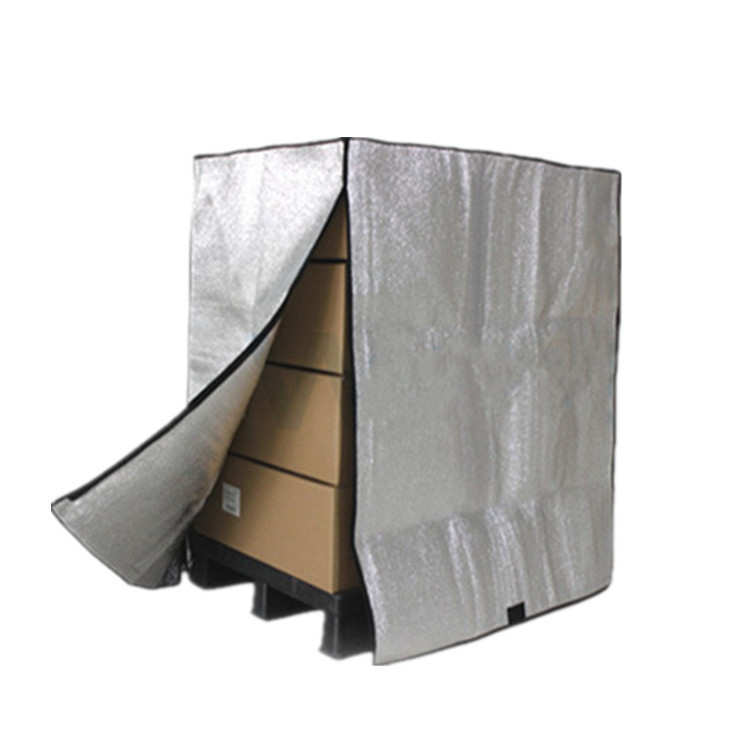
قم بقياس البليت المحمل النهائي. الأبعاد الأساسية القياسية لا تلتقط الحمل المتراكم, التراص غير المتكافئ, لوحات الزاوية, القبعات العليا, أو تغيرات الارتفاع. يحتاج الغطاء إلى تداخل كافٍ ليغلق بشكل متسق دون السحب بشكل مفرط أو منع الوصول إلى الرافعة الشوكية. إذا كان من المتوقع إنشاء عدة منصات نقالة, قرر ما إذا كان تصميم واحد قابل للتعديل أو عدة أحجام مخصصة ينتج عنه تحكم أفضل.
افحص الغلاف كمقالة منتهية. انظر إلى اللحامات, زوايا, ويندوز, مقابض, اللوحات, نهايات السوستة, مناطق الخطاف والحلقة, والمحيط السفلي. تركز هذه المواقع الضغط الميكانيكي ويمكن أن تصبح مسارات لتدفق الحرارة. قم بتطبيق الغطاء باستخدام الأشرطة المخططة, التفاف تمتد, شبكات, أو تأمين الحاوية بحيث يكون الضغط والتمزق مرئيين قبل الموافقة.
الوصول هو مقايضة أخرى. يمكن للنافذة الحفاظ على مسح الباركود, ولكنها قد تحتاج إلى تعزيز ويمكن أن تختلف حرارياً عن اللوحة المحيطة بها. رفرف يمكن أن تدعم التفتيش, ولكن فقط إذا كان المعالجون يعرفون كيفية إغلاقه. قد يكون الغطاء المختوم ذو الاتجاه الواحد أبسط, في حين أن التصميم القابل لإعادة الاستخدام قد يبرر عمليات الإغلاق القابلة للإصلاح. حدد الميزات التي تحل المهام المعروفة بدلاً من إضافة التعقيد من أجل الراحة الافتراضية.
تجنب الاختيار حسب اللمعان, سماكة, أو الوزن وحده
سطح عاكس, طبقة الرغوة, هيكل الفقاعة, أو المنسوجات الثقيلة لا تحدد بشكل مستقل أداء الشحن. تتعامل الطبقات العاكسة بشكل أساسي مع الحرارة المشعة في ظل الاتجاه والحالة المناسبة. تقلل الطبقات العازلة من تدفق الحرارة الموصل ولكنها قد تفقد فعاليتها عندما تكون مضغوطة أو مبللة. يعمل التعزيز على تحسين المتانة ولكنه يمكن أن يضيف الصلابة, طبقات, والوزن. يجب أن يوازن الغطاء النهائي بين المقاومة الحرارية والتطبيق, وصول, تنظيف, وسلامة الطريق.
اطلب وصفًا واضحًا للطبقة واسأل عما قد يتغير بين العينة والإنتاج. مواد لاصقة, أفلام, الرغاوي, الطلاءات, خيط, الإغلاق, وأبعاد اللوحة يمكن أن تؤثر على السلوك. تعد اتفاقية التحكم في التغيير ذات أهمية خاصة للطلبات المتكررة أو الطلبات المؤهلة. يمكن أن يشمل الفحص الوارد الأبعاد, حالة التماس, وظيفة الإغلاق, نظافة, رائحة, عيوب مرئية, وأي تصريحات مادية هامة.
نظافة الغذاء, مسببات الحساسية والكثير من التتبع, تعليمات التخزين الخاصة بالمنتج, النقل الصحي, ويظل تلقي التفتيش أمرًا ضروريًا. قد تكون حدود جودة الشوكولاتة أكثر صرامة من المتطلبات الأساسية لسلامة الأغذية ويجب أن تأتي من مواصفات الشركة المصنعة. يجب التحقق من الحدود الخاصة بالمنتج ومتطلبات النقل الحالية من خلال الجودة المسؤولة, التنظيمية, سلامة الغذاء, البيئة والصحة والسلامة, أو فريق البضائع الخطرة. تصف لغة المورد الأكثر أمانًا بنية الغلاف وظروف الاختبار دون الإشارة إلى موافقة عالمية.
تحويل حقائق البضائع والحارات إلى مواصفات خاضعة للرقابة
| منطقة المواصفات | المعلومات التي يجب تقديمها | مطلوب دليل أو قرار |
|---|---|---|
| متطلبات الشحن | منتج, طَرد, حالة البداية, التعرض المقبول, وما يترتب على الانحراف | معايير الشحن والاستلام المعتمدة من المالك |
| البليت المحملة | البصمة النهائية, نطاق الارتفاع, المتراكمة, توزيع الوزن, زوايا, طَوّق, وضبط النفس | فحص الملاءمة البدنية على منصة نقالة تمثيلية |
| تعرض الطريق | ملف تعريف المحيط, التعرض لأشعة الشمس أو الرياح, يسكن, تأخير, الاتصال بالأرضية, وتغييرات الوضع | خريطة حارة عادية وأسوأ ما يمكن قبوله |
| تصميم الغلاف | طبقات, الأبعاد النهائية, إنهاء, تداخل, وصول, ويندوز, حماية القاعدة والأعلى | العينة المعتمدة والتسامح الإنتاج |
| أدلة الأداء | حمولة, حالة البدء, اختبار المحيطة, أجهزة استشعار, الفتحات, وقاعدة القبول | مقارنة تمثيلية, دراسة الغرفة, أو طيار |
| التشغيل وإعادة الاستخدام | طلب, إزالة, تقتيش, تنظيف, تجفيف, بصلح, تخزين, يعود, والتقاعد | SOP, تمرين, والملكية |
يساعد هذا الإطار على منع الشراء برقم واحد. الموصلية الحرارية, سماكة, أو المدة المحددة يمكن أن تبلغ القرار, ولكن لا شيء يكفي بدون سياق الاختبار والتجميع. يجب أن يكون قسم المشتريات قادرًا على تتبع كل مطالبة مهمة في رسم المنتج, إعلان مادي, حالة الاختبار, أو قاعدة التشغيل.
الاختبار, يراقب, والحماية تجيب على أسئلة مختلفة
استخدم الاختبار الذي يتوافق مع القرار. يمكن أن تظهر دراسة الفحص جنبًا إلى جنب أي غطاء يبطئ تغير درجة الحرارة بشكل أكثر فعالية في ظل تعرض واحد يتم التحكم فيه. يمكن لدراسة الغرفة إعادة إنتاج ملف تعريف محيط محدد والتأخير. يمكن للطيار الخاضع للمراقبة إظهار ما إذا كان الموظفون يطبقون الغطاء بشكل صحيح وما إذا كان المسار يتضمن فتحات غير مخطط لها. قد تتطلب الشحنات عالية المخاطر إجراءات أكثر رسمية, مؤهلات موثقة بموجب نظام الجودة الخاص بالمالك.
أدوات اتخاذ القرار مفيدة
تحقق من التفاصيل قبل اختيار التغليف
يمكن أن تساعدك هذه الأدوات السريعة في مقارنة مخاطر المسار, احتياجات التحجيم, خيارات المبرد, وتفاصيل التعبئة والتغليف قبل أن تطلب عرض أسعار.
مدقق مخاطر الطريق
قم بمراجعة ظروف المسار قبل اختيار التغليف لمتطلبات التشغيل الحقيقية.
تحقق من مخاطر الطريقمقاومة سقوط المواد العازلة
مراجعة مقاومة السقوط وعوامل المناولة قبل اختيار المواد العازلة.
تحقق من المقاومةحاسبة علبة الثلج
تقدير كمية عبوات الثلج الهلامي للشحنات المبردة والتخطيط العملي للمسار.
تقدير عبوات الثلجيجب أن يوثق أي اختبار الحمولة, حالة البداية, أبعاد البليت, عينة الغلاف, التحدي المحيطي, الاتصال بالأرضية, مواقع الاستشعار, أحداث الافتتاح, ومعايير القبول. من الصعب تفسير منحنيات درجة الحرارة دون هذا السياق. لا ينبغي أبدًا فصل وقت الحماية المعلن عن الظروف التي أنتجته.
والمراقبة ليست بديلا عن الحماية, والحماية ليست دليلاً على الحالة. قرر ما تهدف أجهزة الاستشعار إلى إظهاره. يدعم المستشعر المحيط تحليل المسار; يُظهر مستشعر السطح الحافة المكشوفة; قد يستجيب المستشعر المركزي ببطء; يمكن لمحاكاة المنتج أن تقارب السلوك الحراري. يجب أن تحدد عملية التصرف من يقوم بمراجعة البيانات ومدى ارتباطها بقبول المنتج.
أصل, عبور, والاستلام يحتاج إلى إجراء واحد متصل
في الأصل, التحقق من أن المنتج والبليت جاهزان للإغلاق. التحقق من هوية الغطاء وحالته, تطبيقه في الاتجاه المحدد, إغلاق كافة التداخلات, إبقاء التسميات والعلامات المطلوبة مرئية, وضع أجهزة المراقبة على النحو المعتمد, وتفقد القاعدة والزوايا. قم بتسجيل الطلب عندما تتطلب إجراءات التتبع أو الجودة ذلك.
أثناء النقل, حدد ما إذا كان بإمكان المعالجين فتح الغطاء وما يجب عليهم فعله بعد ذلك. توفير قاعدة تصعيد للدموع, ترطيب, تلوث, تسرب, الاتصالات المفقودة, يسكن ممتد, فشل المعدات النشطة, أو حمولة موجودة خارج البيئة المخططة. يجب أن توجه التعليمات الشحنة إلى المراقبة المناسبة بدلاً من الاعتماد على الغطاء بما يتجاوز استخدامه المقدر.
في الوجهة, فحص قبل الافتتاح, اتبع أي إجراء للتأقلم أو تدفق الهواء, تقييم درجة الحرارة أو سجلات الحالة, وفصل الأغطية القابلة لإعادة الاستخدام التالفة أو الملوثة. تنظيف الأغطية وتجفيفها وفقًا للطريقة المعتمدة, فحص الإغلاق والعزل, سجل الإصلاحات إذا لزم الأمر, وتقاعد الوحدات التي لا تستطيع توفير اللياقة أو النظافة المتسقة.
الأخطاء الشائعة التي يجب إزالتها من أمر الشراء
- طلب عدد محدد من ساعات الحماية دون تحديد الحمولة والملف المحيطي.
- تحديد قاعدة البليت فقط مع تجاهل الارتفاع المحمل, المتراكمة, تداخل الإغلاق, والوصول.
- معالجة المظهر العاكس, سماكة, أو لغة "قابلة لإعادة الاستخدام" كدليل على الأداء النهائي.
- ترك التسميات, ضبط النفس, تدفق الهواء, تقتيش, الصرف الصحي, أو تفاعل البضائع الخطرة ليتم اكتشاف العمليات لاحقًا.
- اعتماد العينة دون مراقبة مواد الإنتاج, أبعاد, طبقات, والإغلاقات.
- إجراء اختبار درجة الحرارة ولكن لا يتم تسجيل أحداث المناولة أو الحالة المرئية.
- استخدام الغطاء لتبرير التعرض لفترة أطول بدلاً من تصعيد الشحنة عندما تتجاوز الظروف الخطة.
تطبيق واقعي
تقوم إحدى شركات صناعة الحلويات بشحن علب الهدايا المميزة خلال موسم دافئ. يتم وضع المنصات في غرفة مكيفة, مغطاة مباشرة قبل التحميل, ونقلها إلى وسائل النقل المناسبة. يقلل الغطاء من التعرض القصير في الهواء الطلق والرصيف, بينما يحد تقويم الشحن وخطة التأخير من مخاطر الحرارة الممتدة.
ينجح هذا التطبيق فقط إذا ظل الغطاء عنصر تحكم محددًا داخل المسار الأوسع. شرط البداية, النقل النشط, توقيت التسليم, تقتيش, وتستمر عملية التصعيد في تحمل مسؤولية حماية المنتج.
أسئلة المشتري قبل الموافقة
- ما درجة الحرارة, رطوبة, وتنطبق معايير المظهر على منتج الشوكولاتة المحدد?
- هل البليت مكيف بالكامل قبل إغلاق الغطاء?
- أين يمكن أن يحدث التعرض لأشعة الشمس أو السكن الطرفي الدافئ?
- كيف سيتجنب المتلقي التكثيف عند فتح الشحنة الباردة?
- هي مواد تغطية منخفضة الرائحة, ينظف, ومتوافقة مع عمليات تعبئة المواد الغذائية?
الأسئلة المتداولة
هل يمكن لغطاء البليت الحراري أن يمنع ازدهار الشوكولاتة?
قد يقلل من التغير السريع في درجة الحرارة, لكن الإزهار له أسباب متعددة, بما في ذلك تاريخ الحرارة, ركوب الدراجات في درجة الحرارة, رُطُوبَة, وصياغة. يعد الغطاء جزءًا من خطة تخزين ونقل أوسع.
هل ينبغي إضافة عبوات الثلج تحت غطاء لوح الشوكولاتة?
ليس بدون حزمة مصممة ومختبرة. يمكن أن يؤدي التبريد الزائد والتكثيف الموضعي إلى خلق مشاكل جديدة, وقد لا تكون المبردات السائبة مقبولة في نظام المعالجة. استخدم حلاً هندسيًا عند الحاجة إلى التبريد النشط.
هل الفيلم العاكس كافٍ للشحن في الصيف?
يمكن للأسطح العاكسة أن تقلل من اكتساب الحرارة الإشعاعية في الظروف المناسبة, لكن الأداء العام يعتمد أيضًا على طبقات العزل, طبقات, ملائم, تدفق الهواء, التعرض, وكتلة البليت. السطح اللامع وحده لا يضمن الأداء.
كيف يجب أن يتم استلام الشوكولاتة بعد النقل البارد?
اتبع إجراءات التأقلم والتفتيش الخاصة بالشركة المصنعة. إن فتح الحمولة الباردة على الفور في الهواء الدافئ الرطب يمكن أن يشجع على التكثيف, لذا فإن توقيت وبيئة إزالة الغطاء مهمان.
خاتمة
اختر أغطية البليت للتحكم في درجة الحرارة للشوكولاتة من خلال ربط خمسة أشياء: متطلبات البضائع, جزء الطريق المكشوف, هندسة البليت النهائية, عملية التشغيل, والأدلة التي تمثل الاستخدام المقصود. يكون الغطاء أكثر قابلية للدفاع عندما يكون ضيقًا, دور واضح ومتى يتم كتابة حدوده في خطة الشحن.
الخطوة التالية ليست طلبًا بالجملة. إنها عينة تمثيلية على البليت الفعلي, تليها مراجعة الملاءمة والتعامل ومقارنة حرارية أو تجريبية مناسبة. بمجرد أن يفهم الفريق كيفية أداء الغطاء وكيفية استخدام الموظفين له, يمكن للمشتريات أن تقيس المواصفات الخاضعة للرقابة بدلاً من المطالبة التسويقية.
حول Tempk
لوازم تيمبك تغليف السلسلة الباردة و غطاء البليت الحراري خيارات لتطبيقات الشحن B2B. لمنصات الشوكولاتة التي تحتاج إلى الحماية من الحرارة الموسمية, التحولات السريعة, التكثيف, ومعالجة الضرر, يمكننا المساعدة في تنظيم مناقشة حول حجم البليت, بناء المواد, الإغلاق, وصول, استخدام أحادي الاتجاه أو قابل لإعادة الاستخدام, وتقييم العينة. نحن لا نتعامل مع التغطية السلبية كبديل لضوابط النقل المطلوبة من قبل العميل أو المؤهلات الخاصة بالمنتج.
مشاركة بناء البليت الخاص بك, متطلبات البضائع, التعرض للطريق, وعملية التعامل مع Tempk لمقارنة عينة عملية وتحديد الفحوصات اللازمة قبل الإنتاج.