شركة الحاويات البلاستيكية التي يمكن التحكم بدرجة حرارتها للتخزين المعملي: دليل الشراء العملي
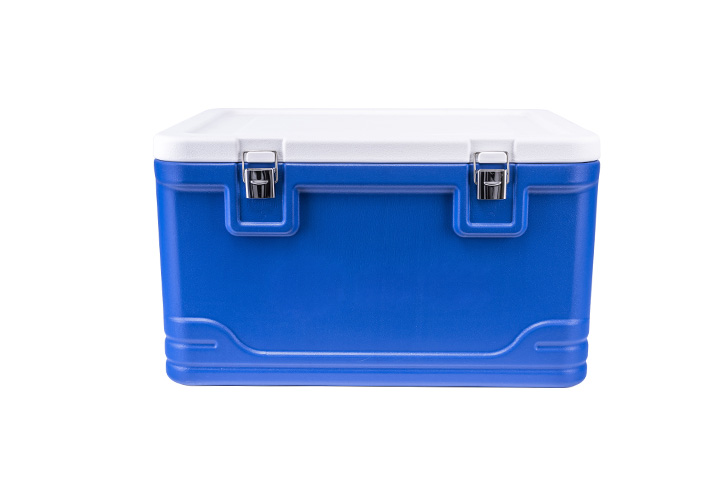
أ حاوية بلاستيكية يمكن التحكم بدرجة حرارتها يجب أن تساعد شركة التخزين المعملي فريقك في نقل البضائع عبر التخزين المعملي مع قدر أقل من عدم اليقين, ليس فقط إضافة حاوية أخرى إلى المستودع. يبدأ القرار الصحيح بتحديد ما هي الوحدة البلاستيكية المسؤولة عنه وما هو ليس كذلك. قد يحسن التعامل, الفصل, تكديس, العودة اللوجستية, أو النظافة. قد يدعم سير العمل الذي يتم التحكم في درجة حرارته. ولكن إذا كانت البضاعة تتطلب نطاقا محددا, يجب تقييم الحاوية كجزء من نظام كامل يتضمن المسار, حمولة, العزل أو المبرد إذا تم استخدامه, يراقب, وتلقي المراجعة.
حدد حدود الاستخدام قبل طلب السعر
يجب تحديد الحاوية البلاستيكية المستخدمة للتخزين المعملي حسب الوظيفة, ليس بالاسم وحده. في أحد المشاريع قد تكون وحدة معالجة خارجية نظيفة. وفي حالة أخرى قد يكون جزءًا من حزمة حرارية سلبية مع عزل, سائل التبريد, حطام, تسميات, وجهاز مراقبة. التمييز مهم لأن الغلاف البلاستيكي المقولب يمكن تنظيمه, يحمي, كومة, عش, أو تهوية البضائع, لكنه لا يثبت التحكم في درجة الحرارة من تلقاء نفسه. لمديري العمليات المخبرية, فرق المشتريات, ومراجعي الجودة, نقطة البداية الأكثر أمانًا هي تدوين حالة المنتج, طريق, تسلسل التسليم, وأدلة القبول قبل مقارنة أوصاف الكتالوج.
يمكن كتابة حدود الاستخدام الواضحة في بضعة أسطر. وينبغي أن يوضح ما هي البضاعة, ما إذا كانت الحاوية تتصل مباشرة بالمنتج أو العبوة المغلقة فقط, حيث سيتم تخزين الوحدة, كيف سيتم تحميله, وماذا يحدث بعد الولادة. للتخزين المختبري, يجب أن تذكر هذه الحدود أيضًا التنظيف, وضع العلامات, يعود, وأي درجة حرارة أو متطلبات الوثائق. بدونه, قد يقتبس المورد حاوية جيدة من الناحية الفنية ولكنها خاطئة من الناحية التشغيلية.
تساعد الحدود أيضًا فريقك. المشتريات ترى التكلفة والمدة الزمنية. ترى العمليات سرعة التعامل والمساحة. الجودة ترى الأدلة والمخاطر. يرى التمويل عمر الأصول وتكلفة العائد. عندما تستخدم جميع الفرق نفس الحدود, تصبح المناقشة أكثر واقعية. إذا لم يفعلوا ذلك, قد يوافق أحد الفرق على ميزة تسبب مشاكل لفريق آخر.
قيمة معالجة منفصلة عن مقاومة درجة الحرارة
لا تشترك المواد المخبرية في نطاق درجة حرارة عالمي واحد. ويبقى البعض في ظروف غرفة خاضعة للرقابة, بعضها يتطلب معالجة مبردة, ويحتاج البعض الآخر إلى تخزين مجمد أو منخفض للغاية, لذلك يجب أن تبدأ مواصفات الحاوية بنوع العينة وتعليمات التخزين المعتمدة من قبل فريق الجودة. ولهذا السبب يجب على المشترين تجنب التعامل مع الكلمات التي يتم التحكم في درجة حرارتها, حراري, insulated, تنفيس, أو تكويم كدليل على الأداء. الدليل الفعلي يأتي من النظام الكامل: هندسة الحاوية, أي العزل أو المبرد, طريقة التكييف, الحمولة, التعرض المحيط, مدة الطريق, ومعايير القبول. للعمل المختبري, يجب أن تحدد معلومات SOP المعتمدة وثبات العينة ما إذا كانت العبوة تحتاج إلى فصل بسيط, التعامل المبرد, الحماية المجمدة, أو الرصد الموثق.
هذا الفصل هو جوهر قرار الشراء الجيد. يمكن للحاوية القابلة للتكديس تحسين استقرار البليت. يمكن لصندوق التهوية أن يدعم تدفق الهواء أو التجفيف. يمكن للوحدة القابلة للطي أو القابلة للطي أن تقلل من حجم الإرجاع الفارغ. يمكن للحمل الحراري أن يبطئ نقل الحرارة عند تصميمه بعزل مناسب. هذه فوائد حقيقية, لكنها ليست مثل إثبات بقاء البضائع ضمن النطاق المعتمد.
إذا كان المشروع يتضمن سلعاً حساسة للحرارة, اكتب العنصر الذي يتحمل مسؤولية درجة الحرارة. هل هي غرفة مبردة, مركبة, شاحن معزول, سائل التبريد, إلى PCM, الثلج الجاف, غطاء البليت, أو حزمة التحقق من صحتها? هو مسجل بيانات يستخدم لإثبات, أو يتم فحص درجة الحرارة عند الإرسال والاستلام? من يراجع انحرافا? تجعل هذه الأسئلة مواصفات الحاوية أكثر أمانًا لأنها تمنع الافتراضات الواسعة.
تفاصيل التصميم التي تهم في العمل اليومي
عادةً ما تكون حالات الفشل الأكثر شيوعًا عملياتية وليست دراماتيكية. قد تكون الحاوية البلاستيكية قوية بما فيه الكفاية ولكن من الصعب تنظيفها. قد يتم تكديسها في المستودع ولكنها تصبح غير مستقرة عندما تكون مبللة, محملة بشكل غير متساو, أو يتم التعامل معها من قبل فريق رصيف سريع. قد يحمل ملصقًا على عينة جافة ولكنه يفقد إمكانية التتبع بعد التكثيف. في تخزين المختبر, يتضمن ملف تعريف المخاطر الرئيسي عينات مختلطة, التعرض أثناء التدريج, سوء التنظيف, وضعف التوثيق بعد التحرك الداخلي أو عبر الحدود. المواصفات الجيدة تحول تلك المخاطر إلى فحوصات مرئية: حيث تذهب التسميات, كيف يغلق الغطاء, كيف تستنزف الوحدة, كيف يعود الفراغات, وما يجب على فريق الاستلام فحصه قبل قبول البضاعة.
يكشف التعامل اليومي عن أكثر من مجرد عينة من الصور. قد تؤدي الحاوية التي تبدو فعالة إلى إبطاء الخط إذا كانت المقابض غير مناسبة للقفازات. قد يُغلق الغطاء جيدًا عندما يكون فارغًا ولكنه يتغير عندما تكون الوحدة ممتلئة. قد تساعد فتحات التهوية على تدفق الهواء ولكنها تخلق مخاوف تتعلق بالتنظيف أو الاحتفاظ بالأشياء. قد تعمل الحافة القابلة للتكديس في مستودع جاف ولكنها تصبح غير مستقرة عند التكثيف, المنصات التالفة, أو تظهر أحمال مختلطة. هذه التفاصيل هي السبب وراء ضرورة استخدام الاختبار التجريبي لسير العمل الحقيقي.
للتخزين المختبري, انتبه جيدًا للأسطح والتحكم في الحالة. يمكن للموظفين معرفة ما إذا كانت الوحدة نظيفة, متسخ, تالف, محملة, فارغ, مطلق سراحه, أو الحجر الصحي? هل يمكن للملصقات البقاء على قيد الحياة في البيئة? هل يمكن للفريق المتلقي التعرف على المحتويات دون فتح الوحدة دون داع? هذه الأسئلة صغيرة, لكنها تؤثر على جودة المنتج, سرعة العامل, وقرارات القبول.
قائمة مرجعية للمشتري للموافقة على العينة
| قبل الموافقة, يتأكد | أدلة أو إجراءات مقبولة | قيمة القرار |
|---|---|---|
| دور الحاوية | بيان الاستخدام المعتمد من المشتريات, العمليات, والجودة | يمنع الفريق من التعامل مع حاوية المناولة كنظام حراري |
| المنتج والطريق مناسبان | حمولة, طريق, التعرض, حالة التخزين, ويتم تدوين استلام الشيكات | يحافظ على توصيات الموردين ذات الصلة |
| قابلية التنظيف وإعادة الاستخدام | طريقة التنظيف, تجفيف, تقتيش, ويتم تعريف إزالة الوحدة التالفة | يدعم النظافة ومراقبة الأصول |
| مسؤولية درجة الحرارة | العزل, سائل التبريد, تبريد, يراقب, أو يتم تعيين ضوابط الغرفة بشكل واضح | يمنع وعود درجة الحرارة غير المدعومة |
| مراقبة الموردين | معرف العينة, رسومات, ملاحظات مادية, ويتم تسجيل تغيير الاتصالات | يحمي الطلبات بالجملة من الاختلاف الصامت |
استخدم قائمة التحقق هذه للحفاظ على ملف الموافقة صادقًا. لا يتطلب الأمر من كل مورد إنتاج ملف فني كبير, لكنه يتطلب من الفريق تسجيل ما تم تأكيده, ما يفترض, وما لا يزال يحتاج إلى اختبار. يصبح هذا السجل مهمًا عندما تبدو العينة الأولى جيدة ولكن الاستخدام المجمع يكشف عن مشكلة.
تقييم المورد خارج نطاق الاقتباس
يجب أن تتجاوز المحادثة الجادة للشركة السعر, لون, والحجم الاسمي. اسأل ما إذا كانت مراجعة الرسم تتطابق مع العينة التي تلقيتها. اسأل ما الذي يعتبره المورد إجمالي الحجم الداخلي مقابل مساحة الحمولة القابلة للاستخدام. اسأل كيف تتصرف الحاوية البلاستيكية بعد التنظيف, التعشيش, قابلة للطي, تكديس, أو التعامل المتكرر. إذا كان دليل درجة الحرارة جزءًا من المشروع, اسأل ما إذا كان الأداء المذكور يعتمد على نفس الحمولة, تكوين المبرد, ملف تعريف المحيط, وحدود القبول التي تخطط لاستخدامها. عادةً ما يكون المورد الذي يمكنه شرح هذه الحدود بوضوح أكثر أمانًا من المورد الذي يقدم وعودًا واسعة النطاق دون مسار للتحقق.
يجب أن يشمل تقييم المورد جودة الاستجابة. سيطرح المورد المفيد أسئلة توضيحية ويشرح القيود. يجوز للمورد المحفوف بالمخاطر الموافقة على كل طلب بنفس الصياغة. لسلسلة التبريد, طعام, طبي, معمل, مصل, واستخدامات التكنولوجيا الحيوية, القيود ليست ضعفا. أنها تظهر أن المورد يفهم الفرق بين الحاوية البلاستيكية, نظام معزول, إجراء النقل, وسجل الجودة.
اسأل كيف يدعم المورد التخصيص إذا لزم الأمر. لون مخصص, شعار, مناطق التسمية, المقسمات, الأغطية, بطانات, أنماط تنفيس, أو يمكن أن تساعد ملحقات التغليف في سير العمل, ولكن يجب أن يظل كل تغيير مرتبطًا بالاستخدام المعتمد. قد تؤدي الميزة المخصصة التي تبدو جذابة إلى تعقيد عملية التنظيف, تقليل الحجم القابل للاستخدام, أو تتداخل مع التراص. أفضل التخصيص يعمل على تحسين المسار بدلاً من تزيين المنتج.
أدوات اتخاذ القرار مفيدة
تحقق من التفاصيل قبل اختيار التغليف
يمكن أن تساعدك هذه الأدوات السريعة في مقارنة مخاطر المسار, احتياجات التحجيم, خيارات المبرد, وتفاصيل التعبئة والتغليف قبل أن تطلب عرض أسعار.
سائل التبريد & مرجع PCM
قارن خيارات سائل التبريد وPCM عندما يحتاج المسار إلى دعم إضافي لدرجة الحرارة.
قارن الخياراتبطانة الصندوق & تحجيم غطاء البليت
تحقق من منطق تحديد حجم بطانة الصندوق وغطاء منصة التحميل لمشاريع التغليف المعزولة.
تقدير الحجممرجع المواد العازلة
قارن بين خيارات المواد العازلة لاحتياجات التعبئة والتغليف المختلفة لسلسلة التبريد.
قارن الموادقم بتجربة دورة واحدة كاملة قبل القياس
على سبيل المثال, تخيل أن المشتري يختبر حاوية بلاستيكية يمكن التحكم في درجة حرارتها قبل طرحها على نطاق أوسع. تبدو العينة الأولى مقبولة على طاولة المؤتمرات, لكن السؤال الحقيقي يظهر أثناء الطيار: هل يمكن للفريق تحميله بالسرعة العادية, اقرأ الملصق بعد التكثيف, تنظيفه دون محاصرة بقايا, قم بتجميعه بأمان عند أثقل حمل متوقع, والتأكد من أنه سيتم توفير نفس المراجعة بعد الموافقة عليها? لا يحتاج هذا البرنامج التجريبي العملي إلى أن يصبح برنامجًا مختبريًا معقدًا لكل مشروع, ولكن يجب أن يعيد إنتاج أصعب ظروف المناولة العادية. والنتيجة هي قرار يعتمد على الملاءمة التشغيلية, لا كتيب الثقة.
لا يلزم أن يكون الطيار المفيد كبيرًا. يجب أن تكون واقعية. تشمل الشخص الذي يقوم بتحميل البضائع, الشخص الذي يستقبلهم, الشخص الذي يقوم بتنظيف الحاوية أو إرجاعها, والشخص الذي يوافق على الوثائق. قم بتشغيل الوحدة من خلال التسلسل المتوقع: تخزين, تحميل, وضع العلامات, التدريج, تحويل, تلقي, تفريغ, تنظيف, تقتيش, والعودة. سجل حيث تبدو العملية بطيئة, محفوف بالمخاطر, أو غير واضح.
إذا كانت درجة الحرارة جزءًا من المطالبة, لا تعتمد على نتيجة عامة. قم بمطابقة الطيار بالحمولة المقصودة, التعرض للطريق, تكوين المبرد أو العزل, ومعايير القبول. إذا لم تتمكن من اختبار المسار المحدد حتى الآن, تعامل مع النتيجة على أنها أولية وتجنب كتابتها كضمان نهائي. هذه الصياغة الحذرة تحمي كلا من المشتري والمورد.
التحكم في التكاليف دون إضعاف الحماية
أرخص حاوية يمكن أن تصبح باهظة الثمن إذا تسببت في رفض البضائع, تنظيف إضافي, أكوام مكسورة, التسميات المفقودة, أو شراء الاستبدال. يمكن أن تكون الوحدة الأكثر تكلفة خاطئة أيضًا إذا كانت تحل مشكلة لا تواجهك. يجب أن تقارن مراجعة التكلفة العملية إجمالي قيمة سير العمل: سرعة التعامل, كفاءة العودة, تقليل الضرر, جهد التنظيف, مساحة التخزين, جاهزية التوثيق, واتساق الموردين.
للمشتريات بالجملة, ضع في اعتبارك أيضًا كيفية تأثير التصميم على التدريب. إذا كان العمال بحاجة إلى تعليمات خاصة للطي, عش, ينظف, أو قفل الوحدة, يجب أن يكون إجراء التشغيل المعياري (SOP) بسيطًا ومرئيًا. إذا تم استخدام الحاوية عبر مواقع متعددة, يجب أن يكون التصميم متسقًا بدرجة كافية لتجنب الحلول البديلة لكل موقع على حدة. التحكم في التكاليف ليس سعر الوحدة فقط. إنها القدرة على تكرار نفس العملية الآمنة كل يوم.
متى يجب إعادة النظر في التصميم المختار
أعد النظر في التصميم إذا أظهر الطيار تلفًا متكررًا في الملصق, التنظيف الصعب, التراص غير المستقر, ضعف التحكم في العودة الفارغة, الخلط بين الوحدات النظيفة والقذرة, أو عدم اليقين بشأن دور درجة الحرارة. ونادرا ما تتحسن هذه المشاكل على نطاق واسع. وعادة ما تصبح أكثر وضوحا مع عدد أكبر من الناس, الطرق, وتشارك الأحمال.
أعد النظر أيضًا في التصميم إذا لم يتمكن المورد من شرح اتساق العينة مع الإنتاج. إذا وصل الطلب الأول بعد الموافقة بإغلاقات مختلفة, الأسطح, أبعاد, أو السلوك المادي, قد يحتاج فريقك إلى تكرار جزء من المراجعة. تحدد اتفاقية الشراء الأفضل كيفية توصيل التغييرات قبل وصول تغييرات الإنتاج إلى المستودع الخاص بك.
التعليمات
ما هي الخطوة الأولى في اختيار هذا النوع من الحاويات?
تحديد حدود الاستخدام. قل ما هي البضاعة, كيف يتم تعبئتها, حيث تسافر الحاوية, كيف يتم تنظيفها, وما هي الأدلة اللازمة. تمنع هذه الخطوة الخلط بين حاوية المناولة, شاحن معزول, ونظام مؤهل للتحكم في درجة الحرارة.
هل يمكنني استخدام نفس الحاوية البلاستيكية لعدة أقسام?
أحيانا, ولكن فقط بعد التحقق من الاختلافات في الحمولة, تنظيف, وضع العلامات, متطلبات درجة الحرارة, وعملية التفتيش. إن التصميم الذي يناسب البضائع المحيطة المختومة قد لا يصلح للبضائع المبردة, طبي, معمل, أو المواد الغذائية. يجب الموافقة على الاستخدام المشترك حسب السيناريو, لا يفترض من مظهر المنتج.
ماذا يجب أن أطلب من المورد قبل الطلب بالجملة?
اسأل عن حدود الاستخدام المقصود, أبعاد, المعلومات المادية, إرشادات التنظيف, مراجعة العينة, خيارات التخصيص, وأي معلومات اختبار ذات صلة بالطريق. إذا كانت الحاوية جزءًا من سير عمل حساس لدرجة الحرارة, اسأل عن الأدلة التي تدعم الحزمة وما الذي يتعين على فريقك التحقق منه.
كيف أتجنب الإفراط في شراء الميزات?
ابدأ بالفشل الذي تحتاج إلى منعه. إذا كانت المشكلة هي حجم العودة الفارغة, قد يكون الانهيار مهمًا. إذا كانت المشكلة هي تدفق الهواء, قد يكون التنفيس مهمًا. إذا كانت المشكلة هي التعرض لدرجة الحرارة, النظام الحراري الكامل مهم. لا تشتري الميزات لأنها تبدو متقدمة; شراء الضوابط التي تعالج مخاطر الطريق الحقيقية.
متى يجب أن يشارك فريق الجودة?
إشراك الجودة قبل الموافقة على العينة عندما تكون البضائع حساسة لدرجة الحرارة, منظم, مستورد, تصديرها, المتعلقة بالأغذية, طبي, معمل, مصل, أو التكنولوجيا الحيوية. تساعد جودة المدخلات في تحديد الوثائق, تنظيف, معالجة الانحراف, ومعايير القبول قبل أن يصبح من الصعب تغيير قرار الشراء.
خاتمة
تعتبر شركة الحاويات البلاستيكية التي يمكن التحكم في درجة حرارتها للتخزين المعملي خيارًا سليمًا عندما تناسب المسار, ليس فقط الاقتباس. تحديد حدود الاستخدام, قيمة معالجة منفصلة عن دليل درجة الحرارة, التحقق من قابلية التنظيف وملاءمة سير العمل, وتسجيل أدلة الموردين قبل القياس. والنتيجة هي قرار الحاوية الذي يمكن شراؤه, يمكن استخدام العمليات, ويمكن الموافقة على الجودة دون الاعتماد على مطالبات غير مدعومة.
حول Tempk
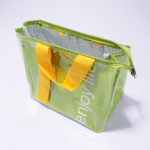
يدعم Tempk مشتري سلسلة التبريد B2B مع خيارات التغليف التي تتضمن حزم الجليد, حزم على غرار الثلج الجاف, صناديق معزولة EPP, صناديق الشحن الباردة, بطانات معزولة, الأكياس الحرارية, أغطية البليت, والمواد ذات الصلة. في مشروع تخزين المختبر, المحادثة الأكثر فائدة لا تتعلق فقط بالصندوق أو الحقيبة; يتعلق الأمر بكيفية تناسب الحاوية مع الحمولة, نقاط التسليم, متطلبات درجة الحرارة, وإجراءات الاستلام. وهنا يمكن للتوصية الدقيقة أن تقلل من احتمالات التجربة والخطأ التي يمكن تجنبها.
إذا كنت تقارن الخيارات الآن, مشاركة نوع العينة الخاصة بك, وقت التعامل, طريقة التنظيف, وحالة التخزين لتوصية التعبئة والتغليف العملية. يمكن أن تساعدك Tempk في تضييق نطاق المناقشة قبل الموافقة على العينة أو الشراء بالجملة.