When you buy stackable plastic container factory for laboratory import, you are not only buying a plastic container. You are buying repeatability across the real pressure points of laboratory import. In laboratory import, weak packaging shows up as wet surfaces, unstable stacks, استقبال بطيء, and avoidable rejects. This optimized guide combines the strongest parts of buyer education, التحقق الفني, and current market direction into one decision framework you can use right away. Import delays rarely start with the box alone; they start with incomplete labeling, weak paperwork discipline, and packaging that was never matched to the lane.
هذه المقالة سوف تساعدك على الإجابة:
- how to match stackable plastic container features to real laboratory import risks
- how material, wall geometry, and thermal strategy change performance
- which quality checks matter most when you compare a factory source
- how to balance durability, سرعة التعامل, and total trip cost
- which compliance points can affect receiving, يطلق, or audit readiness
Why use stackable plastic container factory for laboratory import instead of a generic alternative?
Stackable Plastic Container Factory for Laboratory Import matters because the package shapes the outcome of every hand-off, not just the look of the shipment. In laboratory import, the weak points are usually staging, تحويل, تلقي, والعودة. A good plastic container protects product, stabilizes handling, and supports documentation at the same time. When the design fits the lane, you reduce the risk of sample breakage, labeling errors, import delay, pressure-related leakage, and incomplete shipping records, gain easier receiving, and remove hidden labor.
Think of the container as the physical frame around your workflow. If it stacks unevenly, traps water, hides labels, or wastes cube, then every downstream task slows down. Stackable design is valuable only when the stack stays stable through real movement. Buyers should look at corner load path, anti-slip geometry, lid compatibility, and how the base behaves on conveyors, المنصات, and truck decks. That is why experienced buyers test stackable plastic container factory for laboratory import under real dock, عربة, and receiving conditions instead of making a decision from a static sample alone.
How does stackable design change the daily reality of laboratory import?
The answer depends on your job-to-be-done. Some teams need better temperature resilience. Others need faster washdown, stronger stack stability, or safer handling in wet areas. For laboratory import, start with four questions: What is the actual payload? Where does the shipment wait? How many touches happen per trip? And what evidence does the receiver expect before release? Those answers tell you whether size, التحكم في الرطوبة, بناء, or documentation features should lead the design.
| <قوي>نقطة القرار</قوي> | <قوي>ما يجب التحقق منه</قوي> | <قوي>Typical good sign</قوي> | <قوي>ماذا يعني لك</قوي> |
| <قوي>Handling environment</قوي> | Wet dock, غرفة جافة, مطار, plant floor | Design matches the real surface and hygiene conditions | Fewer surprises at transfer and receiving |
| <قوي>Stack behavior</قوي> | Loaded height and corner support | Stable stack with repeatable footprint | Less product shift and less manual restacking |
| <قوي>Label visibility</قوي> | Barcode, batch, or route ID zones | Readable IDs without extra rework | Faster release and better traceability |
نصائح وتوصيات عملية
- Run a small live trial of the container through the hardest step of your laboratory import lane, not only a warehouse demo.
- Use the same evaluation sheet for operators, QA, and procurement so you do not miss practical issues that never appear in a quote.
- Ask the supplier to show how the design behaves after repeated use, الصرف الصحي, and empty returns instead of only showing a new sample.
مثال الحالة: A buyer using a generic handling box for laboratory import kept seeing slow receiving because labels became wet and stacks shifted after transfer. After moving to a better-matched stackable plastic container format with clearer ID zones and stronger stack control, the team cut manual rework and made receiving more predictable.
What specifications separate a good container from an expensive mistake?
The best stackable plastic container factory for laboratory import separates must-have specifications from nice-to-have features. بالنسبة لمعظم المشترين, the winning design combines structural reliability, usable internal volume, صحة, and repeatable handling. If your lane includes temperature control, then hold time and pack-out geometry matter as much as wall strength. If your lane is wet or fast-moving, surface finish, الصرف, and grip matter more than brochure language.
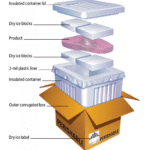
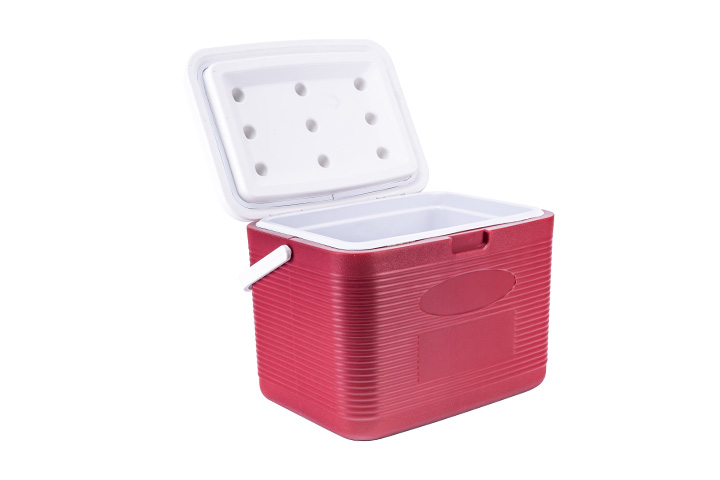
Material choice drives a large part of the result. HDPE is often preferred when you need cold-impact toughness, low water uptake, and long life in repeated handling. PP can work well when you need dimensional precision, good stiffness, and cleaner molding of clips, يتوقف, or divider features. Lab moves often require better lid discipline, رؤية التسمية, cushioning logic, and space planning for secondary or tertiary packaging. في الممارسة العملية, you should review the shell, غطاء, hinge or handle design, nesting or stacking geometry, and any insert or divider as one system rather than as separate line items.
How do material, wall geometry, and feature details affect real performance?
Start with the part of the journey that hurts the most. A long chilled lane may justify insulation and sensor space. A dense warehouse may care more about vertical load and anti-slip stacking. A hygiene-heavy operation may prioritize rounded corners and fast dry-down after washing. That is why a good technical review looks at stiffness, impact behavior, قابلية التنظيف, repairability, and the way the design ages after repeated trips.
| <قوي>مواصفة</قوي> | <قوي>خيارات نموذجية</قوي> | <قوي>Where it helps</قوي> | <قوي>لماذا يهمك</قوي> |
| <قوي>Base resin</قوي> | HDPE أو PP | Cold impact, صلابة, or molded detail | Changes durability, وزن, and long-term stability |
| <قوي>Wall strategy</قوي> | Solid wall, ribbed wall, or insert-ready shell | Heavy handling or insulated builds | Changes payload protection and usable volume |
| <قوي>Feature package</قوي> | column strength, anti-slip feet, and load spread across corners | laboratory import | Changes how well the container fits your real workflow |
نصائح وتوصيات عملية
- Ask for resin grade, not only the generic word plastic.
- Request a drawing or specification sheet that shows external size, الحجم الداخلي, تصميم الجدار, and the location of labels, فتحات التهوية, المصارف, or inserts.
- إذا كانت درجة الحرارة مهمة, validate the full pack-out with product simulant, سائل التبريد, and logger placement before approving the production version.
مثال الحالة: One team selected a strong-looking container sample but skipped a review of internal geometry. The shell was durable, yet coolant placement stole too much payload space and the receiver had trouble scanning labels. After revising the design around actual pack-out and handling steps, the same lane became easier to load, مسار, and release.
How do compliance, التتبع, and receiving control fit stackable plastic container factory for laboratory import?
Compliance is not a separate layer added after purchase. It should shape the specification from the beginning. For laboratory lanes, the conversation often includes IATA PI 650 or related rules for classified materials, triple-pack logic, import paperwork, سلسلة الحضانة, and internal SOPs for receipt and release. The packaging decision has to support storage conditions, تعليمات التعامل, تعريف, التتبع, and the evidence expected at receiving or during audit. A container that looks durable but does not fit your documentation or acceptance process can still fail the program.
ل 2026 البرامج, it is smart to map each requirement to a packaging attribute or procedure. Temperature control links to insulation, اختيار المبرد, and logger access. Hygiene links to surface finish and washability. Traceability links to permanent IDs and readable label zones. When you do that mapping early, compliance becomes easier to manage and easier to explain internally.
How do packaging, السجلات, and receiving discipline work together?
Most compliance failures are not caused by one dramatic defect. They come from small gaps: labels that smear, seals that are hard to inspect, designs that trap residue, or accessories that operators pack inconsistently. The best programs reduce those gaps through a controlled specification, a training-friendly pack-out method, and a receiving standard that is simple enough to use every day. That approach protects both the product and the audit trail.
| <قوي>حاجة الامتثال</قوي> | <قوي>Packaging response</قوي> | <قوي>Record or control</قوي> | <قوي>لماذا تهتم</قوي> |
| <قوي>Storage and transport conditions</قوي> | Match shell and thermal setup to lane | Qualification file and work instruction | Shows the pack was chosen for the real route |
| <قوي>إمكانية التتبع</قوي> | Permanent ID and clear label zones | Scan and receipt records | Supports investigations and recalls |
| <قوي>Hygiene and condition control</قوي> | Cleanable design and acceptance criteria | Cleaning logs or receiving checks | Reduces contamination and release disputes |
نصائح وتوصيات عملية
- Translate each regulatory or quality expectation into a visible packaging or process requirement.
- Keep the receiving checklist short enough that operators will actually use it.
- If multiple regions are involved, confirm which requirement is global and which is market-specific before final approval.
مثال الحالة: A technically sound container once failed a program review because its label area became unreadable after repeated sanitizing. The structural design was good, but traceability became unreliable. Adding a more robust ID zone solved a compliance problem that had nothing to do with wall strength.
How do total cost and sustainability change the value of stackable plastic container factory for laboratory import?
Total cost is where good packaging quietly wins. A better container often costs more upfront but reduces the expensive things you do not always see on the purchase order: إعادة صياغة, slow loading, damaged product, بدائل الطوارئ, excessive wash time, and missed release windows. In laboratory import, the right design should improve sample integrity on receipt, leak incidents, customs release time, and usable space per shipment rather than simply lower the first invoice.
Cost also depends on how the system is used. A reusable or durable format only pays back when the return loop, عملية الغسيل, and replenishment model are stable. If empty returns are expensive, then stacking, nesting, or collapse ratio can matter more than an extra millimeter of wall thickness. If the payload is high value, risk reduction may justify the stronger design even before you count labor savings. Reuse pressure, packaging-waste rules, and customer sustainability targets make this analysis even more important in 2026.
Which cost drivers deserve more attention than unit price?
Watch five cost buckets: حماية المنتج, labor at pack-out, transport cube, جهد التنظيف, وتكرار الاستبدال. For cold or regulated lanes, add monitoring and documentation effort as a sixth cost bucket. A cheap outer pack that forces extra scanning, taping, تجفيف, or restacking often becomes the most expensive option over a year of real use.
| <قوي>سائق التكلفة</قوي> | <قوي>Low-maturity approach</قوي> | <قوي>نهج أفضل</قوي> | <قوي>Practical effect for you</قوي> |
| <قوي>Unit price only</قوي> | Buy the lowest quote | Compare total trip cost and failure cost | Better buying decisions over time |
| <قوي>Damage handling</قوي> | React after the issue | Design around known lane failures | Less waste and fewer emergency actions |
| <قوي>Return flow</قوي> | Treat empties as an afterthought | Plan stack, عش, or collapse behavior | Lower reverse-logistics cost |
نصائح وتوصيات عملية
- Build a simple trial model using trips per year, تكلفة التنظيف, معدل الضرر, and empty-return cube before you compare quotes.
- Separate one-time tooling or validation cost from repeat operating cost so the decision does not get distorted.
- Ask operations where labor is being burned today. That answer often reveals the true savings target better than procurement data alone.
مثال الحالة: A shipper once chose a cheaper format for laboratory import and then spent months paying for extra restacking, تجفيف, and replacement units. When the team recalculated cost by usable trip, the more durable stackable plastic container option was the cheaper system, even with a higher purchase price.
How should you shortlist the right factory source in 2026?
A strong factory source proves process control, الاستجابة, and change discipline before you place the first volume order. Buyers often focus on unit price and lead time, but real performance depends on repeatability after the pilot. You want evidence of dimensional consistency, resin control, production stability, packaging of the packaging, and a clear method for managing revisions. In regulated or quality-sensitive lanes, a supplier that cannot document changes creates risk even when the parts look fine.
When you buy direct from a factory, you gain better control over tooling, اختيار الراتنج, and dimensional changes, but you also need stronger onboarding and acceptance protocols. For laboratory import, also ask who owns drawings, who approves substitutions, how samples compare with production, and what happens if an incoming lot fails at receiving. The right answer is not perfect language; it is a credible, repeatable process that your team can audit and use.
Which supplier scorecard points should sit at the top of your shortlist?
Start with six basics: specification clarity, production repeatability, trial support, سرعة التوثيق, after-sales response, and commercial stability. Then add lane-specific points such as export readiness, food-contact declarations, cleanability evidence, or temperature-validation support. If the supplier can only talk about molding but not about your route, حمولة, and receiving workflow, the fit is probably weak.
| <قوي>عنصر بطاقة الأداء</قوي> | <قوي>ماذا تسأل</قوي> | <قوي>Good evidence</قوي> | <قوي>Benefit to your team</قوي> |
| <قوي>Specification control</قوي> | Who signs off drawings and revisions? | Version-controlled documents and sample approval path | Less drift between pilot and production |
| <قوي>Quality response</قوي> | What happens after a failed incoming check? | Clear CAPA and replacement process | Faster recovery when something goes wrong |
| <قوي>Lane support</قوي> | Can you support my exact packing and shipping scene? | Application questions, test advice, and realistic trial plan | Better fit for real operations |
نصائح وتوصيات عملية
- Do not approve a supplier on photos and sample feel alone. Ask for production controls and lot-to-lot consistency evidence.
- Keep a written acceptance standard for dimensions, مظهر, labeling areas, and any thermal or structural accessory.
- Where import or export is involved, confirm palletization method, carton labeling, علامات الشحن, and how mixed-model orders will be packed.
مثال الحالة: A procurement team once changed vendors to save a small amount per unit, but the new source changed label area dimensions without warning. The container still looked acceptable, yet scanning slowed and receiving errors rose. A stricter supplier scorecard would have caught the change-control weakness before rollout.
2026 developments and trends shaping laboratory import
في 2026, laboratory import and specimen logistics teams are focusing on cleaner classification discipline, stronger labeling, and outer-pack formats that reduce operator error. The pressure is not only about passing transport rules; it is about keeping sample integrity high while making receiving and release simpler. That is why packaging conversations now include device placement, سهولة قراءة التسمية, and pack-out consistency more often than before.
أحدث التطورات في لمحة
- cleaner import documentation workflows tied to packaging labels and IDs
- greater use of data loggers and easier-to-read receiving evidence
- more modular formats that separate sample protection from outer transport efficiency
The practical trend is toward systems that make the correct action easier for operators. Buyers are favoring packaging that supports clear IDs, fast verification, and more reliable performance after repeated trips or wash cycles.
الأسئلة المتداولة
Is stackable plastic container factory for laboratory import better than a generic plastic container?
عادة نعم, if your route has real stress points. A generic container may hold product, but a better-specified version reduces hidden costs such as rework, استقبال بطيء, instability, or avoidable damage. Match the design to your lane, not to a catalog category.
Does stackable plastic container factory for laboratory import replace triple packaging for laboratory import?
لا. If your material classification requires triple packaging or other regulated packaging steps, the outer plastic container supports the system but does not cancel those requirements. Always match the packaging build to the shipment class.
What should I ask a factory source before ordering volume?
Ask about specification control, اتساق الإنتاج, sample-to-production match, السيطرة على التغيير, and response after failure. If your route is regulated or cross-border, also ask about labeling, منصة نقالة, and document support.
How many live trials should I run before approval?
At least one controlled pilot through the hardest normal route step, and more if you have seasonal temperature changes, multiple receiving sites, or different payload configurations. A trial is most useful when operations, جودة, and procurement evaluate it together.
When does a reusable container make the most sense?
It makes sense when the unit can complete enough trips, return predictably, and be cleaned without excessive labor. Reuse should improve the operating system, not only the sustainability slide deck.
ملخص وتوصيات
Stackable Plastic Container Factory for Laboratory Import works best when the design matches the real route, not just the product photo. The most important checks are usually structure, صحة, رؤية التسمية, packing discipline, and total trip cost. If temperature or compliance matters, qualification and receiving evidence are as important as the molded shell itself. A better sourcing decision comes from comparing route fit, التكرار, والدعم, ليس فقط سعر الوحدة.
If you are shortlisting options now, start with a simple route map, an acceptance checklist, and a pilot plan. Then compare suppliers on specification control, real-lane support, and how well the container fits your actual pack-out and receiving process. That approach will give you a cleaner decision than buying on brochure claims alone.
حول Tempk
Tempk focuses on cold-chain and reusable transport packaging systems used across healthcare, طعام, معمل, and industrial handling programs. We work on more than the outer shell: container format, خيارات العزل, المبردات, labeling zones, and validation thinking all need to fit the route. Our goal is to help you choose packaging that is durable, practical to operate, and easier to qualify in real working conditions.
If you are evaluating a new container platform or refining an existing one, the next useful step is a route-based review of payload, handling scenes, احتياجات الامتثال, and return-loop economics.