عبوة الجل العلاجية: دليل عملي لمقارنة الموردين وتصميم العبوات
أفضل شركة مصنعة لزراعة عبوات الجل العلاجية هي الشركة التي تتوافق مع الوظيفة دون خلق مخاطر إضافية في مكان آخر. في الممارسة العملية, يحتاج المشترين لمقارنة التصميم, سلوك المرحلة, الطريق صالح, انضباط المورد, واتساق الطلب بالجملة معًا. هذه هي الطريقة الوحيدة الموثوقة لاختيار حزمة تعمل بعد مجموعة العينة الأولى.
يوجد أدناه دليل شراء عملي يركز على الأسئلة التي عادةً ما تحتاج فرق المشتريات والعمليات إلى الإجابة عليها أولاً: ما يفعله المنتج حقا, حيث يناسب, ما يمكن أن يحدث الخطأ, وكيفية معرفة مورد موثوق به من خلال خيار الكتالوج فقط.
البدء بالتعريف الصحيح للمنتج
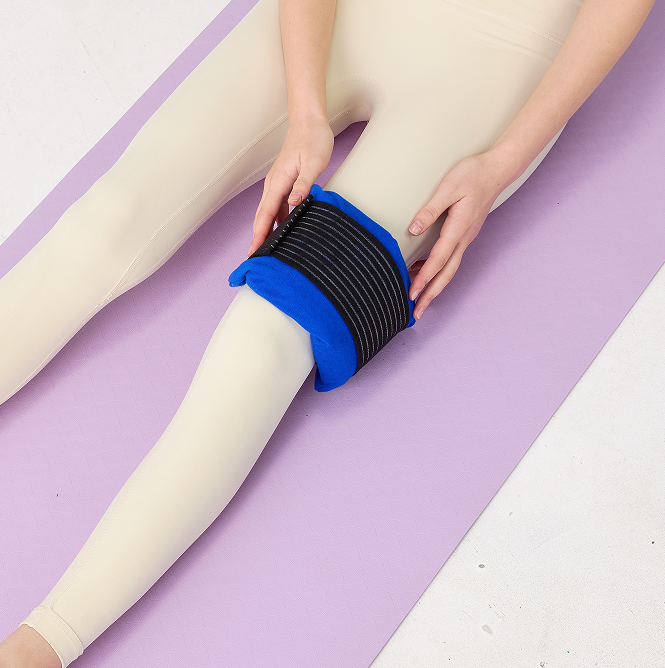
عادةً لا تكون عبوة الجل العلاجية المخصصة للزراعة بمثابة مبرد شحن على الإطلاق. في العديد من سياقات الشراء, it refers to a reusable hot or حزمة باردة used in field first-aid kits, التعامل البيطري, انتعاش العمال, أو دعم العلاج في البيئات المجاورة للزراعة. ولهذا السبب فإن خطوة تحديد المصادر الأولى هي تحديد الاستخدام المقصود بوضوح: يعد الاتصال بالجسم أو الحيوان مهمة مختلفة عن تبريد الطرود.
بمجرد أن يصبح هذا التمييز واضحا, أصبحت أولويات الشراء أكثر وضوحًا أيضًا. حزمة العلاج تحتاج إلى الراحة, المرونة, وتعليمات الاستخدام النظيف. يمكن تجميدها أو تسخينها, ولكن لا يزال من الممكن التحكم فيه على الجلد أو من خلال حاجز من القماش. حزمة النقل, على النقيض من ذلك, تم تحسينه للاحتفاظ بالبرودة داخل العبوة الخارجية وقد يكون قاسيًا للغاية, بارد جدا, أو ببساطة غير مناسبة للاستخدام في الاتصال المباشر.
للاستخدام العلاجي, عادة ما تكون تعليمات المستخدم الواضحة ووضع العلامات على الاستخدام المقصود أكثر أهمية من لوائح النقل, ولكن لا يزال يتعين على المشترين تجنب تقديم ادعاءات سريرية أو بيطرية لا يمكن للمنتج دعمها.
كيف تغير اختيارات التصميم الأداء
تُصنع العبوات العلاجية عادةً من طبقة خارجية ناعمة أو صفائح وهلام غير سام يظل قابلاً للاستخدام بعد الدورات الساخنة والباردة المتكررة.. في عروض المنتجات العامة, أفلام ناعمة الملمس, الإنشاءات القائمة على مادة TPU, وحشوات الهلام القابلة لإعادة الاستخدام شائعة لأنها توازن بين المرونة والمتانة. يجب أن يكون السطح سهل التنظيف وقويًا بدرجة كافية لمقاومة فشل التماس عند المعالجة المتكررة.
للمشتريات المتعلقة بالزراعة, المتانة مهمة لأنه يمكن استخدام هذه العبوات في المركبات, مجموعات المحمول, الحظائر, غرف التدريب, أو محطات ميدانية وليس في بيئة عيادة خاضعة للرقابة. ولذلك يجب على المشترين أن يسألوا ليس فقط عن تركيبة الجل ولكن أيضًا عن مقاومة الثقب, قوة الختم, سماكة, وما إذا كانت العبوة تظل مرنة بدرجة كافية بعد التجميد.
يعتمد أداء العلاج بشكل أقل على وقت الانتظار على نمط الشحن وأكثر على المرونة بعد التكييف, راحة الاتصال, توزيع هلام, ووضوح تعليمات الاستخدام.
عادةً ما يتعلم المشترون أكثر من خلال قائمة قصيرة من نقاط البيانات الثابتة: الأبعاد النهائية, الوزن الصافي للتعبئة, سمك متجمد, نطاق تغيير الطور أو نطاق درجة الحرارة المقصود, تعليمات التكييف, وتكوين التعبئة والتغليف حسب الحالة أو البليت. تسمح هذه التفاصيل لفرق العمليات والجودة بتصور كيفية تصرف الحزمة قبل بدء التجربة.
الاختيار حسب التطبيق والطريق
تشمل حالات الاستخدام النموذجية دعم الإسعافات الأولية للعمال الزراعيين, رعاية التعافي في العمليات الميدانية التي تتطلب جهدًا بدنيًا, والتطبيقات البيطرية أو التعامل مع الحيوانات حيث يكون مصدر البرد أو الحرارة القابل لإعادة الاستخدام مفيدًا. يقوم بعض المشترين أيضًا بتوفير حزم العلاج للعيادات الريفية أو برامج التوعية المرتبطة بالمجتمعات الزراعية.
ما يوحد هذه التطبيقات هو الحاجة إلى الأمان, معالجة قابلة للتكرار بدلاً من وقت احتجاز الطرود الطويل. يجب أن يكون من السهل التعرف على العبوة, سهلة التنظيف, ومرفقًا بتعليمات واضحة حول ما إذا كان مخصصًا للاستخدام البارد, الاستخدام الساخن, أو كليهما. في كثير من الحالات, إن لغة التغليف وتدريب المستخدم لا تقل أهمية عن الحزمة نفسها.
يعتمد أداء العلاج بشكل أقل على وقت الانتظار على نمط الشحن وأكثر على المرونة بعد التكييف, راحة الاتصال, توزيع هلام, ووضوح تعليمات الاستخدام. بعبارة أخرى, يبدأ الاختيار بمشكلة التشغيل, ليست صورة الكتالوج. المشترين الذين يحددون نطاق درجة الحرارة, وقت العبور, حساسية الحمولة, ومن الواضح أن طريقة التحميل تميل إلى اتخاذ قرارات أسرع وأكثر أمانًا.
عادةً ما تنتهي المقارنة الملائمة للمشتري إلى ستة عمليات فحص:
اختر العبوة حسب مساحة الجسم المقصودة أو احتياجات التعامل بدلاً من الحد الأقصى لوزن الجل وحده.
قم بإعطاء الأولوية للمرونة بعد التجميد حتى تظل العبوة مريحة في الاستخدام الميداني أو البيطري.
تحقق من تشطيب الحافة وشكل التماس لأن الراحة مهمة في الاستخدام الحقيقي.
تأكد مما إذا كان المنتج مخصصًا للاستخدام البارد فقط أو للاستخدام الساخن والبارد.
اطلب التغليف الذي يناسب أدوات الإسعافات الأولية, توريد العيادة, أو التوزيع بالتجزئة, أيهما يتوافق مع قناتك.
لا تستبدل طرد التبريد بحزمة العلاج لمجرد أن الشكل الخارجي يبدو مشابهًا.
عادةً ما يحتاج المشترون في هذا المجال إلى منتج للاستخدام الجسدي أو للاستخدام البيطري, ليس مبرد الطرود القياسي.
ماذا تسأل الموردين قبل الطلب بكميات كبيرة
عند تقييم الشركة المصنعة, اسأل عن نوع الفيلم, ملف تعريف سلامة هلام, الأشكال المتاحة, خيارات الطباعة, التعبئة والتغليف للمجموعات, وما إذا كان المنتج مخصصًا للدورات الساخنة والباردة المتكررة. يجب عليك أيضًا التحقق من تشطيب الحافة, لأن الدرزات الخشنة أو الزوايا الحادة جدًا يمكن أن تقوض الراحة حتى لو كانت العبوة تحافظ على درجة الحرارة جيدًا.
قد يحتاج المشترون ذوو التوجه الزراعي أيضًا إلى دعم تجاري عملي: تعليمات متعددة اللغات, تنسيقات الكرتون لتجميع عدة الهاتف المحمول, ووضع العلامات المتسقة حسب الحجم أو منطقة الجسم المقصودة. هذه التفاصيل تبدو صغيرة, لكنها غالبًا ما تقرر ما إذا كانت العبوات قابلة للاستخدام بالفعل في الميدان.
نوع الفيلم أو صفح, الانتهاء من التماس, ومرونة الفريزر
سواء كانت العبوة باردة فقط أو للاستخدام الساخن والبارد
ملف تعريف أمان الجل والتعبئة والتغليف لتعليمات المستخدم
الأشكال المتوفرة, التعبئة والتغليف ذات العلامة الخاصة, وخيارات تجميع المجموعة
أدوات اتخاذ القرار مفيدة
تحقق من التفاصيل قبل اختيار التغليف
يمكن أن تساعدك هذه الأدوات السريعة في مقارنة مخاطر المسار, احتياجات التحجيم, خيارات المبرد, وتفاصيل التعبئة والتغليف قبل أن تطلب عرض أسعار.
مرجع المواد العازلة
قارن بين خيارات المواد العازلة لاحتياجات التعبئة والتغليف المختلفة لسلسلة التبريد.
قارن الموادأداة تقييم مخاطر المسار
قم بمراجعة ظروف المسار قبل اختيار التغليف لمتطلبات التشغيل الحقيقية.
فحص مخاطر المسارحاسبة عبوات التبريد
تقدير كمية عبوات الثلج الهلامي للشحنات المبردة والتخطيط العملي للمسار.
تقدير عبوات الثلجتوقعات التنظيف ومتانة الاستخدام المتكرر
مو, السيطرة على العمل الفني, واتساق الشعور عبر الدفعات
قبل توسيع النطاق, إجراء محاكمة بسيطة ولكن منضبطة. استخدم الحمولة الحقيقية أو البديل الحراري القريب, الحزمة الخارجية الفعلية, طريقة التكييف المقصودة, ومدة المسار الذي تتوقعه في الميدان. قم بتضمين تعرض محيطي واحد على الأقل أكثر صرامة من حالتك المثالية.
إذا كان المنتج سينتقل إلى بيئة أكثر تحكمًا, اسأل ما إذا كان بإمكان المورد الحفاظ على استقرار نقاط البيانات هذه بمرور الوقت وكيف سيتم الإبلاغ عن أي تغيير. تعتمد الموثوقية الفنية على انضباط العملية بقدر ما تعتمد على العينة الأولى.
الأخطاء التي تخلق تكلفة أو مخاطر يمكن تجنبها
الخطأ الأكثر شيوعًا هو شراء عبوة هلامية على شكل شحن للاستخدام العلاجي لأنها تبدو متشابهة وتكلف أقل. يمكن أن يخلق ذلك عدم الراحة, مرونة ضعيفة, وتعليمات غير واضحة. خطأ آخر هو التركيز فقط على كمية الجل وتجاهل التفاصيل التي تواجه المستخدم مثل النعومة, التعامل, والتنظيف.
ومن الجدير أيضًا التحقق من سلوك العبوة بعد عدة دورات. يمكن لمنتج العلاج أن يجتاز فحصًا أوليًا ويظل مخيبًا للآمال لاحقًا إذا تصلبت الطبقات, كتل الجل, أو يصبح الفيلم الخارجي هشًا. يجب على المشترين بالجملة أن يطلبوا معلومات اختبار الدورة أو إجراء تجربة الاستخدام المتكرر الخاصة بهم.
تتمتع حزم العلاج القابلة لإعادة الاستخدام بالفعل بميزة الاستدامة البسيطة: يمكنهم استبدال المنتجات الباردة الفورية التي تستخدم لمرة واحدة في العديد من الإعدادات الروتينية. وهذا يقلل من التجديد المستمر والهدر إذا كانت العبوات قوية بما يكفي للبقاء في الخدمة.
في المشتريات الموجهة نحو العلاج, يتجه المشترون نحو المنتجات التي يمكن أن تخدم الاستخدام المتكرر في العالم الحقيقي بدلاً من العناصر الترويجية لمرة واحدة. متانة, وضع العلامات واضحة, ويميل الاستعداد للعلامة التجارية الخاصة إلى الأهمية أكثر من المطالبات العامة.
أسئلة عملية قبل الإطلاق
حيث الطرق, منتجات, أو أن طلبات التوثيق أكثر حساسية, يجب على المشترين تأمين طريقة التكييف المقصودة, موقف الحزمة, واستلام الشيكات قبل أول طلب أكبر. هذا الانضباط البسيط يمنع الكثير من الارتباك الذي يمكن تجنبه لاحقًا.
خلال تلك المحاكمة, سجل ليس فقط درجة الحرارة. انظر إلى رطوبة السطح, سلامة الحزمة, سرعة التحميل, تناسب المجمدة, وحالة المنتج أو المجموعة التي تم تسليمها. غالبًا ما تكشف هذه الملاحظات عن الملاءمة الحقيقية أكثر من ادعاء وقت الانتظار الرئيسي.
بعد المحاكمة, قفل المواصفات. توثيق الأبعاد المعتمدة, كتلة هلام, هيكل الفيلم, طريقة التكييف, ووضع الحزمة. هذا الانضباط البسيط يقلل من الانحراف بين الموافقة على العينة والإنتاج الروتيني.
إجابات سريعة قبل وضع قائمة مختصرة للموردين
هل يمكن استخدام عبوة الجل العلاجية لشحن سلسلة التبريد؟?
عادة لا يكون هذا هو الأفضل. تم تصميم عبوات العلاج ومبردات الشحن لتحقيق أهداف معالجة وأداء مختلفة.
ما يهم أكثر في الاستخدام المتعلق بالزراعة?
المرونة, قوة الختم, تنظيف, والتعليمات الواضحة عادة ما تكون أكثر أهمية من الحد الأقصى لمدة البرد.
ينبغي للمشترين طلب عينات?
نعم. يشعر, المرونة بعد التجميد, ومن الصعب الحكم على راحة التماس من المواصفات وحدها.
يجب على المشترين الجانب التشغيلي عدم التخطي
يؤدي التوريد بالجملة إلى تغيير القرار بطريقة مهمة: أنت لا توافق على حزمة واحدة, أنت توافق على طريقة تصنيع وتشغيل قابلة للتكرار. وهذا يعني الاقتباس, العينة, المستودع SOP, ويجب أن تشير جميع مواصفات إعادة الطلب إلى نفس المنتج. إذا كانت إحدى تلك القطع غامضة, عادة ما تظهر التكاليف لاحقًا من خلال التسريبات, إعادة المحاكمة, شكاوى العملاء, أو خطوط تعبئة بطيئة بدلاً من أمر الشراء الأول.
التعامل مع ما قبل الاستخدام مهم هنا بقدر أهمية التصنيع. يجب على المشترين التحقق من تعليمات الفريزر أو التدفئة, وقت التحضير المتوقع, وما سيختبره المستخدم النهائي عند تطبيق الحزمة لأول مرة. إذا كانت العبوة تبدو قاسية جدًا, بارد جدًا على السطح, أو موقف محرج, عادةً ما يتم اكتشاف هذه المشكلات فقط بعد الشراء ما لم يتم اختبار العينات بشكل واقعي.
عند مقارنة الموردين, اسأل نفسك ما إذا كان البائع يساعدك على اتخاذ قرار حقيقي أم أنه يساعدك فقط في الحصول على عرض أسعار. يجيب الموردون المفيدون مباشرة على الأبعاد, تكييف, السيطرة على التغيير, الوثائق, وحدود التطبيق. تبقى اللغات الأقل فائدة على مستوى لغة القطاع الواسع وتترك لك التفسير الفني.
ولذلك ينبغي أن تشمل مراجعة العينة أكثر من مجرد الفحص البصري. قم بتجميد المنتج بالطريقة التي يقوم بها فريقك بتجميده بالفعل. قم بتحميله في العبوة الخارجية الحقيقية أو تنسيق المستخدم. تحقق من مدى سهولة وضعه, مدى وضوح وصفها, كيف يتصرف بعد الذوبان الجزئي, وما إذا كان الجانب المتلقي سيفهم كيفية التعامل معه.
ومن المفيد أيضًا مقارنة إجمالي تكلفة التشغيل بدلاً من سعر المنتج وحده. لا يزال من الممكن أن تظل حزمة العلاج الأكثر تكلفة قليلاً هي الخيار الأقل تكلفة إذا نجت من دورات أكثر, يحتاج إلى بدائل أقل, ويولد شكاوى أقل حول الراحة أو التغليف.
الاتساق من العينة إلى الإنتاج يستحق اهتماما واضحا. اسأل ما إذا كان المورد يتحكم في وزن التعبئة, مقياس الفيلم, جودة الختم, الأبعاد الخارجية, وتكوين الكرتون ضمن نطاق التسامح المعروف. ثم اسأل كيف سيتم توصيل التغيير. غالبًا ما يفصل هذا السؤال بين شريك الإنتاج الحقيقي والتاجر ذي الرؤية المحدودة للعملية.
عادةً ما يكون مسار الموافقة الأقوى بسيطًا ولكنه منضبطًا. تحديد حالة الاستخدام, طلب مجموعة عينات خاضعة للرقابة, قم بتشغيل مسار واقعي أو تجربة التعبئة, توثيق المواصفات المعتمدة, واحتفظ بهذا المستند مرفقًا بكل إعادة طلب. يعد هذا التسلسل مهمًا بشكل خاص عندما يكون المنتج داخل سلسلة تبريد أو سير عمل للرعاية الصحية أكثر تحكمًا.
أخيراً, تذكر أن الاختيار الصحيح نادرًا ما يكون هو الأكثر تطرفًا. المزيد من الجل, درجة حرارة أقل, أو أن التنسيق الأثقل لا يكون أكثر أمانًا تلقائيًا. المنتج الأفضل هو المنتج الذي يتوافق مع المسار, الحمولة, طريقة التعامل, والأشخاص الذين سيستخدمونه بالفعل يومًا بعد يوم.
التنبؤ مهم أيضا. إذا كان فريقك يتوقع تقلبات موسمية أو ارتفاعات ترويجية, تأكد من كيفية قيام المورد بدعم تغييرات الحجم دون استبدال المواد بهدوء أو تعديل عدد الحالات. من الممكن أن يصبح المنتج المقبول تقنيًا معطلاً من الناحية التشغيلية عندما يكون الاتصال المتوقع ضعيفًا.
تعد الشيكات من جانب الاستلام مصدرًا آخر للتعلم يتم تجاهله. اسأل عما سيلاحظه المستخدم أو مقدم الرعاية أولاً: المرونة, يشعر التماس, وضوح التعليمات, وما إذا كان من السهل تحضير العبوة بأمان. غالبًا ما تحدد هذه التفاصيل مدى نجاح إعادة الطلب.
يجب على المشترين أيضًا التفكير في التدريب. لا يزال من الممكن أن يكون أداء الحزمة المحددة جيدًا سيئًا إذا كان المستودع أو المستخدمون النهائيون لا يعرفون المدة التي يجب أن يتم تكييفها فيها, أين تضعه, أو متى ترفض وحدة تالفة. غالبًا ما تعمل التعليمات الواضحة من المورد على تقليل مشكلات الطرح بشكل أكثر فعالية من إضافة المزيد من كتلة التبريد.
اتخاذ النهائي
نادرًا ما يتعلق شراء عبوات الجل العلاجية القوية بشراء الأبرد, أرخص, أو الحزمة الأكثر تسويقًا. يتعلق الأمر بمطابقة تنسيق الحزمة, طريقة التكييف, وانضباط الموردين للوظيفة التي تديرها بالفعل.
إذا قمت بتحديد حالة الاستخدام بوضوح, طرح أسئلة أكثر وضوحًا حول المواد والتحكم في العمليات, واختبار الحزمة في المسار الحقيقي أو التعامل مع سير العمل, من الأرجح أن تختار موردًا يحقق أداءً جيدًا بعد الطرح بدلاً من أن يكون في مرحلة عرض الأسعار فقط.
حول Tempk
و Tempk, we work across both عبوة تسيطر عليها درجة الحرارة and body-use hot and cold products. Our public range includes reusable عبوات جل الثلج, طوب الجليد, أكياس وصناديق معزولة, أغطية البليت الحرارية, وحزم العلاج الساخنة والباردة. يساعد هذا المزيج عندما يحتاج المشترون إلى فصل ضغط الاستخدام الشخصي عن مبرد النقل بدلاً من إجبار منتج واحد على القيام بالوظيفتين. نحن نقدم أيضًا عبوات مخصصة للتحكم في درجة الحرارة وننشر قدرة معملية معتمدة من CNAS لتطوير التغليف.
الخطوة التالية
إذا كنت تقوم بمراجعة الخيارات المجمعة, ابدأ بمجموعة العينات, تحقق من المرونة بعد التجميد أو التسخين, وقم بتأكيد العلامات الدقيقة وتعليمات المستخدم التي تحتاجها. ستخبرك النسخة التجريبية القصيرة الملائمة للاستخدام بأكثر من مجرد كتيب مصقول.