استيراد بطانة الصندوق الحراري: كيفية اختيار البطانة المناسبة للشحنات الحقيقية
استيراد بطانات الصندوق الحراري يتطلب بنجاح مواصفات الخطوط الملاحية المنتظمة التي تناسب الشحنة, السفن بكفاءة, مسح الشيكات الوثائق, ويظل ثابتًا بعد مرحلة العينة. يمكن أن يحسن الحماية للأغذية القابلة للتلف, المأكولات البحرية, خضروات, مجموعات الوجبات, مستحضرات التجميل, العينات التشخيصية, وغيرها من السلع الحساسة لدرجة الحرارة, ولكن ينبغي اختياره كجزء من الحزمة الكاملة وليس كضمان مستقل.
يبدأ قرار الشراء الأكثر فائدة بالطريق والحمولة. عادة ما يقوم المشترون عبر الحدود بمقارنة مدة العبور, ميناء أو مطار يسكن الوقت, التعرض المحيطي الموسمي, وشروط استلام المستودعات. ثم يمكن للمشتري مقارنة مواد البطانة, سماكة, حجم قابل للاستخدام, أسلوب الإغلاق, توافق المبردات, وضوابط الموردين.
لمصادر الاستيراد, أفضل المواصفات عملية: يناسب المنتج, يدعم نطاق درجة الحرارة المطلوبة, يمكن تعبئتها بشكل صحيح من قبل المشغلين, ويمكن توفيره باستمرار بحجم الطلب المطلوب.
ابدأ بالشحنة, وليس اسم المادة
القرار الأول هو متطلبات المنتج. هل الشحنة محمية من البيئة المحيطة؟, مبردة, المجمدة, أو التحكم في درجة حرارة الغرفة? كم من الوقت سيبقى خارج التخزين الخاضع للرقابة? هل سيتم السفر عن طريق البريد المحلي, شبكة الطرود, شاحنة مبردة, الشحن الجوي, أو الخدمات اللوجستية عبر الحدود? تحدد هذه الأسئلة مقدار العزل, المبردات, وإثبات احتياجات التعبئة والتغليف.
القرار الثاني هو صالح التشغيلية. يجب أن يتناسب استيراد بطانة الصندوق الحراري مع الكرتون أو المبرد, اترك ما يكفي من الحجم القابل للاستخدام, إغلاق بشكل موثوق, ودعم التعبئة السريعة القابلة للتكرار. قد لا تكون البطانة التي تعمل في غرفة العينة ولكنها تبطئ خط المستودع هي الخيار التجاري الأفضل.
القرار الثالث هو الدليل. بالنسبة لشحنات المواد الغذائية أو التجارة الإلكترونية منخفضة المخاطر, قد تكون تجربة الحزم العملية كافية لتضييق الخيارات. بالنسبة للمنتجات ذات القيمة الأعلى أو الخاضعة للتنظيم, يجب على المشترين طلب اختبار حراري موثق, ضوابط الجودة, والمراجعة من قبل فريق الجودة أو اللوجستيات المسؤول.
مواد, بناء, وتناسب العبوة
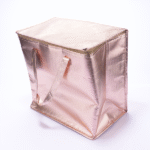
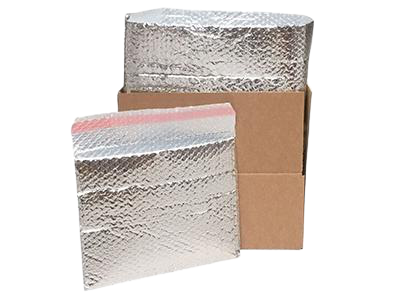
يجب أن يكون القرار المادي وراء استيراد بطانة الصندوق الحراري مرتبطًا بمهمة الشحن. الهيكل الشائع هو هيكل معزول قابل للطي مصنوع من فقاعة رقائق معدنية, EPE FOAM, الفيبر, أو مواد الألواح لتقليل انتقال الحرارة داخل الكرتون. يمكن للمشترين أيضًا تقييم رغوة EPE, فيلم معدني, عزل الورق, ألواح الألياف, لوحات عزل فراغ, أو الهياكل الهجينة عندما يتطلب المنتج أو المسار مزيدًا من التحكم.
تساعد أسطح الرقائق العاكسة على تقليل انتقال الحرارة الإشعاعية عندما تواجه مجالًا هوائيًا. تضيف طبقات الفقاعات والإسفنج عزلًا وتبطينًا منخفض الكثافة. قد تعمل تنسيقات الورق والألياف على تحسين خيارات التخلص منها, بينما يمكن للألواح الصلبة تحسين التحكم في الشكل. كل مادة لها مقايضات في السمك, سلوك الرطوبة, مقاومة الضغط, Recyclabality, والتكلفة.
يجب أن يكون حجم البطانة من الأبعاد الداخلية القابلة للاستخدام, ليس فقط من الحجم الخارجي للكرتون.
ينبغي مراجعة ملاءمة العبوة بمحتويات حقيقية. الحمولة, حزم المبردات, المقسمات, منصات ماصة, سجلات درجة الحرارة, والوثائق كلها تشغل الحجم. عندما تكون البطانة ضيقة جدًا, قد يقوم المشغلون بإغلاق الغطاء بالقوة, حزم هلام تشوه, أو ترك فجوة. عندما يكون فضفاضًا جدًا, يمكن للمساحة الهوائية الإضافية أن تقلل من الكتلة الحرارية الفعالة للعبوة.
من السهل التقليل من تفاصيل الإغلاق. بطانة ذات رفرف واسع, لاصقة موثوقة, أو مجمعة مسبقة الصنع يمكن أن تقلل من تنوع التعبئة. قد تنجح البطانة التي تتطلب طيات متعددة أو شريطًا دقيقًا في الاختبار ولكنها تفشل أثناء التنفيذ بكميات كبيرة.
مطابقة الخطوط الملاحية المنتظمة لاستراتيجية درجة الحرارة
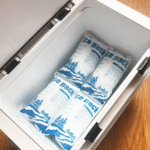
بطانة تقلل من اكتساب الحرارة أو فقدان الحرارة, بينما توفر المبردات القدرة الحرارية. حزم هلام, طوب الجليد, الثلج الجاف, ويجب اختيار مواد تغيير الطور وفقًا للحالة المستهدفة للمنتج. يجب تصميم البطانة وغاز التبريد كحزمة واحدة.
قد تحتاج المنتجات المبردة إلى الحماية من ارتفاع درجة الحرارة دون الاتصال المباشر بالتجميد. قد تتطلب المنتجات المجمدة المزيد من العزل, وضع سائل تبريد مختلف, أو ضوابط الثلج الجاف. قد تحتاج المنتجات التي يتم التحكم فيها بدرجة حرارة الغرفة إلى الحماية من الحرارة والبرودة. يمكن أن يؤدي تخطيط العبوة الباردة العامة إلى تلف المنتج إذا لم يتم تحديد نطاق درجة الحرارة.
كتلة الحمولة مهمة لأن المنتج نفسه يحمل طاقة حرارية. صندوق كامل من أجزاء المأكولات البحرية الكثيفة يتصرف بشكل مختلف عن مجموعة قارورة صغيرة, زجاجة مستحضرات التجميل, أو مكون وجبة خفيفة. يجب اختبار البطانة باستخدام الحمولة الحقيقية أو الكتلة الحرارية التمثيلية.
حالات وحدود الاستخدام العملي
يعد استيراد بطانة الصندوق الحراري مفيدًا للغاية عندما تحتاج الشحنة إلى حاجز حراري مدمج للأغذية القابلة للتلف, المأكولات البحرية, خضروات, مجموعات الوجبات, مستحضرات التجميل, العينات التشخيصية, وغيرها من السلع الحساسة لدرجة الحرارة. يمكن للبطانة تحسين الحماية دون استبدال الكرتون الخارجي أو المبرد, ويمكنه تبسيط التعبئة عندما يكون التصميم قابلاً للتكرار.
ينبغي اختيار الخطوط الملاحية المنتظمة لحساسية المنتج الحقيقية, مدة الطريق, وشروط التعامل وليس بالاسم المادي وحده. شحنة محلية قصيرة, حارة الطرود في عطلة نهاية الأسبوع, والممر الدولي مع وقت الإقامة في المطار له ملفات تعريف مخاطر مختلفة تمامًا.
بالنسبة لبرامج الاستيراد, يعد مكعب الشحن الداخلي محركًا رئيسيًا للتكلفة. بطانات مطوية, عدد الكرتون لكل حالة رئيسية, منصة نقالة, ويجب مراجعة مقاومة الضغط قبل تقديم طلب كبير. يجب على المستوردين أيضًا تأكيد إقرارات المواد وأي متطلبات تتعلق بملامسة الأغذية أو التخلص منها ذات صلة بسوق الوجهة.
القيد الرئيسي هو أن البطانة تبطئ حركة الحرارة; ولا يوقف حركة الحرارة. الأداء يعتمد على الصندوق الخارجي, التكييف المسبق, حمولة الكتلة الحرارية, كتلة التبريد, مساحة الرأس, جودة الإغلاق, وملف درجة الحرارة الخارجية أثناء النقل.
التحكم في درجة الحرارة, امتثال, وحدود المخاطر
ينبغي التعامل مع بطانة الصندوق الحراري كعنصر عازل, وليس كحل الامتثال التلقائي. يمكن أن يقلل من انتقال الحرارة داخل الكرتون, برودة, حمل, أو حاوية, ولكنه لا يثبت في حد ذاته أن الشحنة ستبقى ضمن نطاق درجة الحرارة المطلوبة.
للأدوية, اللقاحات, البيولوجيا, التشخيص, والعينات, يجب مراجعة قرار التعبئة والتغليف مع فرق الجودة والخدمات اللوجستية. نطاق درجة الحرارة المطلوبة, مدة الشحن, حجم الحمولة, تكوين التعبئة, نوع المبرد, ظروف الطريق, التعرض المحيطي, تلقي التفتيش, والوثائق كلها تؤثر على ما إذا كان النظام مناسبا.
يعد الفرق بين العبوة الخارجية الواقية والشاحن الحراري المؤهل أمرًا مهمًا. بطانة مقاومة للماء, صندوق قابل لإعادة الاستخدام, أو قد يحمي سطح الرقائق من الرطوبة أو اكتساب الحرارة, لكن هذه الميزات لا تقوم تلقائيًا بإنشاء ملف تم التحقق من صحته نظام شحن يتم التحكم بدرجة حرارته.
يجب على المشترين الذين يحتاجون إلى دليل الطريق أن يطلبوا بيانات اختبار تعكس ظروف التعبئة الحقيقية. تتضمن البيانات المفيدة كتلة الحمولة, تكييف التبريد, وضع الاستشعار, ملف تعريف المحيط, معايير النجاح أو الفشل, وأي افتراضات تستخدم أثناء الاختبار. عبارة عامة مثل "يحافظ على البرودة من أجل". 24 ساعات ليست كافية للشحنات عالية المخاطر.
كيف يمكن مقارنتها بخيارات التغليف ذات الصلة
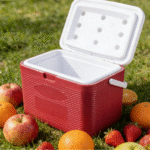
تعتبر بطانة الصندوق الحراري أخف وزنًا وأكثر مرونة من العديد من مبردات الرغوة الصلبة, ولكنها عادة ما توفر حماية هيكلية أقل. يمكن أن يكون اختيارًا جيدًا عندما يوفر الكرتون الخارجي بالفعل قوة تكديس ويكون المسار قصيرًا بدرجة كافية للتغليف القائم على الخطوط الملاحية المنتظمة.
صناديق معزولة صلبة, صناديق إي بي بي, صناديق بو, و صناديق VIP قد يكون أكثر ملاءمة عندما يكون الطريق أطول, الحمولة ذات قيمة عالية, أو أن نطاق درجة الحرارة ضيق. يمكن أن تدعم هذه الخيارات حزمًا أكثر تحكمًا, ولكنها تغير التكلفة أيضًا, مساحة التخزين, العودة اللوجستية, ومتطلبات التنظيف.
أدوات اتخاذ القرار مفيدة
تحقق من التفاصيل قبل اختيار التغليف
يمكن أن تساعدك هذه الأدوات السريعة في مقارنة مخاطر المسار, احتياجات التحجيم, خيارات المبرد, وتفاصيل التعبئة والتغليف قبل أن تطلب عرض أسعار.
مقاومة سقوط المواد العازلة
مراجعة مقاومة السقوط وعوامل المناولة قبل اختيار المواد العازلة.
تحقق من المقاومةحاسبة عبوات التبريد
تقدير كمية عبوات الثلج الهلامي للشحنات المبردة والتخطيط العملي للمسار.
تقدير عبوات الثلجبطانة الصندوق & تحجيم غطاء البليت
تحقق من منطق تحديد حجم بطانة الصندوق وغطاء منصة التحميل لمشاريع التغليف المعزولة.
تقدير الحجمأغطية البليت الحرارية وبطانات الحاويات تتناول نطاقًا مختلفًا. فهي تساعد على حماية البضائع المنقولة أو السائبة من التعرض للعوامل الجوية المحيطة, وخاصة أثناء التحميل, التدريج, أو الإرساء المتبادل. وهي لا تحل محل العزل على مستوى الطرود عندما يحتاج كل كرتون داخلي إلى الحماية الحرارية الخاصة به.
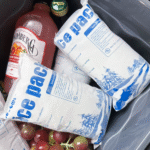
المبردات هي قرار منفصل. حزم هلام, طوب الجليد, مواد تغيير المرحلة, والثلج الجاف يعمل كل منهما بشكل مختلف. البطانة تبطئ نقل الحرارة; يوفر المبرد الكتلة الحرارية أو قدرة تغيير الطور. ويجب تصميم الاثنين معًا.
ما يجب التحقق منه قبل تقديم طلب بالجملة أو مخصص
ابدأ بملف تعريف الشحنة قبل مقارنة الموردين لاستيراد بطانة الصندوق الحراري. تحديد متطلبات درجة حرارة المنتج, مدة العبور المتوقعة, الحد الأقصى للتعرض المحيطي, حجم الحمولة, وعدد ونوع المبردات. لا يمكن للمورد أن يوصي ببطانة موثوقة من اسم المنتج وحده.
تحقق من الأبعاد الداخلية والخارجية بشكل منفصل. قد يتطابق الحجم الخارجي مع الكرتون, لكن الحجم الداخلي القابل للاستخدام هو ما يحدد ما إذا كانت الحمولة أم لا, حزم هلام, فواصل, منصات ماصة, ويمكن أن تتناسب جميع الأعمال الورقية دون سحق الإغلاق.
اسأل كيف يتم إغلاق البطانة. شرائط لاصقة, اللوحات القابلة للطي, حواف مختومة بالحرارة, مجمعات, وتتصرف الزوايا المشكلة مسبقًا بشكل مختلف أثناء التعبئة. يمكن أن يؤدي الإغلاق الضعيف إلى إنشاء فجوات هوائية وتقليل قيمة مادة العزل الجيدة.
مراجعة اتساق العينة إلى الإنتاج. عينة مصنوعة بسماكة رقائق واحدة, ارتفاع الفقاعة, كثافة اللوحة, أو لا ينبغي استبدال الشريط اللاصق في الإنتاج دون إشعار مسبق. للشحنات المنظمة أو ذات القيمة العالية, يجب التحكم في التغييرات المادية وتوثيقها.
تقييم التخزين والتجميع. تعمل البطانات المسطحة القابلة للطي على تقليل الشحن الداخلي ومكعب المستودعات, ولكن يجب أن تكون سهلة الفتح, مربع في المربع, وأغلق بسرعة خلال ساعات الذروة للتعبئة. أفضل المواصفات هي تلك التي يمكن للمشغلين تكرارها بدقة.
تأكيد اختبارات الجودة. يجب على المشترين أن يسألوا الموردين عن كيفية فحص الأبعاد, ختم الحافة, تلف السطح, ثقوب, تلوث, محاذاة الطباعة, وعدد التعبئة الكرتون. تعتبر هذه الضوابط أكثر فائدة من الادعاءات العامة حول العزل.
يجب على مشتري الاستيراد مقارنة تكلفة الهبوط, مكعب كرتون, كمية التعبئة, الواجبات, تصريحات, مهلة, واتساق العينة إلى الإنتاج. يمكن أن يصبح عرض أسعار الوحدة المنخفض مكلفًا إذا كانت البطانة تحتوي على كمية كبيرة من الهواء, يصل مطوية بشكل غير صحيح, أو يفتقر إلى الوثائق التي يحتاجها السوق المتلقي.
يكلف, التسعير, والقيمة الإجمالية
سعر الوحدة ليس سوى جزء واحد من القرار. التكلفة الإجمالية للبطانة تشمل الشحن الداخلي, مكعب التخزين, عمالة التعبئة, حجم الكرتون, كمية المبردات, معدل الضرر, شكاوى التخلص, وتكلفة المنتجات المرفوضة. يمكن أن تكون البطانة الأرخص قليلاً باهظة الثمن إذا أدت إلى زيادة التلف أو فرض كرتونة أكبر.
يمكن أن يؤدي التخصيص إلى تقليل التكلفة عندما يزيل المساحة المهدرة أو يسرع عملية التعبئة. يمكن أن تزيد التكلفة عندما تضيف الطباعة, الأدوات, ختم خاص, أو إنتاج منخفض الحجم. يجب على المشتري مقارنة الفائدة العملية لكل ميزة مخصصة مقابل التعقيد الإضافي.
للمستوردين, المصدرين, الموزعون, وتجار الجملة, يجب أن يكون السعر مرتبطًا بالمواصفات. يجب أن تشير الاقتباسات إلى الحجم, الهيكل المادي, عد التعبئة, أبعاد الكرتون, تسامح, متطلبات الطباعة, وشروط التسليم. بدون هذه التفاصيل, اثنين من الاقتباسات قد لا تكون قابلة للمقارنة.
عملية الموافقة العملية
تبدأ عملية الموافقة الدقيقة بموجز نموذجي. تزويد المورد بأبعاد المنتج, وزن الحمولة, نطاق درجة الحرارة المستهدفة, المدة المتوقعة, حجم الكرتون, خطة التبريد, وما إذا كانت الشحنة غذائية, المأكولات البحرية, الأدوية, مستحضرات التجميل, أو فئة أخرى.
التالي, قم بمراجعة عينة معبأة بدلاً من البطانة المسطحة. تحقق من إغلاق الرفرف, مساحة الرأس, حركة المنتج, موقف الحزمة الباردة, وضع التسمية, وما إذا كان بإمكان موظفي المستودع تجميع العبوة بسرعة. إذا كانت البطانة قابلة لإعادة التدوير أو مطبوعة, اختبار تعليمات الفتح والتخلص.
ثم قم بإجراء تجربة خاضعة للرقابة. يجب أن تتضمن التجربة تعرضًا واقعيًا للبيئة المحيطة, وضع المستشعر حيث يكون مفيدًا, افتراضات التعامل مع الناقل, ومعايير القبول. للشحنات المنظمة أو ذات القيمة العالية, يجب توثيق التجربة ومراجعتها بموجب عملية الجودة الخاصة بالمشتري.
أخيراً, قفل المواصفات. سجل هيكل المواد, أبعاد, تسامح, عدد التعبئة والتغليف, عمل فني, نوع الإغلاق, وأي بدائل معتمدة. اطلب من المورد إخطارك قبل المواد, لاصق, احباط, رغوة, ورق, أو عملية التغييرات.
تشغيل الخطوط الملاحية المنتظمة في الشحنات اليومية
من الممكن أن تفشل المواصفات الجيدة إذا كانت العمليات اليومية غير متسقة. يجب أن يعرف المشغلون أي كرتونة يجب استخدامها, كيفية فتح الخطوط الملاحية المنتظمة, أين تضع المنتج, أين تضع الكمادات الباردة, كيفية إغلاق الغطاء, ومتى يتم إضافة وسادات ماصة أو فواصل.
التكييف المسبق مهم عند استخدام المبردات. حزم هلام, طوب الجليد, الثلج الجاف, أو يجب تحضير مواد تغيير الطور وفقًا لاستراتيجية درجة الحرارة المستهدفة. إن عبوة الجل الدافئة الموضوعة في بطانة جيدة لن تحمي المنتج المبرد.
وينبغي أيضًا تحديد عملية الاستلام. يجب على الموظفين فحص حالة الكرتون الخارجي, إغلاق الخطوط الملاحية المنتظمة, تسرب, مؤشرات درجة الحرارة أو نتائج مسجل البيانات عند استخدامها, وحالة الحمولة. يجب التعامل مع أي رحلة أو عبوة تالفة من خلال عملية اتخاذ قرار موثقة.
ينبغي مراجعة التغييرات الموسمية. طريق صيفي, طريق الشتاء, تأخير العطلة, أو قد يؤدي حدث الإقامة في المطار إلى تغيير ملف تعريف درجة الحرارة. يجب على المشترين تجنب الموافقة على خط واحد لكل حارة ما لم تدعم مراجعة المخاطر هذا القرار.
إرشادات الشراء النهائية
أفضل بطانة للصندوق الحراري ليست بالضرورة الأكثر سمكًا, أرخص, أو الخيار الأكثر ترويجًا. إنها الخطوط الملاحية المنتظمة التي تناسب الطريق, يحمي الحمولة, يدعم استراتيجية درجة الحرارة, ويمكن توفيرها باستمرار.
استخدم المطالبات المحافظة في إجراءات التشغيل الخاصة بك. بطانة يمكن أن تدعم تغليف السلسلة الباردة, ولكنها لا تجعل الشحنة قابلة للتحكم في درجة حرارتها تلقائيًا. طريق, مدة, تكييف التبريد, التعرض المحيطي, حمولة, وتلقي الشيكات لا يزال يحدد النتيجة.
عند مقارنة الموردين, إعطاء الأفضلية للمواصفات الواضحة, دعم العينة العملية, مراقبة الجودة سريعة الاستجابة, ومناقشة صادقة للحدود. غالبًا ما يكون المورد الذي يشرح الحالات التي لا تكون فيها الخطوط الملاحية المنتظمة كافية أكثر فائدة من المورد الذي يعد بأداء واسع النطاق دون بيانات التعبئة.
التعليمات
هل يمكن للبطانة أن تحل محل صندوق الشحن المعزول؟? عادة لا. يمكن للبطانة تحسين الحماية الحرارية داخل الكرتون أو المبرد, لكن نظام الشحن المؤهل قد لا يزال بحاجة إلى حاوية خارجية تم اختبارها, المبردات, أجهزة استشعار, والوثائق الخاصة بالطريق.
ما الذي يجب على المستوردين التحقق منه قبل الطلب? يجب على المستوردين التأكد من تكوين المواد, عدد الكرتون, طريقة التعبئة, التسامح الأبعاد, الوثائق الجمركية, مهلة, وما إذا كانت العينة تتوافق مع هيكل الإنتاج المخطط له.
هو سمكا أفضل دائما? ليس دائما. قد تضيف البطانة السميكة العزل, ولكنها يمكن أن تقلل من مساحة الحمولة, زيادة مكعب الشحن, التعبئة البطيئة, وتغيير موضع المبرد. الخيار الأفضل يوازن بين الحماية والملاءمة التشغيلية.
حول Tempk
يدعم Tempk برامج التعبئة والتغليف بسلسلة التبريد عبوات جل الثلج, حزم الثلج الجاف, طوب الجليد, صناديق معزولة EPP, صناديق الشحن الباردة, بطانات الصندوق المعزولة, أغطية البليت الحرارية, ومواد التحكم في درجة الحرارة ذات الصلة. لمشاريع بطانة الصندوق الحراري, نحن نركز على الملاءمة العملية, توافق العبوة, والخيارات المخصصة مثل الحجم, بناء, والطباعة عند الاقتضاء. ترتبط توصياتنا بنطاق درجة حرارة الشحن, المدة المتوقعة, حمولة, وظروف المناولة بدلاً من التعامل مع أي بطانة كضمان مستقل.
الخطوة التالية
شارك نطاق درجة الحرارة المستهدف, مدة الطريق, حجم الحمولة, أبعاد الكرتون أو المبرد, وحجم الطلب لمناقشة تنسيق الخطوط الملاحية المنتظمة الذي يناسب الشحنة وخطة الشراء.