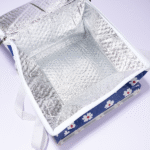
thermal cargo covers for lab reagents are one of the simplest ways to protect laboratory reagent logistics from short but expensive temperature swings. For laboratory reagent logistics, the main goal is to protect reagent pallets from excursion risk that can affect analytical accuracy, الحياة الافتراضية, or downstream lab performance. The cover does not replace refrigeration or process discipline, but it can reduce damage during courier handoffs, campus deliveries, and small-lot replenishment.
If you are buying or specifying a cargo cover, start with the lane, not the brochure. Look at exposure time, درجة الحرارة المستهدفة, pallet shape, سرعة التعامل, and the real cost of failure. في الممارسة العملية, buyers care about clean handling, easy ID labeling, and small and medium pallet flexibility, not just insulation claims on paper.
ما سوف يجيب عليه هذا المقال
- How thermal cargo covers for lab reagents reduce risk on exposed transfer points and protect laboratory reagent logistics
- Which thermal cargo cover for lab reagents features actually improve day-to-day handling
- How to compare insulated pallet protection for laboratory supplies options by risk, يكلف, والملاءمة التشغيلية
- What quality, امتثال, and documentation steps support reliable pallet protection
- أيّ 2026 trends are shaping reuse, يراقب, and supplier selection
Why thermal cargo covers for lab reagents are worth serious attention
The first job of thermal cargo covers for lab reagents is simple: slow down the rate at which the outer layer of the pallet absorbs or loses heat. That matters because most failures begin at the surface before the core shows a problem. For laboratory reagent logistics, a few uncontrolled minutes can be the difference between a routine move and a preventable quality event.
تستخدم بشكل صحيح, the cover helps the pallet stay closer to target during staging, تحميل, التفريغ, and short waiting periods. It also protects packaging appearance and reduces the number of shipments that need manual review on arrival. That combination is why thermal cargo covers for lab reagents often pay back faster than buyers expect.
What risk should thermal cargo covers for lab reagents control first?
A common mistake is to judge thermal cargo covers for lab reagents only by insulation thickness. في الواقع, performance also depends on pallet shape, closure leakage, طول الطريق, solar exposure, and how quickly the team applies the cover. Because many healthcare products are high value, even a short deviation can trigger investigation, quarantine, أو النفايات.
| Risk point | ماذا يحدث | Cover response | لماذا يهمك |
| قفص الاتهام يسكن الوقت | Outer cartons or cases heat up or cool down first | Creates a short-term thermal buffer | Gives your team more safe handling time |
| Door openings and staging | Air exchange speeds up surface drift | Reduces direct exposure to ambient swings | Improves consistency across busy shifts |
| Handoffs between zones | التكثيف, التعرق, or excursion risk rises | Moderates the transition rate | Cuts avoidable quality reviews and loss |
نصائح عملية
- Map where thermal cargo covers for lab reagents add the most value before you buy in bulk. Most gains come from the exposed parts of the lane, not the cold room itself.
- Match the cover size to the real pallet footprint. A loose fit weakens performance and makes application slower.
- Use a simple handling SOP with named responsibility, especially during shift changes and high-volume dispatch windows.
سيناريو توضيحي: A regional lab supplier used cargo covers for reagent pallets that spent time in courier staging. The team saw fewer avoidable excursion flags and smoother receiving because the labels stayed dry and readable.
How to choose the right thermal cargo covers for lab reagents for your lane
When you compare thermal cargo covers for lab reagents, start with route reality. Ask how long the pallet will be exposed, how often the door opens, whether the load is full height, and whether the cover must survive repeated reuse. A buyer who skips those questions usually pays for features that do not solve the real problem.
The strongest shortlist balances five things at once: أداء, سهولة الاستخدام, نظافة, متانة, and total cost over repeated cycles. That is how you move from buying a product to building a reliable pallet-protection process. Once those five fit together, the ROI becomes much easier to justify.
Which material layers matter most?
The best covers usually combine a cleanable outer surface, a high-visibility labeling areas, and thermal quilt body and flexible fit points. Each layer has a job: يعكس, slow transfer, protect structure, and keep the cover practical for repeated handling. When a supplier cannot explain that job clearly, the design is probably too generic.
| عامل الاختيار | ما يجب التحقق منه | Warning sign | Operational value |
| الملاءمة والإغلاق | How well it seals around the real pallet shape | Large gaps or loose drape | Better control and faster use |
| Material durability | طبقات, زوايا, and repeat-use condition | Rapid wear after folding | انخفاض تكلفة الاستبدال |
| سرعة التعامل | How quickly teams can apply and remove it | Complex closures that slow loading | Higher SOP compliance |
What to ask a supplier before you buy
- Ask for route-relevant test evidence, not a generic performance claim made on a different pallet size.
- Request a small pilot on a real lane before full rollout. It is the fastest way to see fit, تأثير العمل, and logger results together.
- Review how the cover will be stored, تنظيفها, and returned after use. Reuse programs fail when reverse handling is ignored.
How to build a repeatable process around thermal cargo covers for lab reagents
Operational success with thermal cargo covers for lab reagents depends on timing. The cover should be applied as close as practical to the exposure point, not hours earlier while the pallet is still in a stable zone. That keeps the protection focused on the risky window where it matters most.
Your process should also define who applies the cover, when loggers are placed, how long the pallet may wait, and what happens if the route changes. Simple role clarity prevents small delays from turning into uncontrolled exposure. In busy facilities, process discipline creates as much value as the cover itself.
A simple rollout checklist
- Qualify the lane and identify the exact exposure points before rollout.
- Pre-stage the correct cover size and confirm the pallet pattern fits the chosen design.
- Apply the cover immediately before the exposure window and place temperature loggers in defined positions if required.
- Record departure, تحويل, or dwell exceptions and escalate any route change that increases time at ambient conditions.
- فحص, ينظف, طية, and store the cover in a consistent way so reuse does not destroy performance.
Which quality controls keep the program credible?
Compliance does not mean you need endless paperwork, but it does mean thermal cargo covers for lab reagents should sit inside a documented process. You should know which products need the cover, which lanes justify it, how the team handles exceptions, and how performance is reviewed. That baseline turns the cover from a nice idea into an auditable control.
For laboratory reagent logistics, the most useful records are often simple: طريق, يسكن الوقت, logger result, cover ID or batch, and any deviation noted by the team. Those basics are enough to improve future decisions and support customer conversations. بدونهم, you cannot tell whether a cover problem was a material issue or an execution issue.
What should your team document?
- Target SKU or product family
- Approved pallet size and stacking pattern
- Route or lane where the cover is required
- Maximum allowable exposed time
- Logger placement or monitoring expectation
- تنظيف, تقتيش, and storage rule after use
2026 trends that should influence your decision
ال 2026 conversation around thermal cargo covers for lab reagents is broader than insulation alone. Air healthcare shipments remain tightly linked to IATA Temperature Control Regulations, while WHO and USP guidance continue to shape pallet-level handling decisions. The big 2026 shift is practical: more attention is going to transfer points, airport handoff zones, and cross-dock rooms, because that is where many preventable deviations start.
Sustainability is also becoming part of the decision. Many buyers now prefer reusable systems that lower disposable packaging use, survive multiple cycles, and still fit site SOPs. That does not mean every route should use the same cover, but it does mean lifecycle value matters more than before.
آخر التطورات للمشاهدة
- Healthcare shippers continue to emphasize risk-based lane qualification, logger discipline, and stronger transfer-point control.
- Air cargo rules for time- and temperature-sensitive healthcare products keep attention on packaging, وضع العلامات, and documented handling.
- Reusable pallet-level protection is gaining interest when it can fit existing quality systems without creating validation headaches.
للمشترين, the market is moving toward fewer, better packaging decisions. Instead of asking for the thickest cover, teams are asking which system best fits laboratory reagent logistics, إعادة استخدام دورات, labor reality, and total failure cost. That is a healthier buying standard because it links performance to operations, not marketing language.
Quick self-audit
- Do you know the exact exposure window where thermal cargo covers for lab reagents are supposed to help?
- Has the chosen cover been checked on the real pallet size and stacking pattern?
- Can your team apply and remove it quickly enough during peak loading?
- Is there a clear rule for cleaning, تخزين, and reuse after each trip?
- Do you review logger data or quality events after seasonal route changes?
الأسئلة المتداولة
When do thermal cargo covers for lab reagents make the biggest difference?
They matter most during staging, تحميل, التفريغ, and other short exposure windows. That is where pallet surfaces drift fastest. If your route is already tightly controlled with almost no handoff risk, the benefit will be smaller but still useful for consistency.
Can thermal cargo covers for lab reagents replace a reefer truck or a cold room?
لا. A cover is a passive buffer, not active refrigeration. It buys you time and reduces short swings, but it must be used with the right vehicle, storage condition, and operating SOP.
How should you test a new pallet cover before rollout?
Run a pilot on a real lane, use the actual pallet pattern, and compare logger results with and without the cover. Also review labor impact, fit quality, and how the cover behaves after repeated handling.
ما هو خطأ الشراء الأكثر شيوعا?
The most common mistake is choosing by thickness or price alone. ملائم, جودة الإغلاق, سرعة التعامل, and route match usually have a bigger effect on daily performance than a generic insulation claim.
Are reusable covers better than disposable options?
في كثير من الأحيان نعم, if the lane repeats often enough and the team can clean, فحص, and store the covers properly. Reusables usually deliver better long-term value when reverse handling is planned from the start.
How often should cover performance be reviewed?
Review it after pilot trials, seasonal route changes, شكاوى العملاء, or any significant process change. A simple review of logger data, damage events, and cover condition is usually enough to keep the program healthy.
ملخص وتوصيات
The best thermal cargo covers for lab reagents program is not built around a product claim alone. It is built around route risk, حساسية المنتج, pallet fit, and consistent handling. When those four elements line up, you reduce avoidable drift, حماية جودة المنتج, and make receiving outcomes more predictable.
خطوتك التالية بسيطة: identify the lanes with the highest exposure cost, run a controlled pilot, and define a short SOP your team can follow every time. That approach gives you real evidence, لا تخمين. It also makes supplier comparison much easier because you are testing against your own operation.
حول Tempk
و Tempk, we focus on practical temperature-control packaging for real shipping environments. We work on pallet covers, الصناديق المعزولة, الأكياس الحرارية, and other protective systems that help reduce excursion risk without making operations harder. Our approach is built around route fit, معالجة قابلة للتكرار, والأداء الدائم.
If you are evaluating a new lane, a seasonal risk period, or a reusable packaging project, start with the operating conditions and the failure cost. That gives you a clearer path to the right cover design, the right test plan, and the right long-term value.