If you are comparing suppliers for thermal plastic containers for seafood delivery, the first job is to define what problem the container must solve in seafood delivery. Most buyers are trying to protect the product, reduce handling friction, and create a packaging format that is easier to reuse and control at scale. Those goals are realistic, but only when the container is matched to the route, الحمولة, and the day-to-day workflow.
The most useful buying distinction is simple: not every fish tote or seafood box is thermal; true thermal performance depends on insulation, إنهاء, ترتيب الحمولة, coolant or ice strategy, and route time. A reusable plastic container may be the right outer handling format, a useful short-term temperature buffer, or part of a more complete packaging system. It becomes a poor choice only when buyers expect it to do more than the design can actually support. The rest of the decision should flow from that boundary.
What the Container Should Do in Real Operations
A good thermal plastic container should make daily handling easier before it makes a presentation slide look impressive. It should fit the actual route, support a stable load, and give operators a repeatable way to prepare, يتحرك, يستلم, and reuse the package. في العديد من البرامج, the biggest gains come from fewer damaged loads, سير العمل الأنظف, and better space use rather than from one dramatic specification.
That is also why buyers should compare full operating fit. تنظيف, تجفيف, وضع العلامات, التعامل مع العودة, and sample-to-production consistency matter just as much as the headline material. When the package works in the whole loop, it starts to reduce cost and risk. When it works only in the catalog, it becomes a source of exceptions.
Set the Performance Boundary Before You Compare Quotes
A lot of wasted procurement time comes from asking one container to do three different jobs. Start by defining whether the package is primarily a reusable handling format, a short-term temperature buffer, or part of a fuller insulated shipping system. That single clarification removes much of the confusion from supplier comparison.
Once the boundary is clear, the rest of the evaluation becomes more practical. You can compare structure, قابلية التنظيف, closure behavior, thermal support, الطريق صالح, and return logistics without mixing unlike products into the same shortlist.
How to Read the Design Instead of the Sales Sheet
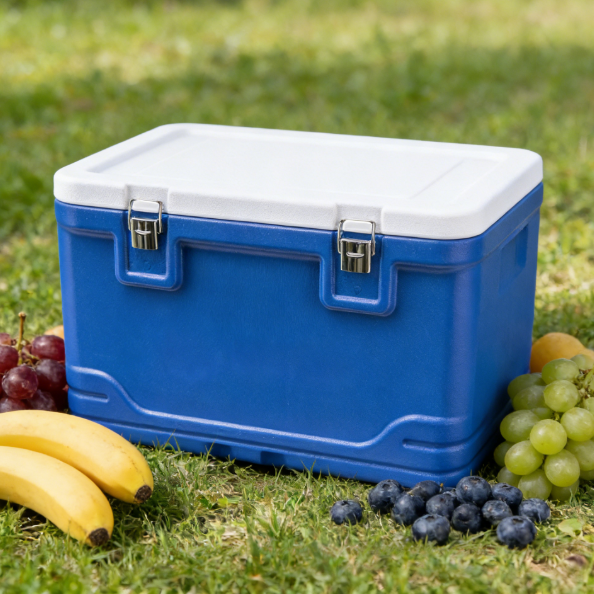
Good container selection starts by reading the design honestly. Thermal seafood containers often use a durable plastic outer shell such as HDPE, while insulation may come from foam-filled walls, double-wall structures, or fitted insulated inserts depending on the design. Buyers should then look at the whole system interface: سلوك الغطاء, load transfer, واقع التنظيف, التحكم في التسمية, and how the package is expected to be used every day.
Lid fit matters because even a well-insulated body loses value when warm air enters repeatedly or meltwater leaks during handling. Seafood packaging has to be easy to rinse, غسل, and inspect. Insulation is not an excuse for poor sanitation design. Delivery programs often benefit from route labels, customer identification, and clear date or batch coding because reusable seafood containers circulate quickly. بعبارة أخرى, the right container is rarely the one with the boldest headline claim. It is the one whose details match the actual work.
The Criteria That Usually Decide the Outcome
Most buying decisions become easier once the evaluation moves away from vague quality language and into a few practical variables.
- Insulation matched to delivery time: A same-day city route and an overnight pallet lane do not need the same thermal design or wall construction.
- الجليد, بي سي إم, أو لا يوجد مبرد: Some seafood flows rely mostly on crushed ice, while others use gel or phase-change packs to stabilize temperature or keep packaging cleaner.
- التحكم في التسرب: Drain plugs, lip geometry, and lid design should control meltwater without turning sanitation into a bigger problem.
- Stacking with cold payloads: Loaded fish bins can be heavy, مبتل, and uneven, so stack performance matters as much as nominal insulation thickness.
- Wash-down durability: A thermal container should withstand repeated cleaning without hidden water retention or damaged insulation zones.
- Handling ergonomics: If delivery staff need to move the box repeatedly, وزن, grip points, and empty return behavior matter.
Keep the Factual Boundary Clear
One of the best ways to avoid bad packaging decisions is to keep the factual boundary honest. A supplier may offer useful data on structure, تنظيف, or thermal behavior, but the final decision still has to reflect your route, منتج, عملية الاستلام, and control requirements. That is why buyers should ask what the data proves, what it does not prove, and what additional trial or qualification work may still be needed.
Think in Terms of Program Cost, Not Unit Cost
An inexpensive container can still be costly if it breaks stacks, complicates cleaning, wastes cube, or creates relabeling work. A more expensive container can still be the better choice if it survives longer, supports a cleaner process, and reduces daily friction across multiple sites.
The practical comparison is therefore program cost: purchase price, خدمة الحياة, كفاءة العودة, جهد التنظيف, replacement parts, and any effect on product loss or handling speed. That wider lens usually leads to a better supplier conversation.
A Practical Supplier Checklist
If you only keep one section from this guide, keep this one. It helps turn a vague sourcing project into a decision with visible criteria.
- Define the actual seafood and route: Fresh whole fish, portion packs, المحار, and prepared seafood all create different temperature and sanitation requirements.
- Ask what drives the thermal claim: نوع العزل, ختم الغطاء, استخدام المبرد, and the stated test condition should be clear before comparing suppliers.
- Review leak and drain behavior: A design that keeps water inside too well can create hygiene problems, while one that drains too freely can create delivery mess and temperature loss.
- Check tare weight versus usable payload: Heavy insulated boxes reduce handling efficiency if they do not create enough real temperature benefit.
- Request cleaning guidance: Seafood operations need realistic advice on washing, تجفيف, and checking the box after heavy use.
- Confirm stack limits under cold wet load: Full boxes with ice and seafood behave differently from dry warehouse tests.
- Ask about route-specific trials: A short pilot on your real lane is often the fastest way to identify overdesign or underdesign.
- Discuss replacement and repair reality: اغطية, المقابس, and closures are often the first wear points in repetitive delivery programs.
Where the Right Design Creates Real Value
The best way to test whether a container choice makes sense is to place it inside a real scenario rather than discuss it as a generic packaging type.
- Processor to wholesale market: Thermal bins can help when route times are long enough that simple open crates plus ice no longer provide enough temperature buffer.
- Retail and restaurant delivery: Smaller insulated containers are useful when stops are frequent, product is premium, and customer presentation matters.
- Staging and cross-dock transfer: Thermal boxes can also reduce exposure during transfers, especially when vehicles, الاحواض, and receipt times are not fully synchronized.
Test the Whole Workflow, Not Just the Container
The strongest way to validate a supplier is to test the whole workflow. Include loading, تكديس, تلقي, تنظيف, التعامل مع العودة, and any temperature or traceability steps that belong to the package. This reveals whether the product works in your operation instead of only in a catalog environment.
It also helps buyers separate a strong sample from a strong long-term supply program. A good supplier should be able to discuss pilot scope, تكرار الإنتاج, السيطرة على التغيير, and how the packaging will be supported after the first order ships.
What Usually Goes Wrong
Most buying mistakes sound small at the start and become expensive only after the first rollout.
- Buying the thickest insulated box without confirming whether the route really needs it.
- Ignoring lid fit and leak control while focusing only on wall insulation.
- Using a thermal container as a substitute for good icing, dispatch timing, and receiving discipline.
- Skipping cleaning and drying considerations in a wet product category.
Sustainability Only Counts When the Program Works
Reusable packaging is attractive for good reason, but the real test is operational. Reusable insulated fish boxes are gaining attention where operators want less fragile packaging and lower dependence on disposable foam. Buyers are comparing total route performance, صحة, and reusability instead of looking only at container purchase price. Traceability and standardized reusable formats are becoming more valuable as seafood delivery networks professionalize. A container that comes back reliably, stays in specification, and prevents product loss can create meaningful value. A package that is reusable in theory but awkward to wash, يعود, or redeploy usually does not.
A Final Integration Check
قبل تقديم طلب كبير, compare the candidate container against the real workflow one more time: تحميل, ينقل, إيصال, تقتيش, تنظيف, يعود, and any temperature or traceability requirements. That quick integration check often catches issues that would otherwise appear only after rollout.
It also forces suppliers to show whether they understand the application beyond the sales stage. The better they can translate the design into day-to-day use, the more dependable the program is likely to be.
التعليمات
Can a thermal plastic container replace ice in seafood delivery? Usually not completely. في العديد من البرامج, insulation works with ice or another coolant rather than replacing it entirely.
Are all insulated fish boxes suitable for export or long-haul routes? لا. وقت الطريق, dwell conditions, and receiving controls vary too much for that assumption.
What should buyers test first? Start with route duration, حجم الحمولة, leakage behavior, and temperature retention under your real dispatch and delivery pattern.
A Practical Bottom Line
The most useful way to buy in this category is to define the operating role, compare the few variables that really change performance, and shortlist suppliers who can answer practical questions clearly. That approach helps you choose a container that supports the whole workflow rather than creating new exceptions.
حول Tempk
We focus on temperature-controlled packaging for pharmaceutical and food cold chains. Public information on Tempk highlights products such as insulated boxes, أغطية البليت, and coolant packs, together with packaging support that helps buyers match solutions to route duration and product sensitivity. Seafood delivery buyers looking for real temperature buffering should focus on suppliers that understand insulated packaging systems, which is where Tempk’s public range of coolant packs, الصناديق المعزولة, and cold-chain packaging support is most relevant. When the job requires more than a standard reusable container, that system view matters.
الخطوة التالية
إذا كنت تقارن الخيارات الآن, ابدأ بمسارك الحقيقي, منتج, وطريقة التعامل. Then ask suppliers to propose a container around those conditions rather than around a generic size or marketing claim.