آخر تحديث: ديسمبر 8, 2025
Vegetables سلسلة التبريد containers هم الأبطال المجهولون الذين يحمون الخس المقرمش, الطماطم اللذيذة والبروكلي الغني بالعناصر الغذائية خلال رحلتهم من المزرعة إلى المائدة. Without reliable سلسلة التبريد systems, حتى 13 % من طعام العالم وقد يخسر المزارعون أصحاب الحيازات الصغيرة أكثر من ذلك 50 % من محاصيلهم النباتية. تحافظ الحاويات المصممة بشكل صحيح على درجات حرارة تتراوح بين 0-4 درجات مئوية, إبطاء نمو الميكروبات والاحتفاظ بالفيتامينات. في 2025 يزدهر سوق سلسلة التبريد العالمية, ولكن تقريبا 40 % من الفواكه والخضروات الطازجة لا تزال تفسد كل عام بسبب عدم كفاية البنية التحتية. This guide demystifies vegetables سلسلة التبريد containers, يشارك أحدث الاتجاهات, ويوضح لك كيفية الحفاظ على منتجاتك طازجة مع تحقيق أهداف الاستدامة.
سيجيب هذا المقال:
What are vegetables سلسلة التبريد containers and why do you need them? — فهم الغرض من الحاويات المتخصصة ولماذا يتم فقدان ما يصل إلى نصف محصول الخضروات بدونها.
How do vegetables سلسلة التبريد containers work? – التعرف على العزل, تبريد, مواد وأجهزة استشعار لتغيير الطور تحافظ على الإنتاج ضمن النطاقات الآمنة.
كيف يمكنك اختيار الحاوية المناسبة للخضروات المختلفة؟? - راجع إعدادات درجة الحرارة والرطوبة الموصى بها للخضر الورقية, المحاصيل الجذرية والمنتجات الاستوائية.
ما هي الأحدث 2025 الاتجاهات والابتكارات? - اكتشف الذكاء الاصطناعي, إنترنت الأشياء, blockchain and ecofriendly materials transforming the vegetable سلسلة التبريد.
كيف يمكنك تقليل النفايات وتحسين الاستدامة? - اكتشف استراتيجيات مثل التعبئة والتغليف القابلة لإعادة الاستخدام, الطاقة المتجددة وغرف التبريد التي تعمل بالطاقة الشمسية تقلل من التلف بنسبة تصل إلى 80 %.
What Are Vegetables سلسلة التبريد Containers and Why Do You Need Them?
Vegetables سلسلة التبريد containers are specialised shipping units designed to keep fresh produce within narrow temperature and humidity ranges from harvest to consumption. على عكس الصناديق العادية, تتضمن هذه الحاويات العزل, آليات التبريد وأنظمة المراقبة لمنع التلف, الحفاظ على العناصر الغذائية وتلبية المتطلبات التنظيمية. Think of a vegetables سلسلة التبريد container as a thermos for your veggies—it keeps them at a constant cool temperature so they don’t wilt or rot.
خسائر ما بعد الحصاد مذهلة. وتقدر الأمم المتحدة ذلك 13 % يتم فقدان جميع الأغذية المنتجة بسبب عدم كفاية سلاسل التبريد. في أفريقيا جنوب الصحراء الكبرى, ويخسر صغار المزارعين أكثر من 50 % من محاصيلهم النباتية, والولايات المتحدة لا تزال تهدر 25 % من المواد الغذائية المنقولة في سلاسل التبريد بسبب انتهاكات النزاهة. عن طريق حفظ الخضروات في درجة حرارة 0-4 درجة مئوية و90-95 % الرطوبة النسبية, سلسلة التبريد containers slow respiration, تأخير نمو الميكروبات والحفاظ على الفيتامينات مثل فيتامين C. على سبيل المثال, البروكلي المخزن بالأعلى 5 درجة مئوية تفقد فيتامين C بسرعة, لكن الحاويات الموضوعة بالقرب من التجميد تحافظ على العناصر الغذائية.
Understanding the vegetable سلسلة التبريد stages
تمر الخضروات الطازجة بعدة مراحل قبل أن تصل إلى طبقك. تتطلب كل مرحلة حاوية مناسبة وتحكم صارم في درجة الحرارة لمنع الخسائر. The table below summarises the key stages of a vegetable سلسلة التبريد, الغرض من الحفاظ على درجات حرارة دقيقة وسبب أهميتها بالنسبة لك كمزارع, الموزع أو المستهلك:
| Stage of the سلسلة التبريد | غاية & درجة الحرارة الموصى بها | ماذا يعني هذا بالنسبة لك |
| إنتاج & محصول | قم بتبريد الخضروات الطازجة التي تم حصادها بسرعة باستخدام الهواء القسري أو التبريد المائي; يحفظ في درجة حرارة تتراوح بين 0-5 درجة مئوية حسب النوع | تؤدي إزالة حرارة الحقل بسرعة إلى إبطاء التنفس والنمو الميكروبي, الحفاظ على العناصر الغذائية وإطالة مدة الصلاحية. |
| يعالج & التغليف | غسل, قطع المنتجات وتعبئتها تحت درجات حرارة ونظافة خاضعة للرقابة | يمنع التلوث ويقلل من حمل مسببات الأمراض; الحفاظ على الجودة أثناء المعالجة. |
| التخزين البارد | قم بتخزين الخضروات المبردة عند درجة حرارة 0-4 درجة مئوية والمرق المجمد عند درجة حرارة -18 درجة مئوية | يوفر مخزونًا عازلًا ويقلل الفاقد من خلال ضمان الإمداد المستمر; يمنع التغيرات التركيبية. |
| مواصلات | استخدام الشاحنات المبردة, reefers and intermodal solutions to maintain a continuous سلسلة التبريد | يضمن بقاء الإنتاج ضمن درجات الحرارة المستهدفة أثناء النقل; يمنع التلف عبر مسافات طويلة. |
| توزيع & بيع بالتجزئة | تحافظ مراكز التوزيع والمتاجر متعددة المناطق على مناطق درجات حرارة متنوعة للمنتجات المختلفة | يحافظ على الخضروات طازجة حتى يتم شراؤها من قبل العملاء; يقلل من الانكماش في منافذ البيع بالتجزئة. |
| التعامل مع المستهلك | انصح المستهلكين بالتبريد عند درجة حرارة -4 درجة مئوية والتجميد عند -18 درجة مئوية; تشجيع الاستهلاك الفوري | يحافظ على الجودة في المنزل ويقلل من النفايات المنزلية. |
نصائح عملية ورؤى العالم الحقيقي
تبرد مباشرة بعد الحصاد: استخدم مبردات الانفجار أو تبريد الهواء القسري لإزالة حرارة الحقل. يؤدي التبريد المتأخر إلى تشكل بلورات الثلج وإتلاف الخلايا, زيادة التلف.
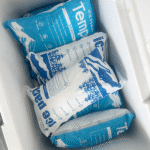
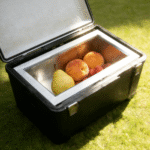
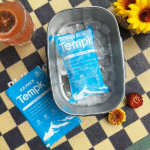
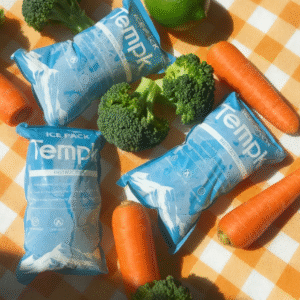
استخدم التغليف المناسب: حاويات الرغوة المعزولة, أكياس فراغ مختومة و حزم هلام الحفاظ على استقرار درجة الحرارة والحماية من الأضرار الميكانيكية.
مراقبة الرطوبة: رطوبة متوازنة (85-95 %) يمنع الذبول وفقدان الوزن. تسمح الأفلام القابلة للتنفس بتبادل الغازات مع الاحتفاظ بالرطوبة.
تثبيت أجهزة الاستشعار: توفر أجهزة إنترنت الأشياء بيانات مستمرة عن درجة الحرارة والرطوبة, تنبيه المشغلين إلى الانحرافات.
تدريب فريقك: تعليم الموظفين التحميل السليم, متطلبات درجة الحرارة وبروتوكولات الطوارئ للحد من الأخطاء البشرية.
حالة العالم الحقيقي: قامت إحدى تعاونيات الألبان بتركيب أجهزة استشعار لإنترنت الأشياء على شاحنات التبريد. عندما ترك باب الشاحنة مفتوحا, اكتشف المستشعر ارتفاعًا في درجة الحرارة وأبلغ الموظفين. أغلقوا الباب بسرعة, توفير 500 لتر من الحليب ويمنع خسائر كبيرة. يوضح هذا المثال كيف تعمل أجهزة الاستشعار والإجراءات السريعة على الحفاظ على سلامة البضائع القابلة للتلف.
How Do Vegetables سلسلة التبريد Containers Work?
Maintaining the right environment inside a vegetables سلسلة التبريد container requires a combination of insulation, أنظمة التبريد والتحكم الذكي. وإليك كيفية مساهمة كل مكون في الحفاظ على المنتجات طازجة.
العزل, مواد التبريد وتغيير الطور
أنظمة العزل: غالبًا ما تشتمل جدران الحاويات على مواد مثل البوليسترين الموسع (EPS), البولي يوريثان (بور), البوليسترين المبثوق (XPS), لوحات معزولة فراغ (كبار الشخصيات) والألياف الطبيعية. يقلل العزل من انتقال الحرارة ويساعد في الحفاظ على درجات الحرارة المحددة. على سبيل المثال, تستخدم الشخصيات المهمة قلبًا صغيرًا يسهل اختراقه تحت الفراغ لتحقيق عزل عالٍ للغاية, تمكين الشحنات إلى -80 درجة مئوية. توفر الألياف الطبيعية مثل الصوف بدائل قابلة لإعادة التدوير ولكنها قد تتطلب عبوات هلامية أو مواد متغيرة الطور (PCMS) لرحلات أطول.
وحدات التبريد النشطة: تستخدم العديد من الحاويات وحدات تبريد تعمل بالكهرباء أو الديزل مع ضواغط, المكثفات والمبخرات. تحافظ المجمدات المبردة المحمولة على درجات حرارة منخفضة تصل إلى -150 درجة مئوية للعلاجات الجينية والخلاياية. للخضروات, تحافظ الوحدات النموذجية على درجات حرارة تتراوح بين 0-4 درجات مئوية.
مواد تغيير الطور (PCMS): تمتص PCMs الطاقة الحرارية أو تطلقها عند درجات حرارة محددة, الحفاظ على نطاقات ضيقة دون قوة ثابتة. سوق PCM بقيمة 3.6 مليار دولار أمريكي 2024 ينمو في 8.4 % CAGR. على سبيل المثال, تعمل أجهزة PCM المضبوطة على درجة حرارة 0-4 درجة مئوية على إبقاء الخضار الورقية باردة أثناء النقل, تقليل الاعتماد على التبريد الميكانيكي.
أجهزة الاستشعار, إنترنت الأشياء والأجواء الخاضعة للرقابة
أجهزة استشعار إنترنت الأشياء والرصد في الوقت الحقيقي: أجهزة استشعار ذكية تراقب درجة الحرارة, الرطوبة والموقع وإرسال البيانات إلى المنصات السحابية. تسمح التنبيهات في الوقت الفعلي للمشغلين بالتدخل عندما تنحرف درجات الحرارة, بينما تتنبأ التحليلات التنبؤية بأعطال المعدات. سوق الحاويات الذكية – الذي يتضمن أجهزة استشعار, من المتوقع أن تنمو أنظمة تحديد المواقع والمراقبة 6.07 مليار دولار أمريكي 2025 ل 30.48 مليار دولار أمريكي 2034.
أنظمة التحكم في الجو: للمنتجات ذات القيمة العالية, يمكن للحاويات ضبط مستويات الأكسجين وثاني أكسيد الكربون لإبطاء النضج. يحافظ نظام EverFRESH® الخاص بشركة Carrier على التركيبة المثالية للغاز, إطالة العمر الافتراضي للمنتجات مثل التوت والخضروات الورقية.
التعبئة والتغليف النشط والتعبئة الذكية: تدمج العبوة الذكية المعتمدة على أجهزة الاستشعار أجهزة استشعار قادرة على مراقبة درجة الحرارة, الرطوبة وتركيز الغاز أثناء النقل. توفر هذه الأنظمة تعليقات فورية حول ظروف التخزين وتعزز إمكانية التتبع من خلال رموز QR, علامات RFID أو NFC. تتفاعل العبوة النشطة مع المحتويات لتنظيم الجو الداخلي, استخدام مضادات الأكسدة الطبيعية أو المواد المضادة للميكروبات لإبطاء التلف.
Materials and technologies used in vegetable سلسلة التبريد containers
يؤثر اختيار المواد المناسبة على أداء العزل, التكلفة والاستدامة. يلخص الجدول التالي المواد الشائعة ونطاقات درجة حرارتها بالإضافة إلى الآثار العملية:
| المادة أو النظام | نطاق درجة الحرارة النموذجية | صفات & يستخدم | الآثار العملية |
| موسع البوليسترين (EPS) | 0 درجة مئوية إلى 25 درجة مئوية | رغوة خفيفة الوزن مع عزل معتدل; تستخدم على نطاق واسع للأغذية وبعض الأدوية | بأسعار معقولة وسهلة في التعامل معها; تختلف برامج إعادة التدوير, لذا تحقق من الخيارات المحلية. |
| البولي يوريثان (بور) & البوليسترين المبثوق (XPS) | -20 درجة مئوية إلى 15 درجة مئوية | رغوة أكثر كثافة ذات قيمة عزل أعلى; مناسبة للشحنات الأطول | يوفر تبريدًا ممتدًا ولكن له بصمة كربونية أعلى; فكر في التنسيقات القابلة لإعادة الاستخدام لتعويض النفايات. |
| لوحات معزولة فراغ (كبار الشخصيات) | -80 درجة مئوية إلى 25 درجة مئوية | يوفر النواة الصغيرة التي يسهل اختراقها تحت الفراغ عزلًا عاليًا للغاية | تمكن الشحن في درجة حرارة منخفضة للغاية; أكثر تكلفة ولكنها ذات كفاءة عالية. |
| مواد تغيير المرحلة (PCMS) | -50 درجة مئوية إلى 20 درجة مئوية (يختلف حسب الصياغة) | تمتص أو تطلق الطاقة الحرارية عند درجات حرارة محددة | تمديد وقت الانتظار وتقليل وزن الحمولة; تكملة التبريد الميكانيكي. |
| كرتون مموج & ألياف طبيعية | 0 درجة مئوية إلى 15 درجة مئوية | متعدد الطبقات من الورق المقوى أو إدراج الصوف | قابلة لإعادة التدوير بالكامل أو قابلة للتحلل; قد تحتاج إلى عبوات هلامية أو PCMs للرحلات الطويلة. |
| حاويات صلبة قابلة لإعادة الاستخدام & شاحني البليت | -80 درجة مئوية إلى 25 درجة مئوية | حاويات بلاستيكية أو معدنية متينة ومتكاملة مع كبار الشخصيات, PCM وأجهزة استشعار إنترنت الأشياء | تكلفة أولية عالية ولكن تكلفة إجمالية أقل للملكية; ومن المتوقع أن ينمو سوق التغليف القابل لإعادة الاستخدام من 4.97 مليار دولار أمريكي 2025 ل 9.13 مليار دولار أمريكي 2034. |
نصائح لاختيار الحاوية
قم بمطابقة الحاوية مع منطقة درجة الحرارة: تنقسم شحنات الخضار إلى أربعة نطاقات عامة – رائعة (10-15 درجة مئوية), مبردة (0-10 درجة مئوية), المجمدة (–30 درجة مئوية – 0 درجة مئوية) وشديد البرودة (≥–80 درجة مئوية). اختر تقنية العزل والتبريد وفقًا لذلك.
النظر في مدة الشحن: تتطلب عمليات النقل الأطول عزلًا أعلى (على سبيل المثال, VIPs أو PUR مع PCMs) أو التبريد النشط.
الملاءمة مهمة: تهدر الحاويات كبيرة الحجم قدرة التبريد وتخلق مساحة فارغة تعمل على تسريع نقل الحرارة. اختر حاوية تناسب حمولتك بشكل مريح.
مراجعة المتطلبات التنظيمية: تتطلب بعض القطاعات سجلات دقيقة لدرجة الحرارة وأختامًا مقاومة للتلاعب. اختر حاويات تحتوي على أجهزة استشعار مدمجة وسجلات رقمية للامتثال لقوانين مثل قاعدة FSMA 204.
خطة للاستدامة: تعمل الحاويات القابلة لإعادة الاستخدام على تقليل النفايات ولكنها تتطلب لوجستيات عكسية للتنظيف وإعادة التوزيع. تقييم الفوائد البيئية والاقتصادية على مدى دورة حياة المنتج الكاملة.
تسليط الضوء على الابتكار: في المناطق ذات الكهرباء المحدودة, تعمل بالطاقة الشمسية حلول سلسلة التبريد الحد من هدر الطعام وتحسين الأمن الغذائي. تسمح وحدات الطاقة الشمسية للمزارعين في أفريقيا جنوب الصحراء الكبرى بالحفاظ على السلع القابلة للتلف لمدة تصل إلى 21 أيام إضافية, تقليل التلف بنسبة تصل إلى 80 %. أنظمة الطاقة المتجددة هذه تجعل حاويات سلسلة تبريد الخضروات مستدامة وموثوقة.
كيفية اختيار الحاوية المناسبة للخضروات المختلفة?
الخضروات المختلفة لها متطلبات فريدة من نوعها لدرجة الحرارة والرطوبة. يبدأ اختيار حاوية سلسلة تبريد الخضروات بفهم هذه الاحتياجات ومطابقتها مع التكنولوجيا المناسبة.
درجات الحرارة ومستويات الرطوبة الموصى بها
تظل معظم الخضروات طازجة عند تخزينها في درجة حرارة تتراوح بين 0-4 درجات مئوية, لكن بعض المحاصيل الاستوائية تفضل درجات حرارة أعلى قليلاً. رطوبة نسبية عالية (85-95 %) يمنع الذبول وفقدان الوزن. الولايات المتحدة. ادارة الاغذية والعقاقير قاعدة ساعتين ينصح بعدم ترك العناصر القابلة للتلف في درجة حرارة الغرفة لأكثر من ساعتين (أو ساعة واحدة إذا تجاوزت درجات الحرارة المحيطة 32 درجة مئوية). وتجاوز هذه الحدود يضاعف أعداد البكتيريا كل يوم 20 دقائق, زيادة خطر الإصابة بالأمراض المنقولة بالغذاء.
يلخص الجدول أدناه الشروط الموصى بها لمجموعات الخضروات الشائعة وسبب أهميتها:
| مجموعة الخضار | درجة الحرارة الموصى بها & رطوبة | ماذا يعني هذا بالنسبة لك |
| الخضر الورقية (خَسّ, سبانخ, الأعشاب) | 0-1 درجة مئوية, 95 % الرطوبة النسبية | هذه المحاصيل الرقيقة حساسة للغاية للحرارة; إن إبقائها بالقرب من التجمد مع الرطوبة العالية يحافظ على هشاشتها وقيمتها الغذائية. |
| الخضروات الجذرية (جزر, البنجر, البطاطس) | 0-4 درجة مئوية, 90-95 % RH (البطاطس 7-10 درجة مئوية لتجنب التحلية) | يمنع الإنبات ويحتفظ بالأزمة; درجات الحرارة شديدة البرودة يمكن أن تحول النشويات إلى سكريات في البطاطس. |
| الصلبان (بروكلي, قرنبيط) | 0-2 درجة مئوية, 95 % RH | يحدث الاصفرار السريع وفقدان فيتامين C أعلاه 5 درجة مئوية; إن إبقائها بالقرب من درجة التجمد يحافظ على اللون والمواد المغذية. |
| الطماطم & خيار (الخضروات الاستوائية) | 10-13 درجة مئوية, 85-90 % RH | تحدث إصابة تقشعر لها الأبدان أدناه 10 درجة مئوية; التبريد المعتدل يحافظ على الملمس والنكهة. |
| خضار مجمدة | -18 درجة مئوية إلى -23 درجة مئوية, التعبئة والتغليف مختومة | يحافظ على اللون والملمس; تجنب تقلبات درجات الحرارة التي تشكل بلورات الثلج وتؤدي إلى تدهور الجودة. |
ممارسات المناولة ونصائح التعبئة والتغليف
يبرد بسرعة: قم بتبريد الخضروات مباشرة بعد الحصاد باستخدام المبردات الانفجارية أو التبريد الفراغي لإزالة حرارة الحقل. التبريد البطيء يشجع على التلف.
الحفاظ على الرطوبة: تتطلب الخضروات الجذرية والخضر الورقية رطوبة نسبية عالية (90-95 %). استخدم بطانات ماصة أو مواد تنظيم الرطوبة في حاوياتك.
استخدم عبوات قابلة للتنفس: تسمح الأفلام المثقبة بتبادل الغازات مع الاحتفاظ بالرطوبة. تقلل الأكياس محكمة الغلق من الأكسجين وتبطئ نمو البكتيريا ولكنها قد لا تناسب جميع الخضروات الورقية.
تجنب إساءة استخدام درجة الحرارة: اتبع قاعدة الساعتين - احتفظ بالمنتج مبردًا أو مجمدًا وقلل من تعرضه لدرجة حرارة الغرفة.
اختر المواد بحكمة: تحافظ أجهزة PCM المضبوطة على النطاق المناسب على درجات حرارة ثابتة, بينما توفر VIPs عزلًا فائقًا لعمليات النقل الطويلة.
نصيحة الحقل: إذا كنت تقوم بشحن الخيار أو الطماطم, تجنب تخزينها أدناه 10 درجة مئوية. إصابة تقشعر لها الأبدان يمكن أن تسبب مائي, الأنسجة المحفورة. بدلاً من, select a vegetable سلسلة التبريد container with slightly higher temperature control (10-13 درجة مئوية). هذا التعديل الصغير يحافظ على الملمس والنكهة.
2025 Trends and Innovations in Vegetables سلسلة التبريد Containers
السنة 2025 marks a pivotal moment for vegetables سلسلة التبريد containers. التقدم التكنولوجي وتزايد الطلب على المنتجات الطازجة, تعمل الأغذية المستدامة على تغيير كيفية انتقال المنتجات من المزرعة إلى المائدة.
الذكاء الاصطناعي والتحليلات التنبؤية
الذكاء الاصطناعي (منظمة العفو الدولية) يحدث ثورة في الخدمات اللوجستية. من خلال تحليل أنماط حركة المرور, الظروف الجوية ونوافذ التسليم, يؤدي تحسين المسار المعتمد على الذكاء الاصطناعي إلى تقليل استهلاك الوقود وتحسين الموثوقية. في حاويات ذكية, يقوم الذكاء الاصطناعي بتحليل بيانات المستشعر للتنبؤ بأعطال المعدات وجدولة الصيانة. تدعم التحليلات التنبؤية أيضًا التنبؤ بالطلب وتخطيط المخزون, مساعدة الشركات على تخصيص القدرات وتقليل النفايات.
إنترنت الأشياء, blockchain والتوائم الرقمية
إنترنت الأشياء والمراقبة في الوقت الحقيقي: أجهزة الاستشعار تقيس درجة الحرارة بشكل مستمر, الرطوبة والموقع. تعمل التنبيهات في الوقت الفعلي على تمكين الإجراءات التصحيحية الفورية والتوجيه الديناميكي. تعمل أجهزة إنترنت الأشياء أيضًا على تغذية البيانات في النماذج التنبؤية والتوائم الرقمية - النسخ المتماثلة الافتراضية للأصول المادية - التي تسمح للمشغلين بمحاكاة سيناريوهات مختلفة وتحسين التحكم في درجة الحرارة.
Blockchain والعقود الذكية: تقوم تقنية Blockchain بإنشاء سجلات غير قابلة للتغيير لكل خطوة في الرحلة. جنبا إلى جنب مع أجهزة استشعار إنترنت الأشياء, blockchain يعزز الشفافية, يمنع التلاعب ويضمن الامتثال للوائح. تتحقق العقود الذكية تلقائيًا من إثبات التسليم, تحفيز المدفوعات وتقليل النزاعات.
أدوات اتخاذ القرار مفيدة
تحقق من التفاصيل قبل اختيار التغليف
يمكن أن تساعدك هذه الأدوات السريعة في مقارنة مخاطر المسار, احتياجات التحجيم, خيارات المبرد, وتفاصيل التعبئة والتغليف قبل أن تطلب عرض أسعار.
منشئ قائمة التحقق من الامتثال
قم ببناء قائمة مرجعية عملية لمراجعة التغليف, شحن, والتوثيق.
بناء قائمة مرجعيةحاسبة عبوات التبريد
تقدير كمية عبوات الثلج الهلامي للشحنات المبردة والتخطيط العملي للمسار.
تقدير عبوات الثلجمقاومة سقوط المواد العازلة
مراجعة مقاومة السقوط وعوامل المناولة قبل اختيار المواد العازلة.
تحقق من المقاومةالتوائم الرقمية: تعكس التوائم الرقمية الظروف داخل الحاويات والمستودعات. عند إقرانها ببيانات الوقت الفعلي, فهي تساعد في التنبؤ باحتياجات الصيانة, تحسين الطرق وضبط الظروف البيئية للحفاظ على المنتجات.
التبريد الموفر للطاقة والتقنيات المستدامة
تعطي تقنيات التبريد الجديدة الأولوية لكفاءة استخدام الطاقة وانخفاض التأثير البيئي. يستخدم التبريد المغناطيسي المجالات المغناطيسية بدلا من الضواغط, تقليل استخدام الطاقة وانبعاثات ثاني أكسيد الكربون. يتيح التبريد بالطاقة الشمسية التخزين البارد في المناطق التي لا يمكن الاعتماد عليها في الكهرباء, خفض استهلاك الوقود ودعم المجتمعات خارج الشبكة. وحدات المقطورة الكهربائية التي تعمل بالبطارية مثل Carrier’s Vector® HE 17 تقليل استخدام الوقود بنسبة تصل إلى 30 % مع تقديم أداء تبريد استثنائي. توفر الابتكارات مثل أنظمة البطاريات الإضافية والمجمدات المبردة المحمولة من Addvolt حلولاً مرنة لنطاقات درجات الحرارة المختلفة.
توقعات السوق واتجاهات المستهلك
The global سلسلة التبريد logistics sector is valued at roughly 436 مليار دولار أمريكي 2025 ويمكن أن يتجاوز 1.3 تريليون دولار أمريكي 2034. Grand View Research estimates that the overall سلسلة التبريد market—including storage and transportation—generated 316 مليار دولار أمريكي 2024 وسوف ترتفع إلى 1.61 تريليون دولار أمريكي 2033, يعكس أ 20.1 % معدل النمو المركب. يطالب المستهلكون بالانتعاش, الأطعمة المصنعة بأقل قدر ممكن والمزيد من البدائل النباتية; يمكن أن تمثل البروتينات النباتية 7.7 % سوق البروتين العالمي من خلال 2030. الأطر التنظيمية مثل الولايات المتحدة. قانون تحديث سلامة الأغذية (FSMA) قاعدة 204 تتطلب إمكانية تتبع الأطعمة عالية الخطورة على مدار 24 ساعة, دفع الموزعين إلى رقمنة السجلات واعتماد أنظمة التتبع القائمة على أجهزة الاستشعار.
الآثار الاجتماعية والبيئية
حسابات هدر الطعام 8-10 % من انبعاثات الغازات الدفيئة العالمية, and inadequate سلسلة التبريد management leads to approximately 620 مليون طن متري من فقدان الغذاء كل عام. وجدت دراسة أجرتها جامعة ميشيغان أن سلاسل التوريد المبردة بالكامل يمكن أن تقلل من هدر الطعام 41 % على مستوى العالم. Improving vegetable سلسلة التبريدs not only conserves resources but also boosts farmer incomes and creates jobs, المساعدة في التغذية 1 مليار شخص الذين يواجهون حاليا انعدام الأمن الغذائي.
الاستدامة: الحد من النفايات والأثر البيئي
الاستدامة ليست إضافة اختيارية، بل هي ضرورة 2025. المستهلكين, regulators and investors demand environmentally responsible سلسلة التبريد solutions. تساعدك الاستراتيجيات التالية على تقليل النفايات وتحقيق أهداف الاستدامة الخاصة بك:
اعتماد التعبئة والتغليف القابلة لإعادة الاستخدام: تقلل الحاويات الصلبة القابلة لإعادة الاستخدام من الاعتماد على الاستخدام الفردي صناديق الرغوة وانخفاض التكلفة الإجمالية للملكية. القابلة لإعادة الاستخدام تغليف السلسلة الباردة ومن المتوقع أن يتوسع السوق من 4.97 مليار دولار أمريكي 2025 ل 9.13 مليار دولار أمريكي 2034.
اختر مواد صديقة للبيئة: كرتون مموج, توفر الألياف الطبيعية والعزل القابل للتحلل الحيوي بدائل قابلة لإعادة التدوير أو قابلة للتحلل لرغوة EPS.
استخدم الطاقة المتجددة: الألواح الشمسية, يمكن لطاقة الرياح والطاقة الكهرومائية تشغيل وحدات التبريد, الحد من استخدام الوقود الأحفوري. تعمل أنظمة التبريد المغناطيسية والبطاريات الكهربائية على خفض الانبعاثات بشكل أكبر.
تنفيذ التبريد الموفر للطاقة: وحدات مقطورات جديدة مثل Vector® HE 17 استخدم تقنية العاكس لتقليل استهلاك الوقود بنسبة تصل إلى 30 %. تعمل غرف التبريد التي تعمل بالطاقة الشمسية على إطالة مدة الصلاحية بنسبة تصل إلى 21 أيام وتقليل التلف 80 %.
اتبع مسؤولية المنتج الموسعة (إي بي آر): تشجع السياسات الشركات على تصميم عبوات قابلة لإعادة التدوير أو إعادة الاستخدام وضمان الإدارة السليمة لنهاية العمر.
التعاون في إعادة التدوير: اعمل مع شركاء الخدمات اللوجستية لجمع مواد مثل EPS لإعادة تدويرها. قم بتثقيف العملاء حول كيفية إرجاع العبوات أو إعادة تدويرها لإغلاق الحلقة.
مثال الحالة: افتتحت CJ Logistics America أ منشأة التخزين البارد بالقرب من مدينة كانساس سيتي وتتميز بأنظمة آلية, التبريد الموفر للطاقة ومراقبة إنترنت الأشياء. يوضح هذا النهج المتكامل كيف أن الاستثمار في التكنولوجيا والاستدامة يؤتي ثماره من خلال تقليل النفايات وتحسين الموثوقية.
Practical Tips for Using Vegetables سلسلة التبريد Containers
Effective سلسلة التبريد management goes beyond choosing the right container. توضح القائمة المرجعية التالية أفضل الممارسات السابقة, أثناء وبعد الشحن لضمان وصول الخضروات طازجة وآمنة.
قبل الشحن
خريطة محفظة المنتجات الخاصة بك: قم بتجميع الخضروات حسب مناطق درجة الحرارة المطلوبة لتبسيط اختيار الحاوية. يمكن لشركات الشحن متعددة المناطق الجمع بين درجات حرارة مختلفة في حمولة واحدة, تحسين الاستفادة بنسبة تصل إلى 30 %.
الشرط المسبق لأجهزة PCM وحزم الجل: حالة PCMs في درجة الحرارة الصحيحة قبل التحميل; التكييف غير المناسب يقلل من وقت الانتظار.
خطة للطوارئ: تطوير بروتوكولات الطوارئ لفشل المعدات أو انقطاع التيار الكهربائي. التخطيط للطوارئ يمنع التلف ويضمن الامتثال.
تدريب فريقك: تثقيف الموظفين حول إجراءات التعامل, تسجيل البيانات والاستجابات لحالات الطوارئ; الفريق المدرب جيدًا هو خط دفاعك الأول.
تقليل المساحة الفارغة: استخدم الحشوات للتخلص من الفراغات وتأمين الحمولات. تعمل المساحة الفارغة على تسريع نقل الحرارة وتؤثر على سلامة التغليف.
التسمية بوضوح: قم بوضع علامة على الحزم باستخدام تعليمات التعامل مثل "Keep Frozen" واحتفظ بسجلات لسجلات درجات الحرارة من أجل الامتثال التنظيمي.
أثناء العبور
استخدم أجهزة استشعار إنترنت الأشياء: تركيب أجهزة استشعار ذكية على وحدات التخزين والمركبات لتتبع درجة الحرارة والرطوبة.
تحسين المسارات باستخدام الذكاء الاصطناعي: استخدم برنامج تحسين المسار لتقليل استهلاك الوقود وتقليل التأخير.
السيطرة على الرطوبة: استخدم بطانات ماصة أو مواد تنظيم الرطوبة للحفاظ على 85-95 % الرطوبة النسبية للخضر الورقية والمحاصيل الجذرية.
مراقبة في الوقت الحقيقي: يتيح لك التتبع في الوقت الفعلي إعادة التوجيه أو التدخل إذا انحرفت الظروف.
ابق متوافقًا: الالتزام بالمتطلبات التنظيمية لتسجيل البيانات وإمكانية التتبع; يمكن لحلول blockchain تبسيط الوثائق.
بعد التسليم
التحقق من النزاهة: التحقق من سجلات درجة الحرارة وحالة المنتج عند الوصول.
إعادة الحاويات القابلة لإعادة الاستخدام: تأكد من تنظيف الحاويات القابلة لإعادة الاستخدام, تم فحصها وإعادتها للاستخدام المستقبلي.
مراجعة البيانات: تحليل بيانات المستشعر لتحديد فرص التحسين, مثل تحسين المسار أو تحسينات التغليف.
جمع ردود الفعل: اسأل العملاء عن جودة التسليم وأداء التعبئة والتغليف; التحسين المستمر يعزز الرضا.
الأسئلة المتداولة
س 1: What temperature should vegetables سلسلة التبريد containers maintain?
تبقى معظم الخضروات طازجة بين 0-4 درجة مئوية مع رطوبة نسبية عالية. تفضل الخضروات الورقية درجات حرارة قريبة من التجمد 95 % رطوبة, بينما يجب الاحتفاظ بالخضروات الاستوائية مثل الخيار والطماطم 10-13 درجة مئوية لتجنب الإصابة تقشعر لها الأبدان. قم دائمًا بالتبريد المسبق للمنتجات بسرعة والحفاظ على ظروف متسقة طوال الرحلة.
Q2: What’s the difference between active and passive vegetables سلسلة التبريد containers?
تستخدم الحاويات النشطة وحدات تبريد تعمل بالطاقة ويمكنها ضبط درجة الحرارة بشكل مستمر, مما يجعلها مثالية للرحلات الطويلة أو الأحمال المختلطة. تعتمد الحاويات السلبية على المواد العازلة ومتغيرة الطور (PCMS) للحفاظ على درجة الحرارة بدون كهرباء. توفر الأنظمة النشطة تحكمًا أكثر إحكامًا ولكنها تستهلك الطاقة, في حين أن الحلول السلبية فعالة من حيث التكلفة للرحلات القصيرة.
س 3: How do sensors and IoT improve vegetables سلسلة التبريد containers?
تقوم أجهزة استشعار إنترنت الأشياء بمراقبة درجة الحرارة, الرطوبة والموقع في الوقت الحقيقي وإرسال التنبيهات عند حدوث انحرافات. هذا يسمح لك بالتدخل بسرعة, إعادة توجيه الشحنات ومنع التلف. تعمل أجهزة الاستشعار أيضًا على تغذية البيانات في أنظمة blockchain من أجل التتبع وفي التوائم الرقمية من أجل النمذجة التنبؤية.
س 4: Are reusable vegetables سلسلة التبريد containers worth the investment?
تتميز الحاويات القابلة لإعادة الاستخدام بتكاليف أولية أعلى ولكنها أقل تكلفة إجمالية للملكية لأنها تقلل من الحاجة إلى التعبئة والتغليف ذات الاستخدام الواحد. ال عبوات سلسلة التبريد القابلة لإعادة الاستخدام ومن المتوقع أن ينمو السوق من 4.97 مليار دولار أمريكي 2025 ل 9.13 مليار دولار أمريكي 2034. كما أنها تدعم أهداف الاستدامة عن طريق الحد من النفايات.
س 5: كيف يمكنني تقليل التلف أثناء تسليم الميل الأخير?
استخدم حقائب اليد أو الحقائب المعزولة التي تحتوي على عبوات هلامية للرحلات القصيرة. تقليل فتحات الأبواب, تحسين الطرق لتقصير أوقات التسليم, ومراقبة درجة الحرارة باستخدام مسجلات البيانات المحمولة. تثقيف السائقين حول إجراءات المناولة وتذكير العملاء بتبريد المنتجات فور استلامها.
ملخص وتوصيات
Vegetables سلسلة التبريد containers are critical tools for preserving freshness, المحتوى الغذائي وسلامة الغذاء في 2025. فهي تكافح خسائر ما بعد الحصاد — التي تصل إلى نصف إجمالي الخضروات التي يتم حصادها في بعض المناطق — عن طريق الحفاظ على نطاقات دقيقة لدرجة الحرارة والرطوبة. تجمع الحاويات الحديثة بين العزل, التبريد النشط أو السلبي, PCMs وأجهزة الاستشعار الذكية للحفاظ على الإنتاج بينهما 0-4 درجة مئوية و90-95 % رطوبة. ابتكارات مثل تحسين المسار القائم على الذكاء الاصطناعي, مراقبة إنترنت الأشياء, توفر إمكانية تتبع blockchain والتوائم الرقمية رؤية في الوقت الفعلي والتحكم التنبؤي. The market for سلسلة التبريد logistics is expanding rapidly, وأصبحت الاستدامة أحد التوقعات الأساسية: حاويات قابلة لإعادة الاستخدام, تعمل المواد الصديقة للبيئة وأنظمة الطاقة المتجددة على تقليل آثار الكربون والنفايات.
الخطوات التالية القابلة للتنفيذ
تدقيق سلسلة التوريد الخاصة بك: Identify where temperature excursions occur and prioritise investments in سلسلة التبريد containers and sensors.
اعتماد التقنيات الذكية: تنفيذ أجهزة استشعار إنترنت الأشياء, برنامج تحسين الطريق و, عند الاقتضاء, blockchain للتتبع.
الاستثمار في قابلة لإعادة الاستخدام, حاويات صديقة للبيئة: قم بتقييم التكلفة الإجمالية للملكية والفوائد البيئية للتغليف القابل لإعادة الاستخدام.
تدريب وتمكين فريقك: تأكد من فهم الموظفين لمتطلبات درجة الحرارة, إجراءات التعامل وبروتوكولات الطوارئ.
إشراك عملائك: توفير تعليمات تخزين واضحة وتشجيع التبريد المناسب في المنزل لتقليل النفايات المنزلية.
من خلال اتباع هذه الخطوات والاستفادة من أحدث الابتكارات, يمكنك حماية الخضروات الخاصة بك, تقليل النفايات وتلبية طلب المستهلكين على المنتجات الطازجة, الغذاء المنتج بشكل مستدام.
حول Tempk
Tempk هي المزود الرائد لسلسلة التبريد حلول التعبئة والتغليف, متخصصون في الحاويات القابلة لإعادة الاستخدام وإعادة التدوير والمصممة لحماية المواد الغذائية, الأدوية وغيرها من السلع الحساسة للحرارة. تجمع منتجاتنا بين العزل المتقدم (EPS, بور, كبار الشخصيات) مع مواد تغيير الطور وأجهزة استشعار IoTenabled للحفاظ على درجات حرارة دقيقة. نحن نجري أبحاثًا مستمرة حول المواد الصديقة للبيئة وتكامل الطاقة المتجددة لمساعدة العملاء على تقليل آثار الكربون والامتثال للوائح. مع مرافق التصنيع وR&مركز D مخصص للابتكار, نحن نقدم طويلة الأمد, حاويات موثوقة ومستدامة التي تحافظ على الخضروات والمنتجات الأخرى طازجة طوال رحلتها.
على استعداد لتحسين سلسلة التبريد الخاصة بك?
اتصل بـ Tempk اليوم للحصول على استشارة مخصصة. Our team will help you choose the right vegetables سلسلة التبريد containers, دمج المراقبة الذكية وتنفيذ الممارسات المستدامة التي تحمي منتجاتك ونتائجك النهائية.