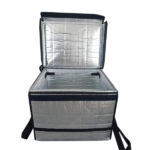
حالة شحن VIP لتحسين التعبئة: كيفية اختيار إعداد الشحن الذي يمكن الدفاع عنه
السؤال الأول ليس ما إذا كانت الحاوية تبدو قوية أم لا. هو ما إذا كانت الحاوية, سائل التبريد, حمولة, طريق, واستلام العمل كإعداد واحد يتم التحكم فيه. يمكن أن تكون حالة شحن VIP لتحسين التغليف خيارًا قويًا لتحسين التغليف عندما تبدأ خطة التغليف بمتطلبات المنتج وتنتهي بعملية استلام متكررة. يبدأ تحسين الحزمة بحالة المنتج المطلوبة والتعرض للمسار, ثم يضبط كتلة سائل التبريد, وضع الحمولة, حطام, موقف المراقبة, والتعامل مع الانضباط. تركز هذه النسخة المعدلة على مسار القرار العملي: متطلبات, طريق, حمولة, عبوة, يراقب, وأدلة الموردين. الهدف ليس افتراض أن عزل VIP يحل كل مشكلة, ولكن لمساعدتك على طرح أسئلة أفضل قبل مغادرة الشحنة الأولى للرصيف.
إجابة القرار: اختر حالة شحن VIP لتحسين التعبئة فقط عندما تناسب متطلبات المنتج, خطر الطريق, هندسة الحمولة, خطة المبرد, هدف الرصد, وإجراءات الاستلام. تصميم VIP ليس ضمانًا مستقلاً; إنه أحد مكونات عملية الشحن الخاضعة للرقابة.
قم بتخطيط الرحلة قبل اختيار الحاوية
A VIP shipping case for pack out optimization should be chosen after the journey is mapped from preparation to receipt. يجب أن تتضمن الخريطة الشروط المسبقة, وقت التعبئة, نافذة صغيرة, تسليم الناقل, نقل جوي أو أرضي, تلقي الوجهة, وأي انتظار مخطط له أو غير مخطط له. هذا هو المكان الذي تصبح فيه العديد من خطط سلسلة التبريد أكثر واقعية.
لتحسين الحزمة, قد لا تكون الخطوة الأكثر ضعفًا هي الخطوة الأطول. small changes in payload mass, تكييف المبرد, الفضاء الجوي, lid time, and box orientation can change performance more than a buyer expects. يمكن أن يؤدي الانتظار القصير في منطقة التحميل الساخنة أو تأخير موعد الاستلام إلى مخاطر أكبر من المخاطر التي قد تنجم عن قضاء ساعات في مركبة خاضعة للرقابة. يساعد رسم خريطة الرحلة المشترين على طلب أدلة الحزمة الصحيحة.
يجب أن تحدد الخريطة أيضًا من يملك كل خطوة. التغليف, الخدمات اللوجستية, جودة, وقد يتحكم كل فريق من الفرق المتلقية في جزء مختلف من المخاطر. يمكن أن يؤدي اختيار الحاوية الذي يتم عن طريق الشراء وحده إلى تفويت هيكل الملكية هذا.
تحويل المتطلبات إلى ملخص التعبئة والتغليف
ملخص التغليف هو مستند قصير يخبر الموردين بالمشكلة التي تحتاج الشحنة إلى حلها. لتحسين الحزمة, يجب أن يتضمن وصف الحمولة, الشرط المطلوب, مدة الطريق, التعرض المحيطي, كمية, احتياجات البعد الداخلي, مراقبة التوقعات, وعملية الاستلام. ليس من الضروري أن يكون الموجز طويلاً; يجب أن تكون محددة.
يجب أن يتجنب الموجز الافتراضات غير المدعومة. لا تكتب أن الشحنة تحتاج إلى مدة انتظار ثابتة إلا في المسار, ملف تعريف المحيط, حمولة, وتم تحديد معايير القبول. لا تكتب أن الحل يجب أن يكون متوافقًا مع كل سوق. بدلاً من, اذكر عملية المراجعة التنظيمية أو الجودة التي تنطبق على شحنتك واسأل عن الأدلة التي يمكن للمورد تقديمها.
يساعد هذا الأسلوب المورد على التوصية بكبار الشخصيات, إي بي بي, بو, EPS, بي سي إم, حزمة هلام, حاوية نشطة, أو حل مختلط يعتمد على الأدلة بدلاً من فئة المنتج وحدها.
نقاط التفتيش الأدلة للمشتريات والجودة
| نقطة القرار | أدلة جيدة لطلبها | كيفية استخدام الجواب |
|---|---|---|
| متطلبات درجة الحرارة | تعليمات المنتج, بروتوكول, أو نطاق الشحن المعتمد من الجودة. | استخدمه لاختيار معايير التبريد والقبول. |
| تعرض الطريق | خريطة لين, المخاطر الموسمية, نقاط التسليم, والوقت المتوقع للسكن. | استخدمه للحكم على ما إذا كان ملف تعريف الاختبار ذا صلة أم لا. |
| تناسب الحمولة | تخطيط داخلي قابل للاستخدام مع سائل التبريد والمراقبة. | تجنب الإفراط في ملء الفضاء الجوي أو الإفراط فيه. |
| أدلة الحزمة | التكوين الكتابي, موقع الاستشعار, واختبار الافتراضات. | تحويل العينة إلى عملية قابلة للتكرار. |
| مراقبة تغيير الموردين | كيف يتم توصيل تغييرات المكونات أو التصميم. | حماية الشحنات الروتينية من الانجراف الصامت للمواصفات. |
تساعد نقاط التفتيش هذه المشتري على فصل مطالبة المنتج المفيدة عن الوعد غير المدعوم. يمكن للموردين الأقوياء عادةً شرح سياق الاختبار, افتراضات الحزمة, وحدود الاستخدام. وهذه الشفافية أكثر قيمة من شعار حول الأداء الطويل.
For temperature-sensitive payloads that need a better balance of internal volume, تخطيط المبرد, وقت التعامل, وأدلة التأهيل, يجب مراجعة الأدلة من قبل الأشخاص الذين سيطلقون سراحهم, يستلم, أو التحقيق في الشحنة. قد تغفل مراجعة المشتريات فقط الآثار المترتبة على الجودة والتشغيل.
اختيارات التصميم التي تؤثر على التعامل اليومي
تحدد المعالجة اليومية ما إذا كان التصميم الحراري سيستمر في الاستخدام الحقيقي. يجب أن يكون الغطاء سهل الإغلاق بشكل صحيح. يجب أن تكون الحمولة مناسبة دون سحق أو إجبار. يجب أن تكون مواقف المبرد واضحة. يجب أن تظل التسميات مرئية. يجب أن يكون من السهل فحص الصندوق بحثًا عن أي ضرر. يجب ألا يهدد التنظيف غلاف لوحة VIP أو نظام الإغلاق.
لتحسين الحزمة, يمكن لتفاصيل المعالجة هذه أن تقرر ما إذا كان الحل مقبولاً من قبل موظفي المستودع. قد ينجح التصميم الذي يتطلب ذاكرة مثالية أو مهارة يدوية غير عادية في الاختبار ويفشل أثناء ذروة الشحن. يجب على المشترين أن يطلبوا رؤية إجراءات التعبئة والتغليف, ليس فقط الصندوق الفارغ.
إذا كانت الحاوية قابلة لإعادة الاستخدام, تصبح حلقة العودة جزءًا من التصميم. من يجمعها? كيف يتم تنظيفه؟? كيف يتم فحص الضرر? كيف يتم استبدال المكونات المفقودة? يجب التخطيط لإعادة الاستخدام كعملية تشغيل, لا يُفترض أن المادة تبدو متينة.
متى يتم إضافة المراقبة أو رؤية إنترنت الأشياء
يجب أن تكون المراقبة متوافقة مع مخاطر الشحن. قد يكون المسجل البسيط كافيًا عندما يحتاج الفريق المتلقي فقط إلى سجل ما بعد التسليم. قد تكون رؤية إنترنت الأشياء في الوقت الفعلي مفيدة عندما يكون التدخل ممكنًا ويتم تعيين شخص ما للعمل بناءً على التنبيهات. لا يغير أي من الخيارين السعة الحرارية للعبوة. إنه يغير فقط ما يمكن للفريق رؤيته ومدى سرعة استجابته.
لتحسين الحزمة, وينبغي مناقشة وضع أجهزة الاستشعار وعتبات الإنذار مع الجودة أو العمليات. قد لا يمثل المستشعر المضاد لسائل التبريد تعرضًا للحمولة الصافية. قد يلتقط المستشعر الموجود بالقرب من الغطاء تأثيرات الفتح الأسوأ. يجب أن تعكس إعدادات الإنذار خطة تفسير المنتج والإجراء الذي يمكن للفريق اتخاذه بشكل واقعي.
مسار موافقة قصير لمشتري B2B
تفصل المراجعة الداخلية المفيدة بين حقوق اتخاذ القرار. يمكن للمشتريات مقارنة التكلفة, التوفر, واستجابة الموردين. يمكن للعمليات الحكم على ما إذا كانت الحزمة عملية أثناء ذروة عبء العمل. الجودة يمكن أن تقرر ما إذا كانت الأدلة, يراقب, وعملية الاستثناء كافية. عندما تختلط هذه الأدوار معاً, a VIP shipping case for pack out optimization may be approved for the wrong reason.
غالبا ما يتم التغاضي عن التدريب. أفضل وثيقة حزمة هي تلك التي يمكن للموظفين متابعتها دون ترجمة. إذا كان تسلسل التحميل, اتجاه المبرد, وضع المسجل, أو يمكن أن يساء فهم طريقة الإغلاق, إضافة صور أو تسميات. لتحسين الحزمة, غالبًا ما يحمي الوضوح الأداء بقدر ما يحميه اختيار المواد.
لا تعامل كتالوج المورد كملف جودة. تساعد الكتالوجات على خيارات القائمة المختصرة, ولكن الاستخدام الروتيني يجب أن يكون مدعومًا بمتطلبات المشتري الخاصة, أدلة المورد, الموافقة الداخلية, والحكم الخاص بالطريق. وهذا مهم بشكل خاص عندما تعتمد قرارات الإصدار على سجلات يمكن تتبعها.
مراجعة ما قبل الشحن والتحكم في التغيير
ويجب أن تحدد مراجعة ما قبل الشحن أيضًا المعلومات التي يجب أن تنتقل مع الحمولة. لتحسين الحزمة, والتي قد تتضمن سجل التعبئة, معرف المسجل, الكثير من المنتجات, الشرط المطلوب, مذكرة التسليم, أو تلقي قائمة مرجعية. الهدف هو إزالة عدم اليقين عند وصول الشحنة, لأن الحاوية الجيدة تكون أقل فائدة إذا كان فريق الوجهة لا يعرف كيفية تفسيرها.
أدوات اتخاذ القرار مفيدة
تحقق من التفاصيل قبل اختيار التغليف
يمكن أن تساعدك هذه الأدوات السريعة في مقارنة مخاطر المسار, احتياجات التحجيم, خيارات المبرد, وتفاصيل التعبئة والتغليف قبل أن تطلب عرض أسعار.
محدد التعبئة والتغليف
قارن بين خيارات التغليف المعزولة حسب المنتج, طريق, ودرجة الحرارة اللازمة.
البحث عن التعبئة والتغليفحاسبة الثلج الجاف
تقدير احتياجات الثلج الجاف للشحنات المجمدة أو شديدة البرودة قبل التعبئة.
تقدير الثلج الجافبطانة الصندوق & تحجيم غطاء البليت
تحقق من منطق تحديد حجم بطانة الصندوق وغطاء منصة التحميل لمشاريع التغليف المعزولة.
تقدير الحجميجب على المشترين مراجعة المسار بعد الشحنات القليلة الأولى بدلاً من افتراض أن الموافقة الأولى تنهي العمل. If the VIP shipping case for pack out optimization repeatedly returns with condensation, تفريغ صعب, الزوايا المتضررة, أنماط مسجل غير متوقعة, أو أسئلة المتلقي, يجب استخدام هذه النتائج لتحسين الحزمة أو محادثة المورد. يتم تحسين التحكم العملي في سلسلة التبريد من خلال ردود الفعل, ليس فقط من خلال أمر الشراء الأولي.
يعد اتساق المكونات مصدر قلق عملي آخر. تغيير في الخطوط الملاحية المنتظمة, مصدر لوحة, إنهاء, حزمة المبرد, مقسم, أو الكرتون الخارجي يمكن أن يغير الاستخدام اليومي. لا يحتاج المشتري إلى رفض كل تغيير, ولكن يجب أن تعرف متى يتطلب التغيير المراجعة. وهذا مهم بشكل خاص للممرات B2B القابلة للتكرار حيث تتوقع فرق الجودة إمكانية التتبع والقرارات الخاضعة للرقابة.
يجب على فريق التعبئة والتغليف أيضًا تحديد قواعد فحص الأضرار. لتحسين الحزمة, قد يتم رفض إعادة استخدام الصندوق بسبب الزوايا المتشققة, مناطق الألواح المسحوقة, مفصلات تالفة, إغلاقات فضفاضة, رائحة, بقايا, أو علامات تشير إلى تعرض غلاف اللوحة للاختراق. تحمي هذه القواعد الشحنة وتمنع المشغلين من التخمين تحت الضغط.
أخيراً, يجب على فريق الشراء الحفاظ على دقة اللغة المستخدمة في مستندات المورد. مصطلحات مثل المبردة, التحقق من صحة, مؤهَل, قابل لإعادة الاستخدام, والممتثل يمكن أن يعني أشياء مختلفة ما لم يتم ذكر الأدلة والحدود. يسأل المشتري الحذر عما تم اختباره, تحت أي ظروف, مع أي حمولة, وما لا يزال يحتاج إلى موافقة داخلية.
ينبغي كتابة قائمة مرجعية للاستلام قبل الشحنة الأولى, وليس بعد الخلاف. لتحسين الحزمة, يمكن لقائمة التحقق أن تحدد من يفتح الحاوية, الذي يسترد المسجل, ما هي الحالة البصرية المسجلة, كيف يتم تصعيد الاستثناءات, ومكان انتظار الشحنة أثناء اتخاذ القرار. وهذا يحمي قيمة الاستثمار في التعبئة والتغليف.
يجب على الفريق أيضًا أن يقرر كيفية التعامل مع الأحمال الجزئية. A VIP shipping case for pack out optimization that performs well with a full payload may behave differently when the payload is smaller or arranged unevenly. إذا كانت الأحمال الجزئية شائعة, يجب أن توضح الحزمة ما إذا كانت هناك حشوات إضافية, فواصل, أو هناك حاجة إلى تخطيط سائل التبريد المنقح.
يجب أن يكون دعم الموردين عمليًا وليس ترويجيًا. يتضمن الدعم المفيد الإجابة على أسئلة الحزمة, شرح فرضيات الاختبار, مناقشة تغييرات المكونات, ومساعدة المشتري في إعداد تعليمات التشغيل القابلة للتكرار. الادعاءات العامة حول المواد المتميزة أقل فائدة من الحدود الواضحة ونقاط المراجعة.
للاستخدام على المدى الطويل, تعيين ملكية ملف التعبئة والتغليف. يجب على شخص ما الحفاظ على مواصفات المورد, تعليمات الحزمة, ملخص الاختبار, ملاحظات التدريب, وتلقي ردود الفعل معا. That file helps new staff understand why the VIP shipping case for pack out optimization was selected and what conditions must not change without review.
التعليمات
Is a VIP shipping case for pack out optimization automatically qualified for my shipment?
لا. A VIP shipping case for pack out optimization may be a strong component, لكن الملاءمة تعتمد على حالة المنتج المطلوبة, طريق, حمولة, تكوين المبرد, خطة المراقبة, وعملية الاستلام. اطلب الأدلة التي تتوافق مع مسارك أو خطط لإجراء مراجعة داخلية قبل الاستخدام الروتيني.
هل يحل عزل VIP محل عبوات الجل؟, حزم PCM, أو الجليد الجاف?
لا. يعمل عزل VIP على إبطاء انتقال الحرارة عبر جدار الحاوية. لا يخلق حالة درجة الحرارة المطلوبة في حد ذاته. لا يزال اختيار سائل التبريد أو سائل التبريد يعتمد على متطلبات المنتج, كتلة الحمولة, التعرض للطريق, وما إذا كان يجب على المنتج تجنب الاتصال المباشر أو التجميد.
ماذا يجب أن أسأل المورد قبل طلب العينات؟?
مشاركة حالة المنتج, حجم الحمولة, مدة الطريق, المخاطر المحيطة, نمط التسليم, والحاجة إلى التوثيق. ثم اسأل ما هي أدلة الاختبار, تعليمات الحزمة, توجيه وضع الاستشعار, وتطبيق القيود. هذه المحادثة أكثر فائدة من السؤال فقط عن حجم الصندوق وسعره.
هل يمكنني استخدام نفس العبوة لمنتجات مختلفة؟?
أحيانا, ولكن لا ينبغي افتراض ذلك. قد يكون للمنتجات المختلفة درجات حرارة بداية مختلفة, كتل الحمولة, الأشكال, نطاقات مقبولة, والحساسية للتجميد أو الاحترار. قد تحتاج الحزمة التي تناسب منتجًا واحدًا إلى المراجعة قبل استخدامها لمنتج آخر.
أين يجب وضع مسجل درجة الحرارة؟?
يجب أن يتطابق موضع المسجل مع هدف المراقبة. يمكن أن يمثل المسجل الموجود بالقرب من الحمولة تعرض المنتج بشكل أفضل, بينما قد يُظهر المسجل الموجود بالقرب من الغطاء أو الجدار تأثيرات معالجة خارجية. يجب أن يحدد فريق الجودة أو العمليات الموضع قبل مراجعة الشحنة.
التفاصيل التشغيلية التي تحمي التكرار
التكرار هو الفرق بين العينة الواعدة ومسار العمل. A VIP shipping case for pack out optimization should be evaluated with the people who will actually pack, يتحرك, يستلم, ومراجعة الشحنة. إذا لم يتمكنوا من تكرار تكييف المبرد, اتجاه الحمولة, وضع المسجل, وخطوة الإغلاق, يحتاج التصميم إلى التبسيط قبل أن يتوسع.
لتحسين الحزمة, يمكن للتعليمات النظيفة أن تمنع الانحرافات التي يمكن تجنبها. يجب أن يظهر تسلسل الحزمة, تحديد المكونات بالاسم, اشرح ما يجب فعله في حالة فقدان أحد المكونات أو تلفه, وحدد متى لا ينبغي الإفراج عن الشحنة. يجب أن توضح التعليمات أيضًا ما إذا كانت الحاوية مخصصة للاستخدام مرة واحدة, قابل لإعادة الاستخدام, قابلة للإرجاع, أو تخضع للتفتيش قبل إعادة استخدامها.
هذه الطبقة التشغيلية ليست عملًا ورقيًا في حد ذاتها. إنه يحمي المشتري من الاختلاف الصامت. عندما يتم تعبئة كل شحنة ومراجعتها بنفس الطريقة, يصبح تفسير بيانات درجة الحرارة أسهل وتصبح محادثات الموردين أكثر دقة.
خاتمة
إذا كانت شحنتك تحمل بضائع حساسة أو ذات قيمة عالية, do not judge the VIP shipping case for pack out optimization by appearance alone. تأكيد متطلبات درجة الحرارة, سياق الاختبار, تكوين المبرد, وضع الاستشعار, وعملية التحكم في التغيير. هذه التفاصيل تتحول إلى حاوية حرارية في إعداد الشحن يمكن الدفاع عنه.
حول Tempk
يدعم Tempk المشترين B2B الذين يحتاجون إلى المقارنة العبوة المعزولة عناصر, خيارات المبرد, وخيارات التعبئة والتغليف للشحنات الحساسة لدرجة الحرارة عبر المواد الغذائية, طبي, وحالات استخدام علوم الحياة. لتحسين الحزمة, نقطة البداية المفيدة هي مشاركة نوع الحمولة النافعة الخاصة بك, الشرط المطلوب, طريق, وقت المناولة المتوقع, واحتياجات التوثيق حتى يمكن مطابقة توصية التغليف مع الشحنة الحقيقية.
اتصل بـ Tempk بخصوص حالة المنتج الخاص بك, التعرض للطريق, ويحتاج التوثيق إلى مقارنة VIP المناسب, إي بي بي, بي سي إم, حزمة هلام, أو خيارات التعبئة والتغليف الهجينة.