


تفاصيل المدونة
الصراع في الشرق الأوسط يعطل سلسلة تبريد الأدوية ويزيد الطلب على حلول التغليف الحراري
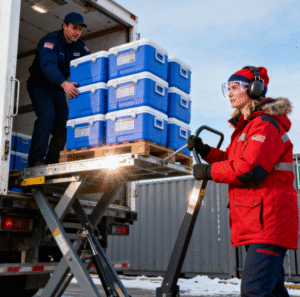
Recent geopolitical tensions in the Middle East are creating new challenges for pharmaceutical cold chain logistics, with industry coverage highlighting growing risks to temperature-sensitive medicine transport across affected regions.
According to recent trade reporting, disruptions to regional airspace and transport routes are forcing pharmaceutical shipments to take longer and more complex paths. This is particularly critical for biologics, اللقاحات, and specialty medicines that require strict temperature control during transit.
From a temperature-controlled packaging perspective, the situation is increasing reliance on passive cooling solutions such as insulated shipping boxes, حزم الثلج الجاف, and temperature-controlled packaging systems. As transit times extend, the performance of packaging becomes a key factor in maintaining product integrity.
The report also indicates rising pressure on dry ice availability and cold chain capacity, as longer routes require higher coolant usage and more robust thermal protection. This adds both cost and operational complexity for pharmaceutical logistics providers and distributors.
For B2B buyers and packaging suppliers, this development highlights a clear trend: cold chain resilience is shifting toward packaging-driven solutions. Demand is likely to grow for insulated boxes, PCM-based systems, حزم هلام, and validated thermal packaging capable of maintaining performance under extended and unpredictable shipping conditions.
من منظور السوق, the situation reinforces the importance of long-duration thermal packaging, route-specific packaging design, and integrated cold chain planning. As disruptions continue, packaging performance will remain a critical factor in ensuring safe and compliant pharmaceutical delivery.



















