


تفاصيل المدونة
رانكون تطلق منشأة للتخزين البارد تعمل بالطاقة الشمسية في بنغلاديش
ماذا حدث
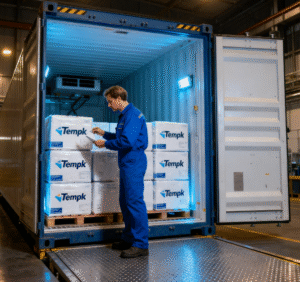
أطلقت مجموعة رانكون ما تصفه بأول منشأة للتخزين البارد تعمل بالطاقة الشمسية في بنجلاديش في قسم الصيد البحري التابع لها في منطقة سادارغات في تشاتوجرام. تم الإبلاغ عن المشروع في شهر مايو 10, 2026, ويعكس الاهتمام المتزايد بالطاقة المتجددة لعمليات سلسلة التبريد كثيفة الاستهلاك للطاقة.
تم تنفيذ المنشأة من قبل شركة Rancon Infrastructure and Engineering Limited وتم تركيبها على سطح هيكل التخزين البارد الخاص بالشركة. بحسب التقرير, تم الانتهاء من المشروع في حوالي شهرين بتكلفة تقارب 1.3 كرور تاكا، وبدأ تشغيله في أبريل 2026.
كيف تعمل
تبلغ قدرة النظام الشمسي الموجود على السطح 296 كيلو واط تيار مستمر و250 كيلو واط تيار متردد. يستخدم 482 تم تركيب الألواح الشمسية عبر ما يقرب من 28,000 قدم مربع من مساحة السطح. يمكن لكل لوحة 615Wp أن تولد حوالي 2.8 كيلووات/ساعة في يوم مشمس نموذجي وما حوله 2.2 كيلووات/ساعة خلال الظروف الغائمة أو الرياح الموسمية.
يتطلب مرفق التخزين البارد حوالي 2,200 كيلووات/ساعة من الكهرباء يوميًا للحفاظ على ما يصل إلى 500 طن من الأسماك. وقال رانكون إن النظام الشمسي يمكنه تلبية الطلب على الكهرباء طوال النهار تقريبًا للمنشأة أثناء الطقس المشمس, بينما لا يزال الموقع يعتمد على شبكة الكهرباء ليلاً لأنه لم يتم تركيب نظام لتخزين البطاريات.
لماذا يهم
يعد التخزين البارد أحد أكثر الأجزاء استهلاكًا للطاقة في سلسلة توريد المأكولات البحرية. في بنغلاديش, تعمل مرافق التخزين البارد عادة على تشغيل أنظمة التجميد العميق عند درجات حرارة تتراوح من -18 درجة مئوية إلى -40 درجة مئوية, مما يجعل تكلفة الكهرباء وموثوقية الطاقة عوامل التشغيل الرئيسية.
يوضح مشروع رانكون كيف يمكن للطاقة الشمسية على الأسطح أن تدعم مرونة سلسلة التبريد في الأسواق التي تواجه ارتفاع تكاليف الكهرباء وضغوط إمدادات الطاقة. وقالت الشركة إن النظام خفض فواتير الكهرباء الشهرية من حوالي 6.72 ألف تاكا إلى حوالي 2.59 ألف تاكا, توفير ما يقرب من Tk4.13 lakh شهريًا. كما تتوقع أن يتجنب المشروع ذلك 210 طن من انبعاثات الكربون سنويا.
تأثير B2B
لمجهزي ومصدري المأكولات البحرية, يسلط هذا المشروع الضوء على مسار عملي نحو خفض تكاليف التشغيل والامتثال البيئي الأقوى. يقوم المشترون الدوليون بشكل متزايد بتقييم استدامة الموردين, وخاصة في مجال تجهيز المأكولات البحرية وحفظها الموجهة للتصدير. وبالتالي، يمكن لنموذج التخزين البارد الذي يعمل بالطاقة الشمسية أن يحسن التحكم في التكاليف وثقة المشتري.
لمقدمي حلول سلسلة التبريد, الفرصة التجارية تتجاوز معدات التبريد. التكامل الشمسي, مراقبة الطاقة, تخطيط الطاقة الاحتياطية, أنظمة التحكم في غرف التبريد, وقد يصبح تحسين الأداء الحراري أكثر أهمية مع بحث مصدري الأغذية عن بنية تحتية لسلسلة التبريد منخفضة التكلفة ومنخفضة الكربون.
للمشترين B2B, الوجبات الجاهزة الرئيسية واضحة: يرتبط أداء التخزين البارد الآن ليس فقط بالتحكم في درجة الحرارة, ولكن أيضا لاستراتيجية الطاقة. سيكون للمرافق التي تقلل من تكلفة الطاقة مع الحفاظ على سلامة المنتج مكانة تنافسية أقوى في سلاسل توريد المأكولات البحرية والأغذية المجمدة.




