Keeping seafood safe from catch to consumer requires more than ice and hope. You need a precise set of protocols and solutions that maintain near freezing temperatures and allow just enough oxygen to prevent harmful bacteria while still keeping the fish fresh. Nach a 2025 Studie, inadequate temperature control causes up to 80 % of pharmaceutical product losses and nearly 50 % der Impfstoffe werden verschwendet; seafood faces similar risks. Wenn die Kühlkette unterbrochen wird, die Qualität nimmt ab, costs rise, and reputations suffer. In this guide you’ll learn how to design and execute a reliable cold chain for seafood using proven methods, modern packaging technologies, und intelligente Überwachungstools.
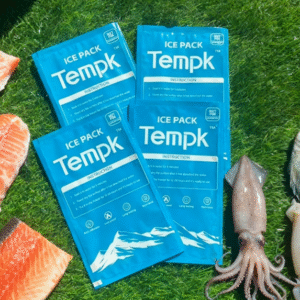
Was sind cold chain seafood protocols und warum sind sie wichtig?? Understand how temperature and oxygen control keep you compliant and protect consumer health.
Which packaging solutions work best for fish, shrimp and shellfish? Compare insulated fish bags, 10K OTR vacuum shrink bags, reclosable pouches, vacuum skin packs and recyclable fiber boxes.
How do you maintain integrity from catch to consumer? Follow a step by step process for packing, monitoring and transporting seafood while meeting FSMA Rule 204.
What are the latest trends and innovations? Entdecken Sie das Marktwachstum, nachhaltige Materialien, KI-gesteuerte Logistik, and 10K OTR film technology for 2025 und darüber hinaus.
What are common questions about cold chain seafood solutions? Get concise answers on regulations, best materials and shelf life.
What are Cold Chain Seafood Protocols and Why Do They Matter?
Cold chain protocols are the set of procedures that maintain seafood at safe temperatures and oxygen levels from the moment it’s harvested until it reaches your plate. Maintaining the right conditions is crucial because bacteria like Clostridium botulinum thrive when oxygen is low and temperatures rise above 3.3 °C. When fish is vacuum packed or sealed in reduced oxygen packaging, oxygen levels drop; ohne ausreichende Belüftung, toxins can form before you see or smell a problem. Effective protocols limit this risk and ensure compliance with food safety laws.
Understanding Temperature and Oxygen Control
Temperature and oxygen control work together. Raw and finished seafood should be stored between 2 °C und 8 °C for chilled products or below –20 °C for frozen goods. Flexible insulated bags, vacuum shrink bags, data loggers and active cooling systems help achieve these conditions. The oxygen transmission rate (OTR) of packaging is equally important. Für gekühlten Fisch, packaging with an OTR of at least 10,000 cc/m²/24 hr avoids classification as reduced oxygen packaging and reduces the risk of botulism. If lower permeability packaging is used, Das Produkt muss unten aufbewahrt werden 3.3 °C or frozen, and time–temperature indicators should be attached.
Kurzreferenztabelle
| Parameter | Empfohlener Bereich | Grund | Nutzen Sie Ihnen |
| Gekühlte Lagertemperatur | 0 °C – 2 °C | Hemmt das mikrobielle Wachstum und bewahrt die Textur | Verlängert die Frische und reduziert Abfall |
| Gefrierlagertemperatur | –20 °C bis –60 °C | Behält die Qualität für den Fernexport bei | Ermöglicht lange Haltbarkeit und weltweiten Vertrieb |
| Sauerstoffübertragungsrate (OTR) | ≥ 10,000 cc/m²/24 hr | Verhindert Vakuumbedingungen, die fördern C. Botulinum | Allows refrigerated storage without strict reduced oxygen rules |
| Core packaging choices | Isolierte Taschen, vacuum shrink bags, skin packs, recyclable boxes | Each design balances temperature, oxygen and sustainability | Lets you match format to product and route |
Praktische Tipps und Ratschläge
Check your thermometers daily. Nutzen Sie Datenlogger und IoT-Sensoren, um Temperatur und Luftfeuchtigkeit in Echtzeit aufzuzeichnen.
Control oxygen exposure. Select bags with at least 10K OTR for chilled fish; otherwise freeze immediately or attach time–temperature indicators.
Bilden Sie Ihr Team weiter. Make sure every person handling seafood understands why maintaining 0 °C – 2 °C and proper oxygen levels is essential. Simple posters and quick refresher training can prevent expensive mistakes.
Beispiel aus der Praxis: A mid sized processor in Oregon introduced 10K OTR vacuum bags and real time monitoring after a minor botulism scare. Within six months they reported zero temperature excursions and improved customer feedback because the fish arrived fresher and with brighter colour.
Choosing Packaging Solutions: Fish Bags, Vacuum Shrink Bags and Eco Friendly Alternatives
Selecting the right packaging is a core part of your cold chain protocol. Packaging must maintain temperature, control oxygen, resist moisture and protect against physical damage. It also needs to align with sustainability goals and customer expectations. Here’s how the main options compare.
Insulated Fish Bags for Small Catches
Portable insulated fish bags are designed for anglers, artisanal fishers and small processors who need to keep fish fresh during short trips. Typical products feature robust zippers, verstellbare Träger, thick insulation and drain plugs. Sizes range from 35 quarts to more than 200 Quarts. These bags preserve weight by keeping fish near 0 °C and limit odour. They’re versatile for inland water fishing, ice fishing and coastal trips, but they lack sealed environments and may not meet regulatory requirements for long distance shipping.
10K OTR Vacuum Shrink Bags
For commercial distribution, 10K OTR vacuum shrink bags are essential. They’re engineered to allow oxygen exchange while providing a tight skin fit. Brands like Sealed Air’s CRYOVAC® 10K OTR bags comply with FDA guidelines, letting you vacuum seal fish without classifying it as reduced oxygen packaging. Advantages include rapid chilling, excellent colour retention, leak prevention, and consumer friendly features such as easy open tabs. Jedoch, products still need to be stored below 3.3 °C or frozen and monitored with indicators.
Reclosable Pouches and Vertical Form Fill Seal Bags
Advances in vertical form fill seal (VFFS) technology allow producers to create flexible pouches with reclosable zippers. Machines like the SmartPacker CX400 can quickly switch formats, making them ideal for shredded crab, marinated shrimp and smoked salmon slices. These pouches offer portion control, resealability and enhanced shelf appeal. They’re popular in retail markets for ready to eat and snack seafood, and they reduce consumer waste by allowing partial use.
Vacuum Skin Packs and Thermoformed Trays
Vacuum skin packs (VSP) und Verpackungen mit modifizierter Atmosphäre (KARTE) extend shelf life by tightly conforming a film over the product. Thermoforming systems like GEA’s PowerPak Plus handle high barrier films containing materials such as EVOH (ethylene vinyl alcohol) or PA (polyamide). Benefits include high barrier protection, premium presentation and operational efficiency. VSP keeps fillets in place, making vertical display possible without product movement.
Recyclable Fiber Based Boxes and Eco Friendly Solutions
Sustainability is driving innovation in seafood packaging. DS Smith’s DryPack boxes use Greencoat® technology and are 100 % recyclable with certifications from the USDA, CFIA and FDA. Paper based materials account for 37 % of the seafood packaging market in 2025. Eco friendly fish bag equipment may include corrugated fiberboard liners, bio based insulating foams made from mushroom mycelium or starch, and reusable ice packs. These solutions reduce environmental impact while maintaining temperature performance.
Hybrid Systems and Active Cooling
Hybrid systems combine passive insulation with active cooling elements. Für Meeresfrüchte, hybrids often use gel packs integrated with sensors that trigger fans or thermoelectric devices when temperatures rise. This approach delivers precise control, but it increases cost and complexity. You should evaluate hybrid solutions for high value products or long routes where passive systems are insufficient.
Packaging Comparison Table
| Verpackungstyp | Schlüsselmerkmale | Eignung | Praktischer Nutzen |
| Isolierte Fischtaschen | Dicke Isolierung, drain plug, tragbar | Small catches, lokale Lieferungen | Maintains near zero temperature; light and versatile |
| 10K OTR vacuum shrink bags | Oxygen permeable film, skin tight fit, FDA compliance | Fresh fish fillets and portions | Rapid chilling, colour retention and leak prevention |
| Reclosable pouches (VFFS) | Reißverschluss, flexible Größen, clear windows | Shredded crab, marinated shrimp, snack seafood | Portionskontrolle, resealability and attractive display |
| Vacuum skin packs & Tabletts | Hochbarrierefolien, premium presentation | Premium fillets, sushi grade products | Längere Haltbarkeit, vertical merchandising |
| Recyclable fiber boxes | Paper based, feuchtigkeitsbeständig, zertifiziert | Frozen or chilled shipments, eco conscious customers | Sustainable packaging with structural strength |
Praktische Tipps und Ratschläge
Passen Sie das Paket an die Produktform und den Weg an. Whole fish require larger bags with reinforced corners, während Filets in Standard-Vakuumschrumpfbeutel passen.
Check the OTR rating before you buy. Packages for refrigerated raw fish should have an oxygen transmission rate of at least 10 K. Low permeability packaging demands stricter temperature control.
Denken Sie an Nachhaltigkeit. Choose fiber, paper or bio based films whenever possible. The 10K OTR film market is projected to grow from USD 1.6 Milliarden in 2025 in USD 2.9 Milliarden von 2035, mit Over 40 % value from bio based and recyclable films.. Your choice influences the industry’s shift toward greener materials.
Fallstudie: A Canadian exporter switched from polystyrene boxes to Greencoat® fiber boxes and achieved a 25 % reduction in plastic waste. They reported no increase in spoilage, and customers appreciated the eco friendly approach.
Best Practices for Handling and Transport to Maintain Cold Chain Integrity
Even the best packaging cannot compensate for poor handling. To keep seafood safe, you need a consistent workflow that covers pre packing, Verpackung, transport and reception. Following these practices reduces the risk of temperature excursions, compliance violations and product loss.
Schritt-für-Schritt-Anleitung zur Handhabung
Pre chill packaging and coolant: Place insulated bags, vacuum bags or trays along with gel packs in a refrigerator or freezer at least 12 Stunden vor dem Packen. Pre chilling reduces thermal shock and prolongs cooling.
Bereiten Sie das Produkt vor: Immediately after harvest, clean fish with potable water and remove viscera when possible. Keep fish on ice or in a slurry at 0 °C until packing.
Load phase change materials (PCMs): Arrange frozen gel packs at the bottom and sides of the insulated container. Lay fish in single layers to improve airflow and use dividers to prevent crushing.
Vacuum seal and label: Place portions into 10K OTR vacuum shrink bags, remove air with a chamber sealer and heat seal the bag. Attach time–temperature indicators when using reduced oxygen packaging and label each package with storage instructions.
Boxing: Insert sealed bags into corrugated boxes or fiber based containers lined with additional insulation. Ensure minimal empty space to reduce temperature fluctuations.
Insert sensors and document: Place data loggers inside one or more packages to record temperature and humidity. Record packaging time, batch numbers and sensor IDs for traceability.
Transport: Use pre cooled trucks or reefer containers and avoid unnecessary door openings. Confirm that transit time aligns with the calculated PCM duration.
Unpacking and inspection: Instruct recipients to inspect time–temperature indicators and sensors. Reject products that have exceeded safe temperature thresholds to prevent botulism or spoilage.
Are You Ready to Ship? Interactive Checklist
Use this quick self assessment before dispatching your seafood shipment:
Temperature verified? Packaging and PCMs pre chilled; expected range 0 °C–2 °C.
Oxygen permeability compliant? Bags meet the 10K OTR requirement or have indicators when using reduced oxygen packaging.
Sufficient coolant mass? Gel packs or dry ice calculated for transit duration plus a 20 % Kontingenz.
Klare Beschriftung? Each package instructs receivers to keep the product chilled or frozen and notes thawing instructions.
Sensors active? Data loggers and GPS trackers are activated and IDs are logged.
Documents prepared? FSMA traceability records, import/export certificates and customs paperwork are complete.
If you checked all boxes, your shipment is ready. This simple routine reduces the risk of spoilage and regulatory issues.
Praxisbeispiel: An exporter shipping fresh tuna from Hawaii to Japan uses this checklist before loading containers. They verify PCMs, calibrate sensors and confirm paperwork. Infolge, they’ve lowered rejection rates and improved buyer confidence.
Traceability and Regulatory Compliance: FSMA 204, Seafood HACCP and Best Practices
Traceability protects public health and your reputation. When seafood travels through multiple hands across borders, you need clear records to know where problems start and how far they spread. Mislabeled seafood is common; studies show that nearly one in three products may be mislabeled. A recent meta analysis of U.S. seafood found 39.1 % of samples were mislabeled, mit 26.2 % involving species substitution and 17.1 % featuring ambiguous names. Traceability ensures bad batches are identified and removed before reaching consumers and helps combat illegal, unreported and unregulated fishing.
Regulatory Overview
Seafood HACCP (Kritischer Kontrollpunkt der Gefahrenanalyse) Anforderungen: HACCP plans identify hazards and establish critical control points such as storage temperature, cleanliness and supplier verification. They mandate record keeping to prove compliance with processing and storage standards.
FSMA-Regel 204: Die USA. Regel des Gesetzes zur Modernisierung der Lebensmittelsicherheit 204 requires certain foods—including many types of seafood—to maintain 24 hour traceability records. It emphasises real time data logging, and failure to comply can lead to fines or shipment detentions.
Programm zur Überprüfung ausländischer Lieferanten (FSVP): Importers must verify that foreign suppliers meet U.S. Sicherheitsstandards. Without documentation, shipments risk being delayed or rejected.
Building an Effective Traceability System
Genaue Fangdokumentation: Aufnahmedatum, Zeit, Fangmethode, species and exact location at the time of harvest. Immediate entries prevent errors and fraud.
Weisen Sie eindeutige Kennungen zu: Verwenden Sie Chargennummern, QR codes or RFID tags for each catch or processing lot. These tags link product units to all relevant data, from vessel name to cold chain logs.
Maintain parent child relationships during processing: Beim Aufteilen oder Zusammenführen von Chargen, assign new sub batch numbers and update the system accordingly. This prevents blind spots in traceability and helps isolate problem lots without recalling an entire shipment.
Digitize data flow: Replace paper logs with integrated software. Real time tracking systems capture temperature, location and batch data, and they meet FSMA documentation requirements.
Trainiere dein Team: Ensure everyone understands their role and the value of traceability. Provide onboarding sessions and simple standard operating procedure checklists for vessel crews, processors and cold storage handlers.
Praktische Tipps und Ratschläge
Verify suppliers. Work with suppliers who can provide complete catch documentation and comply with traceability frameworks.
Automatisieren Sie Warnungen. Use software that sends notifications when any batch exceeds temperature thresholds or deviates from expected routes.
Planen Sie Rückrufe ein. Create recall templates and simulate drills. Being able to locate affected batches quickly reduces the scope and cost of a recall.
Leverage consumer engagement. Consider adding QR codes on packaging that allow consumers to trace where their seafood came from. This builds trust and differentiates your brand.
Fallstudie: A Gulf shrimp processor implemented RFID tags and digital traceability software across their fleet and processing plant. When a temperature excursion occurred on one vessel, they isolated affected lots within minutes and prevented a full scale recall.
2025 Trends and Innovations in Cold Chain Seafood Solutions
The seafood cold chain is evolving quickly. Understanding the latest market data and technology trends will help you stay competitive and future proof your operations.
Marktwachstum und Segmentierung
Der globale Markt für Kühlkettenlogistik wurde mit USD bewertet 293.58 Milliarden in 2023 und soll voraussichtlich auf USD wachsen 862.33 Milliarden von 2032. Innerhalb dieses Marktes, cold chain equipment alone is expected to grow from USD 40.34 Milliarden in 2025 in USD 112.23 Milliarden von 2032. Seafood packaging is a niche yet rapidly growing sector: im Wert von ca. USD 1.4 Milliarden in 2025, it is projected to reach USD 2.1 Milliarden von 2035. The wider seafood packaging market, which includes plastic, Papier, metal and other materials, wird aus USD wachsen 15.58 Milliarden in 2024 in USD 27.12 Milliarden von 2034. Paper based materials already account for 37 % of the market and are likely to grow as sustainability concerns mount.
Treiber
Demand for fresh and frozen seafood: Health conscious consumers and expanding aquaculture are increasing consumption of fish, shrimp and molluscs.
Vorschriften zur Lebensmittelsicherheit: Alerts about C. Botulinum in reduced oxygen packaging are pushing adoption of 10K OTR films and robust temperature monitoring.
E commerce and direct to consumer models: Online seafood sales require packaging that withstands longer transit times and unpredictable last mile conditions.
Nachhaltigkeit und Kreislaufwirtschaft: Consumers and regulators favour materials that can be recycled or reused. Biodegradable and recyclable materials are increasingly adopted.
Traceability and transparency: Embedding RFID or NFC chips in packaging allows real time tracking, enhancing supply chain transparency and consumer trust.
Innovationen
KI-gesteuerte Routenoptimierung und vorausschauende Wartung: Modern logistics platforms use artificial intelligence to minimise transit times and anticipate equipment failures, reducing temperature excursions.
Blockchain und digitale Zwillinge: End to end traceability platforms use blockchain to create immutable records of temperature and handling events and digital twins to simulate shipments.
Intelligente Sensoren und IoT: Low power sensors monitor temperature, humidity and shock in real time and may integrate with 5G networks.
10K OTR films and breathable barriers: The global 10K OTR film market is projected to grow from USD 1.6 Milliarden in 2025 in USD 2.9 Milliarden von 2035, reflektieren a 6.1 % durchschnittliche jährliche Wachstumsrate. Growth accelerates after 2030 due to innovation in multilayer films and adoption in seafood and ready to eat meal packaging. Asien-Pazifik ist die am schnellsten wachsende Region, with China expected to grow at 6.5 % CAGR. Polyethylene leads materials with 37.5 % teilhaben 2025, while multilayer films dominate film types with 42.8 % Aktie.
Modular packaging machines: Systems like GEA’s PowerPak 1000 allow processors to switch between vacuum, KARTE, skin and shrink packages on the same line.
Biologisch abbaubare Materialien: Mushroom based insulation and plant derived polymers such as PLA and PHA reduce carbon footprint while providing adequate barrier properties.
Market Challenges
Trotz starkem Wachstum, Herausforderungen bleiben bestehen. Advanced barrier materials like EVOH and nanocomposite films are expensive. Recycling multilayer laminates is difficult; mono material solutions must balance barrier performance and recyclability. Ageing cold storage infrastructure needs upgrades to meet energy efficiency requirements. Regulatorische Komplexität, import restrictions and FSMA traceability rules add compliance burdens, especially for small exporters.
Latest Developments and Practical Implications
Im März 2025, Sealed Air showcased new CRYOVAC® 10K OTR vacuum shrink bags and Darfresh® rollstock films that comply with FDA regulations for seafood packaging. These innovations improve clarity and mechanical strength while allowing oxygen exchange.
In 2025, DS Smith introduced upgraded fiber based DryPack boxes that are 100 % recyclable and moisture resistant. Such solutions meet growing demand for sustainable packaging.
Traceability software providers now integrate FSMA Rule 204 compliance modules and digital recall simulations, enabling instant alerts and reducing recall times from days to hours.
Häufig gestellte Fragen (FAQ)
Q1: What is a 10K OTR fish bag and why is it required?
A 10K OTR bag is a vacuum shrink bag with an oxygen transmission rate of at least 10,000 cc/m² per 24 Std.. Die USA. FDA considers such packaging oxygen permeable, reducing the risk of C. Botulinum growth in refrigerated fish. Using 10K OTR bags allows you to vacuum seal fish without classifying it as reduced oxygen packaging; you still need to keep temperatures below 3.3 °C or freeze the product.
Q2: Can I vacuum pack fish without a 10K OTR bag?
Ja, but you must freeze the product immediately and keep it frozen until use, or attach time–temperature indicators if refrigeration is used. Otherwise you risk botulism and regulatory detention.
Q3: What insulation material is best for reusable fish bags?
Polyurethan (Pur) offers higher insulation than expanded polystyrene (EPS), but it’s heavier. Paper based and bio derived foams made from mushroom mycelium or starch are emerging alternatives. Choose materials based on shipment duration, weight considerations and sustainability goals.
Q4: How long can insulated fish bags maintain temperature without active cooling?
Duration depends on insulation thickness, ambient temperature and PCM mass. A typical 60 inch insulated fish bag with adequate gel packs can keep fish cold for 12–18 hours under moderate conditions. Für längere Fahrten, combine vacuum shrink bags with insulated boxes and additional PCMs.
Q5: Why is seafood traceability important for my business?
Traceability protects consumers and your brand. Nearly one in three seafood products may be mislabeled, Und 39.1 % of samples in a U.S. study were mislabeled. A robust traceability system helps locate problem batches quickly, prevents illegal or unreported fishing from entering your supply chain, and meets regulatory requirements.
Q6: How can I improve traceability with limited resources?
Fangen Sie klein an. Use batch numbers and simple QR codes to link harvest, processing and shipping data. Gradually adopt cloud based software that collects temperature and location data automatically. Training your team and collaborating with suppliers will amplify the benefits.
Q7: Are paper based fish boxes strong enough for wet and heavy loads?
Ja. Fiber based containers like DS Smith’s DryPack use moisture resistant coatings and meet USDA, CFIA, FDA and FBA standards. They can handle wet conditions and heavy loads while being recyclable.
Zusammenfassung und Empfehlungen
You’ve learned why cold chain seafood protocols are essential, which packaging solutions work best, how to handle and transport fish safely, and how to build a traceable supply chain. Keep these key points in mind: maintain chilled temperatures between 0 °C und 2 °C and ensure oxygen transmission rates of at least 10,000 cc/m²/24 hr; choose packaging that matches your product form and sustainability goals; follow a step by step process for packing, monitoring and transport; and implement robust traceability practices to comply with FSMA 204 and seafood HACCP requirements. The market for cold chain equipment and seafood packaging is growing rapidly and becoming greener; adopt innovations like AI driven logistics, smart sensors and biodegradable materials to stay ahead.
Nächste Schritte:
Prüfen Sie Ihre aktuellen Prozesse. Identify temperature and traceability gaps and prioritise improvements.
Verbessern Sie die Verpackung. Switch to 10K OTR vacuum bags and explore eco friendly boxes to reduce environmental impact.
Implementieren Sie eine digitale Überwachung. Deploy IoT sensors and traceability software that meet FSMA 204 Anforderungen.
Trainiere dein Team. Create easy to follow checklists and hold regular refresher sessions.
Bleib informiert. Monitor market trends and innovations to keep your protocols current.
Indem Sie diese Empfehlungen befolgen, Sie reduzieren den Abfall, enhance food safety and build trust with buyers and regulators.
Schema-Markup-Empfehlungen
To help search engines understand and display your content, add the following structured data in JSON LD format:
Artikel – Provide headline, Beschreibung, Autor, datePublished and image fields. Include the main keyword in headline.
FAQ-Seite – List each question and answer from the FAQ section to qualify for rich snippets.
Howto – Mark up the step by step handling guide with HowToStep items, including name, text and image where appropriate.
Über Tempk
Wir sind Tempk, a specialist in cold chain packaging solutions. With over a decade of experience in temperature controlled logistics, we design and manufacture insulated bags, vacuum shrink bags, reusable ice packs and eco friendly packaging that meet FDA, USDA and FSMA guidelines. Our products are backed by research and continuous innovation—examples include our 10K OTR bags and Greencoat®-certified fiber boxes. We help customers across pharmaceuticals, seafood and fresh produce sectors maintain product quality and comply with strict regulations.
Bereit, Ihre Kühlkette zu verbessern? Contact us for a consultation or request a sample pack. Our team will help you choose the right solution for your product, Route und Nachhaltigkeitsziele.