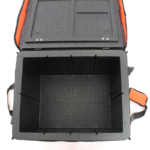
Beim Transport von temperaturempfindlichen Waren, richtige Verpackung von Trockeneis (UN1845) ist sowohl für die Sicherheit als auch für die Effizienz von entscheidender Bedeutung. In diesem umfassenden Leitfaden, Wir werden das Neueste erkunden 2025 Vorschriften, Best Practices zum Verpacken von Trockeneis, und Einblicke in neue Trends in der Kühlkettenlogistikbranche.
-
Was ist das UN1845 Trockeneis-Verpackungsgruppe und warum ist es für den Versand wichtig??
-
Was sind die wichtigsten Sicherheitsvorschriften für die Verpackung von Trockeneis??
-
So verpacken Sie Trockeneis ordnungsgemäß und verwenden dabei die UN1845-Richtlinien für einen sicheren Transport?
-
Best Practices für den Umgang mit Trockeneis in der Kühlkettenlogistik.
-
Was sind die neuesten Trends und Innovationen für den Trockeneisversand in? 2025?
Was ist die UN1845 Dry Ice Packing Group und warum ist sie wichtig??
UN1845 bezieht sich auf Trockeneis, die feste Form von Kohlendioxid, als Gefahrstoff eingestuft Klasse 9. Diese Klassifizierung weist darauf hin, dass Trockeneis weder hochreaktiv noch entflammbar ist, Es stellt ein Risiko dar, da es zu Kohlendioxidgas sublimiert. Richtige Verpackung unten UN1845 sorgt für einen sicheren Transport, Druckaufbau verhindern, Lecks, und potenzielle Erstickungsrisiken.
Die Verpackungsanforderungen sind in Branchen wie der Pharmaindustrie besonders wichtig, Biotechnologie, und Essen, wo Trockeneis dabei hilft, die Temperaturen während des Transports unter Null zu halten. Das Verständnis dieser Anforderungen kann Unfälle erheblich reduzieren, Verbesserung der Einhaltung von Sicherheitsvorschriften, und stellen Sie die Integrität temperaturempfindlicher Produkte sicher.
Wichtige Vorschriften für UN1845-Trockeneisverpackungen
Verpackungsanforderungen
Trockeneis muss in ausreichend belüfteten Behältern verpackt werden, um einen gefährlichen Druckaufbau zu verhindern. Dadurch wird sichergestellt, dass das Kohlendioxidgas sicher entweichen kann. Die für die Verpackung verwendeten Materialien, wie zum Beispiel Styropor, sollte langlebig sein und dennoch in der Lage sein, Gas entweichen zu lassen, ohne die Temperatur des Produkts zu beeinträchtigen.
Kennzeichnung und Dokumentation
Auf allen Trockeneisverpackungen muss das angegeben sein UN1845-Kennung und die Klasse 9 Hazard -Etikett. Abhängig von der Versandart, zusätzliche Dokumentation, wie etwa die Gefahrgutdeklaration, kann erforderlich sein. Im Luftverkehr, Auch das Gewicht des Trockeneises muss gut sichtbar auf der Verpackung angegeben sein, da unterschiedliche Versandarten unterschiedliche Gewichtsgrenzen haben.
Belüftung und Sicherheit
Für Lufttransporte, Die Verpackung muss über Belüftungslöcher oder einen leicht gelösten Deckel verfügen, damit das Gas entweichen kann. Ohne ordnungsgemäße Belüftung, Der Druck im Behälter kann ansteigen, Dies kann zu Brüchen und potenziellen Sicherheitsrisiken führen. Die Entlüftung ist ein entscheidender Aspekt für den sicheren Transport von Trockeneis, insbesondere beim Versand per Flugzeug.
Best Practices für die Handhabung und Verpackung von Trockeneis
Schritt-für-Schritt-Anleitung zum Verpacken von Trockeneis
-
Containerauswahl: Wählen Sie eine isolierte, belüfteter Behälter, der die Gasfreisetzung ermöglicht. Aufgrund ihrer hervorragenden Isoliereigenschaften werden häufig Materialien wie Styropor oder Polyethylen verwendet.
-
Trockeneis verpacken: Legen Sie das Trockeneis in den Behälter, Stellen Sie sicher, dass ausreichend Platz für das Entweichen des Gases vorhanden ist. Packen Sie Trockeneis niemals zu dicht ein, da dies den Sublimationsprozess behindern könnte.
-
Produktplatzierung: Beim Versand biologischer oder pharmazeutischer Waren, Stellen Sie sicher, dass sie nicht in direkten Kontakt mit dem Trockeneis kommen, um Frostschäden zu vermeiden. Verwenden Sie bei Bedarf Isoliermaterialien.
-
Beschriftung: Markieren Sie das Paket deutlich mit dem UN1845 Identifikator, das Gewicht des Trockeneises, und die Klasse 9 Hazard -Etikett. Stellen Sie sicher, dass das Etikett sichtbar und nicht verdeckt ist.
-
Versanddokumentation: Füllen Sie alle erforderlichen Versanddokumente aus, einschließlich einer Gefahrgutdeklaration, sofern erforderlich.
Handhabungstipps:
-
Immer benutzen Isolierte Handschuhe zum Umgang mit Trockeneis, da direkter Hautkontakt aufgrund der extrem niedrigen Temperatur zu schweren Verbrennungen führen kann.
-
Lagern Sie niemals Trockeneis in luftdichten Behältern. Stellen Sie immer sicher, dass in den Lagerbereichen eine ausreichende Belüftung vorhanden ist, um die Ansammlung von CO2-Gas zu verhindern.
-
Stellen Sie sicher, dass Trockeneis darin gelagert wird gut belüftete Gebiete um Erstickungsrisiken zu vermeiden. Bewahren Sie es niemals in geschlossenen Räumen auf, wie geschlossene Räume oder unbelüftete Fahrzeuge.
UN1845 Trockeneis-Verpackung in Luft vs. Bodentransport
Die Transportart beeinflusst sowohl die Vorschriften als auch die Verpackung von Trockeneis. Hier erfahren Sie, wie sie sich unterscheiden:
| Versandmethode | Maximales Trockeneisgewicht | Belüftung | Dokumentation |
|---|---|---|---|
| Luft (Passagier/Fracht) | 200 kg pro Paket | Entlüftung erforderlich | Auf dem Frachtbrief, Versendererklärung |
| Boden (PUNKT) | Keine spezifische Grenze | Entlüftung erforderlich | In der Regel von den Gefahrgutpapieren befreit |
| USPS (Luftpost) | 2.5 kg (5 lb) | Entlüftung erforderlich | Klasse 9 Etikett, Nettogewichtskennzeichnung |
In Lufttransport, Die Gewichtsgrenzen sind restriktiver, Besondere Sorgfalt ist bei der Kennzeichnung und Dokumentation erforderlich. Auf der anderen Seite, Bodenversand ermöglichen mehr Flexibilität hinsichtlich des Trockeneisgewichts, benötigen aber dennoch eine ausreichende Belüftung, um einen sicheren Transport zu gewährleisten.
Trends und Innovationen für die Trockeneisschifffahrt in 2025
Da die Nachfrage nach temperaturempfindlichen Gütern steigt, insbesondere in der Pharma- und Biotechnologiebranche, Die 2025 Kaltkettenlogistik Landschaft entwickelt sich. Hier sind einige wichtige Trends:
-
Nachhaltige Verpackung: Der Wandel hin zu umweltfreundliche Materialien Als Reaktion auf wachsende Umweltbedenken gewinnt die Verwendung recycelbarer und biologisch abbaubarer Optionen zunehmend an Bedeutung.
-
Intelligente Überwachung: Unternehmen nehmen zunehmend an IoT-fähige Temperatursensoren die eine Echtzeitüberwachung der Trockeneistemperaturen während des gesamten Versandprozesses ermöglichen.
-
Automatisierung in der Verpackung: Automatisierte Verpackungssysteme verbessern sowohl die Sicherheit als auch die Effizienz der Trockeneishandhabung, Reduzierung menschlicher Fehler und Erhöhung der Konsistenz bei den Verpackungspraktiken.
Diese Innovationen ebnen den Weg für mehr Nachhaltigkeit, effizient, und sichere Kühlkettenlogistik, Sicherstellen, dass Produkte bei den richtigen Temperaturen transportiert werden, ohne dass die Sicherheit oder die Umweltbelastung beeinträchtigt werden.
FAQ
1. Kann trocknen Eis international verschifft werden?
Ja, Trockeneis kann international versendet werden, aber es muss sich daran halten UN1845-Vorschriften und die spezifischen Verpackungs- und Kennzeichnungsanforderungen jedes Landes erfüllen.
2. Was ist das maximale Gewicht von Trockeneis pro Packung??
Für Lufttransport, Die Gewichtsgrenze beträgt typischerweise 200 kg pro Paket, Dies ist jedoch je nach Fluggesellschaft unterschiedlich. Für USPS, die Grenze ist 2.5 kg für Luftpost.
3. Wie stelle ich bei Trockeneisverpackungen eine ordnungsgemäße Belüftung sicher??
Stellen Sie immer sicher, dass die Verpackung belüftet ist, entweder mit Löchern oder einem locker geschlossenen Deckel, um Kohlendioxidgas entweichen zu lassen. Trockeneis niemals in luftdichten Behältern verschließen.
Schlussfolgerung und Empfehlungen
Das ordnungsgemäße Verpacken und Versenden von Trockeneis ist für die Aufrechterhaltung der Integrität temperaturempfindlicher Waren von entscheidender Bedeutung. Indem man sich daran hält UN1845-Richtlinien und unter Verwendung der neuesten Best Practices, Sie können die Einhaltung sicherstellen, Sicherheit, und die Effektivität Ihrer Kühlkettenlogistik. Bleiben Sie auf dem Laufenden 2025 Vorschriften und nutzen Sie neue Technologien, um Ihren Trockeneis-Versandprozess zu optimieren.
Nächste Schritte:
-
Überprüfen Sie Ihre Trockeneisverpackung, um sicherzustellen, dass sie den Anforderungen entspricht UN1845 Standards.
-
Investieren Sie in Smart Überwachungssysteme um die Temperaturen während des Transports zu verfolgen.
-
Erkunden nachhaltige Verpackungsoptionen um Ihre Umweltbelastung zu reduzieren.
Über Tempk
Bei Tempk, Wir sind auf die Bereitstellung hochwertiger Kühlkettenlogistiklösungen spezialisiert. Mit Fachwissen in der Trockeneisverpackung, temperaturempfindlicher Transport, und modernste Technologie, Wir bieten maßgeschneiderte Lösungen, um sicherzustellen, dass Ihre Sendungen sicher und konform bleiben. Lassen Sie uns Ihnen noch heute dabei helfen, Ihre Logistikabläufe zu optimieren!
Kontaktieren Sie uns für professionelle Beratung und maßgeschneiderte Kühlkettenlösungen.