Kanada-Trockeneis-Pack: Die ultimative Kühlkettenlösung für sichere Sendungen
Versand verderblicher Artikel, insbesondere Tiefkühlware, erfordert eine präzise Temperaturkontrolle während des gesamten Transportprozesses. Kanada-Trockeneisbeutel bieten eine effektive, zuverlässige Lösung zur Aufrechterhaltung der idealen Kältetemperatur. Egal, ob Sie Pharmazeutika versenden, Meeresfrüchte, oder Eis, Trockeneis sorgt dafür, dass Ihre Waren sicher gefroren bleiben, ohne die Unordnung und Komplikationen von herkömmlichem Eis. In diesem umfassenden Leitfaden erfahren Sie mehr über die Wissenschaft hinter kanadischen Trockeneisbeuteln, ihre Vorteile, und die Branchen, die für einen sicheren Versand auf sie angewiesen sind.
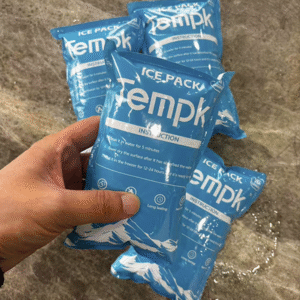
-
Was ist ein Kanada-Trockeneisbeutel?, Und wie funktioniert es??
-
Warum wird in der Kühlkettenlogistik Trockeneis gegenüber herkömmlichen Kühlakkus bevorzugt??
-
Welche Branchen profitieren am meisten von der Verwendung kanadischer Trockeneisbeutel??
-
Wie Sie Trockeneisbeutel im Versand sicher und effektiv einsetzen können?
Was ist ein Kanada-Trockeneisbeutel?, Und wie funktioniert es??
Ein Kanada-Trockeneisbeutel besteht aus festem Kohlendioxid (Co₂), which sublimes directly from a solid to a gas, bypassing the liquid phase. This property makes it an ideal cooling solution for cold chain logistics, where avoiding liquid water and maintaining extremely low temperatures is essential. Dry ice’s sublimation point is about -78.5°C (-109.3° F), making it suitable for products that need freezing temperatures like vaccines, Arzneimittel, Meeresfrüchte, und Tiefkühlkost.
Why Is Dry Ice Preferred Over Traditional Ice Packs in Cold Chain Logistics?
Dry ice packs are often favored in cold chain logistics due to several key advantages over traditional ice packs. The most significant benefit is the ability to maintain ultra-low temperatures for extended periods. Im Gegensatz zu Eisbeutel auf Wasserbasis, Trockeneis schmilzt nicht zu Flüssigkeit; es sublimiert zu Gas, ensuring your products stay dry throughout the shipping process. This is especially important for products like pharmaceuticals and perishable food, where moisture can cause damage.
Here are the main benefits of dry ice:
-
Längere Kühldauer: Trockeneis hält Produkte kalt für bis zu 48 Std. oder länger, depending on the packaging and ambient temperature.
-
Keine Wasserrückstände: Im Gegensatz zu Eis, was zum Wasser schmilzt, Trockeneis untermauert in Gas, ensuring no excess moisture to damage your goods or packaging.
-
Bessere Temperaturkontrolle: The extreme cold of dry ice is perfect for shipping temperature-sensitive items that need precise control.
| Besonderheit | Trockeneisbeutel | Regular Ice Pack |
|---|---|---|
| Temperaturbereich | -109.3° F (-78.5°C) | 32° F (0°C) |
| Kühldauer | 24-48 Std. | 6-12 Std. |
| Schmelzen | Sublimate in Gas | Schmilzt in Wasser |
| Ideal für | Ultra-cold items | Gekühlte Gegenstände |
Industries That Benefit from Canada Dry Ice Packs
Dry ice plays a crucial role across various industries that rely on maintaining strict temperature control during transportation. Some of the key industries include:
-
Pharmazeutika: Shipping temperature-sensitive medications, Biologika, and vaccines requires constant refrigeration, which dry ice can provide for extended periods.
-
Essen und Getränk: From seafood to ice cream, dry ice is perfect for keeping perishable food items frozen during transport.
-
Biotechnologie: Lab samples and diagnostic kits need consistent cold storage, making dry ice an essential tool for biotech companies.
-
E-Commerce: As the e-commerce industry grows, dry ice is used for shipping frozen meals and other cold-sensitive products to consumers.
How Can You Use Dry Ice Packs Safely and Effectively?
Während Trockeneis eine ausgezeichnete Kühllösung ist, safety is paramount when handling it. Here are key guidelines for ensuring safe and effective use:
Trockeneis sicher umgehen
Trockeneis ist extrem kalt, so direct contact with skin can result in frostbite. Always use insulated gloves or tongs when handling it, and never touch it with bare hands. It’s also essential to store dry ice in a well-ventilated area to prevent the buildup of CO₂ gas, which can lead to suffocation in poorly ventilated spaces.
Packaging and Transporting with Dry Ice
Beim Versand mit Trockeneis, follow these essential packaging tips:
-
Use insulated containers that allow for proper ventilation to prevent pressure buildup as the dry ice sublimates.
-
Lagern Sie Trockeneis niemals in einem luftdichten Behälter, as pressure can accumulate and cause the container to rupture.
-
Ensure there’s adequate space for the dry ice to sublimate and avoid packing it too tightly against products.
Tips for Safe Usage:
-
Handschuhe tragen Bei der Behandlung von Trockeneis, um Erfrierungen zu vermeiden.
-
Lüften storage areas to allow CO₂ to escape safely.
-
Verwenden Sie die belüftete Verpackung to ensure safe sublimation and prevent pressure buildup.
-
Maximize insulation to reduce the sublimation rate and extend the cooling duration.
Emerging Trends in Canada Dry Ice Pack Usage for 2025
As the demand for cold chain logistics continues to grow, new trends and innovations are shaping the use of dry ice in transportation. Some of the key advancements include:
Intelligente Verpackung und Überwachung
Der Aufstieg von intelligente Verpackungen technologies is making dry ice shipments more efficient. New packaging systems incorporate Echtzeit-Temperaturüberwachung Und Sensoren that ensure products remain within the required temperature range throughout transit.
Sustainability in Dry Ice Production
With growing concerns about carbon emissions, nachhaltige Trockeneisproduktion is becoming more prominent. Many manufacturers are focusing on producing dry ice from recycelter Co₂, significantly reducing the environmental footprint of cold chain logistics.
Automatisierung in der Kühlkettenlogistik
Automated systems are being integrated into the cold chain process, improving the efficiency and accuracy of packaging, Laden, und Versand. These technologies help optimize the use of dry ice, ensuring it is used effectively while reducing waste.
Häufig gestellte Fragen (FAQ)
Q1: How long does dry ice last in a shipping container?
Trockeneis dauert normalerweise dazwischen 24-48 Std., Abhängig von der verwendeten Menge, Die Qualität der Isolierung, und die Dauer der Sendung.
Q2: Ist es sicher, Lebensmittel mit Trockeneis zu versenden??
Ja, as long as proper packaging and safety guidelines are followed. Ensure that the shipping container is vented to allow CO₂ gas to escape.
Q3: Wie viel Trockeneis sollte ich für meine Sendung verwenden??
Als allgemeine Richtlinie, verwenden 5-10 LBS Trockeneis für jeden 24 Std. of shipping time. Für längere Sendungen, adjust accordingly to maintain consistent temperatures.
Schlussfolgerung und Empfehlungen
Canada dry ice packs are an indispensable tool for shipping frozen and temperature-sensitive items safely and efficiently. Their ability to maintain ultra-low temperatures without the risks of water runoff makes them ideal for industries like pharmaceuticals, Biotechnologie, und Essen. Durch Befolgen der Sicherheitsrichtlinien, using the correct packaging, and staying up to date with trends and innovations, you can ensure the safe transport of your products.
Nächste Schritte:
-
Implement dry ice in your cold chain logistics strategy to ensure product safety.
-
Invest in proper packaging to maximize the efficiency of dry ice and prevent leaks.
-
Bleib informiert about new technologies and sustainability efforts to optimize your logistics operations.
Über Tempk
Tempk is a leading provider of cold chain logistics solutions specializing in the use of dry ice for temperature-sensitive shipments. Mit einem Fokus auf Innovation, Nachhaltigkeit, und regulatorische Einhaltung, we help businesses across various industries maintain the integrity of their products during transport.
Wenden Sie sich noch heute an Tempk to learn more about our dry ice solutions and how we can help optimize your cold chain logistics!