Über diesen Leitfaden
Der Kühlkettenfertiges Essen Der Sektor wächst rasant. In 2025 Der Markt für Fertiggerichte wird auf ca. geschätzt 190,7 Milliarden US-Dollar und wird voraussichtlich überschritten werden 301,6 Milliarden US-Dollar bis 2032, reflektieren a 6.3 % durchschnittliche jährliche Wachstumsrate (CAGR). Dieses Wachstum hängt von einer robusten Kühlkettenlogistik ab, Und Sie fragen sich vielleicht, wie Sie den richtigen Dienstleister auswählen. Dieser Leitfaden beantwortet Ihre größten Fragen anhand aktualisierter Daten und Recherchen bis spät in die Nacht 2025. Sie erfahren, wie Lebensmittelhersteller die Sicherheit gewährleisten, welche Logistikdienstleister und Essensmarken marktführend sind, was das Wachstum antreibt, und wie neue Technologie- und Nachhaltigkeitsanforderungen Entscheidungen beeinflussen.
Was ist eine Kühlkette für Fertiggerichte?? – fasst Temperaturbereiche zusammen, Kühlrichtlinien und Verpackungsmethoden.
Welche Unternehmen führen den Markt für kühlkettenfertige Lebensmittel an?? – stellt führende Logistikanbieter und Essensservice-Marken vor.
Was treibt den Anstieg der Fertiggerichte und der Kühlketteninfrastruktur voran?? – untersucht die Marktgröße, Verbraucherverhalten, Technik und Vorschriften.
So bewerten Sie eine Fertigmahlzeit oder einen Logistikdienst? – bietet eine Checkliste zur Menüauswahl, Verpackung, Lieferung, Preis und Nachhaltigkeit.
Welche Trends werden die Lebensmitteldienstleistungen in der Kühlkette prägen? 2025 und darüber hinaus? – analysiert IoT, Ai, FSMA 204 Rückverfolgbarkeit, Nachhaltigkeit und Arbeitsherausforderungen.
Wie sorgt die Kühlkette dafür, dass zubereitete Lebensmittel sicher bleiben??
Die „Kühlkette“ ist ein kontinuierlicher temperaturkontrollierter Weg, der in einer Großküche beginnt und an Ihrem Kühlschrank endet. Sein Ziel ist es, Bakterienwachstum zu verhindern und gleichzeitig Geschmack und Textur zu bewahren. Nach dem Kochen, Die Gefahrenzone für Krankheitserreger liegt dazwischen 40 °F und 140 ° F (4 °C und 60 °C). Um sicher zu bleiben, Fertiggerichte müssen schnell abgekühlt werden: die USA. FDA-Lebensmittelkodex empfiehlt einen zweistufigen Abkühlvorgang – abkühlen 135 °F bis 70 ° F (57 ° C bis 21 °C) innerhalb von zwei Stunden und dann bis 41 ° F (5 °C) oder niedriger innerhalb von weiteren vier Stunden.
Schnelle Kühlung und Lagerung. Sobald die Mahlzeiten gekocht sind, Köche teilen sie in flache Behälter auf und verwenden Schnellkühler oder Eisbäder, um die Hitze schnell abzuführen. Nach schneller Abkühlung, In der Umgebung werden Soßen und Proteine auf Milchbasis gelagert 4 °C, zartes Grün bei 0–2 °C und gefrorene Vorspeisen bei –18 °C. Für längere Lagerung, Zubereitete Lebensmittel werden fest gefroren und bei oder darunter gehalten –18 °C. Beim Aufwärmen, Innentemperaturen bringen 165 ° F (74 °C) um verbleibende Krankheitserreger abzutöten.
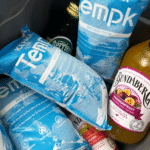
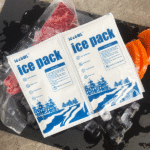
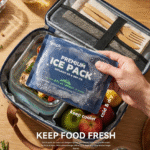
Verpackungen und Kühlmittel. Die nächste Schutzschicht ist die Isolierung. Essenssets werden oft in Kartons geliefert, die mit Schaumstoff oder Pflanzenfaserpolstern ausgekleidet sind, die eine Barriere gegen äußere Hitze bilden. Gelpackungen oder Trockeneis absorbieren Energie und halten den Inhalt kalt. Gelpackungen auf Wasserbasis sind ungiftig und langlebig, aber die Forschung zeigt das 93 % Bei Lieferungen mit Gelpacks lag mindestens ein Artikel über dem Sicherheitsgrenzwert. Trockeneis hält niedrigere Temperaturen aufrecht, erfordert jedoch eine sorgfältige Handhabung und kann bestimmte Kunststoffe reißen. Moderne Dienste legen mehrere Materialien aufeinander und planen Lieferungen zu kühleren Zeiten, um Temperaturspitzen zu reduzieren.
Echtzeitüberwachung. Zur Verwaltung mehrerer Temperaturzonen und Sicherstellung der Einhaltung, Carrier integrieren Datenlogger und IoT-Sensoren, die die Temperatur aufzeichnen, Feuchtigkeit und Stöße beim Transport. Sensoren lösen Alarme aus, wenn die Bedingungen außerhalb des zulässigen Bereichs liegen, und liefern überprüfbare Aufzeichnungen. Diese Transparenz hilft Unternehmen bei der Einhaltung der Gesetz zur Modernisierung der Lebensmittelsicherheit (FSMA) Rückverfolgbarkeitsregel, Dies erfordert, dass Unternehmen, die Lebensmittel mit hohem Risiko verarbeiten, Schlüsseldatenelemente für jedes kritische Tracking-Ereignis verwalten und diese Aufzeichnungen innerhalb dieser Frist der FDA übermitteln 24 Std..
Sichere Temperaturbereiche für verschiedene Lebensmittel
| Lebensmittelkategorie | Idealer Temperaturbereich | Ungefähre Lagerdauer | Was es für Sie bedeutet |
| Milchsaucen & Proteine | 4 °C (39 ° F) | 3–4 Tage (gekühlt) | Hält Bakterien fern und bewahrt gleichzeitig die Cremigkeit. Wenn Sie es nicht innerhalb von vier Tagen verzehren, legen Sie es in den Gefrierschrank. |
| Blattgrün & Salate | 0–2 °C (32–36 °F) | 3–5 Tage | Temperaturen nahe dem Gefrierpunkt verhindern Welken und Bakterienwachstum. |
| Gefrorene Hauptgerichte | ≤ –18 °C (0 ° F) | 2–3 Monate oder länger | Gefrorene Artikel bleiben unbegrenzt sicher, aber die Qualität lässt nach einigen Monaten nach. |
| Gekühlte verpackte Mahlzeiten | ≤ 5 °C (41 ° F) | 7 Tage | Durch die mechanische Kühlung bleiben die Mahlzeiten sicher; Ein Thermometer an Marktständen ist unerlässlich. |
| Abkühlen nach dem Kochen | 135 °F–41 °F (57–5 °C) | <6 Std. | Teilen Sie die Lebensmittel in flache Behälter auf und kühlen Sie sie mit Schnellkühlern schnell ab. |
| Vor dem Verzehr aufwärmen | ≥ 74 °C (165 ° F) | N / A | Vor dem Essen gründlich erhitzen, um Krankheitserreger abzutöten. |
Praktische Tipps und Ratschläge
Ankunftstemperaturen messen: Verwenden Sie ein Küchenthermometer, um Ihre Mahlzeit sofort zu überprüfen. Wenn irgendein Artikel oben ist 40 ° F (4 °C), konsumieren Sie es sofort oder wenden Sie sich an den Anbieter.
Sofort einlagern: Stellen Sie gekühlte Artikel innerhalb einer Stunde nach der Lieferung in den Kühlschrank und gefrorene Artikel in den Gefrierschrank.
Verpackung prüfen: Suchen Sie nach einer dicken Isolierung, mehrere Gelpackungen und klare Aufschrift „Im Kühlschrank aufbewahren/gefroren aufbewahren“..
Haltbarkeit verstehen: Tiefkühlgerichte sind flexibel für arbeitsreiche Wochen, Bei Frischmahlzeiten hingegen müssen Sie innerhalb eines kürzeren Zeitfensters essen.
Entscheiden Sie sich für Nachhaltigkeit: Entscheiden Sie sich für Dienstleistungen mit kompostierbarer Isolierung oder erneuerbarer Energie, um die Umweltbelastung zu reduzieren.
Fallstudie: Ein regionaler Gastronomiebetrieb hat intelligente Temperatursensoren in seine Verpackung eingebaut. Echtzeitdaten machten die Betriebsteams auf Verzögerungen aufmerksam, Dadurch können sie Sendungen umleiten. Über sechs Monate, Schadensersatzansprüche gingen zurück 35 % und Kunden berichteten von durchweg kälteren Lieferungen, Der Beweis, dass sich IoT-Überwachung auszahlt.
Welche Unternehmen dominieren den Markt für kühlkettenfertige Lebensmittel??
Eine Handvoll Logistikspezialisten und Dutzende von Lebensmittelmarken treiben den Sektor der kühlkettenfertigen Lebensmittel voran. Große Logistik für Dritte (3Pl) Anbieter betreiben temperaturgeführte Lager, Flottenfahrzeuge und Echtzeit-Tracking-Systeme, damit Lebensmittelunternehmen sich auf das Kochen und Marketing konzentrieren können. Wenn Sie wissen, wer was tut, können Sie Partner auswählen, die Ihren Bedürfnissen entsprechen.
Führende Logistikanbieter. Marktanalysen bewerten Buske Logistics, Abstammungslogistik, Americold Logistics, DHL-Lieferkette, XPO Logistik, Kuhne + Nagel und Penske Logistics gehören zu den Top-Lebensmittellogistikunternehmen in Nordamerika. Diese Anbieter zeichnen sich durch eine strikte Einhaltung der Lebensmittelsicherheit aus, Multitemperaturfähigkeiten, breite Netzabdeckung und fortschrittliche Technologie. Zum Beispiel:
| Anbieter | Am besten für | Hauptstärken |
| Buske Logistik | Unternehmen und wachsende Marken benötigen Flexibilität | FDA-konforme Einrichtungen, Lagerung bei Umgebungstemperatur/Kühlung/Tiefkühllagerung, starker Kundenservice. |
| Abstammungslogistik | Große Hersteller von Tiefkühl- und Kühlprodukten | Riesiges Kühllagernetzwerk, Automatisierung, Data-Science-Optimierung und Nachhaltigkeitsinitiativen. |
| Americold Logistics | Anforderungen an die Kühllagerung mit hohem Volumen | Integrierter Speicher, Lagerung und Transport in ganz Nordamerika. |
| DHL-Lieferkette | Globale Marken mit komplexen Lieferketten | Fortschrittliche Technologie, Compliance-Expertise, Skalierbare Lagerung und Transport. |
| XPO Logistik | Marken benötigen einen starken Transport und Einzelhandelsvertrieb | Bundesweites Speditionsnetzwerk, Letzte Meile und verwalteter Transport. |
| Kuhne + Nagel | Importeure und Exporteure | Internationale Spedition, Kühlketten-Know-how und Einhaltung gesetzlicher Vorschriften. |
| Penske Logistik | Große inländische Marken | Integrierte Lagerung und Transport mit speziellen Flotten. |
Marken für Fertiggerichte. Auf der Verbraucherseite, Unternehmen mögen Koch-Einheit, Provenienzmahlzeiten, Sakara-Leben, Faktor, Frisch und schlank, Territory Foods, Frisch, Verschlingen, Zauberküche, Tägliche Ernte Und Herrlicher Löffel Nutzen Sie diese Logistiknetzwerke, um landesweit Mahlzeiten auszuliefern. Jede Marke konzentriert sich auf eine Nische:
Koch-Einheit arbeitet mit Köchen zusammen, um Gourmet zu bieten, frische – nicht gefrorene – Gerichte; Die Verpackung betont die Qualität von Gerichten in Restaurantqualität.
Provenienzmahlzeiten bietet Bio an, Plant-Forward-Programme, die auf Wellness-Enthusiasten zugeschnitten sind.
Sakara-Leben bietet erstklassige pflanzliche Entgiftungs- und Gewichtsmanagementprogramme mit personalisiertem Coaching.
Faktor bietet von einem Ernährungsberater entwickeltes Keto an, Paläo, Low-Carb- und High-Protein-Pläne, frisch und mikrowellengeeignet geliefert.
Frisch und schlank legt Wert auf Bio, Es enthält gentechnikfreie Inhaltsstoffe und verwendet kompostierbare Isolierung.
Territory Foods arbeitet mit lokalen Köchen zusammen, um regional inspirierte Menüs zu kreieren, die zweimal wöchentlich geliefert werden.
Frisch liefert komfortable Mahlzeiten zu günstigen Preisen.
Verschlingen Schnellgefriert Mahlzeiten für eine längere Haltbarkeit, attraktiv für Familien, die eine längere Lagerung benötigen.
Zauberküche ist auf Mahlzeiten für Senioren und Personen mit besonderen Ernährungsbedürfnissen wie Diabetes oder Nierenerkrankungen spezialisiert.
Tägliche Ernte Und Herrlicher Löffel bieten pflanzliche Smoothies an, Schüsseln und Snacks in kompostierbarer Verpackung.
Praktische Tipps zur Partnerauswahl
Passen Sie den Anbieter an Ihre Bedürfnisse an: Wählen Sie einen Logistikpartner, dessen Einrichtungen und Zertifizierungen zu Ihrem Produkt passen (Z.B., mehrere Temperaturzonen, SQF- oder BRCGS-Zertifizierungen).
Stellen Sie die richtigen Fragen: Erkundigen Sie sich nach der Einhaltung der Lebensmittelsicherheit, Erinnerungsbereitschaft, Rückverfolgbarkeit und Skalierbarkeit mit Ihrem Volumen.
Vermeiden Sie Einheitsdienste: Große Anbieter können unflexibel sein; Mittelständische Unternehmen bieten häufig maßgeschneiderte Lösungen für bestimmte Produktarten und -mengen an.
Passen Sie die Servicepläne an Ihren Lebensstil an: Wenn Sie Wert auf Bio-Zutaten und Nachhaltigkeit legen, Marken wie Fresh N Lean oder Daily Harvest könnten zu Ihnen passen. Für Gourmet-Erlebnisse, Denken Sie an Cook Unity oder Sakara Life.
Bewerten Sie Verpackung und Lieferhäufigkeit: Bestimmen Sie, ob Mahlzeiten frisch oder gefroren ankommen und wie oft Lieferungen erfolgen. Flash-Frozen-Optionen wie Gobble bieten Flexibilität für arbeitsreiche Wochen.
Was treibt den Boom bei Fertiggerichten und die Ausweitung der Kühlkette an??
Der Anstieg der Fertiggerichte und das entsprechende Wachstum der Kühlketteninfrastruktur sind auf den demografischen Wandel zurückzuführen, Verbraucherpräferenzen, technologische Innovation und regulatorischer Druck. Das Globale Markt für Fertiggerichte wird voraussichtlich steigen 190,7 Milliarden US-Dollar im Jahr 2025 Zu 301,6 Milliarden US-Dollar bis 2032, eine CAGR von 6.3 %. Europa macht ungefähr einen Anteil aus 33.5 % des Marktes, während der asiatisch-pazifische Raum voraussichtlich darüber hinaus wachsen wird 7 %. Parallel dazu, Die Markt für Lebensmittelkühlkette wird auf geschätzt 70,55 Milliarden US-Dollar im Jahr 2025 und wird voraussichtlich erreicht werden 121,77 Milliarden US-Dollar von 2030, mit verzehrfertigen Mahlzeiten, die a 16.54 % CAGR.
Warum Verbraucher Fertiggerichte lieben
Bequemlichkeit & Lebensstiländerungen: Urbanisierung, Mehr Frauen in der Erwerbsbevölkerung und kleinere Haushalte steigern die Nachfrage nach Fertiggerichten. Die Menschen wünschen sich schnelle Optionen, die Zeit sparen und Lebensmittelverschwendung reduzieren.
Höhere verfügbare Einkommen: Steigende Einkommen und Zahlungsbereitschaft für Prämien, Clean-Label-Produkte erweitern den Markt.
Pandemiegewohnheiten: Die Pandemie hat den Online-Einkauf von Lebensmitteln und Essensabonnements verschärft, Verlagerung des Vertriebs von der Gastronomie auf den Einzelhandel und direkt auf die Verbraucherkanäle.
Gesundheit & Diversität: Marken bieten jetzt pflanzliche Produkte an, niedriger Natriumgehalt, Keto, Paläo- und Premium-Optionen für unterschiedliche Ernährungsbedürfnisse.
Gefrorene Dominanz: Auf Tiefkühlgerichte entfallen ca 42.6 % aufgrund ihrer längeren Haltbarkeit einen der größten Marktanteile auf dem Markt für Fertiggerichte darstellen. Supermärkte und SB-Warenhäuser bleiben mit a der wichtigste Vertriebskanal 54.8 % Aktie.
Innovation verlängert die Haltbarkeit
Fortschritte in der Verpackung und Verarbeitung ermöglichen gekühlte Mahlzeiten mit längerer Haltbarkeit ohne starke Konservierungsstoffe. Zwei Technologien stechen hervor:
Verpackung unter modifizierter Atmosphäre (KARTE): Durch Anpassen der Gaszusammensetzung innerhalb einer Verpackung, MAP reduziert Sauerstoff und erhöht Kohlendioxid und Stickstoff, um den Verderb zu verlangsamen, Oxidation und mikrobielles Wachstum. Der Sauerstoffgehalt kann darunter sinken 1 %, während Kohlendioxid Bakterien unterdrückt und Stickstoff das Zusammenfallen der Verpackung verhindert. MAP verlängert die Haltbarkeit, bewahrt das Aussehen und reduziert Lebensmittelverschwendung.
Hochdruckverarbeitung (HPP): HPP unterzieht Lebensmittel bis zu 87,000 psi bei Umgebungs- oder Kühltemperaturen, Inaktiviert schädliche Mikroorganismen und bewahrt gleichzeitig die natürliche Frische. Es beseitigt Fehlaromen und reduziert den Bedarf an synthetischen Zusatzstoffen. HPP kann die Haltbarkeit von Fertiggerichten verlängern, Deli -Fleisch, Meeresfrüchte und Saucen bis zu 120 Tage.
Regulatorische Dynamik
Der FSMA 204 Regel zur Rückverfolgbarkeit von Lebensmitteln verlangt von Unternehmen, die mit risikoreichen Lebensmitteln umgehen, die Aufzeichnung wichtiger Datenelemente für jedes kritische Tracking-Ereignis. Obwohl das ursprüngliche Compliance-Datum war Januar 20 2026, Der Kongress wies die FDA an, die Regel bis dahin nicht durchzusetzen Juli 20 2028. Trotzdem, Unternehmen führen jetzt digitale Systeme ein, um sich auf die Durchsetzung vorzubereiten und Rückrufrisiken zu reduzieren.
Technologie und E-Commerce
IoT & Ai: Logistikdienstleister nutzen IoT-Sensoren, KI und maschinelles Lernen zur Überwachung der Temperaturen, Prognostizieren Sie die Nachfrage und optimieren Sie die Routenplanung. Die Integration von Sensordaten in Enterprise-Resource-Planning- und Lagerverwaltungssysteme gewährleistet eine durchgängige Transparenz.
Online-Kanäle: Direktabonnements für Verbraucher und E-Lebensmittelkanäle bieten höhere durchschnittliche Verkaufspreise und umfassende Verbraucherdaten. Marken investieren in Omnichannel-Fähigkeiten, um langfristigen Wert zu erzielen.
Herausforderungen und Kosten
Wachstum bringt Hürden mit sich. Die Kühlketteninfrastruktur ist kapitalintensiv: Spezialspeicher, Energieeffiziente Designs und Kühlfahrzeuge können kostenintensiv sein drei- bis viermal mehr als herkömmliche Systeme. Steigende Energie, Verpackungs- und Transportkosten drücken auf die Margen. Neue Vorschriften wie in Kalifornien SB 1383 Wir fordern die Reduzierung organischer Abfälle und emissionsfreie Fahrzeuge, Dies zwingt Betreiber dazu, in kontrollierte Atmosphärenlagerung und elektrische Kühltransporter zu investieren.
So bewerten Sie einen Anbieter von Fertiggerichten oder einen Logistikdienstleister
Die Wahl des richtigen Services geht über den Geschmack hinaus. Nutzen Sie diese Checkliste, um Angebote zu vergleichen:
Menüvielfalt & Ernährung: Stellen Sie sicher, dass der Service Menüs anbietet, die zu Ihrer Ernährung passen (Z.B., vegan, Keto, niedriger Natriumgehalt) und sorgt für eine transparente Beschaffung der Zutaten.
Verpackung & Nachhaltigkeit: Isoliermaterialien untersuchen, Anzahl der Gelpacks und ob die Verpackung recycelbar oder kompostierbar ist.
Lieferplan & Haltbarkeit: Bestimmen Sie, wie oft Mahlzeiten geliefert werden und ob sie frisch oder gefroren ankommen. Flash Frozen-Optionen wie Gobble können bis zu zwei Monate haltbar sein.
Preis & Flexibilität: Vergleichen Sie die Preise pro Mahlzeit, Abonnementbedingungen und die Möglichkeit, Bestellungen zu überspringen oder anzupassen.
Logistikpartner: Untersuchen Sie, welches 3PL- oder Inhouse-Netzwerk der Dienst nutzt. Seriöse Anbieter wie Americold oder Lineage sorgen für eine konsistente Kühlkettenleistung.
Sicherheitszertifizierungen: Achten Sie auf die Einhaltung von Lebensmittelsicherheitsstandards wie HACCP, SQF oder BRCGS und fragen Sie nach Rückverfolgbarkeitssystemen.
Kundenbetreuung: Bewerten Sie, wie das Unternehmen mit Verzögerungen umgeht, Rückrufe oder Kundenbeschwerden. Echtzeitüberwachung und proaktive Kommunikation können Schäden verhindern.
Nachhaltigkeitsinitiativen: Wählen Sie Dienstleistungen, die sich für kompostierbare Isolierung einsetzen, erneuerbare Energien oder CO2-Ausgleichsprogramme.
Fallstudie: Eine landesweite Supermarktkette investierte in Hochdruckverarbeitung und Verpackung unter Schutzatmosphäre für ihre Fertiggerichte unter Eigenmarken. Die Haltbarkeit verlängerte sich von fünf Tagen auf zwei Wochen, eine breitere Verbreitung ermöglichen. Der Umsatz mit Eigenmarkengerichten stieg 40 % Innerhalb eines Jahres gingen die Beschwerden wegen Verderb drastisch zurück.
2025 Trends, die Kühlketten-Fertiggerichte prägen
Das Jahr 2025 verdeutlichte, wie fragil Lieferketten sein können. Geopolitische Spannungen, Cybervorfälle und Arbeitskräftemangel belasteten die Logistiknetzwerke, während die Aufsichtsbehörden die Sicherheitsanforderungen verschärften. Gleichzeitig, Technologie- und Nachhaltigkeitsinnovationen eröffneten neue Möglichkeiten.
Technologie und Automatisierung
Integration von KI und maschinellem Lernen: Experten weisen darauf hin, dass Unternehmen auf Sauberkeit achten, Gut aufbereitete Daten, damit KI-Modelle die Prognose von Angebot und Nachfrage unterstützen können. Diese Integration verbessert die Temperaturkontrolle und reduziert Abfall.
Digitale Rückverfolgbarkeit: Verbesserte Aufzeichnungsführung gemäß FSMA 204 Das bedeutet, dass IoT-Sensoren und Blockchain-Lösungen Daten in Unternehmenssysteme einspeisen müssen, um eine durchgängige Transparenz zu gewährleisten.
Yard-Management als Kontrollpunkt: Yard-Operationen, einmal ein nachträglicher Einfall, gelten heute als zentraler Kontrollpunkt für die Produktintegrität, Serviceleistung und Kostenmanagement.
Resilienzplanung: Cyberangriffe und Versorgungsunterbrechungen verdeutlichen die Notwendigkeit von Notfallplänen. Unternehmen investieren in flexible Infrastruktur und datengesteuerte Abläufe, um ihre Widerstandsfähigkeit aufrechtzuerhalten.
Arbeits- und politische Herausforderungen
Fahrermangel: Durchsetzung neuer CDL-Ausstellungs- und Erneuerungsregeln durch die Federal Motor Carrier Safety Administration (FMCSA), zusammen mit strengeren englischen Sprachstandards, wird das Angebot an qualifizierten Lkw-Fahrern verringern, was zu höheren Frachtraten führt.
Verschiebungen des Verbraucherbudgets: Die wirtschaftliche Unsicherheit hat Verbraucher dazu veranlasst, ihre Budgets zu optimieren, Steigerung der Tiefkühlverkäufe und Betonung der Widerstandsfähigkeit, Geschwindigkeit, Kosten und Qualität.
Nachhaltigkeit und Energieeffizienz
Wachstum des Kühlcontainermarktes: Der Kühlcontainermarkt, geschätzt bei $4.5 Milliarden in 2024, wird sich voraussichtlich nahezu verdoppeln $9 Milliarden von 2033. Jeder Behälter verbraucht 96–139 kWh pro Tag, vergleichbar mit der Nutzung mehrerer Haushalte. In Terminalhöfen, Kühlcontainer entfallen bis zu 40 % des Stromverbrauchs.
Kältemittel mit hohem GWP: Herkömmliche Kältemittel haben ein hohes Treibhauspotenzial; Es gibt mehr als 1.5 Million Kühlcontainer im Welthandel, Viele verwenden veraltete Kältemittel. Neue Designs mit CO₂-basierten Kältemitteln und intelligenten Steuerungen reduzieren die Emissionen.
Erneuerbare Energien und elektrifizierte Fahrzeuge: Elektrische Kühlfahrzeuge und solarbetriebene Einheiten tragen dazu bei, Emissionsziele wie das Ziel der Internationalen Seeschifffahrtsorganisation zu erreichen, die Schiffsemissionen um die Hälfte zu reduzieren 2050. Unternehmen investieren in hybrid- und batteriebetriebene Kühltransporter, um Betriebskosten und Lärm zu senken.
Marktdynamik
Investition in die Infrastruktur: Einzelhändler und 3PLs liefern sich einen Wettlauf um den Bau von Kühllagern und Cross-Docking-Hubs, um höhere Volumina abzuwickeln. Mikro-Fulfillment-Center mit integrierter Kühllagerung verkürzen die Lieferzeiten und verbessern die Produktintegrität.
Nachfrage der Verbraucher nach Abwechslung: Als kostenbewusste Käufer suchen Wert und Vielfalt, Unternehmen diversifizieren ihr Tiefkühlangebot mit kleineren Portionsgrößen und vielfältigen Küchen.
Markteinsichten
Die Marktaussichten bleiben optimistisch. Der Markt für Lebensmittelkühlkette wird voraussichtlich um ein Wachstum wachsen 11.53 % CAGR Zu 2030, während die UNS. Kühlkettenmarkt wird voraussichtlich wachsen 14,17 Milliarden US-Dollar im Jahr 2025 Zu 46,8 Milliarden US-Dollar von 2034, was auf große Chancen hinweist (Daten aus anderen Forschungsarbeiten, die hier nicht direkt zitiert werden). Da digitale Rückverfolgbarkeit und umweltfreundliche Technologie zur Pflicht werden, Unternehmen, die frühzeitig investieren, werden sich einen Wettbewerbsvorteil verschaffen.
Häufig gestellte Fragen
Q1: Warum sind kühlkettenfertige Lebensmitteldienste wichtig??
Fertiggerichte enthalten oft Milchprodukte, Fleisch und Produkte. Ohne temperaturgeführte Kette, Bakterien können sich schnell vermehren. Nach strenger Kühlung, Verpackungs- und Überwachungsrichtlinien verhindern lebensmittelbedingte Krankheiten und bewahren die Qualität.
Q2: Woher weiß ich, ob eine Essensset-Lieferung kalt genug geblieben ist??
Verwenden Sie ein Küchenthermometer, um die Innentemperatur zu messen, sobald das Paket eintrifft. Irgendein Artikel oben 40 ° F (4 °C) sollten sofort verzehrt oder dem Anbieter gemeldet werden. Suchen Sie nach einer dicken Isolierung, mehrere Gelpackungen und klare Anweisungen auf der Verpackung.
Q3: Sind gefrorene Fertiggerichte weniger gesund als frische??
Nicht unbedingt. Das Einfrieren bindet Nährstoffe und ermöglicht eine längere Haltbarkeit ohne Konservierungsstoffe. Jedoch, Natrium und Zusatzstoffe variieren je nach Marke. Überprüfen Sie die Nährwertkennzeichnungen und wählen Sie Unternehmen mit transparenter Beschaffung und minimalen Zusatzstoffen.
Q4: Welche Vorschriften wirken sich auf die Fertiggerichtlogistik aus??
Die FSMA 204 Gemäß der Rückverfolgbarkeitsregel müssen Unternehmen, die Lebensmittel mit hohem Risiko verarbeiten, wichtige Datenelemente aufzeichnen und darin Informationen bereitstellen 24 Std.. Die Durchsetzung der Compliance wird im Juli erwartet 2028. Kaliforniens SB 1383 schreibt außerdem die Reduzierung organischer Abfälle und emissionsfreie Fahrzeuge vor.
Q5: Wie kann ich die Umweltbelastung durch Essenslieferungen reduzieren??
Wählen Sie Dienste, die kompostierbare Isolierung verwenden, Kältemittel auf CO₂-Basis, erneuerbare Energien oder CO2-Ausgleichsprogramme. Konsolidieren Sie Bestellungen, um die Lieferhäufigkeit zu reduzieren, und recyceln Sie Verpackungen nach Möglichkeit.
Q6: Worauf sollten sich Unternehmen im Zeitraum 2025–2030 konzentrieren??
Investieren Sie in IoT-Sensoren, KI-Analysen und integrierte Lieferkettensysteme; Modernisieren Sie Flotten mit elektrischen Kühlfahrzeugen; Einführung von MAP und HPP zur Verlängerung der Haltbarkeitsdauer; und nachhaltige Praktiken implementieren, um die Erwartungen von Regulierungsbehörden und Verbrauchern zu erfüllen.
Zusammenfassung und Empfehlungen
Der Sektor der kühlkettenfertigen Lebensmittel wächst schnell. Der weltweite Markt für Fertiggerichte wird voraussichtlich wachsen 190,7 Milliarden US-Dollar In 2025 Zu 301,6 Milliarden US-Dollar bis 2032, und der Markt für Lebensmittelkühlketten wird übertreffen 121 Milliarden US-Dollar von 2030. Dieses Wachstum wird durch Bequemlichkeit vorangetrieben, demografische Veränderungen, Gesundheitstrends, Online-Kanäle und technologische Innovation. Sicherheit beruht auf schneller Abkühlung, ordnungsgemäße Lagerung, Robuste Verpackung und Echtzeitüberwachung. Die Verpackung unter modifizierter Atmosphäre und die Hochdruckverarbeitung verlängern die Haltbarkeit und bewahren gleichzeitig die Qualität. Regulatorische Änderungen wie FSMA 204 erfordern Rückverfolgbarkeit und digitale Aufzeichnungen. In der Zwischenzeit, Der Nachhaltigkeitsdruck fördert die Einführung umweltfreundlicher Kühlcontainer, Elektrofahrzeuge und erneuerbare Energien. Die Wahl des richtigen Partners bedeutet, die Menüvielfalt zu bewerten, Verpackung, Lieferhäufigkeit, Preis, Zertifizierungen, Nachhaltigkeit und Kundenbetreuung.
Umsetzbare nächste Schritte
Überprüfen Sie Ihre aktuellen Kühlkettenprozesse: Identifizieren Sie Lücken in der Temperaturregelung, Aufzeichnungen und Verpackung, und investieren Sie in IoT-Sensoren und Datenanalysen, um die Sichtbarkeit zu verbessern.
Verpackung und Verarbeitung aktualisieren: Nutzen Sie MAP und HPP, um die Haltbarkeit zu verlängern, Reduzieren Sie Abfall und erfüllen Sie die Clean-Label-Erwartungen.
Bereiten Sie sich auf FSMA vor 204: Entwickeln Sie Rückverfolgbarkeitspläne, Dokumentieren Sie kritische Tracking-Ereignisse und arbeiten Sie mit Lieferkettenpartnern zusammen, um die Vorschriften bis Juli einzuhalten 2028.
Priorisieren Sie Nachhaltigkeit: Wechseln Sie zu Kältemitteln mit niedrigem GWP, Optimieren Sie den Energieverbrauch von Kühlcontainern und erkunden Sie Elektro- oder Hybridfahrzeuge. Wählen Sie Lieferanten, die in erneuerbare Energien investieren und kompostierbare Isolierung anbieten.
Binden Sie Verbraucher ein: Sorgen Sie für eine transparente Beschaffung, Nährwertangaben und Verpackungshinweise. Bieten Sie interaktive Tools an, mit denen Kunden ihre Essenspräferenzen und Nachhaltigkeitsverpflichtungen bewerten können.
Über Tempk
Tempk ist ein führender Anbieter von Kühlkettenverpackungs- und Logistiklösungen für die Lebensmittel- und Pharmaindustrie. Wir sind auf Hochleistungs-Isolierboxen spezialisiert, Gelpackungen und Trockeneisverpackungen, die Produkte in engen Temperaturbereichen halten. Unser r&D Center verbessert kontinuierlich die Materialien, um die Isolierung zu maximieren und gleichzeitig die Umweltbelastung zu reduzieren. Die Produkte von Tempk unterstützen eine schnelle Abkühlung, Multi-Temperatur-Routing und FSMA 204 Rückverfolgbarkeit, Wir geben unseren Kunden die Gewissheit, dass ihre zubereiteten Lebensmittel frisch und sicher ankommen. Wir bieten auch wiederverwendbare und kompostierbare Verpackungsoptionen an, um Abfall zu minimieren und Nachhaltigkeitsziele zu unterstützen.
Aufruf zum Handeln: Um Ihre Kühlkettenanforderungen zu besprechen oder eine individuelle Lösung anzufordern, Kontaktieren Sie noch heute unser Expertenteam.