How Does Cold Chain Express Shipping for Food Keep Every Order Safe in 2025?
If you sell fresh, chilled or frozen food, cold chain express shipping for food is the line between delighted customers and expensive spoilage. In 2024 the global food cold chain market was valued at over USD 60 billion and is forecast to multiply by 2034, driven largely by online grocery and direct-to-consumer frozen foods.() Gleichzeitig, regulations and customer expectations are tightening: a single temperature excursion can ruin a shipment and your brand reputation.
In diesem Leitfaden, you will see how to design cold chain express shipping for food that is fast, compliant and profitable. We will talk in practical language, using real scenarios so you can apply each step immediately.
What this guide will help you solve
Choose when express cold chain shipping really adds value für gekühlt, frozen and ambient-sensitive foods.
Design packaging and coolants so cold chain express shipping for food survives 24–72 hour journeys.
Balance speed, Kosten und Risiko when you pick carriers, service levels and lanes.
Use monitoring and data to prove temperature control and pass audits with confidence.
Leverage 2025 Trends like IoT, AI route optimisation and sustainable packaging in your cold chain express shipping for food.
What is cold chain express shipping for food and when do you need it?
Cold chain express shipping for food is fast, tracked, temperature-controlled transport for time-sensitive products. It combines insulated packaging, Kühlmittel, controlled service levels and monitoring so food stays within a safe temperature range from pick-up to delivery. In vielen Märkten, it is a legal requirement that chilled and frozen foods are maintained at correct temperatures throughout transport, not just in storage.()
You need cold chain express shipping for food whenever the product will lose safety, texture or shelf life if temperatures drift. That includes fresh meat and seafood, high-value chocolates, Mahlzeiten, ice cream and many ready-to-eat products. Fast transit reduces risk, but speed alone is not enough. Verpackung, coolant and carrier processes must work together, especially as online grocery and last-mile delivery volumes continue to rise into 2025.(GlobeNewswire)
Where cold chain express shipping for food fits in your value chain
Cold chain express shipping for food usually sits between these stages:
Pre-cooling and storage
Order picking and packing in insulated packaging
Line-haul or air express movement
Last-mile delivery to homes, dark stores or retail outlets
At each stage, you need clear temperature limits and responsibilities. If you are shipping cross-country in 24 Std., your packaging must bridge the whole journey, not just the last-mile. If temperatures are not managed properly, bis zu 14% of global food can be lost across the chain.(Tempk)
How do temperature ranges differ by product type?
| Temperaturband & Produkttyp | Typische Reichweite | Express Transit Window | Was es für Sie bedeutet |
| Chilled fresh food (Fleisch, Molkerei, Fertiggerichte) | 0–4 °C | 24–48 Stunden | Needs tight control to avoid bacterial growth; use gel packs and high-performance insulation. |
| Sensitive chocolates and bakery | 10–18 °C | 24–72 Stunden | Focus on avoiding heat spikes above 20 °C to prevent melting, bloom and texture damage. |
| Tiefkühlkost und Eis | ≤ –18 °C (ice cream often ≤ –20 °C) | 24–48 Stunden | Requires strong insulation and enough coolant (dry ice or specialty packs) to prevent partial thawing. |
| Frische Produkte (Beeren, Blattgemüse) | 0–5 °C (je nach Sorte) | 24–48 Stunden | Very sensitive to temperature abuse; design cold chain express shipping for food with minimal handling and fast lanes. |
Practical tips and suggestions for this stage
Szenario 1 – local delivery in summer: Use cold chain express shipping for food only for the most temperature-sensitive SKUs; cheaper services may be fine for shelf-stable items.
Szenario 2 – national shipping of frozen items: Assume worst-case delays of 24 hours when you calculate coolant needs for cold chain express shipping for food.
Szenario 3 – cross-border gourmet gifts: Use premium express services with customs pre-clearance and robust monitoring, because a single missed connection can destroy a high-value gift box.
Beispiel für reale Welt: A direct-to-consumer frozen food brand shifted from standard ground to cold chain express shipping for food on long-distance orders and combined this with better insulation and gel packs. They cut spoilage claims by more than half and extended their delivery radius by two extra zones while maintaining product quality.()
How should you design packaging for cold chain express shipping for food?
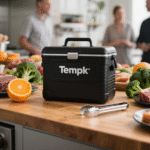
Packaging is the backbone of cold chain express shipping for food. Even the best express carrier cannot rescue poor insulation or insufficient coolant. Most best-practice guides from major carriers stress proper insulation, separation between food and coolants, and careful box selection.(FedEx)
Your design work should answer three questions:
What temperature range do you need to maintain?
How long does cold chain express shipping for food really take on this lane?
What is the hottest or coldest ambient condition you expect?
Core elements of a robust express cold chain packaging system
Außenschachtel
Use a new, sturdy corrugated box with enough crush strength.
Size it so that the insulated container fits snugly, reducing empty air space.
Insulated inner container
Options include EPS foam boxes, EPP containers, VIP panels or hybrid systems.
Higher-performance insulation allows you to reduce coolant or extend your delivery radius for cold chain express shipping for food.(Tempk)
Coolants
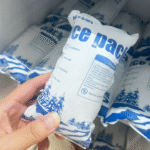
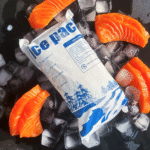
Gelpackungen für gekühlte Bereiche (0–8 ° C) and chocolates.
Trockeneis for deeply frozen products, used carefully and in line with carrier rules.
Place coolants on all sides and on top of the product, not only at the bottom.()
Product loading and separation
Double-bag liquids and high-moisture items to prevent leaks.
Use inserts, trays or sleeves to keep packs away from direct coolant contact if surface freezing is an issue.
Void fill and closure
Fill every gap with packing materials to minimise convection.
Seal the cool-liner or inner bag tightly before closing the outer box.()
Example packaging choices for cold chain express shipping for food
| Anwendungsfall | Recommended Insulation | Coolant Strategy | Was es für Sie bedeutet |
| 24-hour chilled meal kit | Mid-range foam or EPP shipper | Gel packs around and above ingredients | Zuverlässig, cost-effective cold chain express shipping for food in regional lanes. |
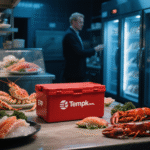
| 48-hour frozen seafood | High-performance EPP or VIP shipper | Gel packs plus dry ice on top | Supports national cold chain express shipping for food with low thaw risk. |
| Premium chocolate gift box | Rigid insulation with reflective layer | Gel packs separated by cardboard | Maintains 10–18 °C so the product arrives pristine, even in warm climates. |
Simple configuration checklist (you can reuse in your SOP)
Cold Chain Express Shipping for Food – Packout Checklist
[ ] Correct shipper type selected for lane and duration
[ ] Required temperature range confirmed per SKU
[ ] Coolant quantity checked against latest test data
[ ] Void fill used to eliminate empty air pockets
[ ] Labelled as perishable and temperature-sensitive
Use test shipments to validate that your cold chain express shipping for food packouts maintain temperature over the full transit plus a safety buffer (usually 6–12 hours).
How do carriers and transit times shape cold chain express shipping for food?
Cold chain express shipping for food lives at the intersection of Serviceniveau, lane design Und operational discipline. The US cold chain logistics market alone is projected around USD 91 Milliarden in 2025, and a significant share comes from food and last-mile segments.()
Choosing the right express service
When you select services for cold chain express shipping for food, think beyond the marketing name:
Air express or premium ground: For 24-hour national deliveries and urgent replenishments.
Expedited ground: For regional lanes where 1–2 days is realistic door-to-door.
Dedicated or milk-run vehicles: For B2B foodservice or retailer deliveries on fixed routes.
Major carriers publish specific guidance for perishable shipments, including restrictions on dry ice, labelling and packaging.() Following these rules is non-negotiable if you want cold chain express shipping for food to be accepted and handled correctly.
Planning transit time realistically
Your internal promise (for example “delivered in 24 hours”) matters less than actual time from packout to final delivery attempt. When designing cold chain express shipping for food, always include:
Time from packing to carrier pickup.
Sortation and line-haul time, including potential hub transfers.
Last-mile delivery attempts and customer absence scenarios.
This is where AI-enabled route optimisation and demand forecasting, increasingly used in cold chain logistics, help you select the most reliable lanes and time windows.()
If the worst-case transit could be 48 Std., your cold chain express shipping for food design should aim for stable temperatures for at least 60 Std..
How can you monitor and prove temperature control in express food shipping?
Von 2025, traceability and data sind nicht mehr optional. Regulators and large retail partners expect proof that your cold chain express shipping for food stays within specified ranges. FAO and national authorities emphasise documented control of time and temperature throughout the chain to protect consumers.()
Monitoring options for cold chain express shipping for food
Single-use temperature loggers
Placed inside representative boxes.
Downloaded on arrival or returned shipments.
Real-time IoT sensors
Provide live readings and alerts during cold chain express shipping for food.
Help you intervene during delays or equipment failures.()
Smart labels and indicators
Time-temperature indicators that change colour if thresholds are exceeded.
Einfach, low-cost way to reassure smaller customers.
Building a data trail that supports E-E-A-T and compliance
Your monitoring data can substantially strengthen your perceived expertise and trustworthiness:
Erfahrung: Real shipment data shows how your cold chain express shipping for food performs in different seasons.
Sachverstand: You can publish anonymised case studies and packaging benchmarks.
Authoritativeness: You can align your SOPs with recognised guidelines from global food safety bodies.()
Trustworthiness: Clear documentation helps during audits, recalls or insurance claims.
Schneller Selbsttest: Is your monitoring ready?
Answer “yes” or “no” to each statement:
Every new packout for cold chain express shipping for food is validated with at least one monitored test shipment.
You can retrieve temperature records for any shipment lane from the last 6–12 months.
Alerts from real-time devices are routed to a person with authority to act.
If you answered “no” more than once, your cold chain express shipping for food may be vulnerable during audits or disruptions.
How can you manage cost in cold chain express shipping for food?
Cold chain express shipping for food is not cheap. Express services, high-performance insulation and coolants all add cost. Gleichzeitig, food loss due to poor cold chain control already represents a double hit: product waste and lost revenue.(Tempk)
Levers to improve your cost-to-serve
Right-sizing packaging
Avoid overspecifying insulation for short, milde Gassen.
Use modular shippers that work for several SKUs.
Segmenting your service levels
Reserve the fastest cold chain express shipping for food for the most sensitive or high-margin products.
Offer slower but still temperature-controlled options for less sensitive items.
Network optimisation
Use micro-fulfilment or regional hubs closer to the customer, reducing line-haul distance and coolant needs.()
Reducing spoilage and claims
A small investment in better packaging or monitoring can quickly pay off by preventing even a few lost shipments worth thousands of dollars.()
2025 developments and trends in cold chain express shipping for food
Trendübersicht
In 2025, several macro-trends reshape cold chain express shipping for food:
The global food cold chain market is projected to grow rapidly through 2034, with a CAGR above 16%, driven by perishable foods and tighter safety standards.()
The US cold chain logistics market is estimated above USD 90 Milliarden in 2025, with steady growth expected to 2030.()
Online grocery could account for over 20% of US grocery sales by 2025, pushing more last-mile cold chain express shipping for food into dense urban networks.()
These shifts mean that Geschwindigkeit, Sichtbarkeit und Nachhaltigkeit are no longer optional extras. They are core competitive levers for cold chain express shipping for food.
Neueste Entwicklungen auf einen Blick
Real-time visibility as standard: IoT trackers and advanced telematics are moving from pilots to routine use, giving shippers live temperature, location and shock data for cold chain express shipping for food.()
Nachhaltige Verpackungslösungen: New materials and reusable systems help reduce waste and emissions while maintaining thermal performance in express lanes.()
Micro-fulfilment and urban cold storage: More retailers are deploying small cold warehouses near customers to support fast cold chain express shipping for food in cities.()
Market insights for decision-makers
Demand for cold chain express shipping for food will continue to rise with the expansion of direct-to-consumer frozen foods and meal kits.()
Providers that can combine high service levels, strong data transparency and sustainable solutions will be best positioned to win contracts with large retailers and food brands.()
Häufig gestellte Fragen
Q1: How fast should cold chain express shipping for food be?
Most shippers design cold chain express shipping for food for 24–48 hours door-to-door, with packaging that can tolerate 6–12 hours of extra delay. The exact target depends on your product sensitivity and market promise.
Q2: Can I use standard parcel services for cold chain express shipping for food?
Du kannst, but only if your packaging, labelling and documentation meet the carrier’s rules for perishable or temperature-sensitive goods. Consult their perishable shipping guidelines and test your packouts before going live.()
Q3: Is real-time monitoring necessary for every shipment?
Nicht immer. Many businesses monitor only representative shipments on each lane. Jedoch, for high-risk routes, high-value cargo or critical customers, adding real-time monitoring strengthens your cold chain express shipping for food and your proof of due diligence.()
Q4: How can I make cold chain express shipping for food more sustainable?
You can switch to reusable shippers where practical, reduce over-packaging, use right-sized coolant loads and locate inventory closer to customers to shorten routes. Sustainable cold chain designs are increasingly supported by major food and climate programmes.()
Q5: What happens if there is a temperature excursion?
You should have written decision rules based on time, temperature and product type. In some cases the shipment must be discarded; in others, it might still be safe. Your monitoring data and product stability studies guide these decisions in cold chain express shipping for food.()
Zusammenfassung und Empfehlungen
Cold chain express shipping for food combines Verpackung, Kühlmittel, service levels and data into one integrated system. Wenn es funktioniert, your customers get safe, delicious products and your brand earns trust. When it fails, you face spoilage, complaints and regulatory risk. By understanding your temperature ranges, designing validated packouts, selecting the right express services and using monitoring tools, you can make cold chain express shipping for food a repeatable, scalable capability.
Your next steps should be simple and practical: document your target temperature ranges, map real transit times, test your packaging under worst-case conditions and decide which lanes or customers truly need premium cold chain express shipping for food. Use your findings to build clear SOPs and training so every team member knows what “good” looks like.
Aktionsplan: your next 5 bewegt sich
Bilden Sie Ihr Produktportfolio ab by temperature band and risk, then tag which items need cold chain express shipping for food.
Überprüfen Sie die aktuelle Verpackung and run at least one monitored test per critical lane in peak summer and winter conditions.
Segment service levels so the fastest and most expensive cold chain express shipping for food is reserved for the right SKUs and customers.
Implement basic monitoring – even low-cost loggers – and define how alerts trigger action.
Review annually against new carrier options, market trends and sustainability targets, updating your cold chain express shipping for food strategy as the market evolves.
Add a clear call-to-action on your website or B2B materials so prospects know how to request a quote, book a pilot lane or speak with your team about their specific cold chain express shipping for food needs.
Über Tempk
Tempk focuses on temperature-controlled packaging and cold chain solutions that support reliable cold chain express shipping for food. Our portfolio includes lightweight insulated shippers, high-performance coolants and engineered packout designs for chilled, frozen and mixed-temperature loads. We combine packaging know-how with an understanding of express logistics, so you can upgrade cold chain express shipping for food without over-spending on materials or transport.
We work with food brands, e-commerce operators, meal kit companies and healthcare logistics teams to design, test and scale solutions tailored to their products and routes. If you want support in redesigning your cold chain express shipping for food, the next step is simple: Kontaktieren Sie unser Team, share your key routes and product categories, and we will help you build a step-by-step plan to improve safety, speed and cost-efficiency.