So bewahren Sie Fleisch in einer Kühlkette sicher auf: Best Practices für 2025
Als Kühlkettenprofi, Sie wissen, dass es bei der sicheren Aufbewahrung von Fleisch nicht nur darum geht, es auf Eis zu legen; Es geht darum, präzise Temperaturen einzuhalten, Luftfeuchtigkeit und Handhabungsverfahren vom Schlachthof bis zum Verbraucher. Best Practices für Kühlkettenfleisch entwickeln sich weiter, Und 2025 bringt neue Technologien, strengere Vorschriften und Nachhaltigkeitserwartungen. Dieser Leitfaden stützt sich auf verifizierte Quellen, um stets auf dem neuesten Stand zu sein, leicht verständliche Erkenntnisse, die Ihnen helfen, die Fleischqualität zu schützen, Stellen Sie die Regulierungsbehörden zufrieden und gewinnen Sie das Vertrauen der Verbraucher. Wir erkunden sichere Temperaturbereiche, Verpackungsmöglichkeiten, Logistik, Compliance und neue Trends – alles für Sie geschrieben, nicht nur für Experten. Ob Sie ein kleiner Metzger sind, ein großer Prozessor, oder ein Logistikdienstleister, Diese Tipps helfen Ihnen, Abfall zu reduzieren, Verhindern Sie lebensmittelbedingte Krankheiten und führen Sie einen effizienteren Betrieb durch.
In diesem Leitfaden erfahren Sie mehr
Sichere Lager- und Transporttemperaturen – einschließlich der Unterschiede zwischen gekühltem und gefrorenem Fleisch und warum Feuchtigkeit wichtig ist.
Verpackung und Feuchtigkeitskontrolle Strategien zur Verlängerung der Haltbarkeit und zur Vermeidung von Gefrierbrand oder Austrocknung.
Best Practices für die Kühlkettenlogistik – von der Vorkonditionierung der Verpackung bis hin zur Echtzeit-Temperaturüberwachung und Routenoptimierung.
Vorschriften und Zertifizierungen für 2025 – einschließlich aktualisierter FSMA-Anforderungen, EU-Hygienevorschriften und neue Zertifizierungsstandards.
Neue Technologien und Trends wie zum Beispiel Automatisierung, IoT -Sensoren, Ai, Blockchain- und Nachhaltigkeitsinitiativen prägen die Kühlketten-Fleischlogistik.
Bei welcher Temperatur sollte Fleisch gelagert und transportiert werden, um sicher zu sein??
Bewahren Sie Fleisch stets unterhalb der Zieltemperatur und außerhalb der Gefahrenzone auf. Für gekühltes Fleisch, Dies bedeutet, dass die Innentemperatur auf oder darunter gehalten wird 4 °C (40 ° F), und für gefrorenes Fleisch bedeutet es –18 °C (0 ° F) oder kälter. Diese Schwellenwerte sind nicht willkürlich; Bakterien vermehren sich schnell, wenn Fleisch dazwischen liegt 5 °C und 63 °C, das sog Gefahrenzone, Daher ist die Minimierung der Zeit oberhalb der sicheren Grenze von entscheidender Bedeutung. Es ist auch wichtig, die Luftfeuchtigkeit zu berücksichtigen: gekühltes Fleisch, gelagert zwischen –0,75 °C und –1,25 °C und einer relativen Luftfeuchtigkeit von 80–85 % kann ein bis zwei Wochen dauern; bei 0–2 °C sinkt die Lebensdauer auf 8–10 Tage. Bei Temperaturen unter –2 °C kann die Zellstruktur beschädigt und die Qualität beeinträchtigt werden.
Fleisch innerhalb dieser Bereiche zu halten, ist nicht so einfach wie das Einstellen eines Thermostats. Sie müssen die Temperatur während der Lagerung und des Transports kontinuierlich überwachen, Verwenden Sie kalibrierte Geräte, und verstehen Sie, dass verschiedene Fleischkategorien leicht unterschiedliche Anforderungen haben. Zum Beispiel, Das erklärt die Lebensmittelsicherheitsbehörde Irlands Geflügel muss gehalten werden 4 ° C oder unten, Innereien bei 3 °C oder darunter und anderes Fleisch bei 7 °C oder darunter während der Zubereitung. Nach der Produktion, Hackfleisch sollte gekühlt werden nicht mehr als 2 °C und andere Fleischzubereitungen 4 °C, oder eingefroren –18 °C oder kälter. Diese Grenzwerte müssen während der Lagerung und des Transports eingehalten werden.
Empfohlene Temperatur- und Luftfeuchtigkeitsbereiche für Fleisch
| Fleischsorte oder -verarbeitung | Temperaturbereich | Relative Luftfeuchtigkeit | Ihr Vorteil |
| Gekühltes rotes Fleisch (Lagerung) | –0,75 °C bis –1,25 °C | 80–85 % | Verlängert die Lebensdauer auf 1–2 Wochen, verhindert Austrocknung und Verderb |
| Gekühltes Fleisch bei 0–2 °C | 0–2 °C | 80–85 % | Bietet 8–10 Tage Lagerung; Die Vakuumverpackung kann sich auf 30 Tage |
| Geflügel (ICH) | ≤ 4 °C | Nicht angegeben; Halten Sie eine moderate Luftfeuchtigkeit aufrecht | Begrenzt das mikrobielle Wachstum und erfüllt die Vorschriften |
| Innereien (ICH) | ≤ 3 °C | Mäßige Luftfeuchtigkeit | Reduziert den Verderb leicht verderblicher Organe |
| Anderes Fleisch (ICH) | ≤ 7 °C | Mäßige Luftfeuchtigkeit | Bringt Sicherheit und sensorische Qualität in Einklang |
| Hackfleisch nach der Herstellung | ≤ 2 °C | Hohe Luftfeuchtigkeit, um ein Austrocknen zu verhindern | Behält die Qualität bis zur Verarbeitung |
| Fleischzubereitungen | ≤ 4 °C oder gefroren auf –18 °C | Hohe Luftfeuchtigkeit oder gefroren | Gewährleistet Sicherheit bei Lagerung und Transport |
| Gefrorenes Fleisch | ≤ –18 °C (0 ° F) | Niedrige Luftfeuchtigkeit, um Eisbildung zu verhindern | Stoppt die mikrobielle Aktivität und ermöglicht eine lange Lagerung |
| Kühlschrank für Lebensmittel mit hohem Risiko (allgemein) | 0–5 °C | Ausreichende Luftfeuchtigkeit, um ein Austrocknen zu verhindern | Bewahrt risikoreiche Lebensmittel wie Fleisch auf, Milch- und Gebäcksicher |
Warum Luftfeuchtigkeit wichtig ist
Luftfeuchtigkeit wird oft übersehen. Niedrige Luftfeuchtigkeit beschleunigt die Verdunstung, zu Gewichtsverlust führen, Oberflächentrocknung und Oxidation. Hohe Luftfeuchtigkeit verringert die Austrocknung, fördert jedoch das Wachstum von Schimmel und Mikroben. Halten Sie die Luftfeuchtigkeit in der Nähe 80–85 % gleicht diese Risiken für gekühltes Fleisch aus. Bei Lagerung in Tiefkühlräumen, Halten Sie eine relative Luftfeuchtigkeit von 60–70 % um Eisbildung auf der Verpackung zu vermeiden und gleichzeitig Austrocknung zu verhindern. Die Überwachung der Luftfeuchtigkeit und der Temperatur ermöglicht eine frühzeitige Warnung vor Geräteausfällen; Digitale Sensoren, die beide Kennzahlen protokollieren, können Ihnen helfen, Trends zu erkennen und zu handeln, bevor die Qualität leidet.
Tipps zum Erreichen der Temperaturziele
Verwenden Sie kalibrierte Thermometer oder Datenlogger: Überprüfen Sie die Geräte täglich und protokollieren Sie die Messwerte auf Konformität. Drahtlose Sensoren, die mit Cloud-Dashboards verbunden sind, sorgen für Sichtbarkeit in Echtzeit.
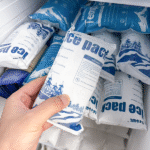
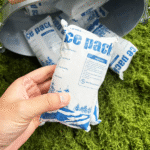
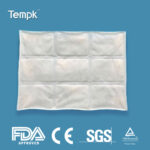
Vorbereitete Verpackung: Verpackungsmaterialien vorkühlen (Z.B., EPS-Kühler oder Gel-Packs) vor dem Laden auf die Zieltemperatur bringen. Die Vorkonditionierung sorgt dafür, dass die Innenumgebung länger kalt bleibt und reduziert Temperaturspitzen während des Ladens.
Sorgen Sie für eine ordnungsgemäße Luftzirkulation: Überladen Sie keine Kühlschränke oder Lastwagen. Halten Sie Abstände zwischen Paletten und Kartons ein, damit die kalte Luft gleichmäßig zirkulieren kann. Ein ungleichmäßiger Luftstrom kann zu heißen Stellen führen und den Verderb beschleunigen.
Türöffnungen minimieren: Jedes Mal, wenn sich eine Tür öffnet, Warme Luft tritt ein. Verwenden Sie Streifenvorhänge oder Luftschleusen und planen Sie den Arbeitsablauf, um die Türöffnungszeit zu verkürzen. Einige Einrichtungen installieren automatische Türen, die sich schnell schließen, um die Temperatur aufrechtzuerhalten.
Richten Sie kritische Kontrollpunkte ein (CCPs): Kartieren Sie alle Phasen, in denen die Temperatur ansteigen könnte (Laderampen, Bereitstellungsbereiche, Lieferung auf der letzten Meile). Nutzen Sie CCPs, um die Überwachung und Korrekturmaßnahmen zu fokussieren.
Fallbeispiel: Ein mittelgroßer Fleischverarbeiter bemerkte, dass Fertigprodukte den Kühlraum mit der richtigen Temperatur verließen, aber in ihrem Vertriebszentrum ankamen 3 °C wärmer. Durch die Abbildung ihres Prozesses, Sie entdeckten, dass die Bereitstellung von Paletten in der Nähe einer Laderampe mit direkter Sonneneinstrahlung zu zusätzlichen Belastungen führte 15 Minuten Belichtung während der geschäftigsten Stunde. Durch die Installation eines Vordachs und die Verlegung der Bühne im Innenbereich konnten diese Spitzen verhindert werden, und die aufgezeichneten Temperaturen blieben innerhalb der 4 °C-Grenze.
How Can Packaging and Humidity Control Extend Meat Shelf Life?
Proper packaging and humidity management slow down spoilage and protect quality. Vakuumversiegelung, Verpackung mit modifizierter Atmosphäre (KARTE) and smart packaging technologies all help by reducing oxygen exposure, controlling moisture and providing environmental feedback. Beim Vakuumieren wird Luft entfernt, which slows oxidation and microbial growth; MAP replaces oxygen with inert gases such as carbon dioxide or nitrogen. According to cold chain guidance, vacuum packaging can extend chilled meat storage from 8–10 days to up to 30 Tage. MAP can extend shelf life even further when combined with refrigeration and clean handling.
Another key factor is preventing freezer burn. Freezer burn occurs when water sublimates from the surface of meat, leaving dry, leathery patches and off flavors. It often results from poorly sealed packaging or temperature fluctuations. Um es zu vermeiden, Entfernen Sie so viel Luft wie möglich, Verwenden Sie wasserdampfbeständige Materialien (Z.B., mehrschichtige Beutel) und Temperaturschwankungen vermeiden. Für gekühlte Produkte, Halten Sie eine hohe Luftfeuchtigkeit aufrecht, um eine Austrocknung der Oberfläche zu verhindern; für Tiefkühlprodukte, Eine mäßige Luftfeuchtigkeit verhindert die Bildung von Frost auf der Verpackung.
Innovative Verpackungsoptionen
| Verpackungsmethode | Wie es funktioniert | Vorteile | Am besten für |
| Vakuumversiegelung | Entfernt Luft und versiegelt Fleisch mithilfe einer Vakuummaschine im Plastikbeutel. | Reduziert die Sauerstoffexposition, verlangsamt Oxidation und mikrobielles Wachstum, minimiert Gefrierbrand. | Gekühltes und gefrorenes Fleisch; kleine oder große Stücke |
| Verpackung unter modifizierter Atmosphäre (KARTE) | Spült Verpackungen mit einem Gasgemisch (häufig 30 % Co₂, 70 % N₂) vor dem Versiegeln. | Verlängert die Haltbarkeit, indem es aerobe Bakterien hemmt und den Verderb verlangsamt; kann den Bedarf an Konservierungsmitteln reduzieren. | Einzelhandelsfertige Stücke von rotem Fleisch und Geflügel |
| Skin-Verpackung | Ähnlich wie Vakuum, verwendet jedoch eine vorgeformte Schale und eine Schrumpffolie, die sich eng um das Fleisch schmiegt. | Sorgt für ein erstklassiges Erscheinungsbild, reduziert den Tropfverlust, verlängert die Haltbarkeit durch Begrenzung des Kopfraums. | Premium-Steaks, marinierte Stücke mit Mehrwert |
| Intelligente Verpackung | Integriert Sensoren, die die Temperatur überwachen, Feuchtigkeits- oder Zeit-Temperatur-Integration und zeigt Warnungen an, wenn Schwellenwerte überschritten werden. | Bietet Händlern und Verbrauchern Echtzeit-Feedback, unterstützt die Rückverfolgbarkeit, reduziert Abfall. | Hochwertige Produkte oder erweiterte Lieferketten |
| Wiederverwendbare Isolierbehälter | Starre oder flexible Boxen mit hoher Wärmebeständigkeit; oft kombiniert mit Eisbeuteln oder Gelbeuteln. | Halten Sie während des Transports stabile Temperaturen aufrecht; Reduzieren Sie Einwegplastik. | Lieferung auf der letzten Meile, Kleine Sendungen |
Techniken zum Feuchtigkeitsmanagement
Benutzen Sie Luftbefeuchter in gekühlten Räumen: Fügen Sie der Luft Feuchtigkeit hinzu, um 80–85 aufrechtzuerhalten % relative Luftfeuchtigkeit. Verwenden Sie Sensoren, um eine Überbefeuchtung zu verhindern.
Installieren Sie Luftentfeuchter in Gefrierschränken: Übermäßige Luftfeuchtigkeit führt zur Bildung von Frost und Eis auf den Verdampferschlangen. Luftentfeuchter entfernen Feuchtigkeit, Gewährleistung einer effizienten Wärmeübertragung und Reduzierung der Abtauzyklen.
Kondensation vermeiden: Durch schnelle Temperaturschwankungen kann Kondenswasser entstehen, das auf das Fleisch tropft. Sorgen Sie für konstante Temperaturen und stellen Sie sicher, dass die Pakete vor dem Stapeln trocken sind.
Überwachen Sie die Verpackungsintegrität: Überprüfen Sie die Dichtungen und Barriereeigenschaften. Selbst winzige Löcher können das Eindringen oder Entweichen von Feuchtigkeit ermöglichen, die Produktqualität beeinträchtigen.
Lagerbestand drehen: Folgen Sie FIFO (zuerst drin, zuerst raus) um zu verhindern, dass das Produkt zu lange gelagert bleibt.
Was sind die besten Praktiken für den Transport von Fleisch in einer Kühlkette??
Der Transport ist das riskanteste Glied in der Fleischkühlkette, da die Bedingungen schwerer zu kontrollieren sind. Gute Transportpraktiken beginnen mit der Verwendung validierter Produkte, vorkonditionierte Verpackungen und Kühlfahrzeuge für Fleisch. Schaumstoffkühler aus expandiertem Polystyrol (EPS) Halten Sie die Kälte und widerstehen Sie Beschädigungen bei der Handhabung, während Gel-Packs oder Trockeneis die Temperaturen bei längeren Reisen unter Null halten. Beim Versand von gefrorenem Fleisch, Sendungen müssen während des gesamten Transports bei oder unter –18 °C bleiben; Schon kurze Abweichungen können zum teilweisen Auftauen führen und die Sicherheit beeinträchtigen. Fahrzeuge sollten mit Gefrierfächern ausgestattet sein, und Türdichtungen müssen das Eindringen warmer Luft verhindern. Kontinuierliche Temperaturüberwachung mit Datenloggern, RFID-Tags oder IoT-Sensoren überprüfen die Einhaltung und liefern Nachweise zur Rückverfolgbarkeit.
Checkliste für die Transportvorbereitung
Planen Sie Routen und Zeitpläne. Wählen Sie Routen, die die Reisezeit minimieren und Staus vermeiden. Nutzen Sie vorausschauende Analysen, um Verspätungen zu antizipieren und die Abfahrtszeiten entsprechend anzupassen.
Vorkonditionierte Pakete. Frieren Sie Gelpacks oder Trockeneis ein und kühlen Sie die Behälter vor dem Beladen ab. Für lange Reisen, Ziehen Sie Phasenwechselmaterialien in Betracht, die bestimmte Temperaturbereiche aufrechterhalten.
Fahrzeugzustand prüfen. Kühlaggregate prüfen, Türdichtungen und Isolierung. Kalibrieren Sie Sensoren und stellen Sie sicher, dass Datenprotokollierungsgeräte aufgeladen sind.
Laden Sie schnell und effizient. Lagern Sie die Produkte vor dem Verladen in einem gekühlten Bereich; Lassen Sie das Fleisch nicht bei Raumtemperatur stehen. Verwenden Sie beim Transport vom Kühlraum zum LKW Palettenabdeckungen oder Wärmedecken.
Produkte trennen. Bewahren Sie rohes Fleisch getrennt von gekochten oder verzehrfertigen Produkten auf, um Kreuzkontaminationen zu vermeiden. Verwenden Sie dafür vorgesehene Regale oder Behälter.
Überwachen und aufzeichnen. Platzieren Sie Temperatursensoren an verschiedenen Stellen innerhalb der Ladung. Die Echtzeitverfolgung ermöglicht eine Routenoptimierung und sofortige Korrekturmaßnahmen bei Temperaturschwankungen.
Lokführer und Fahrdienstleiter. Stellen Sie klare Verfahren für den Umgang mit temperaturempfindlicher Fracht bereit, was bei einem Geräteausfall zu tun ist, und wie man Überwachungsgeräte verwendet.
Haben Sie Notfallpläne. Wenn ein Fahrzeug eine Panne hat, Wissen Sie, wo sich die nächste Kälteanlage befindet, oder halten Sie ein Ersatzfahrzeug bereit. Pflegen Sie Kontaktlisten und Anweisungen für den Notfall.
Dokumentieren Sie alles. Führen Sie Protokolle über die Temperaturen, Abfahrts- und Ankunftszeiten, und etwaige Korrekturmaßnahmen. Aufzeichnungen sind für die Einhaltung gesetzlicher Vorschriften und die Rückverfolgbarkeit von entscheidender Bedeutung.
Einsatz von Technologie zur Echtzeitüberwachung
Echtzeit-Tracking ermöglicht es Logistikunternehmen, Routen zu optimieren, Vermeiden Sie Verkehrsstaus und stellen Sie pünktliche Lieferungen sicher. Überwachungssysteme reduzieren den Abfall, indem sie den Verderb und die Verschlechterung temperaturempfindlicher Produkte verhindern und eine überprüfbare Aufzeichnung des Transports einer Sendung zur Einhaltung gesetzlicher Vorschriften liefern. Systeme umfassen typischerweise:
Temperatur- und Feuchtigkeitssensoren die Daten über Mobilfunk- oder Satellitennetze übertragen.
GPS-Module um den Standort zu verfolgen und die Routeneffizienz zu analysieren.
Cloud-Dashboards diese aggregierten Daten, Lösen Sie Warnungen aus, wenn Schwellenwerte überschritten werden, und Berichte für Audits erstellen.
Mobile Apps für Fahrer, um Bedingungen zu überprüfen und Aktionen aufzuzeichnen.
Integration mit Transportmanagementsystemen zur automatischen Terminplanung und Dokumentation.
Der Einsatz dieser Tools reduziert nicht nur den Ausschuss, sondern erhöht auch die Kundenzufriedenheit, indem aktuelle Informationen über Lieferungen bereitgestellt werden. Bei der Auswahl eines Systems, Stellen Sie sicher, dass die Sensoren im gesamten erforderlichen Temperaturbereich genau sind und eine lange Batterielebensdauer haben. Ziehen Sie Systeme in Betracht, die Standards wie erfüllen IN 12830 (Temperaturlogger für den Transport verderblicher Waren) und kann Daten in gängige Formate für Audits exportieren.
Was bedeutet Compliance? 2025 Vorschriften und Zertifizierungsstandards bedeuten für Fleischproduzenten?
Die Einhaltung von Vorschriften ist nicht verhandelbar – Andernfalls kann es zu Produktrückrufen kommen, Bußgelder und Reputationsschäden. Das US-amerikanische Gesetz zur Modernisierung der Lebensmittelsicherheit (FSMA) legt Wert auf vorbeugende Kontrollen und verlangt von Lebensmittelunternehmen, detaillierte Aufzeichnungen zu führen, die belegen, dass Temperatur- und Hygienestandards eingehalten werden. Demnächst 2025 Aktualisierungen erhöhen die Anforderungen an den sanitären Transport, Rückverfolgbarkeit und Transparenz der Lieferkette. Zertifizierungssysteme wie BRCGS (Globaler Standard des British Retail Consortium), SQF (Lebensmittel von sicherer Qualität) und FSSC 22000 Integrieren Sie die HACCP-Grundsätze und fordern Sie dokumentierte Kühlkettenverfahren, Routineüberprüfung und Korrekturmaßnahmen.
Für europäische Lieferanten, EU-Vorschriften legen Höchsttemperaturen für verschiedene Fleischsorten während der Verarbeitung fest: Geflügel ≤ 4 °C, Innereien ≤ 3 °C, anderes Fleisch ≤ 7 °C. Nach der Produktion, Hackfleisch muss gekühlt werden ≤ 2 °C und andere Fleischzubereitungen ≤ 4 °C, oder eingefroren ≤ –18 °C. Diese Anforderungen müssen bei Lagerung und Transport eingehalten werden. Bei Nichteinhaltung können Bußgelder und Produktbeschlagnahmen die Folge sein, Daher ist es wichtig, diese Grenzwerte in Ihre Standardarbeitsabläufe zu integrieren.
Zertifizierungsprogramme und was sie erfordern
| Zertifizierungsprogramm | Fokus | Wichtige Anforderungen an die Kühlkette | Warum ist es wichtig |
| FSMA (UNS) | Modernisierung der Lebensmittelsicherheit; vorbeugende Kontrollen | Erfordert eine Gefahrenanalyse und risikobasierte vorbeugende Kontrollen, einschließlich Temperaturkontrollplänen, Validierungs- und Verifizierungsaufzeichnungen, und Training. Der Schwerpunkt liegt auf hygienischem Transport und Rückverfolgbarkeit; Updates in 2025 Stärkung der Aufzeichnungen und Betonung der Echtzeitüberwachung. | Durch Compliance werden Bußgelder und Einfuhrablehnungen vermieden; unterstützt die Belieferung großer Einzelhändler. |
| BRCGS Globaler Standard für Lebensmittelsicherheit | Einzelhandel und Lebensmittelherstellung | Fordert Kühlkettenverfahren vor, Gerätevalidierung, Wartung und Schulung des Personals. Requires proof of continuous temperature control during storage and transport. | Recognized by major retailers; enhances brand trust. |
| SQF (Lebensmittel von sicherer Qualität) | Farm to fork food safety and quality | Requires HACCP based systems, verification of temperature control, supplier approval and traceability. Emphasises product quality as well as safety. | Allows access to global markets; unterstützt die Einhaltung gesetzlicher Vorschriften. |
| FSSC 22000 | Food safety management systems | Builds on ISO 22000 with prerequisites like PAS 220 (prerequisite programs on food safety). Requires monitoring and verification of storage and transport conditions. | Recognized internationally; integrates with other management systems (Z.B., ISO 9001). |
How to Prepare for Audits
Implement comprehensive documentation: Keep records of temperature readings, Kalibrierzertifikate, Wartungsprotokolle, training sessions and corrective actions. Cloud based systems simplify retrieval during audits.
Conduct internal audits: Überprüfen Sie Ihre Verfahren regelmäßig, um sicherzustellen, dass sie den Bestimmungen der Norm entsprechen. Verwenden Sie Checklisten, die auf die von Ihnen gewählte Zertifizierung abgestimmt sind.
Schulen Sie Ihre Mitarbeiter in Hygiene und Temperaturkontrolle: Die Aufsichtsbehörden werden nach Schulungsnachweisen suchen; Stellen Sie sicher, dass die Mitarbeiter wissen, wie wichtig Hygiene ist, Vermeidung von Kreuzkontaminationen und korrekte Verwendung der Ausrüstung.
Prozesse validieren: Verwenden Sie Belastungsstudien oder thermische Kartierungen, um zu überprüfen, ob Ihre Kühlsysteme die eingestellten Temperaturen unter verschiedenen Lasten beibehalten. Dokumentieren Sie diese Studien und aktualisieren Sie sie, wenn sich Geräte oder Prozesse ändern.
Planen Sie Korrekturmaßnahmen: Definieren Sie, was passiert, wenn eine Temperaturabweichung auftritt (Z.B., Produkt bewerten, halten, überarbeiten oder verwerfen). Notieren Sie Entscheidungen und Begründungen.
Bleiben Sie über regulatorische Änderungen auf dem Laufenden: Abonnieren Sie Updates von Behörden wie der FDA, USDA, FSAI und FSA. Überprüfen Sie Ihre Verfahren regelmäßig, um neue Anforderungen zu berücksichtigen.
Wie entwickeln sich Kühlkettentechnologien und Nachhaltigkeit? 2025?
Technologische Innovation und Nachhaltigkeit verändern die Kühlkette. Unternehmen, die Automatisierung übernehmen, Echtzeitverfolgung, KI und nachhaltige Praktiken steigern die Effizienz und erfüllen steigende Verbraucher- und Regulierungserwartungen. Nach a 2025 Tiefer Einblick in die Kühlkettenlogistik, Automatisierung und Robotik rücken in den Mittelpunkt, da Unternehmen mit Arbeitskräftemangel und dem Bedarf an Effizienz konfrontiert sind. Automatisierte Lager- und Bereitstellungssysteme und Roboterhandhabung reduzieren Arbeitskosten und menschliches Versagen, und ermöglicht gleichzeitig einen kontinuierlichen Betrieb. Dieser Trend wird durch eine Zunahme ergänzt Nachhaltigkeit Mandate: energieeffiziente Kühlsysteme, erneuerbare Energiequellen und biologisch abbaubare Verpackungen sind keine Option mehr. Unternehmen wenden nachhaltige Praktiken an, um den CO2-Fußabdruck zu reduzieren, food waste and comply with stricter regulations. The cold chain industry is responsible for roughly 2 % der weltweiten CO₂-Emissionen, so improvements in insulation, refrigeration efficiency and on site renewable energy generation are critical.
Another major trend is end to end visibility using real time tracking. IoT devices and sensors monitor location, temperature and humidity to provide unbroken visibility across the supply chain. Real time tracking enables logistics providers to optimize routes, avoid traffic and reduce spoilage. The hardware segment of the cold chain tracking and monitoring market led with over 76 % des Marktanteils in 2022, indicating widespread adoption. Data standardization and smart containers facilitate seamless integration across supply chains, und von 2025 um 74 % Es wird erwartet, dass die Anzahl der Logistikdaten standardisiert wird.
Künstliche Intelligenz (Ai) and predictive analytics are revolutionizing decision making. AI analyzes historical and real time data to optimise routes, prognostizierte Nachfrage, predict equipment maintenance needs and mitigate risks. AI driven demand forecasting helps address uncertainty, and predictive maintenance prevents equipment breakdowns, Reduzierung von Verlusten. Blockchain technology creates an immutable ledger of transactions, enhancing traceability and accountability throughout the supply chain. In Kombination mit IoT-Sensoren, blockchain offers near real time visibility into product conditions and ownership.
Sustainability efforts extend beyond technology to include umweltfreundliche Verpackung, Energieeffizienz und sogar adjusting freezing standards. Some industry groups argue that the standard of –18 °C for frozen foods established over a century ago could be lowered to –15 °C, which may reduce energy consumption while maintaining safety. Biodegradable and recyclable packaging materials are gaining traction, and companies are setting carbon reduction targets by optimizing transportation routes and investing in renewable energy. Regulations also evolve: retailers increasingly require more rigorous certifications like BRC and SQF, reflecting higher consumer expectations and emphasising traceability, temperature control and automated tracking systems.
Neueste Trends auf einen Blick
Automatisierung und Robotik: Address labour shortages and reduce errors by implementing automated storage and retrieval systems (AS/RS), robotic palletising and automated guided vehicles.
Nachhaltigkeit als zentraler Wert: Investieren Sie in energieeffiziente Kühlung, erneuerbare Energie, biodegradable packaging and process improvements to reduce carbon footprint and food waste.
Real time tracking and IoT: Deploy IoT enabled sensors and smart containers for continuous monitoring of temperature, Luftfeuchtigkeit und Standort. Use cloud platforms to analyze data and trigger alerts.
Predictive Analytics und KI: Nutzen Sie KI, um den Bedarf vorherzusagen, Routen optimieren, predict equipment failures and manage inventory. Kombinieren Sie KI mit maschinellem Lernen, um verschiedene Szenarien zu simulieren und Eventualitäten zu planen.
Blockchain für Transparenz: Nutzen Sie die Blockchain, um manipulationssichere Aufzeichnungen über Produktreisen zu erstellen, Stärkung des Vertrauens und Vereinfachung von Rückrufen.
Wachstum bei frischen Lebensmitteln und Arzneimitteln: Der nordamerikanische Markt für Lebensmittelkühlkettenlogistik wird voraussichtlich wachsen 86,67 Milliarden US-Dollar In 2025, und pharmazeutische Kühlketten werden aufgrund von Gen- und Zelltherapien immer weiter ausgedehnt.
Lieferung auf der letzten Meile: Der zunehmende E-Commerce und Direct-to-Consumer-Modelle erfordern robuste Kühlkettenlösungen für die letzte Meile, wie Mikro-Fulfillment-Center und isolierte Schließfächer.
Strategische Partnerschaften: Zusammenarbeit zwischen Herstellern, Verpackungslieferanten und Technologieanbieter verbessern die Produktentwicklung und Widerstandsfähigkeit; Datenstandardisierung und intelligente Container unterstützen die Integration.
Häufig gestellte Fragen
Q: Was ist die Gefahrenzone für Fleisch?, und warum ist es wichtig?
A: Die Gefahrenzone liegt dazwischen 5 °C und 63 °C (41 °F–145 °F). Innerhalb dieses Bereichs, Bakterien vermehren sich schnell, was das Risiko einer lebensmittelbedingten Erkrankung erhöht. Fleisch unten aufbewahren 4 °C im gekühlten Zustand oder unter –18 °C im gefrorenen Zustand verhindert Bakterienwachstum. Wenn Fleisch oben bleibt 4 °C für mehr als zwei Stunden (oder eine Stunde bei heißem Wetter), Es sollte auf Sicherheit überprüft oder entsorgt werden.
Q: Wie lange ist Fleisch im Kühl- oder Gefrierschrank haltbar??
A: Frisches Rindfleisch, Kalbfleisch, Lamm- und Schweinefleisch können 3–5 Tage gekühlt und 4–12 Monate eingefroren werden. Hackfleisch und Hackfleisch sollten 1–2 Tage im Kühlschrank und 3–4 Monate eingefroren werden. Gefrorenes Fleisch wird kontinuierlich gelagert 0 ° F (–18 °C) oder darunter kann auf unbestimmte Zeit aufbewahrt werden, obwohl die Qualität abnehmen kann.
Q: Muss ich Fleisch vor dem Transport auftauen??
A: Ideal, NEIN. Fleisch sollte von Anfang an mit der erforderlichen Temperatur transportiert werden. Beim Transport von gefrorenem Fleisch, Bewahren Sie es eingefroren auf; Teilweises Auftauen kann zum erneuten Einfrieren führen, was die Textur und Qualität beeinträchtigt. Wenn Auftauen erforderlich ist, Tun Sie dies im Kühlschrank, um das Fleisch außerhalb der Gefahrenzone zu halten.
Q: Was ist der Unterschied zwischen Lagerkühlschränken und Vitrinen??
A: Lagerkühlschränke für Fleisch sorgen für niedrigere Temperaturen (0–4 °C) und verwenden Sie eine robuste Isolierung, um den Wärmeaustausch zu minimieren. Vitrinen, wie sie beispielsweise in Metzgereien oder Supermärkten zum Einsatz kommen, bei etwas höheren Temperaturen betreiben (2–8 ° C) um Kondensation auf Glas zu verhindern und die optische Attraktivität zu erhalten. Display-Einheiten verfügen häufig über eine lüfterunterstützte Kühlung und gehärtetes Glas. Bei der Gestaltung von Verkaufsdisplays, Stellen Sie sicher, dass jedes Produkt innerhalb seines sicheren Bereichs bleibt: frische Sahne- oder Moussekuchen bei 2–6 °C; Fondant- oder Buttercremeware bei 5–8 °C.
Q: Wie soll ich bei Stromausfällen mit Fleisch umgehen??
A: Halten Sie die Türen des Kühl- und Gefrierschranks geschlossen. Ein geschlossener Kühlschrank kann etwa vier Stunden lang sichere Temperaturen aufrechterhalten, während ein voller Gefrierschrank 24–48 Stunden lang kalt bleiben kann. Verwenden Sie ein Thermometer, um die Innentemperatur des Fleisches zu überprüfen; wenn es höher steigt 4 °C für mehr als zwei Stunden, Entsorgen Sie es oder kochen Sie es sofort.
Zusammenfassung und nächste Schritte
Die Kühlkette für Fleisch ist ein komplexes System, das in jeder Phase Liebe zum Detail erfordert. Aufrechterhaltung der richtigen Temperatur und Luftfeuchtigkeit, Auswahl geeigneter Verpackungen, und die Implementierung robuster Transportverfahren sind nicht verhandelbar für Lebensmittelsicherheit und -qualität. Regulatorische Anforderungen für 2025 Betonen Sie präventive Kontrollen, Rückverfolgbarkeit und dokumentierter Konformitätsnachweis. Neue Technologien wie Automatisierung, IoT -Sensoren, KI und Blockchain bieten leistungsstarke Tools zur Überwachung und Optimierung von Abläufen. Nachhaltigkeit ist kein Nice-to-have mehr; Reduzierung der Kohlenstoffemissionen, Die Einführung umweltfreundlicher Verpackungen und die Verbesserung der Energieeffizienz sind von entscheidender Bedeutung, um die Erwartungen von Gesetzgebern und Verbrauchern zu erfüllen.
Aktionsplan:
Überprüfen Sie Ihre aktuellen Temperaturkontrollverfahren and verify they align with the recommended ranges and humidity levels in this guide. Implement continuous monitoring and calibrate sensors regularly.
Assess packaging and humidity management to extend shelf life and prevent freezer burn. Experiment with vacuum sealing, MAP and intelligent packaging where appropriate.
Optimize transport logistics using pre conditioning, Routenplanung und Echtzeitverfolgung. Lokführer, map critical control points and prepare contingency plans.
Update compliance documentation zu treffen 2025 FSMA, EU and certification requirements. Conduct internal audits, validate your processes and ensure staff training records are up to date.
Invest in technologies and sustainability — evaluate automation, IoT -Sensoren, AI analytics and blockchain solutions. Develop sustainability targets for energy use, Verpackungsmüll und CO2-Fußabdruck.
Educate your team and partners about the importance of cold chain practices and share this guide as part of your training. Encourage feedback to continuously improve.
Bleib informiert. Subscribe to industry newsletters and regulatory updates, and join professional forums to share best practices.
Indem Sie diese Schritte befolgen, you can protect meat quality, regulatorische Anforderungen erfüllen, reduce waste and build a resilient cold chain. The work is never finished, but every improvement pays dividends in safety, customer satisfaction and profitability.
Über Tempk
Tempk is a trusted specialist in temperature controlled packaging and cold chain solutions. We design and manufacture high performance insulated shipping systems and provide expertise to help you maintain product integrity during transport. Our systems include validated EPS and vacuum insulated containers, Gelpackungen, Phasenwechselmaterialien Und data logging solutions, allowing you to meet or exceed regulatory requirements for food, pharmaceuticals and biotech products. We pride ourselves on innovation and sustainability: many of our solutions use recyclable or reusable materials and integrate sensors for real time monitoring. With decades of experience and a collaborative approach, we work with clients to tailor solutions that improve efficiency and reduce environmental impact.
Interested in elevating your meat cold chain? Wenden Sie sich an Tempk für eine individuelle Beratung, validated packaging systems and technology solutions. Our experts can help you design and implement a compliant, efficient and sustainable cold chain program that meets the demands of 2025 und darüber hinaus