[Aktualisiert 11 Dez 2025]
When you handle fish or shellfish, temperature control is your most important tool. Cold chain standards and equipment for seafood products ensure that fresh fillets arrive at your restaurant or store as safe and flavourful as the day they were harvested. Keeping fish within the correct temperature window slows microbial growth and protects quality. This comprehensive guide explains which standards apply, how to comply with them and which devices you need to maintain the cold chain.
Dieser Artikel wird antworten:
What temperature requirements govern the seafood cold chain? Global standards require 0–5 °C for fresh fish and ≤ –18 °C for frozen products. We’ll translate them into practical guidelines for your operation.
Welche Vorschriften gelten für Fischlieferanten und -exporteure?? Haccp, GMP, FSMA and EU hygiene rules demand documented temperature control and traceability.
What equipment and packaging are essential? From insulated boxes and gel packs to IoT-enabled sensors, we detail the tools that keep seafood in the safe zone.
How can you keep fish fresh during storage and transport? Learn best practices for hygiene, humidity control and FIFO rotation.
Was sind die neuesten 2025 Trends in der Kühlkettenlogistik? Discover AI route optimisation, blockchain traceability and sustainable packaging innovations.
What temperature requirements govern the seafood cold chain in 2025?
Frisch vs. frozen guidelines – Fresh fish deteriorates rapidly because natural enzymes and bacteria break down tissue. Um den Verderb zu verlangsamen, international standards require you to keep fresh fish between 0 °C und 5 °C and frozen fish at –18 °C oder kälter. Die USA. FDA Food Code specifies that cold foods, einschließlich Meeresfrüchten, muss gehalten werden 41 ° F (5 °C) oder unten. Exceeding these thresholds accelerates microbial growth and reduces shelf life.
Understanding maximum temperature limits for chilled fish
Der Abkommen über die internationale Beförderung verderblicher Lebensmittel (ATP) sets maximum temperatures for transporting various foods. Für Fisch, the maximum during transport and storage is 2 °C. These maxima are good guidelines across all stages of production, distribution and retail display.
Keeping fish at 0 °C–5 °C maintains texture and slows bacterial growth. Melted ice in insulated containers naturally regulates temperatures around 0 °C and maintains humidity. Continuous monitoring with calibrated thermometers helps ensure products stay within safe limits.
Temperature requirements for frozen seafood
Frozen fish should remain at –18 °C oder kälter. The ATP permits a brief increase to –15 °C during transport or local distribution, but retail display cabinets should still maintain –18 °C and never be warmer than –12 °C. Domestic freezers vary: three star freezers reach below –18 °C, two star freezers stay below –12 °C and one star freezers only reach –6 °C, limiting storage time to a few days.
Keeping frozen fish below –18 °C prevents microbial activity and extends shelf life, but remember that freezing is not a biocide; other physical and biochemical reactions can still occur. Schnelles Einfrieren, appropriate packaging and consistent temperatures maintain quality.
Tisch 1 – Key temperature ranges and what they mean for you
| Temperaturbereich | Produktbeispiele & Bühne | Nutzen | Was es für Sie bedeutet |
| 0 °C–5 °C | Frischer Fisch, gekühlte Filets | Behält die Textur bei, verlangsamt das Bakterienwachstum | Use refrigerated rooms or ice; kontinuierlich überwachen |
| ≤ –18 °C | Gefrorener Fisch, Fischblöcke | Stoppt die mikrobielle Aktivität und verlängert die Haltbarkeit | Invest in validated freezers; never allow product to thaw during transport |
| 41 ° F (≈5 °C) | High risk foods such as seafood | Keeps foods out of the danger zone | Check storage and display units regularly to ensure they operate within 0–5 °C |
| 2 °C (ATP max) | Transport of fish | International maximum for transport | Use calibrated thermometers during shipping; avoid temperature abuse |
Praktische Tipps
Chill quickly: Perennia’s guide recommends chilling seafood to 0 Die Temperatur wird unmittelbar nach der Erfassung auf °C reduziert und in der gesamten Lieferkette auf diesem Wert gehalten.
Kontinuierlich überwachen: Nutzen Sie Datenlogger oder IoT-Sensoren, um die Temperatur in Echtzeit aufzuzeichnen. Warnungen sollten Sie benachrichtigen, wenn die Messwerte außerhalb sicherer Bereiche abweichen.
Verwenden Sie das richtige Kältemittel: Melting ice is effective for fresh fish; Halten Sie ausreichend Eis und isolierte Behälter bereit 0 °C.
Geräte kalibrieren: Stellen Sie sicher, dass Thermometer und Sensoren genau sind. Der FDA Food Code empfiehlt, die Temperaturen mindestens alle vier Stunden zu überprüfen.
Beispiel für reale Welt: Ein Verarbeiter implementierte QR-Codes und digitale Protokolle für jeden Fang. Wenn während des Transports eine Temperaturabweichung aufgetreten ist, Sie konnten es auf eine bestimmte Charge zurückführen und innerhalb weniger Minuten Kontakt zu den Händlern aufnehmen. Dieser gezielte Rückruf bewahrte sie davor, eine ganze Lieferung aus den Regalen zu nehmen.
Which regulations govern seafood cold chain compliance?
The seafood cold chain is regulated by a patchwork of national and international rules. Ignoring them can lead to fines, shipment delays or product recalls.
Haccp, GMP und SSOP
The foundation of seafood safety is the Gefahrenanalyse und kritischer Kontrollpunkt (Haccp) System. It requires processors to identify hazards, Richten Sie kritische Kontrollpunkte ein und implementieren Sie Überwachungsverfahren. Gute Herstellungspraktiken (GMP) und Hygiene-Standardarbeitsanweisungen (SSOP) complement HACCP by providing detailed hygiene rules for facilities, Ausrüstung und Personal. Zusammen, Diese Rahmenwerke reduzieren Kontaminationsrisiken und bilden die Grundlage der meisten nationalen Standards.
FSMA-Regeln in den Vereinigten Staaten
Der Gesetz zur Modernisierung der Lebensmittelsicherheit (FSMA) introduces several rules relevant to fish suppliers:
Hygienevorschriften für den Transport: Versender, Verlader und Transportunternehmen müssen Fahrzeuge und Geräte verwenden, die in der Lage sind, sichere Temperaturen aufrechtzuerhalten und Kreuzkontaminationen zu verhindern. Sie müssen außerdem Aufzeichnungen über die Reinigung und Schulung führen.
Regel zur Rückverfolgbarkeit von Lebensmitteln (FSMA 204): Abgeschlossen in 2022, this rule requires businesses to maintain records with Key Data Elements at Critical Tracking Events. Seafood products on the Food Traceability List must provide information to the FDA within 24 Std.. The initial compliance date was January 20 2026 kann aber bis Juli verlängert werden 20 2028.
Programm zur Überprüfung ausländischer Lieferanten (FSVP): Importeure müssen überprüfen, ob ihre ausländischen Lieferanten die US-amerikanischen Vorschriften einhalten. safety standards and maintain end to end visibility into seafood sourcing, Handhabung und Lagerung.
Hygiene- und Fischereivorschriften der Europäischen Union
EU -Regulierung 852/2004 besagt dies für Lebensmittel, die bei Umgebungstemperatur nicht sicher gelagert werden können, Die Einhaltung der Kühlkette ist unerlässlich. Food business operators must comply with temperature control requirements and maintain the cold chain. Die EU-Fischereikontrollvorschriften schreiben die Schiffsverfolgung vor, elektronische Fangmeldung und schrittweise digitale Rückverfolgbarkeit sowohl für inländische als auch für importierte Meeresfrüchte.
Dokumentation und Zertifizierung
Ordnungsgemäße Papiere schützen Verbraucher und erleichtern den Handel. Zu den wesentlichen Dokumenten gehört ein Kaufvertrag, Versandschein, Ursprungszeugnis, health certificates and HACCP or FSSC 22000 Zertifizierung. Überprüfen Sie die Vorschriften regelmäßig, automate documentation via digital tools and consider third party certifications to demonstrate compliance.
Checkliste: are you compliant?
Do you know the Temperaturanforderungen (0–5 °C für frisch, ≤ –18 °C for frozen)?
Have you implemented Haccp with defined critical control points and monitoring procedures?
Are you keeping Temperaturaufzeichnungen Und traceability logs for each batch?
Does your transport meet FSMA sanitary transportation Anforderungen?
Have you accounted for FSMA 204 record keeping deadlines Und EU digital traceability rules?
What equipment keeps seafood within the cold chain?
Maintaining the correct temperature is not just about refrigerated trucks. It requires a combination of packaging, Kältemittel, monitoring devices and trained personnel.
Insulated packaging and refrigerants
Verpackung ist wichtig: Fresh or frozen fish must be protected from contamination, moisture loss and physical damage. Packaging should provide a barrier to oxygen and enable traceability. Isothermal boxes, vacuum packaging and moisture resistant materials prolong shelf life and preserve appearance.
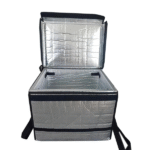
Der Seafood Guide recommends foam boxes or foil/bubble liners for insulation, leak proof packaging such as wax boxes or plastic coolers, and using refrigerants to maintain temperature. The type and amount of packaging depend on species, Menge, distance and mode of transport. Eco friendly materials should be considered to reduce environmental impact.
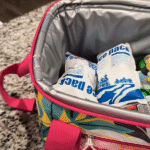
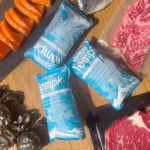
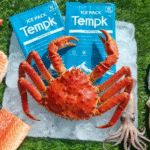
Kältemittel: Gelpackungen (Phasenwechselmaterialien) are common for perishables because they thaw without producing excess water. Wet ice works for short distances but requires drainage to collect meltwater. Trockeneis (Festes Kohlendioxid) is often used for frozen products; Jedoch, it can be hazardous and many shippers have strict regulations on its use.
Monitoring and traceability equipment
IoT-Sensoren und Datenlogger – Real-time monitoring across the entire cold chain is increasingly necessary. Leading operators deploy a network of IoT sensors in warehouses, trucks and last mile vehicles to track temperature, Luftfeuchtigkeit und Standort. Wenn eine Abweichung auftritt, alerts enable corrective actions before spoilage happens.
Integrierte Plattformen – Linking Warehouse Management Systems (WMS), Transportmanagementsysteme (TMS), Enterprise Resource Planning (ERP) and IoT dashboards provides end to end visibility. Such integration allows managers to track every pallet in real time, detect bottlenecks and simplify regulatory audits.
Fortschrittliche Thermoverpackung – Even with sensors, poor packaging can ruin shipments. Advanced cold chain companies use insulated containers, phase change materials and optimized pallet layering to maintain temperatures during multimodal transport. They test packaging under worst-case scenarios like high ambient heat or extended transit times to reduce risk.
Vorausschauende Routenplanung – AI-driven route planning anticipates traffic, weather and cold storage availability. Refrigerated trucks can be rerouted if sensors detect rising temperatures, preventing excursions.
Training and SOP enforcement – Technology alone cannot prevent errors if personnel aren’t trained. Szenariobasiertes Training, digital standard operating procedures and certification programs help staff handle temperature-sensitive products correctly.
Tisch 2 – Equipment and packaging options
| Equipment/packaging | Beschreibung | Example benefit |
| Schaumkästen / isothermal containers | Insulated boxes that minimise heat transfer; often combined with gel packs | Pflegen 0 °C–5 °C for fresh fish during overnight transport |
| Gelpackungen (Phasenwechselmaterialien) | Reusable packs that solidify at a specific temperature and release cold as they melt | Control temperature without excess water; safe for air freight |
| Nasses Eis | Traditionelles Eis, suitable for short trips when drainage is available | Provides rapid cooling; ideal for local deliveries |
| Trockeneis | Solid CO₂ used to keep frozen products below –18 °C | Maintains ultra-cold conditions for long-distance shipments |
| Data loggers/IoT sensors | Devices that record temperature, Luftfeuchtigkeit und Standort kontinuierlich überwachen | Provide real-time alerts and traceability for regulatory audits |
| Cold rooms and freezers | Refrigerated rooms for 0 °C–5 °C and frozen storage facilities at –18 °C or lower | Inhibit microbial growth and extend shelf life |
| Vakuumverpackung & modified atmosphere | Packages with reduced oxygen; extend shelf life and prevent freezer burn | Improve appearance, reduce oxidation and allow longer transport |
Practical tips for equipment selection
Bewerten Sie Ihre Bedürfnisse: Consider species, Menge, Transitzeit und Zielort. High-value products justify investment in IoT sensors and advanced packaging.
Validieren Sie die Ausrüstung: Calibrate thermometers and sensors regularly and keep service logs for audits.
Kombinieren Sie Lösungen: Use a combination of insulation, refrigerants and real-time monitoring. Zum Beispiel, gel packs with IoT sensors can maintain temperature and provide alerts.
Denken Sie an Nachhaltigkeit: Choose reusable packaging and eco-friendly materials to reduce waste. Solar-powered refrigeration units are emerging options for regions with limited electricity.
Praktischer Fall: An exporter used melting ice in insulated containers to maintain fish at 0 °C while employing IoT sensors for real-time tracking. Alerts allowed the team to adjust routing and avoid temperature deviations, reducing spoilage and increasing customer satisfaction.
How can you keep fish fresh during storage and transport?
Keeping seafood safe requires more than equipment; it demands disciplined processes.
Hygiene and sanitisation
Maintaining the hygiene of storage areas prevents cross-contamination. Cold rooms and equipment must undergo rigorous cleaning with approved products; Böden, Wände, shelves and utensils should be sanitised frequently. Operators must wear personal protective equipment and dispose of waste properly.
Compliance with health norms
Health standards establish requirements for installations, operational procedures and traceability. Companies that follow these rules demonstrate commitment to quality and consumer health. Keeping temperature and sanitisation records is especially important for exporters facing diverse international regulations.
Proper packaging and humidity control
Packaging must protect fish from contamination, humidity loss and physical damage. Use materials resistant to moisture and low temperatures; vacuum packaging and isothermal boxes can extend shelf life. Controlling humidity prevents drying or ice formation and preserves texture.
Monitoring and technology
Connected sensors and IoT systems enable real-time monitoring of temperature and humidity. Automatic warnings allow immediate corrective actions when conditions deviate. Such automation reduces human error, improves traceability and decreases waste.
Transport management
Refrigerated or frozen food vehicles must be validated periodically and maintain stable temperatures during the entire journey. Intelligent routing, thermal packaging and agile loading/unloading processes avoid thermal oscillations. A FIFO (Zuerst rein, Zuerst raus) strategy ensures that older stock is used first, reducing waste and managing expiry dates.
Mitarbeiterschulung und SOPs
Untrained staff can introduce critical errors. Provide scenario based training on reading temperature logs, responding to alerts and handling high-value inventory. Digital SOPs and gamified dashboards improve compliance and reduce human error.
Beispiel für reale Welt: Ein Exporteur von Meeresfrüchten erhielt FSSC 22000 certification after implementing continuous temperature and humidity monitoring with breach alerts that triggered immediate action. The system reduced waste and improved audit readiness.
2025 trends shaping seafood cold chain logistics
Die Kühlkettenlogistik entwickelt sich rasant weiter. New technologies and sustainability initiatives are changing how seafood is transported and stored.
AI-driven route optimisation and predictive analytics
Artificial intelligence enables real-time route adjustments based on traffic, Wetter- und Lieferfenster. This improves efficiency, reduziert den Kraftstoffverbrauch und erhöht die Liefertreue. Predictive Analytics prognostiziert die Nachfrage, anticipate equipment maintenance and detect high-risk shipments. AI-driven demand forecasting is especially valuable for seafood suppliers facing volatile catch volumes and changing consumer preferences.
Blockchain and end-to-end traceability
Blockchain is being integrated into cold chain operations to create immutable records of product journeys. This enhances transparency, stellt die Einhaltung der Lebensmittelsicherheitsvorschriften sicher und stärkt das Vertrauen der Verbraucher. Kombiniert mit IoT-Sensoren, blockchain can record temperature, location and handling conditions at each stage, providing verifiable proof for audits and claims.
Sustainable and lightweight packaging
Umweltfreundliche Materialien, such as biodegradable or recyclable insulation, are gaining traction to reduce waste. Leicht, Mit IoT-Sensoren ausgestattete isolierte Versandbehälter überwachen die Temperatur, Luftfeuchtigkeit und Standort in Echtzeit. Solar-powered refrigeration solutions are being deployed in regions with limited electricity access, reducing the environmental footprint while improving food security.
Real-time monitoring and end-to-end visibility
Continuous monitoring and real-time tracking are becoming standard. Advanced IoT devices provide real-time data on temperature, Luftfeuchtigkeit und Standort. Integrated platforms enable end-to-end visibility and allow immediate corrective actions. Real-time visibility enhances customer satisfaction by providing up-to-date information about their orders.
Automatisierung und Robotik
Cold chain facilities are adopting automated storage and retrieval systems (AS/RS) und Roboterhandhabung, um Arbeitskräftemangel zu beheben und die Effizienz zu verbessern. Automatisierte Systeme arbeiten kontinuierlich, reduce errors in inventory tracking and provide precise temperature control. Studien deuten darauf hin, dass ca 80 % der Lager sind noch nicht automatisiert, deutliches Wachstumspotenzial hervorheben.
Nachhaltigkeit als zentraler Wert
Umweltbedenken und strengere Vorschriften rücken Nachhaltigkeit in den Vordergrund der Kühlkettenlogistik. Energieeffiziente Kühlung, renewable energy sources and sustainable packaging reduce the carbon footprint and minimise waste. Sustainable practices also help companies comply with environmental regulations and avoid penalties.
Tisch 3 – Emerging trends and their practical significance
| Trend | Beschreibung | Was es für Sie bedeutet |
| Ai & Routenoptimierung | AI adjusts routes in real time based on traffic, weather and schedules | Reduce transit time, fuel costs and temperature deviations |
| Rückverfolgbarkeit der Blockchain | Unveränderliche Temperaturaufzeichnungen, Standort und Handhabung | Bauen Sie das Vertrauen der Verbraucher auf, simplify audits and respond quickly to recalls |
| Nachhaltige Verpackung & solar refrigeration | Eco-friendly materials and solar-powered units | Meet sustainability goals and reduce energy costs |
| IoT-enabled containers | Lightweight containers with sensors for temperature, Luftfeuchtigkeit und Standort | Continuous monitoring and improved shelf life |
| Automatisierung & Robotik | Automatisierte Lagerung, retrieval and handling systems | Niedrigere Arbeitskosten, reduce errors and maintain consistent temperatures |
| Integrated visibility & prädiktive Analytik | End-to-end IoT and AI platforms | Proactive management of risks, improved compliance and better demand forecasting |
Markteinsichten
International trade and retail expansion drive cold chain growth. According to MarketsandMarkets, the cold chain market is projected to reach USD 372 Milliarden von 2029, aufwärts von USD 228.3 Milliarden in 2024. Influencer-driven food trends and social media are also increasing demand for diverse seafood products. Die Region Asien-Pazifik, especially India, is poised for strong growth due to high dairy consumption and the expansion of quick service restaurants.
Häufig gestellte Fragen
Bei welcher Temperatur sollte frischer und gefrorener Fisch gelagert werden?? Zwischendurch sollte frischer Fisch aufbewahrt werden 0 °C und 5 °C, while frozen fish must remain at –18 °C oder kälter. Die Einhaltung dieser Temperaturen bewahrt den Geschmack und verhindert den Verderb.
Why is continuous monitoring necessary in the seafood cold chain? Continuous monitoring using data loggers or IoT sensors provides real-time alerts when temperature or humidity deviates. It enables immediate corrective actions and supports traceability.
What are the best packaging options for shipping seafood? Use insulated boxes with gel packs for fresh fish and dry ice for frozen products. Packaging should be moisture-resistant and provide a barrier to oxygen.
Do I need to follow HACCP if I only transport seafood? Ja. HACCP principles apply to all stages of the seafood supply chain, including storage and transport. HACCP helps identify hazards, establish critical control points and ensure food safety.
How does blockchain improve seafood traceability? Blockchain creates tamper-proof records of each step, from harvest to delivery. Gekoppelt mit IoT-Sensoren, it can document temperature and location, making audits easier and building consumer confidence.
Zusammenfassung und Empfehlungen
Key Takeaways: Maintaining the seafood cold chain requires precise temperature control (0–5 °C für frisch, ≤ –18 °C for frozen), adherence to regulations like HACCP, FSMA and EU hygiene rules, proper packaging and refrigerants, continuous monitoring and robust traceability systems. Emerging trends such as AI driven route optimisation, blockchain and sustainable packaging are transforming the industry. Hygiene, staff training and record keeping remain essential.
Aktionsplan:
Define your critical control points using HACCP and set up real-time monitoring at each stage.
Investieren Sie in die richtige Ausrüstung: Wählen Sie eine isolierte Verpackung, Gelpackungen oder Trockeneis, and IoT sensors for continuous monitoring. Kalibrieren Sie Geräte regelmäßig.
Implement integrated platforms to link your WMS, TMS and ERP, ensuring end-to-end visibility and simplified compliance.
Bleib konform: Review FSMA and EU requirements, maintain temperature logs and seek third party certification.
Umfassen Sie Innovation: Pilot AI route optimisation, blockchain traceability and sustainable packaging solutions to reduce waste and improve efficiency.
Über Tempk
Unternehmensprofil: Und Tempk, we specialise in sustainable cold chain solutions. Our insulated containers and phase change gel packs are engineered to keep seafood at 0 °C–5 °C for over 48 Std., while our dry ice alternatives maintain –18 °C for frozen products. We design reusable packaging made from recyclable materials, helping you cut costs and reduce environmental impact. Mit einem R&D centre focused on innovative refrigerants, we continuously improve performance and safety.
Warum sollten Sie sich für uns entscheiden?? We offer a full suite of temperature-sensitive packaging, IoT-enabled monitoring devices and compliance services. Our experts help you implement HACCP, FSMA and EU requirements, and we provide training to ensure your team handles seafood safely. We also offer custom solutions for mixed-temperature shipments and long-distance exports. To learn how our products can protect your seafood and elevate your cold chain, Kontaktieren Sie unser Team für eine Beratung.