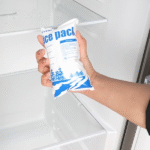
Schmelzen Trockeneisbacken? Verständnis von Trockeneis -Sublimation in kalter Kette
Many people ask, “Schmelzen Trockeneisbeutel??” Die Wahrheit ist, Trockeneisbeutel don’t melt, but they Sublimat, transitioning directly from a solid to a gas without becoming liquid. This unique property makes dry ice a powerful tool in cold chain logistics. In diesem Artikel, we will explore how dry ice behaves, how it differs from regular ice, and its role in temperature-sensitive shipments.
-
How dry ice sublimates and why it doesn’t melt
-
Key differences between dry ice and regular ice
-
Benefits of using dry ice packs in cold chain logistics
-
When to use dry ice versus traditional ice for shipping
-
The safety considerations and best practices for handling dry ice
Wie funktioniert Trockeneis??
Trockeneis schmilzt nicht, Es untermauert. This means that when dry ice is exposed to air, Es changes directly from a solid to carbon dioxide gas, without ever becoming liquid. This sublimation process creates a very cold temperature, which makes dry ice ideal for freezing or maintaining the temperature of products during shipping.
Im Gegensatz zu normalem Eis, which can turn into water, dry ice maintains its solid form as it evaporates. This property makes dry ice highly useful in the Kaltkettenindustrie, where maintaining precise temperatures is crucial.
Trockeneis vs. normales Eis
| Eigentum | Trockeneis | Normales Eis | Implikation |
|---|---|---|---|
| State Change | SULBLIMATE (fest bis gasförmig) | Schmilzt (solid to liquid) | Dry ice maintains a colder temperature for longer |
| Temperatur | -78.5°C (-109.3° F) | 0°C (32° F) | Dry ice is much colder, suitable for maintaining frozen goods |
| Verwendung | Best for long-term freezing | Best for short-term cooling | Dry ice is ideal for sensitive shipments like food or medicine |
Why Doesn’t Dry Ice Melt?
Dry ice doesn’t melt because it doesn’t go through the liquid phase at standard atmospheric pressure. Wie es sublimiert, it transforms into Kohlendioxidgas rather than turning into liquid water like regular ice. The absence of a liquid phase means that dry ice remains solid at its sublimation point, making it an efficient cooling agent for temperaturempfindliche Produkte.
This unique property of dry ice makes it a reliable cooling solution, Besonders für transporting frozen foods, medizinische Versorgung, Und biologische Materialien die eine präzise Temperaturregelung erfordern.
Sublimation Process of Dry Ice
-
Sublimationsrate: Dry ice sublimates at a rate of about 5–10 Pfund pro Tag depending on temperature and packaging.
-
No Liquid Water: Im Gegensatz zu normalem Eis, dry ice doesn’t leave behind water or cause condensation, which is beneficial for products sensitive to moisture.
-
Kühldauer: Dry ice can maintain ultra-low temperatures (around -78.5°C or -109.3°F), making it ideal for shipping perishable items.
When to Use Dry Ice vs Traditional Ice Packs?
Both dry ice and traditional ice have their uses in the cold chain industry, but knowing when to use each can help optimize shipping costs and product safety.
-
Trockeneis: Best for maintaining subzero temperatures für extended periods. It is ideal for gefrorene Produkte, medizinische Proben, Und biologische Materialien.
-
Normale Eisbeutel: Ideal für short-term cooling needs oder Kühlgüter that don’t require the extreme low temperatures provided by dry ice.
Comparison of Dry Ice and Regular Ice for Shipping
| Faktor | Trockeneis | Normales Eis | Bester Anwendungsfall |
|---|---|---|---|
| Temperatur | -78.5°C (-109.3° F) | 0°C (32° F) | Dry ice for frozen foods and sensitive pharmaceuticals |
| Sublimation vs. Schmelzen | Sublimates zu Gas, Keine Flüssigkeit | Schmilzt in Wasser | Dry ice doesn’t leave water or condensation, ideal for wet-sensitive products |
| Dauer | Hält länger (bis zu 48 Std.) | Kürzere Dauer (6-12 Std.) | Dry ice for long-distance or time-sensitive shipments |
Benefits of Using Dry Ice Packs in Cold Chain Logistics
Dry ice is an indispensable tool in cold chain logistics for several reasons:
-
Längere Kühldauer: Trockeneis liefert lang anhaltende Kühlung power for shipping frozen or temperature-sensitive products.
-
Keine Wasserrückstände: Im Gegensatz zu normalem Eis, dry ice doesn’t leave behind moisture, which is crucial for goods that are sensitive to water exposure.
-
Niedrigere Temperaturen: It can reach temperatures well below the freezing point of water, ensuring products stay frozen Für längere Zeiträume.
These benefits make dry ice the go-to choice for industries like pharmaceuticals, Essen, und Biotechnologie, where temperature control is critical.
Safety Considerations for Using Dry Ice
Während Trockeneis offers numerous benefits, it’s essential to handle it with care to avoid health risks. Because dry ice sublimates into carbon dioxide gas, it can lead to suffocation in poorly ventilated areas. Always ensure that dry ice is transported in well-ventilated spaces Um CO₂ -Aufbau zu verhindern.
Sicherheits -Tipps für den Umgang mit Trockeneis
-
Tragen Sie Schutzhandschuhe to handle dry ice and avoid frostbite.
-
Stellen Sie eine ordnungsgemäße Belüftung sicher during transportation to avoid CO₂ buildup in enclosed spaces.
-
Lagern Sie Trockeneis in isolierten Behältern to minimize sublimation and reduce the risk of gas leakage.
Beispiel für echtes Leben: In a recent case, a pharmaceutical company used dry ice to maintain a steady -80°C during the transportation of life-saving vaccines across a 48-hour journey. By carefully packaging the dry ice, the vaccines remained frozen without any damage due to melting or moisture.
2025 Trends bei der Verwendung von Trockeneis für kalte Kettenlogistik
In 2025, Die demand for dry ice In Kaltkettenlogistik wächst weiter. New innovations in nachhaltige Verpackung Und temperature monitoring technology are making it easier and more cost-effective to ship with dry ice.
Jüngste Entwicklungen
-
Umweltfreundliche Verpackung: Companies are integrating Biologisch abbaubare Materialien into dry ice shipping containers to reduce environmental impact.
-
Intelligente Verpackungslösungen: Temperature sensors and real-time tracking are becoming more common in dry ice-based shipments to ensure temperature stability.
Markteinsicht: The rise in demand for temperaturempfindliche Arzneimittel has increased the use of dry ice for long-distance shipments, contributing to a 15% Wachstum in dry ice sales in the cold chain sector.
Häufig gestellte Fragen {#FAQ}
Q: Can dry ice be stored in an airtight container?
NEIN, dry ice should never be stored in an airtight container, as it can build up pressure and potentially cause the container to explode. Always use containers that allow gas to escape.
Q: Is dry ice safe for shipping perishable foods?
Ja, dry ice is ideal for shipping Tiefkühlkost, especially those that need to stay below freezing temperatures for long periods.
Q: How long does dry ice last in a shipping container?
Trockeneis kann bis zu dauern 48 Std. Abhängig von der verwendeten Menge und Isolierung. Für längere Sendungen, dry ice will need to be replenished.
Zusammenfassung & Imbiss
Trockeneis schmilzt nicht, Es sublimiert direkt in Gas. This makes it an excellent cooling solution für long-term freezing Und temperaturempfindliche Güter. Dry ice is the preferred choice for industries that need to ship frozen products, Arzneimittel, oder biologische Materialien.
Nächste Schritte
-
Bewerten Sie Ihren Versandbedarf: If you’re shipping frozen goods for extended periods, dry ice is the right choice.
-
Ensure safe handling: Always use proper ventilation and wear protective gear when handling dry ice.
-
Kontakt tempk for custom Kaltkettenlösungen and ensure your products stay at the right temperature during transit.
Über Tempk
Tempk ist führend in Kaltkettenlösungen, spezialisiert auf Trockeneisbeutel, Gelpackungen, und angepasste temperaturgesteuerte Verpackung. We provide businesses with reliable, umweltfreundlich, and cost-effective solutions for shipping sensitive goods.
Looking for a cold chain solution? Kontakt tempk for expert advice and custom solutions tailored to your needs.