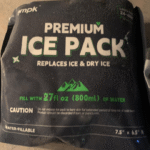
Trockeneis gegen Gelpackungen: Das dauert länger in der Kaltkette Versand?
Wenn es um Versandtemperaturempfindungen geht, understanding which refrigerant—Trockeneis oder Gelpackungen—lasts longer is crucial for ensuring the safe delivery of goods. In diesem Artikel, Wir werden die wichtigsten Unterschiede zwischen diesen beiden Kühlmethoden aufschlüsseln, ihre Langlebigkeit, und die Szenarien, in denen jedes für den Einsatz in der Kühlkettenlogistik am besten geeignet ist. Mit entsprechendem Wissen, Sie können fundierte Entscheidungen treffen, um sicherzustellen, dass Ihre Produkte ihr Ziel mit der erforderlichen Temperatur erreichen.
-
Was ist Trockeneis, und wie funktioniert das beim Versand??
-
Im Vergleich zu Trockeneis bieten Gel-Packs langanhaltende Kühlung?
-
Welche Kühllösung ist für unterschiedliche Versandbedingungen besser geeignet??
-
Was sind die neuesten Trends in der Kühlkettenlogistik? 2025?
Was ist Trockeneis?, und wie funktioniert es beim Versand??
Trockeneis ist die feste Form von Kohlendioxid (Co₂) that sublimates directly from a solid state into a gas at a temperature of -78.5°C (-109.3° F). This ultra-low temperature makes dry ice an excellent option for maintaining extremely cold temperatures during the shipment of perishable items such as pharmaceuticals, Biologische Proben, und gefrorene Lebensmittel.
Dry ice works through sublimation, which means it transforms from a solid directly into gas, absorbing significant amounts of heat. It is particularly effective when used with proper insulation, helping shipments maintain freezing conditions for long durations. Dry ice is commonly used for shipments requiring deep-freezing, wie Impfstoffe, Eiscreme, und Fleisch, due to its ability to maintain temperatures well below freezing.
Trockeneis gegen Gelpackungen: Wie lange dauert Trockeneis??
Dry ice has a longer cooling duration compared to many alternatives, einschließlich Gelpackungen, thanks to its extremely low temperature. Durchschnittlich, Trockeneis kann überall von dauern 18 Zu 72 Std., depending on various factors like the amount of dry ice used, die Verpackung, and the insulation involved.
| Faktor | Trockeneisdauer | Gel Pack Duration | Praktische Bedeutung |
|---|---|---|---|
| Versanddauer | 18-72 Std. | 12-48 Std. | Longer durations for dry ice |
| Produkttyp | Pharmazeutika, Essen | Snacks, medizinische Proben | Best suited for medical goods |
| Temperaturregelung | -78.5°C | 0° C bis 5 ° C. | Dry ice provides colder temperatures |
Schlüsseleinsicht: Dry ice lasts longer than gel packs, especially for products requiring low temperatures over extended periods.
Was sind Gelpackungen?, and How Do They Compare to Dry Ice?
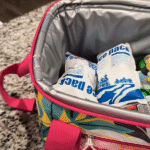
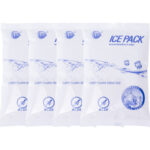
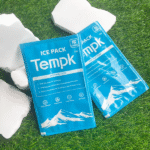
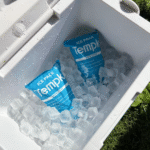
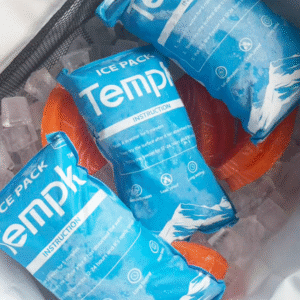
Gel packs are flexible pouches filled with a gel solution that freezes at temperatures around 0°C. These are typically used for products that require refrigeration but not freezing, wie frische Produkte, Molkerei, und bestimmte Medikamente.
Although gel packs are convenient for short-term shipping, they do not last as long as dry ice. Gel packs are better for shipments requiring a mild, controlled temperature range (usually between 1°C and 5°C). While they are reusable and cost-effective for short-term cooling, they lack the ultra-low temperature capabilities of dry ice.
How Do Gel Packs Compare to Dry Ice for Long-Lasting Cooling?
Gel packs are a more affordable option, especially for short shipments, but they are not as effective as dry ice for long-term cooling. Dry ice is ideal for shipments that require sustained low temperatures, whereas gel packs work best for products that only need to remain cool for a few hours or a day.
| Vergleichsaspekt | Trockeneis | Gelpackungen |
|---|---|---|
| Temperatur | -78.5°C | 0° C bis 5 ° C. |
| Dauer | 18-72 Std. | 12-48 Std. |
| Ideale Verwendung | Pharmazeutika, Tiefkühlkost | Gekühlte Lebensmittel, Snacks |
Schlüsseleinsicht: For shipments requiring prolonged refrigeration or freezing, dry ice is a superior option. Gel packs are more suitable for shorter durations and moderate cooling needs.
Which One Is More Suitable for Different Shipping Conditions?
Choosing between dry ice and gel packs depends on the specific conditions of your shipment. Dry ice is ideal for products that need to remain frozen, wie Pharmazeutika, Biologische Proben, und Tiefkühlkost. For long-distance shipments that span multiple time zones, dry ice is often the best solution.
Im Gegensatz, gel packs are a better choice for items that need to remain cool but not frozen. Zum Beispiel, Schokolade, Kosmetika, and certain medications benefit from gel packs as they offer a gentle and controlled cooling effect over short distances.
Praktischer Tipp: For long-distance shipping across several time zones, dry ice will maintain the necessary sub-zero temperatures. For products that only need to stay cool for a short time, gel packs paired with insulation may be sufficient.
2025 Neueste Trends in der Kaltkette Versand
The cold chain logistics industry is continually evolving, with advancements in technology and sustainability driving changes in how products are shipped.
Emerging Technologies in Temperature Control
-
Intelligente Temperatursensoren: These sensors can be incorporated into both dry ice and gel pack shipments to provide real-time monitoring of temperature fluctuations during transit.
-
Phasenwechselmaterial (PCMs): These materials are becoming increasingly popular as they offer more controlled and stable temperature management over extended periods.
Markteinblicke für 2025
-
Sustainability Demand: There is an increasing demand for eco-friendly cooling solutions in the logistics industry. Während Trockeneis wirksam ist, it has a higher environmental impact due to its energy-intensive production. Infolge, companies are exploring more sustainable alternatives such as biodegradable gel packs and phase change materials (PCMs).
-
Increased Adoption of Gel Packs: With sustainability becoming a primary focus, Gelpackungen, which are reusable and environmentally friendly, are expected to see greater adoption for short-term temperature-sensitive shipments.
Häufig gestellte Fragen
Q1: Wie lange dauert Trockeis während des Versands??
Dry ice typically lasts anywhere from 18 Zu 72 Std., depending on the amount used and the quality of insulation.
Q2: Sind Gelpakete wiederverwendbar?
Ja, many gel packs are reusable. They can be refrozen after use, but their cooling efficiency may degrade over time.
Q3: Can I ship pharmaceuticals with gel packs?
Gel packs are suitable for pharmaceuticals that require refrigeration but not freezing. For medications needing sub-zero temperatures, dry ice is recommended.
Abschluss & Empfehlungen
Abschließend, dry ice is best for shipments that require sustained low temperatures over longer durations, wie Pharmazeutika, gefrorenes Essen, und biologische Proben. Gelpackungen, while more cost-effective and environmentally friendly, are ideal for short-term shipments and items that need to remain cool but not frozen.
Empfohlene Aktionen:
-
Für Fernsendungen: If you’re shipping items that need consistent sub-zero temperatures, use dry ice with high-quality insulation.
-
Für Kurzstreckensendungen: Für Produkte wie Schokolade, Kosmetika, or certain food items, gel packs are sufficient and more sustainable.
-
For Eco-Conscious Shipping: Explore sustainable alternatives like PCMs that offer improved performance and minimal environmental impact.
Über TempK
TEMPK ist ein führender Anbieter von Kaltketten -Logistiklösungen, offering both dry ice and gel pack options tailored to your specific needs. We specialize in ensuring temperature-sensitive shipments reach their destinations in optimal condition. With advanced insulation technologies and reliable delivery systems, we are here to provide the best temperature control for your products.
Weitere Informationen, contact us today for expert advice on the most suitable cooling method for your next shipment.