Hersteller von EPP-Boxen: Das Beste für die Kühlkette auswählen
Aktualisiert: November 30 2025
Einführung:
Wenn Sie mit temperaturempfindlichen Gütern arbeiten, das Recht Hersteller von EPP-Boxen kann Ihre Kühlkette beeinflussen oder unterbrechen. Erweiterter Polypropylen (EVP) Boxen bieten eine hervorragende Isolierung, Haltbarkeit und Nachhaltigkeit im Vergleich zu herkömmlichen Schaumstoffen. Sie werden für Impfstoffe verwendet, frische Lebensmittel und hochwertige Laborproben, und die 2025 Der Markt bietet mehr Möglichkeiten als je zuvor. Dieser Ratgeber erklärt, was EPP-Boxen so besonders macht, wie man einen Hersteller auswählt und auf welche Trends man achten sollte 2025. Am Ende, Sie können sicher einen Verpackungspartner auswählen und Ihre Ladung schützen.
Wie EPP-Boxen EPS und andere Materialien bei der Wärmedämmung übertreffen, Festigkeit und Recyclingfähigkeit.
Wie ein zuverlässiger Hersteller von EPP-Boxen Ihnen durch Wiederverwendbarkeit und reduzierte Schadensersatzansprüche Geld sparen kann.
Welche Kriterien sind beim Vergleich von EPP-Herstellern zu verwenden?, inklusive Zertifizierung, Individualisierung und Nachhaltigkeit.
Welche Innovationen, wie IoT-Tracking und Hybridisolierung, prägen die Kühlkettenbranche in 2025.
Was macht EPP-Boxen ideal für die Kühlkettenlogistik??
Direkte Antwort:
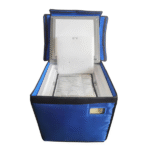
EPP-Boxen werden aus expandierten Polypropylenperlen geformt, ein leichtes und dennoch robustes Material mit geringer Wärmeleitfähigkeit. Ihre geschlossenzellige Struktur schließt Lufteinschlüsse ein, Begrenzung der Wärmeübertragung und Bereitstellung einer hervorragenden Isolierung. Sie halten großen Temperaturbereichen stand (−40 °C bis +110 °C), widerstehen Chemikalien und Feuchtigkeit, und nach dem Aufprall zurückprallen. Im Vergleich zu EPS oder EPE, EPP-Boxen sind wiederverwendbar, vollständig recycelbar und bewahren die strukturelle Integrität über Hunderte von Zyklen hinweg.
Erweiterte Erklärung:
Stellen Sie sich eine EPP-Box als eine High-Tech-Thermoskanne für Ihre Produkte vor. Im Gegensatz zu Einweg-Schaumstoffkartons, die nach einmaligem Gebrauch platzen, Der Perlenschaum von EPP federt wie ein Memory-Kissen. Seine Dichte kann individuell zwischen 15 und 100 kg/m³ eingestellt werden, Gewicht und Kraft in Einklang bringen. Eine EPP-Box übersteht Gabelstaplerstöße bzw 6 ft fällt mit minimaler Verformung ab, Damit ist es ideal für raue Schifffahrtsrouten. Die Recyclingfähigkeit von EPP unterstützt die Kreislaufwirtschaft: Ausrangierte Kisten werden zu Pellets gemahlen und zu neuen Teilen aufgeschäumt. Dies reduziert Verschwendung und stimmt mit überein 2025 Nachhaltigkeitsziele. Darüber hinaus, EPP ist resistent gegen Schimmel und Bakterien, Gewährleistung der Hygiene bei Lebensmittel- und Pharmafracht.
Wie werden EPP-Boxen hergestellt??
EPP-Boxen beginnen mit der Polymerisation von Polypropylenharz von Lieferanten wie LyondellBasell oder SABIC. Das Harz wird mit einem Treibmittel versetzt und zu winzigen Perlen expandiert. Nach der Alterung zur Stabilisierung des Innendrucks, Die Perlen werden ohne Bindemittel in eine Form gedämpft. Durch Kühlung und kontrolliertes Auswerfen bleibt die Formstabilität erhalten. Die resultierende Box vereint Steifigkeit und Elastizität. Hersteller können die Perlendichte variieren, Fügen Sie Graphit hinzu, um die Isolierung zu verbessern, oder integrieren Sie Vakuumpaneele für Hybridleistung.
| Schlüsselattribut | EPP -Boxen | EPS / EPE-Boxen | Praktische Auswirkungen |
| Wärmeleitfähigkeit | Sehr niedrig (geschlossenzellige Lufteinschlüsse) | Höher, mehr Wärmeübertragung | Eine längere Temperaturerhaltung reduziert den Bedarf an zusätzlichem Kühlmittel |
| Schlagfestigkeit | Hohe Belastbarkeit; nimmt nach dem Herunterfallen wieder seine Form an | Spröde; reißt leicht | Weniger Produktschäden beim Transport |
| Temperaturbereich | −40 °C bis +110 °C | Typischerweise −20 °C bis +80 °C | Geeignet zum Einfrieren, Kühl- und Umgebungsware |
| Wiederverwendbarkeit | 100 % recycelbar und übersteht Hunderte von Zyklen | Meist einmaliger Gebrauch; schwierig zu recyceln | Niedrigere langfristige Kosten und weniger Abfall |
| Gewicht | Leicht; einstellbare Dichte | Abhängig von der EPS-Sorte ähnlich oder schwerer | Spart Frachtkosten |
Praktische Tipps und Ratschläge
Passen Sie die Dichte an die Ladung an: Verwenden Sie EPP mit hoher Dichte für schwere Nutzlasten wie Impfstoffe oder Meeresfrüchte; Wählen Sie mittlere Dichte für Essenssets oder E-Commerce-Bestellungen.
Kombinieren Sie es mit Phasenwechselmaterialien: Kombinieren Sie EPP-Boxen mit Gel-Packs oder PCMs, um über 48–96 Stunden stabile Bereiche von 2–8 °C oder −18 °C aufrechtzuerhalten.
Reinigen und wiederverwenden: Desinfizieren Sie die Kartons nach jedem Zyklus. Die Wasserbeständigkeit von EPP ermöglicht das Waschen, ohne Feuchtigkeit aufzunehmen.
Verantwortungsbewusst recyceln: Am Ende des Lebens, Mahlen Sie Kisten zu Pellets und führen Sie sie dem Recyclingprogramm des Herstellers zurück, um die Kreislaufwirtschaft zu unterstützen.
Tatsächlicher Fall: Ein Logistikunternehmen für Meeresfrüchte reduzierte Schadensersatzansprüche 12 % Zu 0.3 % nach der Umstellung auf die verstärkten EPP-Boxen von Tempk. Die Kartons überstanden den Aufprall eines Gabelstaplers und hielten die Temperatur für einen dreitägigen Seetransport aufrecht, Dadurch ersparen wir dem Kunden Tausende an Schadensersatzstrafen.
So wählen Sie einen zuverlässigen Hersteller von EPP-Boxen aus?
Direkte Antwort:
Die Auswahl des richtigen EPP-Box-Herstellers erfordert die Bewertung der technischen Kompetenz, Qualitätszertifizierungen, Anpassungsmöglichkeiten und Supportdienste. Suchen Sie nach Lieferanten mit ISO 9001 und GMP-Zertifizierungen, nachgewiesene Erfahrung in Kühlkettenanwendungen und die Fähigkeit, die Kartonabmessungen anzupassen, Dichten und Zubehör. Ein namhafter Hersteller stellt Muster zur Verfügung, Validierungsdaten und Support nach dem Verkauf.
Erweiterte Erklärung:
Nicht alle Anbieter von EPP-Boxen sind gleich. Bewerten Sie zunächst die Erfolgsbilanz des Herstellers: Servieren sie Pharma?, Frischlebensmittel- und Biotech-Kunden? Sehen Sie sich Fallstudien an und fragen Sie nach Leistungsdaten wie ISTA-Falltestergebnissen oder 96-Stunden-Temperaturprofilen. Überprüfen Sie die Einhaltung gesetzlicher Standards wie FDA- und WHO-Richtlinien und bestätigen Sie, dass die Materialien lebensmittelecht sind. Entdecken Sie Anpassungsoptionen – einige Hersteller, wie Tempk, Vakuumpaneele integrieren, NFC-Logger und modulare Einsätze für Fläschchen oder Fischtabletts. Bewerten Sie die Produktionskapazität und die Durchlaufzeiten der Fabrik. Globale Lieferkettenunterbrechungen in 2025 haben den Bedarf an agilen Partnern unterstrichen, die schnell skalieren können.
Fragen an potenzielle Lieferanten
Welche thermische Leistung können Sie garantieren?? Fragen Sie nach validierten Haltezeiten (Z.B., 96 Stunden bei 2–8 °C) und fordern Sie die zugrunde liegenden Testprotokolle an.
Bieten Sie Hybridisolierung an?? Durch die Kombination von EPP mit Vakuumpaneelen oder Phasenwechselmaterialien können die Haltezeiten auf fünf Tage verlängert werden.
Wie viele Zyklen hält die Box aus?? Hochwertige EPP-Boxen sollten mindestens standhalten 500 Zyklen wiederverwenden.
Welche Anpassungsmöglichkeiten gibt es?? Erkundigen Sie sich nach Größen, Dichten, Einsätze, Deckel und Branding. Ein Hersteller sollte sich an Ihre Lieferkette anpassen, anstatt eine einheitliche Lösung zu erzwingen.
Was ist Ihr Recyclingprogramm?? Verantwortungsbewusste Hersteller akzeptieren zurückgegebene Kartons und verarbeiten recyceltes Material in neue Produkte.
Praktische Tipps und Ratschläge
Fordern Sie Muster an: Testboxen unter realen Bedingungen (Tropfen, Luftfeuchtigkeit, Temperatur) bevor Sie sich zu Großaufträgen verpflichten.
Auditieren Sie die Fabrik: Wenn möglich, Besuchen Sie uns oder vereinbaren Sie einen virtuellen Rundgang, um sich die Dampfformanlagen und Qualitätskontrollprozesse anzusehen.
Zertifizierungen überprüfen: Bestehen Sie auf ISO 9001, ISO 14001 und alle branchenspezifischen Zulassungen. Zertifizierungen sind Signale für gleichbleibende Qualität.
Vergleichen Sie die Gesamtbetriebskosten: Berechnen Sie die Kosten pro Sendung über fünf Jahre, Berücksichtigung der Haltbarkeit, Arbeit zum Waschen, und Austauschhäufigkeit. Wiederverwendbares EPP gewinnt oft trotz höherer Vorabkosten.
Tatsächlicher Fall: Ein Pharmahändler senkte die Bußgelder wegen Verderb 100 % nach dem Umzug in GMP-zertifizierte EPP-Boxen, die 2–8 °C standhalten 72 Std.. Das leichte Design der Kartons reduzierte die Frachtkosten um 19 %, und ihre schachtelbare Struktur spart Lagerraum.
Wie Hersteller von EPP-Boxen verschiedene Branchen bedienen
Direkte Antwort:
Hersteller von EPP-Boxen beliefern Branchen wie das Gesundheitswesen und die Lebensmittelbranche, den E-Commerce und Labore mit Verpackungen. In jeder Branche, die thermische Stabilität der Boxen, Stoßfestigkeit und Nachhaltigkeit führen zu einer besseren Produktqualität und geringeren Logistikkosten.
Erweiterte Erklärung:
Für pharmazeutische Kühlketten, EPP-Boxen dienen als Hitzeschild, Beibehaltung einer Temperatur von 2–8 °C oder –20 °C für 48–72 Stunden. Dies verhindert Temperaturschwankungen, die Impfstoffe beeinträchtigen können, Biologika und Diagnosekits. Die Wiederverwendbarkeit entspricht den GMP-Anforderungen und reduziert gefährliche Abfälle. Im frischen Lebensmittelsektor, EPP mit hoher Dichte hält –18 °C für gefrorene Meeresfrüchte oder 0–4 °C für Produkte bei mehrtägigen Lieferungen aufrecht. Meal-Kit-Dienste nutzen leichte Kartons, um die Versandkosten zu senken und gleichzeitig die Salate knackig zu halten. Für Labore, Die stoßfesten EPP-Behälter schützen empfindliche Proben und sorgen für eine kontrollierte Luftfeuchtigkeit, Gewährleistung der Probenintegrität.
Branchenspezifische Überlegungen
| Industrie | Typischer Temperaturbereich | Besondere Merkmale | Nutzen Sie Ihnen |
| Pharmazeutika & Biologika | 2–8 °C oder –20 °C | Validierte Haltezeiten, Fläschcheneinsätze, Optionen zur Rückverfolgbarkeit | Gewährleistet die Einhaltung gesetzlicher Vorschriften und die Patientensicherheit |
| Frisches Essen & Mahlzeiten | 0–4 °C oder –18 °C | Stapelbare Boxen, Feuchtigkeitsbeständigkeit, Hybridisolierung | Bewahrt Geschmack und Textur, reduziert die Rendite |
| Meeresfrüchte & Fleischexport | –20 °C | Robuste Deckel, rutschfeste Oberflächen, Falltest-Zertifizierung | Minimiert Verderb und Schäden beim internationalen Transport |
| Labor & Diagnose | –70 °C oder 15–25 °C | Temperaturlogger, Beschriftungsfeld, manipulationssichere Siegel | Hält die Lebensfähigkeit der Proben und die Lieferkette aufrecht |
| E-Commerce & Lebensmittel | Abwechslungsreich | Faltbare oder zusammenklappbare Designs, Branding | Verbessert das Auspackerlebnis und reduziert den Speicherplatzbedarf |
Praktische Tipps und Ratschläge
Pharma: Kombinieren Sie EPP mit Gelpackungen oder Trockeneis, um Bereiche unter Null zu erreichen; Stellen Sie sicher, dass Kartons über Rückverfolgbarkeitsfunktionen wie NFC-Tags verfügen.
Mahlzeiten: Verwenden Sie modulare Einsätze, um Zutaten zu trennen und Kreuzkontaminationen zu reduzieren. Erwägen Sie ein farbenfrohes Branding, um die Kundenzufriedenheit zu steigern.
Export von Meeresfrüchten: Kühlboxen vorkühlen, um die Kühlmittelbelastung zu reduzieren und tagelang eine Temperatur von –18 °C aufrechtzuerhalten.
Labore: Wählen Sie Kästen, die einen schnellen Zugriff und ein Wiederverschließen ermöglichen, um die Exposition während der Probenahme zu begrenzen.
Tatsächlicher Fall: Ein Impfstoffhändler meldete Temperaturschwankungen von über Null 20 Monate nach der Umstellung auf EPP-Medizinboxen. Ein Unternehmen für Bio-Essenssets verbesserte seine Kundenzufriedenheitsrate auf 98 % durch den Einsatz maßgeschneiderter EPP-Boxen mit Trenneinlagen und Hybridisolierung.
2025 Trends und Innovationen in der Herstellung von EPP-Boxen
Trendübersicht:
Die globale Kühlkettenbranche boomt: Märkte und Märkte gehen davon aus, dass sein Wert vom USD aus steigen wird 228.3 Milliarden in 2024 in USD 372.0 Milliarden von 2029. Dieses Wachstum wird durch die steigende Einzelhandelsnachfrage vorangetrieben, grenzüberschreitender Handel und steigender Verbrauch verderblicher Waren. In der Verpackung, Es wird erwartet, dass der Markt USD erreichen wird 89.84 Milliarden von 2034, wächst bei 11.3 % jährlich. EPP-Hersteller reagieren darauf mit der Einführung neuer Technologien und nachhaltiger Designs.
Aktuelle Fortschrittsübersicht
Intelligente Sensoren und IoT: EPP-Boxen werden mit RFID-Tags und Temperaturloggern ausgestattet, die Echtzeitdaten liefern. KI-Algorithmen prognostizieren mögliche Abweichungen und optimieren Lieferrouten, während IoT-Sensoren Feuchtigkeit und Stöße überwachen.
Hybridisolierung: Durch die Kombination von EPP mit vakuumisolierten Paneelen und Phasenwechselmaterialien werden die Haltezeiten verlängert 5 Tage. Dies ist für den Langstreckentransport von entscheidender Bedeutung und gewährleistet 96+ Stunden Stabilität.
Automatisierung und digitale Fertigung: CNC-Bearbeitung und 3D-Modellierung ermöglichen maßgeschneiderte Designs, während Robotik Produktionslinien rationalisiert, Verbesserung der Konsistenz und Reduzierung der Arbeitskosten.
Nachhaltigkeitsinitiativen: Hersteller investieren in Recyclingprogramme und biologisch abbaubare Materialien. Der Markt für wiederverwendbare Kühlkettenverpackungen wird voraussichtlich ab USD wachsen 4.97 Milliarden in 2025 in USD 9.13 Milliarden von 2034. Unternehmen experimentieren mit Schäumen auf Algenbasis und kompostierbarer Isolierung, um den CO2-Fußabdruck zu verringern.
KI-gestützte Routenoptimierung: Logistikdienstleister nutzen KI, um Routen basierend auf Verkehr und Wetter anzupassen, Dadurch wird der Kraftstoffverbrauch gesenkt und sichergestellt, dass die Lieferungen innerhalb der Temperaturspezifikationen bleiben.
Blockchain zur Rückverfolgbarkeit: Einige Hersteller von EPP-Boxen integrieren Blockchain-Aufzeichnungen, sodass die Reise jeder Box unveränderlich aufgezeichnet wird, Erhöhung der Transparenz der Lieferkette.
Markteinsichten:
Mehrweg- und Mehrwegverpackungssysteme erweisen sich als wichtige Chancen für EPP-Hersteller. Nordamerikas größte Einzelhändler und Lebensmittelketten setzen auf Kisten und Isolierbehälter aus EPP-Schaumstoff, um die Omnichannel-Logistik zu unterstützen. Wiederverwendbare Systeme reduzieren den Abfall und werden jetzt mit USD bewertet 2.5 Milliarde, wird sich voraussichtlich verdoppeln 2033. Der Pharmasektor im asiatisch-pazifischen Raum wird voraussichtlich schnell wachsen, treibende Nachfrage nach fortschrittlichen Kühlkettenverpackungen. In Entwicklungsregionen, Investitionen in die Kühlketteninfrastruktur werden neue Märkte für EPP-Boxen eröffnen. In der Zwischenzeit, Nachhaltigkeitsvorschriften in Europa ermutigen Unternehmen, recycelbare und wiederverwendbare Verpackungen einzuführen, zunehmende Akzeptanz der EVP.
Häufig gestellte Fragen
Frage 1: Wie lange halten EPP-Boxen die Temperatur??
Hochwertige EPP-Boxen können den Inhalt 48–96 Stunden lang bei 2–8 °C bzw. −18 °C aufbewahren, je nach Kartongröße, Kühlmittel und Umgebungsbedingungen. Einige Hybriddesigns verlängern dies auf fünf Tage.
Frage 2: Können EPP-Boxen wiederverwendet werden??
Ja. EPP-Schaum ist langlebig und prallt nach Stößen zurück. Boxen namhafter Hersteller können mehrfach wiederverwendet werden 500 Zyklen und sind 100 % recycelbar.
Frage 3: Sind EPP-Boxen für Lebensmittel und Arzneimittel sicher??
EPP ist chemisch inert, wasserbeständig und fördert keine Schimmelbildung. Hersteller sollten Materialien in Lebensmittelqualität verwenden und GMP-Standards einhalten. Fordern Sie immer eine Zertifizierung an.
Frage 4: Wie sind die Kosten für EPP-Boxen im Vergleich zu EPS??
EPP-Boxen haben einen höheren Vorabpreis, aber niedrigere Lebenszeitkosten. Über drei Jahre, Sie sparen Ersatzbeschaffungen und Verderbstrafen. Ein Kostenrechner kann dabei helfen, die Gewinnschwelle zu ermitteln.
Frage 5: Worauf sollte ich bei einem EPP-Box-Hersteller achten??
Suchen Sie nach Zertifizierungen, validierte Leistungsdaten, Anpassungsmöglichkeiten, Recyclingprogramme und reaktionsschneller Support. Stellen Sie sicher, dass sie Ihr Volumen und Ihre Lieferpläne bewältigen können.
Zusammenfassung und Empfehlungen
Key Takeaways:
EPP-Boxen übertreffen aufgrund ihrer Isolierung herkömmliche Schaumstoffe, Schlagfestigkeit und Recyclingfähigkeit. Ein zuverlässiger EPP-Boxenhersteller sorgt für zertifizierte Qualität, Anpassung und langfristiger Support, Wir helfen Ihnen, Ausschuss zu reduzieren und Kosten zu senken. In 2025, Smart Sensoren, Hybridisolierungs- und Nachhaltigkeitsinitiativen verändern Kühlkettenverpackungen. Wiederverwendbare Systeme nehmen rasant zu, bietet sowohl ökologische als auch finanzielle Vorteile.
Umsetzbarer Rat:
Bestimmen Sie Ihren Temperaturbereich und die Versanddauer; Wählen Sie die EPP-Box-Spezifikationen entsprechend aus.
Bewerten Sie potenzielle Hersteller anhand von Zertifizierungen, Innovation und Nachhaltigkeit; Musterkartons und Leistungsdaten anfordern.
Integrieren Sie IoT-Überwachung, um Temperatur und Standort in Echtzeit zu verfolgen.
Implementieren Sie ein Rückgabe- und Recyclingprogramm, um den Lebenszyklus Ihrer Kartons zu maximieren und die Ziele der Kreislaufwirtschaft zu unterstützen.
Bleiben Sie über neue Materialien und Vorschriften auf dem Laufenden; Erwägen Sie hybride oder biologisch abbaubare Optionen, sobald sie kommerziell realisierbar werden.
Über Tempk
Unternehmensprofil:
Tempk ist ein führender Hersteller von Kühlkettenverpackungslösungen, spezialisiert auf EPP-Isolierboxen, Kühlakkus und intelligente Logistikprodukte. Mit ISO 9001 und Sedex-Zertifizierungen, Wir kombinieren fortschrittliche Materialien wie vakuumisolierte Paneele mit expandiertem Polypropylen, um Boxen zu schaffen, die die Temperatur bis zu halten 96 Std.. Unser Forschungs- und Entwicklungszentrum konzentriert sich auf umweltfreundliche Designs, Sicherstellung, dass unsere Produkte sind 100 % recycelbar und über Hunderte von Zyklen wiederverwendbar.
Aufruf zum Handeln:
Bereit, Ihre Kaltkette zu verbessern? Kontaktieren Sie die Experten von Tempk für eine kostenlose Beratung zur Auswahl der richtigen EPP-Box für Ihr Produkt. Wir helfen Ihnen beim Aufbau einer nachhaltigen, kostengünstiges Verpackungsprogramm, das Ihre Waren und Ihr Geschäftsergebnis schützt.