Wie revolutionieren flexible Eis-Trockeneis-Packplatten den Kühlkettenversand? 2025?
Impfstoffe halten, Biologika und verderbliche Lebensmittel können bei der richtigen Transporttemperatur den Unterschied zwischen einer lebensrettenden Lieferung und einer verdorbenen Lieferung ausmachen. Flexible ice dry ice pack sheets – also called rapid freeze dry ice blankets – are lightweight, formbare Packungen, gefüllt mit festem Kohlendioxid oder Phasenwechselmaterialien, die extrem kalte Temperaturen erreichen. Diese Folien können sich um unregelmäßige Formen wickeln und die Waren bis zu 78,5 °C lang gefroren halten 72 Std.. Da die Kühlkettenbranche mit steigenden Energiekosten und strengeren Nachhaltigkeitszielen konfrontiert ist, Flexible Trockeneisplatten bieten eine vielseitige Lösung. In dieser umfassenden Anleitung erfahren Sie, wie diese Blätter funktionieren, wie man sie richtig dimensioniert, Best Practices für den sicheren Umgang und die neuesten 2025 Innovationen prägen die temperaturgeführte Logistik.
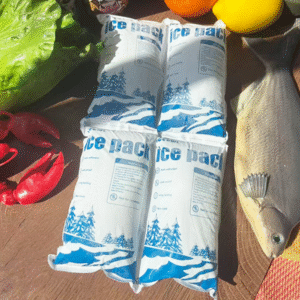
Erfahren Sie, was eine flexible Eis-Trockeneis-Packfolie ist und warum sie Temperaturen von bis zu –78,5 °C aufrechterhalten kann.
Vergleichen Sie Trockeneisplatten mit herkömmlichen Gelpackungen und Phasenwechselmaterialien (PCMs).
Apply sizing and layering guidelines for 24–72 hour shipments.
Follow safety and regulatory requirements, including hazardous classification and labeling.
Explore sustainability trends, smart sensors and market dynamics shaping 2025 Kaltkettenverpackung.
What is a flexible ice dry ice pack sheet and how does it differ from standard ice packs?
Direct answer and core benefits
Flexible Trockeneisbeutelplatten sind dünn, pliable blankets filled with solid carbon dioxide (Trockeneis) or advanced phase change materials. Each sheet contains super absorbent polymer cells that are hydrated before freezing to create a network of pockets that encapsulate CO₂. Wenn gefroren, the sheet becomes a flexible cold layer that can wrap around irregularly shaped cargo. Denn Trockeneis sublimiert (geht direkt von fest in gasförmig über) bei –78,5 °C, it can keep goods ultra cold without leaving moisture or residue. Traditionelle Eisbeutel, dagegen, rely on water freezing at 0 °C and melt into liquid as they warm. The ultra cold temperature of dry ice sheets allows perishable items like vaccines, biologics and frozen seafood to remain well below freezing for days, making them ideal for long distance shipping.
Erweiterte Erklärung
Unlike rigid bricks or loose pellets, flexible sheets conform to the shape of the product, improving contact and reducing dead air space. To prepare a dry ice sheet, the super absorbent polymer cells are hydrated with water and then frozen. Wenn es wärmeren Temperaturen ausgesetzt ist, Trockeneis untermauert, absorbing heat at a rate of 571 kJ pro Kilogramm. This endothermic reaction maintains a cold environment without creating liquid water, preventing soggy packaging and eliminating cross contamination concerns. Standard gel packs melt at 0 °C and release water, while phase change materials may maintain more moderate temperatures (Z.B., 2–8 °C oder –20 °C) but cannot reach the –78.5 °C range of dry ice. Because flexible dry ice sheets maintain such low temperatures, they are especially useful for shipping mRNA vaccines, biologic samples and frozen desserts that must remain far below freezing.
Comparing dry ice sheets, Gelpacks und PCMs
| Kühlmedium | Typischer Temperaturbereich | Regulatorische Klassifizierung | Rückstände nach Gebrauch | Beste Anwendungsfälle | Auswirkungen auf die reale Welt |
| Flexible Trockeneisplatte | –78,5 °C bis –20 °C; can hold ultra cold temperatures for 24–72 hours | Klasse 9 Gefahrgut; erfordert UN 1845 Kennzeichnung und besondere Handhabung | Sublimiert direkt zu CO₂-Gas, hinterlässt keine Flüssigkeitsrückstände | Gefrorene Arzneimittel, Biologika, Spezialität aus Meeresfrüchten | Hält Produkte deutlich unter dem Gefrierpunkt; no moisture contamination |
| Gelpackung | 0 ° C bis 5 °C; mäßige Kühlung für 12–48 Stunden | Ungefährlich; leicht zu handhaben | Schmilzt in Wasser, eine auslaufsichere Verpackung erforderlich ist | Frische Produkte, Mahlzeiten, Kurzstreckentransporte | Provides mild cooling but not ultra cold temperatures |
| Phasenwechselmaterial (PCM) Blatt | –20 °C bis –70 °C; Stabiles Temperaturband für 24–72 Stunden | Often non hazardous because PCMs are non toxic | Normalerweise keine Rückstände; PCMs absorbieren bei Phasenübergängen Wärme | Biologika erfordern strenge Temperaturbereiche von 2–8 °C oder –20 °C | Bietet wiederverwendbar, narrow band temperature control without dry ice gas |
Praktische Tipps und Empfehlungen
Für ultrakalte Sendungen: Use flexible dry ice sheets when your cargo must remain below –20 °C for more than a day. The sublimation of dry ice delivers powerful cooling while avoiding liquid leakage.
For moderate cold conditions: Gel packs are inexpensive and simple to use for perishable foods that require refrigeration rather than freezing.
For precise temperature ranges: PCM sheets are ideal when regulatory requirements demand a tight temperature band (Z.B., 2–8 ° C). They are often classified as non hazardous, reducing compliance burdens.
Beispiel aus der Praxis: A biotech company shipping mRNA vaccines used flexible dry ice sheets that wrapped around each vial, maintaining –75 °C for 72 hours despite external temperatures reaching 25 °C. Because the sheets sublimated rather than melted, the vials arrived completely dry and uncontaminated.
How do you size and apply flexible dry ice pack sheets for maximum effectiveness?
Direct answer and core guidelines
Choosing the right sheet thickness and layering method is essential for maintaining target temperatures during transit. The rule of thumb is to match the weight of dry ice to the weight of the product (A 1:1 Verhältnis) and to select sheet thickness based on transit time. Zum Beispiel, A 12 mm-Blech hält in der Regel extrem kalte Temperaturen bis zu 24 Std., ein 18 mm sheet lasts about 48 Std., und a 24 mm-Blech hält gefrorenen Temperaturen bis zu stand 72 Std.. When layering, the sheet should fully wrap around the product or be sandwiched between layers of goods and insulation.
Expanded explanation and sizing details
Dry ice sheets come in various thicknesses and sizes. Because sublimation happens on the surface, the rate of sublimation decreases when the sheet is insulated and when ambient temperature is lower. The following guidelines will help you size your sheet correctly:
Assess product sensitivity and transit duration: If your cargo must remain below –20 °C for 48 Std., Wählen Sie eine 18 mm Blech. Für 72 Std., Entscheiden Sie sich für eine 24 mm Blatt oder mehrere 18 mm sheets layered together.
Calculate dry ice weight: Determine the weight of the product and match it with an equivalent weight of dry ice. Zum Beispiel, A 5 kg box of frozen seafood would require approximately 5 kg Trockeneis in Blattform.
Prepare the sheet properly: Hydrate the polymer cells evenly before freezing. This step ensures uniform sublimation and prevents brittle spots. Pre chill the product and insulated container to reduce the thermal load on the sheet.
Strategisch schichten: Für Langstrecken, wrap the product entirely with the sheet (full wrap method) or place sheets on the top and bottom with the product in between (Sandwich-Methode). This ensures consistent contact and reduces temperature gradients.
Abdichten und isolieren: Use vented insulated containers to allow CO₂ gas to escape while retaining cold air. Combine the sheet with vacuum insulated panels or expanded polystyrene foam for better thermal performance.
Sizing guidelines table
| Transitdauer | Empfohlene Blechstärke | Approximate dry ice weight (kg) per kg of product | Praktische Bedeutung |
| Bis zu 24 Std. | 12 mm flexible Trockeneisplatte | 1 kg Trockeneis pro 1 kg Produkt | Suitable for overnight shipments such as next day pharmaceuticals; ensures product remains below –20 °C for one day. |
| 24–48 Stunden | 18 mm Blatt oder zwei 12 mm Schichten | 1–1,5 kg Trockeneis pro kg Produkt | For two day deliveries and international flights; Die Schichtung sorgt für redundante Kühlung. |
| 48–72 Stunden | 24 mm sheet or combination of three 12 mm-Blätter | 2 kg Trockeneis pro kg Produkt | Extended transit for vaccines and cell therapies; multiple layers maintain –75 °C for three days. |
Tipps für bestimmte Szenarien
Laborproben: Label each specimen bag separately and wrap with a flexible sheet to avoid cross contamination. Place absorbent pads underneath to capture any condensation from the outer environment.
Service für Essenssets: Lebensmittel vorfrieren, dann wickeln Sie sie mit einem 18 mm-Blech und legen Sie weitere Blätter darauf. The flexible nature of the sheet allows it to conform to irregular shapes (Z.B., whole fish or stacked steaks), ensuring uniform cooling.
Pharmazeutischer Vertrieb: Verwenden Sie a 24 mm sheet for high value biologics that must remain below –70 °C. Employ real time temperature sensors embedded in the sheet to monitor conditions during transit.
Tatsächlicher Fall: A meal kit company switched from rigid dry ice blocks to flexible sheets. By fully wrapping each food parcel with a 12 mm sheet and pairing it with an insulated liner, the company reduced total dry ice usage by 20 % while still maintaining –18 °C for 48 Std.. Customer satisfaction improved as packages arrived dry and intact.
What safety and regulatory considerations apply to flexible dry ice sheets?
Direct answer and core requirements
Trockeneis wird als Klasse eingestuft 9 Gefahrgut im internationalen Luftverkehr (Hier ist PI954) und USA. Verkehrsministerium (PUNKT) Vorschriften. Every package containing dry ice must display the proper shipping name “Carbon dioxide, fest“ oder „Trockeneis“.,” die UN-Nummer UN 1845, und das Nettogewicht von Trockeneis. Hazard labels must be at least 100 mm on each side, and the total weight of dry ice per shipment must not exceed 200 kg. Flexible sheet formats do not change these requirements; they simply influence handling and packaging practices.
Expanded explanation of safety practices
Sublimation of dry ice produces CO₂ gas, which can displace oxygen in enclosed spaces and pose a suffocation hazard. To handle flexible dry ice sheets safely:
Wear personal protective equipment: Always use insulated gloves and eye protection when handling dry ice sheets. Avoid touching the sheets with bare skin to prevent frostbite.
Provide adequate ventilation: Use vented containers or shipping boxes with pressure relief valves so that CO₂ gas can escape. Do not seal dry ice inside airtight containers or plastic bags.
Richtig beschriften: Befestigen Sie die Klasse 9 Gefahrenkennzeichnung und Nettogewicht des Trockeneises beachten. Include orientation arrows to indicate the correct upright position.
Follow shipper limits: Airlines and couriers may impose additional restrictions; Zum Beispiel, some carriers limit dry ice shipments to 10 kg pro Paket für Passagierflugzeuge. Always consult the latest IATA and DOT guidelines.
Verantwortungsbewusst entsorgen: Lassen Sie das restliche Trockeneis an einem gut belüfteten Ort, fern von Kindern und Haustieren, sublimieren. Do not flush dry ice down the drain or place it in a trash compactor. Einmal sublimiert, the polymer sheet can be recycled according to local regulations.
Schulung und Dokumentation: Denn Trockeneis ist gefährlich, personnel should complete basic hazardous material training. Documents must accompany shipments, stating the net weight and proper shipping name. For PCMs and certain gel packs, the non hazardous classification reduces training and paperwork.
Compliance checklist table
| Erfordernis | Einzelheiten | Bedeutung |
| Richtiger Versandname und UN-Nummer | Label packages as “Carbon dioxide, fest“ oder „Trockeneis“.,” und schließt UN ein 1845. | Avoids fines and ensures regulatory compliance. |
| Angabe des Nettogewichts | Notieren Sie das Gewicht des Trockeneises auf der Verpackung (Z.B., 5 kg). | Enables carriers to verify limits and plan ventilation. |
| Klasse 9 Hazard -Etikett | Use a diamond shaped label measuring at least 100 mm pro Seite mit Gefahrensymbol und Nummer. | Macht Bediener auf mögliche Gefahren aufmerksam. |
| Belüftung | Use vented packaging to allow CO₂ gas to escape. | Verhindert Druckaufbau und Erstickungsgefahr. |
| Persönliche Schutzausrüstung (PS) | Tragen Sie beim Umgang mit Blechen isolierte Handschuhe und Augenschutz. | Verhindert Erfrierungen und Verletzungen. |
| Schulung und Dokumentation | Employees handling dry ice must be trained in hazardous materials. | Gewährleistet eine sichere Handhabung und Compliance. |
Beispiel aus der Praxis: In 2024 a pharmaceutical distributor mistakenly sealed dry ice sheets inside an airtight plastic wrap. CO₂ gas built up, rupturing the packaging and delaying the shipment. After adopting vented insulated boxes and proper labeling, das Unternehmen erreicht hat 100 % compliance and avoided further delays.
How do flexible dry ice sheets fit into sustainability and market trends for 2025?
Marktdynamik und Versorgungsherausforderungen
The dry ice market is experiencing rapid growth due to booming demand in food delivery, vaccine distribution and industrial processes. Global consumption of dry ice increased about 5 % jährlich zwischen 2021 Und 2024, while supply expanded only 0.5 % pro Jahr, creating a shortage. This imbalance drove dry ice prices up by as much as 300 % in einigen Regionen. The dry ice market was valued at roughly USD 1.54 Milliarden in 2024 und wird voraussichtlich USD erreichen 2.73 Milliarden von 2032. To manage these pressures, manufacturers are investing in local production hubs, capturing CO₂ from industrial exhaust, and exploring hybrid cooling solutions that combine dry ice with PCMs or vacuum insulation. Improved insulation reduces sublimation losses from 8 % per day down to 3 %, allowing shippers to use less dry ice while achieving the same performance.
Sustainable materials and smart technology
Environmental concerns and regulatory pressure are driving innovation. Flexible dry ice sheets are increasingly made with recycled CO₂ and biodegradable polymers. New sustainable coatings reduce frost buildup and extend cooling performance. IoT enabled sheets embed temperature sensors that transmit real time data to a cloud dashboard, allowing shippers to detect excursions early. Other emerging technologies include:
Biologisch abbaubare Beschichtungen: Manufacturers apply plant derived coatings to dry ice cells to reduce sublimation rates and moisture ingress. These coatings break down naturally, avoiding microplastic pollution.
Intelligente Sensoren: Low power Bluetooth or cellular sensors are integrated into the sheet to monitor temperature and location. Wenn eine Temperaturabweichung auftritt, an alert is sent to stakeholders for immediate action.
Anpassbare Formen: 3D forming technology allows dry ice sheets to be cut into specific shapes to fit custom packaging. This reduces wasted space and ensures even temperature distribution.
Hybridsysteme: Combining dry ice sheets with PCMs or gel packs extends cooling duration while reducing the total amount of dry ice needed. Zum Beispiel, pairing a dry ice sheet with a –20 °C PCM extended the frozen state by 40 % in field tests.
Vakuumisolationsgremien (VIPs): VIPs drastically reduce heat transfer, enabling shippers to use thinner dry ice sheets. When integrated with smart sensors, VIPs can maintain temperature for several days even in warm climates.
Market and environmental insights table
| Trend oder Innovation | Beschreibung | Praktische Auswirkungen für Benutzer |
| Lokale CO₂-Beschaffung | CO₂ aus der Fermentation einfangen, ammonia and ethanol plants for dry ice production. | Reduziert die Abhängigkeit von fossilen Brennstoffen und stabilisiert die Versorgung, Kosten senken. |
| Biologisch abbaubare Polymere | Verwendung kompostierbarer oder recycelbarer Materialien für Blechgehäuse. | Makes end of life disposal easier and appeals to eco conscious customers. |
| Intelligente Überwachung | Einbetten von Temperatur- und Standortsensoren in Bleche. | Verbessert die Transparenz, reduziert Produktverluste und ermöglicht Echtzeiteingriffe. |
| Hybridkühlsysteme | Combining dry ice sheets with PCMs or gel packs to optimize temperature control. | Reduziert den Trockeneisverbrauch, senkt die Kosten und verringert den regulatorischen Aufwand. |
| Verbesserte Isolierung | Adoption of vacuum insulation panels and reflective liners. | Cuts sublimation loss from 8 % Zu 3 % pro Tag, allowing lighter packages. |
Marktgeschichte: Im Zeitraum 2023–2024 droht ein CO₂-Mangel, a seafood exporter in the Pacific Northwest installed a CO₂ capture unit at a nearby brewery to produce dry ice locally. By coupling the locally sourced dry ice with upgraded insulation and smart sensors, the company kept shipments below –30 °C for 60 hours while cutting dry ice use by 30 %.
2025 innovations and future outlook for flexible dry ice sheets
Overview of emerging technologies and trends
The future of flexible dry ice sheets lies in the intersection of material science, Digitalisierung und Regulierung. In 2025 und darüber hinaus, erwarten, zu sehen:
Advanced PCMs integrated with dry ice: Some manufacturers embed PCMs within dry ice cells. Wenn das Trockeneis sublimiert, the PCM takes over, maintaining a stable temperature band for another day. This hybrid design extends shipping windows and simplifies regulatory compliance.
KI-gesteuerte Logistik: Machine learning algorithms analyze real time sensor data to optimize routing, predict sublimation rates and automatically adjust shipment parameters. This reduces waste and improves on time delivery.
CO₂ neutral certifications: Companies that source CO₂ from waste streams and use biodegradable sheets can obtain CO₂ neutral certifications, appealing to environmentally conscious consumers.
Regulierungsharmonisierung: Aviation authorities are exploring revised guidelines that differentiate between traditional dry ice blocks and flexible sheets. The aim is to reduce unnecessary paperwork without compromising safety.
3D printed custom liners: 3D printing enables shippers to produce custom fitted insulation and sheet holders, improving contact and reducing void space.
Progress summary list
Biologisch abbaubare Trockeneisplatten are moving from pilot trials to mainstream adoption, Ermöglicht die Kompostierung oder Wiederverwertung nach Gebrauch.
Sensorfähige Blätter are now commercially available, sending temperature, humidity and location data to centralized dashboards.
Hybride Eis-/PCM-Lösungen are predicted to reduce dry ice usage by 40 % von 2026 through improved heat management and extended duration.
Marktwachstum: Analysts forecast the global dry ice and alternative refrigerant market to grow from USD 1.54 Milliarden in 2024 in USD 2.73 Milliarden von 2032.
Markteinblicke für Entscheidungsträger
Cold chain suppliers should monitor regulatory developments around hazardous materials. As PCMs and biodegradable sheets gain traction, carriers may adjust weight limits and labeling requirements. Investing in IoT enabled packaging solutions can provide immediate return on investment through reduced spoilage and improved compliance. Endlich, diversifying refrigerant options – combining dry ice with PCMs and improved insulation – will mitigate supply chain risks and control costs.
Häufig gestellte Fragen
Q1: How long do flexible dry ice pack sheets last?
A properly sized dry ice sheet can maintain ultra cold temperatures for 24–72 hours. Duration depends on sheet thickness (12 mm for one day, 18 mm for two days, Und 24 mm for three days) and on how well the package is insulated.
Q2: Können flexible Trockeneisplatten wiederverwendet werden??
NEIN. Sobald das Trockeneis sublimiert ist, Das Blech sorgt nicht mehr für Kühlung. Jedoch, the polymer casing may be recyclable depending on local regulations. Für wiederverwendbare Optionen, consider PCM sheets or gel packs.
Q3: How do you dispose of flexible dry ice sheets safely?
Allow any remaining dry ice to sublimate in a well ventilated area away from children and pets. Do not dispose of dry ice in a sink or trash compactor. Einmal sublimiert, dispose of or recycle the polymer casing according to municipal guidelines.
Q4: Sind flexible Trockeneisplatten sicher für den Lufttransport??
Ja, Sie unterliegen jedoch den IATA PI954-Vorschriften. Packages must display the “Dry ice” or “Carbon dioxide, solid” label, Und 1845 Identifikation, und Nettogewicht. Belüftungs- und Gewichtsbeschränkungen (Typischerweise 200 kg pro Sendung) muss respektiert werden.
Q5: What is the difference between flexible dry ice sheets and PCM sheets?
Dry ice sheets use solid CO₂ that sublimates at –78.5 °C, delivering ultra cold temperatures. PCM sheets use substances that change phase at specific temperatures (Z.B., –20 °C bzw 5 °C) and are often non hazardous. PCMs provide precise temperature control and are reusable.
Zusammenfassung und Empfehlungen
Key Takeaways
Flexible ice dry ice sheets are thin, moldable blankets that can maintain temperatures as low as –78.5 °C for up to 72 Std., making them ideal for vaccines and biologic shipments.
Proper sizing and layering are critical: verwenden 12 mm sheets for 24 hour trips, 18 mm für 48 Stunden und 24 mm für 72 Std.. Match the weight of dry ice to the product weight and use vented, Isolierte Behälter.
Safety and compliance cannot be overlooked. Trockeneis ist eine Klasse 9 Gefahrgut, requiring UN 1845 Beschriftung, net weight declaration and proper ventilation.
Market dynamics show rapid growth and supply shortages, prompting investments in local CO₂ production, sustainable materials and hybrid refrigerant systems.
Emerging innovations such as biodegradable coatings, IoT sensors and hybrid ice/PCM solutions are transforming cold chain logistics and will likely reduce dry ice usage by up to 40 % in den kommenden Jahren.
Umsetzbare nächste Schritte
Assess your product’s thermal requirements: Determine the required temperature range and transit duration to choose between dry ice sheets, PCMs oder Gelpacks. Use the sizing guidelines provided above.
Invest in proper packaging: Verwenden Sie isolierte Transportboxen, vacuum insulation panels and vented lids to reduce sublimation and ensure compliance.
Trainiere dein Team: Provide hazardous materials training for anyone handling dry ice. Implement checklists for labeling, Belüftung und Entsorgung.
Explore smart solutions: Consider adopting IoT enabled dry ice sheets and hybrid PCM/dry ice systems to improve visibility and extend shipping windows.
Bleiben Sie über Vorschriften und Neuerungen informiert: Monitor IATA and DOT updates and evaluate new sustainable materials and technologies as they emerge.
Über Tempk
We are a leading provider of cold chain packaging solutions, specializing in flexible dry ice sheets, phase change materials and insulated shipping systems. Our team combines decades of experience in the biotechnology, pharmaceutical and food industries to design solutions that meet stringent temperature requirements while minimizing environmental impact. We pride ourselves on our innovative products—such as biodegradable dry ice sheets and sensor enabled packaging—that empower customers to ship temperature sensitive goods safely and sustainably. Indem Sie mit uns zusammenarbeiten, you gain access to expert advice, high quality refrigerants and a global network of distribution centers.
Need help designing the perfect cold chain solution? Contact our specialists today for a personalized consultation and discover how Tempk can keep your products safe from the factory to the final destination.