Trockeneisbeutel für Tiefkühlkost: Der ultimative Leitfaden für einen sicheren und effizienten Versand
Der Versand von Tiefkühlkost erfordert viel Liebe zum Detail, um sicherzustellen, dass die Produkte während des gesamten Lieferprozesses gefroren und intakt bleiben. Trockeneisbeutel gelten allgemein als die beste Lösung, um gefrorene Lebensmittel auf der richtigen Temperatur zu halten, Auftauen verhindern, Verderb, und Aufrechterhaltung der Lebensmittelqualität. In diesem umfassenden Leitfaden, Wir werden untersuchen, wie Trockeneisbeutel funktionieren, die ordnungsgemäße Abwicklung von Tiefkühlkostsendungen, und die neuesten Trends in der Kühlkettenlogistik für 2025.
-
Warum sind Trockeneisbeutel sind für den Versand von Tiefkühlkost unerlässlich?
-
Wie ermitteln Sie die richtige Menge Trockeneis für Ihre Sendung??
-
Was sind die wichtigsten Vorgehensweisen bei der Verwendung von Trockeneis, um gefrorene Lebensmittel gefroren zu halten??
-
Wie schneiden Trockeneisbeutel im Vergleich zu anderen Kühlmethoden wie normalem Eis oder Gelbeuteln ab??
Warum sind Trockeneisbeutel für den Versand von Tiefkühlkost unerlässlich??
Trockeneis, oder festes Kohlendioxid (Co₂), ist das bevorzugte Kühlmittel für den Versand von Tiefkühlkost. Im Gegensatz zu normalem Eis, Trockeneis bleibt bei einer viel niedrigeren Temperatur, -78.5°C (-109.3° F), Dies ist für die Erhaltung der Integrität von Tiefkühlwaren wie Meeresfrüchten unerlässlich, Fleisch, Eiscreme, und andere verderbliche Güter.
Hauptvorteile von Trockeneis für den Versand von Tiefkühlkost:
-
Extrem niedrige Temperatur: Trockeneis sorgt für Konsistenz, langanhaltende Erkältung, entscheidend für Tiefkühlkost, die unter -18 °C bleiben muss (0° F) Während des Transports.
-
Keine Wasserrückstände: Im Gegensatz zu normalem Eis, das schmilzt und erzeugt Wasser, Trockeneis untermauert direkt in Gas, Es bleibt keine Feuchtigkeit zurück, die die Lebensmittelverpackung beschädigen könnte.
-
Längere Kühldauer: Trockeneis hält viel länger als herkömmliches Eis, Daher ist es ideal für lange Sendungen, vor allem diejenigen, die es erfordern 24-72 Lieferzeiten von einer Stunde.
Wie vergleichen sich Trockeneisbeutel mit normalem Eis??
Beim Vergleich von Trockeneis mit herkömmlichem Eis, Trockeneis zeichnet sich durch seine Fähigkeit aus, Temperaturen unter Null zu halten, ohne dass die Gefahr von Wasserschäden besteht.
| Besonderheit | Trockeneis | Normales Eis |
|---|---|---|
| Temperaturbereich | -78.5°C (-109.3° F) | 0°C (32° F) |
| Kühldauer | 24–72 Stunden | Normalerweise 12–24 Stunden |
| Sublimationsprozess | Verwandelt sich in Gas (Keine Flüssigkeit) | Schmilzt in Wasser |
| Ideal für | Gefrorene Lebensmittel, Arzneimittel | Kurzfristige Kühlung |
| Handhabungsbedarf | Gefahrgut (Kennzeichnung erforderlich) | Nicht hazierend (keine besondere Handhabung erforderlich) |
So wählen Sie die richtige Menge Trockeneis für Ihre Sendung aus
Die Menge an Trockeneis, die für den Versand von Tiefkühlkost benötigt wird, hängt von mehreren Faktoren ab, einschließlich der Dauer der Sendung, die Art des versendeten Produkts, und die Umgebungstemperatur während des Transports. Nachfolgend finden Sie allgemeine Richtlinien zur Bestimmung der Trockeneismenge:
-
Für 24-Stunden-Sendungen: Verwenden 5-10 Pfund Trockeneis pro 24-Stunden-Zeitraum.
-
Für 48-Stunden-Sendungen: Verwenden 10-20 LBS Trockeneis.
-
Für 72-Stunden-Sendungen: 20-30 In der Regel werden 100 kg Trockeneis benötigt.
Stellen Sie sicher, dass Sie Temperaturschwankungen und Verzögerungen berücksichtigen, indem Sie a hinzufügen 20-30% Puffer für Ihre Trockeneisberechnung.
Wie man gefrorenes Essen mit Trockeneis einpackt?
Die richtige Verpackung ist wichtig, um sicherzustellen, dass Trockeneis während des gesamten Versandprozesses wirksam bleibt. Hier finden Sie einige Best Practices zum Verpacken von Tiefkühlkost mit Trockeneis:
Best Practices zum Verpacken von Tiefkühlkost:
-
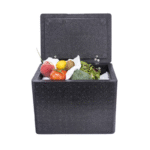
Verwenden Sie isolierte Behälter: Wählen Sie Behälter mit hohen Isoliereigenschaften, um die Wärmeübertragung zu minimieren. Materialien wie Schaumstoff oder vakuumisolierte Paneele (VIPs) sind ideal.
-
Trockeneis richtig schichten: Legen Sie Trockeneis am Boden des Behälters, mit den darüber platzierten Tiefkühlkost. Diese Anordnung sorgt dafür, dass die Speisen von unten kalt bleiben.
-
Stellen Sie eine ordnungsgemäße Belüftung sicher: Seit Trockeneis unterming in Gas, Es ist wichtig, dass das Gas entweichen kann. Verwenden Sie belüftete Deckel oder stechen Sie kleine Löcher in den Behälter, um einen Druckaufbau zu verhindern.
-
Richtig versiegeln: Verwenden Sie starkes Paketband, Vermeiden Sie es jedoch, den Behälter vollständig zu verschließen, um sicherzustellen, dass das Gas entweichen kann, und um Unfälle zu vermeiden.
Für die Spitze: Überprüfen Sie immer, ob Ihre Verpackung luftdicht ist, um sicherzustellen, dass keine externen Wärmequellen die Kühlkette gefährden können.
Wichtige Vorsichtsmaßnahmen beim Umgang mit Trockeneis
Der Umgang mit Trockeneis erfordert einige grundlegende Sicherheitsvorkehrungen, um Unfälle zu vermeiden:
-
Tragen Sie isolierte Handschuhe: Trockeneis ist extrem kalt und kann schwere Erfrierungen verursachen. Tragen Sie beim Umgang mit Trockeneis immer dicke, isolierte Handschuhe.
-
Stellen Sie eine ordnungsgemäße Belüftung sicher: Um die Bildung von Kohlendioxid zu verhindern, Stellen Sie sicher, dass Ihr Versandbehälter ausreichend belüftet ist.
-
Sendungen richtig kennzeichnen: Trockeneis gilt als Gefahrstoff. Stellen Sie sicher, dass Ihre Sendung deutlich mit der UN1845-Kennung und „Kohlendioxid“ gekennzeichnet ist, „Feste“ Markierungen zur Einhaltung der Vorschriften.
Best Practices für die Verwendung von Trockeneis für den Versand von Tiefkühlkost
Um die besten Ergebnisse beim Versand von Tiefkühlkost mit Trockeneis zu erzielen, Folgen Sie diesen Tipps:
-
Planen Sie voraus: Berechnen Sie die benötigte Menge Trockeneis, unter Berücksichtigung von Laufzeit und Produkttyp.
-
Verwenden Sie Temperaturüberwachungsgeräte: Diese Geräte helfen dabei, die Temperatur während des Transports zu überwachen, um sicherzustellen, dass Ihre Tiefkühlkost die richtige Temperatur behält.
-
Arbeiten Sie mit erfahrenen Versandpartnern zusammen: Wählen Sie Spediteure mit Erfahrung im Umgang mit temperaturempfindlichen Produkten, um eine pünktliche und sichere Lieferung zu gewährleisten.
Trends und Entwicklungen beim Trockeneisversand für Tiefkühlkost (2025)
Da die Nachfrage nach Tiefkühlkost weiter steigt, Die Kühlkettenlogistikbranche entwickelt sich weiter. Hier sind einige der wichtigsten Entwicklungen für 2025:
2025 Trends bei Trockeneisschifffahrt:
-
Intelligente Verpackungen: Verpackungstechnologie, die IoT-Sensoren integriert, ermöglicht eine Echtzeit-Temperaturüberwachung, Verringerung des Verderbsrisikos.
-
Umweltfreundliche Trockeneisoptionen: Unternehmen suchen nach nachhaltigen Trockeneislösungen, die die Umweltbelastung reduzieren, wie Trockeneis aus erneuerbaren Quellen.
-
Verbesserte Isolierung: Fortschritte bei Isoliermaterialien tragen dazu bei, die Kühlwirkung zu verlängern, Dadurch wird der Bedarf an großen Mengen Trockeneis reduziert.
Markteinsichten:
Die wachsende Nachfrage nach Tiefkühlkost, getrieben durch E-Commerce und Verbraucherpräferenzen nach Bequemlichkeit, führt Logistikunternehmen dazu, in effizientere Versandmethoden zu investieren. Durch die Integration fortschrittlicher Technologie und umweltfreundlicher Lösungen, Die Branche arbeitet daran, der gestiegenen Nachfrage nach einem sicheren und zuverlässigen Versand von Tiefkühlkost gerecht zu werden.
Häufig gestellte Fragen
Q1: Wie viel Trockeneis benötige ich für den Versand von Tiefkühlkost??
Für jeden 5 Pfund Tiefkühlkost, verwenden 1-2 Pfund Trockeneis für Kurztrips. Für 24-Stunden-Sendungen, verwenden 5-10 lbs pro 10-15 Pfund Tiefkühlkost. Fügen Sie immer einen Puffer von hinzu 20-30% zur Sicherheit.
Q2: Kann Trockeneis für den Versand von Meeresfrüchten verwendet werden??
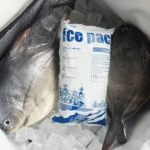
Ja, Trockeneis eignet sich perfekt für den Versand von Meeresfrüchten, da es dabei hilft, die erforderliche niedrige Temperatur aufrechtzuerhalten, Verhindern Sie den Verderb und stellen Sie sicher, dass das Produkt in ausgezeichnetem Zustand ankommt.
Schlussfolgerung und Empfehlungen
Trockeneisbeutel sind die beste Lösung für den Versand von Tiefkühlkost, sorgt für gleichmäßige Kühlung ohne die Nachteile von herkömmlichem Eis. Indem Sie die richtige Menge an Trockeneis kennen, die Sie verwenden sollten, Auswahl der richtigen Verpackung, und Einhaltung der Sicherheitsvorschriften, Sie können sicherstellen, dass Ihre Tiefkühlkostsendungen sicher und pünktlich ankommen.
Nächste Schritte: Bereit, Ihren Tiefkühlkostversand zu verbessern? Kontaktieren Sie uns noch heute, um mehr darüber zu erfahren, wie unsere Trockeneislösungen Ihre Kühlkettenlogistik optimieren können.
Über Tempk
Tempk ist ein führender Anbieter von Kühlkettenlogistiklösungen, bietet erweiterte Versandkits an, Temperaturüberwachungssysteme, und Spezialverpackungen, um den sicheren Transport verderblicher Waren zu gewährleisten. Mit unserem umfassenden Know-how im Tiefkühlkostversand, Wir bieten maßgeschneiderte Lösungen für Ihre Bedürfnisse.
Aufruf zum Handeln: Wenden Sie sich an Tempk, um eine maßgeschneiderte Beratung zu Ihren Anforderungen an den Versand von Tiefkühlkost zu erhalten, und erfahren Sie, wie wir Ihnen bei der Rationalisierung Ihrer Kühlkettenabläufe helfen können.