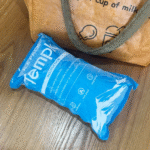
How Frozen Goods Dry Ice Pack Sheets Keep Your Supply Chain Cold and Profitable
In today’s fast-paced global supply chains, the need for precise temperature control is paramount. Trockeneis-Packplatten für Tiefkühlware have emerged as a critical solution for ensuring that perishable items — from pharmaceuticals to frozen foods — maintain their integrity during transit. These innovative sheets provide reliable cooling without the need for bulky, expensive refrigeration systems, offering businesses in industries like food distribution, Pharmazeutische Logistik, and biotech an effective, cost-efficient way to meet the stringent temperature requirements of modern cold chain logistics.
-
Wie Trockeneis-Packplatten die Effizienz und Compliance der Kühlkette verbessern
-
Die Unterschiede zwischen Trockeneisplatten und herkömmlichen Kühlmethoden
-
Wichtige Anwendungsfälle im Lebensmittelbereich, Pharma, und Biotech-Logistik
-
Auftauchen 2025 Kühlkettentrends und Nachhaltigkeitsinnovationen
-
Praktische Schritte zur effektiven Auswahl und Bereitstellung von Trockeneis-Packplatten
Warum sind Trockeneisplatten für Tiefkühlwaren für die moderne Kühllogistik unerlässlich??
Frozen goods dry ice pack sheets offer several advantages over traditional cooling methods. They are flat, flexible sheets filled with compressed carbon dioxide (Co₂) that sublimate directly into gas, providing continuous cold without the mess of melting ice. With temperatures reaching as low as -78.5°C, dry ice pack sheets maintain the perfect freezing environment for sensitive goods, wie Impfstoffe, Biologika, und gefrorene Lebensmittel.
In addition to their superior cooling power, dry ice sheets are also leak-proof, moisture-free, und leicht. These attributes make them a preferred choice for both short- and long-haul shipments, ensuring that goods remain at their optimal temperatures, no matter how long the journey. Außerdem, their compliance with global cold chain standards, including GDP (Gute Vertriebspraxis) für Arzneimittel, reduces regulatory risks and strengthens business reputation.
Wie funktionieren Trockeneis-Packblätter??
Dry ice pack sheets combine CO₂ sublimation cooling with advanced insulating materials that control gas release, ensuring optimal temperature maintenance over extended periods. Each sheet is made from multi-layer polymer films that encapsulate compact dry ice cells, preventing direct contact with the product while distributing cold air evenly.
| Kühlkomponente | Funktion | Typische Dauer | Für Ihr Unternehmen |
|---|---|---|---|
| CO₂-Sublimation | Absorbs heat efficiently | 48–96 Stunden | Langanhaltende Temperaturkontrolle |
| Polymerfilmschicht | Verhindert Feuchtigkeitseinwirkung | Kontinuierlich | Schützt Verpackungen und Produktetiketten |
| Design thermischer Zellen | Gleichmäßige Kälteverteilung | 24–72 Stunden | Sorgt für gleichmäßiges Gefrieren und minimalen Abfall |
Praktische Vorteile für B2B-Kühlkettenbetreiber
For B2B logistics operators, the advantages of dry ice pack sheets are clear:
-
Reduzierter Produktverlust: Keeps products below -18°C for longer transit periods, reducing spoilage rates.
-
Niedrigere Betriebskosten: Eliminates the need for mechanical refrigeration in short hauls.
-
Vereinfachte Handhabung: Leicht zu handhaben, stack, and store due to their light weight and leak-proof design.
-
Compliance-fähig: Meets stringent requirements for pharmaceutical and food logistics, including FDA and WHO guidelines.
Fallbeispiel:
A pharmaceutical distributor in Singapore reduced their CO₂ usage by 20% by switching from traditional dry ice pellets to structured dry ice sheets, which eliminated the need for manual refills and reduced their overall carbon footprint.
Wie vergleichen sich Trockeneis-Packplatten mit herkömmlichen Kühlsystemen??
When it comes to reliability and temperature control, dry ice pack sheets outperform traditional cooling methods like gel packs and ice bricks. While gel packs may be suitable for fresh goods, they only maintain temperatures around 0°C, making them unsuitable for frozen items that require sub-zero conditions. Trockeneisplatten, auf der anderen Seite, maintain temperatures ranging from -78.5°C to -18°C, ideal for keeping frozen foods and biologics intact.
| Kühlmethode | Temperaturbereich | Feuchtigkeitsrisiko | Dauer | Typische Anwendung |
|---|---|---|---|---|
| Trockeneis-Packblatt | -78.5° C bis -18 ° C. | Keiner | 48–96 Std | Gefrorenes Essen, Impfungen |
| Gelpackung | 0°C bis +5°C | Medium | 12–36 Std | Frische Produkte, Molkerei |
| Wassereisbeutel | 0°C | Hoch | <12 HRS | Kurzfristige Lieferung vor Ort |
| Kühlcontainer | Einstellbar | Niedrig | Kontinuierlich | Massengut-Seefracht |
Warum B2B-Logistikmanager Trockeneisplatten bevorzugen
1. Temperature Integrity:
Dry ice sheets maintain ultra-low temperatures, Damit sind sie ideal für Arzneimittel geeignet, Biotech, and frozen foods that require precise cold chain management.
2. Raumeffizienz:
Their thin, flexible design allows them to fit neatly within various container types, providing a more efficient way to transport temperature-sensitive goods compared to bulky refrigerated containers.
3. Geringerer CO2-Fußabdruck:
Unlike refrigerated units that consume electricity, dry ice sheets require no external power, making them an environmentally-friendly option for cold chain logistics.
4. Multi-Industry Adaptability:
Dry ice sheets are versatile enough to be used across various industries — from food distribution to pharmaceutical and biotech logistics.
Brancheneinblick:
Über 62% of global pharmaceutical distributors have shifted to using dry ice pack sheets as part of a hybrid packaging strategy, as they offer better temperature control and cost-efficiency compared to traditional methods.
Branchenübergreifende Anwendungen von Trockeneis-Packplatten für Tiefkühlwaren
Lebensmittelverteilung: Gewährleistung der gefrorenen Integrität von der Pflanze bis zum Teller
Food distributors rely on dry ice pack sheets to prevent thawing, mikrobielles Wachstum, and texture degradation during transportation. Whether shipping frozen meats or seafood, these sheets ensure that products remain in optimal condition throughout the supply chain.
Pharma- und Biotech-Logistik: Maintaining Strict Temperature Compliance
Für Pharmaunternehmen, temperature excursions can lead to significant financial losses and health risks. Dry ice sheets provide a reliable solution for maintaining ultra-low temperatures during the transport of vaccines, Enzyme, und Biologika, reducing dependency on powered refrigeration.
E-Commerce und Lieferung von Tiefkühlgerichten
The rise of frozen meal kits and e-commerce has led to increased demand for efficient, portable cooling solutions. Dry ice sheets are ideal for small shipments where precise temperature control is essential, providing businesses with a competitive edge.
Wählen Sie die richtige Trockeneis-Packfolie für Ihr Unternehmen
When selecting dry ice sheets, it’s essential to consider the product’s sensitivity, the transit duration, and the packaging volume. Thicker sheets or those with higher CO₂ density are necessary for longer transit times or higher-value products.
Für die Spitze:
Always test different configurations of dry ice sheets under simulated conditions to determine the ideal setup for your specific needs. This ensures that your shipment maintains the desired temperature throughout its journey.
2025 Trends in der Kühlkettentechnologie für Tiefkühlwaren
Nachhaltigkeit und CO₂-Effizienz:
In 2025, the adoption of dry ice recycling systems has become common, allowing businesses to reduce their carbon footprint by reusing sublimated CO₂ gas.
Smartemperaturüberwachung:
IoT-based sensors are now integrated into dry ice sheets, providing real-time monitoring and temperature tracking, enhancing cold chain visibility.
Hybride Verpackungslösungen:
Kombinieren von Phasenwechselmaterialien (PCMs) with dry ice sheets ensures stable temperature transitions during multi-zone shipping and customs delays.
Häufig gestellte Fragen
Q1: Wie lange sind Trockeneis-Packplatten für gefrorene Waren während des Transports haltbar??
Typischerweise, they last 48–96 hours, depending on the sheet thickness, Isolierung, und Umgebungstemperatur.
Q2: Sind Trockeneisplatten für die Luftfracht sicher??
Ja, they comply with IATA regulations for dry ice shipments when properly packaged and labeled.
Q3: Können Trockeneisbeutel wiederverwendet werden??
Many modern sheets are designed for multiple uses, insbesondere solche mit verstärkten Polymerbeschichtungen.
Fazit und strategische Erkenntnisse
Frozen goods dry ice pack sheets are a game-changer for B2B logistics operators, offering long-lasting, reliable cold storage without the need for powered refrigeration. By switching to dry ice sheets, businesses can reduce operational costs, minimize spoilage, and maintain strict compliance with industry regulations.
Key Takeaways:
-
Dry ice sheets offer superior temperature control, Reduzierung von Verderb und Abfall.
-
They are more space-efficient and environmentally-friendly compared to traditional methods.
-
Neue Trends in 2025, including sustainability innovations and smart monitoring, are making them even more efficient.
Nächste Schritte:
-
Evaluate your cold chain needs and test different dry ice sheet densities.
-
Partner with trusted suppliers for customized solutions.
-
Keep an eye on emerging trends and integrate new technologies into your cold logistics strategy.
Über Tempk:
Tempk provides state-of-the-art cold chain packaging solutions tailored to the needs of global industries, von Arzneimitteln bis zur Lebensmittelverteilung. Our dry ice pack sheets are designed for optimal performance, Nachhaltigkeit, und Einhaltung 2025 Logistikstandards.
Kontaktieren Sie uns for personalized cold chain packaging solutions.