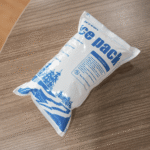
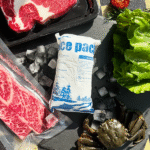
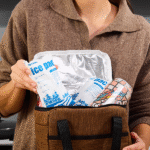
Heavy duty dry ice packs are changing how you keep products at ultra cold temperatures. Im Gegensatz zu gewöhnlichen Gelpackungen, Sie verwenden eine mehrschichtige Konstruktion und superabsorbierende Polymere, um Temperaturen nahe dem Schmelzpunkt von festem Kohlendioxid bei –78,5 °C zu liefern. Diese Packungen verhindern Kondensation, Bleiben Sie im gefrorenen Zustand flexibel, und sind robust genug für Arzneimitteltransporte, Lieferung von Meeresfrüchten und Mahlzeiten. In diesem Artikel wird erklärt, wie Hochleistungs-Trockeneisbeutel funktionieren, So berechnen Sie die richtige Menge für Ihre Sendung, und wie man die Vorschriften einhält 2025 Vorschriften. Außerdem erfahren Sie, warum Innovationen wie IoT-Sensoren und biologisch abbaubare Materialien für Ihre Kühlkette wichtig sind.
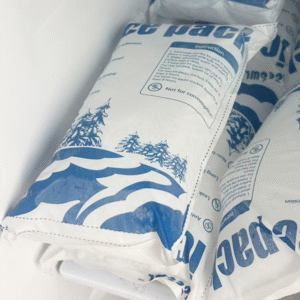
Was unterscheidet Hochleistungs-Trockeneisbeutel von normalen Gel-Akkus und PCMs?? Entdecken Sie mehrschichtige Designs, Polymertechnologie und Haltbarkeitsmerkmale, die konstante extrem kalte Temperaturen ermöglichen.
Wie können Sie Hochleistungs-Trockeneisbeutel sicher auswählen und verwenden? 2025? Erfahren Sie, wie Sie Packungsgröße und -gewicht an die Versanddauer anpassen, Berechnen Sie die Trockeneismengen und befolgen Sie die Etikettierungsregeln.
How do heavy duty dry ice packs compare with gel packs and phase change materials (PCMs)? Temperaturbereiche verstehen, leak risks, Umweltverträglichkeit und Wiederverwendbarkeit.
What innovations and trends are shaping dry ice packs in 2025? Discover IoT enabled monitoring, sustainable materials and market growth projections.
Frequently asked questions and actionable advice. Find answers about reuse, Flugreisen, disposal and environmental safety.
What Distinguishes Heavy Duty Dry Ice Packs from Regular Gel Packs and PCMs?
Direkte Antwort
Heavy duty dry ice packs achieve significantly colder temperatures and greater durability than ordinary gel or phase change packs, thanks to their multi layer design and super absorbent polymer core. They consist of a strong outer layer (Polyethylen oder Vliesstoff) das stichfest ist, ein superabsorbierendes Polymer (SAFT) layer that locks in water when pre hydrated, and an inner composite film that prevents leaks. Wenn gefroren, the swollen polymer becomes a flexible gel that remains at around –78.5 °C, far colder than gel packs or PCMs. Trockeneis sublimiert direkt vom Feststoff in den Gaszustand, so there is no water leakage; your products stay dry and labels remain legible.
Erweiterte Erklärung
Heavy duty dry ice packs are engineered to solve two problems that plague traditional gel packs: inadequate cold and messy leaks. The outer shell uses heavy duty plastic or textile layers to withstand rough handling and sharp edges. Innen, a cross linked polyacrylate polymer absorbs water during hydration and freezes into a gel capable of reaching temperatures as low as –78.5 °C when charged with dry ice. Denn Trockeneis sublimiert (turns directly into carbon dioxide gas) rather than melting, there is no meltwater to damage packaging or labels. This ultracold performance makes heavy duty packs indispensable for pharmaceuticals, Biotech -Proben, seafood and other products that must remain frozen.
Durability is another differentiator. Many heavy duty packs feature four ply construction: two non woven textile layers encasing the polymer and two heavy duty plastic layers with micro perforations for flexibility. Technikeis, Zum Beispiel, notes that its 4 ply design can be frozen down to –190 °F (–87.8 °C) and withstand repeated reuse. Such construction prevents punctures and allows packs to be cut to size without spilling gel. The result is a reliable refrigerant with a long service life, ideal for heavy duty cold chain operations.
Multi layer design and extreme cold capability
Heavy duty dry ice packs combine layers with complementary functions:
Outer film or non woven fabric: Provides strength, flexibility and breathability. Non woven textiles add puncture resistance and allow gas escape, verhindert einen Druckaufbau.
Superabsorbierendes Polymer (SAFT) Kern: Absorbs water during pre hydration. Wenn gefroren, the SAP swells into a stable gel that can freeze to –78.5 °C, maintaining dry ice temperatures for extended periods.
Composite film layer: Acts as a barrier to prevent leaks. This combination ensures that sublimating dry ice gas escapes without water leakage, keeping the shipment dry.
These layers allow heavy duty packs to endure multiple freeze–thaw cycles. They remain flexible when frozen, which means the pack can contour around oddly shaped items without cracking. Many packs can also be cut between cells to fit custom spaces. Denn das Kältemittel ist gekapselt, there is minimal risk of contamination, making them suitable for food and medical shipments.
Performance comparison: heavy duty dry ice packs vs. Gelpacks vs. PCM -Packungen
| Kältemitteltyp | Temperaturbereich | Leckrisiko | Umweltauswirkungen | Wiederverwendbarkeit | Praktische Implikation |
| Traditionelle Gelpackungen | 0 ° C bis 10 °C | Mäßig; Gel kann austreten, wenn es durchstochen wird | Enthalten oft Polymere, die schwer zu entsorgen sind | Einmalgebrauch; geringe Wiederverwendbarkeit | Geeignet für Kühlversand; nicht ideal für Frostbedingungen |
| Trockeneis (heavy duty pack) | ~–78,5 °C; Ultrakold | Minimal when used correctly; Trockeneis untermauert in Gas | CO₂-Emissionen erfordern eine Belüftung; begrenzte Umweltschäden | Single use refrigerant but outer packaging can be reused | Am besten für Tiefkühlsendungen wie Impfstoffe und Meeresfrüchte geeignet |
| Phasenwechselmaterial (PCMs) | –20 °C bis 5 °C | Vernachlässigbar; Materialien lecken nicht, wenn sie versiegelt sind | Biologisch abbaubare PCMs reduzieren Abfall und CO2-Fußabdruck | Sehr wiederverwendbar; kann hunderte Male wieder eingefroren werden | Ideal für Bereiche von 2–8 °C oder –20 °C; Vermeiden Sie Gefahrenkennzeichnungen und reduzieren Sie den regulatorischen Aufwand |
The table highlights that heavy duty dry ice packs achieve the coldest temperatures but require more careful handling and ventilation. Gel packs are easy to use but cannot reach freezing, while PCMs provide stable temperatures and high reusability with lower regulatory requirements. Choosing the right refrigerant depends on your product’s temperature tolerance and shipment duration.
Practical tips for prepping and using heavy duty dry ice packs
Gründlich hydrieren: Soak the dry ice pack in water for at least 15 minutes before freezing so that the super absorbent polymer fully absorbs water.
Vollständig einfrieren: Freeze the hydrated packs until solid before loading them into the shipment. For maximum cooling capacity, freeze them in a freezer set to –18 °C or colder for several days.
Positionieren Sie sich mit Bedacht: Arrange packs around the product or place them on top (kalte Luftwaschbecken) to distribute cold evenly and leave space for carbon dioxide gas to escape.
Verwenden Sie isolierte Behälter: High quality insulated boxes or vacuum panels slow the sublimation rate and prolong the life of dry ice.
Tragen Sie Schutzausrüstung: Handle dry ice packs with gloves to prevent frostbite and ensure adequate ventilation during packing.
Fall aus der realen Welt: A pharmaceutical distributor switched from gel packs to leak proof dry ice packs for vaccine shipments and saw a 20 % Reduzierung der Temperaturschwankungen und 15 % weniger Kundenbeschwerden über beschädigte Verpackungen. The ability of dry ice to keep products frozen without condensation protected labels and maintained regulatory compliance.
These tips help you get maximum performance from heavy duty dry ice packs. Always pre hydrate and freeze them thoroughly, Verteile sie gleichmäßig, and use a well insulated container. Proper handling not only protects your shipment but also reduces the amount of dry ice needed.
How to Choose and Use Heavy Duty Dry Ice Packs Safely in 2025?
Direkte Antwort
Choosing and using heavy duty dry ice packs in 2025 requires matching the size and weight of the pack to your shipment’s volume, Anforderungen an Dauer und Temperatur, and following strict safety and regulatory guidelines. A common rule is to calculate 1–2 pounds (0.5–1 kg) Trockeneis für jeden 24 Stunden Versandzeit. Für ultrakalte Sendungen (–20 °C bis –70 °C) such as vaccines or biotech samples, use larger packs or multiple smaller packs. For food deliveries requiring temperatures just below freezing (–10 °C bis –18 °C), kleinere Packungen reichen aus. Always select a leak proof container with insulation, leave space for gas venting, and label the package with “Carbon Dioxide Solid, UN1845“ und das Nettogewicht von Trockeneis.
Erweiterte Erklärung
Selecting the right pack involves more than just picking the biggest ice block. You must consider how long your shipment will be in transit, the ambient temperature, and how well insulated your packaging is. The UPS guidance notes that dry ice sublimates at a rate of approximately 5–10 pounds per day depending on the density of the expanded polystyrene (EPS) Container. Lower density foam causes faster sublimation, so high density foam or vacuum panels are recommended. UPS also recommends adding enough dry ice for an additional 24 Stunden, um unerwartete Verzögerungen abzudecken.
Proper packing is essential. UPS instructs shippers to pack dry ice in a foam container placed inside a sturdy, Wellkarton, and to keep contents separate from the ice. Den Behälter niemals luftdicht verschließen; the gas must escape to prevent pressure build up. The United States Department of Transportation limits passenger air travel to about 2.5 kg (5 lb) aus Trockeneis, and packages must be marked “UN1845 Dry Ice (Kohlendioxid, solide)” with the net weight clearly indicated. Proper labeling prevents fines and ensures regulatory compliance.
Recommended dry ice amounts by shipment type
| Versandtyp | Empfohlene Trockeneismenge (pro 24 H) | Temperaturbereich | Regulatorische Hinweise | Bedeutung in der realen Welt |
| Arzneimittel/Impfstoffe | 5–10 Pfund (2.3–4,5 kg) | –20 °C bis –70 °C | Muss den IATA- und DOT-Vorschriften für gefährliche Stoffe entsprechen; für den Lufttransport erforderliche Erklärungen | Gewährleistet extrem kalte Bedingungen für Biologika, ohne die Lesbarkeit oder Wirksamkeit des Etiketts zu beeinträchtigen |
| Meeresfrüchte/Tiefkühlkost | 1–2 Pfund (0.5–1 kg) | –18 °C bis –20 °C | Markieren Sie Pakete als „Lebensmittel, Gefroren“ und „Trockeneis“., UN1845 ”; Gasentlüftung ermöglichen | Hält Meeresfrüchte frisch und verhindert das Auslaufen von geschmolzenem Eis |
| Biotech -Proben | 5 lbs (2.3 kg) | –20 °C bis –50 °C | Dokumentieren Sie die Lieferkette und die Einhaltung der Temperaturvorschriften | Bewahrt die Probenintegrität für Forschungs- und Diagnosezwecke |
| Essenslieferungen | 2–3 Pfund (0.9–1,4 kg) | –10 °C bis –18 °C | Kennzeichnung gemäß den Richtlinien zur Lebensmittelsicherheit; Vermeiden Sie es, gekühlte Artikel einzufrieren | Verhindert das Auftauen von Lebensmitteln und stellt gleichzeitig sicher, dass sie nicht gefrieren und verderben |
Verwenden Sie diese Tabelle als Ausgangspunkt. Always err on the side of caution by adding extra dry ice to cover unexpected transit delays or high ambient temperatures. Für Landtransporte, regulations typically limit dry ice to 5 lbs (2.5 kg) pro Paket. Für Flugreisen, consult your carrier’s special commodities guidelines and ensure you have an International Special Commodities contract if required.
Safe use checklist and regulatory compliance
Follow this checklist to ensure safe and compliant use of heavy duty dry ice packs:
Berechnen Sie die richtige Menge: Use the guideline of 1–2 lbs per 24 hours and refer to the shipment type table. Include an extra 24 hours’ worth of dry ice to account for delays.
Bereiten Sie den Behälter vor: Choose a leak proof container with foam or vacuum insulation. Arrange the packs around the products and leave space for gas venting.
Beschriften und dokumentieren: Mark the package with the hazard label “UN1845 Dry Ice,” include the net weight, and document the recipient’s name and address. Für Lufttransporte, attach Class 9 Gefahrenhinweise.
Überwachen Sie den Transport: Verwenden Sie IoT-Sensoren, um Temperatur und Standort zu verfolgen. Temperature loggers help ensure the product stays within the required range and provide a record for compliance.
Mit Sorgfalt verarbeiten: Tragen Sie isolierte Handschuhe und eine Schutzbrille. Never place dry ice directly on skin or in confined spaces without ventilation. Follow airline and carrier limits (2.5 kg limit for passenger baggage).
Verantwortungsbewusst entsorgen: Lassen Sie das verbleibende Trockeneis an einem gut belüfteten Ort sublimieren, then recycle or dispose of the outer pouch according to local regulations. Many modern packs use recyclable or biodegradable materials.
Beispiel aus der Praxis: Ein Biotech-Unternehmen, das genetische Proben international versendet, folgt einem strengen Protokoll: Sie verpacken die Proben in auslaufsicheren Trockeneisbeuteln in einer belüfteten Kartonbox, Markieren Sie das Nettogewicht und UN 1845 Etikett, Setzen Sie einen Temperaturlogger ein und informieren Sie den Spediteur. This adherence to regulations prevents fines and ensures sample viability.
Comparing Heavy Duty Dry Ice Packs with Gel Packs and Phase Change Materials
Direkte Antwort
Heavy duty dry ice packs outperform gel packs in freezing performance but PCMs offer controlled temperature ranges and high reusability, making the right choice dependent on product requirements and shipment duration. Gel packs typically keep products at 0 °C–10 °C and are best for short refrigerated shipments; heavy duty dry ice packs keep products at –78.5 °C, ideal for vaccines and frozen foods; PCMs hold specific temperature windows (–20 °C bis 5 °C) and are reusable for hundreds of cycles.
Erweiterte Erklärung
Heavy duty dry ice packs are unique because they combine the extreme cold of dry ice with the flexibility of a reusable pack. The dry ice sublimates into carbon dioxide gas rather than melting, so there is no water to leak. Gelpackungen, dagegen, melt into water as they warm. This makes gel packs unsuitable for shipments requiring sub freezing temperatures or where condensation would cause damage. Gel packs also lose their cooling capacity after a few hours, whereas heavy duty packs can maintain ultra cold conditions for 24–72 hours depending on insulation and ambient temperature.
Phase change materials fill the gap between gel packs and dry ice. They contain a chemical that changes phase at a specific temperature (for example –20 °C or 5 °C) and release or absorb heat to keep the contents within a narrow range. PCMs are “smart thermostats,” maintaining temperatures for up to 72 hours and can be refrozen hundreds of times. They avoid hazardous labelling and reduce regulatory burden because they are not classified as hazardous materials. Jedoch, they cannot reach the ultra cold temperatures that dry ice can, making them unsuitable for deep freeze shipments like vaccines or frozen seafood.
Environmental and sustainability considerations
Environmental impact is an increasingly important factor in cold chain logistics. Dry ice itself is environmentally friendly because carbon dioxide is a by product of industrial processes and sublimates directly to gascksupply.com. Jedoch, its production and distribution are energy intensive, and the CO₂ gas must be properly ventedcksupply.com. Zusätzlich, a global shortage of CO₂ caused by plant shutdowns has led some shippers to reduce dry ice use and explore hybrid solutions.
Modern heavy duty dry ice packs mitigate environmental concerns by using recyclable or biodegradable materials for the outer film. PCMs go further; biodegradable PCMs reduce waste and carbon footprint and can be reused hundreds of times, Reduzierung des Abfalls um bis zu 60 %. A meal kit company that replaced disposable gel packs with biodegradable PCM sheets reduced packaging waste by 60 % und über 5.000 US-Dollar pro Vertriebseinrichtung gespart. When selecting your refrigerant, weigh environmental impact alongside performance requirements.
2025 Innovations and Trends Shaping Heavy Duty Dry Ice Packs
Trendübersicht
Die Kühlkettenbranche entwickelt sich rasant weiter, and smart packaging and sustainability lead 2025 Innovationen. In Trockeneisbeutel eingebettete IoT-Sensoren liefern Echtzeitdaten zur Temperatur, Luftfeuchtigkeit und Versandort, enabling corrective actions before spoilage occurs. Biodegradable phase change materials and recyclable outer films address environmental concerns and reduce carbon emissions. Market growth is accelerating: the global cold chain logistics market is projected to reach around USD 500 Milliarden von 2025, driven by demand for biologics, perishable foods and innovations in packaging. In der Zwischenzeit, the cold chain refrigerants market is expected to grow to about USD 4.28 Milliarden von 2034, with a compound annual growth rate of roughly 7.7 %.
Neueste Fortschritte auf einen Blick
IoT-fähige Überwachung: Sensors integrated into heavy duty dry ice packs send real time alerts on temperature and location, improving visibility and reducing spoilage.
Nachhaltige Materialien: Biologisch abbaubare PCMs und recycelbare Folien reduzieren Abfall und CO2-Fußabdruck. Companies adopting these materials report emissions reductions of up to 25 %.
KI-gesteuerte Analysen: Algorithmen für maschinelles Lernen analysieren Daten von Sensoren, um Temperaturschwankungen vorherzusagen und das Verpackungsdesign zu optimieren. Some firms adjust ice quantity in real time based on predictive models.
Customised solutions: Manufacturers offer tailored pack sizes and PCM formulations to match specific temperature ranges, Gewährleistung einer präzisen Temperaturregelung.
Marktwachstum und Investitionen: As consumer demand for meal kits and fresh foods surges, online grocers and meal kit companies seek reliable cold chain solutions. Regulators and consumers push for eco friendly packaging, Förderung der Einführung wiederverwendbarer PCMs und recycelbarer Materialien.
Market insights and supply chain shifts
The demand for leak proof dry ice packs is fueled by rising global consumption of perishable foods and biologics. Online grocery services and meal kits require reliable cold chain logistics, while regulators and consumers push for eco friendly packaging. IoT sensors and smart packaging improve transparency and allow shippers to adjust routes or replenish ice in transit. Jedoch, A 2025 CO₂ shortage has led some shippers to supplement dry ice with phase change materials or vacuum insulated panels, reducing the mass of dry ice needed. Carriers like UPS have updated their guidance, clarifying that dry ice shipments must be marked with UN 1845 und Nettogewicht, and emphasising measured sublimation rates. Temperature loggers have become standard, helping shippers document compliance and adjust ice volumes.
Häufig gestellte Fragen
Q1: How long will a heavy duty dry ice pack keep items frozen?
A properly hydrated and frozen heavy duty dry ice pack typically keeps items frozen for 24–72 hours depending on insulation and ambient temperature. Für größere Sendungen oder extrem kalte Anforderungen sind möglicherweise zusätzliche Pakete erforderlich.
Q2: Can I reuse heavy duty dry ice packs?
Trockeneis selbst sublimiert und kann nicht wiederverwendet werden, but the heavy duty pouch can often be refilled with water and refrozen. Für wiederholten Einsatz und geringere Betriebskosten, Denken Sie an PCM-Packungen, die hunderte Male wieder eingefroren werden können.
Q3: Are heavy duty dry ice packs safe for air travel?
Ja, vorausgesetzt, Sie befolgen die Vorschriften der Fluggesellschaft und der IATA. The pack must allow gas release, and the net weight should not exceed the airline’s dry ice limit (häufig 2.5 kg). Ordnungsgemäße Kennzeichnung mit UN 1845 und Gefahrensymbole sind Pflicht.
Q4: How do I dispose of used heavy duty dry ice packs?
Lassen Sie das verbleibende Trockeneis an einem gut belüfteten Ort, fern von Menschen und Haustieren, sublimieren, then recycle or dispose of the outer materials according to local regulations. Many packs use recyclable or biodegradable plastics.
Q5: Warum werden PCMs manchmal Trockeneis vorgezogen??
PCMs bieten kontrollierte Temperaturbereiche (Z.B., 2–8 °C for refrigerated goods or –20 °C for frozen vaccines) and release latent heat gradually, Dies macht den internationalen Versand einfacher und nachhaltiger.
Q6: Do heavy duty dry ice packs harm the environment?
Bei korrekter Handhabung und Entsorgung, dry ice releases CO₂ that was already captured during production. Modern heavy duty pouches are often recyclable, and newer PCM packs use biodegradable materials and reduce packaging waste by up to 60 %.
Zusammenfassung und Empfehlungen
Key Takeaways
Extreme cold and durability: Heavy duty dry ice packs use multi layer construction and super absorbent polymers to deliver –78.5 °C temperatures without water leakage. The strong outer layers resist punctures and allow repeated use, Damit sind sie ideal für Arzneimittel geeignet, Biotech-Proben und Tiefkühlkost.
Calculate and pack wisely: Use 1–2 lbs of dry ice per 24 Stunden Transit, or follow the recommended amounts by shipment type. Pack dry ice in a vented foam container inside a sturdy cardboard box and label it UN 1845 mit dem Nettogewicht.
Wählen Sie das richtige Kältemittel: Gel packs suit short refrigerated shipments; heavy duty dry ice packs serve deep freeze needs; PCMs offer controlled temperature ranges and high reusability. Consider environmental impact and regulatory requirements when choosing.
Nehmen Sie Innovationen an: IoT -Sensoren, AI analytics and biodegradable materials are transforming cold chain packaging. Smart packs provide real time monitoring, reduce spoilage and cut emissions.
Bleib konform: Follow carrier weight limits (2.5 kg dry ice for passenger air travel), Gasentlüftung ermöglichen, und schulen Sie das Personal im sicheren Umgang. Document temperature data to demonstrate compliance.
Umsetzbarer Rat
Bewerten Sie die Temperaturanforderungen Ihres Produkts: Use heavy duty dry ice packs for deep freeze requirements and PCMs for refrigerated conditions. Check the target temperature range before selecting a refrigerant.
Berechnen Sie die richtige Menge: Refer to the shipment type table and err on the side of caution. Always add extra dry ice for potential delays.
Investieren Sie in intelligente Verpackungen: Integrated sensors track temperature and location, allowing proactive interventions and reducing spoilage.
Nehmen Sie nachhaltige Materialien an: Use reusable PCM packs and recyclable films to reduce environmental impact and waste costs.
Bleib konform: Befolgen Sie die Richtlinien des Transportunternehmens bezüglich der Gewichtsgrenzen für Trockeneis, Kennzeichnung und Belüftung. Train staff on safe handling procedures and ensure all documentation is accurate.
Explore additional resources: Visit guides on reusable PCM sheets, dry ice shipping regulations and insulated shipping boxes to deepen your knowledge and make informed purchasing decisions.
Über Tempk
Tempk develops advanced cold chain solutions that keep your products safe. Unsere wiederverwendbaren Trockeneisbeutel, PCM sheets and insulated containers combine high quality materials with sensor technology to maintain precise temperatures. We pride ourselves on sustainable packaging and regulatory compliance. Our expertise in temperature control and packaging solutions helps pharmaceuticals, seafood suppliers and meal kit companies achieve reliable cold chain performance while reducing waste. Bereit, Ihre Kühlkette zu optimieren? Contact us for tailored guidance and keep your products protected.