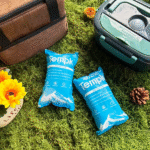
Keeping vegetables crisp and nutritious from farm to table is more complex than placing them in a refrigerator. Der vegetables cold chain packaging system controls temperature and humidity at every stage, preventing spoilage and foodborne illness. Research shows that roughly 40 % of foods are refrigerated and 15 % of global energy consumption is used for refrigeration. Despite these efforts, um 25 % of cold chain products are still wasted. In 2025 the challenge is to maintain freshness while embracing sustainability and new regulations. This guide demystifies vegetables cold chain packaging and shows you how it can help Du retain quality, minimize waste and meet rising market expectations.
Why vegetables cold chain packaging is essential for food safety and investment — understand why up to 25 % of produce is wasted when cold chain integrity fails and how proper packaging preserves vitamins.
How vegetables cold chain packaging works — explore insulation, Kühlung, phase change materials and smart technologies that keep vegetables within safe temperature and humidity ranges.
Selecting packaging for different vegetables — review recommended temperatures and relative humidity for leafy greens, root vegetables, warm season crops and dry storage produce.
Best practices for managing cold chain inventory — learn about real time monitoring, KI-gestützte Routenoptimierung, FIFO/FEFO rotation and training.
Trends und Innovationen für 2025 — discover the latest developments in sustainability, IoT, AI and regulatory compliance.
What Is Vegetables Cold Chain Packaging and Why Does It Matter?
Vegetables cold chain packaging is a system of Isolierte Behälter, cooling media and monitoring technologies that keeps fresh produce at optimal temperatures and humidity from harvest through distribution. It involves three interacting elements: Die Produkt (each vegetable’s temperature and humidity needs), Die Herkunft/Ziel (where it is grown and consumed) und die Vertriebsnetz (Reefers, warehouses and containers). When these elements align, respiration slows, moisture loss decreases and nutrient retention improves.
Why Cold Chain Is Crucial
Preserves nutrients and texture. Leafy greens kept near freezing with 90–95 % humidity stay crisp and retain vitamins. Im Gegensatz, even minor temperature fluctuations can allow pathogens like Salmonellen Und E. coli to thrive.
Reduces waste and increases profit. Um 70 % Lebensmittel in den USA. passes through cold chains, noch 25 % of these products are wasted because of breaches. Proper packaging slows respiration and reduces microbial growth, Haltbarkeit verlängern.
Complies with regulations. Das Gesetz zur Modernisierung der Lebensmittelsicherheit (FSMA) Abschnitt 204 requires companies to maintain Schlüsseldatenelemente (Ernte, Kühlung, Verpackung, Versand, receiving and transformation events) for foods on the Liste der Rückverfolgbarkeit von Lebensmitteln, with compliance dates starting Januar 20 2026.
Cold chain packaging ensures that vegetables remain safe, high quality and profitable while meeting regulatory demands. Think of it as a thermos for your produce — it keeps the contents within a tight temperature range, shielding them from external fluctuations.
Understanding Temperature and Humidity Requirements
Different vegetable categories require specific conditions. The table below summarizes recommended storage temperatures and relative humidity, adapted from Cornell University’s Cold Storage Chart.
| Vegetable category | Empfohlene Temperatur | Relative Luftfeuchtigkeit | Praktische Bedeutung |
| Blattgrün (Kopfsalat, Spinat, cabbage) | ~32 °F (0 °C) | 90–95 % | Near freezing conditions slow respiration and keep leaves crisp. Even slight increases cause wilting and vitamin loss. |
| Wurzelgemüse (Kartoffeln, Karotten, Rüben) | 38–40 °F (3–4 °C) | 85–90 % | Slightly warmer conditions avoid chilling injury while high humidity minimizes shrinkage. |
| Warm season crops (peppers, Tomaten) | 45–60 °F (7–15 °C) | 85–90 % | Higher temperatures prevent chilling damage; humidity reduces water loss. |
| Dry storage produce (Zwiebeln, Knoblauch) | 32 ° F (0 °C) | 70–75 % | Low humidity reduces sprouting and mold; store separately from moist produce. |
| Miscellaneous crops (Winterkürbis, melons) | 50–55 °F (10–13 °C) | 70–85 % | Higher temperatures are required; monitor humidity to avoid decay. |
Keeping vegetables within these ranges reduces respiration, delays senescence and maintains turgidity. Zum Beispiel, asparagus cooled to 0–2 °C with 95–99 % humidity stays fresh for 14–21 days, while delays in cooling increase toughness by 40 %.
How Cold Chain Packaging Protects Your Vegetables
Cold chain packaging systems combine Isolierung, Kühlung Und Phasenwechselmaterial (PCMs) mit Smart Sensoren to maintain these conditions. Insulated walls made of expanded polystyrene (EPS), Polyurethan (Pur), extrudiertes Polystyrol (XPS) oder vakuumisolierte Paneele (VIPs) reduzieren die Wärmeübertragung. Aktive Kühleinheiten use compressors and condensers to keep containers at 0–4 °C, während PCMs absorb or release thermal energy at specific temperatures, maintaining narrow ranges without continuous power. IoT -Sensoren Temperatur überwachen, Luftfeuchtigkeit und Standort in Echtzeit, sending alerts for deviations. Many systems also adjust oxygen and carbon dioxide levels to slow ripening.
How Do Vegetables Cold Chain Packaging Systems Work?
To truly understand vegetables cold chain packaging, let’s break down its core components. Each part works together to protect produce during the journey from farm to table.
Isolierung, Refrigeration and Phase Change Materials
Isoliersysteme reduce heat exchange between the outside environment and the container. Gemeinsame Materialien umfassen:
Erweiterter Polystyrol (EPS): Lightweight foam used for temperature ranges between 0 °C und 25 °C. It is affordable but offers moderate insulation.
Polyurethan (Pur) & Extrudiertes Polystyrol (XPS): Denser foams providing better insulation for shipments between –20 °C and 15 °C. They are ideal for longer distances but have a higher carbon footprint.
Vakuum -isolierte Panels (VIPs): Microporous cores under vacuum deliver extreme insulation for temperatures as low as –80 °C. VIPs enable ultra low temperature shipping but cost more.
Phasenwechselmaterial (PCMs): Substances that absorb or release heat at specific temperatures, such as 0–4 °C for vegetables. PCMs reduce reliance on active cooling and extend hold times.
Aktive Kühleinheiten use compressors and condensers to maintain precise temperatures. Für Gemüse, portable refrigeration units keep containers at 0–4 °C. Im Gegensatz, passive Systeme rely on insulation and PCMs without mechanical equipment; they are cost effective but limited to shorter shipments. Hybridsysteme combine both, using passive insulation plus an active backup for extended reliability.
Sensoren, IoT and Controlled Atmospheres
Modern cold chain packaging integrates Smart Sensoren Und Internet der Dinge (IoT) Technologie to provide continuous data on temperature, Luftfeuchtigkeit und Standort. Predictive analytics forecast equipment failures and optimize routes, while blockchain solutions enhance traceability by recording every stage from harvest to delivery. Systeme mit kontrollierter Atmosphäre adjust oxygen and carbon dioxide levels to slow ripening, as seen in Carrier’s EverFRESH® technology for berries and leafy greens.
These innovations transform packaging from a passive box into an intelligent system that adapts to changing conditions. Wie das smart container market grows from 6,07 Milliarden US-Dollar im Jahr 2025 to US$30.48 billion by 2034, expect more shipments to include sensors, GPS and cloud monitoring.
Materials and Technologies Summary
| Material or technology | Typischer Temperaturbereich | Eigenschaften & Verwendung | Praktische Implikationen |
| EPS -Schaum | 0 ° C bis 25 °C | Leicht und kostengünstig; mäßige Isolierung | Suitable for local delivery but may require gel packs; check recycling options. |
| Pur & XPS | –20 °C bis 15 °C | Dichterer Schaum mit höherem Isolationswert | Ideal für längere Sendungen; higher carbon footprint; reuse to offset waste. |
| VIPs | –80 °C bis 25 °C | Microporous core creates extremely high insulation | Enables ultra low temperatures; teurer; best for high value produce. |
| PCMs | –50 °C bis 20 °C (variiert) | Bei bestimmten Temperaturen Wärme aufnehmen oder abgeben | Verlängern Sie die Haltezeit und reduzieren Sie das Nutzlastgewicht; pair with insulation. |
| Wellpappe & Naturfasern | 0 ° C bis 15 °C | Mehrschichtige Einlagen aus Pappe oder Wolle | Fully recyclable; may require gel packs or PCMs for long journeys. |
| Wiederverwendbare starre Behälter & Palettenversender | –80 °C bis 25 °C | Robuste Kunststoff- oder Metallbehälter mit integrierten VIPs, PCMs and sensors | Hohe Vorabkosten, aber niedrigere Gesamtbetriebskosten; market expected to grow from US$4.97 billion in 2025 auf 9,13 Milliarden US-Dollar 2034. |
These materials and technologies allow you to match the temperature zone (Cool, gekühlt, gefroren, ultrakalt) with the appropriate packaging. Choosing the right combination ensures your vegetables remain fresh and reduces waste.
Selecting the Right Vegetables Cold Chain Packaging for Different Crops
Not all vegetables respond the same way to cold. Selecting the correct packaging requires understanding their physiological characteristics and journey length.
Packaging for Leafy Greens and Herbs
Leafy greens like lettuce, spinach and herbs have high respiration rates and demand near freezing temperatures with 90–95 % relative Luftfeuchtigkeit. Vacuum insulated panels or PUR boxes paired with PCMs at 0 °C provide consistent cold conditions. Breathable films allow gas exchange and prevent moisture build up, während plastic crates lined with gel packs cushion delicate leaves. Due to their short shelf life, shipments should be fast; route optimization ensures timely delivery.
Packaging for Root Vegetables and Tubers
Root vegetables such as carrots, potatoes and beets tolerate slightly higher temperatures (38–40 °F) and high humidity. Corrugated cardboard with wool inserts oder EPS-Boxen combined with gel packs maintain moisture without causing condensation. To prevent sprouting, packaging should block light, and humidity should remain around 85–90 %. Bulk pallets or reusable rigid containers are practical for large loads because they can be stacked efficiently.
Packaging for Warm Season Vegetables
Tomaten, peppers and cucumbers are susceptible to chilling injury when kept too cold. They require 45–60 °F with 85–90 % Luftfeuchtigkeit. For these crops, EPS or XPS containers with PCMs tuned to around 10 °C maintain a safe environment. Ventilated packaging reduces condensation, and controlled atmosphere systems adjust oxygen levels to slow ripening. Für Exportsendungen, hybrid systems combining passive insulation with active air circulation provide additional security.
Packaging for Dry Storage Produce
Onions and garlic need lower humidity (70–75 %). Mesh bags within rigid containers allow air flow and reduce moisture, preventing sprouting. Aktive Kühlung is less critical here, but packaging should protect against physical damage. Dry storage produce should be kept separate from high humidity goods to avoid cross contamination.
Stage Based Container Selection
Vegetables travel through several stages before reaching consumers. The table below summarises recommended packaging and practices at each stage.
| Stufe der Kühlkette | Zweck & empfohlene Temperatur | Verpackung & Praktiken | Was es für Sie bedeutet |
| Produktion & Ernte | Rapidly cool freshly harvested vegetables using forced air or hydrocooling; keep between 0–5 °C | Use ventilated crates in cooled rooms; remove field heat promptly | Verlangsamt die Atmung und das mikrobielle Wachstum, Erhaltung der Nährstoffe und Verlängerung der Haltbarkeit. |
| Verarbeitung & Verpackung | Waschen, cut and package under controlled temperatures | Sanitize facilities; use hygienic materials and breathable films | Verhindert Kontaminationen und reduziert die Krankheitserregerbelastung; behält die Qualität bei. |
| Kühllager | Store refrigerated vegetables at 0–4 °C and frozen stock at –18 °C | Use insulated boxes with PCMs; maintain separate zones for different crops | Provides buffer inventory and reduces wastage; ensures consistent supply. |
| Transport | Use refrigerated trucks and reefers to maintain a continuous cold chain | Employ GPS enabled sensors; choose containers with proper insulation and PCMs | Prevents spoilage across long distances; monitors conditions in real time. |
| Verteilung & Einzelhandel | Multizone distribution centres and stores keep varied temperature zones | Use modular containers for easy handling; rotate stock using FIFO/FEFO | Keeps vegetables fresh until purchased; reduziert Warenschwund im Einzelhandel. |
| Umgang mit Verbrauchern | Refrigerate at ≤4 °C and freeze at –18 °C; consume promptly | Provide clear storage instructions on packaging; include QR codes for tips | Erhält die Qualität zu Hause und reduziert den Hausmüll. |
Best Practices for Maintaining Cold Chain Integrity
Choosing the right packaging is only half the battle. Maintaining cold chain integrity requires operational best practices across inventory management, training and compliance.
Real Time Monitoring and Tracking
IoT-Sensoren überwachen die Temperatur, Luftfeuchtigkeit und Standort kontinuierlich überwachen. Devices record conditions every 10–15 minutes and send alerts when deviations occur, enabling corrective action before spoilage. Many companies integrate sensors with cloud platforms to analyze data, identify trends and optimize operations. Real time monitoring not only prevents losses but also provides evidence for regulatory compliance.
AI Powered Predictive Analytics and Route Optimization
Künstliche Intelligenz (Ai) predicts demand, optimizes delivery routes and anticipates equipment failures. Machine learning algorithms analyze sales history, seasonal patterns and weather to forecast inventory needs. AI driven route planning reduces transit time, saving fuel and ensuring vegetables arrive before quality declines. In Lagerhäusern, AI suggests dynamic space allocation, improving efficiency and reducing labor costs. By shifting from reactive to proaktiv Management, AI reduces waste and increases profitability.
FIFO and FEFO Rotation Practices
Adopt First In, First Out (FIFO) Und First Expired, First Out (FEFO) rotation to ensure that older or near expiration stock ships first. Combining these methods with real time expiration data improves accuracy and reduces shrinkage. Label pallets and containers with clear dates and use bar code or QR code systems for tracking.
Demand Forecasting and Inventory Optimization
Accurate forecasting prevents both overstocking and shortages. Data driven models use historical sales, seasonal patterns and promotional activity to set reorder points. Integrated warehouse management systems automatically adjust orders and allocate storage space. Machine learning algorithms recommend optimal safety stock levels based on variability and lead times, reducing carrying costs while ensuring availability.
Schulung und Standardarbeitsanweisungen
Even the best technology fails without trained staff. Employees must understand proper Handhabung, pallet stacking, Hygiene Und Gerätebetrieb. Standardarbeitsanweisungen (Sops) should outline receiving, Lagerung, picking and shipping practices. Regular training refreshes skills and reinforces the importance of cold chain integrity. Create checklists for loading and unloading vehicles, and conduct drills for emergency situations such as power outages.
Documentation and Compliance
Regulatory frameworks require detailed records of temperature, Luftfeuchtigkeit, batch numbers and expiration dates. FSMA-Sektion 204 mandates that businesses provide Wichtige Datenelemente to the FDA within 24 Std. after a request. The compliance date for most companies is January 20 2026, with a proposed extension to July 20 2028. Incorporate traceability features into inventory systems and train staff to capture data accurately. Zuwiderhandlungen können zu Bußgeldern führen, recalls and loss of consumer trust.
Power Disruptions and Contingency Planning
Power outages can quickly raise storage temperatures. Facilities should install Backup-Generatoren, perform regular tests and invest in energy efficient refrigeration systems. High quality insulation helps maintain temperature longer during outages. Develop contingency plans detailing procedures for relocating goods or redistributing products quickly during emergencies.
Humidity and Air Quality Control
Maintaining the right humidity prevents condensation and mold while preventing wilt and weight loss. Facilities should use humidifiers, dehumidifiers and proper ventilation. Clean airflow removes ethylene gas, which accelerates ripening and affects sensitive vegetables. Segregate ethylene producing crops (Z.B., Tomaten) from ethylene sensitive ones (Z.B., Kopfsalat).
Transportation Delays and Packaging Solutions
Delays due to traffic or weather can degrade produce. Implementieren Routenoptimierung and ensure vehicles have preventive maintenance. Choose packaging that matches shipment distance: aktive Systeme für lange Reisen, passive or hybrid systems für kurze Strecken. Pre cool containers and vehicles before loading to maintain temperature.
Hygiene and Contamination Prevention
Cold storage areas must be cleaned and sanitized regularly. Inspect shipments for temperature compliance and segregate new products from older stock. Teach staff to follow personal hygiene practices, wear protective gear and prevent cross contamination.
2025 Trends and Innovations in Vegetables Cold Chain Packaging
The landscape of vegetables cold chain packaging is evolving rapidly. In 2025, several trends are transforming how companies store and transport produce.
Nachhaltigkeit und grüne Logistik
Cold chain operations face increasing pressure to reduce their carbon footprint. Innovationen umfassen erneuerbare Energiequellen such as solar and wind to power refrigerated facilities. Der Übergang zur –15 °C-Initiative encourages energy efficient refrigeration technologies to cut emissions. Efficient cold chains also reduce food loss: mehr als 1 Jährlich werden Milliarden Tonnen Lebensmittel verschwendet, Erzeugen 8–10 % der globalen Treibhausgasemissionen. Adopting reusable containers, biodegradable materials and optimizing routes helps lower environmental impacts.
Künstliche Intelligenz und Automatisierung
AI is transforming cold chain logistics. Predictive maintenance anticipates equipment failures, während Routenoptimierung reduces delays. Warehouse automation uses robots to optimize space and reduce labor costs. AI also helps design facility layouts that enhance safety and efficiency, adapting dynamically to product profiles. These capabilities make cold chain management proactive rather than reactive.
Real Time Monitoring and IoT Expansion
IoT sensors are ubiquitous in 2025. They deliver continuous data on temperature and humidity and integrate with supply chain software for end to end visibility. Blockchain technologies improve traceability; companies like Walmart partner with IBM’s Food Trust to track produce from farm to store. Smart pallets embedded with GPS and climate control, as used by firms like Nestlé, evaluate shipping conditions and reduce waste.
Expansion of Cold Storage Facilities and Built to Suit Solutions
High infrastructure costs are driving outsourcing to specialized cold storage providers. Passend zu den Einrichtungen gebaut are customized to meet operational needs, Optimierung von Kosten und Effizienz. Outsourcing allows companies to access advanced technologies without large capital investments.
Resilience to Climate Change and Supply Chain Disruptions
Extreme weather events such as flooding and drought challenge cold chain logistics. Businesses invest in resilient infrastructure, diversified routing and strategic stockpiles. Maintaining extra refrigerated containers and backup transport options increases resilience.
Increasing Regulatory Pressure and Traceability
Regulators worldwide are tightening requirements. FSMA-Sektion 204 mandates traceability and risk based controls. Industry associations encourage standard data formats to simplify compliance. This trend pushes companies to adopt digital tracking, smart labels and automated record keeping.
Marktwachstum und Investitionen
Der UNS. Markt für Lebensmittelkühlkette wird voraussichtlich wachsen USD 14.17 Milliarden in 2025 in USD 54.88 Milliarden von 2034. Investment is flowing into AI, IoT, sustainable packaging and renewable energy to meet consumer expectations and regulatory requirements. As consumers demand year round availability of vegetables and higher transparency, companies must upgrade their cold chain packaging systems.
FAQs: Your Common Questions Answered
- What is the primary benefit of vegetables cold chain packaging?
A cold chain maintains vegetables within optimal temperature and humidity ranges, slowing respiration and microbial growth. This extends shelf life and reduziert Abfall. Use containers with proper insulation and sensors to keep produce safe. - How cold should storage be for leafy greens?
Leafy greens need near freezing conditions—approximately 32 ° F (0 °C) with 90–95 % relative Luftfeuchtigkeit. Using VIP containers or PUR boxes with PCMs at 0 °C ensures crispness and nutrient retention. - Why can’t onions be stored with lettuce?
Onions require low humidity (70–75 %) to prevent sprouting, while lettuce requires high humidity. Mixing them compromises both; store them in separate containers with appropriate humidity. - Do I need to record temperatures for regulatory compliance?
If your vegetables are on the Food Traceability List, you must record Key Data Elements and provide them to the FDA within 24 Std.. Use IoT sensors and digital record keeping to simplify compliance. - How can I reduce energy consumption in my cold chain?
Adopt energy efficient refrigeration, renewable energy sources such as solar or wind, and proper insulation. AI driven route optimization also cuts fuel use. - Are phase change materials safe for food shipments?
Ja. PCMs selected for food shipments are sealed within containers and designed to be non toxic. Sie nehmen bei bestimmten Temperaturen Wärme auf und geben sie wieder ab, reducing energy consumption. - What is smart packaging and how does it help?
Smart packaging uses sensors, smart materials and IoT to monitor and regulate environmental factors such as temperature, humidity and gas concentrations. Es verlängert die Haltbarkeit, enhances food safety and reduces waste by dynamically adjusting internal conditions. - Are biodegradable materials suitable for cold chain packaging?
Ja. Natural fibres like wool offer recyclable alternatives, though they may require gel packs or PCMs for longer journeys. Innovations in biodegradable smart packaging are emerging to reduce plastic waste.
Zusammenfassung und Empfehlungen
Key Takeaways:
Understand your vegetables’ needs: Store leafy greens at 0 °C with high humidity, root vegetables slightly warmer, warm season crops at moderate temperatures and dry storage produce in low humidity.
Invest in proper packaging: Choose materials—EPS, Pur, VIPs and PCMs—based on temperature requirements and shipment duration. For high value or long shipments, consider reusable containers with integrated sensors.
Implementieren Sie eine Echtzeitüberwachung: Use IoT sensors and AI for continuous data, vorausschauende Wartung und Routenoptimierung.
Befolgen Sie Best Practices: Apply FIFO/FEFO rotation, Personalbetreuung, maintain hygiene and prepare contingency plans.
Bleiben Sie den Trends immer einen Schritt voraus: Setzen Sie auf Nachhaltigkeit, Ai, IoT and regulatory compliance; invest in renewable energy and track market growth.
Aktionsplan:
Bewerten Sie Ihre aktuelle Kühlkette. Conduct an audit of packaging materials, sensors and storage practices. Identify temperature deviations and areas of waste.
Upgrade packaging systems. Invest in insulation and PCMs tailored to your products. Für Sendungen mit hohem Wert, adopt reusable containers with smart sensors.
Integrate monitoring and analytics. Use cloud connected sensors and AI to predict maintenance issues, Optimieren Sie Routen und prognostizieren Sie die Nachfrage.
Trainieren und stärken Sie Ihr Team. Develop SOPs and run regular training on handling, sanitation and emergency procedures.
Übernehmen Sie nachhaltige Praktiken. Implementieren Sie Lösungen für erneuerbare Energien, reduce single use plastics and choose recyclable or biodegradable materials.
Bleib konform. Familiarize yourself with FSMA Section 204 and prepare your record keeping systems for the 2026 Fristen.
Über Tempk
Tempk ist Spezialist für cold chain packaging and technology solutions. Our research and development team focuses on creating umweltfreundlich, reusable and recyclable products. Wir bieten Isolierboxen an, gel ice packs and integrated sensor systems that keep vegetables at the right temperature throughout transit. By combining innovative materials with real time monitoring, we help Reduzieren Sie den Verderb um bis zu 50 %. Wir are committed to sustainability and regulatory compliance, supporting your business with reliable solutions.
Aufruf zum Handeln: Need help optimizing your vegetables cold chain packaging? Reach out to our experts for a personalized consultation and discover how our sustainable, smart packaging solutions can keep your produce fresh and your customers satisfied.