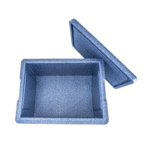
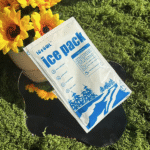
Exporteure von expandiertem Polypropylen (EVP) Schaumstoffboxen gestalten die Kühlkettenlogistik neu, indem sie langlebig sind, wiederverwendbare und leichte Behälter, die Waren auf präzisen Temperaturen halten. Im Vergleich zu herkömmlichen Polystyrol-Optionen, EPP-Boxen bieten eine höhere Schlagfestigkeit, besseres Verhältnis von Festigkeit zu Gewicht und vollständige Recyclingfähigkeit. Die weltweite Nachfrage nach temperaturkontrollierten Sendungen – von Impfstoffen und Biologika bis hin zu Meeresfrüchten und Gourmetgerichten – wächst schnell, Und Exporteure von EPP-Schaumstoffboxen stehen im Zentrum dieser Revolution. In diesem Artikel wird erläutert, warum EPP-Boxen wichtig sind, wie Exporteure sie für verschiedene Sektoren optimieren, und was zukünftige Innovationen für Ihr Unternehmen bedeuten.
Was macht EPP-Schaumstoffboxen ideal für globale Kühlkettenexporte?? Entdecken Sie Materialeigenschaften – Schlagfestigkeit, Temperaturbereich und Recyclingfähigkeit – und wie sie EPS- und EPE-Alternativen übertreffen.
Wie verbessern Exporteure von EPP-Schaumstoffboxen die Nachhaltigkeit und senken die Kosten?? Erfahren Sie, warum wiederverwendbare EPP-Boxen Abfall reduzieren und wie Recycling im geschlossenen Kreislauf eine Kreislaufwirtschaft unterstützt.
Wo werden EPP-Schaumstoffboxen branchenübergreifend eingesetzt?? Verstehen Sie branchenspezifische Anwendungen von Pharmazeutika über E-Commerce bis hin zu Outdoor-Freizeitaktivitäten.
Wie wählt man EPP-Schaumstoffboxen für den Export aus und passt sie an?? Erhalten Sie Hinweise zum Temperaturbereich, Dichte, Größe, Verschlüsse und intelligente Funktionen wie IoT-Sensoren.
Was sind die neuesten 2025 Trends und Innovationen? Sehen Sie sich neue Technologien wie KI-gestützte Überwachung an, kompostierbare Materialien und Phasenwechselpackungen, die den Markt prägen.
FAQs und umsetzbare Empfehlungen um Sie bei der Umsetzung von EPP-Verpackungsstrategien in Ihren eigenen Betrieben zu unterstützen.
Was macht EPP-Schaumstoffboxen ideal für globale Kühlkettenexporte??
Direkte Antwort
EPP-Schaumstoffboxen sind ideal für Exporteure, da ihre geschlossenzellige Struktur eine außergewöhnliche Schlagfestigkeit bietet, Hohes Verhältnis von Festigkeit zu Gewicht und vollständige Recyclingfähigkeit – Eigenschaften, die expandiertes Polystyrol auszeichnen (EPS) und expandiertes Polyethylen (EPE) kann nicht übereinstimmen. Dieses robuste Design absorbiert wiederholte Stöße und ermöglicht ein Zurückfedern des Behälters ohne Verformung, Damit empfindliche Güter auch auf längeren Transporten sicher bleiben. Hersteller können Dichten von 15–260 kg/m³ anpassen, ausgleichende Kraft, Gewicht und Isolierung. Die Fähigkeit des Materials, die strukturelle Integrität von –40 °C bis +110 °C aufrechtzuerhalten, macht es für ultrakalte Arzneimittel und heiße Catering-Lieferungen geeignet.
Ausführliche Erklärung
Aus Benutzersicht, Der Wert von EPP-Boxen liegt in ihren physikalischen Eigenschaften. Jede Box wird durch Aufweiten von Polypropylenkügelchen zu einem starren Netzwerk geschlossener Zellen geformt, Dadurch entsteht eine hohe Energieabsorptions- und Stoßdämpfungsleistung. Im Vergleich zu EPS, das nach einem Aufprall spröde wird, und EPE, was eine begrenzte Stoßdämpfung bietet, EPP behält seine Form auch nach mehreren Kompressionen und kann hunderte Male wiederverwendet werden. Dichten im Bereich von 15–100 kg/m³ – und bis zu 260 kg/m³ für Sorten mit hoher Dichte – ermöglichen Exporteuren, je nach Produktzerbrechlichkeit und Reisedauer leichtere oder stärkere Lösungen zu wählen. Die geschlossene Zellstruktur von EPP minimiert außerdem die Wärmeleitung, Lagerung von Waren innerhalb enger Temperaturfenster, z. B. 2–8 °C für Impfstoffe oder –20 °C für Tiefkühlkost. Denn Polypropylen ist ungiftig und recycelbar, Diese Boxen stehen im Einklang mit globalen Nachhaltigkeitsinitiativen und reduzieren die Auswirkungen auf die Umwelt.
Verständnis der physikalischen und thermischen Eigenschaften von EPP
Die folgende Tabelle fasst die wichtigsten Leistungskennzahlen für EPP-Schaumstoffboxen zusammen und erklärt, warum sie für Exporteure wichtig sind:
| Eigentum | Typische Reichweite | Bedeutung für Exporteure | Ihr Vorteil |
| Dichte (kg/m³) | 15–100 (Brauch bis zu 260) | Maßgeschneiderte Stärke und Isolierung; Höhere Dichten sorgen für eine längere Haltbarkeit, erhöhen jedoch das Gewicht | Wählen Sie die Dichte, die Schutz und Versandkosten in Einklang bringt |
| Energieaufnahme (kj /) | 20–40 | Zeigt die Stoßdämpfungsfähigkeit an | Schützt empfindliche Impfstoffe, Elektronik oder Glaswaren beim Export |
| Druckfestigkeit (MPa) | 0.3–2,5 | Bewältigt schwere Lasten ohne bleibende Verformung | Ermöglicht das Stapeln und Palettieren für Massensendungen |
| Temperaturbereich (°C) | −40 bis +110 | Behält seine Integrität auch bei extremer Kälte oder Hitze | Geeignet für den Export von kryogenen Arzneimitteln oder heißen Lebensmitteln |
| Wasseraufnahme (%) | <0.3 | Nicht porös und feuchtigkeitsbeständig | Verhindert Schimmel, Bakterienwachstum und Verschlechterung der Isolierung |
| Wiederverwendbarkeit (Zyklen) | Hunderte | Behält die Polsterung und Isolierung bei mehrfacher Verwendung | Verteilen Sie die Verpackungskosten auf mehrere Sendungen |
Praktische Tipps für Exporteure
Passen Sie die Dichte an die Nutzlast an: Verwenden Sie Schaumstoff mit höherer Dichte (40–60kg/m³) für Schwer- oder Langstreckenexporte; Wählen Sie für leichtere Artikel eine mittlere Dichte, um Gewicht zu sparen.
Kombinieren Sie es mit geeigneten Kühlakkus: Kombinieren Sie EPP-Boxen mit Phasenwechselmaterialien (PCM) oder auf Ihren Temperaturbereich zugeschnittene Gel-Packs, um die Abkühlzeiten zu verlängern.
Sorgen Sie für dichte Verschlüsse und ergonomisches Design: Wählen Sie Boxen mit bündigem oder scharniertem Deckel, Dichtungen und Griffe für sichere Abdichtung und einfache Handhabung.
Vermeiden Sie Überpacken: Lassen Sie rund um den Inhalt Platz für die Luftzirkulation; Eine Überfüllung kann zu heißen Stellen führen und die Temperaturkontrolle beeinträchtigen.
Wirklicher Fall: Während Impfstoffverteilungskampagnen, Gesundheitsdienstleister wechselten von Einweg-EPS-Kühlern zu EPP-Boxen gepaart mit Eisbeuteln. Die EPP-Boxen absorbierten Stöße bei rauer Handhabung und hielten die Innentemperatur aufrecht, Dadurch werden Produktverluste reduziert und Tausende von Einwegkartons eingespart. Dieses Beispiel aus der Praxis zeigt, wie EPP die Zuverlässigkeit und Nachhaltigkeit in der globalen Gesundheitslogistik verbessert.
Wie verbessern Exporteure von EPP-Schaumstoffboxen die Nachhaltigkeit und senken die Kosten??
Direkte Antwort
Exporteure nutzen EPP-Schaumstoffboxen, um die Nachhaltigkeit zu fördern, da das Material vollständig recycelbar und für den wiederholten Gebrauch konzipiert ist, Reduzierung von Abfall und langfristigen Kosten. Im Gegensatz zu Einwegbehältern aus Polystyrol, EPP kann hunderte Male gereinigt und wiederverwendet werden. In Verbindung mit Retourenlogistikprogrammen, Die Kosten pro Versand pro Karton sinken, Dies macht die Investition wirtschaftlich attraktiv und reduziert gleichzeitig den CO2-Ausstoß.
Ausführliche Erklärung
Wiederverwendbare EPP-Boxen entsprechen den Prinzipien der Kreislaufwirtschaft: sie sind ungiftig, leicht zu reinigen und behalten ihre strukturelle Integrität über viele Zyklen hinweg. Beim Recycling geht es darum, gebrauchte Kartons zu sammeln, Reinigen und Umformen des Materials in neue Produkte. Denn EPP ist ein Einstoffschaum, Dieser Prozess ist im Vergleich zu mehrschichtigen Verbundwerkstoffen, die schwieriger zu recyceln sind, unkompliziert. Die Vorteile für die Umwelt sind erheblich: Eine EPP-Box kann Hunderte von Einwegbehältern ersetzen, Reduzierung des Deponievolumens und Reduzierung des Energiebedarfs für die Herstellung neuer Verpackungen. Wirtschaftlich, Die anfänglich höheren Kosten von EPP-Boxen werden durch wiederholte Verwendung und einen geringeren Produktverderb ausgeglichen. Studien zeigen, dass Wiederverwendungsprogramme oft bereits nach wenigen Dutzend Zyklen ihre Gewinnschwelle erreichen.
Vorteile der Wiederverwendbarkeit und der Kreislaufwirtschaft
Die folgende Tabelle fasst die ökologischen und wirtschaftlichen Vorteile von EPP-Schaumstoffboxen für Exporteure zusammen:
| Nutzen | Beschreibung | Was es für Sie bedeutet |
| Recycling im geschlossenen Kreislauf | EPP lässt sich leicht zu neuen Kartons oder anderen Produkten recyceln | Reduziert die Nachfrage nach Neumaterialien und unterstützt die Nachhaltigkeitsziele des Unternehmens |
| Reduzierte Abfallerzeugung | Eine einzige wiederverwendbare Box ersetzt Hunderte von Einwegalternativen | Reduziert das Deponievolumen und die Entsorgungskosten drastisch |
| Geringerer CO2-Fußabdruck | Die Herstellung von weniger Kartons und deren Wiederverwendung reduziert den Energieverbrauch und die Emissionen | Trägt dazu bei, Umweltziele zu erreichen und den Ruf der Marke zu verbessern |
| Wirtschaftlicher Breakeven | Wiederverwendbare Programme sind oft schon nach ein paar Dutzend Zyklen kaputt | Langfristige Kosteneinsparungen überwiegen höhere Vorabinvestitionen |
| Verbesserte Markenwahrnehmung | Nachhaltige Verpackungen signalisieren Verantwortung für die Umwelt | Appelliert an umweltbewusste Partner und Kunden |
Praktische Tipps für Nachhaltigkeit
Führen Sie Rückgabeprogramme durch: Ermutigen Sie ausländische Kunden, Kartons zurückzugeben, indem Sie Pfand oder Anreize anbieten; Ein Exporteur hat 80 % der Kartons über ein Pfandsystem zurückgefordert und den Verpackungsmüll um 90 % reduziert..
Erstellen Sie Reinigungsprotokolle: Verwenden Sie milde Seife und Wasser, um die Kartons zwischen den Einsätzen zu desinfizieren; Die porenfreie Oberfläche von EPP verhindert Bakterienwachstum.
Verschleiß überwachen: Überprüfen Sie die Kartons regelmäßig auf Risse oder Verformungen und führen Sie beschädigte Einheiten dem Recycling zu.
Kombinieren Sie es mit umweltfreundlichem PCM: Wählen Sie Phasenwechselmaterialien, die recycelbar oder biologisch abbaubar sind, um den Nutzen für die Umwelt zu maximieren.
Wirklicher Fall: Ein Exporteur von Meeresfrüchten ersetzte Einweg-EPS-Kühlboxen durch wiederverwendbare EPP-Boxen, Einrichtung eines Rückkehrprogramms. Das Unternehmen hat 80 % der Kartons zurückgewonnen und den Verpackungsmüll um 90 % reduziert., spart Tausende von Dollar an Verpackungskosten und vermarktet gleichzeitig seine Nachhaltigkeitseigenschaften.
Wo werden EPP-Schaumstoffboxen branchenübergreifend eingesetzt??
Direkte Antwort
EPP-Schaumstoffboxen sind vielseitige Lösungen für den gesamten Pharmabereich, Essen & Gastronomie, E-Commerce, Outdoor-Freizeit- und Industrielogistik. Ihre Fähigkeit, stabile Temperaturen aufrechtzuerhalten und Waren vor Stößen zu schützen, macht sie für Kühlkettenexporte unverzichtbar. In Arzneimitteln, EPP containers keep vaccines and biologics within narrow temperature ranges such as 2–8 °C or ultra cold conditions. Restaurants, meal kit services and seafood suppliers use them to keep meals hot or frozen foods cold. E commerce companies customise EPP boxes to match product dimensions, reducing void space and shipping costs. Outdoor enthusiasts rely on them for picnic and camping coolers, while industrial users adopt reusable EPP trays and dunnage systems for precision instruments.
Ausführliche Erklärung
The closed cell structure of EPP provides reliable temperature control across multiple industries. Im Gesundheitswesen, these boxes protect vaccines, cell therapies and lab samples from temperature excursions; their non porous surfaces are hygienic and easy to sanitise. Food and catering services rely on EPP boxes for meal deliveries, Transport von Meeresfrüchten und Veranstaltungen im Freien; Die Wasserbeständigkeit des Materials und die optionalen Drainagelöcher verhindern ein Auslaufen. E-Commerce-Unternehmen passen EPP-Boxen genau an die Artikel an, Verbesserung der Raumeffizienz und Ansprache umweltbewusster Verbraucher. Outdoor-Enthusiasten profitieren vom Leichtgewicht, Langlebige Kühlboxen, die Speisen und Getränke stundenlang frisch halten. In der Industrielogistik werden EPP-Trays und Separatoren zum Schutz der Elektronik eingesetzt, Automobilteile und HVAC-Komponenten.
Branchenspezifische Anwendungen und Anpassungen
Die folgende Tabelle fasst die Branchenanwendungen und Vorteile für Exporteure zusammen:
| Industrie | Beispielanwendung | Vorteil für Exporteure | Spezifischer Vorteil |
| Pharmazeutika | Impfstoffboxen und Biologika-Versender | Hält strenge Temperaturbereiche von 2–8 °C oder extrem kalten Temperaturen ein; Nicht poröse Oberflächen erfüllen die gesetzlichen Standards | Stellt die Einhaltung der Guten Vertriebspraxis sicher (BIP) Richtlinien, Reduzierung des Verderbsrisikos |
| Essen & Gastronomie | Essenslieferung, Meeresfrüchte, Tiefkühlkost | Hält Mahlzeiten warm oder kalt; Leichte Kartons erleichtern die Handhabung | Verlängert die Haltbarkeit und verbessert die Kundenzufriedenheit |
| E-Commerce & Lebensmittel | Individuelle Versandkartons | Maximiert die Raumeffizienz und senkt die Versandkosten; Mehrwegverpackungen sprechen umweltbewusste Verbraucher an | Reduziert Verpackungsmaterial und Logistikkosten |
| Im Freien & Freizeit | Picknick- und Campingkühler | Hält Lebensmittel stundenlang frisch; Leicht für den einfachen Transport | Verbessert Outdoor-Erlebnisse und Markensichtbarkeit |
| Industrielogistik | Wiederverwendbare Stau- und Transporttabletts | Schützt Präzisionsinstrumente und Elektronik; reduziert Abfall und Kosten | Reduziert Schadensraten und unterstützt nachhaltige Lieferketten |
Praxistipps für Branchenanwendungen
Passen Sie die Kartongröße an die Nutzlast an: Passen Sie die Abmessungen an, damit sie genau zu den Produkten passen, Reduzierung des Hohlraums und Verbesserung der Temperaturstabilität.
Ziehen Sie spezielle Einsätze in Betracht: Für Pharmazeutika, Verwenden Sie maßgeschneiderte Einsätze, um Fläschchen sicher zu halten und konstante Temperaturen aufrechtzuerhalten.
Planen Sie Herausforderungen auf der letzten Meile ein: Wählen Sie Boxen mit ergonomischen Griffen und Stapeldeckeln für eine effiziente Lieferung.
Denken Sie über den Versand hinaus: EPP-Boxen können als Lagerbehälter oder Marketinginstrumente dienen, wie Marken-Picknick-Kühlboxen.
Wirklicher Fall: Ein Catering-Unternehmen hat EPP-Isolierboxen für Bankettveranstaltungen eingeführt. Die Boxen hielten heiße Vorspeisen mehr als zwei Stunden lang auf Serviertemperatur und kalte Salate knackig. Nach jeder Veranstaltung, Das Personal wischte die Kartons ab und verwendete sie wieder, Senkung der Kosten für Einwegbehälter im Laufe der Saison um 60 %.
Wie wählt man EPP-Schaumstoffboxen für den Export aus und passt sie individuell an??
Direkte Antwort
Exporteure sollten EPP-Schaumboxen auswählen, indem sie den erforderlichen Temperaturbereich abschätzen, Nutzlastgröße, Schaumdichte, Verschlussart und optionale Smart-Features. Legen Sie fest, ob Ihre Sendung gekühlt werden muss (2–8 ° C), gefroren (–20 ° C.) oder extrem kalt (–60°C bis –90°C) Kapazität und paaren Sie die Boxen mit geeigneten Phasenwechselpackungen oder Trockeneis. Messen Sie Ihr Produkt, um Abmessungen auszuwählen, die den Hohlraum reduzieren und die Isolierung verbessern. Höhere Dichten sorgen für eine bessere Isolierung und Festigkeit, erhöhen jedoch das Gewicht, Passen Sie daher die Dichte an die Ladung und die Fahrtlänge an. Erwägen Sie ergonomische Griffe, bündige oder aufklappbare Deckel und Branding-Optionen für einfache Nutzung und Vermarktung. Für Arzneimittel oder hochwertige Sendungen, Fügen Sie IoT-Sensoren und Datenlogger hinzu, um Temperatur und Standort in Echtzeit zu überwachen.
Ausführliche Erklärung
Die Auswahl der richtigen EPP-Box beginnt mit den Temperaturanforderungen. Gekühlte Waren wie Impfstoffe benötigen stabile Temperaturbereiche von 2–8 °C, während Tiefkühlkost –20°C benötigt, und ultrakalte Biologika erfordern –60 °C oder kälter. Kombinieren Sie EPP-Boxen mit Phasenwechselmaterialien oder Trockeneis, die diesen Bereichen entsprechen. Die Abmessungen der Nutzlast sind entscheidend: Individuelle EPP-Boxen können in nahezu jeder Form und Größe hergestellt werden. Schaumstoffe mit höherer Dichte (40–60kg/m³) bieten eine bessere Isolierung und Festigkeit, sind aber schwerer; Leichtere Dichten eignen sich für kürzere Fahrten. Der Verschlussstil beeinflusst die Temperaturerhaltung: Bündig abschließende Deckel mit Dichtungen minimieren Luftleckagen, während Klappdeckel den häufigen Zugriff erleichtern. Ergonomische Griffe oder Gurte verbessern die Handhabung beim Export. Durch die Markenintegration – beispielsweise durch eingegossene Logos oder Farben – wird die Verpackung zu einem Marketing-Asset und unterstützt die Wiedererkennung beim Kunden. Endlich, Digitale Funktionen wie Sensoren und Blockchain-kompatible Etiketten ermöglichen eine Echtzeitverfolgung, Einhaltung regulatorischer Anforderungen und Gewährleistung der Produktintegrität.
Schlüsselfaktoren: Temperaturbereich, Dichte und intelligente Funktionen
| Auswahlfaktor | Überlegungen | Praktische Anleitung |
| Temperaturbereich | Stellen Sie fest, ob Ihre Sendung gekühlt werden muss (2–8 ° C), gefroren (–20 ° C.) oder extrem kalt (<–60°C) Kapazität | Kombinieren Sie die Boxen mit PCM-Packs oder Trockeneis, die dem Temperaturbereich entsprechen; Ultrakalte Sendungen benötigen möglicherweise eine zusätzliche Isolierung |
| Nutzlastabmessungen | Messen Sie die Produktgröße und die erforderlichen Abstände | Maßgeschneiderte Boxen reduzieren die Hohlraumfüllung und verbessern die Isolierung; Vermeiden Sie übergroße Behälter |
| Schaumdichte | Höhere Dichten sorgen für eine bessere Isolierung und Festigkeit, erhöhen jedoch das Gewicht | Passen Sie die Dichte an das Nutzlastgewicht und die Reiselänge an; Mittlere Dichten sorgen für ein ausgewogenes Verhältnis zwischen Leistung und Kosten |
| Deckel und Verschluss | Flächenbündiger Einbau, Stapel- oder Klappdeckel | Wählen Sie Dichtungen für eine luftdichte Abdichtung; Erwägen Sie Klappdeckel für einen einfachen Zugang |
| Griffe und Ergonomie | Ergonomische Griffe oder Riemen | Verbessern Sie das Handling auf der letzten Meile und verringern Sie das Sturzrisiko |
| Branding und Individualisierung | Farben, Logos, Partitionen | Verwandeln Sie Verpackungen in Marketing; Fügen Sie Einsätze hinzu, um Fläschchen oder Fächer zu sichern |
| Überwachung & IoT | Sensoren, Datenlogger und Blockchain-Etiketten | Stellen Sie Temperatur- und Standortdaten in Echtzeit bereit; Gewährleistung der Einhaltung der GDP- und HACCP-Standards |
Praktische Tipps zur Auswahl und Anpassung
Verwenden Sie Größenrechner und Selbsteinschätzungstools: Interaktive Rechner können die optimale Boxgröße und -dichte basierend auf den Nutzlastabmessungen und der erforderlichen Temperaturdauer schätzen.
Implementieren Sie Überwachungsfunktionen: Fügen Sie IoT-Sensoren und Datenlogger hinzu, um die Bedingungen in Echtzeit zu verfolgen; Dies hilft, Abweichungen zu erkennen, bevor sie sich auf die Produktqualität auswirken.
Entscheiden Sie sich für zusammenklappbare Designs: Einige EPP-Boxen mit hoher Dichte sind faltbar, Sparen Sie bis zu 60 % Platz im Leerzustand und reduzieren Sie die Logistikkosten für die Rücksendung.
Branding integrieren: Incorporate your logo, colours or promotional messaging directly into the foam to enhance brand recognition.
Select eco friendly PCM: Use biodegradable or recyclable phase change materials to complement the sustainability of EPP.
Wirklicher Fall: A meal kit delivery start up used a size calculator to design custom high density EPP boxes. The boxes kept ingredients safe for 48 hours and reduced shipping costs by eliminating void fillers, demonstrating how tailored design and density choices can boost efficiency.
Was sind die neuesten 2025 Trends and Innovations in EPP Foam Box Technology?
Trendübersicht
The cold chain packaging industry is evolving rapidly: the market is projected to grow from USD 34.28 billion in 2024 to USD 89.84 billion by 2034 at a CAGR of 11.3 %. EPP-Boxen mit hoher Dichte schreiten mit diesem Wachstum voran, da Unternehmen KI integrieren, IoT und Blockchain in Verpackungslösungen. Nachhaltigkeit treibt neue Materialien und Prozesse voran: während EPP bereits recycelbar ist, Die Forschung an kompostierbaren Schäumen und biobasierten Alternativen zielt darauf ab, die Umweltbelastung zu reduzieren. Allein der Markt für pharmazeutische Kühlkettenverpackungen wird im Jahr auf 28,9 Milliarden US-Dollar geschätzt 2025 und wird voraussichtlich 75,0 Milliarden US-Dollar erreichen 2032, wächst um 14,6 % pro Jahr. Dieser Anstieg unterstreicht die Bedeutung zuverlässiger Thermobehälter wie EPP-Boxen.
Neueste Fortschritte auf einen Blick
KI- und Blockchain-Integration: Kühlkettenanbieter nutzen KI-gestützte Routenoptimierung und Blockchain, um sicherzustellen, dass Pakete effizienten Pfaden folgen und manipulationssichere Aufzeichnungen führen. Dies reduziert Verzögerungen und verbessert die Rückverfolgbarkeit für Arzneimittel und Lebensmittel.
Kompostierbare Materialien: Start-ups entwickeln kompostierbare Schäume aus Zellstoff und Pilzen für kurzfristige Lieferungen, biologisch abbaubare Alternativen anbieten.
Phasenwechselpakete: Fortschrittliche PCMs speichern und geben Wärme ab, um die Temperaturen ohne kontinuierliche Kühlung aufrechtzuerhalten; Sie lassen sich gut mit hochdichten EPP-Boxen kombinieren, um die Kühlzeiten zu verlängern.
IoT und aktive Verpackung: Sensoren überwachen die Temperatur, Luftfeuchtigkeit und Gaszusammensetzung, während aktive Verpackungen Sauerstofffänger und antimikrobielle Verbindungen verwenden, um die Haltbarkeit zu verlängern.
Regulatorische Dynamik: Es wird erwartet, dass der Markt für pharmazeutische Kühlkettenverpackungen von 28,9 Milliarden US-Dollar im Jahr wachsen wird 2025 auf 75 Milliarden US-Dollar 2032; Strengere BIP- und Lebensmittelsicherheitsvorschriften treiben die Einführung isolierter Verpackungen voran.
Markteinsichten: Der Markt für expandierten Polypropylenschaum wurde 2010 auf 1,14 Milliarden US-Dollar geschätzt 2024 und wird voraussichtlich 2,11 Milliarden US-Dollar erreichen 2033. EPP-Schaum mit hoher Dichte führt aufgrund seiner hervorragenden Schlagfestigkeit und Isolierung zum Wachstum. Unternehmen wie Hyundai verwenden EPP in Sitzen für Elektrofahrzeuge aus Gründen der Schlagfestigkeit und Recyclingfähigkeit.
Fortschrittliche Technologien und Zukunftsaussichten
Die Innovation bei EPP-Schaumstoffboxen beschränkt sich nicht nur auf das Material selbst. KI-fähige Logistikplattformen analysieren das Wetter, Verkehrs- und Lagerverfügbarkeit, um Lieferrouten zu optimieren und den Kraftstoffverbrauch zu senken. Blockchain erstellt manipulationssichere Aufzeichnungen, die die Produktauthentizität und -konformität verbessern. In Boxen eingebettete IoT-Sensoren überwachen die Temperatur, Luftfeuchtigkeit und Standort, Senden von Echtzeitwarnungen, wenn die Bedingungen von den festgelegten Schwellenwerten abweichen. Kompostierbare Schäume aus Myzel und Zellstoff können EPP für Kurzstreckensendungen ergänzen, bietet vollständig biologisch abbaubare Optionen. In 2025, Forscher führten außerdem eine Prozesslinie ein, die die Expansionszeit der EPP-Perlen um 18 % verkürzte, Verbesserung der Fertigungseffizienz. Zukünftige Entwicklungen könnten chemische Recyclingmethoden umfassen, die die Rohstoffkosten senken, sowie hochdichte EPP-Boxen, die mit digitalen Etiketten und intelligenten Verpackungsstandards kompatibel sind.
2025 neue Trends in der Kühlkette
Die Kühlkettenverpackungsindustrie expandiert aufgrund der steigenden Nachfrage nach verderblichen Waren, Biologika und temperaturempfindliche Therapien. Marktforschungen zeigen, dass Kühlkettenverpackungen bis zum Jahr voraussichtlich ein Volumen von 89,84 Milliarden US-Dollar erreichen werden 2034, von 34,28 Milliarden US-Dollar im Jahr 2024. Das Wachstum wird durch den zunehmenden Verbrauch frischer Produkte vorangetrieben, Meeresfrüchte und Arzneimittel, sowie strengere Sicherheitsvorschriften. Technologische Fortschritte – wie intelligente Indikatoren und RFID-Tracking – verbessern die Echtzeitüberwachung. Nachhaltige Materialien und wiederverwendbare Systeme gewinnen an Bedeutung, da Unternehmen nach umweltfreundlichen Lösungen suchen. In der Zwischenzeit, Es wird erwartet, dass der Markt für pharmazeutische Kühlkettenverpackungen von 28,9 Milliarden US-Dollar im Jahr wachsen wird 2025 auf 75 Milliarden US-Dollar 2032, mit Kunststoffen (einschließlich EVP) 74 % des Materialanteils ausmachen.
Wiederverwendbares Verpackungswachstum: Der weltweite Markt für wiederverwendbare Kühlkettenverpackungen wird voraussichtlich von 4,97 Milliarden US-Dollar im Jahr wachsen 2025 auf 9,13 Milliarden US-Dollar 2034, wächst jährlich um 6,98 %. Dieser Trend spiegelt die Nachfrage nach Nachhaltigkeit wider, Mehrwegbehälter wie EPP-Boxen.
Intelligente Technologien: KI-gesteuerte Logistik, IoT-Sensoren und Blockchain ermöglichen eine Temperaturverfolgung in Echtzeit, Prädiktive Analysen und manipulationssichere Aufzeichnungen. Diese Tools tragen dazu bei, Temperaturschwankungen zu verhindern und die Einhaltung gesetzlicher Vorschriften sicherzustellen.
Biologisch abbaubare Materialien: Unternehmen forschen an Biokunststoffen auf Algenbasis, compostable foams and edible packaging to reduce environmental impact.
Strategic investments: Major logistics firms are acquiring cold chain providers to expand infrastructure and enhance service quality.
Pharmaceutical innovations: The rise of mRNA vaccines and advanced therapies demands ultra cold logistics systems. mRNA vaccines require storage at −70 °C to −80 °C, driving demand for sophisticated packaging. These therapies attract logistics cost premiums of up to 25 % and push exporters to adopt specialised containers and monitoring.
Market segmentation shows that small boxes and insulated shippers (such as EPP foam containers) account for about 38 % of the pharmaceutical cold chain packaging market. Biopharmaceutical companies dominate demand, representing approximately 54 % of end user share. North America holds the largest regional market (31 %), gefolgt von Europa (27 %) und Ostasien (19 %). These insights indicate that exporters targeting pharmaceutical clients should prioritise high quality, compliant packaging and digital monitoring to serve regulated markets.
FAQ
Frage 1: Why are EPP foam boxes preferred over EPS or EPE in cold chain logistics? EPP boxes provide superior impact resistance, a high strength to weight ratio and complete recyclability, unlike EPS and EPE which either crack easily or lack shock absorption. Although EPP costs more initially, it can be reused hundreds of times and delivers better protection and sustainability.
Frage 2: How long can an EPP foam box maintain temperature? With appropriate phase change packs, EPP boxes can maintain cold or hot conditions for 24–48 hours or longer. High density EPP’s closed cell structure slows heat transfer, and the material remains effective from −40 °C to +110 °C.
Frage 3: Are EPP foam boxes food safe and hygienic? Ja. EPP is non porous, resistant to chemicals and easy to clean. EPP boxes meet EU REACH and FDA standards, making them safe for direct contact with food and pharmaceuticals.
Frage 4: Can EPP boxes be customised for branding and monitoring? Absolut. Exporters can mould logos, colours and custom inserts directly into the foam and add IoT sensors or data loggers for real time monitoring. These features enhance brand recognition and ensure compliance with regulatory requirements.
Frage 5: How many times can an EPP box be reused? With proper handling and cleaning, EPP-Boxen mit hoher Dichte können hunderte Male wiederverwendet werden, ohne dass es zu nennenswerten Verlusten an Isolierung oder struktureller Festigkeit kommt.
Anregung
Key Takeaways: EPP-Schaumstoffboxen bieten eine unübertroffene Schlagfestigkeit, Verhältnis von Festigkeit zu Gewicht und Recyclingfähigkeit, Damit sind sie die ideale Wahl für Exporteure in 2025. Ihre geschlossene Zellstruktur hält über einen weiten Bereich präzise Temperaturen aufrecht (−40 °C bis +110 °C). Wiederverwendbare EPP-Boxen unterstützen die Nachhaltigkeit, indem sie Abfall reduzieren und den CO2-Fußabdruck verringern, während Rückführungsprogramme sie kosteneffektiv machen. EPP-Behälter werden in verschiedenen Branchen eingesetzt – darunter auch in der Pharmaindustrie, Essen, E-Commerce und Industrielogistik – und können individuell an bestimmte Produkte und Marken angepasst werden. Neue Trends wie KI, IoT und kompostierbare Materialien werden die Effizienz und Nachhaltigkeit der Kühlkette weiter verbessern.
Aktionsplan: Determine your product’s temperature range and payload dimensions to select the right EPP box and matching phase change materials. Opt for higher density foam for heavy or long haul exports and medium density for lighter shipments. Implement a return programme and cleaning protocol to maximise reuse and cost savings. Customise boxes with your logo, colours and inserts to enhance brand recognition, and integrate IoT sensors for real time monitoring and compliance. Keep abreast of emerging technologies and regulatory changes to maintain a competitive edge in the evolving cold chain landscape.
Um TempPK
Tempk specialises in developing high density EPP boxes and cold chain solutions that balance performance with sustainability. Wir design ultra insulating containers for pharmaceuticals, meal kits and electronics, Durch die Integration von Phasenwechselmaterialien und IoT-Sensoren wird sichergestellt, dass die Waren innerhalb präziser Temperaturbereiche bleiben. Unsere wiederverwendbaren EPP-Boxen sind leicht, langlebig und vollständig recycelbar, Dadurch können Exporteure Abfall und Versandkosten reduzieren und gleichzeitig die gesetzlichen Anforderungen erfüllen. Ob der Versand von Impfstoffen, Meeresfrüchte oder hochwertige Elektronik, Die Lösungen von Tempk bieten Zuverlässigkeit, Compliance und Umweltverantwortung.
Nächster Schritt: Wenn Sie Ihre Kühlkettenexporte mit modernster Verpackung verbessern möchten, Kontaktieren Sie Tempk für maßgeschneiderte EPP-Lösungen. Wir wird Ihre Nutzlast auswerten, Berücksichtigen Sie Temperaturanforderungen und regulatorische Rahmenbedingungen, um eine maßgeschneiderte Verpackung zu entwerfen, die Ihre Produkte schützt und Ihre Nachhaltigkeitsziele vorantreibt.