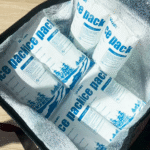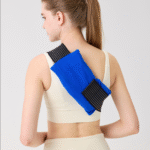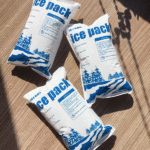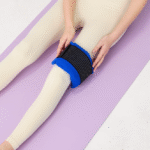
Aufrechterhaltung der gefrorenes Essen Kaltkette Und Kühlkette für Milchprodukte ist für die Lebensmittelsicherheit von entscheidender Bedeutung, Qualität und Unternehmensrentabilität. Sie werden überrascht sein, dass Tiefkühlprodukte oft unter –18 °C bleiben müssen (0 ° F) oder noch kälter, während Milch abgekühlt werden muss 4 °C (39 ° F) oder darunter innerhalb von Stunden nach dem Melken. Werden diese Bereiche nicht eingehalten, führt dies zum Verderb, Umsatzeinbußen und sogar lebensmittelbedingte Krankheiten. Dieser Artikel, aktualisiert 1 Dezember 2025, stützt sich auf aktuelle Forschungsergebnisse und Branchenrichtlinien, um die Temperaturanforderungen zu erläutern, Best Practices, Neue Technologien und Trends, die Sie kennen müssen.
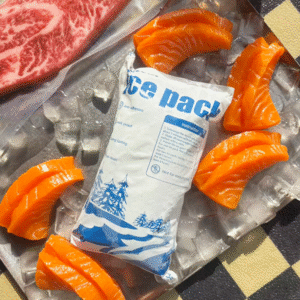
Bei welcher Temperatur sollten Tiefkühlkost aufbewahrt werden??
Tiefkühlkost umfasst Fleisch, Früchte, Gemüse und Fertiggerichte. Der gefrorenes Segment Die Kühlkette umfasst typischerweise Temperaturen zwischen –16 °C und –20 °C, während Tiefkühltruhe bezieht sich auf kältere Bedingungen bis zu –80 °C. Laut einer Branchenprognose, Gefrorene Milchdesserts wie Eiscreme benötigen –20 °C bis –23 °C, und die meisten Tiefkühlkostprodukte liegen zwischen –18 °C und –25 °C. Die Beibehaltung der Produkte in diesem Bereich verlangsamt biochemische Reaktionen und bewahrt Textur und Nährstoffe.
Die Wissenschaft hinter gefrorenen Temperaturbereichen
Niedrigere Temperaturen hemmen Enzyme und Mikroben, die zum Verderb führen. Forscher kategorisieren die Temperaturbereiche der Kühlkette als Ambient (15–20 °C), Cool (2–15 °C), kalt (–9 °C bis 2 °C) und gefroren (≤ –10 °C). Wenn Produkte außerhalb ihres vorgesehenen Bereichs fallen, Die Qualität lässt schnell nach. Tiefkühlkost, die über dem empfohlenen Bereich gelagert wird, kann zu Gefrierbrand führen, Eiskristallbildung und mikrobielles Wachstum beim Auftauen. Umgekehrt, über dem Gefrierpunkt kann die Gewebestruktur in empfindlichen Lebensmitteln wie Beeren oder Meeresfrüchten schädigen.
Best Practices und Sicherheitsrichtlinien für die Kühlkette von Tiefkühlkost
Antwort: Sorgen Sie für kontinuierliche Temperaturen unter Null, Minimieren Sie die Belastung durch die Umgebungsluft und implementieren Sie eine Echtzeitüberwachung.
Vorkühlung und schnelles Einfrieren: Unmittelbar nach der Produktion oder Ernte, Lebensmittel sollten auf ihre Zieltemperatur abgekühlt werden. Die Vorkühlung stoppt die Atmung und das Bakterienwachstum; Verzögerungen können zu einem schnellen Verderb führen.
Zonenweiser Kühlraum: Die Einrichtungen sollten separate Zonen für Tiefkühlkost bereitstellen (0 °F oder darunter) und gekühlt (35–40 °F) Produkte. Dies verhindert Kreuzkontaminationen und ermöglicht die Lagerung mehrerer Produkte ohne Temperaturmissbrauch.
Echtzeitüberwachung: Sensoren und Datenlogger erfassen die Temperatur, Luftfeuchtigkeit und Geräteleistung. Zumindest jeder Touchpoint – Lager, LKW und Verpackung – sollten überwacht werden, um Abweichungen zu erkennen und Warnungen zu senden.
Verpackung und Isolierung: Verwenden Sie isolierte Versandkartons, Palettentransporter und vakuumisolierte Paneele zur Reduzierung der Wärmeübertragung. Diese Technologien halten die Temperaturen während des Transports und der Zustellung auf der letzten Meile stabil.
Schulung und Standardarbeitsanweisungen (Sops): Das Personal muss die Ladetechniken verstehen, Türmanagement und wie man auf Alarme reagiert. SOPs gewährleisten einheitliche Praktiken in allen Einrichtungen.
Notfallpläne: Entwickeln Sie Protokolle für Stromausfälle, Geräteausfälle oder Verzögerungen. Schnelle Korrekturmaßnahmen reduzieren Produktverluste.
Tisch 1 – Temperaturzonen und typische Tiefkühlkost
| Temperaturzone | Reichweite | Typische Lebensmittel | Praktischer Nutzen |
| Gefroren | –18 °C bis –25 °C | Fertiggerichte, Früchte, Gemüse, Meeresfrüchte | Bewahrt Textur und Nährstoffe; verlangsamt enzymatische Reaktionen |
| Tiefes Einfrieren | ≤ –20 °C bis –80 °C | Eiscreme, Impfungen, Biologische Proben | Erhält die Haltbarkeit hochsensibler Artikel; verhindert das Wachstum von Mikroben |
| Kalt | –9 °C bis 2 °C | Gekühltes Fleisch, einige Milchprodukte | Hemmt Bakterien und vermeidet gleichzeitig Schäden am Gefrierschrank |
| Kontrollierte Umgebung | 55–70 °F (13–21 °C) | Lagerstabile Ware | Verhindert Hitzeverderb bei Produkten, die Raumtemperatur erfordern |
Praktische Tipps und Vorschläge
Kleiner Lebensmittelladen: Verwenden isolierte Palettenabdeckungen und Phasenwechselmaterialien um bei Stromausfällen Temperaturen unter Null zu halten. Investieren Sie in digitale Thermometer mit automatischen Warnmeldungen, um manuelle Kontrollen zu reduzieren.
Regionaler Vertriebspartner: Optimieren Sie Routen, um die Verweildauer zu reduzieren; Wählen Sie Kühllagerpartner mit mehreren Laderampen und schnellem Durchsatz. Integrieren Sie Lagerverwaltungssysteme mit Überwachungsdaten, um die Transparenz zu verbessern.
Startup für Tiefkühlkost: Bewerten Sie Verpackungsoptionen wie vakuumisolierte Paneele. Wiederverwendbare Palettenversender reduzieren Abfall und unterstützen Nachhaltigkeitsziele.
Fallbeispiel: Ein mittelständischer Lebensmittelhändler implementierte IoT-Sensoren und prädiktive Analysen in seiner gesamten Flotte 2024. Temperaturabweichungen gingen zurück 15 % Zu 3 %, Einsparung von Tausenden Pfund an Produkten, während die Routenoptimierung den Kraftstoffverbrauch um reduzierte 12 %. Dies zeigt, wie Technologie eingefrorene Bestände schützen und die Margen verbessern kann.
Wie sorgt die Kühlkette für Milchprodukte für Sicherheit und Qualität??
Milchprodukte – Milch, Butter, Käse und Joghurt – sind leicht verderblich. Rohmilch muss gekühlt werden 45 ° F (7 °C) oder weniger innerhalb von zwei Stunden nach dem Melken und wird während der Lagerung und des Transports auf dieser Temperatur gehalten. Pasteurisierte Produkte müssen ebenfalls gekühlt und bei ≤ gehalten werden 45 ° F (7 °C). Im Transportwesen, Kühlwagen halten Milch dazwischen 0 °C und 4 °C, während Butter, Für Käse und Joghurt sind möglicherweise etwas andere Einstellungen erforderlich.
Direkte Antworten und entscheidende Fakten
Temperaturgrenzen: Oben beginnt die Milch schnell zu verderben 40 ° F (4.4 °C). Bei 32–40 °F, Milch bleibt 5–7 Tage frisch, aber bei 45 Bei °F sinkt die Haltbarkeit auf 2–3 Tage.
Regulatorische Grundlage: Die Verordnung über pasteurisierte Milch der Klasse „A“. (PMO) erfordert die Kühlung von roher und pasteurisierter Milch 45 ° F (7 °C) oder weniger innerhalb von zwei Stunden erhitzt und auf dieser Temperatur gehalten. FSMA 204 (gültig ab Januar 2025) schreibt die Rückverfolgbarkeit für Lebensmittel mit hohem Risiko vor 24 Std..
Produktspezifische Lagerung: Milch wird normalerweise bei 0–4 °C gelagert; Butter wird oben weicher 10 °C und verliert an Textur; Käse kann reißen, wenn er zu kalt oder zu warm gelagert wird. Joghurt enthält lebende Kulturen, die durch Temperaturschwankungen beschädigt werden.
Herausforderungen und Lösungen im Kühlkettenmanagement für Milchprodukte
Antwort: Störungen der Kühlkette bei Milchprodukten sind häufig auf Temperaturschwankungen zurückzuführen, inkonsistente Speicherung und unzureichende Überwachung. Zu den Lösungen gehört eine fortschrittliche Kühlung, Wartung der Ausrüstung und Schulung des Personals.
Temperaturschwankungen: Störungen oder unsachgemäße Beladung führen zu Temperaturspitzen. Mehrzonen-Kühlwagen ermöglichen Milch, Butter und Käse können zusammen reisen und dabei unterschiedliche Temperaturen beibehalten.
Inkonsistente Lagerbedingungen: Ältere Lagerhallen verfügen möglicherweise über eine unzureichende Isolierung; Produktplatzierung schafft Hotspots. Durch die Aufrüstung der Ausrüstung und die Verbesserung des Luftstroms können diese Probleme gelöst werden.
Probleme bei der Überwachung und Datenprotokollierung: Verbindungsprobleme und manuelle Vorgehensweisen können Abweichungen verbergen. Drahtlose Sensoren und cloudbasierte Dashboards sorgen für kontinuierliche Sichtbarkeit.
Wirtschaftliche Auswirkungen und Markenreputation: Verdorbene Milch führt zu direkten finanziellen Verlusten, Rückrufe und Schäden am Markenvertrauen. Eine robuste Kühlkette für Milchprodukte schützt sowohl den Umsatz als auch den Ruf.
Tisch 2 – Herausforderungen, Auswirkungen und Lösungen in der Kühlkette für Milchprodukte
| Herausforderung | Auswirkungen auf die Milchqualität | Empfohlene Lösung |
| Temperaturspitzen während des Transports | Bakterienwachstum; säuernd; verkürzte Haltbarkeit | Verwenden Sie vorgekühlte Fahrzeuge, Implementieren Sie Mehrzonenkühlung und Echtzeitüberwachung |
| Inkonsistente Lagerbedingungen | Textur und Geschmack verändern sich; erhöhter Verderb | Upgrade -Isolierung, Warten Sie Kühlgeräte und optimieren Sie die Produktplatzierung |
| Unzureichende Überwachung | Übersehene Abweichungen; Compliance-Verstöße | Setzen Sie intelligente Thermometer und Datenlogger ein; Schulung des Personals im Lesen und Reagieren auf Alarme |
| Längere Verweildauer und Streckenverzögerungen | Erhöhtes Risiko von Temperaturmissbrauch und mikrobieller Vermehrung | Routen optimieren; Planen Sie effizientes Be- und Entladen; Nutzen Sie GPS und IoT für Sichtbarkeit |
Praktische Tipps für Praktiker der Milchkühlkette
Milchproduzenten: Investieren Sie in isolierte Tankwagen aus Edelstahl mit fortschrittlichen Kühlsystemen. Milch vorkühlen 4 °C vor dem Laden; Desinfizieren Sie die Tanks zwischen den Transporten, um eine Kontamination zu verhindern.
Käse- und Joghurtverarbeiter: Lagern Sie Weichkäse und Joghurt unten 4 °C zum Schutz lebender Kulturen; Verwenden Sie eine Feuchtigkeitskontrolle, um ein Austrocknen der Oberfläche zu verhindern.
Händler oder Einzelhändler: Implementieren Sie SOPs für den Empfang von Sendungen: Überprüfen Sie die Temperaturprotokolle, Drehen Sie den Lagerbestand mithilfe von FIFO (Zuerst rein, Zuerst raus) und lassen Sie Milchprodukte nicht länger als zwei Stunden bei Umgebungstemperatur stehen.
Verbraucherbildung: Ermutigen Sie die Verbraucher, Kühlschränke auf ≤ zu halten 40 ° F (4 °C) und Gefrierschränke bei 0 ° F (–18 °C). Erinnern Sie sie daran, Milch oder Butter nicht länger als zwei Stunden auf der Arbeitsfläche stehen zu lassen.
Fallbeispiel: In Kühlfahrzeugen von Sub Zero Reefers, Milch bleibt dazwischen 0 °C und 4 °C während Butter, Käse und Joghurt nehmen getrennte Zonen ein. Die Mehrzonenkühlung verhindert Temperaturkreuzkontaminationen, und die Echtzeitüberwachung macht den Fahrer auf Abweichungen aufmerksam. Durch Befolgen dieser Richtlinien, Das Molkereiunternehmen liefert stets frische Produkte und reduziert den Abfall.
Welche Technologien und Trends prägen die Kühlkette? 2025?
Die Kühlkette entwickelt sich rasant weiter. Analysten schätzen, dass der weltweite Kühlkettenmarkt etwa erreicht hat $405 Milliarden in 2024 und wird wachsen $393–453 Milliarden bis Ende 2025. Langfristige Prognosen sehen a $1.63 Billionen Markt von 2035, wobei der asiatisch-pazifische Raum das Wachstum anführt. Mehrere Trends treiben diese Expansion voran:
1. Digitalisierung und Echtzeit-Sichtbarkeit
IoT -Sensoren, prädiktive Analytik, KI und Blockchain sorgen für eine ständige Sichtbarkeit der Temperatur, Luftfeuchtigkeit und Standort. Modelle des maschinellen Lernens sagen Geräteausfälle und Streckenunterbrechungen voraus, Kraftstoffeinsparung und Verhinderung von Verderb. Zum Beispiel, Es wird erwartet, dass die Einführung der KI-basierten Routenoptimierung zunehmen wird 35 % von 2028, Reduzierung des Kraftstoffverbrauchs um bis zu 15 %.
2. Automatisierung und Robotik
Automatisierte Kühllager mit Robotik reduzieren Arbeitskosten und Fehler. Sogenannte „Lights-out“-Lagerbetriebe funktionieren mit minimalem menschlichen Eingriff. Auch beim Palettieren hilft die Robotik, Abholung und Transport von Gütern unter Minustemperaturen, Verbesserung der Arbeitssicherheit.
3. Nachhaltige Kühlung und Energieeffizienz
Natürliche Kältemittel, Solarbetriebene Lagerhallen und elektrische Kühlfahrzeuge reduzieren den CO2-Ausstoß. Die EU und Südkorea verzichten schrittweise auf Kältemittel mit hohem Treibhauspotenzial und führen Vorschriften für umweltfreundlichere Alternativen ein. Mehrwegverpackungen und Palettenversand reduzieren den Abfall zusätzlich.
4. Regulierungsdruck und Rückverfolgbarkeit
Regulierung beschleunigt die Einführung von Technologien. Der FSMA-Regel 204 erfordert in den USA Lebensmittel mit hohem Risiko. nachvollziehbar sein 24 Std.. Die guten Vertriebspraktiken der EU erfordern eine digitale Aufzeichnung, und die WHO schreibt eine kontinuierliche Überwachung der Impfstoffe vor. Compliance treibt Investitionen in digitale Aufzeichnungen und Überwachungstools voran.
5. E-Commerce und Verbrauchererwartungen
Online-Lebensmittelhandel und E-Commerce steigern die Nachfrage nach Kühlkettendienstleistungen. MarketDataForecast stellt fest, dass etwa 14 % der Lebensmittel weltweit gehen zwischen der Ernte und dem Verkauf aufgrund schlechter Temperaturkontrolle verloren, und Verbraucher erwarten zunehmend einen ganzjährigen Zugang zu frischen und gefrorenen Lebensmitteln. Fast 99 % der Käufer fordern Transparenz in der Lieferkette und 75 % sind bereit, die Marke zu wechseln wenn sie es nicht erhalten.
Tisch 3 - Schlüssel 2025 Kühlkettentrends und ihre Vorteile
| Trend | Beschreibung | Praktische Bedeutung |
| Echtzeitüberwachung & IoT | Sensoren in LKWs, Lagerhallen und Verpackungen erfassen die Temperatur, Luftfeuchtigkeit und Standort | Ermöglicht eine sofortige Reaktion auf Abweichungen; verbessert die Compliance und reduziert Abfall |
| KI-basierte Routenoptimierung | Maschinelles Lernen sagt Geräteausfälle voraus und optimiert Lieferwege | Reduziert den Kraftstoffverbrauch um bis zu 15 %, reduziert Verzögerungen und Schwund |
| Natürliche Kältemittel & EV-Kühlcontainer | Ersatz von Kältemitteln mit hohem Treibhauspotenzial durch umweltfreundliche Optionen; Einführung von Elektro- oder Hybrid-Kühlfahrzeugen | Reduziert die Umweltbelastung, senkt die Energiekosten und erfüllt gesetzliche Anforderungen |
| Digitale Aufzeichnungen & Rückverfolgbarkeit | FSMA 204, Die EU-BIP- und WHO-Richtlinien verlangen eine elektronische Aufzeichnung und schnelle Rückverfolgbarkeit | Stellt die Rückrufbereitschaft sicher; schafft Vertrauen beim Verbraucher; vermeidet Bußgelder |
| Innovative Verpackung | Isolierte Versandkartons, Palettentransporter mit Phasenwechselmaterialien und vakuumisolierten Paneelen | Hält Produkte länger kalt; ermöglicht die Lieferung auf der letzten Meile ohne aktive Kühlung |
| Automatisierung & Robotik | Roboter übernehmen die Palettierung, Abholung und Betrieb in Tiefkühlumgebungen | Steigert die Effizienz, senkt die Arbeitskosten und verbessert die Sicherheit |
Praktische Vorschläge zur Umsetzung neuer Technologien
Führen Sie IoT-Plattformen ein: Wählen Sie Systeme, die das Lager integrieren, Transport- und Verpackungssensoren. Suchen Sie nach Dashboards, die automatisierte Warnungen senden und Daten zur Compliance protokollieren.
Planen Sie Nachhaltigkeit: Bei der Modernisierung der Kühlung, Erwägen Sie natürliche Kältemittel und energieeffiziente Systeme. Sonnenkollektoren können Kühllager mit Strom versorgen und die Stromrechnungen senken.
Bereiten Sie sich auf FSMA vor 204: Implementieren Sie digitale Rückverfolgbarkeitssysteme, die eine 24-Stunden-Produkthistorie erstellen können. Schulen Sie das Personal darin, genaue Aufzeichnungen zu führen.
Bewerten Sie Verpackungsinnovationen: Verwenden Sie isolierte Versandkartons für E-Commerce-Bestellungen und Palettenversandboxen mit Phasenwechselmaterialien für größere Ladungen.
Schrittweise automatisieren: Beginnen Sie mit der Robotik für sich wiederholende Aufgaben wie das Stapeln von Paletten; Bewerten Sie den ROI, bevor Sie auf vollständige „Lights-Out“-Operationen umsteigen.
Fallbeispiel: Eine Lebensmittelkette integrierte KI-Routenoptimierung und IoT-Sensoren in ihre Kühlflotte. Der Kraftstoffverbrauch ist um ein Vielfaches gesunken 15 % und die pünktlichen Lieferungen verbesserten sich. Durch den Einsatz vakuumisolierter Palettenversender wird auch der Verderb auf der letzten Meile reduziert 20 %, Es zeigt, wie Technologie und Verpackungsinnovation Hand in Hand gehen.
Häufig gestellte Fragen
Q1: Warum ist Vorkühlung in einer Kühlkette für Tiefkühlkost wichtig??
Durch die Vorkühlung wird die Feldwärme von Erzeugnissen und verarbeiteten Lebensmitteln entfernt, Stoppen der Atmung und des Bakterienwachstums. Verzögerungen in dieser Phase können zu einem schnellen Verderb führen. Kühlen Sie Produkte vor der Lagerung oder dem Transport stets auf die Zieltemperatur ab.
Q2: Wie lange ist Milch bei Raumtemperatur haltbar??
Milch verdirbt oben schnell 40 ° F (4.4 °C). Bei 45 ° F, seine Haltbarkeit sinkt auf zwei bis drei Tage. Bei Zimmertemperatur (68 ° F) Milch kann innerhalb von 2–3 Stunden unsicher werden.
Q3: Was sind die empfohlenen Kühl- und Gefriereinstellungen für Verbraucher??
Die USA. Die FDA empfiehlt, Kühlschränke auf oder darunter zu halten 40 ° F (4 °C) und Gefrierschränke bei 0 ° F (–18 °C). Überprüfen Sie diese Temperaturen regelmäßig mit einem Gerätethermometer.
Q4: Machen Sie Butter, Käse und Joghurt benötigen unterschiedliche Temperaturen?
Ja. Butter wird oberhalb von ca. weich 10 °C, während Käse platzen kann, wenn er gefroren ist. Molkereitransportunternehmen nutzen daher Mehrzonen-Kühlfahrzeuge, Bewahren Sie Milch bei 0–4 °C und andere Produkte in etwas wärmeren Fächern auf.
Q5: Welche Vorschriften wirken sich auf den Kühlkettenbetrieb aus? 2025?
FSMA 204 in den USA. erfordert, dass Lebensmittel mit hohem Risiko im Inneren rückverfolgbar sind 24 Std.. Die guten Vertriebspraktiken der EU verlangen eine elektronische Aufzeichnung, und die WHO schreibt eine kontinuierliche Überwachung der Impfstoffe vor. Diese Regeln zwingen Unternehmen dazu, digitale Technologien und eine strenge Temperaturkontrolle einzuführen.
Zusammenfassung und Empfehlungen
Key Takeaways
Die Einhaltung der Temperatur ist nicht verhandelbar. Tiefkühlkost sollte zwischen –18 °C und –25 °C bleiben, während Eiscreme und einige Desserts –20 °C bis –23 °C benötigen. Milch muss abgekühlt werden 45 ° F (7 °C) innerhalb von zwei Stunden nach dem Melken und bei 0–4 °C gehalten.
Vorkühlung und kontinuierliche Überwachung Verderb verhindern. Verwenden Sie Sensoren und Datenlogger, um die Temperatur in jeder Phase zu verfolgen und SOPs einzuführen, um Abweichungen schnell zu bewältigen.
Neue Technologien verändern die Kühlkette. IoT, KI und Blockchain sorgen für Echtzeittransparenz; Automatisierte Lagerhallen und elektrische Kühlfahrzeuge steigern die Effizienz; und natürliche Kältemittel reduzieren die Umweltbelastung.
Regulierung und Verbrauchererwartungen treiben den Wandel voran. FSMA 204 und das BIP der EU erfordern eine digitale Rückverfolgbarkeit 24 Std.. Verbraucher fordern Transparenz und Nachhaltigkeit, Unternehmen dazu drängen, in umweltfreundlichere Technologien zu investieren, intelligentere Systeme.
Maßgeschneiderte Lösungen zählen. Mehrzonen-Lkw, Isolierverpackungen und prädiktive Analysen sollten auf den Produkttyp zugeschnitten sein, Streckenlänge und Klima. Eine Einheitsgröße passt selten für alle.
Umsetzbare nächste Schritte
Überprüfen Sie Ihre aktuelle Kühlkette: Identifizieren Sie Temperaturschwankungen und Verweilzeiten in der gesamten Lieferkette. Verwenden Sie Datenlogger, um Punkte mit hohem Risiko zu lokalisieren.
Erweitern Sie Kühlung und Überwachung: Investieren Sie in Echtzeitsensoren, IoT-Plattformen und natürliche Kältemittel. Stellen Sie sicher, dass Kühl- und Gefrierschränke richtig eingestellt sind (≤ 40 °F und 0 °F bzw).
Implementieren Sie Rückverfolgbarkeitssysteme: Ordnen Sie Produktströme zu und nutzen Sie Software, die 24-Stunden-Traceback-Berichte erstellen kann. An FSMA ausrichten 204 und BIP-Anforderungen.
Mitarbeiter schulen und einbinden: Entwickeln Sie SOPs für das Laden, Entladen und Reagieren auf Alarme. Bieten Sie Aufklärung über die Bedeutung der Temperaturkontrolle und der Einhaltung gesetzlicher Vorschriften.
Planen Sie Nachhaltigkeit: Bewerten Sie Elektro- oder Hybrid-Kühlfahrzeuge, Mehrwegverpackungen und solarbetriebene Lagerhallen. Diese Investitionen reduzieren Emissionen und Betriebskosten und steigern gleichzeitig Ihr Markenimage.
Über Tempk
Tempk ist ein Anbieter von isolierten Verpackungen und Kühlkettenlösungen. Wir Bieten Sie wiederverwendbare Kühlakkus an, Isolierboxen und maßgeschneiderte Thermobeutel zur Aufbewahrung von Lebensmitteln, Pharmazeutika und Biologika innerhalb strenger Temperaturbereiche. Unser Forschungs- und Entwicklungszentrum entwickelt kontinuierlich neue Materialien und Phasenwechseltechnologien, um Leistung und Nachhaltigkeit zu verbessern. Als Mitglied der Global Cold Chain Alliance, Wir Aufrechterhaltung hoher Qualitätsstandards und Unterstützung der Kunden bei regulatorischen Änderungen und sich entwickelnden Branchentrends. Konsultieren unser Team für Verpackungsberatung, Temperaturdatenanalyse und Full-Service-Kühlkettendesign.
Aufruf zum Handeln: Kontaktieren Sie Tempk noch heute für eine individuelle Kühlkettenbewertung und erfahren Sie, wie unsere Lösungen Ihre Tiefkühlkost und Milchprodukte vom Bauernhof bis zum Tisch schützen können.