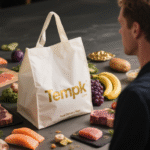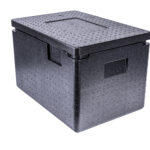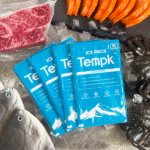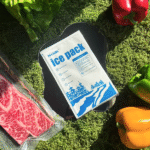
Packing your own meal in an insulated lunch bag does more than keep a sandwich cold. It lets you control ingredients, reduce packaging waste and save money. Der globale Markt für Isolierte Lunchpakete was worth about $1.5 Milliarden in 2024 and is projected to top $2.2 Milliarden von 2032. As more people prepare food at home and seek sustainable products, manufacturers are innovating with eco friendly fabrics and advanced insulation. This guide will help Du understand how these bags work, why they matter and how to choose one that fits your lifestyle.
How do insulated lunch bags keep food cold or warm? We’ll explain the science of insulation and the role of foam, reflective layers and gel packs.
Why should you pack lunch at home? Home cooking can improve health, reduce waste and save money. Das zeigen Umfragen 86 % of workers bring lunch from home at least sometimes.
What features should you look for? From leak proof interiors to eco friendly fabrics, we outline the essential features that matter in 2025.
Was sind die neuesten Trends?? Learn about freezable bags, electric lunch boxes and sustainable materials driving market growth.
How to maintain and maximize your lunch bag? Tips on cleaning, packing and extending cooling time.
FAQs und Expertenempfehlungen to help you make informed decisions.
What Are Insulated Lunch Bags and How Do They Work?
The science of insulation
Insulated lunch bags use multiple layers to slow heat transfer, keeping food cold or warm for hours. Heat moves through conduction (direkter Kontakt), Konvektion (air circulation) und Strahlung (energy waves). A typical cooler bag minimizes all three: the outer shell provides durability; the middle layer uses closed cell foam to trap air; and the inner lining reflects heat and resists moisture. High end bags add reflective barriers or vacuum panels to further reduce heat flow.
The foam insulation is usually expanded polyethylene (EPE) oder Polyurethan. These materials contain tiny air pockets that restrict molecular movement, reducing conduction. Thicker foam offers more resistance to heat flow but adds weight. Reflective films, often aluminium foil, bounce thermal radiation back toward the food, while gel packs absorb heat energy and extend cooling duration. Combining layers produces a barrier that keeps cold air in and hot air out.
Cross section of an insulated lunch bag:
Außenschale – durable material such as nylon or recycled PET provides structure and protects against tears.
Mittlere Schicht – closed cell foam or vacuum panels trap air; thicker foam increases insulation but adds weight.
Reflective barrier – aluminium or metallized film reflects radiant heat back to keep food cold.
Innere Futter – food safe, waterproof material prevents leaks and allows easy cleaning.
Gel or ice packs – optional inserts that absorb heat to maintain low temperature.
Materials and Technologies
Modern insulated bags incorporate sustainable and high performance materials. Companies like TLP Packaging use recycled PET fabrics and plant based insulation to reduce environmental impact. Organic cotton bags offer plastic free alternatives; the quilted cotton lining in one model stays cold twice as long as typical cotton and is machine washable. Premium products incorporate vacuum insulation panels (VIP) oder Phasenwechselmaterialien (PCM) that absorb and release heat at specific temperatures. These advanced technologies provide longer cooling times without adding excessive bulk.
Types of insulation and their properties
| Isolationsmaterial | Key characteristics | Was es für Sie bedeutet |
| Closed cell foam (EPE, Polyurethan) | Traps air pockets to slow conduction; thickness influences performance. | Balance between weight and insulation; thicker foam keeps food cold longer. |
| Reflektierende Folie | Reflects radiant heat back toward contents. | Helps maintain temperature even in sunlight; often combined with foam. |
| Vakuumisolationsgremien (VIP) | Creates near vacuum to eliminate convection. | Highly effective but costly; used in premium coolers and medical transport bags. |
| Phasenwechselmaterialien (PCM) | Absorb or release heat as they change phase. | Can maintain a near constant temperature for hours; ideal for sensitive foods. |
| Gel or ice packs | Contain refrigerant gel that freezes solid and absorbs heat. | Extend cooling time; multiple packs ensure uniform temperature. |
Practical tips for maximizing cooling
Pre chill your bag and contents: Pre cooling the bag and freezing gel packs overnight reduce initial heat load.
Fill space efficiently: A full bag retains cold better than a half empty one because less air circulates.
Öffnungen begrenzen: Jedes Mal, wenn Sie die Tasche öffnen, Warme Luft tritt ein. Plan meals so that you don’t repeatedly open the bag.
Use multiple gel packs: Distribute gel packs around food items to maintain even temperature.
Keep it in the shade: Direct sunlight accelerates warming; store the bag under a desk or in a cool area.
Fallstudie: A reviewer for Real Simple tested the PackIt freezable lunch bag, which has built in gel walls that freeze overnight. The bag kept a turkey sandwich, yogurt and fruit cool for 8 hours in a warm office environment. Its strap allows it to fold flat in the freezer, and no separate ice packs are needed. This demonstrates how integrated gel insulation can simplify meal prep while keeping food safe.
Why Bring Your Own Lunch? Health, Sustainability and Cost
Health benefits of home cooked meals
Preparing your own lunch provides control over ingredients, portion size and nutrition. A Johns Hopkins University study found that people who cook dinner most nights consume fewer calories, sugar and carbohydrates than those who cook less frequently. Home prepared meals are also more likely to include fruits and vegetables, and regular cooking fosters healthier habits and weight management. Another study observed that home cooked meals typically include more fruits and veggies than ready made meals.
Bringing lunch can reduce stress around lunchtime decisions. In a survey by the American Heart Association and Aramark, 86 % of respondents said they sometimes bring lunch from home. Among employees under 40, 90 % bring lunch at least occasionally. Jedoch, 35 % reported eating less healthy meals when stressed. Packing a balanced lunch ahead of time removes the temptation of fast food options and ensures a nutritious meal even on busy days.
Environmental and financial benefits
Waste reduction is another advantage. Disposable containers and single use wrappers contribute to landfill waste. Reusable insulated bags encourage sustainable habits. Many brands now offer bags made from recycled materials or organic fabrics. Choosing plant based or recycled fabrics reduces reliance on virgin plastics and supports circular economies.
From a budget perspective, home packed lunches are typically cheaper than buying meals out. Über ein Jahr, the savings can be substantial. By planning weekly meal prep, you can buy ingredients in bulk and avoid impulse purchases. For families, packing children’s lunches ensures healthier options and reduces the cost of cafeteria meals.
Home cooking versus restaurant meals: nutrition and environment
| Faktor | Home cooked lunch | Restaurant/take out meal | Takeaway for you |
| Calories and nutrients | Lower in calories, sugar and carbs; more fruits and vegetables. | Higher portion sizes and saturated fat; often limited vegetables. | Home cooking supports weight management and balanced nutrition. |
| Ingredient control | You choose ingredients, portions and seasoning; can accommodate allergies and preferences. | Limited control; hidden sugars and sodium. | Avoid unwanted additives and reduce sodium intake. |
| Abfall | Reusable containers and bags minimize single use plastics. | Take out packaging adds waste. | Lower environmental footprint by packing your meal. |
| Kosten | Lower cost per serving when buying ingredients in bulk. | Höhere Kosten; tipping, taxes and delivery fees add up. | Save money over time by prepping meals at home. |
Practical advice for healthy packed lunches
Plan balanced meals: Aim for a combination of lean protein, whole grains, healthy fats and at least one serving of fruit or vegetables.
Prep ingredients ahead: Wash and chop produce on Sundays or the night before to streamline mornings.
Invest in quality containers: Leak proof compartments keep salads crisp and sauces contained.
Stay hydrated: Include a reusable water bottle to avoid sugary drinks.
Add variety: Rotate recipes to avoid “lunch fatigue”; experiment with wraps, grain bowls or bento boxes.
Fallstudie: An observational study of 3,935 meals found that fully or partly home cooked meals were significantly more likely to include fruits and vegetables than pre prepared meals. Participants reported feeling more satisfied and empowered by preparing their own food, demonstrating that meal prepping can improve diet quality and promote healthy eating patterns.
Selecting the Best Insulated Lunch Bag: Key Features and Considerations
Essential features to look for
Isolationsleistung: A bag’s ability to maintain temperature depends on foam thickness, reflective layers and the quality of gel packs. Look for high density foam or vacuum panels when you need extended cooling.
Material sustainability: Choose bags made from recycled PET, organic cotton or plant based insulators. These materials reduce environmental impact and may feel more durable.
Size and compartments: Consider your typical meal size. Bento style bags with multiple compartments allow separation of hot and cold items and prevent cross contamination. Ensure the bag fits your lunch containers and a water bottle.
Portabilität: Adjustable straps and lightweight construction enhance comfort during commuting or hiking. Some models fold flat for freezer storage, like the PackIt bag.
Durability and leak resistance: A waterproof inner lining prevents spills from leaking. Reinforced seams and sturdy zippers improve longevity.
2025 Trends: Smart Electric Lunch Boxes and Sustainable Innovations
The lunch bag market is evolving with technology and consumer demands. A report from Grand View Research projects that the electric lunch box market will grow from roughly $690 Millionen in 2024 to more than $1 Milliarden von 2030, eine durchschnittliche jährliche Wachstumsrate (CAGR) von 6.8 %. These devices often feature plug in heating elements, automatic shut off and digital controls to warm meals safely. In 2024 insulated electric lunch boxes accounted for 67.72 % der Einnahmen, underscoring strong demand.
The traditional insulated bag market is also expanding. Analysts predict the market could reach $2.292 Milliarden von 2032, wächst bei 6.1 % jährlich. Younger consumers are driving this growth: 42 % of buyers under 35 prioritize sustainable materials like organic cotton and recycled fabrics. Innovations include built in triple layer gel cooling systems and leak proof designs. Market research from Infinity Market Research forecasts that the insulated lunch bag sector will grow from $1.717 Milliarden in 2025 Zu $2.420 Milliarden in 2031 bei a 5.9 % CAGR.
Comparing features and innovations
| Feature/technology | Beschreibung | Benefits for the user |
| Built in gel walls | Gel lining freezes overnight; no separate ice packs required. | Simplifies preparation and saves freezer space; keeps food cold for ~8 hours. |
| Vakuumisolationsgremien | Thin panels with evacuated air minimize heat transfer. | Superior temperature control in a compact form; used for medical transport and high end coolers. |
| Phasenwechselmaterialien | Special materials absorb/release heat at specific temperatures. | Maintain a stable temperature for sensitive foods like dairy or pharmaceuticals. |
| Smart electric boxes | Plug in devices with heating elements and automatic shut off. | Warm food safely at work; ideal for soup or leftovers. |
| Sustainable fabrics | Recycled PET, organic cotton or plant based foams. | Geringere Umweltbelastung; may offer unique textures and aesthetics. |
| Leak proof designs | Waterproof linings and sealed seams. | Prevent spills and simplify cleaning; extend bag life. |
Practical shopping tips
Measure your containers: Ensure your bento boxes or thermos fit comfortably inside the bag.
Look for certifications: For organic fabrics, check for GOTS certification or other eco labels.
Consider portability: Choose backpacks or messenger style bags for daily commuting; handle straps work well for picnics.
Evaluate price versus features: Premium materials like vacuum panels cost more; weigh your need for long cooling times against budget.
Read user reviews: Look for comments on durability, ease of cleaning and real world cooling performance.
Fallstudie: The Simple Ecology organic cotton lunch bag demonstrates how sustainable materials can be functional. Its quilted cotton insulation stays cold twice as long as typical cotton and is machine washable. The bag uses GOTS certified organic fabric and adjustable straps to accommodate different container sizes.
2025 Trends and Innovations in Insulated Lunch Bags
Market growth and consumer preferences
The market for insulated lunch bags is expanding due to a confluence of health awareness, sustainability and convenience. Der 2024 market was valued at about $1.509 billion and is expected to reach $2.292 Milliarden von 2032. Analysts attribute this growth to rising health consciousness and the popularity of ready to eat meal kits and home cooked lunches. Younger consumers (unter 35) prioritize eco friendly materials; rund 42 % of them prefer sustainable options and are willing to pay more for eco conscious products. Zusätzlich, e commerce platforms and digital marketing are expanding the reach of lunch bag brands.
Technologische Innovationen
Freezable lunch bags: Integrate gel walls that freeze overnight, eliminating separate ice packs; they fold flat for storage and keep meals cold for eight hours.
Fortschrittliche Isolierung: Vakuumisolationsgremien (VIP) and phase change materials (PCM) provide superior thermal regulation for longer periods.
Smart electric lunch boxes: Offer heating elements and automatic shut off, catering to workers who want to heat leftovers at their desks.
Leak proof compartments: Enhanced waterproof linings and zippers prevent spills and allow for soups and sauces.
Sustainable fabrics: Recycled PET, organic cotton and plant based foam minimize environmental impact.
Market insights and forecasts
Market studies predict solid growth: Infinity Market Research expects the market to grow from $1.717 Milliarden in 2025 Zu $2.420 Milliarden von 2031 (CAGR 5.9 %). Analysts note that convenience and lifestyle changes drive demand; busy consumers appreciate portable food containers that maintain temperature while commuting or traveling. Price sensitivity and seasonality remain challenges—demand peaks in back to school seasons and dips in colder months. Counterfeit products and low quality replicas can erode consumer trust; reputable brands rely on certifications and quality assurance.
Häufig gestellte Fragen
Q: How long can an insulated lunch bag keep food cold?
High quality bags with thick foam and gel packs can keep food below 40 ° F (4 °C) for four to eight hours. Bags with vacuum panels or freezable gel walls may maintain safe temperatures for even longer. Always pre chill the bag and use enough ice packs for best results.
Q: How do I clean and maintain my lunch bag?
Remove crumbs and spills after each use. Wipe the interior with mild soap and water. For fabric bags, check if they are machine washable—some organic cotton models can be laundered in cold water and air dried. Avoid harsh detergents that can degrade water resistant coatings.
Q: Are electric lunch boxes safe?
Ja, wenn richtig verwendet. Look for models with auto shut off and overheat protection. Follow manufacturer instructions and avoid using near water. Do not plug electric boxes into extension cords not designed for high wattage.
Q: What should I pack in my lunch bag to maintain balance?
Include lean proteins (Huhn, tofu), whole grains (quinoa, brown rice), fresh vegetables and fruits, and a healthy fat (nuts, avocado). Keep dressings and sauces in separate leak proof containers to avoid sogginess.
Q: Do I need multiple ice packs?
Using two or more gel packs ensures even cooling and extends the safe temperature range. Place one pack above and one below your food. Für lange Reisen, consider adding a third pack in a side pocket.
Zusammenfassung und Empfehlungen
Insulated lunch bags have evolved from basic coolers to sophisticated portable systems that support healthy lifestyles and environmental stewardship. They keep food cold or warm by combining foam, reflective barriers and optional gel packs. Home packed lunches offer nutritional benefits, cost savings and waste reduction compared with restaurant meals. When shopping for a bag, prioritize insulation performance, sustainable materials and practical features like compartments and leak proof linings. The market is growing, with innovations like freezable gel walls and electric heating boxes expanding options for consumers.
Umsetzbare Schritte
Bewerten Sie Ihre Bedürfnisse: Consider how often you pack lunch, how long it must stay cold and what type of meals you carry.
Research sustainable brands: Look for eco friendly materials such as recycled PET or organic cotton with certifications.
Invest in quality: Choose a well insulated bag with sturdy zippers and compartments. Don’t compromise on health and safety for a lower price.
Plan meals ahead: Meal prep on weekends ensures balanced nutrition and reduces stress during busy workdays.
Bleib informiert: Keep an eye on new technologies like freezable gel walls and electric lunch boxes that can simplify meal management.
Über Tempk
Tempk (Shanghai Huizhou Industrial Co., Ltd.) is a company specializing in cold chain products, including insulated lunch bags, ice packs and cooler boxes. The company emphasizes sustainability and quality, using eco friendly materials and strict manufacturing standards. We continuously innovate to meet evolving consumer needs, offering durable products designed for everyday use. Our goal is to provide reliable solutions that keep your food fresh while reducing environmental impact.
Aufruf zum Handeln: If you’re ready to upgrade your lunch experience, explore Tempk’s range of insulated bags and consult our experts to find the right model for your lifestyle.