So bauen Sie eine kosteneffiziente Lieferkette für Biogemüse mit Kühlkette auf 2025
Aktualisiert: Dezember 2025
Einführung:
Die Erhaltung der Frische und des Nährwerts vom Erzeuger bis zum Teller ist einer der schwierigsten Aspekte beim Umgang mit Bio-Produkten. Ein robuster Lieferkette für Bio-Gemüse in der Kühlkette Hält Gegenstände innerhalb strenger Temperaturbereiche, verringert den Verderb und erfüllt die wachsende Nachfrage nach Bio-Lebensmitteln. In diesem Leitfaden, Sie erfahren, wie Sie eine kosteneffiziente Lieferkette aufbauen können, die die Qualität bewahrt, Reduziert Abfall und begeistert die Kunden. Wir werden Technologie erforschen, Best Practices und aktuelle Markttrends für 2025 – alles in klarer Sprache, auf die Sie reagieren können.
Warum ein ordnungsgemäßes Kühlkettenmanagement von entscheidender Bedeutung ist: Verstehen Sie, wie eine schlechte Temperaturkontrolle zum Nährstoffverlust führt, Verderb und hohe Kosten, und erfahren Sie, wie gezielte Interventionen den Abfall reduzieren.
So verwalten Sie Temperatur und Luftfeuchtigkeit für verschiedene Gemüsesorten: Informieren Sie sich über die empfohlenen Bereiche (0–5 °C für die meisten gekühlten Gemüsesorten und –18 °C für gefrorene Brühe) und warum Abweichungen zu Eiskristallen und Nährstoffverlusten führen.
Welche Technologien verändern die Kühlkettenlogistik?: Entdecken Sie die KI-Routenoptimierung, IoT-Sensoren und Blockchain zur Echtzeitüberwachung, Rückverfolgbarkeit und effizientes Routing.
Welche Markttrends prägen werden 2025 und darüber hinaus: Sehen Sie, wie die Nachfrage nach pflanzlichen Lebensmitteln steigt, Regulatorische Vorschriften und Nachhaltigkeitsziele beeinflussen Ihre Planung.
Warum Biogemüse eine zuverlässige Kühlkette braucht?
Grundlagen der Kühlkette: Eine Kühlkette ist ein temperaturkontrollierter Prozess, der die Ernte umfasst, Verpackung, Lagerung, Transport und Vertrieb. Laut der International Fresh Produce Association, um 70 % der in den USA konsumierten Lebensmittel. fließt durch Kühlketten, während in China nur etwa 5 % Obst und Gemüse werden auf diese Weise verarbeitet. Die Kühlkette ist Wissenschaft, Technologie und Prozess kombiniert: Wissenschaft, um Vergänglichkeit zu verstehen; Technologie zur Aufrechterhaltung der Temperatur; und Prozess zur Vorbereitung, Waren lagern und transportieren. Ohne konsequente Kühlung, Die Atemfrequenz bleibt hoch, Mikroben vermehren sich und produzieren schnell Beute.
Nährstoffverlust und -verschwendung: Die Vereinten Nationen schätzen das ungefähr 13 % der weltweiten Lebensmittelproduktion geht aufgrund unzureichender Kühlketten verloren. In Afrika südlich der Sahara, Mehr als die Hälfte der Gemüseernte von Kleinbauern gelangt nie auf den Markt. Schlechte Kühlung und langer Transport führen dazu, dass viele Bio-Gemüsesorten Vitamine verlieren – Vitamin C im Brokkoli nimmt darüber rapide ab 5 °C – und Verbraucher zahlen höhere Preise, um Verluste auszugleichen. Ähnlich, die USA. Abfälle herum 25 % von Lebensmitteln, die aufgrund von Temperaturverstößen in Kühlketten transportiert werden.
Energie- und Umweltauswirkungen: Verwendung von Kühlketten 15 % des weltweiten Energieverbrauchs. Dennoch kommt es zu Integritätsverletzungen 25 % von Kühlkettenlebensmitteln, die verschwendet werden, trägt erheblich zu den Treibhausgasemissionen bei. Studien zeigen, dass vollständig gekühlte Lieferketten die Lebensmittelverschwendung um ein Vielfaches reduzieren könnten 41 % global – ungefähr sparen 620 Millionen Tonnen Lebensmittel und die Reduzierung von Emissionen. Eine effiziente Kühlkette für Biogemüse unterstützt Nachhaltigkeit und Lebensmittelsicherheit, indem sie den Verderb verhindert und Abfall reduziert.
Temperatur- und Luftfeuchtigkeitsanforderungen für Biogemüse verstehen
Verschiedene Gemüsesorten erfordern spezifische Temperatur- und Feuchtigkeitsbedingungen. Die meisten gekühlten Gemüsesorten sollten eine Temperatur zwischen 0 und 5 °C haben (32–41 °F). Für bestimmte Artikel eignet sich das Einfrieren bei −18 °C bis −23 °C, um die mikrobielle Aktivität zu stoppen und die Haltbarkeit zu verlängern. Hohe Luftfeuchtigkeit (90–95 %) verhindert Welken und Gewichtsverlust. Eine Verzögerung der Vorkühlung nach der Ernte ermöglicht eine fortgesetzte Atmung und führt zu Texturschäden. Äpfel und Birnen, Zum Beispiel, muss unten abkühlen 5 °C innerhalb von 12–24 Stunden nach der Ernte; andernfalls bleibt ihre Atmung hoch, Festigkeit und Haltbarkeit verringern.
| Gemüsetyp | Empfohlene Temperatur | Luftfeuchtigkeitsbereich | Praktischer Nutzen |
| Blattgrün (Kopfsalat, Spinat) | 0–5 °C | 90–95 % | Hält die Blätter knackig, verhindert Welken und Nährstoffverlust |
| Wurzelgemüse (Karotten, Rüben) | 0–4 °C | 90–95 % | Verlangsamt die Atmung und das mikrobielle Wachstum, behält die Textur bei |
| Tropisches Gemüse (Gurken) | 10–13 °C | 85–90 % | Verhindert Kälteschäden; Niedrigere Temperaturen führen zu Lochfraß und Verfärbung |
| Gefrorenes Gemüse (Erbsen, gemischtes Gemüse) | −18 °C oder darunter | 0 % (gefroren) | Stoppt die mikrobielle Aktivität; bewahrt die Nährstoffe über Monate hinweg |
| Bio-Obst (Äpfel, Birnen) | −0,5 °C ± 0.5 °C | 90–95 % | Schnelle Vorkühlung verhindert Ausfälle; Verzögerungen mindern die Exportqualität |
Auswirkungen auf die reale Welt: In einer südafrikanischen Kernobst-Anlagenstudie, Forscher fanden heraus, dass Verzögerungen bei der Vorkühlung zu höheren Zellstofftemperaturen führten 5 °C, Dies führt zu einer Qualitätsverschlechterung von der Exportqualität auf den lokalen Markt. Ähnlich, Kleinbauern in Afrika, die keinen Zugang zu Zwangsluftkühlung hatten, verloren bis zu 50 % ihrer Ernte. Schnelle Kühlung und kontrollierte Luftfeuchtigkeit können daher direkt zu höheren Einnahmen und weniger Abfall führen.
Praktische Tipps und Ratschläge zur Reduzierung von Verlusten
Schnell vorkühlen: Feldwärme mit Druckluft abführen, Vakuum- oder Hydrokühlung. Hydrokühlung kann bis zu sein 15 Mal schneller als luftbasierte Methoden, insbesondere in Kombination mit Zwangsluftsystemen.
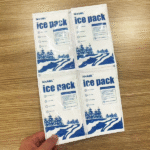
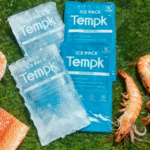
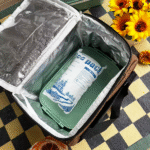
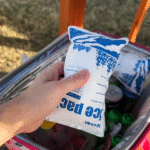
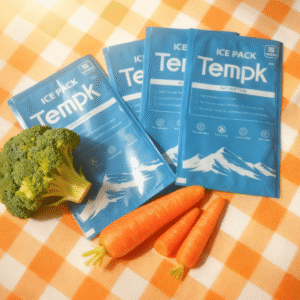
Verwenden Sie eine geeignete Verpackung: Isolierte Schaumstoffbehälter, Vakuumversiegelte Beutel und Gelpackungen stabilisieren die Temperatur und schützen vor physischen Schäden. Atmungsaktive Folien ermöglichen den Gasaustausch und halten gleichzeitig die Feuchtigkeit zurück.
Überwachen Sie die Luftfeuchtigkeit: Ausgewogene Luftfeuchtigkeit (85–95 %) verhindert das Welken; Sensoren helfen dabei, diesen Bereich aufrechtzuerhalten.
Installieren Sie Sensoren und Datenlogger: IoT-Geräte überwachen kontinuierlich Temperatur und Luftfeuchtigkeit und senden Warnungen, wenn Abweichungen auftreten. Echtzeitdaten ermöglichen sofortige Korrekturmaßnahmen, Reduzierung von Verlusten.
Personal schulen: Informieren Sie Ihre Mitarbeiter über die Ladeverfahren, Temperaturanforderungen und Notfallprotokolle zur Minimierung menschlicher Fehler.
Tatsächlicher Fall: Eine Molkereigenossenschaft rüstete ihre Kühlwagen mit IoT-Sensoren aus, die einen Temperaturanstieg erkannten, wenn eine Tür offen stand. Das System alarmierte das Personal, der die Tür geschlossen hat, sparen 500 Liter Milch und verhindert kostspieligen Verderb. Diese Art der Echtzeitüberwachung kann auch bei Biogemüselieferungen von Vorteil sein.
Welche Technologien verändern die Kühlkette für Biogemüse??
Technologie verbessert die Sichtbarkeit, Rückverfolgbarkeit und Effizienz in der Kühlkette. Nachfolgend sind die wichtigsten Innovationen aufgeführt 2025.
IoT-Sensoren und Echtzeitüberwachung
Kontinuierliche Verfolgung: IoT-Geräte überwachen die Temperatur, Luftfeuchtigkeit, Standort und Schockereignisse während des Transports. Sie geben Warnungen aus, wenn Schwellenwerte überschritten werden, So können Betreiber schnell eingreifen. Moderne Plattformen integrieren mehrere Netzwerke (5G, LPWAN) um die Konnektivität aufrechtzuerhalten und die Latenz zu reduzieren. Die automatisierte Protokollierung eliminiert manuelle Fehler und erstellt einen Prüfpfad zur Einhaltung der Vorschriften.
Vorteile für Biogemüse: Für verderbliches Gemüse, Eine einzige Temperaturabweichung kann die Bildung von Eiskristallen oder das Wachstum von Mikroben auslösen. Echtzeitdaten gewährleisten sofortige Korrekturmaßnahmen, Qualität bewahren. In Entwicklungsregionen, Mobile Sensoren in Kombination mit solarbetriebenen Gateways ermöglichen abgelegenen Farmen die Teilnahme an Kühlkettennetzwerken.
Künstliche Intelligenz und Routenoptimierung
Intelligentes Routing: Algorithmen des maschinellen Lernens analysieren den Datenverkehr, Wetter und Nachfrage, um Lieferrouten zu optimieren. Untersuchungen zeigen, dass die Gruppierung von Lieferanten und die Vorhersage des Verkaufsvolumens mithilfe der Gaußschen Prozessregression die Logistikkosten für Tiefkühlwaren um reduzierte 34.76 % und Verschwendung durch 15.6 %. Obwohl sich die Studie auf Tiefkühlwaren konzentrierte, Ähnliche Ansätze gelten für Biogemüse. Durch die Gruppierung von Betrieben und die Auswahl optimaler Cross-Dock-Standorte, KI minimiert Reisezeit und Energieverbrauch.
Vorausschauende Wartung: KI-Modelle prognostizieren Geräteausfälle in Kühlaggregaten. Algorithmen zur Eingabe von Sensordaten, die Muster von Kompressorverschleiß oder Kühlmittellecks erkennen, So können Wartungsteams Probleme beheben, bevor Ausfälle zu Schäden führen.
Blockchain- und Digital-Ledger-Technologie
Rückverfolgbarkeit: Blockchain zeichnet jeden Transaktions- und Umgebungsdatenpunkt in einem unveränderlichen Hauptbuch auf. In Kombination mit IoT-Sensoren, Die Lieferkette wird transparent – vom Bauernhof bis zum Verbraucher. Regulierungsbehörden wie die USA. Gesetz zur Modernisierung der Lebensmittelsicherheit (FSMA) Regel 204 erfordern die Rückverfolgung von Lebensmitteln mit hohem Risiko 24 Std.; Blockchain trägt dazu bei, diesen Standard zu erfüllen, indem es manipulationssichere Aufzeichnungen bereitstellt.
Verbrauchervertrauen: Durch transparente Aufzeichnungen können Verbraucher überprüfen, ob ihr Bio-Gemüse biologisch angebaut und bei angemessenen Temperaturen gehalten wurde. Dieses Vertrauen erfordert Premium-Preise und fördert die Markentreue.
Digitale Zwillinge und Simulationsmodelle
Virtuelles Testen: Digitale Zwillinge bilden die physische Kühlkettenumgebung in Software nach. Sie simulieren, was passiert, wenn es zu Verzögerungen kommt, Geräteausfälle oder extremes Wetter. Verwendung dieser Modelle, Manager können die Planung anpassen, Passen Sie die Sollwerte an und planen Sie die Wartung, bevor echte Probleme auftreten.
Nachhaltiges Design: Digitale Zwillinge bewerten außerdem verschiedene Verpackungs- und Kältemitteloptionen hinsichtlich ihrer Energieeffizienz. Kombiniert mit KI, Sie schlagen Entwürfe vor, die Treibhausgasemissionen und Betriebskosten reduzieren.
Nachhaltige Kühlung und erneuerbare Energien
Umweltfreundliche Kältemittel: Herkömmliche Kältemittel wie HFKW haben ein hohes Treibhauspotenzial. Alternativen wie Hydrofluorolefine (HFOs), CO₂ und Ammoniak liefern eine vergleichbare Leistung bei geringerer Umweltbelastung. Neue Verpackungsmaterialien enthalten Phasenwechselmaterialien, die Wärme absorbieren und die Temperatur ohne großen Energieverbrauch aufrechterhalten.
Solar- und Windintegration: In Regionen mit unzuverlässiger Netzstromversorgung, Off-Grid-Kühlräume, die mit Solarpaneelen betrieben werden, sorgen für eine konstante Kühlung. Der Batteriespeicher trägt dazu bei, die Temperatur in bewölkten Zeiten oder in der Nacht aufrechtzuerhalten. Die Integration erneuerbarer Energiequellen senkt die Betriebskosten und unterstützt Kleinbauern, die keinen zuverlässigen Strom haben.
So bauen Sie eine integrierte Bio-Gemüse-Lieferkette auf
Eine erfolgreiche Kühlkette geht über die Ausrüstung hinaus. Es erfordert koordinierte Maßnahmen entlang der gesamten Lieferkette. Nutzen Sie diesen schrittweisen Ansatz zur Strukturierung Ihrer Abläufe.
Ernte und Vorkühlung: Ernten Sie Gemüse zu kühleren Tageszeiten. Entfernen Sie die Feldwärme sofort durch Zwangsluftkühlung, Hydrokühlung oder Vakuumkühlung. Studien zeigen, dass Hydrokühlung in Kombination mit forcierter Luftkühlung möglich ist 15 Mal schneller als Luftkühlung allein. Die Zellstofftemperaturen sollten darunter sinken 5 °C innerhalb 24 Stunden für Äpfel und Birnen.
Desinfizieren und verpacken: Waschen, Schneiden und verpacken Sie Gemüse bei kontrollierten Temperaturen, um eine Kontamination zu verhindern. Verwenden Sie desinfizierte Geräte, um die Krankheitserregerbelastung zu reduzieren. Die Verpackung sollte den Gasaustausch und die Feuchtigkeitsspeicherung ausgleichen, um Welken und Kondensation zu verhindern.
Kühlspeicher: Halten Sie die Lagertemperatur bei frischem Gemüse bei 0–4 °C und bei gefrorenem Lagerbestand bei −18 °C. Trennen Sie die Lagerzonen nach Produkttyp, um Kreuzkontaminationen zu verhindern und die Luftfeuchtigkeit zu kontrollieren.
Transport: Verwenden Sie Kühlfahrzeuge oder Kühlcontainer mit mehreren Temperaturfächern. Sorgen Sie für eine kontinuierliche Temperaturüberwachung über IoT-Sensoren und GPS. Optimieren Sie die Routenplanung mithilfe von KI, um Reisezeit und Kraftstoffverbrauch zu reduzieren.
Vertrieb und Einzelhandel: Behalten Sie Mehrzonen-Vertriebszentren mit unterschiedlichen Temperatureinstellungen für verschiedene Produkte. Im Einzelhandel, Lagerbestand rotieren und Überfüllung vermeiden, Gewährleistung einer ordnungsgemäßen Luftzirkulation. Informieren Sie Einzelhändler über den Umgang mit Bio-Produkten, um deren Frische zu gewährleisten.
Umgang mit Verbrauchern: Geben Sie Hinweise zur ordnungsgemäßen Lagerung zu Hause. Die USA. Food and Drug Administration (FDA) empfiehlt, verderbliche Artikel nicht länger als zwei Stunden bei Raumtemperatur zu lagern – eine Stunde, wenn die Umgebungstemperatur darüber liegt 32 °C (90 ° F). Kühlschränke sollten Temperaturen auf oder darunter halten 4 °C (40 ° F), und Gefrierschränke bei −18 °C (0 ° F). Ermutigen Sie die Verbraucher, frisches Bio-Gemüse umgehend zu kühlen und innerhalb weniger Tage zu verzehren.
Best Practices für die integrierte Kühlkette
Slotbuchung und -planung: Um Staus an Sammelstellen und Packhäusern zu reduzieren, Slotbuchung für Anlieferungen implementieren. Dadurch werden Wartezeiten minimiert, verhindert einen Temperaturanstieg und sorgt für einen schnellen Umschlag.
Schulungen und SOPs: Entwickeln Sie Standardarbeitsanweisungen für das Be- und Entladen, Palettierung und Reinigung. Lokführer, Lagerpersonal und Einzelhändler in Kühlkettenprotokollen.
Zusammenarbeit mit Kleinbauern: Bereitstellung gemeinsamer Kühllager- und Transportdienste für Kleinbauern, um Kosten und Verluste zu reduzieren. Genossenschaftsmodelle können Landwirten den Zugang zu moderner Infrastruktur erleichtern.
Kontinuierliche Verbesserung: Verwenden Sie wichtige Leistungsindikatoren (KPIs) wie zum Beispiel die Verderbnisraten, Energieverbrauch pro Kilogramm, und pünktliche Lieferungen. Überprüfen Sie die Daten regelmäßig und iterieren Sie Prozesse, um die Effizienz zu verbessern.
Interaktive Tool-Idee
Gesundheits-Scorecard für die Kühlkette: Erstellen Sie ein Selbstbewertungstool, mit dem Landwirte und Logistikmanager ihre Leistung in sechs Kategorien bewerten: Vorkühlung, Verpackung, Lagerung, Transport, Überwachung und Schulung – auf einer Skala von 1–5. Das Tool berechnet einen „Kühlketten-Gesundheitsscore“.,” zeigt Schwachstellen auf und empfiehlt gezielte Verbesserungen. Solche interaktiven Inhalte steigern die Benutzereinbindung und helfen dabei, Möglichkeiten zur Kosteneinsparung zu erkennen.
Trends und Prognosen für die Lieferkette von Bio-Gemüse in der Kühlkette für 2025
Marktwachstum und Verbrauchernachfrage
Der weltweite Markt für Kühlkettenlogistik erreichte etwa USD 436.30 Milliarden in 2025 und soll voraussichtlich auf USD steigen 1,359.78 Milliarden von 2034 mit einer durchschnittlichen jährlichen Wachstumsrate (CAGR) von 13.46 %. Das Gemüsesegment wächst, da die Verbraucher Frische suchen, minimal verarbeitete Lebensmittel und pflanzliche Ernährung. Grand View Research schätzt, dass der Kühlkettenmarkt (Lagerung plus Transport) USD generiert 316,339.6 Millionen in 2024 und könnte USD erreichen 1,611,019.5 Millionen von 2033, reflektieren a 20.1 % CAGR.
Regulierungs- und Transparenztreiber
Anforderungen an die Rückverfolgbarkeit: Vorschriften wie die FSMA-Regel 204 in den USA. Wir schreiben eine 24-Stunden-Rückverfolgbarkeit für Lebensmittel mit hohem Risiko vor. Regionen in Europa und Asien setzen ähnliche Gesetze um. Digitale Rückverfolgbarkeitssysteme mittels Blockchain werden zum Standard werden.
Verbrauchertransparenz: Käufer möchten wissen, wo und wie ihre Lebensmittel hergestellt werden. Transparente Lieferketten schaffen Vertrauen und unterstützen Premiumpreise für Bio-Produkte.
Nachhaltigkeit und soziale Auswirkungen
Lebensmittelverschwendung und -verlust tragen 8–10 bei % der globalen Treibhausgasemissionen. In Afrika südlich der Sahara, Kleinbauern sorgen für ca 80 % von Essen, noch ungefähr 37 % aller Lebensmittel gehen vor dem Verzehr verloren. Vollständig gekühlte Lieferketten könnten die weltweite Lebensmittelverschwendung um reduzieren 41 %, ca. sparen 620 Millionen Tonnen Lebensmittel. Nachhaltige Praktiken wie die Nutzung erneuerbarer Energien, Umweltfreundliche Kältemittel und wiederverwendbare Verpackungen werden nicht nur zu ethischen Geboten, sondern auch zu Wettbewerbsvorteilen.
Geografische und demografische Veränderungen
Es wird prognostiziert, dass die Region Asien-Pazifik das schnellste Wachstum in der Kühlkettenlogistik verzeichnen wird, um 14.3 % CAGR zwischen 2025 Und 2034. Die aufstrebende Mittelschicht in China und Indien konsumiert mehr exotisches und biologisches Gemüse, Förderung des grenzüberschreitenden Handels. Pflanzliche Alternativen könnten eine Lösung sein 7.7 % des globalen Proteinmarktes durch 2030, Die Nachfrage nach gekühltem Gemüse steigt weiter. Urbanisierung und E-Commerce-Wachstum bedeuten, dass immer mehr Verbraucher die Lieferung frischer Produkte nach Hause erwarten, Druck auf Einzelhändler, die Kühlkettensysteme auf der letzten Meile zu optimieren.
Technologische Innovationen am Horizont
Sensoren der nächsten Generation: Geringe Leistung, Selbstkalibrierende Sensoren, die nicht nur Temperatur und Luftfeuchtigkeit, sondern auch den Ethylen- und Kohlendioxidgehalt messen, werden die Qualitätskontrolle verbessern. Die Integration in 5G-Netzwerke ermöglicht eine Hochfrequenz-Datenübertragung ohne Batterieverbrauch.
Autonome Kühlfahrzeuge: In Pilotprogrammen werden autonome Kühlfahrzeuge und Drohnen für die Lieferung kleiner Produktmengen an städtische Verbraucher getestet. Diese Fahrzeuge senken die Arbeitskosten und erhöhen die Liefergeschwindigkeit.
Grüne Kühlung: Technologien mit magnetischer Kühlung oder Festkörperkühlung (thermoelektrische oder Peltier-Geräte) entstehen. Obwohl immer noch experimentell, Sie versprechen Energieeinsparungen und den Verzicht auf schädliche Kältemittel.
Digitale Marktplätze: Plattformen, die Landwirte verbinden, Transporter, Lageranbieter und Einzelhändler werden die Logistik rationalisieren, Erleichtern Sie die Preistransparenz und bringen Sie Angebot und Nachfrage effizienter in Einklang.
Schlüsselkomponenten und Technologien für den Umgang mit Frischgemüse
Gestaltung einer effektiven Kühlkette, Sie müssen mehrere technische Elemente beherrschen.
Temperaturstandards und Handhabungspraktiken
Kühlbereich: Halten Sie für die meisten Gemüsesorten eine Temperatur von 0–4 °C ein, da dies das mikrobielle Wachstum verlangsamt und die Textur erhält. Halten Sie Blattgemüse und Wurzelgemüse am unteren Ende des Sortiments, während tropische Gemüsesorten wie Gurken etwas höhere Temperaturen benötigen (10–13 °C) um Kälteverletzungen zu vermeiden.
Zwei-Stunden-Regel: Die USA. Die FDA empfiehlt, verderbliche Lebensmittel nicht länger als zwei Stunden bei Raumtemperatur zu lagern, oder eine Stunde, wenn die Umgebungstemperatur höher ist 32 °C. Kühlschränke sollten bei oder darunter bleiben 4 °C und Gefrierschränke bei −18 °C, um Bakterienwachstum zu verhindern.
Schnelle Vorkühlung: Entfernen Sie die Feldhitze innerhalb von 12–24 Stunden nach der Ernte; Verzögerungen führen zu hoher Atmung und Qualitätsverlust. Verwenden Sie nach Möglichkeit Hydrokühlung oder Vakuumkühlung, wie Hydrokühlung ist bis zu 15 Mal schneller als Luftkühlung.
Feuchtigkeitskontrolle: Halten Sie die relative Luftfeuchtigkeit bei 90–95 % um ein Welken zu verhindern. Zu niedrige Luftfeuchtigkeit verursacht 3–10 % Gewichtsverlust, während zu hohe Luftfeuchtigkeit Schimmel begünstigt.
Handhabungsmethoden und Ausrüstung
Vorkühlausrüstung: Zwangsluftkühler, Hydrokühler und Vakuumkühler sind für eine schnelle Kühlung unerlässlich. Die Wahl der richtigen Methode hängt von der Kulturart ab, Verpackungs- und Investitionskapazität.
Gekühlte Lagerung: Wählen Sie zwischen mechanischer Kühlung (Kompressoranlagen), Absorptionskühlung oder umweltfreundliche Alternativen wie Ammoniak/CO₂-Kaskaden. Bewerten Sie die Energieeffizienz und die Umweltauswirkungen des Kältemittels.
Transportfahrzeuge: Kühlwagen, Triebwagen und Container sollten über Mehrzonenabteile und Datenprotokollierung verfügen. Für lange Distanzen, Isolierte Behälter mit Phasenwechselmaterialien können die Temperatur mehrere Stunden lang ohne externe Stromversorgung aufrechterhalten.
Häufige Fragen zu Kühlketten für Biogemüse
Q1: Was macht Bio-Gemüse temperaturempfindlicher als herkömmliches Gemüse??
Bio-Produkte verzichten in der Regel auf chemische Konservierungsstoffe, Es beruht also ausschließlich auf natürlichen Abwehrmechanismen. Ohne ausreichende Kühlung, Enzyme bauen Nährstoffe ab und Mikroben vermehren sich schnell, was zu einem schnelleren Verderb führt. Durch die Kühlung wird die Atmung verlangsamt und Vitamine erhalten.
Q2: Kann ich alles Gemüse im selben Kühlfach aufbewahren??
NEIN. Etwas Gemüse, wie Gurken und Auberginen, reagieren empfindlich auf Kälteschäden und sollten zwischen 10 und 13 °C gelagert werden, während Blattgemüse und Karotten bei 0–5 °C gedeihen. Sortieren Sie die Produkte nach Temperaturanforderungen und vermeiden Sie das Mischen von ethylenproduzierenden Früchten (Z.B., Äpfel) mit ethylenempfindlichem Gemüse.
Q3: Wie oft sollte ich die Temperatur während des Transports überprüfen??
Nutzen Sie IoT-Sensoren, um Temperatur und Luftfeuchtigkeit kontinuierlich zu erfassen. Automatisierte Systeme geben Warnungen aus, wenn die Bedingungen abweichen, sofortiges Handeln ermöglichen. Beim Laden sollten weiterhin manuelle Kontrollen erfolgen, während der Fahrt und an den Entladestellen, um die Sensorgenauigkeit zu bestätigen.
Q4: Welche erschwinglichen Kühlkettenlösungen gibt es für Kleinbauern??
Gemeinsame Kühlräume mit Solarpaneelen, Isolierte Ernteboxen mit Kühlakkus und Bauernkooperativen für den gebündelten Transport können Kühlketten zugänglich machen. Leichte Datenlogger, die über Mobilfunknetze verbunden sind, ermöglichen eine kostengünstige Überwachung.
Q5: Schadet das Einfrieren dem Gemüse??
Das Einfrieren stoppt das mikrobielle Wachstum und bewahrt die Nährstoffe, Aber Zellwände reißen auf, wenn sich Eiskristalle bilden. Blanchieren Sie Gemüse vor dem Einfrieren kurz, um Enzyme zu inaktivieren und eine Verschlechterung der Textur zu verhindern. Halten Sie immer eine Temperatur von −18 °C oder weniger ein, um gefrorenes Gemüse sicher aufzubewahren.
Q6: Wie lange ist Bio-Gemüse bei Zimmertemperatur haltbar??
Folgen Sie dem Zwei-Stunden-Regel: verderbliches Gemüse sollte nicht länger als zwei Stunden bei Raumtemperatur stehen, oder eine Stunde, wenn die Umgebungstemperatur höher ist 32 °C. Über diesen Zeitraum hinaus, Bakterien vermehren sich schnell und die Lebensmittelsicherheit ist gefährdet.
Anregung
Key Takeaways: Eine kosteneffiziente Lieferkette für Biogemüse mit Kühlkette erfordert eine schnelle Vorkühlung, angemessene Temperatur- und Feuchtigkeitskontrolle, Robuste Verpackung und Echtzeitüberwachung. Halten Sie die Temperatur zwischen 0 und 5 °C und die Luftfeuchtigkeit zwischen 90 und 95 °C % verhindert Verderb und Nährstoffverlust. Verzögerungen bei der Abkühlung oder Temperaturabweichungen führen zu hoher Atmung und Qualitätseinbußen. Neue Technologien wie IoT-Sensoren, KI-Routenoptimierung und Blockchain verbessern Sichtbarkeit und Effizienz. Die Markttrends zeigen ein starkes Wachstum, steigende regulatorische Anforderungen und ein Wandel hin zur Nachhaltigkeit. Durch die Integration bewährter Verfahren von der Ernte bis zum Verbraucher und den Einsatz innovativer Tools, Produzenten können Abfall reduzieren, Steigern Sie den Gewinn und liefern Sie hochwertiges Bio-Gemüse.
Aktionsplan:
Bewerten Sie Ihre aktuelle Kühlkette: Verwenden Sie die vorgeschlagene Selbstbewertungs-Scorecard, um Lücken in der Vorkühlung zu identifizieren, Lagerung, Transport und Überwachung.
Investieren Sie in Schnellkühlgeräte: Priorisieren Sie Umluft- und Hydrokühlungssysteme; Stellen Sie sicher, dass die Zellstofftemperaturen darunter liegen 5 °C innerhalb 24 Std..
Implementieren Sie IoT-Überwachung: Setzen Sie Sensoren zur kontinuierlichen Temperatur- und Luftfeuchtigkeitsverfolgung ein; Richten Sie Echtzeitwarnungen ein, um Überschreitungen zu verhindern.
Logistik optimieren: Nutzen Sie die KI-gesteuerte Routenplanung, um Transitzeit und Energieverbrauch zu minimieren; Koordination mit Partnern über digitale Plattformen.
Übernehmen Sie nachhaltige Praktiken: Übergang zu umweltfreundlichen Kältemitteln und Integration erneuerbarer Energiequellen wie Solarenergie; Verwenden Sie Mehrwegbehälter.
Informieren Sie die Beteiligten: Bilden Sie Landwirte aus, Fahrer und Einzelhändler zu Kühlkettenprotokollen; Teilen Sie Verbraucherempfehlungen zur Lagerung und zur Zwei-Stunden-Regel.
Um TempPK
TemPK ist ein führender Anbieter von Thermoverpackungs- und Kühlkettenlösungen. Wir sind auf die Gestaltung von Mehrwegprodukten spezialisiert, umweltfreundliche Isolierboxen, Phasenwechselmaterialien und Gelpackungen für die Lebensmittel- und Pharmalogistik. Unser r&Das D-Team testet kontinuierlich Materialien, um eine überlegene thermische Leistung zu erzielen und gleichzeitig die Umweltbelastung zu reduzieren. Unsere Lösungen helfen Biobauern und -händlern, eine optimale Temperatur- und Feuchtigkeitskontrolle aufrechtzuerhalten, Dies ermöglicht eine längere Haltbarkeit und einen geringeren Verderb. Mit robuster Qualitätssicherung und Zertifizierungen, TempPK-Produkte unterstützen die Einhaltung gesetzlicher Vorschriften und die Verbrauchersicherheit.
Aufruf zum Handeln: Bereit, die Kühlkette Ihres Bio-Gemüses zu verbessern? Wenden Sie sich an die Experten von TemPK, um maßgeschneiderte Verpackungslösungen und technische Beratung zu erhalten. Wir sind hier, um Ihnen beim Aufbau einer stabilen Lieferkette zu helfen, die Ihre Produkte frisch hält, reduziert Verschwendung und steigert die Rentabilität.