So wählen Sie ein Unternehmen für Wassereinspritz-Eisbeutel aus
Zusammenfassung für Käufer von Wassereinspritz-Eisbeuteln
Wenn Sie eine beschaffen Unternehmen für Wassereinspritz-Eisbeutel, Sie kaufen nicht nur „kalt“. Sie kaufen Zeit-Temperatur-Steuerung Plus Auslaufsicherheit, Plus wiederholbare Vorgänge Ihr Team kann in großem Maßstab arbeiten. Aus diesem Grund sollte ein Unternehmen für Wassereinspritz-Eisbeutel wie eine kritische Kühlkettenkomponente bewertet werden, nicht wie ein Standard-Add-on.
Der praktischste Weg zur Risikominimierung bei der Beschaffung besteht darin, Ihre Anforderungen an anerkannte Kühlkettenerwartungen zu orientieren: robuste Konstruktion, kontrollierte Befüllung, Fall-/Auslauffestigkeit, und Trainings-/Packout-Verfahren, die Freezing-Exkursionen verhindern (insbesondere in Bahnen mit 2–8 °C).
Für regulierte Fahrspuren (Pharma, Impfungen, Diagnostik), Außerdem muss Ihr Wassereinspritz-Eisbeutelunternehmen zu Ihrer Compliance-Story „passen“.: Risikobewertung, qualifizierte verpackung, kalibrierte Überwachung, und dokumentierte Verfahren. Dies steht im Einklang mit den BIP-Transport- und Überwachungserwartungen der EU sowie mit den Zeitvorgaben der WHO- und temperaturempfindliche Produkte.
Endlich, Die 2026 SEO-Realität: Mit Thin Content oder „Keyword Stuffing“ kann man nicht gewinnen. Suchmaschinen belohnen zunehmend Seiten, die nachweislich hilfreich und vertrauenswürdig sind, während skalierte Inhalte mit geringem Wert gefiltert werden. Ihre Marketingseite für ein Unternehmen für Wassereinspritz-Eisbeutel muss sich wie ein Kaufratgeber für den Betrieb lesen – denn das ist es, was Benutzer tun (und Suchqualitätssysteme) versuchen aufzutauchen.
Annahmen (damit die Anleitung umsetzbar bleibt): Sie versenden temperaturempfindliche Lebensmittel, Life-Science-Kits, oder Pharmazeutika; Sie verwenden passive Verpackungen (Isolierte Versender + Kältemittelpakete); und Sie legen Wert auf Wiederholbarkeit über Bahnen und Jahreszeiten hinweg. (Wenn es sich bei Ihren Transportspuren um voll aktive Kühltransporte handelt, Sie benötigen weiterhin Kältemittel für Übergaben und Ausnahmen, aber Packouts verschieben sich.)
Was ist ein Wassereinspritz-Eisbeutelunternehmen im Hinblick auf die Kühlkette??
Was bedeutet „Wassereinspritzung“ in einem Unternehmen für Wassereinspritz-Eisbeutel??
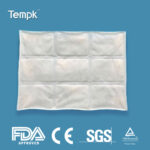
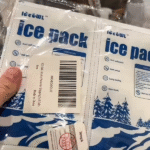
In Kühlkettenverpackung, „Wassereinspritzung“ bedeutet normalerweise, dass das Unternehmen herstellt (oder Vorräte) versiegelte Packungen, die zum Befüllen mit Wasser bestimmt sind-entweder im Werk (üblich für den gewerblichen Versand von Gel-/Wasserpackungen) oder durch den Endbenutzer (Dies ist bei Impfstoffkühlboxen und -trägern üblich, die wiederbefüllt und wiederverwendet werden können).
Eine praktische Referenzdefinition stammt aus einer Leistungsspezifikation der WHO, die eine Packung als beschreibt Wohnung, auslaufsicherer Kunststoffbehälter soll mit Wasser gefüllt und als Kühlakku/Kühlakku/Warmpack verwendet werden, mit definierter Fülllinie und Nennwassergehalt. (Dies ist ein nützliches mentales Modell, selbst wenn Sie eine werkseitig vorgefüllte Variante beziehen.)
Stellen Sie sich das Paket wie eine „Thermobatterie“ vor. Wasser ist die Batteriechemie. Der Kunststoffkörper ist das Batteriegehäuse. Ihr Unternehmen für Wassereinspritz-Eisbeutel ist dafür verantwortlich, dass die Hülle zuverlässig und vorhersehbar ist – denn eine gerissene Hülle ist eine Batterie, die überall in Ihrer Ladung ausläuft.
Wo steht ein Unternehmen für Wassereinspritz-Eisbeutel auf Ihrer Kühlketten-Risikokarte??
Ihr Verpackungssystem weist drei große Risikobereiche auf:
Thermisches Risiko (Kann man den Temperaturbereich lange genug halten??),
Körperliches Risiko (Lecks, Punktionen, Fallschaden),
Prozessrisiko (Kann Ihr Team es jedes Mal auf die gleiche Weise verpacken??).
Ein Wassereinspritz-Eisbeutelunternehmen wirkt sich direkt auf alle drei aus. Zum Beispiel, Die WHO-Spezifikationen beinhalten explizite Erwartungen an die Wasserfüllkontrollen, Verformung nach dem Einfrieren, Robustheit (Fallfestigkeit), und Leckwiderstand – genau die Fehlermodi, die Sie im realen Betrieb sehen.
Wann sollten Sie sich für Wasserpackungen vs. Gelpackungen vs. PCMs entscheiden??
Hier verschwenden Teams Geld. Sie kaufen „kälter“, wenn sie wirklich „stabiler“ brauchen.
Wasser Eisbeutel sind einfach und kostengünstig, aber gefrorenes Wasser hat einen Schmelzpunkt von 0°C und kann entstehen Einfrierrisiko wenn es mit frostempfindlichen Nutzlasten in Kontakt kommt oder wenn die Verpackung zu aggressiv ist. Es gibt Konditionierungspraktiken, um dieses Risiko zu verringern.
Gelpackungen werden häufig verwendet, da sie in unterschiedlichen Zuständen gehandhabt werden können (gefroren oder gekühlt) und können für unterschiedliche Nutzungsprofile gebaut werden, Sie müssen jedoch noch Ihre genaue Konfiguration validieren.
PCMs nahe 4–5 °C werden häufig verwendet, um das Gefrierrisiko gekühlter Produkte zu verringern; In den CDC-Leitlinien werden PCMs in diesem Bereich ausdrücklich als Option zur Aufrechterhaltung der Temperatur und zur Verringerung des Gefrierrisikos während des Impfstofftransports erwähnt.
Nachfolgend finden Sie eine Entscheidungstabelle, die Sie als Ausgangspunkt verwenden können (Sie validieren immer noch die endgültige Verpackung).
| Betriebsfrage | Wenn Sie mit „Ja“ antworten | Was Sie normalerweise bevorzugen | Warum es passt |
|---|---|---|---|
| Versenden Sie frostempfindliche Produkte mit einer Temperatur von 2–8 °C?? | Ja | PCMs (4–5 ° C) oder sorgfältig kontrollierte Kühlpack-Workflows | Reduziert das Risiko von Frostschäden im Vergleich zu unkontrolliert gefrorenen Packungen |
| Sind die Kosten Ihre primäre Einschränkung und die Nutzlast toleriert in der Nähe-0°C-Kontaktgefahr? | Ja | Wasser Eisbeutel | Geringste Materialkomplexität, einfache Nachschubmodelle |
| Liefern Sie gemischte Ambient-Lanes mit großen Schwankungen? (Sommer/Winter) und brauchen längere Haltezeiten? | Ja | Validierter isolierter Versender + Kältemittelstrategie (oft Gel/PCM-Mischung) | Wärmeprofile und Qualifikation sind wichtiger als das Kältemitteletikett |
| Sind Leckagen und Unordnung ein erheblicher Betriebskostenfaktor?? | Ja | Hochwertigere Packungen mit dokumentierter Auslauf-/Fallfestigkeit | Körperliche Robustheit wird zum Top-KPI |
Wie spezifizieren Sie ein Unternehmensprodukt für Wassereinspritz-Eisbeutel??
Welche Spezifikationen eines Wassereinspritz-Eisbeutelunternehmens tatsächlich Vorfälle reduzieren??
Beschaffungsteams verlangen häufig „dickeren Kunststoff“ oder „stärkere Dichtungen“. Das ist vage. Besser: Binden Sie Ihre Spezifikation an nachweisbare Leistung.
Eine gute Basis-Checkliste ist in den Leistungsspezifikationsansatz der WHO eingebettet:
Die Packung ist so konzipiert, dass sie Wasser speichert und im gefrorenen/gekühlten/erwärmten Zustand für thermische Trägheit sorgt.
Packungsgrößen sind standardisiert (Beispiel: 0.3L, 0.4L, 0.6L-Klassen) und kompatibel mit den von Ihnen verwendeten Trägern/Boxen.
Es bestehen Abfüllkontrollen: abnehmbarer Einfülldeckel und wird leer geliefert (für nachfüllbare Modelle), plus entweder eine sichtbare Fülllinie oder eine Geometrie, die ein Überfüllen verhindert.
Das Einfrieren großer Mengen sollte nicht dazu führen, dass sich die Packungen miteinander verbinden (Ein echtes Betriebsproblem, wenn Sie Stapel einfrieren).
Mit anderen Worten: Sie möchten, dass das Unternehmen Ihnen ein Paket gibt, das Ihr Team richtig füllen kann ohne zu raten, und das bleibt erhalten, wenn es wie echte Fracht behandelt wird.
Welche Leistungstests sollten Sie von einem Unternehmen für Wassereinspritz-Eisbeutel verlangen??
Hier können Sie aufhören, über „Qualität“ zu streiten, und stattdessen Beweise kaufen.
Eine WHO-Spezifikation für Wasserpackungen umfasst messbare Tests wie z:
Fallfestigkeit: Im gefrorenen Zustand sollten Packungen einen Fall aus einer Höhe von einem Meter auf Flächen/Kanten/Ecken tolerieren (Beispielbedingung: bis -20°C), Führen Sie dann nach dem Auftauen einen Dichtheitstest durch; und widerstehen auch Stürzen im flüssigen Zustand bei +5°C.
Auslaufsicherheit: Beispielanforderung, dass ungefrorene Packungen aufgetaut werden müssen (inklusive Kappe) einer bestimmten seitlichen Kraft standhalten, ohne zu lecken.
Verformungskontrolle: Die Verformung durch Gefrierexpansion sollte reversibel sein, mit Grenzen für die Dickenzunahme.
Auch wenn Ihr Anwendungsfall Lebensmittel oder E-Commerce ist (keine Impfstoffe), Dies sind immer noch die richtigen Fehlermodi zum Testen. Bei Vorfällen in der Kühlkette spielt es keine Rolle, in welcher Branche Sie tätig sind. Es kümmert sie, ob Ihr Rucksack auf einer Dockplatte zerbricht.
Welche Materialien und Nachhaltigkeitsbeschränkungen sollten Sie festlegen??
„Umweltfreundliche“ Behauptungen sind einfach. Einschränkungen bei der Beschaffungsqualität sind schwieriger.
Das Beispiel der WHO-Spezifikation ist nützlich, weil es nicht nur sagt: „Sei grün.“ Es schränkt bestimmte Materialklassen explizit ein (Z.B., Verbot von chlorierten Kunststoffen und Epoxidharz-Verbundwerkstoffen in diesem Zusammenhang) und erfordert Materialien, die eine umweltfreundliche Entsorgung am Ende der Lebensdauer unterstützen.
Beachten Sie auch einen versteckten Nachhaltigkeitshebel: Haltbarkeit. Eine Packung, die mehrere Zyklen übersteht, reduziert den Abfall stärker als eine „recycelbare“ Packung, die frühzeitig ausfällt. (Sie können Sturz-/Leck-Spezifikationen als Nachhaltigkeits-KPI betrachten.)
Eine Datenblattvorlage, die Sie für ein Unternehmen mit Wassereinspritz-Eisbeuteln wiederverwenden können
Verwenden Sie diese Tabelle als Ihren RFQ-Anhang. Es erzwingt vergleichbare Zitate.
| Spezifikationsbereich | Was Sie angeben sollten | Was Sie vom Lieferanten verlangen sollten | Warum ist es wichtig |
|---|---|---|---|
| Größenklasse | Zielabmessungen bzw. Nennkapazität (Z.B., 0.3L/0,4L/0,6L) | Maßzeichnung + Toleranz | Passend zu Ihrer Versand- und Verpackungsgeometrie |
| Füllkontrolle | Sichtbare Fülllinie oder Anti-Überfüll-Design; Kappenstil | Fotos + Benutzeranweisungen | Reduziert Verpackungsschwankungen und Ausfälle aufgrund von Überfüllung |
| Leckagebeständigkeit | Minimale Leckageleistung (Kraft/Sturz) | Testmethode + Ergebnisse + Stichprobengröße | Leckagen gehören zu den „kleinen“ Ausfällen mit den höchsten Kosten |
| Anleitung zur Temperaturkonditionierung | Konditionierungs- oder Vorkonditionierungs-SOP | SOP + Schulungsmaterial | Verhindert Freeze-Exkursionen bei sensiblen Nutzlasten |
| Materialdeklaration | Harzfamilie, Einschränkungen bei Zusatzstoffen, Entsorgungshinweise | Erklärung + Sicherheitshinweise | Hilft bei der Qualitätssicherung und Nachhaltigkeitsberichterstattung |
| Chargenrückverfolgbarkeit | Chargencodierung und Fehlermeldepfad | Beispieletiketten + Reklamationsablauf | Wird für CAPA- und Rückrufuntersuchungen benötigt |
Wie qualifizieren Sie ein Unternehmen für Wassereinspritz-Eisbeutel als Lieferant??
Welche Compliance-Erwartungen sollte ein Unternehmen mit Wassereinspritz-Eisbeuteln erfüllen??
Wenn Sie Arzneimittel in Europa versenden (oder dienen Sie Partnern, die dies tun), Sie werden Muster aus den BIP-Grundsätzen erkennen:
Beim Transport müssen die Produkte geschützt und die Temperaturbedingungen innerhalb akzeptabler Grenzen gehalten werden.
Bei der Transportplanung wird ein risikobasierter Ansatz erwartet.
Für temperaturempfindliche Produkte, qualifizierte Ausrüstung (Thermoverpackung, temperierte Container/Fahrzeuge) verwendet werden sollte, und das Personal sollte für die Montage von Isolierboxen und die Wiederverwendung von Kühlakkus geschult werden.
Temperaturüberwachungsgeräte müssen in festgelegten Abständen gewartet und kalibriert werden.
Ihr Unternehmen für Wassereinspritz-Eisbeutel ist nicht „Eigentümer“ Ihrer GDP-Konformität. Aber ein starker Lieferant hilft Ihnen bei der Einhaltung, weil er ein konsistentes Produkt liefert, Rückverfolgbarkeit, und Schulungsmaterialien, die Ihre SOP realitätsnah machen.
Für eine umfassendere TTSPP-Anleitung, In den technischen Leitlinien der WHO liegt der Schwerpunkt auf der Routenprofilierung, Überwachungsgeräte, und Verfahrenskontrolle bei Lagerung und Transport. Das ist die gleiche Disziplin, die Sie auch bei Packouts anwenden.
Welche Betriebskontrollen sollten Sie im Unternehmen für Wassereinspritz-Eisbeutel erwarten??
Auch wenn Sie nie ihre Fabrik besichtigen, Sie können weiterhin den Nachweis verlangen, dass sie die Kernschritte kontrollieren.
Die meisten beutelbasierten Verpackungsherstellungen folgen einer einfachen Logik: Den Beutel formen, fülle es, versiegeln Sie es. Branchenbeschreibungen zum vertikalen Form-Füll-Siegel erklären, dass die Verpackung aus Folie besteht („Rollenmaterial“), dann gefüllt, dann versiegelt, sich als kontinuierlicher Prozess wiederholen.
Dieser einfache Prozess weist vorhersehbare Fehlerquellen auf:
Falsches Füllvolumen → falsche thermische Leistung
Schwache Dichtung → Undichtigkeiten
Verunreinigtes Füllwasser → Geruchs-/Schimmelbeschwerden
Inkonsistenter Film → Pannenfehler
Sie fragen also Ihren Lieferanten, was er an diesen Kontrollpunkten tut. Wenn sie nicht klar antworten können, Ihr „Unternehmen“ ist eigentlich ein Handelsgeschäft.
Eine Due-Diligence-Checkliste zur Qualifizierung eines Unternehmens für Wassereinspritz-Eisbeutel
Verwenden Sie diese Checkliste, wenn Sie Lieferanten in die engere Auswahl nehmen. Es ist absichtlich praktisch.
| Due-Diligence-Bereich | Was du fragst | Wie ein „Ja“ aussehen sollte | Warum ist es wichtig |
|---|---|---|---|
| Leistungsnachweise | „Zeigen Sie Ihren Drop + Lecktestdaten.“ | Testberichte abgestimmt auf reale Handhabungsrisiken | Links zu den vorherrschenden Fehlermodi |
| Füllkontrolle | „Wie verhindern Sie eine Über-/Unterfüllung??” | Definierte Fülllinie oder automatische Lautstärkeregelung, mit Schecks | Verhindert Abweichungen bei der Verpackung |
| Rückverfolgbarkeit | „Können Sie Chargen verfolgen und Mängel verwalten??” | Loscodes + Mängelmeldung + CAPA-ähnlicher Workflow | Ermöglicht Ermittlungen |
| Schulungsinhalte | „Stellen Sie eine Verpackungs-/Konditionierungs-SOP bereit??” | Einfach, wiederholbare Anweisungen | Reduziert Frostschäden und Fehler |
| Kompatibilität | „Passt es zu unserer Shipper-/Kühlbox-Geometrie??” | Maßzeichnungen und Passprüfungen | Vermeidet eine Neugestaltung der Verpackung in letzter Minute |
| Nachhaltigkeitsbeschränkungen | „Wie lautet Ihre Material- und Entsorgungsempfehlung??” | Klare Materialangabe + Entsorgungshinweise | Unterstützt ESG-Ansprüche mit Einzelheiten |
Wie verpacken und validieren Sie Sendungen mit einem Unternehmen für Wassereinspritz-Eisbeutel??
Wie verhindern Sie Frostschäden bei der Verwendung eines Eisbeutelunternehmens mit Wassereinspritzung??
Frostschäden sind der lautlose Killer beim Transport bei 2–8 °C. Sie können „kalt“ versenden und trotzdem die Nutzlast ruinieren.
Zwei Beispiele aus Primärquellen zeigen, warum:
In einem Impfhandbuch der WHO wird erklärt, dass Eisbeutel bei etwa -20 °C aus dem Gefrierschrank kommen können und dies auch der Fall sein sollte konditioniert so dass der Eiskern auf 0°C ansteigt; Das Dokument weist darauf hin, dass die Konditionierung bei +20 °C bis zu etwa einer Stunde dauern kann und verhindert, dass gefrierempfindliche Impfstoffe durch den Kontakt mit gefrorenen Packungen beschädigt werden.
Die CDC-Richtlinien für den Transport von Impfstoffen warnen davor, gefrorene Gel-/Kühlmittelpackungen aus Originalimpfstofflieferungen zum Verpacken von gekühlten Impfstoffen zu verwenden, Sie weisen darauf hin, dass sie Impfstoffe auch dann einfrieren können, wenn sie scheinbar „schwitzen“. Es heißt auch, dass eine einmalige Einwirkung von Temperaturen unter dem Gefrierpunkt die Wirksamkeit bestimmter Impfstoffe zerstören kann.
Auch wenn Sie keine Impfstoffe versenden, Der Workflow für Lektionsübertragungen: Trennen Sie Ihre Nutzlast von der Kältequelle und kontrollieren Sie Ihren Kältemittelzustand (gefroren vs. konditioniert vs. PCM).
Eine einfache Analogie: Ihre Nutzlast ist das „Ei“.,„Die Packung ist der „Eiswürfel“. Wenn Sie den Eiswürfel gegen das Ei drücken, Sie erzeugen eine lokale Gefrierstelle – selbst wenn die Durchschnittstemperatur der Kühlbox in Ordnung zu sein scheint. Die GDP-Richtlinien fordern ausdrücklich, den direkten Kontakt zwischen Kühlakkus und Produkten in isolierten Boxen zu vermeiden.
Welche Validierungsstandards sollten Sie bei einem Unternehmen für Wassereinspritz-Eisbeutel verwenden??
Die Validierung ist keine Einheitslösung. Ihr „Standard“ sollte Ihre Vertriebsrealität widerspiegeln.
Die Website der International Safe Transit Association weist darauf hin, dass ihre thermischen Arbeiten globale thermische Profile umfassen und beschreibt Standard 7E-Profile als „neuen Standard für thermische Transporttests“.,”entwickelt aus realen Transportdaten. Darüber hinaus werden diese Tools als Unterstützung für die Compliance-Bemühungen regulierter Organisationen zur Qualifizierung von isolierten Versandbehältern eingesetzt.
Das ist der Schlüssel: Sie validieren das System (Absender + Nutzlast + Wasserinjektions-Eisbeutel-Unternehmenspakete + Konfiguration) gegen ein Profil, das Ihre Fahrspuren widerspiegelt.
Verlassen Sie sich auch auf die Transportleitlinien der WHO: Temperaturüberwachungsgeräte anbringen, Halten Sie bis zum Versand ordnungsgemäße Lagerbedingungen ein, Bereiten Sie den Laderaum des Fahrzeugs vor, und Verzögerungen beim Laden vermeiden. Das ist betriebliche Validierung, nicht nur Labortests.
Ein praktischer Packout-Validierungsablauf, den Sie mit Ihrem Unternehmen für Wassereinspritz-Eisbeutel durchführen können
Nachfolgend finden Sie einen Workflow, den Sie für ein Pilotprojekt verwenden und dann skalieren können.
NEIN
Ja
Spur definieren + Produkttemperaturbereich
Wählen Sie den Versender + Isolierung
Kältemittelmasse auswählen + Platzierung
Schreiben Sie die Verpackungs-SOP + Ausbildung
Labortest gegen thermisches Profil
Erfüllt die Kriterien?
Pilotsendungen mit Datenloggern
Überprüfen Sie die Ausflüge + CAPA
Konfiguration einfrieren + Lieferanten-SLA
Dieser Ablauf steht im Einklang mit den risikobasierten Planungs- und Dokumentationserwartungen im GDP-Stil, und unter Anleitung der WHO zum Einsatz von Überwachungsgeräten und dokumentierten Maßnahmen im gesamten Lebenszyklus der Sendung.
Fallszenario: eine 48-Stunden-Paketstraße mit einem Wassereinspritz-Eisbeutelunternehmen
Szenario: Sie versenden temperaturempfindliche Diagnosekits. Der Lagerbereich der Etiketten beträgt 2–8 °C. Bei der Route handelt es sich um eine 48-Stunden-Paketroute mit möglichen Haltezeiten am Wochenende.
So gestalten Sie die Verpackung:
Entscheiden Sie Ihre Kältemittelstrategie. Für 2–8°C, Sie bevorzugen PCMs in der 4–5°C-Zone oder sorgfältig verwaltete Kühlakkus, denn unkontrolliert gefrorene Packungen können zu Temperaturen unter 0°C führen.
Trennung angeben. Sie schließen eine physische Barriere ein (gewellt, Schaumstoff-Abstandshalter, oder Nutzlastkasten) sodass die Nutzlast die Packungen nicht direkt berühren kann – was ausdrücklich mit den GDP-Richtlinien zur Vermeidung von direktem Kontakt übereinstimmt.
Status und Staging des Kontrollpakets. Wenn Sie Wasserbeutel verwenden müssen, Sie definieren die Konditionierungszeit (und Überprüfung durch „Bewegungs-/Schwitz“-Kontrollen) als Teil Ihrer SOP. Das WHO-Handbuch beschreibt Konditionierungsschritte, einschließlich des Wartens auf etwas flüssiges Wasser und des Schüttelns zur Bestätigung der Bewegung.
Fügen Sie Überwachung und Dokumentation hinzu. In den Leitlinien der WHO zur Transportergänzung wird empfohlen, für die Transportroute geeignete Temperaturüberwachungsgeräte anzubringen und das Produkt bis zum Versand unter ordnungsgemäßen Lagerbedingungen aufzubewahren.
Pilotieren und den Kreis schließen. Sie führen Pilotprojekte in warmen und kalten Jahreszeiten durch, da die BIP-Leitlinien darauf hinweisen, dass bei der Temperaturkartierung saisonale Schwankungen berücksichtigt werden sollten, und Sie dokumentieren Abweichungen und Korrekturmaßnahmen.
Worauf es in diesem Szenario ankommt: Sie benötigen einheitliche Packungsmaße, Füllanleitung, Leckwiderstand, und wiederholbare Leistung. Wenn die Packungsdicke oder die Siegelqualität je nach Charge variieren, Ihre Bestätigung ist bedeutungslos.