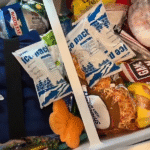
So versenden Sie temperaturempfindliche Produkte mithilfe von Trockeneis-Packfolien effektiv ins Ausland?
Shipping perishable or temperature-sensitive products across long distances requires a reliable and efficient method to maintain the required temperatures. Dry ice pack sheets are a powerful solution in cold chain logistics, allowing businesses to optimize their shipping processes while minimizing spoilage. This article will explore the best practices, Herausforderungen, and trends in shipping with dry ice pack sheets across the country.

-
Die Bedeutung von using dry ice pack sheets in cross-country shipping
-
Best Practices für die Verwendung von Trockeneis-Packplatten
-
How businesses can optimize their shipping processes with dry ice
-
The latest trends and innovations in dry ice shipping
Why Should You Use Dry Ice Pack Sheets for Shipping?
Dry ice pack sheets are a critical tool in maintaining temperature stability during cross-country shipments. They help maintain a low temperature without the complications of traditional ice. When shipping sensitive goods such as pharmaceuticals, Essen, oder biologische Proben, maintaining consistent temperatures is crucial. Dry ice ensures that products are delivered in optimal condition, reducing spoilage and loss.
Studies show that using dry ice can significantly reduce spoilage rates by up to 75%. The reason is that dry ice is solid carbon dioxide, which sublimates into gas at -78.5°C, maintaining a steady cold temperature throughout the shipping process. This makes it ideal for industries where temperature fluctuations can drastically impact the product’s quality.
How Does Dry Ice Shipping Benefit Your Business?
-
Kosteneffizienz: Dry ice is a cost-effective option for long-distance shipping, reducing the need for expensive refrigeration units.
-
Nicht schmelzend: Im Gegensatz zu traditionellem Eis, Trockeneis untermauert in Gas, leaving no moisture that could damage products.
-
Verlängerte Haltbarkeit: Dry ice offers a longer cooling duration compared to gel packs, ensuring that products remain in optimal condition during transit.
-
Kein Chaos: The lack of liquid water makes dry ice the ideal solution for shipping delicate items like electronics and pharmaceuticals.
What Are the Best Practices for Using Dry Ice in Shipments?
Use the Right Quantity of Dry Ice
Dry ice usage typically ranges from 5 Zu 10 Pfund pro 24 Stunden Versandzeit, depending on the size of the shipment and the temperature requirements. More perishable items or longer transit times will require more dry ice.
Richtige Kennzeichnung und Dokumentation
Dry ice shipments must be properly labeled. Verwenden Sie das “Kohlendioxid-Feststoff” label to indicate that the package contains dry ice. This ensures proper handling and compliance with transportation regulations.
Ensure Proper Insulation
Packaging is crucial in maintaining the efficiency of dry ice. Use insulated boxes or containers to reduce the amount of dry ice needed. Jedoch, these containers should not be airtight, damit das Gas sicher entweichen kann.
Include Temperature Monitoring Devices
Including temperature monitoring devices in shipments ensures that the temperature remains within the required range. These devices help track the conditions in real-time, giving businesses more control over the shipping process.
Disposal and Safety Measures
Educate recipients on how to safely dispose of dry ice. As it sublimates into gas, it must be ventilated in a well-ventilated area to avoid buildup of pressure.
How Can Businesses Optimize Their Shipping Processes with Dry Ice?
Optimizing dry ice shipping processes can reduce costs and enhance efficiency. So wie:
Überprüfen Sie historische Versanddaten
Analyzing past shipments can help businesses identify patterns, understand optimal packing methods, and determine the most cost-effective quantities of dry ice needed.
Train Staff on Proper Handling
Proper training ensures that employees handle dry ice and temperature-sensitive products effectively. This training can reduce mistakes, Effizienz verbessern, and cut down on waste.
Leverage Technology for Monitoring and Efficiency
Investing in temperature monitoring technology that tracks real-time conditions throughout the shipping process helps ensure that products arrive safely. Some companies also use AI-driven solutions to optimize the use of dry ice based on shipping conditions.
Work with Experienced Logistics Providers
Partnering with logistics companies that specialize in cold chain logistics and dry ice shipments can further streamline the process and ensure compliance with shipping regulations.
Regulatory Compliance and Safety Guidelines for Dry Ice Shipments
Trockeneis wird als Gefahrstoff eingestuft (Und 1845) unter U.S. and international law. Compliance protects not only the shipment but also carriers and end-users.
UNS. Vorschriften (49 CFR § 173.217)
-
Belüftete Verpackung: Containers must allow CO₂ to escape to prevent pressure buildup and rupture.
-
Beschriftung: Packages must be marked “Kohlendioxid, Solide” oder “Trockeneis,” Fügen Sie die UN -Nummer hinzu 1845, and list the net weight of dry ice.
-
Mengenbeschränkungen: Packages containing 2.5 kg (5.5 lb) or less of dry ice used as a refrigerant are exempt from most hazardous materials requirements.
Luft, Boden, and Sea Limits
| Transportmodus | Max Dry Ice per Package | Packaging/Label Requirements | Warum ist es wichtig |
|---|---|---|---|
| Passagierflüge | 2.5 kg (5.5 lb) | Vented container; “Dry Ice” label; net weight and UN 1845 Markierung | Prevents CO₂ buildup and asphyxiation risk in cabins |
| Frachtflüge | Bis zu 200 kg (440 lb) | Same labeling; ordnungsgemäße Dokumentation | Larger shipments require documentation and venting |
| Bodentransport | Bis zu 200 kg | Belüftete Verpackung, Gefahrenhinweise | CO₂ can accumulate in enclosed vehicles |
| Sea Transport | Follows International Maritime Dangerous Goods Code | Venting and labeling similar to air guidelines | Long transit times increase risk of pressure buildup |
Additional Shipping Rules
-
Use high-quality fiberboard, Plastik, oder Holzkisten. Do not place dry ice in sealed plastic bags or steel drums; packaging must allow CO₂ to vent.
-
Fügen Sie eine Klasse hinzu 9 hazard label and include the shipper’s and recipient’s names and addresses. Etiketten müssen mindestens sein 100 mm × 100 mm and printed in 6–12 mm type depending on package size.
Best Practices for Packing and Layering Dry Ice Pack Sheets
To maximize the performance of dry ice pack sheet systems, follow these packing principles:
-
Pre-cool Your Container: Chill the insulated box and product to the desired temperature before adding dry ice sheets.
-
Layer Strategically: Legen Sie ein Blatt auf die Unterseite, dann das Produkt, then another sheet on top. For multi-day transit or high-risk routes, add extra top panels or thicker sheets.
-
Wrap Walls Fully: Cut or fold sheets to line every wall to prevent heat ingress through edges. Sketch your box dimensions beforehand to avoid gaps.
-
Überwachen Sie die Temperatur: Insert a data logger to track internal temperature during transit and adjust future shipments accordingly.
Die Zukunft des Trockeneisschifffahrt
In 2025, dry ice shipping continues to evolve with emerging technologies and sustainability initiatives. New insulation materials are being developed to improve shipping efficiency, while AI-driven logistics solutions help companies optimize their use of dry ice based on shipment conditions. Außerdem, as sustainability becomes a growing concern, there are efforts to minimize environmental impact by using renewable energy in dry ice production and employing eco-friendly materials in packaging.
Markteinsichten: Sustainability and Consumer Expectations
Sustainability trends are driving demand for more efficient and eco-friendly cold chain solutions. Als Verbraucher fordern zunehmend frisch frisch, organic, und temperaturempfindliche Güter, companies are adopting greener practices to stay competitive. Brands that align with these values by optimizing their shipping processes with sustainable materials and technologies can build stronger customer loyalty.
Häufig gestellte Fragen
Q1: How long does a dry ice pack sheet last during cross-country shipping?
Dry ice pack sheets typically maintain ultracold conditions for 24–48 hours. Für längere Fahrten, increase the number or thickness of sheets and add a buffer for delays.
Q2: Can I ship dry ice via USPS?
Ja, but packages containing dry ice must not exceed 5 pounds for air transportation.
Q3: What is the maximum dry ice allowed on a passenger aircraft?
2.5 kg (5.5 lb) pro Paket. Cargo flights may carry up to 200 kg pro Paket, but airline policies vary.
Schlussfolgerung und Empfehlungen
To successfully ship temperature-sensitive goods across long distances, using dry ice pack sheets is an effective and reliable solution. Key strategies include proper quantity calculation, Isolierung, Beschriftung, and leveraging technology for temperature monitoring. By adhering to best practices and staying compliant with regulations, businesses can enhance efficiency and reduce the risk of spoilage.
Nächste Schritte:
-
Bewerten Sie Ihre Versandanforderungen: Review the temperature requirements of your products and consider whether dry ice is the best solution.
-
Optimize your processes: Train your team on proper handling and explore temperature monitoring tools.
-
Konsultieren Sie Logistikexperten: Collaborate with experienced logistics providers to ensure compliance and maximize shipping efficiency.
Über Tempk
Und Tempk, Wir sind spezialisiert auf die Bereitstellung innovativer Kaltkettenlösungen, ensuring that your temperature-sensitive goods are shipped securely and efficiently. Unsere Produkte sind so konzipiert, dass sie den höchsten Industriestandards entsprechen, offering unmatched reliability and performance.
Aufruf zum Handeln:
Contact Tempk today for tailored cold chain logistics solutions to optimize your shipping processes. Let us help ensure that your shipments arrive safely, Jedes Mal.