If you ship or store gourmet chocolates, cold chain shipping isn’t optional—it’s the only way to keep their delicate textures and flavours intact. Chocolates melt at surprisingly low temperatures and can develop sugar or fat bloom when exposed to moisture. Keeping them within a narrow window of 12–20 ° C. (54–68°F) Und relative humidity under 50 % is critical for maintaining appearance and taste. This guide shows you how to protect your chocolate from factory to consumer using practical packaging, monitoring and planning methods. You’ll also learn how 2025 trends such as AI driven route optimisation and sustainable materials impact chocolate logistics.
Optimal conditions for storage and transport: discover the ideal temperature and humidity ranges and why stability matters.
Verpackungslösungen: learn how insulated boxes, gel packs and moisture barriers prevent melting and bloom.
Monitoring and planning: explore IoT sensors, data loggers and logistics best practices for real time control.
Kosten und Nachhaltigkeit: find ways to optimise routes, reduce costs and adopt eco friendly materials.
2025 Trends: see how automation, AI and end to end visibility are transforming cold chain chocolate logistics.
What temperature and humidity keep gourmet chocolate at its best?
Maintaining the sweet spot: Chocolate quality depends on keeping temperature and humidity within specific limits. Gemäß Branchenrichtlinien, chocolate should be warehoused and transported at 12–20 ° C. (54–68°F), with relative humidity kept below 50 % um Zuckerausblühungen vorzubeugen. Dark chocolate tolerates the cooler end of this range because it contains more cocoa butter, whereas milk and white chocolates are more sensitive and benefit from stable mid range temperatures.
Why extremes cause bloom and melting
Even brief exposure to temperatures above 25 °C (77 ° F) can cause chocolates to soften or melt. Umgekehrt, freezing or rapid cooling encourages Zuckerblüte, where moisture dissolves sugar on the surface and leaves a dull, white film when it evaporates. Fettblüte occurs when cocoa butter crystallises unevenly, producing greasy streaks. High humidity accelerates both problems. To avoid these issues, always pre cool your chocolate and packaging, maintain a stable environment, and avoid rapid fluctuations.
| Faktor | Recommended range | Effect on chocolate | Praktische Tipps |
| Temperatur | 12–20 ° C. (54–68°F) | Preserves texture and prevents melting | Use insulated containers and active cooling when ambient temperatures exceed 20 °C; pre cool both chocolate and packaging |
| Luftfeuchtigkeit (RH) | < 50 % | Prevents sugar bloom and fat migration | Choose moisture resistant liners; use condensation resistant gel packs |
| Stabilität | Avoid rapid changes | Fluctuations cause thermal shock and bloom | Monitor continuously with IoT sensors; plan for consistent transit routes |
Praktische Tipps und Ratschläge
Kühlen Sie Ihre Produkte vor: Bring chocolate and cooling agents to the target temperature before packing to avoid condensation.
Use breathable liners: Proper airflow prevents condensation while protecting against odours.
Monitor and record conditions: Place data loggers or IoT sensors inside shipments to track temperature and humidity in real time. Instant alerts enable corrective action if conditions drift outside your target range.
Test your system: Perform a trial shipment to validate that your packaging maintains desired conditions over the planned transit time.
Beispiel aus der Praxis: A luxury chocolatier shipping truffles internationally switched to insulated boxes, humidity controlled packaging and real time sensors. Their rejection rate dropped from around 15 % to 2 %, demonstrating how attention to temperature and moisture pays off.
How do packaging and shipping methods protect gourmet chocolate?
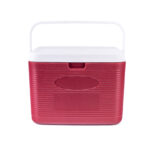
Wählen Sie die richtige Verpackung: Insulated containers and thermal buffers create a miniature cold room for your chocolate. Erweiterter Polypropylen (EVP) boxes and Vacuum Insulated Panels (VIP) offer lightweight yet high performance insulation. Pair them with Gelpackungen oder Phasenwechselmaterialien (PCMs) to maintain temperature for the duration of your trip. For long distances or hot climates, consider active refrigeration (reefer trucks or containers).
Designing effective packaging
Auf die Größe kommt es an: Select a box that leaves enough room for chocolates, cushioning and cooling agents—without allowing contents to shift. Add foam or padded liners for shock absorption.
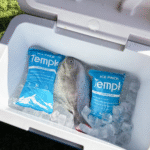
Feuchtigkeitsbarrieren: Use condensation resistant gel packs and moisture proof liners to prevent humidity from contacting the chocolate.
Passiv vs. aktive Systeme: Für Kurztrips (bis zu 2 Tage) in moderate weather, passive insulated boxes with gel packs are usually sufficient. For longer transit or extreme heat, use refrigerated trucks or reefer containers with active cooling.
Airflow and light: Allow gentle airflow inside the package and use opaque outer layers to shield chocolate from light.
| Verpackungslösung | Wärmeleistung | Wann zu verwenden | Profitieren Sie davon |
| EPP/VIP insulated boxes | Hoch | All shipments, especially long haul | Leicht und wiederverwendbar; maintain stable temperature |
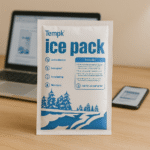
| Gelpacks/PCMs | Mäßig bis hoch | Kurze bis mittlere Reisen | Provide extra cooling; condensation resistant options reduce humidity issues |
| Kühlcontainer | Sehr hoch | Hot climates or multi day shipping | Active temperature control eliminates risk of melting |
| Moisture proof liners | Medium | Humid environments | Prevent condensation from contacting chocolate and packaging |
Practical packaging suggestions
Layer your components: Place a protective liner at the bottom, add gel packs around the sides, then insert the chocolate boxes. Top with an additional gel pack to buffer heat from above.
Verwenden Sie nachhaltige Materialien: Recyclable insulation and reusable containers reduce waste and appeal to eco conscious customers. Nachhaltige Verpackungen gewinnen zunehmend an Bedeutung 2025.
Kosten und Leistung in Einklang bringen: Passive solutions (Isolierung + Gelpackungen) can outperform powered cooling for 1–3 day trips, reducing complexity and energy use. For shipments exceeding three days or across continents, combine passive packaging with active refrigeration and real time monitoring.
What are the best practices for cold chain logistics from warehouse to doorstep?
Think end to end: Eine Kühlkette ist nur so stark wie ihr schwächstes Glied. From production to delivery, maintain controlled conditions and plan for contingencies.
Warehouse and storage
Keep warehouses between 54–68°F (12–20 ° C.) und relative Luftfeuchtigkeit unten 50 %. Dark chocolate tolerates cooler conditions than milk or white.
Avoid storing chocolate near strong odours or moisture emitting goods.
Use modern refrigeration systems with energy efficient features; automation and robotics help manage inventory and maintain consistent conditions.
Transportation and handling
Kühlfahrzeuge: Use reefer trucks or containers when ambient temperatures exceed your target range. Ensure vehicles are sealed, clean and pre cooled.
Routenoptimierung: Plan efficient routes to minimise transit time and avoid delays. AI driven route optimisation helps reduce mileage and energy consumption while maintaining temperature.
Dokumentation und Schulung: Educate drivers and warehouse staff on temperature control, humidity risks and proper loading/unloading techniques.
Überwachung, tracking and last mile delivery
Echtzeitsensoren: IoT-Geräte verfolgen die Temperatur, Luftfeuchtigkeit und Standort, Senden von Benachrichtigungen, wenn Abweichungen auftreten. Real time visibility reduces spoilage and ensures compliance.
Datenlogger: Provide a historical record for audits and continuous improvement.
Kundenkommunikation: Sharing tracking information enhances transparency and builds trust.
Scenario guidance: For a short domestic shipment (≤ 2 days), passive insulated boxes with gel packs shipped early in the week often suffice. For international or summer shipments lasting several days, combine pre cooled chocolates with insulated boxes, PCMs and reefer containers. Use IoT sensors to monitor conditions and act quickly if deviations occur.
2025 trends and innovations in cold chain chocolate logistics
Automatisierung und Robotik
Labour shortages and the need for efficiency are driving adoption of automated storage and retrieval systems in cold warehouses. Robots streamline handling, reduce errors and maintain consistent temperature and humidity. Studies suggest that about 80 % of warehouses are not automated yet, highlighting large potential for growth.
Sustainability takes centre stage
Environmental regulations and consumer expectations push businesses toward energy efficient refrigeration, renewable energy and eco friendly insulation. Sustainable practices reduce carbon footprint and help prevent food waste. Biodegradable and recyclable packaging materials are increasingly popular.
End-to-End-Transparenz mit Echtzeit-Tracking
Advanced IoT tracking devices provide continuous insight into location, Temperatur und Luftfeuchtigkeit, enabling route optimisation and quick corrective actions. Real time tracking reduces waste and enhances customer satisfaction by offering up to date information.
KI und Predictive Analytics
Artificial intelligence revolutionises cold chain logistics by optimising routes, Vorhersage der Nachfrage und Vorhersage der Gerätewartung. KI kann historische Daten und Echtzeitdaten analysieren, um Störungen vorherzusehen, recommend maintenance and improve decision making. Integrating AI with IoT sensors provides smarter, more resilient logistics networks.
Modernising infrastructure and partnerships
Aging facilities are being upgraded to meet modern efficiency and sustainability standards. Investitionen in Isolierung, refrigeration and renewable energy reduce energy costs and carbon emissions. Zusammenarbeit zwischen Herstellern, packaging suppliers and tech providers enhances visibility and resilience across the supply chain.
Häufig gestellte Fragen
What happens if chocolate is exposed to 25–30 °C during shipping? Exposure to temperatures above 25 °C (77 ° F) softens or melts chocolate and can cause fat or sugar bloom, degrading its appearance and shelf life. Keep chocolate within 12–20 °C and below 50 % humidity to avoid these issues.
Can I ship gourmet chocolate without refrigeration in winter? Yes—if ambient temperatures remain within the safe 12–20 °C range and humidity is low. Verwenden Sie isolierte Verpackungen mit Gelpacks oder PCMs, pre cool your goods and ship at the beginning of the week to minimise transit time.
How long can passive cold chain packaging keep chocolate safe? Passive insulated boxes with gel packs typically maintain target temperatures for one to three days under moderate conditions. For longer durations or hot climates, supplement with active refrigeration and continuous monitoring.
What is the cost effective way to ship chocolates internationally? Optimise routes and combine passive insulation with PCMs and reefer containers. Ship in bulk, plan around weekends and use data loggers and IoT sensors to ensure stability. Sustainable packaging reduces waste and may lower regulatory costs.
Zusammenfassung und Empfehlungen
Gourmet chocolate is sensitive to heat, humidity and sudden environmental changes. Aufrechterhaltung 12–20 ° C. und relative Luftfeuchtigkeit below 50 % ist wesentlich. Use EPP or VIP insulated boxes paired with gel packs or PCMs; design packaging to include shock absorption and moisture barriers. Monitor conditions in real time, plan efficient routes and train staff to handle chocolate carefully. In 2025, Trends wie Automatisierung, sustainability and AI driven analytics improve efficiency and reduce waste. By embracing these practices, you’ll deliver chocolate that looks and tastes as perfect as when it left the kitchen.
Umsetzbare nächste Schritte
Überprüfen Sie Ihren aktuellen Prozess: Temperatur auswerten, Luftfeuchtigkeit, packaging materials and transit routes. Identify any weak points.
Werten Sie Ihre Verpackung auf: Adopt insulated containers, gel packs and moisture proof liners. Test your packaging under real world conditions before large shipments.
Implementieren Sie eine Echtzeitüberwachung: Equip shipments with IoT sensors or data loggers to track temperature, Luftfeuchtigkeit und Standort. Set up alerts for deviations.
Logistik optimieren: Use AI powered route planning and schedule shipments early in the week to avoid delays. Consider active cooling for long or hot routes.
Fokus auf Nachhaltigkeit: Explore recyclable or reusable insulation and renewable energy options for warehousing. Sustainable practices reduce costs and align with customer expectations.
Übertempk
Tempk is a leading cold chain solutions provider specialising in temperature sensitive shipments such as gourmet chocolates. Unser lightweight EPP and VIP containers, Phasenwechselmaterialien Und Smart Überwachungssysteme help maintain ideal temperatures with minimal energy use. We prioritise sustainability by offering recyclable materials and reusable packaging. Our team combines industry expertise with cutting edge technology to ensure your products arrive fresh, sicher und pünktlich.
Bereit, Ihre Kühlkette zu verbessern? Reach out today to discover tailored solutions that protect your chocolates and delight your customers.