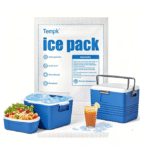
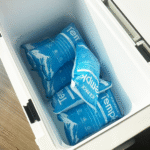
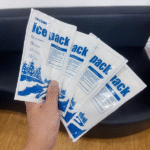
Verwendung 24 Stundenlanges Trockeneis-Packblatt für zuverlässigen Kühlkettenversand
Maintaining frozen temperatures during transit is tricky, especially when you ship sensitive goods such as vaccines, seafood or laboratory samples. A 24 Stunde Trockeneis-Packblatt offers a lightweight, mess free way to keep shipments below zero for a full day. Trockeneis sublimiert direkt vom Feststoff in den Gaszustand, so there is no meltwater to soak your products. In this guide you’ll discover how to choose, handle and optimize these sheets for different industries while staying compliant with the latest regulations.
Was macht a 24 hour dry ice pack sheet superior to traditional ice and gel packs?
How much dry ice do you need for different shipment durations and container sizes?
Wie man packt, label and dispose of dry ice safely.
Trends shaping cold chain logistics in 2025.
Why Is a 24 Hour Dry Ice Pack Sheet Essential for Cold Chain Shipping?
Immediate answer: A 24 hour dry ice pack sheet keeps sensitive products at sub zero temperatures without leaving any residue or moisture. Dry ice sublimates directly from a solid to carbon dioxide gas, so it doesn’t melt and cause water damage. This property makes it ideal for shipping frozen foods, pharmaceuticals and biologics that cannot tolerate thawing. Studies show that using dry ice can reduce spoilage rates by up to 75 %, improving product quality and reducing waste.
How Does Dry Ice Compare to Gel Packs?
Dry ice maintains lower temperatures than water based gel packs. Gel packs typically keep shipments at 2 - - 8 °C, which is perfect for chilled goods like chocolate or fresh produce. Jedoch, frozen products require temperatures well below 0 °C. Dry ice is made of carbon dioxide and is extremely cold at –78,5 °C (–109,3 °F). Because it never melts into liquid, it keeps packages drier and lighter. Gel packs are better for items that only need to be cooled but not frozen; dry ice sheets excel when you need to keep goods frozen for 24 Stunden oder mehr.
Wichtige Vorteile von Trockeneisblättern
| Nutzen | Erläuterung | What It Means for You |
| Verlängerte Kühldauer | Dry ice maintains sub zero temperatures longer than water or gel, making it ideal for long distance shipping. | You can ship frozen goods domestically or internationally without fear of thawing. |
| Kein Wasseraustritt | Trockeneis sublimiert direkt zu Gas, hinterlässt keine Flüssigkeitsrückstände. | Ihre Produkte bleiben trocken, and packaging stays intact. |
| Kosteneffizienz | Bei sachgemäßer Anwendung, dry ice is more cost effective than other cooling methods. | Lower shipping costs by using less refrigerant and lighter packages. |
| Gewichtseffizienz | Trockeneis ist leichter als Wassereis, reducing shipping weight and associated costs. | Save on shipping fees, especially for air freight. |
| Sicherheit und Compliance | Dry ice is non flammable and, bei richtiger Handhabung, safe for food and medical shipments. | Meet safety standards across industries. |
Szenario der realen Welt: Frozen Food Delivery
Imagine you run an online seafood business shipping salmon to customers nationwide. If you use regular ice or gel packs, your fish may arrive partially thawed. Wechsel zu a 24 Stunde Trockeneis-Packblatt keeps the fish at –18 °C or colder for the entire journey. Customers receive pristine products, and your brand reputation improves. This solution also reduces packaging weight, saving shipping costs.
How Much Dry Ice Do You Need for a 24 Hour Shipment?
Immediate answer: Verwenden 5–10 Pfund Trockeneis pro 24 Std. of shipping time. The exact amount depends on shipment size, Isolierung und Umgebungstemperatur. For small coolers shipped for a single day, 5–10 Pfund of dry ice is usually sufficient. For longer journeys or larger containers, planen für 8–10 pounds per 24–48 hour period, or up to 20 pounds for three days.
Factors Affecting Dry Ice Quantity
Several variables influence how much dry ice you need:
Shipment size and weight: Larger or heavier products require more cooling. Zum Beispiel, doubling the dry ice from 10 kg (22 lbs) Zu 20 kg (44 lbs) can extend cooling from 1–2 days to 3–5 days.
Isolationsqualität: High density insulation slows sublimation. Lightweight styrofoam may require more dry ice than specialized insulated boxes.
Umgebungstemperatur: Shipments traveling through hot climates or summer conditions will need extra dry ice because heat increases sublimation.
Produktstatus: Pre frozen goods need less dry ice than items that must freeze during transit.
Versandvorschriften: Some carriers limit dry ice weight. In den Vereinigten Staaten, non medical shipments containing mehr als 5.5 Pfund of dry ice must comply with federal hazardous materials regulations.
Rule of Thumb Table
| Versanddauer | Behältergröße | Empfohlenes Trockeneis (lbs) | Zweck |
| 24 Std. | Kleiner Kühler (≤10 L) | 5–10 Pfund | Keeps food or lab samples frozen for one day |
| 48 Std. | Mittlerer Kühler (10–30 L) | 8–15 Pfund | Provides buffer for two day transit or delays |
| 72 Std. | Large insulated box (>30 L) | 15–30 lbs | Suitable for cross country shipments |
Praktischer Tipp: Calculate Extra for Delays
Always add an extra 24 hours of dry ice as a buffer. Carriers recommend planning for potential transit delays, customs holds or unexpected detours. Zum Beispiel, if you anticipate a 24 hour journey, pack enough dry ice for 48 Std.. This simple step prevents temperature excursions and regulatory penalties.
How to Pack and Label a 24 Hour Dry Ice Pack Sheet Safely
Immediate answer: Use a non airtight insulated container, place a barrier between dry ice and products, and clearly label the package as containing dry ice. Trockeneis setzt Kohlendioxidgas frei, so containers must allow venting. Direct contact between dry ice and products can cause freeze damage; use cardboard, bubble wrap or polystyrene sheets as a barrier.
Schritt-für-Schritt-Verpackungsanleitung
Wählen Sie den richtigen Behälter: Opt for a well insulated EPS foam container placed inside a sturdy cardboard box. High density foam helps slow sublimation.
Kühlen Sie Ihren Behälter vor: Store the empty container in a cold environment before packing. This reduces initial heat transfer and preserves dry ice.
Platzieren Sie eine Barriere: Insert a layer of cardboard, plastic or bubble wrap between the dry ice pack sheet and the product to prevent direct contact.
Load products at the correct temperature: Ensure your goods are frozen or chilled to their target temperature before packing.
Add the dry ice pack sheet: Position the sheet above or around the products. Kalte Luftwaschbecken, so placing dry ice at the top can improve cooling efficiency.
Allow for gas venting: Do not seal the container airtight. Leave a small vent or use packaging designed for gas release.
Beschriften Sie das Paket: Clearly mark “Contains Dry Ice” and include the net weight of dry ice. For air shipments in the United States, folgen 49 CFR 173.217 und IATA-Verpackungsanweisung 954.
Dokumentation beifügen: Add any necessary shipping documents and instructions, such as a packing slip or safety sheet.
Disposal and Safety Guidelines
Proper disposal is vital. Trockeneis unterschwellt zu Kohlendioxidgas, which must be released in a well ventilated area. Tun nicht place dry ice in a sink or sealed container—pressure can build up and cause damage. When unpacking, handle dry ice with insulated gloves and protective eyewear.
Beispiel: A lab technician receives a cooler containing vaccines packed with dry ice. Befolgen Sie die Sicherheitsrichtlinien, the technician opens the box in a ventilated area, allows the dry ice to sublimate, and avoids disposing of it in water. This prevents damage to equipment and ensures a safe environment.
Das Richtige wählen 24 Hour Dry Ice Pack Sheet for Your Industry
Immediate answer: Select a sheet based on your product’s temperature requirement, regulatory constraints and environmental impact. Food shipments often need 24 hour dry ice pack sheets to keep products frozen, while pharmaceuticals may require smaller doses combined with gel packs to maintain a specific temperature range. Consider your container size, shipping duration and any carrier regulations.
Food and Meal Kit Delivery
Food companies rely on dry ice to preserve freshness and texture. Die USA. Food Safety and Inspection Service recommends that raw protein products reach their destination below 40 ° F (4 °C). For frozen meat or seafood, aim for –18 °C. A 24 hour dry ice pack sheet maintains this temperature throughout transit. Choose sheets sized appropriately for your boxes and plan for enough dry ice to last an extra day.
Pharmazeutische und biotechnologische Lieferungen
Medicines and biologics often require strict temperature control between 2–8 ° C. Using dry ice alone may freeze certain drugs; stattdessen, combine smaller dry ice packs with gel packs for controlled cooling. Check with the manufacturer and follow Good Distribution Practice (BIP) Richtlinien. Many carriers provide specialized healthcare cold chain packaging solutions to help you calculate the right amount of dry ice.
Laboratory and Research Samples
Research samples such as DNA, plasma or biopsy specimens often require deep freezing. Dry ice is essential for preserving sample integrity and preventing degradation. Für Sendungen mit einer Dauer von bis zu 72 Std., choose a higher density insulation and pack multiple 24 hour dry ice pack sheets to maintain –78.5 °C. Ensure compliance with local and international transport regulations, as some samples may fall under hazardous goods classifications.
E commerce and Direct to Consumer Markets
Online retailers shipping frozen desserts, ice cream or pet food must deliver products in perfect condition to maintain customer satisfaction. Dry ice is lighter than water ice and reduces shipping costs. When planning shipments to warmer climates or during peak summer, increase the number of dry ice pack sheets and choose packaging with reflective or vacuum insulation. Clear instructions to customers on how to handle dry ice upon arrival minimize safety risks.
Kosten- und Nachhaltigkeitsüberlegungen
Immediate answer: Dry ice pack sheets may seem expensive, but they often reduce overall shipping costs by lowering product spoilage, packaging weight and shipping fees. Darüber hinaus, emerging sustainable materials and AI driven logistics tools are improving efficiency.
Kostenaufschlüsselung
| Kostenfaktor | Auswirkungen auf den Versand | Wie ein 24 Hour Dry Ice Pack Sheet Helps |
| Refrigerant cost | Dry ice is competitively priced and often cheaper per cooling unit than gel packs or mechanical refrigeration. | You use less refrigerant overall because dry ice provides greater cooling power. |
| Packaging weight | Lighter packages reduce air freight costs and fuel consumption. | Trockeneis ist leichter als Wassereis, lowering shipping fees and carbon footprint. |
| Product spoilage | Spoiled goods lead to returns and additional shipping. | Using the right amount of dry ice reduces spoilage by up to 75 %. |
| Compliance and fines | Non compliance with hazardous materials regulations can result in penalties. | Proper labeling and weight calculations ensure you meet regulations. |
Sustainability and Eco Friendly Options
Sustainability is a growing concern in the cold chain. Many businesses are adopting eco friendly insulation materials and reusable packaging. Zum Beispiel, manche 24 hour dry ice pack sheets are manufactured using biodegradable liners or recyclable outer casings. Zusätzlich, AI driven logistics platforms can optimize route planning and predict the exact quantity of dry ice required to minimize waste. These innovations reduce both environmental impact and operational costs.
Beispiel: A biotech company switched from single use styrofoam to vacuum insulated panels and reusable containers. Kombiniert mit 24 hour dry ice pack sheets, this change reduced packaging waste by 40 % and saved thousands of dollars annually while still maintaining compliance.
Best Practices for Handling and Storage
Immediate answer: Always handle dry ice with insulated gloves and protective eyewear, store it in ventilated areas, und verschließen Sie es niemals in luftdichten Behältern.
Speicherrichtlinien
Belüftung: Store dry ice in a well ventilated room to prevent carbon dioxide buildup, Dies kann Sauerstoff verdrängen und zum Ersticken führen.
Container selection: Use non airtight insulated containers like styrofoam or specialized dry ice coolers. Never use glass jars or sealed plastic containers, which can crack or explode.
Überwachung: Track sublimation rates and replace dry ice as needed. Dry ice typically sublimates at 5–10 Pfund pro Tag, but this rate can increase in high temperatures.
Persönliche Schutzausrüstung: Handschuhe tragen, goggles and long sleeves to avoid frostbite and burns.
Ausbildung: Ensure all staff handling dry ice are trained in proper procedures, including emergency responses and regulatory requirements.
Handling Tips for Recipients
When your customer receives the package, they should:
Open the package in a ventilated area and remove the product carefully.
Leave the remaining dry ice in the open air to sublimate. Do not dispose of it in sinks or enclosed spaces.
Halten Sie Trockeneis von Kindern und Haustieren fern.
Use gloves when handling any remaining sheets.
Beispiel: A pharmacy receives a 24 hour dry ice pack sheet with temperature sensitive medications. The pharmacist uses gloves, opens the box outside and allows the dry ice to dissipate. Any residual carbon dioxide safely vents away, and the medicine remains at the required temperature.
Neueste Entwicklungen und Trends in 2025
Trendübersicht: Die Kühlkettenlogistik entwickelt sich rasant weiter. In 2025, Nachhaltigkeit, data analytics and interactive packaging solutions are driving innovation. Businesses are investing in eco friendly materials, KI-gesteuerte Routenoptimierung, and smart sensors that provide real time shipment data.
Trend One: Nachhaltige Verpackungsmaterialien
More companies are adopting biologisch abbaubare Liner Und Mehrwegbehälter Abfall reduzieren. These materials can maintain thermal performance comparable to traditional styrofoam while lowering environmental impact. If you choose a 24 hour dry ice pack sheet made with eco friendly components, highlight this in your marketing to appeal to sustainability minded customers.
Trend Two: AI Driven Logistics Optimization
Artificial intelligence is transforming cold chain operations. AI tools analyze historical shipping data to optimize dry ice quantities and delivery routes. By predicting sublimation rates and transit times, these systems reduce waste and prevent temperature excursions. Businesses that integrate AI driven logistics see fewer delays and lower costs.
Trend Three: Interactive Packaging Solutions
Packaging with built in sensors and connectivity allows shippers to monitor temperature and location in real time. Customers can receive alerts if their package experiences temperature deviations. Incorporating interactive features into your 24 hour dry ice pack sheet solution enhances transparency and can increase customer trust.
Markteinblicke für 2025
The global cold chain market continues to grow as demand for online grocery delivery, biologics and specialty pharmaceuticals increases. Consumers expect fast, reliable shipping for frozen and chilled goods, and regulatory scrutiny is intensifying. Companies that invest in sustainable packaging and data driven logistics will gain a competitive edge. Zusätzlich, rising energy costs and environmental concerns are prompting a shift toward lighter, more efficient refrigerants like dry ice sheets.
Häufig gestellte Fragen
Q1: Was ist a 24 Stunde Trockeneis-Packblatt?
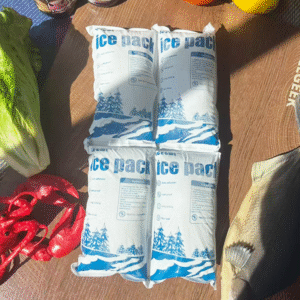
A 24 hour dry ice pack sheet is a thin, flexible pad containing pockets of dry ice pellets. It is designed to maintain sub zero temperatures for approximately 24 hours inside an insulated container. Im Gegensatz zu normalen Eis- oder Gelpackungen, it sublimates directly to carbon dioxide gas, hinterlässt kein Wasser.
Q2: How do I determine the number of sheets needed?
Calculate based on shipment size and duration. For a standard one day shipment, 5–10 Pfund of dry ice is recommended. Each sheet typically contains a specific weight of dry ice, so add extra sheets for heavier shipments or longer transit times.
Q3: Sind Trockeneisbeutel für Lebensmittel unbedenklich??
Ja. Dry ice is a food grade refrigerant and is non toxic. Ensure the dry ice does not come into direct contact with the food by using a barrier layer.
Q4: Can I ship internationally with dry ice?
Ja, dry ice is widely used for international shipping. Jedoch, you must follow IATA regulations and your carrier’s hazardous materials guidelines. Check the destination country’s rules and include proper labeling.
Q5: How do I store unused dry ice pack sheets?
Store them in a well ventilated freezer or insulated container, away from moisture and children. Do not store in airtight or glass containers.
Zusammenfassung und Empfehlungen
Key Takeaways: A 24 Stunde Trockeneis-Packblatt is an effective and efficient solution for maintaining frozen temperatures during shipping. Dry ice’s sublimation prevents water damage and reduces weight, while delivering strong cooling power. Für 24 Stundenversand, verwenden 5–10 Pfund aus Trockeneis, and pack items in insulated containers with proper venting. Follow regulations for labeling and weight to avoid penalties. Nachhaltige Materialien, AI driven logistics and interactive packaging are transforming cold chain operations in 2025.
Aktionsplan:
Bewerten Sie Ihren Versandbedarf: Determine the weight, size and destination of your products and whether they require freezing or just cooling.
Select the right 24 Stunde Trockeneis-Packblatt: Choose sheets based on product type, container size and desired duration. Consider eco friendly options if sustainability is a priority.
Berechnen Sie die Trockeneismenge: Use the 5–10 pounds per day guideline and add extra for potential delays.
Richtig einpacken: Verwenden Sie isolierte Behälter, add barriers and ensure venting.
Beschriften und befolgen: Follow hazardous materials regulations for labeling and documentation.
Informieren Sie die Empfänger: Provide instructions on safe handling and disposal.
Rezension 2025 Trends: Entdecken Sie nachhaltige Verpackungen, AI tools and interactive sensors to stay competitive.
Über Tempk
Tempk ist ein führender Anbieter von Kühlkettenlogistiklösungen. We provide high quality dry ice pack sheets, insulated containers and innovative packaging designed to keep your products at the right temperature. Our commitment to research and development ensures that our products meet stringent industry standards. Mit umweltfreundliche Materialien and customizable sizes, Tempk helps businesses in food, pharmaceutical and biotech sectors optimize their cold chain operations. Contact us to discover how our 24 hour dry ice pack sheet solutions can reduce spoilage, lower shipping costs and support sustainability.
Aufruf zum Handeln: Bereit, Ihre Kaltkette zu verbessern? Reach out to Tempk today for expert advice and customized 24 hour dry ice pack sheet solutions.