How to Use a Gel Ice Pack for Cold Therapy?
When you reach for a gel ice pack to soothe an ache, you’re tapping into a simple form of cryotherapy that reduces pain and swelling by constricting blood vessels and dulling nerve activity. Cold therapy is a key part of the R.I.C.E. (rest, Eis, Kompression und Elevation) approach for acute injuries and has helped generations manage everything from sprained ankles to post surgery inflammation. In 2025 the global gel ice pack market is projected to be worth more than USD 311 Million, with reusable packs accounting for over half of all sales—a sign of their growing popularity. Dieser Leitfaden, aktualisiert für 2025, zeigt Du how to use gel ice packs correctly, safely and in a way that fits your lifestyle.
What is cold therapy and how does a gel ice pack help? – explore the science of vasoconstriction, nerve numbing and why flexible gel packs are ideal.
How do you prepare and apply a gel ice pack safely? – step by step instructions with practical tips and a decision tool.
When should you use (or avoid) a gel ice pack? – identify the injuries and conditions best suited to cold therapy and understand contraindications.
How long should a session last? – learn recommended session durations and frequencies for different body parts.
How do you maintain and reuse gel packs? - Lagerung, cleaning and replacement guidance for longevity.
What are the latest trends in cold therapy in 2025? – discover eco friendly materials, smart packs and market insights.
Häufig gestellte Fragen – concise answers to common questions about cold therapy.
What is cold therapy and how does a gel ice pack help?
Direkte Antwort
Kalttherapie, also called cryotherapy, uses controlled cooling to reduce pain, swelling and inflammation by constricting blood vessels and slowing nerve signals. A gel ice pack is a convenient tool because the gel remains flexible when frozen, allowing you to mold it comfortably around the injured area. Gel packs provide consistent cooling without the mess of melting ice and can be reused many times, making them a practical choice for home care and sports injuries.
Erweiterte Erklärung
Injuries trigger an inflammatory response that sends blood and inflammatory chemicals to the affected area, causing swelling and discomfort. Cold therapy works by narrowing (constricting) nearby blood vessels and lowering skin temperature, which decreases blood flow, reduces metabolic activity and helps control swelling and pain. The cooling effect also dulls nerve conduction, so you feel less pain. A gel ice pack makes this process easier because the semi solid gel stays pliable even when frozen. Unlike rigid ice cubes, a gel pack can contour to your knee, shoulder or ankle without leaving gaps, delivering even cooling across the area. Many modern gel packs use non toxic gels and durable outer materials, so they’re safe to place next to the skin with a protective barrier. The ability to freeze, thaw and reuse the same pack multiple times also reduces waste and cost compared with disposable chemical packs. Zusammenfassend, cold therapy interrupts the inflammatory cascade, and a gel ice pack is simply a user friendly delivery system for that cooling.
Understanding the science: vasoconstriction and pain relief
Cold therapy’s effectiveness is rooted in basic physiology. Wenn Sie eine Kühlpackung auftragen, Ihre Hauttemperatur sinkt und die Blutgefäße verengen sich, limiting the amount of fluid and inflammatory mediators reaching the injury. This vasoconstriction reduces swelling (edema) and slows down cellular metabolism, which can prevent secondary tissue damage. Cryotherapy also decreases nerve conduction velocity, meaning pain signals travel more slowly to the brain. After about five to ten minutes, a phenomenon called the Lewis hunting reaction may occur—blood vessels alternate between constriction and dilation to preserve tissue health. If cooling continues past 15 minutes or the pack is colder than 10 °C, the body may react by dilating vessels, which counteracts the benefits and can lead to frostbite. This is why most experts recommend limiting cold therapy sessions to 10–20 minutes.
Tisch 1: Recommended session durations and frequencies for common areas
| Body part or injury | Sitzungsdauer (Minuten) | Frequenz | Was bedeutet dies für Sie |
| Verstauchung des Knöchels oder Handgelenks | 10–15 Minuten | Alle 1–2 Stunden während der ersten 24–72 Stunden | Kurz, frequent sessions help control swelling early on without causing tissue damage. |
| Knie, Ellenbogen oder Schulter | 15–20 Minuten | Up to three times per day, im Abstand von mindestens einer Stunde | Larger joints require slightly longer cooling; spacing sessions prevents vasodilation. |
| Postoperativer Bereich | 20 Minuten | Befolgen Sie die ärztlichen Anweisungen; often 2–3 sessions daily | Die Kombination von Kälte und Kompression kann die Ergebnisse verbessern; always use a barrier. |
| Rücken oder Hüfte | 15 Minuten | Zwei- bis dreimal täglich | Tiefes Gewebe kühlt langsam ab; shorter sessions avoid numbing the skin excessively. |
| Kleine Gelenke oder Finger | 5–10 Minuten | Nach Bedarf, with long breaks | Finger haben wenig Weichgewebe; Begrenzen Sie die Kühlung, um Nervenverletzungen zu vermeiden. |
Praxistipps und Anwendervorschläge
Verwenden Sie eine Schutzbarriere: Always wrap the gel ice pack in a thin cloth or paper towel before placing it on your skin to prevent frostbite or irritation.
Setzen Sie einen Timer: Bleiben Sie bei 10–20 Minuten pro Sitzung; prolonged cold can trigger vasodilation and reverse the benefits.
Inspect your skin: Wenn Ihre Haut rot wird, blass, itchy or tingly, Entfernen Sie die Packung sofort.
Vermeiden Sie offene Wunden: Do not apply a cold pack over cuts, Blasen oder Verbrennungen.
Rest and elevate: Kombinieren Sie Kältetherapie mit Ruhe, compression and elevation to maximize recovery.
Warten Sie zwischen den Sitzungen: Allow at least one to two hours for your skin to return to normal temperature before re icing.
Eis niemals beim Schlafen: Falling asleep with a gel pack increases the risk of frostbite and nerve damage.
Beispiel aus dem wirklichen Leben: After a weekend soccer match, Du verdrehst dir den Knöchel. Applying a flexible gel ice pack for 10–15 minutes reduces the swelling and numbs the pain. You wrap the pack in a towel and repeat the process every couple of hours while resting with your foot elevated. Within a day the swelling subsides, and you’re able to start gentle movement—thanks to proper cold therapy and rest.
How to prepare and apply a gel ice pack safely?
Direkte Antwort
To prepare and apply a gel ice pack safely, Frieren Sie die Packung mindestens zwei Stunden lang ein, inspect it for leaks, wrap it in a thin cloth and apply it to the injured area for 10–20 minutes. Monitor your skin for numbness or color changes, and wait at least one hour before repeating. Never place a frozen item directly against bare skin, and don’t use cold therapy if you have conditions that affect sensation or circulation.
Schritt-für-Schritt-Anwendung: a practical guide
Einfrieren oder kühlen: Store your gel pack in the freezer so it’s ready when needed. Most packs reach therapeutic temperature after two to three hours. The gel should become firm but still flexible.
Inspect the pack: Vor jedem Gebrauch, check for punctures or leaks. Discard any pack with damaged seams or leaking gel.
Zum Schutz einwickeln: Place the gel pack inside a thin towel, pillowcase or cloth. This barrier prevents direct skin contact and reduces the risk of frostbite.
Positionieren Sie die Packung: Sit or lie comfortably, resting the injured body part. Place the wrapped gel pack over the area, molding it to follow the contours of your knee, shoulder or ankle.
Setzen Sie einen Timer: Use your phone or a kitchen timer to track 10–20 minutes of therapy. Hören Sie früher auf, wenn Sie Beschwerden verspüren, tingling or severe redness.
Kombinieren Sie es mit Kompression und Elevation: Use an elastic bandage or compression sleeve if recommended by your healthcare provider. Elevate the injured limb above heart level to reduce swelling.
Reinigen und aufbewahren: Nach dem Gebrauch, wipe the gel pack with a mild soap and water solution, dry it thoroughly and place it back in a sealed plastic bag in the freezer. This prevents odors and cross contamination.
Repeat responsibly: Wait at least one to two hours before repeating. Over icing can delay healing and cause tissue damage.
When to use a gel ice pack versus heat therapy
Deciding between cold and heat can be confusing. An easy way to decide is to consider timing and symptoms:
Was the injury recent (within the last 72 Std.)? Wenn ja, choose cold therapy to limit swelling and pain.
Is there visible swelling or inflammation? Use a gel ice pack. Heat can worsen swelling by dilating blood vessels.
Is the pain chronic without swelling (Z.B., stiff muscles or old injuries)? Gentle heat may help relax tight muscles; avoid cold therapy in this case.
Are you sensitive to cold, have Raynaud’s disease or poor circulation? Avoid cold therapy and speak with a healthcare professional.
These guidelines aren’t absolute. Im Zweifelsfall, consult a medical professional—especially if you have underlying health conditions or if pain persists.
When should you use (or avoid) a gel ice pack?
Conditions suited for cold therapy
Cold therapy is most effective for acute soft tissue injuries and certain chronic conditions. Specific situations include:
Verstauchungen, strains and bruises: Ankle sprains, wrist strains and minor bruises benefit from short periods of cooling to reduce swelling.
Tendonitis and tendinopathy: Repetitive overuse injuries respond to intermittent cold therapy, which decreases inflammation and pain.
Runner’s knee and joint pain: Conditions like patellofemoral pain syndrome can be soothed with gel packs after activity.
Arthritis flare ups: Cooling inflamed joints can ease discomfort, particularly in osteoarthritis and rheumatoid arthritis.
Post surgical recovery: After knee or hip replacement, surgeons often recommend cold therapy to manage pain and swelling.
Low back pain or nerve irritation: Short sessions of cooling can temporarily reduce nerve activity and provide relief.
Dental procedures and headaches: Cold packs can numb facial muscles or ease headache discomfort; apply carefully and limit time.
Kontraindikationen und Risiken
While cold therapy is generally safe, there are circumstances where it can do more harm than good:
Conditions affecting circulation or cold sensitivity: People with peripheral vascular disease, Raynaud -Krankheit, Kryoglobulinämie oder cold urticaria should avoid cold therapy.
Nerve damage or skin anaesthesia: If you have numbness or impaired sensation in the affected area, you may not feel if the skin is becoming damaged.
Impaired cognition, very young or elderly individuals: Additional supervision is necessary; reduce session length.
Open wounds or recent skin injuries: Applying cold to broken skin, blisters or burns increases risk of infection.
Sensory disorders or diabetes: People with diabetes often have reduced sensation in extremities; cold therapy could cause frostbite without warning.
Cardiac conditions or hypertension: Seien Sie vorsichtig, as extreme cold can affect heart rate.
If any of these apply to you, consult a healthcare provider before using a gel ice pack. Beenden Sie die Therapie sofort, wenn Sie starke Schmerzen verspüren, skin discoloration, numbness beyond the normal cooling sensation or if your pain worsens after repeated sessions.
How long should you keep a gel ice pack on?
Recommended durations and frequencies
Der ideal duration for a gel ice pack session depends on the injury and the area of the body:
Standard guideline: Most experts advise keeping the pack on for 10–20 Minuten. For small joints like fingers and toes, 5–10 minutes may suffice.
Intermittent vs. continuous application: Research suggests that intermittent cooling—10 minutes on, 10 Minuten frei, then another 10 minutes on—reduces pain more effectively than a continuous 20 minute session. In praktischer Hinsicht, you might apply the gel pack for 10 Minuten, remove it for 10 minutes and reapply once more.
Spacing sessions: Verlassen mindestens 30 minutes to two hours between sessions to allow the skin to return to normal temperature.
Total therapy duration: For minor injuries, apply cold therapy for the first 24–72 Stunden after injury. WebMD suggests using an ice pack for 15–20 minutes every two to three hours during the first 24–48 Stunden.
Timing and frequency for different body areas
The table above (Tisch 1) summarizes general recommendations. Jedoch, everyone’s tolerance to cold varies. Factors such as body size, skin thickness, injury location and personal comfort affect how long you should ice. People with conditions like Raynaud’s disease or neuropathy should use shorter sessions and monitor skin closely.
Maintaining and reusing gel ice packs
Reusable gel packs are designed for repeated use, but proper care extends their life:
Lagerung, cleaning and replacement
Freezer storage: Keep your gel packs in the freezer in a sealed plastic bag. This prevents contamination and helps the pack stay at a consistent temperature.
Nach jedem Gebrauch reinigen: Wipe the pack’s surface with a mild soap and lukewarm water, then dry it thoroughly before returning it to the freezer. Avoid harsh chemicals that could degrade the pack’s outer material.
Check for wear: Inspect the seams and cover for signs of cracks, tears or leaks before every session. A leaking gel pack should be discarded immediately; most gels are non toxic but could irritate skin.
Avoid refreezing if punctured: Do not continue using a damaged pack. Replace it with a new one to ensure safe and effective therapy.
Getrennt vom Essen: Store gel packs in a designated section of the freezer away from food to maintain hygiene.
Life expectancy: Many high quality gel packs last for years when cared for properly. Jedoch, replace them when they become stiff, discolored or show signs of deterioration.
Usage scenarios beyond injuries
Gel ice packs aren’t just for sprains. They are useful for:
Managing chronic conditions like arthritis or lower back pain between flare ups.
Cooling during fever or migraine headaches when medication isn’t enough.
Reducing swelling after cosmetic procedures such as dermal filler injections (always follow your practitioner’s advice).
Soothing postpartum discomfort by placing a wrapped gel pack on the perineal area for short periods.
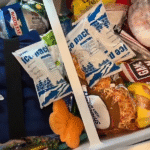
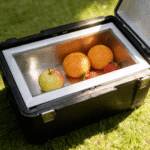
Keeping packed lunches or medications cold während der Reise (ensure they don’t leak onto food or medication). Reusable packs for temperature sensitive transport are common in cold chain logistics.
2025 latest gel ice pack developments and trends
Trendübersicht
The gel ice pack industry has evolved significantly in recent years. Laut Marktforschung, Der weltweite Markt für Gel-Eisbeutel wird mit bewertet USD 311.2 Millionen in 2025 und wird voraussichtlich erreicht werden USD 572.5 Millionen von 2032, was ein robustes widerspiegelt 9.1 % durchschnittliche jährliche Wachstumsrate (CAGR). Mehrwegverpackungen dominieren den Markt mit a 55.6 % Aktie, while non toxic gel materials account for 56.8 %. Die Genesung nach Operationen ist das größte Anwendungssegment (32.1 %), and North America leads the market with a 36.3 % Aktie, although Asia Pacific is the fastest growing region. These figures underscore the increasing demand for reliable, reusable cold therapy solutions.
Latest advances in gel ice packs
Umweltfreundliche Materialien: Growing environmental awareness has encouraged manufacturers to develop gel packs using plant based or biodegradable gels instead of petroleum derived substances. These packs maintain cooling performance while reducing environmental impact.
Intelligente Temperatursensoren: Advanced packs now include built in temperature indicators or Bluetooth sensors that connect to a smartphone app, ensuring that you stay within the therapeutic range (typically 0–10 °C). Alerts notify you when it’s time to remove the pack.
Eisfreie Kaltkompressionseinheiten: Tragbare Geräte kombinieren Kältetherapie mit Kompression unter Verwendung von zirkulierendem Kaltwasser oder Phasenwechselmaterialien. They offer consistent cooling without the mess of melting ice and are particularly popular in sports medicine.
Flexibel, body specific designs: Manufacturers offer gel packs shaped for knees, Schultern, necks and backs. Ergonomic straps secure the pack in place, allowing you to move around during therapy.
Integration with physical therapy programs: Digital rehabilitation platforms now recommend gel ice pack sessions in conjunction with exercises. This integration supports adherence and tracks recovery progress.
Cold chain logistics improvements: Beyond personal use, gel packs play a crucial role in transporting temperature sensitive pharmaceuticals. IoT enabled packs provide real time temperature monitoring to ensure vaccines and biologics remain within safe ranges.
Markteinsichten
As musculoskeletal disorders grow worldwide—affecting over 1.71 Milliarden Menschen according to the World Health Organization—demand for home based therapies is rising. Reusable gel packs align with this trend by offering an accessible, low cost option for pain management. Zusätzlich, the expansion of biologics and vaccine logistics during the COVID 19 era has increased the need for reliable gel packs in cold chain transport. Environmental regulations and consumer preferences for sustainable products are pushing companies toward recyclable materials and minimal packaging.
Häufig gestellte Fragen
Q1: Can you sleep with a gel ice pack on? NEIN. Sleeping with a gel ice pack on increases the risk of frostbite or nerve damage. You should only ice when you’re awake and can monitor sensations.
Q2: How often can I use a gel ice pack? Für akute Verletzungen, apply the pack for 10–20 minutes and wait at least one to two hours before repeating. Do not exceed five or six sessions per day without medical advice.
Q3: Will cold therapy slow down healing? Kurz, intermittent cooling reduces pain and swelling. Prolonged or continuous icing may trigger vasodilation and could delay healing. Limit sessions to the first 48–72 hours after injury and avoid over icing.
Q4: Can I use the same gel pack for heat therapy? Einige Gelpacks sind sowohl für den heißen als auch den kalten Gebrauch konzipiert. Wenn ja, follow the manufacturer’s instructions for heating in a microwave or warm water. Never heat a pack unless it’s labeled as safe for hot use.
Q5: Is cold therapy safe during pregnancy? Allgemein, yes—using a gel ice pack on minor injuries or swollen ankles is safe. Jedoch, avoid applying cold to the abdomen and consult your healthcare provider for specific guidance.
Q6: How do I know if I should use heat instead of cold? If the pain is chronic, there is no swelling, or muscles feel stiff, heat may improve flexibility and blood flow. Use cold for fresh injuries with swelling and inflammation.
Q7: Sind Gel-Eisbeutel für Kinder und ältere Erwachsene sicher?? Ja, but their thinner skin and reduced circulation mean they are more susceptible to cold injury. Nutzen Sie kürzere Sitzungen, add extra layers of cloth and supervise closely.
F8: Can I make a homemade gel ice pack? You can create a simple gel pack by mixing two parts water with one part rubbing alcohol or dish soap, sealing the mixture in a sturdy plastic bag and freezing it. The alcohol prevents complete freezing, keeping the pack flexible. Always double bag to prevent leaks and label it clearly.
Zusammenfassung und Empfehlungen
Cold therapy with a gel ice pack is a proven way to reduce pain and swelling when you know how to use it properly. You learned that gel packs remain flexible and deliver uniform cooling; that you must wrap the pack in a cloth and limit sessions to 10–20 minutes; and that waiting at least an hour between sessions prevents tissue damage. You also discovered which conditions benefit from cold therapy and which require caution. Endlich, we explored market trends pointing to eco friendly materials and smart, wiederverwendbare Designs.
Umsetzbare nächste Schritte
Choose quality: Select a reusable gel ice pack that suits the body part you wish to treat. Look for non toxic gel and durable construction.
Bereiten Sie sich richtig vor: Keep your pack frozen, wrap it before use and set a timer for 10–20 minutes.
Monitor your body: Watch for skin changes and discontinue use if you feel numbness beyond mild cold. Consult a healthcare provider if pain persists.
Combine therapies: Kombinieren Sie die Kältetherapie mit Ruhe, compression and elevation and follow any rehab exercises recommended by your doctor.
Bleib informiert: Keep up with the latest innovations, such as eco friendly packs and smart temperature sensors, to maximize safety and effectiveness.
Über Tempk
Tempk ist Spezialist für cold chain solutions and gel ice pack technology. With years of experience serving healthcare, food logistics and sports medicine, we design reusable gel packs that deliver consistent cooling while minimizing environmental impact. Our products use plant based gels and durable, BPA-freie Materialien, offering flexibility, leak resistance and smart temperature indicators for safe home use. We also supply advanced cold compression systems for clinics and sports teams. Und Tempk, we prioritize quality, sustainability and innovation to help you recover faster and keep sensitive goods safe.
Brauchen Anleitung? Reach out to our team for personalized recommendations on cold therapy products or to discuss custom cold chain solutions that meet your specific needs.