Einführung
Als Importeur von isolierten Rucksäcken, Sie spielen eine zentrale Rolle im Kühlketten-Ökosystem. In 2026 Der globale Kühlkettenmarkt boomt, Die Nachfrage nach temperaturgeführter Logistik wird voraussichtlich von rund 436 Milliarden US-Dollar im Jahr steigen 2025 auf über 1,3 Billionen US-Dollar 2034. Ihre Herausforderung besteht darin, Rucksäcke zu finden, die die Produkte innerhalb sicherer Temperaturbereiche halten, Einhaltung sich ändernder Vorschriften und Unterstützung von Nachhaltigkeitszielen. In diesem Leitfaden wird erläutert, wie Sie bei der Beschaffung navigieren, Qualitätskontrolle und Importkonformität, damit Sie isolierte Rucksäcke sicher importieren können, die verderbliche Waren schützen und Ihre Marke stärken.
Dieser Leitfaden wird antworten:
Wie passen isolierte Rucksäcke in die moderne Kühlkettenlogistik?? – untersucht hochwirksame Anwendungsfälle wie Essenslieferungen und Arzneimitteltransporte.
Auf welche Eigenschaften und Materialien sollten Sie beim Import isolierter Rucksäcke achten?? – deckt die Kapazität ab, Isolationsleistung und Haltbarkeit.
Wie können Sie bei der Verwaltung von Zöllen und Einfuhrbestimmungen Compliance und Nachhaltigkeit sicherstellen?? – beschreibt die Klassifizierung, Pflichtenänderungen und Nachhaltigkeitsanforderungen.
Welche Beschaffungsstrategien helfen, die Kosten zu optimieren?, Lieferzeit und Lieferantenbeziehungen? – erklärt MOQs, Kostenhebel und Qualitätskontrollverfahren.
Welche Markttrends und Innovationen die isolierte Rucksacklandschaft prägen werden? 2026 und darüber hinaus? – fasst das Branchenwachstum zusammen, technologische Innovationen und regionale Dynamik.
Warum sind isolierte Rucksäcke für die Kühlkettenlogistik von entscheidender Bedeutung? 2026?
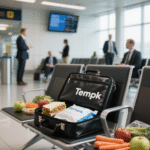
Das Wesentliche für die Kühlkette. Ein isolierter Rucksack ist mehr als nur eine Tasche – er ist ein mobiler Kühlschrank, der verderbliche Waren 60–120 Minuten lang außerhalb der Kühlung schützt. Während der Lieferung von Essenspaketen, Audits zeigen, dass mehr als 70 % Anzahl der Kartons überschreiten 4 °C nach langen Strecken. Der Import hochwertiger Rucksäcke hilft Ihnen, Lebensmittel aufzubewahren, Impfstoffe und Biologika innerhalb sicherer Bereiche, Reduziert den Verderb und gewährleistet die Einhaltung gesetzlicher Vorschriften. Ihre Tragbarkeit macht sie auch zu wandelnden Werbetafeln; eine Studie zitiert in 2025 Schätzungen zufolge generiert jede Kühltasche mit Logo etwa 1.900 bis 2.000 Impressionen und bleibt über zwei Jahre im Einsatz.
Schnelles Marktwachstum. Der Markt für Kühltaschen (einschließlich isolierter Rucksäcke) wird voraussichtlich von 7,75 Milliarden US-Dollar im Jahr wachsen 2025 auf 8,46 Milliarden US-Dollar 2026 und erreichen 13,15 Milliarden US-Dollar 2031. Nordamerika hielt eine 41.75 % teilhaben 2025, Dennoch wird der Asien-Pazifik-Raum voraussichtlich die am schnellsten wachsende Region sein. Allein das Untersegment der isolierten Lunchtaschen soll bis zum Jahr 2,43 Milliarden US-Dollar erreichen 2031 mit einer CAGR von ungefähr 6.2 %. Zu den wichtigsten Produktionsländern gehört China (60 % der Ausgabe), Vietnam, Indien und die Vereinigten Staaten, während die wichtigsten Importregionen die Vereinigten Staaten sind (33 % Aktie), europäische Union, und Japan.
Wirkungsvolle Anwendungen. Heutige isolierte Rucksäcke bedienen unterschiedliche Branchen:
Essenslieferung & Lebensmitteldienstleistungen: Kuriere auf der letzten Meile verwenden rucksackartige Kühlboxen, um Lebensmittel bis zu zwei Stunden lang gekühlt zu halten.
Pharmazeutisch & Biotech-Logistik: Eine validierte Temperaturkontrolle ist für Impfstoffe unerlässlich, Biologika und Laborproben.
Erholung im Freien & Sport: Camping, Wandern und Tailgating haben nach der Pandemie stark zugenommen, treibende Nachfrage nach langlebigen Produkten, Hochleistungskühler.
Werbeaktionen für Unternehmen: Isolierte Rucksäcke mit Logo dienen gleichzeitig als Marketinginstrument, Dadurch werden Tausende von Impressionen pro Tasche generiert.
So wählen Sie den richtigen isolierten Rucksack aus: Eigenschaften und Materialien
Einen Rucksack finden, der gut funktioniert und die Kunden zufriedenstellt, Konzentrieren Sie sich auf die Kapazität, Isolationsleistung, Haltbarkeit und Benutzerkomfort. Die Verwendung klarer Auswahlkriterien verhindert Produkte mit schlechter Leistung und verschwendete Investitionen.
Kapazität und Größe: Ordnen Sie den Anwendungsfall dem Volumen zu
Durch die Wahl der richtigen Kapazität wird Platzverschwendung vermieden und eine effiziente Isolierung gewährleistet. Kommerzielle Rucksäcke reichen von 6 L zu 40 L. Denken Sie daran, dass eine dicke Isolierung das nutzbare Volumen um 15–20 reduziert %.
| Kapazitätskategorie | Typische Reichweite | Am besten für | Bedeutung für Sie |
|---|---|---|---|
| Kompakt | 6–10 L | Lieferung einzelner Mahlzeiten, persönliche Lunchpakete | Leicht und tragbar; Ideal für Schnellservice-Filialen und kleine Bestellungen |
| Mittelgroß | 15–20 L | Dienstleistungen zur Essenszubereitung, Lebensmittelpakete, Werbegeschenke für Unternehmen | Passend für mehrere Behälter; immer noch beherrschbar; nützlich für Werbeprogramme |
| Groß | 30–40 L | Catering-Events, Getränkeservice, Outdoor-Aktivierungen | Erfordert eine robuste Konstruktion und eine dicke Isolierung; passt zu Gruppenmahlzeiten; auf 80–90 auffüllen % für optimale Leistung |
Isolationsleistung: Schaum, Dicke und Liner
Schaumtyp. Die Isolationswirksamkeit wird anhand des R-Werts gemessen. Geschlossenzellige Schaumstoffe wie Polyurethan (Pu) oder vernetztes Polyethylen (XPE) liefern R-Werte rund 6 pro Zoll, Aufrechterhaltung der Temperatur über längere Zeiträume. Expandiertes Polyethylen (EPE) oder expandiertes Polystyrol (EPS) haben niedrigere R-Werte (3.6–4,2 pro Zoll) und eignen sich besser für Kurztrips.
Dicke. Einsteigertaschen mit 3 mm EPE-Schaum hält die Temperatur bis zu sechs Stunden lang. Zunehmende Dicke bis 5 mm plus ein Aluminiumliner verlängert die Retention auf 8–12 Stunden, während 8 mm-Schaumstoff und versiegelte Reißverschlüsse können in Kombination mit Gel-Packs die Temperatur 12–24 Stunden lang aufrechterhalten.
Liner und Verschlüsse. Aluminiumfolienauskleidungen reflektieren Strahlungswärme und widerstehen Feuchtigkeit, Verbesserung der Kältespeicherung, insbesondere bei Sonneneinstrahlung. Polyethylenvinylacetat (HEUTE) Liner sind flexibel und lebensmittelecht, aber weniger reflektierend. Doppelte Reißverschlüsse, Klappen und Klettverschluss helfen dabei, warme Luft fernzuhalten. Überprüfen Sie die Verschlussqualität sorgfältig, da schwache Reißverschlüsse die Isolierung beeinträchtigen.
| Isolationskomponente | Typische Spezifikation | Praktische Auswirkungen |
|---|---|---|
| Schaumtyp | EPE (R 3,6–4,2/Zoll), PU/XPE (R 6+/Zoll) | Höhere R-Werte bedeuten eine längere Aufbewahrung; Wählen Sie PU oder XPE für Premium-Anwendungen |
| Schaumdicke | 3 mm, 5 mm, 8 mm | Dickerer Schaum verlängert die Haltezeit; 5 mm + Folie hält 8–12 Stunden; 8 mm + Gelpackungen erreichen 12–24 Stunden |
| Linermaterial | Aluminiumfolie vs. HEUTE | Folie reflektiert Wärme und widersteht Feuchtigkeit; PEVA ist flexibel, aber weniger reflektierend |
| Verschlusssystem | Doppelte Reißverschlüsse, Klappen, Klettverschluss | Dichte Dichtungen verhindern das Eindringen von Wärme; Überprüfen Sie die Qualität des Reißverschlusses, um Temperaturverluste zu reduzieren |
Haltbarkeit und Benutzerkomfort
Ein isolierter Rucksack muss der täglichen Handhabung standhalten und den Träger unterstützen. Außenmaterialien wie z 600 D oder 900 D Oxford-Gewebe bietet Abriebfestigkeit und Wasserabweisung. Nachhaltige Optionen wie recyceltes Polyester (RPET) Bereitstellung von Öko-Branding bei gleichzeitiger Beibehaltung der Leistung. Verstärkte Bodenplatten und rutschfeste Griffe bewahren die Form und verbessern den Halt. Einstellbar, Gepolsterte Träger verteilen das Gewicht gleichmäßig, Verringerung der Schulterermüdung – besonders wichtig für Fahrradkuriere und Zusteller zu Fuß.
Qualität sichern, Compliance und Nachhaltigkeit
Beim Import isolierter Rucksäcke geht es um mehr als nur die Auswahl eines Designs. Um Ihren Ruf zu schützen und Zollverzögerungen zu vermeiden, Sie müssen Produkte testen, Überprüfen Sie die Dokumentation und halten Sie die Tarifbestimmungen ein.
Prüfung und Qualitätssicherung
Bevor Sie sich zu Großaufträgen verpflichten, praktische Tests durchführen:
Wärmespeichertest: Inhalt vorkühlen oder vorwärmen, Setzen Sie ein Thermometer ein und messen Sie die Innentemperatur 6–12 Stunden lang jede Stunde; Vergleichen Sie es mit Ihrer erforderlichen Haltezeit.
Leck & Auslaufsicher: Füllen Sie den Beutel mit 100–200 ml Wasser, Vorsichtig kippen und auf Feuchtigkeit an der Außenseite prüfen.
Tragfähig & Formintegrität: Auf 80–90 auffüllen % Kapazität, 20–30 Minuten tragen, Lassen Sie die Tasche dann beladen 24 Stunden, um die Stärke und Erholung des Griffs zu überprüfen.
Reinigung & Geruchsresistenz: Wischen Sie den Innenraum wiederholt mit Desinfektionsmittel ab und trocknen Sie ihn an der Luft; Achten Sie auf Risse oder Geruchsbildung.
Simulation im realen Einsatz: Simulieren Sie eine typische Lieferroute und sammeln Sie Feedback zum Gleichgewicht, Riemenkomfort und Temperaturverhalten.
Compliance-Dokumentation und Zertifizierungen
Vertrauenswürdige Lieferanten stellen ein Compliance-Paket mit Kennzeichnungshinweisen zur Verfügung, Rückverfolgbarkeitsdokumentation und Prüfzertifikate. Überprüfen Sie Zertifikate für die Sicherheit bei Lebensmittelkontakt (Z.B., FDA oder EU 10/2011) und Nachhaltigkeit (Z.B., Global Recycled Standard oder OEKO-TEX). Ein Qualitätskontrollplan sollte die Genehmigung von Mustern vor der Produktion umfassen, Inprozesskontrollen und abschließende Stichprobenkontrollen.
Navigieren zu Zöllen und Einfuhrbestimmungen
Klassifizierung ist wichtig. Isolierte Rucksäcke und Lunchtaschen fallen unter Kapitel 42 des Harmonisierten Zolltarifs. Im Dezember 2024 die USA. Der Zoll und der Grenzschutz haben isolierte Lunchtaschen als Taschen mit einer anderen Außenfläche als Textil umklassifiziert, Senkung des Zollsatzes von 7 % (HTSUS 4202.92.08) Zu 3.4 % (HTSUS 4202.92.10). Die betreffenden Beutel bestehen aus thermoplastischer Olefinfolie und Textileinsätzen und sind darauf ausgelegt, die Temperatur der Lebensmittel aufrechtzuerhalten. Als Importeur sollten Sie die Materialien Ihres Produkts überprüfen, um die richtige Unterposition und den richtigen Zollsatz zu ermitteln.
Ende der De-minimis-Befreiung. Am August 29 2025 Die Vereinigten Staaten haben ihre seit langem bestehende De-minimis-Zollbefreiung für geringwertige Importe ausgesetzt. Waren mit einem Wert von weniger als 800 US-Dollar erfordern nun eine formelle Einreise und die Zahlung von Zöllen, unabhängig von Herkunft oder Versandart. Spediteure müssen formelle Einträge über das Automated Commercial Environment einreichen (AS); Abschnitt 321 Manifest-Einreichungen und Eintragstyp 86 Transaktionen sind nicht mehr zulässig. Sie sollten die Zölle für jede Sendung einplanen und sich mit einem Zollagenten abstimmen, um den Papierkram zu erledigen.
Postausnahmen und Pauschaltarife. Für internationale Postsendungen gelten weiterhin Sonderverfahren, Die Zollerhebung erfolgt jedoch mittlerweile über qualifizierte Spediteure. Zum Beispiel, Bei der Pauschaltarifmethode werden 80 US-Dollar pro Artikel berechnet, wenn der Zollsatz des Landes darunter liegt 16 %, 160 US-Dollar für Länder mit 16–25 Jahren % Tarife, und 200 US-Dollar für Länder darüber 25 %. Besprechen Sie diese Optionen mit Logistikpartnern, um unerwartete Gebühren zu vermeiden.
Nachhaltigkeitsanforderungen
Klimavorschriften wie der EU Green Deal und CO2-Grenzanpassungen treiben die Einführung umweltfreundlicher Kältemittel und biologisch abbaubarer Materialien voran. Unternehmen verpflichten sich zu Netto-Null-Zielen, Daher tragen wiederverwendbare Kühltaschen aus recyceltem Polyester oder biologisch abbaubarem Schaumstoff dazu bei, Scope zu reduzieren 3 Emissionen. Zusätzlich, Der Markt bewegt sich in Richtung End-of-Life-Anweisungen und Kreislaufwirtschaftsmodelle. Bei der Lieferantenauswahl, Fragen Sie nach Nachweisen für recycelte Stoffe, Öko-Zertifizierungen und Recyclingprogramme.
Beschaffungsstrategien für Importeure: Kosten verwalten, MOQ und Logistik
Eine proaktive Beschaffung senkt die Kosten und sorgt für eine pünktliche Lieferung. Folgen Sie einem strukturierten Prozess und verstehen Sie die Faktoren, die Preis und Lieferzeit beeinflussen.
Mindestbestellmengen und Lieferzeiten
MOQ hängt von der Designkomplexität ab, Branding-Abdeckung und Materialauswahl. Für den Vollfarbdruck oder komplizierte Aufbauten sind höhere Volumina erforderlich. Die Lieferzeiten reichen von der endgültigen Genehmigung des Bildmaterials bis zum Versand; Rechnen Sie in der Hauptsaison mit längeren Fahrplänen (Q3 und Q4).
Kostenhebel und Verhandlung
Zu den wesentlichen Kostentreibern gehört die Größenstandardisierung, Isolationsniveau, Komplexität der Markenbildung, Grifftyp und Verpackungsstil. Kleinere oder standardisierte Größen reduzieren den Materialabfall, Während dickerer Schaumstoff und Premium-Auskleidungen die Kosten erhöhen, aber die Leistung steigern. Zusätzliche Farben, Matte Laminierung oder individuelle Veredelungen erhöhen die Druckkosten. Gepolsterte Gurte, Verstärkte Griffe und Doppelreißverschlüsse erhöhen die Haltbarkeit, erhöhen jedoch den Stückpreis. Flach verpackte Säcke maximieren die Frachteffizienz, wohingegen gefaltete Verpackungen für den Einzelhandel zusätzliche Arbeit erfordern. Vergleichen Sie diese Hebel mit den Leistungsanforderungen und verhandeln Sie mit den Lieferanten über die beste Kombination.
| Kostenfaktor | Auswirkungen auf den Preis | Was ist zu beachten? |
|---|---|---|
| Größenstandardisierung | Reduziert Materialverschwendung | Wählen Sie standardisierte Mengen, um die Stückkosten zu senken |
| Isolationsniveau | Höhere Schaumdicken und hochwertige Liner erhöhen die Kosten | Bewerten Sie die Anforderungen an die Haltezeit, bevor Sie die Isolierung aufrüsten |
| Komplexität des Brandings | Mehr Farben, Matte Laminierung und kundenspezifische Veredelungen erhöhen die Druckkosten | Richten Sie Ihr Branding an den Marketingzielen und dem Budget aus |
| Hardware & Grifftyp | Gepolsterte Gurte, Verstärkte Griffe und Doppelreißverschlüsse erhöhen die Haltbarkeit und erhöhen die Kosten | Priorisieren Sie den Benutzerkomfort bei großen Taschen; Erwägen Sie einfachere Hardware für kompakte Modelle |
| Verpackungsstil | Eine einzelhandelsfertige gefaltete Verpackung erfordert zusätzlichen Arbeitsaufwand; Flach verpackte Beutel maximieren die Containerladung | Wählen Sie die Verpackung basierend auf Vertriebskanal und Kosteneffizienz |
Optimierter Beschaffungsprozess
Gehen Sie einen fünfstufigen Weg ein, um die Genehmigung zu vereinfachen und die Qualität zu schützen:
RFQ-Annahme: Materialien definieren, Budget und Mengen; Teilen Sie Markenrichtlinien und Logos.
Dieline und Modell: Erhalten Sie Stanzlinien und digitale Modelle, um das Design abzustimmen; Bestätigen Sie Farben und Ausführungen.
Vorserienmuster: Genehmigen Sie ein physisches Muster, das den Farben entspricht, Abmessungen und Materialien.
Produktion mit Inline-QC: Überwachen Sie die Nähte, Grifffestigkeit und Drucktoleranzen während der Herstellung.
Shipment with documentation: Conduct a final random inspection; ensure the shipment includes compliance and traceability documents.
Tipp: Prepare your brand manual, Vektorlogos, bevorzugte Ausführungen, budget and timeline before requesting quotes to avoid delays.
Market trends and innovations shaping insulated backpacks in 2026
Understanding market dynamics helps you anticipate demand and adapt your sourcing strategy.
Growth forecasts and regional dynamics
Analysts estimate that the cooler bag market will grow at a CAGR of 9.2 % aus 2026 Zu 2033, reaching around US$2.5 billion by 2033. Key segments include outdoor recreation, food delivery and pharmaceutical transport. The market is highly fragmented, with players focusing on eco-friendly materials and smart integration (Z.B., Temperatursensoren). High costs and limited awareness in emerging markets remain challenges.
Regional growth patterns differ: North America and Europe lead innovation and market share due to strict cold-chain regulations. Asia-Pacific shows rapid growth propelled by urbanization, rising disposable incomes and expanding food delivery services. Emerging markets with underdeveloped refrigeration infrastructure rely on cooler backpacks as vital last-mile solutions.
Technologische Innovationen
Smart insulation and monitoring. Advanced phase-change materials (PCMs) und vakuuminselige Panels (VIPs) enhance thermal retention without increasing weight. IoT-enabled coolers monitor temperature, Luftfeuchtigkeit und GPS-Standort in Echtzeit; this helps businesses meet compliance requirements and reduce spoilage. The LinkedIn report notes that smart cooler bags equipped with sensors are becoming essential to ensure compliance with cold-chain standards.
KI und Predictive Analytics. Artificial intelligence analyses historical and real-time data to predict equipment failures, Optimieren Sie Lieferrouten und prognostizieren Sie die Nachfrage. By anticipating temperature deviations, AI reduces spoilage and helps importers choose the right delivery modes..
Blockchain und Rückverfolgbarkeit. Blockchain creates tamper-proof records of a product’s journey, enhancing transparency and meeting regulatory requirements. Für Pharmazeutika, this ensures patient safety and streamlines audits.
Electric and reusable coolers. Electric coolers provide plug-and-play convenience and extend ice retention beyond five days. Reusable coolers made of recycled fabrics support net-zero commitments and align with consumer demand for sustainable solutions.
Markttreiber und Herausforderungen
Drivers include the outdoor recreation boom, expansion of food delivery services, growing cold-chain requirements in pharmaceuticals and technological advancements in insulation and rotomolding. Challenges include high costs for advanced coolers, limited infrastructure in emerging regions, volatility in raw material prices and supply-chain disruptions.
Häufig gestellte Fragen
Q1: How do I determine the correct backpack capacity for my business?
Bewerten Sie das Volumen und die Art der Produkte, die Sie transportieren. Kompakt (6–10 L) backpacks suit single-meal deliveries, mittelgroß (15–20 L) backpacks work for multi-meal orders or promotional packs, und groß (30–40 L) backpacks cater to group catering or beverage service. Denken Sie daran, dass eine dicke Isolierung das Innenvolumen um 15–20 verringert %, Lassen Sie sich daher die Innenmaße vom Lieferanten bestätigen.
Q2: Which materials provide the best insulation performance?
Closed-cell foams such as PU or XPE offer the highest R-values (um 6 pro Zoll) und die Temperatur länger halten. Mischen Sie dicken Schaum (5–8 mm) with aluminium foil liners to maintain temperature for 8–24 hours. Für leichte Anwendungen, 3 mm EPE-Schaum reicht für bis zu sechs Stunden.
Q3: What documentation do I need to import insulated backpacks into the United States?
You must classify your products correctly under the Harmonized Tariff Schedule. Provide a compliance pack with labeling guidance, traceability documentation and test certificates for food-contact safety and sustainability. Be aware that the duty rate for insulated lunch bags changed to 3.4 % In 2025 and that the de minimis exemption no longer applies.
Q4: How can I verify a supplier’s sustainability claims?
Request certifications such as GRS or OEKO-TEX for recycled fabrics and FDA or EU 10/2011 Einhaltung der Lebensmittelkontaktsicherheit. Ask for traceability documents showing material sourcing and ensure suppliers provide recycling or end-of-life instructions.
Q5: Was sind typische Lieferzeiten und Mindestbestellmengen??
Die Lieferzeiten variieren je nach Designkomplexität und Saisonalität; Sie reichen von der Genehmigung des endgültigen Entwurfs bis zum Versand und können sich in Spitzenquartalen verlängern. MOQs hängen von der Beutelgröße ab, Branding-Abdeckung und Materialien; Verhandeln Sie diese in der Angebotsphase.
Zusammenfassung und Empfehlungen
This guide explored why insulated backpacks are vital to modern cold-chain logistics, which features define a high-quality product, how to ensure compliance and sustainability, and where the market is headed. Zu den wichtigsten Erkenntnissen gehören::
Priorisieren Sie die Leistung: Choose foam thickness and liner materials based on required hold time; avoid cheap bags with thin insulation and weak closures.
Berücksichtigen Sie die Benutzerfreundlichkeit: Richtige Kapazität, Gepolsterte Träger und verstärkte Böden erhöhen den Benutzerkomfort und reduzieren Beschwerden.
Testen Sie, bevor Sie sich verpflichten: Thermik durchführen, leak and load tests to verify supplier claims.
Dokumentation verlangen: Fordern Sie Compliance-Pakete und Nachhaltigkeitszertifizierungen, um behördliche Anforderungen zu erfüllen.
Planen Sie den Einkauf strategisch: KPIs definieren, MOQs aushandeln, Verwalten Sie Durchlaufzeiten und nutzen Sie Kostenhebel wie Größenstandardisierung und Verpackungsstil.
Umsetzbare nächste Schritte
Create a procurement checklist. Compile your product requirements (Kapazität, Isolationsniveau, Materialien, Branding) and share with prospective suppliers.
Use a capacity calculator. Estimate volume and hold time based on your delivery routes. Tools like Tempk’s capacity planning guide can help you pick the right backpack.
Run pilot tests. Order samples from two to three vetted suppliers and perform the retention and durability tests described above.
Prepare customs documentation. Work with a customs broker to classify products correctly, budget for duties and comply with the de minimis suspension.
Überwachen Sie Markttrends. Stay updated on technology innovations like PCMs, VIPs, AI and IoT sensors; adopt sustainable materials to align with global regulations and consumer expectations.
Über Tempk
Tempk is a trusted provider of cold-chain solutions and insulated packaging. We design and manufacture reusable cooler bags and thermal containers for food, Pharma- und Logistikbranche. Our products combine durable outer fabrics with high-performance insulation and user-friendly designs to ensure long-lasting temperature control. Wir legen Wert auf Nachhaltigkeit, indem wir recycelte Materialien verwenden und Leitlinien für das Recycling am Ende der Lebensdauer anbieten. Whether you need compact lunch bags for delivery riders or large-capacity backpacks for catering, our experts work with you to develop a solution that meets your hold-time, Branding- und Budgetanforderungen.
Aufruf zum Handeln: Contact our team of cold-chain specialists today to discuss your insulated backpack needs and request a customized quotation. Wir helfen Ihnen gerne dabei, Ihre Lieferkette zu verbessern und unvergessliche Markenerlebnisse zu schaffen.