Keeping vaccines potent across the cold chain requires reliable insulated box commercial packaging vaccines that maintain strict temperatures from manufacturer to patient. Das 2026 guide explains why insulated boxes are essential for vaccine shipping, wie sie funktionieren, and what innovations are shaping the next generation of commercial packaging. Drawing on CDC, WHO and industry sources, we’ll provide actionable advice to help you select compliant packaging and improve your cold chain.
Dieser Artikel wird antworten:
How do insulated boxes protect vaccines in transport while meeting cold chain requirements?
What components and materials are used to maintain a 2–8 °C temperature range during shipping?
How should you choose and pack an insulated box for your vaccine program?
What are the latest trends and technologies in commercial vaccine packaging for 2026?
What makes an insulated box essential for commercial vaccine packaging?
Vaccines are temperature-sensitive products that must stay between 2 °C and 8 °C during storage and transit to remain potent. Exposing vaccines to excessive heat, freezing or light can degrade their effectiveness. Aus diesem Grund, regulators recommend using hard-sided insulated coolers or original manufacturer shipping boxes for transport and warn against soft-sided or collapsible coolers.
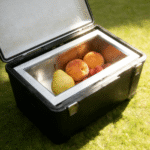
Insulated boxes are purpose-built containers lined with insulating materials and coolant packs that maintain the correct temperature range. They are required for transferring vaccine supplies between distribution sites and outreach clinics. Das Kinderhilfswerk der Vereinten Nationen (UNICEF) distinguishes between short-range cold boxes, which provide a minimum cold life of 48 Std., and long-range cold boxes, which maintain temperatures for 96 Std.. Impfstoffträger, which are smaller insulated containers, typically hold 0.1–5 L of vaccine and are designed for health workers travelling to remote clinics.
Why temperature stability is critical
When vaccines are stored outside their recommended ranges, potency can decline. Refrigerated vaccines should never be frozen and must be stored between 35 °F und 46 ° F (2–8 ° C), while frozen vaccines must be kept at 5 ° F (−15 °C) oder niedriger. Some freeze-dried vaccines may be stored between −15 °C and −25 °C. These strict ranges mean a small temperature excursion during transport can render a shipment unusable. Insulated box commercial packaging helps control these factors and protects vaccines from light, shocks and environmental hazards.
Key elements of cold chain integrity
According to the World Health Organization’s cold chain handbook, three pillars support vaccine logistics: geschultes Personal, appropriate equipment and established procedures. Personnel ensure that vaccines are packed correctly; equipment such as insulated boxes, refrigerants and data loggers maintain temperatures; and procedures govern packing, Transport, monitoring and immediate reporting of temperature excursions. All three elements must work together to maintain vaccine quality.
| Element | Beschreibung | Warum ist es wichtig |
|---|---|---|
| Geschultes Personal | Vaccine handlers and cold-chain managers are trained in packing, monitoring and inventory management | Prevents errors that could cause temperature excursions |
| Appropriate equipment | Hard-sided coolers, Kühlmittelpakete, digital data loggers and insulating material | Maintains the 2–8 °C range and records temperatures |
| Verfahren | Standard operating procedures for packing, Transport und Überwachung | Ensures consistent practices and rapid response when excursions occur |
How do insulated boxes maintain safe temperatures?
Insulated boxes combine multiple layers of insulation and coolant packs to maintain a stable temperature inside the cargo area. Die USA. Zentren für Krankheitskontrolle und Prävention (CDC) recommends using conditioned frozen water bottles or gel packs as coolant and placing them above and below vaccine boxes, separated by cardboard and cushioning material. The insulation should be at least 1 inch thick and made of bubble wrap, packing foam or Styrofoam. The pack-out is sealed to prevent frequent opening; when packed correctly it can maintain appropriate temperature for up to 8 hours during emergencies.
Layer-by-layer protection
A typical pack-out for refrigerated vaccines follows these steps:
Line the bottom of the cooler with conditioned water bottles or gel packs.
Place a sheet of corrugated cardboard to separate coolant from vaccines.
Add a layer of bubble wrap or foam as cushioning and insulation.
Arrange vaccine boxes with a digital data logger probe in the centre.
Cover vaccines with another layer of insulation and cardboard, then add more conditioned water bottles on top.
Close the lid and secure the data logger display outside.
This sequence prevents direct contact between frozen coolant and vaccine vials, reducing the risk of freezing while keeping the cargo cold. Using two layers of insulation above and below the vaccines cushions them against shocks and maintains thermal stability.
Temperature monitoring technology
Digitale Datenlogger (DDL) with buffered probes are essential for monitoring vaccine temperatures in transit. The CDC recommends devices accurate to ±1 °F (±0,5 °C) with calibration certificates. Während des Transports, the DDL display remains outside the cooler so handlers can see current, minimum and maximum temperatures without opening the container. Portable refrigerators and freezers may also be used for longer transport; Jedoch, when such units are unavailable, qualified insulated boxes and pack-outs remain an acceptable alternative.
How long do insulated boxes protect vaccines?
UNICEF notes that short-range cold boxes provide a minimum cold life of 48 Std., while long-range cold boxes maintain 2–8 °C for at least 96 Std.. Vaccine carriers are smaller devices designed for outreach and hold vaccines at 2–8 °C for up to a day. Emergency pack-outs with conditioned water bottles typically maintain temperature for up to 8 Std., provided the container is kept closed. For remote areas without reliable power, advanced active packaging solutions can maintain the cold chain autonomously for 170 Std. (nearly seven days).
| Verpackungsart | Schlüsselmerkmale | Duration of autonomy | Praktische Bedeutung |
|---|---|---|---|
| Passive insulated boxes | Use ice or gel packs and insulation; no electronic monitoring | Bis zu 48 Std. | Suitable for short deliveries or outreach sessions |
| Traditional active containers | Powered refrigeration with basic temperature control | Bis zu 72 Std. | For longer routes where power is available |
| Advanced active packaging | Include real-time telemetry, predictive analytics and are reusable | Bis zu 170 Std. | Ideal for remote areas and high-value shipments |
How should you choose and pack an insulated box for vaccines?
Selecting the right insulated box commercial packaging vaccines involves matching your shipment’s temperature requirements, duration and payload with the container’s specifications. Vaccines differ in their temperature sensitivity: most require refrigeration (2–8 ° C), some must be frozen (−15 °C to −25 °C), and diluents may be stored at room temperature. Always consult the manufacturer’s product information for storage requirements.
Factors to consider when choosing a container
Temperature range – Ensure the box can maintain the required range. Refrigerated vaccines use coolant packs; frozen vaccines may require dry ice or phase-change materials.
Duration of transit – Short-range cold boxes (48 Std.) work for local deliveries; long-range or active systems are needed for multi-day shipments.
Payload size – Vaccine carriers hold 0.1–5 L for outreach clinics, while cold boxes can store 5–25 L. Choose a size that fits your doses and diluents without overcrowding.
Certification and standards – Look for containers that meet WHO Performance, Qualität und Sicherheit (PQS) standards and industry tests such as ISTA 7E. Certified packaging ensures verified holdover times and durability.
Ease of use and weight – Consider how the cooling material is conditioned, how the box closes (Reißverschluss, verriegeln, Klettverschluss) and whether health workers can carry it.
Reusability and sustainability – Advanced active systems are reusable and may reduce waste, but they cost more upfront. Evaluate total cost of ownership and environmental impact.
Packing vaccines correctly
Vor dem Packen, inventory your vaccines and assemble trained staff. Place diluents with their corresponding vaccines and pre-chill them when possible. Use an appropriate transport cooler and pack vaccines only in the passenger compartment of a vehicle, never in the trunk where temperature extremes occur.
Do not reuse coolant packs from original shipments, as they can freeze vaccines. Condition frozen water bottles or gel packs by letting them sit in cool water until a thin layer of ice melts, ensuring the coolant does not freeze the cargo. Use a DDL with a buffered probe; it should be accurate to ±0.5 °C and record data every 10 Minuten. Einmal gepackt, close the container and record the date, time and temperature on a log before departure. Am Ziel, unpack vaccines immediately and place them in proper storage.
Praktischer Fall: A clinic needs to transport 300 doses of measles vaccine to an outreach site two hours away. The cold box chosen has a 10 L capacity and is pre-qualified by WHO. Staff condition four 16.9-oz water bottles, place cardboard and bubble wrap layers, and insert a data logger. The cooler’s holdover time of 48 hours provides ample margin, and the data logger ensures temperatures stay within 2–8 °C during the trip. Bei der Ankunft, temperatures remain stable, and the vaccines are transferred directly to a refrigerator.
Selecting materials and size
Für Kurztrips, erweiterter Polystyrol (EPS) foam coolers offer good insulation and low cost. Für längere Dauer, Polyurethan (Pur) oder vakuumisoliertes Panel (VIP) coolers provide higher R-values and longer holdover times, albeit with greater weight and cost. Phasenwechselmaterial (PCMs) are emerging alternatives that maintain narrow temperature ranges and can be conditioned at specific set points; UNICEF notes PCM as a new development for coolant packs.
When ordering, it is recommended to purchase a second set of coolant packs for each cold box so there is always a conditioned set ready for use. Evaluate how long the cooler maintains in-range temperatures, its carrying capacity and the ease of closing mechanisms such as latches or Velcro straps.
How insulated box commercial packaging improves vaccine safety and compliance
Reliable insulated box packaging does more than preserve temperature; it also protects vaccines from physical, regulatory and operational risks. Cold chain packaging protects sensitive vaccinations from temperature changes, environmental factors and other dangers throughout the journey. When paired with proper protocols, packaging supports compliance with national immunization programmes and international guidelines.
Benefits beyond temperature control
Protection from shocks and light – Insulated walls and cushioning materials shield vials from vibration and UV exposure, which can degrade some vaccines.
Inventory management – Arranging vaccines in rows with space between them promotes air circulation and simplifies first-expire-first-out rotation.
Regulatory compliance – Following CDC and WHO guidelines for packing, transport and monitoring helps satisfy audit requirements and reduces liability.
Reduced wastage – Proper packing and monitoring mitigate temperature excursions and vaccine spoilage, Zeit und Geld sparen.
The human factor
Successful cold chains depend on people. The CDC highlights three elements for success: well-trained staff, reliable storage and temperature monitoring equipment, and accurate vaccine inventory management. Investing in staff training on packing procedures, proper use of DDLs and emergency plans reduces the risk of errors. According to Philadelphia’s vaccine transport guide, teams should plan in advance, identify primary and backup vehicles, and minimize unnecessary door openings. Selecting purpose-built coolers and using DDLs with buffered probes ensures compliance.
Advantages for supply chain efficiency
Well-designed packaging reduces shipping delays and simplifies logistics. Insulated boxes with standardized dimensions fit neatly on pallets and in vehicles, optimizing space. Active containers with real-time telemetry enable logistics teams to reroute shipments if conditions change. Predictive analytics can warn handlers of potential temperature excursions, allowing corrective action before vaccines are compromised. These innovations reduce the cost of emergency shipments and build confidence among manufacturers, Logistikdienstleister und Gesundheitseinrichtungen.
2026 trends in vaccine cold chain packaging
Emerging technologies and guidelines
As global immunization programs scale up and biologic therapies proliferate, the cold chain is shifting from passive insulation toward smart active systems. New WHO guidelines slated for 2025 emphasise active, data-driven packaging systems with real-time monitoring and reusability. This marks a departure from simple insulated boxes: precision temperature assurance, real-time condition tracking and package reusability are now considered baseline requirements.
Advanced active containers are being designed with extended autonomy—some maintain the 2–8 °C range for up to 170 Stunden ohne externe Stromversorgung. These units incorporate sensors, telemetry and phase change materials to adapt to ambient conditions. They are particularly valuable in low-resource settings where power and refrigeration are unreliable.
Predictive and collaborative logistics
Cold chain management is evolving from reactive to predictive. Live monitoring and analytics allow logistics teams to identify transit delays, power failures or weather disruptions early and reroute shipments or apply corrective measures. Zusammenarbeit zwischen Herstellern, freight handlers, technology providers and non-governmental organizations is also rising. Shared data, unified standards and joint infrastructure investments ensure consistent temperature control across borders and supply chain stages.
Sustainability and material innovation
Environmental concerns are pushing the adoption of sustainable insulation materials such as recycled cotton liners, biodegradable foams and reusable containers. Some companies offer design-tested cotton shippers and eco-friendly gel packs that minimize waste. Phasenwechselmaterial (PCMs) are being engineered to hold specific temperature set points more efficiently, reducing the mass of coolant needed and extending holdover time. Zusätzlich, cold chain packaging market research shows robust growth as more vaccines and biologics enter the market—analysts project the global vaccine storage and packaging market to exceed USD 23 Milliarden in 2026, reflecting strong investment in this sector.
Market drivers and regulatory focus
The surge in mRNA vaccines and biologics, increased demand in emerging markets and climate-related disruptions are tightening tolerances and raising expectations. Regulators are introducing stricter traceability requirements, and many countries now mandate data loggers and validated containers for every shipment. Gleichzeitig, funding initiatives aim to strengthen cold chain capacity in low-income regions. Companies that adopt active packaging and predictive tools will be better positioned to meet these demands.
Häufig gestellte Fragen (FAQ)
Q1: What temperature range do insulated boxes maintain for vaccines?
Most refrigerated vaccines must be kept between 2 °C and 8 °C in storage and transit. Insulated boxes with conditioned coolant packs maintain this range for 8–96 hours depending on their design. Some active containers can keep vaccines within this range for up to 170 Std..
Q2: Can I reuse the original shipping container or coolant packs?
CDC and Philadelphia guidelines advise against reusing coolant packs from the original vaccine shipment because they can freeze and damage vaccines. Original shipping containers should only be reused for specific vaccines (Modern, Janssen or Pfizer) on the day they are received and only if the included temperature monitoring device is still active. For routine transport, use purpose-built insulated boxes with fresh coolant.
Q3: What is the difference between a cold box and a vaccine carrier?
Both are insulated containers lined with coolant packs, but cold boxes are larger and used to transport vaccines between fixed stores. They have capacities of 5–25 L and a cold life of 48–96 hours. Impfträger sind kleiner (0.1–5 L) and designed for outreach sessions where health workers carry them on foot.
Q4: How do digital data loggers work?
A DDL is a device with a buffered probe that measures the temperature inside the box and records data at set intervals. It has a display showing current, minimum and maximum temperatures, an audible alarm and a logging interval of 10 minutes or less. Data can be downloaded later to verify that vaccines remained within the safe range during transport.
Q5: What materials are used in insulated boxes?
Zu den gängigen Materialien gehört expandiertes Polystyrol (EPS) Schaum, Polyurethan (Pur), vacuum-insulated panels and phase change materials. Insulating cushioning such as bubble wrap or foam provides additional protection. Sustainable alternatives like recycled cotton liners are also emerging.
Zusammenfassung und Empfehlungen
Key Takeaways: Reliable insulated box commercial packaging vaccines ensure that temperature-sensitive vaccines stay within 2–8 °C during transport. Um dies zu erreichen, use hard-sided insulated coolers with conditioned coolant packs, cushioning material and digital data loggers. Choose containers certified by WHO or meeting ISTA 7E standards, match their size and holdover time to your shipment’s needs, and train staff on proper packing and monitoring. Emerging technologies in 2026 point toward smart active packaging with real-time telemetry and predictive analytics. Sustainable materials and phase change innovations will further enhance efficiency and reduce environmental impact.
Aktionsplan:
Assess your vaccine portfolio – Identify temperature requirements for each vaccine and diluent.
Select appropriate insulated boxes – Choose WHO-prequalified or ISTA-compliant containers that match payload and transport duration.
Invest in digital monitoring – Use DDLs with buffered probes and calibrate them regularly.
Train your staff – Provide hands-on training in conditioning coolant, Verpackung, Handhabung und Notfallmaßnahmen.
Stay current with trends – Monitor 2026 guidelines and consider adopting active packaging and predictive analytics for critical shipments.
Über Tempk
Tempk is a leading provider of cold chain solutions specializing in insulated boxes, refrigerants and active packaging for the life sciences industry. We design products that meet WHO PQS standards and ISTA testing protocols to ensure your vaccines remain potent from manufacturer to patient. Our engineering team continuously innovates with sustainable materials and digital integration to deliver reliable, umweltfreundliche Lösungen. With a global network and industry expertise, we help you achieve cold chain compliance while minimizing waste.
Holen Sie sich kompetente Hilfe: Contact Tempk to discuss your vaccine packaging challenges and explore customized solutions that fit your needs.