Einführung
Efficient cold-chain logistics depend on maintaining precise temperatures from your facility to the final destination. Insulated cargo covers—also called thermal pallet covers or blankets—offer a simple yet powerful tool to protect pharmaceuticals, Essen, and other sensitive products against heat and cold. In diesem Leitfaden, you’ll learn how these covers work, Warum sie wichtig sind, and how to select the best option for your needs. Independent tests show that advanced covers can maintain internal temperatures far better than standard solutions; Zum Beispiel, a third-party study found that CSafe’s Silverskin QLT 19 achieved a Thermal Protection Factor of 84.2 % under direct sunlight compared with only 66.2 % for a competing cover. This difference can mean the survival or loss of valuable goods. Keep reading to discover what insulated cargo covers can do for you.
Was dieser Leitfaden behandelt
Hauptvorteile: Why insulated cargo covers are essential for maintaining product integrity and compliance in cold-chain logistics, including protection against heat, kalt, and theft.
Auswahlkriterien: How to choose the right cover based on material, Isolationstyp, and your specific cargo’s temperature range.
Kosten und Nachhaltigkeit: How reusable covers can lower operating costs, reduce carbon footprints and support environmental goals.
Neueste Trends: Insights into 2026 innovations such as recyclable paper-based covers and IoT-enabled temperature monitoring.
FAQ: Answers to common questions to help you deploy insulated cargo covers effectively.
Why Do Insulated Cargo Covers Matter in Cold-Chain Logistics?
Keeping goods safe across the supply chain is your top priority. Temperature excursions during transport can spoil perishable foods, degrade pharmaceuticals, or render biologics useless. Insulated cargo covers provide a passive layer of protection by wrapping entire pallets in flexible, multi-layered materials designed to slow heat transfer. Third-party tests show that high-performance covers maintain internal pallet temperatures even under direct sunlight and cold storage conditions. Without this secondary protection, goods loaded into less-than-truckload (Ltl) shipments may be exposed to sub-freezing temperatures during terminal dwell times.
How Insulated Cargo Covers Protect Your Products
Temperature regulation and insulation – By using reflective foils, multi-layer insulation and air pockets, these covers act as thermal buffers. StratoFoil covers, Zum Beispiel, use a reflective foil surface and multi-layer insulation to slow down temperature penetration. This design helps maintain the recommended 2–8 °C or 15–25 °C range for pharmaceutical products during transit.
Protection from physical damage and contamination – Quality covers are puncture-resistant, water-resistant and leak-proof. They shield goods from moisture, Staub, insects and physical impacts, preserving both hygiene and packaging integrity.
Security and theft prevention – Because the contents are hidden, covered pallets are less attractive targets for thieves. Eng, secure covers make it harder to tamper with or steal goods, Reduzierung von Verlusten.
Operational efficiency – A reusable pallet cover eliminates the need for repackaging and reduces handling time. TLX Cargo notes that properly fitted covers improve supply-chain efficiency by minimizing re-labelling and reducing the risk of temperature breaches. Easy installation and removal allow you to integrate them seamlessly into existing warehouse procedures.
Environmental impact – Reusable covers lower waste compared with single-use plastic wraps. Some advanced covers can also pack pallets more densely; the CSafe Silverskin QLT 19 allows 30–40 % more cargo per container, reducing the number of trips and lowering carbon emissions. And innovative solutions like Solaris use 100 % recyclable paper to replace plastic, aligning your operations with sustainability goals.
Beispiel für reale Welt: Pharmazeutische Kaltkette
Imagine you’re shipping vaccines requiring 2–8 °C control. Delays in an airport terminal expose the pallet to warm tarmac for several hours. Without a cover, ambient temperatures quickly raise internal conditions, Risikoverderb. Using a high-performance insulated cargo cover reduces heat ingress and maintains internal temperatures within the safe range, ensuring that vaccines arrive potent and compliant with Good Distribution Practice (BIP) Richtlinien. In one independent study, the Silverskin QLT 19 performed significantly better than a standard cover, maintaining a Thermal Protection Factor of 84.2 % in direct sunlight. This level of protection can preserve millions of dollars’ worth of pharmaceuticals.
How to Choose the Right Insulated Cargo Cover for Your Shipment
Selecting the right cover can feel like choosing winter clothing for a road trip—you need the right layers for your climate and the specific journey ahead. Follow these steps to match your cover to your cargo:
1. Identify your temperature range and transit time
Start by determining the required temperature range and the expected journey duration. Pharmaceutical products often need to remain between 35.6 ° F (2 °C) Und 46.4 ° F (8 °C). Some foods may tolerate a broader range, such as 15–25 °C. High-performance covers are rated to protect for specific time spans: Solaris 5 protects up to 7.5 Stunden bei 40 °C, Solaris 10 extends protection to nine hours, while Solaris 25 provides up to ten hours.
2. Choose the right material and insulation type
Different materials provide different levels of insulation and durability. Hier erfahren Sie, was Sie beachten sollten:
| Material | Thermal Characteristics | Haltbarkeit | Am besten für |
|---|---|---|---|
| Reflektierende Folie | Radiant barrier that reflects heat, delaying temperature penetration | Hoch; puncture-resistant and water-resistant | Pallets exposed to sunlight or high radiant heat (Z.B., airport tarmac) |
| Multi-layer plastics | Multiple layers with air pockets provide insulation; some include breathable fabrics | Reusable with careful handling | Long transit times where consistent performance is critical |
| Isolierung auf Papierbasis | White reflective coating reduces heat absorption; micro-convective air pockets enhance insulation | Tear-resistant and water-resistant | Sustainable operations seeking 100 % recycelbare Lösungen |
| Foil-based liners | Effective at radiating heat; popular for long international shipments | Moderately durable | Große Behälter, intercontinental shipping |
| Cotton or natural fiber | Eco-friendly and highly insulating; offers moisture control | Lower tear resistance; biologisch abbaubar | Biodegradable packaging needs |
Tipp: If your shipments face wide temperature swings, look for covers with reflective outer layers and multi-layer insulation. For shorter trips or moderate climates, lighter covers may suffice.
3. Consider product sensitivity and shipment size
Different commodities have varying sensitivities. High-value biologics or specialty foods may require more robust insulation and validated performance. Insulated cargo covers are available in custom sizes, from small parcels to full truckload blankets. Ensure the cover fits snugly; gaps reduce insulation efficiency.
4. Evaluate reusability and sustainability
Reusable covers may cost more upfront but provide long-term savings. TLX Cargo notes that high-quality insulated covers are reusable, easy to clean with mild soap, and can last for years. They help reduce waste and align with environmental commitments. New recyclable paper-based covers like Solaris eliminate plastic waste and include a Product Carbon Footprint metric to quantify environmental impact.
5. Check compliance and performance data
Look for third-party testing or performance certifications. Im Pharmasektor, Good Distribution Practice requires proof that packaging maintains temperature ranges. Independent performance data—like the Silverskin QLT 19’s tested superiority—can give confidence in your selection.
Deeper Dive: Materials and Insulation Options
Understanding Insulation Materials
Foil-based insulation uses metalized films to reflect thermal radiation. It is popular in long international shipments because it prevents heat absorption and is lightweight. Multi-layer foil covers often include bubble or foam layers for added insulation.
Polyurethane foam adds cushioning and high thermal resistance, making it suitable for ultra-cold shipments. Jedoch, it is heavier and less sustainable.
Metalized film provides reflective properties similar to foil and is suited for warmer climates.
Paper-based systems like Solaris use specialized paper with micro-convective air pockets. These layers create an insulating barrier while being fully recyclable. The outer white coating reflects sunlight, reducing heat absorption and thus helping maintain internal temperatures.
Natural cotton fiber offers both environmental benefits and effective insulation. It controls moisture and is biodegradable, making it ideal for companies seeking eco-friendly alternatives.
Comparing Product Options
| Cover Variant | Konstruktion | Thermal Protection Duration | Typischer Anwendungsfall | Praktischer Nutzen |
|---|---|---|---|---|
| CSafe Silverskin QLT 19 | Multi-layer cover with reflective surfaces; designed for pharmaceutical pallets | Maintained 84.2 % Thermal Protection Factor in direct sunlight | Hochwertige Arzneimittel, direct sunlight exposure | Outperformed competing covers in tests; allowed 30–40 % more product per container, reducing trips and emissions |
| TLX4 Thermal Pallet Cover | Leicht, Punktion- and water-resistant material | Protects goods between 2–8 °C and 15–25 °C | Verderbliche Lebensmittel, Wein, Pralinen | Reusable and easy to clean, reducing cost per use |
| StratoFoil Thermal Cover | Reflective foil with multi-layer insulation | Maintains internal temperature under fluctuating external conditions | LTL shipments, last-mile protection | Quick installation; integrates with existing SOPs |
| Solaris 5/10/25/S20 | Paper-based with reflective coating and micro-convective air pockets | 7.5 h/9 h/10 h at 40 °C respectively | Nachhaltige Lösungen, varied transit times | Recycelbar; S20 supports loads up to 500 kg and doubles freight capacity, cutting carbon emissions |
Using Insulated Cargo Covers to Save Money and Reduce Waste
Beyond protecting goods, insulated cargo covers help your bottom line. Here’s how they deliver financial and environmental benefits:
Direct Cost Savings
Reduced spoilage and loss – Preventing temperature excursions avoids product degradation, reducing write-offs and insurance claims. Theft deterrence further minimises shrinkage.
Lower packaging and shipping costs – Reusable covers eliminate the need for single-use foam or cardboard, and their lightweight design reduces freight weight. Using covers that allow more product per container, like the Silverskin QLT 19, can reduce the number of truck or air shipments by up to 40 %.
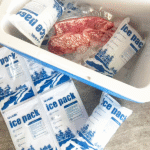
Extended equipment life – Passive insulation reduces reliance on active refrigeration equipment, cutting energy costs and maintenance expenses. Insulated liners can be paired with gel packs or phase-change materials to provide reliable cooling without powered systems.
Sustainability Advantages
Reduced plastic waste – Plastic-based thermal covers contribute to landfill waste and are difficult to recycle. Paper-based alternatives like Solaris offer full recyclability, while natural cotton fibre and post-industrial paper liners provide biodegradable options.
Lower carbon emissions – By increasing pallet density and reducing the number of trips, advanced covers help lower carbon footprints. The Silverskin QLT 19’s ability to increase container capacity by 30–40 % reduces trucking requirements by around 40 %, directly lowering emissions. The Solaris S20 variant supports heavier loads and doubles freight capacity, further reducing transportation emissions.
Compliance with environmental regulations – Growing regulations limit single-use plastics and encourage circular packaging. Adopting recyclable or reusable covers positions your business as an environmental leader and reduces risk of fines.
Practical Tips for Maximising Savings
Measure and fit covers properly – A snug fit ensures optimal insulation. Oversized covers allow air circulation and reduce thermal efficiency.
Clean and inspect covers between uses – Wipe off spills using cold water and mild soap, and discard any covers with tears or holes to maintain performance.
Combine covers with the right refrigerants – Use gel packs for moderate cooling or dry ice for ultra-cold shipments. Conduct pre-shipping temperature tests to validate system performance.
Integrate tracking technology – Temperature loggers embedded in the pallet cover can provide real-time data and alert you to deviations.
Fallstudie: A mid-sized pharmaceutical distributor switched from single-use foam packaging to reusable insulated cargo covers combined with gel packs. Over a one-year period, they cut packaging costs by 30 %, reduced spoilage incidents to near zero, and eliminated 20 tons of plastic waste from their operations. The move also helped secure a new contract with a major hospital network impressed by the company’s commitment to sustainability.
2026 Developments and Trends in Insulated Cargo Covers
Neue Technologien und Innovationen
Recyclable materials – Innovations like Solaris have introduced fully recyclable paper-based covers that use micro-convective air pockets and reflective coatings. Such systems offer comparable thermal performance to plastic covers while meeting sustainability goals. Expect more manufacturers to adopt paper, post-industrial paper, and natural fibre materials.
IoT-enabled monitoring – Cold-chain transport is increasingly incorporating IoT sensors and GPS tracking. The cold-chain insulated truck market is growing, voraussichtlich USD erreichen 13 Milliarden von 2035 mit einer CAGR von 6.7 %, driven partly by investments in real-time temperature monitoring and multi-temperature transport systems. Embedded sensors will become standard in premium covers, allowing continuous validation of temperature profiles.
Multi-layer and hybrid designs – To extend protection durations while reducing weight, manufacturers are experimenting with hybrid materials combining paper, foil and breathable fabrics. Some covers now offer separate compartments for different temperature zones, accommodating mixed cargo loads.
Regulatory pressure and sustainability goals – Global regulations on plastic waste are pushing logistics companies to adopt eco-friendly packaging. Suppliers are responding by offering reusable or recyclable covers and publishing Product Carbon Footprint metrics.
Markteinsichten
The cold-chain logistics transport insulated truck market is expected to grow from USD 6.8 Milliarden in 2025 in USD 12.9 Milliarden von 2035, eine CAGR von ca 6.7 %. This expansion underscores the importance of reliable temperature control solutions, including pallet covers. Key growth regions include East Asia, North America and Western Europe. Demand is driven by rising consumption of temperature-sensitive foods, global distribution of vaccines, and stricter health regulations.
What It Means for You
Stay ahead of regulations by adopting recyclable or reusable covers early to avoid disruptions when single-use plastics are phased out.
Invest in sensors and data – Real-time temperature tracking reduces risk and demonstrates compliance.
Plan for growth – As demand increases, secure long-term contracts with cover suppliers to ensure steady supply.
Häufig gestellte Fragen
Q1: How many times can I reuse an insulated cargo cover?
High-quality covers such as TLX thermal blankets are designed for multiple uses and can last years with proper care. Inspect covers for tears or damage before each use and clean them after spills to prolong life.
Q2: Do insulated cargo covers replace refrigerated trucks?
NEIN. Covers provide passive insulation and are best used as secondary protection or for short transits. They complement refrigerated trucks, protect goods during handling and in LTL shipments where the truck may not be continuously climate-controlled.
Q3: Are paper-based covers strong enough to handle heavy pallets?
Ja. Solaris S20, Zum Beispiel, supports loads of up to 500 kg and doubles freight capacity. Advanced paper-based systems include tear-resistant layers and water-resistant coatings that match or exceed the performance of plastic covers.
Q4: How do I choose between foil and paper insulation?
Foil offers excellent radiant heat protection and is ideal for hot climates or direct sunlight. Paper-based covers are better for sustainable operations and provide sufficient insulation for moderate conditions. Consider your temperature requirements, environmental goals and budget.
Q5: What is the role of insulated liners compared with cargo covers?
Insulated liners regulate temperature within individual boxes or crates, while cargo covers protect entire pallets. Liners are part of a passive cold-chain system and often used with gel packs or phase-change materials. Cargo covers complement liners by providing an outer barrier, especially during handling and loading.
Zusammenfassung und Empfehlungen
Insulated cargo covers are essential tools for safeguarding temperature-sensitive goods across every stage of the cold chain. High-performance covers like CSafe’s Silverskin QLT 19 offer superior thermal protection and can increase payload capacity by 30–40 %, Reduzierung der Logistikkosten und Emissionen. Reusable covers save money over time, protect against theft, and align your operations with sustainability goals. When selecting a cover, Temperaturanforderungen bewerten, material options, Versandgröße, reusability and compliance data. Innovations such as recyclable paper-based covers and IoT-enabled monitoring are shaping the future of cold-chain logistics. By staying informed and choosing wisely, Sie können sicherstellen, dass Ihre Produkte sicher ankommen, meet regulatory standards and contribute to a more sustainable supply chain.
Empfohlene nächste Schritte
Assess your current cold-chain vulnerabilities – Map your shipping routes, identify where temperature excursions may occur and determine if you need additional passive protection.
Pilot reusable covers – Start with a small batch of high-quality insulated cargo covers to evaluate performance and cost savings compared with single-use packaging.
Implement monitoring – Integrate temperature loggers with your covers and review data to optimise operations and prove compliance.
Engage with suppliers – Discuss recyclable or paper-based options to reduce your carbon footprint and meet upcoming regulatory requirements.
Über Tempk
Tempk specializes in cutting-edge cold-chain packaging and monitoring solutions. We design insulated cargo covers, liners and digital tracking systems that keep your products at the right temperature throughout transit. Unsere Produkte sind auf Langlebigkeit ausgelegt, ease of use and sustainability, incorporating innovations such as recyclable materials and IoT sensors. Durch die Partnerschaft mit Tempk, you gain access to expert guidance and tailored solutions that safeguard your shipments and help your business thrive.
Ready to Act?
Contact Tempk to discuss your cold-chain challenges. Our team will provide a personalised assessment and recommend the optimal insulated cargo cover for your needs. Protect your products, save money and support a sustainable future today.