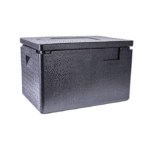
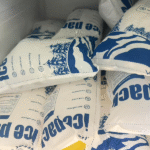
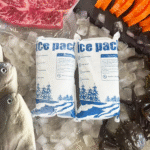
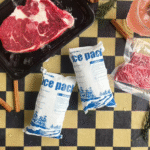
Der Versand temperaturempfindlicher Güter erfordert eine optimale Kühlung, um den Verderb zu verhindern, insbesondere für Arzneimittel, Tiefkühlkost, und biologische Proben. Große Trockeneisbeutel offer a reliable solution by maintaining ultra-low temperatures during transit. In 2025, Die Kühlkettenbranche entwickelt sich mit Innovationen weiter, die die Effizienz dieser Kühllösungen steigern. In diesem Artikel erfahren Sie, wie große Trockeneisbeutel funktionieren, ihre Vorteile, und Best Practices für deren effektive Nutzung.
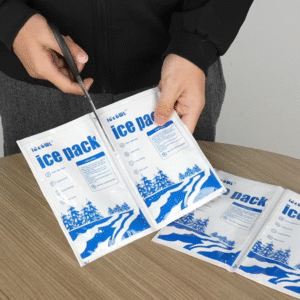
Was sind große Trockeneisbeutel??
Große Trockeneisbeutel sind Blöcke aus festem Kohlendioxid (Co₂) die bei einer Temperatur von -78,5 °C direkt vom Feststoff in den Gaszustand sublimieren (-109.3° F). Im Gegensatz zu traditionellem Eis, Trockeneis hinterlässt keine Flüssigkeitsrückstände, Damit eignet es sich ideal für die Aufrechterhaltung gefrorener Bedingungen ohne die Gefahr von Wasserschäden. Diese Packungen werden häufig bei Massensendungen verwendet, Gewährleistung einer lang anhaltenden Kühlung für Produkte, die konstante Minustemperaturen erfordern.
Warum große Trockeneisbeutel wählen??
Große Trockeneisbeutel bieten gegenüber anderen Kühlmethoden mehrere entscheidende Vorteile, including gel packs and traditional ice. Here are some reasons why businesses should consider using them for cold chain shipping:
Verlängerte Kühldauer
Large dry ice packs can maintain extremely low temperatures for up to 72 Std., Abhängig von der Isolierung, Umgebungstemperatur, und die Menge des verwendeten Trockeneises. This makes them perfect for shipments that require longer transit times.
Keine Wasserrückstände
Trockeneis untermauert direkt in Gas, hinterlässt keine Feuchtigkeit. This is crucial for sensitive products like vaccines, Meeresfrüchte, und Pharmazeutika, where water exposure can cause damage.
High Thermal Mass
The larger size of dry ice packs allows for a greater amount of CO₂ to sublimate slowly, providing prolonged cooling with fewer packs needed. This makes them cost-effective for long-distance shipments.
| Besonderheit | Große Trockeneisbeutel | Gelpackungen |
|---|---|---|
| Temperaturbereich | Ultra-niedrig (-109.3° F / -78.5°C) | Mäßig (32° F bis 50 ° F.) |
| Sublimation/ Melting | Sublimate in Gas, keine rückstände | Schmilzt zu Flüssigkeit, potential for water damage |
| Sicherheit im Umgang | Erfordert Handschuhe und Belüftung | Safe to handle without special precautions |
| Wiederverwendbarkeit | Einweg | Wiederverwendbar |
| Kosten | Higher due to single-use | Untere, especially for reusable types |
Applications in Cold Chain Shipping
1. Pharmazeutika und Biologika
Large dry ice packs are vital for maintaining the stability of temperature-sensitive medications and biological samples during transit. The ultra-low temperatures they provide help ensure that these products remain within required ranges for efficacy, especially when shipping long distances or internationally.
2. Frozen Food Shipments
Gefrorene Lebensmittel, wie Eis, Meeresfrüchte, and frozen meats, need to remain below freezing temperatures to retain their quality. Dry ice is ideal for these shipments, ensuring they stay frozen for up to 72 Std..
3. Laborproben
Biological and chemical samples require consistent, sub-zero temperatures during transit. Large dry ice packs are used to maintain these conditions, ensuring sample integrity and preventing deterioration.
Best Practices for Using Large Dry Ice Packs
To maximize the efficiency of large dry ice packs, it’s essential to follow these best practices:
Ordnungsgemäße Belüftung
Trockeneis untermauert in Co₂ -Gas, which can build up pressure inside packaging. Ensure that shipping containers are ventilated to allow the gas to escape safely, preventing the risk of explosion.
Angemessene Isolierung
Using high-quality insulation materials like polystyrene foam or vacuum panels slows down the sublimation rate and ensures that the cooling power lasts longer, Dadurch verringert sich der Bedarf an häufigem Nachfüllen.
Richtige Kennzeichnung
It’s essential to label all packages containing dry ice with the “Trockeneis” oder “Kohlendioxid, Solide” labels and specify the net weight in kilograms. This ensures that carriers follow proper handling protocols and comply with regulatory requirements.
Vorschriftenregulierung
Following regulations set by agencies such as the DOT, Iata, and IMDG is critical when shipping with dry ice. Packages must be marked appropriately, and certain carriers may have specific weight or packaging restrictions that need to be followed.
Large Dry Ice Packs vs. Gelpackungen
While gel packs can be used for certain cold chain applications, they do not offer the same level of performance as large dry ice packs. Gel packs are typically used for refrigeration, with temperatures ranging from 32°F to 50°F, whereas dry ice packs are essential for sub-zero temperatures, ranging from -109.3°F. Gel packs also have a higher risk of melting into liquid, potentially damaging sensitive goods, whereas dry ice sublimates without leaving moisture behind.
How to Calculate and Use a Large Dry Ice Pack
Calculation Guidelines
To calculate the correct amount of dry ice needed, you should follow a simple rule: für jeden 10-15 lbs of product, planen für 5-10 LBS Trockeneis pro 24 Std.. Zum Beispiel, if your shipment weighs 25 lbs and travels for 2 Tage, you will need between 20-40 LBS Trockeneis.
Packaging Considerations
Ensure that the dry ice is placed on top of the goods within the container to allow for even cooling. The container should be insulated and allow for proper ventilation to release the sublimated CO₂ gas.
Safety and Handling of Large Dry Ice Packs
Schutzausrüstung
Due to the extremely low temperatures of dry ice, it’s essential to handle it with insulated gloves and safety goggles. Never touch dry ice with bare hands to avoid frostbite.
Belüftungsanforderungen
Ensure that the area where dry ice is stored or used is well-ventilated to prevent CO₂ buildup. In geschlossenen Räumen, high levels of CO₂ can displace oxygen, führt zu Schwindel, Kopfschmerzen, oder Erstickung.
Kosten- und Nachhaltigkeitsüberlegungen
Cost Factors
While dry ice packs can be more expensive upfront than gel packs, their longer cooling duration and reliability make them cost-effective in the long term. Bulk purchasing and proper insulation can reduce the overall cost of shipping with dry ice.
Nachhaltigkeit
The dry ice industry is moving towards more sustainable practices, such as using captured CO₂ from industrial processes. This reduces the environmental impact of dry ice production while maintaining its effectiveness for cold chain logistics.
2025 Innovations in Dry Ice Packs
Intelligente Verpackungen
The integration of IoT sensors and GPS tracking into dry ice packaging is a growing trend in the cold chain industry. These technologies allow real-time monitoring of the temperature and location of shipments, enhancing visibility and reducing risks during transit.
Umweltfreundliche Lösungen
Da Nachhaltigkeit immer wichtiger wird, companies are exploring alternative sources of CO₂ for dry ice production. Captured CO₂ and recyclable insulation materials are part of the ongoing push for greener logistics.
FAQ – Häufig gestellte Fragen
Q1: How long does a large dry ice pack last?
A large dry ice pack typically lasts between 24–72 hours, Abhängig von der verwendeten Menge, die Isolierung, und die Außentemperatur.
Q2: Can I reuse a large dry ice pack?
NEIN, Trockeneis untermauert direkt in Gas, leaving no solid residue, Daher kann es nicht wiederverwendet werden. Jedoch, some reusable cooling solutions like gel packs can be used multiple times.
Q3: What are the packaging and labeling requirements for dry ice shipments?
Trockeneissendungen müssen mit gekennzeichnet sein “Trockeneis” oder “Kohlendioxid, Solide,” mit der UNO 1845 Bezeichnung, and the net weight of the dry ice must be specified. Packaging should allow CO₂ gas to vent safely.
Abschluss
Large dry ice packs play a vital role in maintaining the safety and integrity of temperature-sensitive shipments. With advancements in technology and packaging, they remain a reliable solution for industries requiring sub-zero cooling, wie Pharmazeutika, Essen, und Biologika. Durch das Verständnis ihrer Vorteile, richtige Handhabung, und Best Practices, businesses can enhance their cold chain shipping operations and minimize risks.
Über Tempk
Und Tempk, Wir sind auf die Bereitstellung hochwertiger Kühlkettenlösungen spezialisiert, including large dry ice packs, to meet the diverse needs of our clients. Our products are designed to ensure the safe and efficient transport of temperature-sensitive goods. Contact us today to learn more about our large dry ice packs and how they can enhance your cold chain shipping processes.