Dafür sorgen, dass es Milch gibt, Käse, Damit Sahne und Joghurt sicher beim Kunden ankommen, ist ein ständiger Kampf gegen Zeit und Temperatur erforderlich. Von dem Moment an, in dem die Rohmilch den Hof verlässt, Die Temperatur muss zwischen 38 und 40 °F liegen (3–4 ° C) um das Bakterienwachstum zu verlangsamen, und Milch der Güteklasse A darf niemals wärmer als 20 °C sein. Dieser schmale „Goldlöckchen“-Bereich erstreckt sich durch die Verarbeitung, Lagerhaltung und Einzelhandel, und wenn man es versäumt, darin zu bleiben, führt dies zum Verderb, Texturveränderungen und Kundenbeschwerden. Der Transport von Molkereiprodukten macht oft 10–15 % der Verarbeitungskosten aus, Daher kann die Optimierung der Logistik die Margen erheblich verbessern. Dieser ausführliche Leitfaden, aktualisiert 4 Dezember 2025, erklärt, warum der Kühltransport so wichtig ist, wie man die richtigen Fahrzeuge auswählt, welche Technologien die Zukunft prägen werden, wie Sie die Vorschriften einhalten und wie kostengünstige Verpackungslösungen die Qualität schützen und gleichzeitig Ihr Budget schonen können. Am Ende werden Sie die neuesten Trends verstehen, Best Practices und umsetzbare Schritte, damit Ihre Molkerei reibungslos läuft 2025.
Verstehen Sie die Bedeutung von Kühltransport – Erfahren Sie, warum Milchprodukte so anfällig sind und welche genauen Temperaturbereiche sie erfordern.
Wählen Sie das richtige Transportmodell – Vergleichen Sie den Besitz von Lkw mit dem Leasing, Outsourcing an zertifizierte Carrier und Hybridmodelle, plus eine Kosten-Nutzen-Analyse.
Nutzen Sie neue Technologien – Erkunden Sie IoT-Sensoren, prädiktive Analytik, automatisierte Lagerung, Blockchain und nachhaltige Kühlung.
Stellen Sie Compliance sicher und managen Sie Risiken — FSMA- und HACCP-Grundsätze umsetzen, Notfallpläne entwickeln und Personal schulen.
Wählen Sie erschwinglich, nachhaltige Verpackung — Isolierboxen vergleichen, Gel-Kältemittel, Mehrwegbehälter und umweltfreundliche Materialien.
Bleiben Sie einen Schritt voraus 2025 Trends — Überprüfen Sie das Marktwachstum, Verbraucherverhalten, Automatisierung, Nachhaltigkeit und Herausforderungen auf der letzten Meile.
Warum ist der Kühltransport für Molkereiprodukte von entscheidender Bedeutung??
Schnelle Antwort
Molkereiwaren verderben ohne strenge Temperaturkontrolle schnell, und die Einhaltung der Kühlkettenanforderungen schützt die Qualität, verhindert Bakterienwachstum und gewährleistet die Einhaltung gesetzlicher Vorschriften. Rohmilch wird mehrmals täglich abgeholt und in isolierten Tankwagen transportiert, die eine Temperatur zwischen 38 und 40 °F gewährleisten (3–4 ° C). Milch der Güteklasse A muss unter 45 °F bleiben. Temperaturschwankungen beschleunigen das Bakterienwachstum, Beeinträchtigungen der Textur und des Geschmacks führen zu abgelehnten Sendungen. Einhaltung der US-Vorschriften. Gesetz zur Modernisierung der Lebensmittelsicherheit (FSMA) Die Sanitary Transportation Rule schützt nicht nur die Produktintegrität, sondern erfüllt auch die Erwartungen der Kunden und vermeidet rechtliche Strafen.
Erweiterte Erklärung
Vom Melken bis zum Kühlschrank des Verbrauchers, Zeit und Temperatur wirken der Frische entgegen. Moderne Molkereibetriebe planen die Abholungen alle 24–48 Stunden und verwenden isolierte Tankwagen, die mit Kühleinheiten ausgestattet sind, um die Milch auf 38–40 °F zu halten. Auf diese Fahrzeuge entfallen in der Regel 10–15 % der Bearbeitungskosten, Dies spiegelt die finanziellen Auswirkungen der Transporteffizienz wider. Nach Pasteurisierung und Verpackung, Produkte durchlaufen Lagerhäuser, Vertriebszentren und Einzelhandelskühler. In jeder Phase, Die Integrität der Kühlkette ist von entscheidender Bedeutung; Vertriebszentren gleichen die Lagerbestände aus und nutzen gleichzeitig automatisierte Lagersysteme, um die Bearbeitungszeit zu verkürzen und Temperaturschwankungen zu minimieren. Das Vertrauen der Verbraucher hängt von stets kalten Molkereiprodukten ab, und regulatorische Rahmenbedingungen wie die FSMA Sanitary Transportation Rule erfordern schriftliche Vereinbarungen zur Verpackung, Lagerung, Temperaturmanagement, Hygiene- und Handhabungspraktiken. Zusamenfassend, Der Kühltransport ist die Lebensader für die Qualität und Einhaltung von Milchprodukten.
Temperaturanforderungen für Milchprodukte
Verschiedene Molkereiprodukte erfordern spezifische Temperaturbereiche. Wenn Sie sie in der richtigen Zone aufbewahren, wird der Verderb minimiert und die Textur erhalten:
| Milchprodukt | Empfohlener Temperaturbereich | Warum ist es wichtig |
| Flüssige Milch | 38–40 ° F. (3–4 ° C) | Muss gekühlt bleiben, um das Bakterienwachstum zu verlangsamen und die FSMA-Regeln einzuhalten. Verwenden Sie spezielle Tankwagen und vorgekühlte Lieferfahrzeuge. |
| Milch der Güteklasse A | ≤45 °F | Das Überschreiten dieser kritischen Grenze beeinträchtigt die Qualität und verstößt gegen Vorschriften. |
| Weichkäse | 35–45°F (2–7°C) | Ein etwas höherer Bereich ermöglicht die Reifung; kontrollierte Luftfeuchtigkeit verhindert Schimmelbildung. |
| Eiscreme & gefrorene Desserts | –22 °F bis 32 ° F (–30 °C bis 0 °C) | Muss gefroren bleiben, um Kristallbildung zu verhindern. Der Transport und die Lagerung im Tiefkühlbereich sind unerlässlich. |
| Kultivierte Sahne & Joghurt | 32–40 °F (0–4 ° C) | Behält die probiotische Aktivität und die cremige Textur bei. |
Praktische Tipps zur Aufrechterhaltung der Temperatur
Vorkühlen von Fahrzeugen: Kühlen Sie Tankwagen und Lieferwagen vor dem Beladen immer vor, damit die Ladung in eine kalte Umgebung gelangt.
Setzen Sie klare Erwartungen: Treffen Sie schriftliche Vereinbarungen mit Spediteuren bezüglich der Verpackung, Lagerung, Temperaturkontrolle und Hygiene.
Überwachen und aufzeichnen: Nutzen Sie die Temperaturüberwachung in Echtzeit und halten Sie die Aufzeichnungen zur Überprüfung offen.
Sorgen Sie für Luftzirkulation: Ordnen Sie die Paletten so an, dass die Luftzirkulation gewährleistet ist und die Kühlöffnungen nicht blockiert werden.
Schulung des Personals zu Risiken: Informieren Sie Fahrer und Lagerpersonal über Kreuzkontaminationen, Allergene und Lebensmittelkriminalität.
Beispiel aus der Praxis: Eine mittelgroße Molkerei in Kalifornien reduzierte die Rücklaufquoten um 30 %, nachdem sie auf Kühlfahrzeuge mit kontinuierlicher Temperaturüberwachung umgestiegen war. Durch Vorkühlung von LKWs, Schulung der Fahrer in Sachen Hygiene und Nutzung von Cloud-Dashboards zur Protokollierung jeder Fahrt, Das Unternehmen verbesserte Compliance-Audits und Kundenzufriedenheit.
Wählen Sie den besten Kühltransport für Ihre Molkerei
Schnelle Antwort
Kapazität anpassen, Temperaturkontrolle und Zuverlässigkeit für Ihren Produktmix und Vertriebsradius. Kleine Molkereien können vom Besitz oder Leasing spezieller Kühlwagen profitieren, während größere Betriebe häufig an spezialisierte Spediteure oder externe Logistikunternehmen auslagern. Unabhängig vom Modell, Stellen Sie sicher, dass der Anbieter die für Molkereiprodukte erforderlichen engen Temperaturbereiche einhalten kann, und überprüfen Sie Zertifizierungen wie die Bezeichnung „Certified Cold Carrier“..
Erweiterte Erklärung
Molkereiprodukte werden über mehrere Transportmittel transportiert: Rohmilchtanker, Kühlkofferfahrzeuge für verpackte Waren und Tiefkühlfahrzeuge für Speiseeis. Die Entscheidung, ob man Fahrzeuge besitzt oder unter Vertrag nimmt, ist eine strategische Entscheidung. Der Kauf von Lkw bietet die volle Kontrolle über Zeitpläne und Branding, ist jedoch mit hohen Kapitalaufwendungen und laufenden Wartungskosten verbunden. Leasing bietet Zugang zu neuerer Ausrüstung und geringere Vorlaufkosten, schränkt jedoch die Anpassung und Verfügbarkeit ein. Kühltransporte von Drittanbietern bringen Fachwissen und etablierte Netzwerke mit, schränken jedoch die direkte Kontrolle ein und erfordern eine sorgfältige Überprüfung. Ein Hybridmodell kombiniert die Kontrolle auf Kernrouten mit Flexibilität für Überlauf- oder Speziallieferungen. Die Transportkosten machen 10–15 % der gesamten Milchverarbeitungskosten aus; Durch die Optimierung von Routen mithilfe von GPS und prädiktiven Analysen können Kosten gesenkt und der Kraftstoffverbrauch gesenkt werden. Beim Vergleich von Angeboten, Faktor für die Servicezuverlässigkeit, Alter der Ausrüstung und Fahrerausbildung; Zertifizierungsprogramme wie die Auszeichnung „Certified Cold Carrier“ bieten unabhängige Sicherheit für Best Practices.
Kosten-Nutzen-Analyse von Verkehrsmodellen
| Transportmodell | Vorteile | Nachteile | Passt am besten zu Ihnen |
| Dedizierter Flottenbesitz | Volle Kontrolle über Zeitpläne, Temperatureinstellungen und Branding; Flexibilität für Last-Minute-Bestellungen. | Erfordert hohe Kapitalaufwendungen und fortlaufende Wartungs- und Compliance-Verantwortung. | Geeignet für Molkereien mit vorhersehbaren Volumina und langfristigen Verpflichtungen. |
| Vermietete Kühlfahrzeuge | Niedrigere Vorabkosten; Zugriff auf neuere Geräte; Wartung durch Leasinggesellschaft. | Weniger Anpassungen und potenzielle Verfügbarkeitsbeschränkungen. | Ideal für saisonale Spitzenzeiten oder das Testen neuer Märkte ohne große Investitionen. |
| Kühltransporter von Drittanbietern | Fachkompetenz in der Kühlkettenlogistik; Zugang zu etablierten Netzwerken und Zertifizierungen wie Certified Cold Carrier. | Weniger Kontrolle über Zeitpläne; Bei nicht ordnungsgemäßer Überprüfung besteht das Risiko eines inkonsistenten Dienstes. | Gut für die Expansion in entfernte Märkte oder eine schnelle Skalierung ohne große Flotteninvestitionen. |
| Hybridmodell (besitze welche, Einiges auslagern) | Kombiniert die Kontrolle auf Kernrouten mit Flexibilität bei Überlauf- oder Speziallieferungen. | Erfordert die Koordination zwischen internen und externen Flotten. | Bietet Agilität für wachsende Molkereien bei gleichzeitiger Wahrung von Kosten und Kontrolle. |
Praktische Tipps zur Transportauswahl
Zertifizierungen überprüfen: Wählen Sie Spediteure mit anerkannten Zertifizierungen wie der Bezeichnung „Certified Cold Carrier“., Dies zeigt die Einhaltung der Best Practices für den Kühltransport.
Bewerten Sie die Technologie: Stellen Sie sicher, dass Fahrzeuge über eine Echtzeit-Temperaturüberwachung verfügen, GPS-Tracking und Notstromquellen.
Kosten ganzheitlich vergleichen: Schauen Sie über die Preise pro Meile hinaus; Kraftstoffeffizienz bewerten, Gerätezuverlässigkeit und Serviceniveau.
Planen Sie Routen intelligent: Nutzen Sie Software zur Routenoptimierung, um die Kilometerleistung und den Kraftstoffverbrauch zu reduzieren; Fortschrittliche Systeme können die Kosten um 10–20 senken %.
Verhandeln Sie Service Level Agreements (SLAs): Schließen Sie Strafen für Temperaturverstöße und klare Kommunikationskanäle ein.
Beispiel aus der Praxis: Eine Genossenschaft kleiner Milchviehbetriebe bündelte ihre Ressourcen, um eine Flotte von Kühltransportern zu leasen. Sie handelten ein SLA aus, das eine kontinuierliche Temperaturüberwachung und eine schnelle Reaktion auf Alarme vorschreibt. Durch die Kombination eigener Fahrzeuge für Lieferungen in der Nähe mit ausgelagerten Spediteuren für entfernte Märkte, Sie haben den Vertrieb ausgeweitet, ohne Abstriche bei der Qualität zu machen.
Technologien, die die Molkereilogistik verändern 2025
Schnelle Antwort
Fortschritte im IoT, Künstliche Intelligenz und nachhaltige Kühlung machen die Kühlkettenlogistik datengesteuert, umweltfreundlicher Betrieb. Sensoren für das Internet der Dinge überwachen die Temperatur, Luftfeuchtigkeit und Standort in Echtzeit. Predictive Analytics nutzt maschinelles Lernen und Wetterdaten, um die Nachfrage vorherzusagen und Routen zu optimieren. Automatisierte Lager- und Bereitstellungssysteme reduzieren die Handhabungszeit und Temperaturschwankungen. Digitale Zwillinge simulieren Abläufe, um Szenarien zu testen, während Blockchain eine unveränderliche Rückverfolgbarkeit bietet. Zu den nachhaltigen Innovationen gehören Elektro- oder Hybrid-Kühlfahrzeuge und ein geringes Treibhauspotenzial (GWP) Kältemittel.
Erweiterte Erklärung
In den 2020er Jahren hat sich die Kühlkette von reaktiv zu datengesteuert weiterentwickelt. IoT-Sensoren sind mittlerweile klein, erschwinglich und in der Lage, Temperatur zu übertragen, Feuchtigkeits- und Stoßmessungen über Mobilfunk- oder Schwachstromnetze. Sie ermöglichen es Managern, einzugreifen, bevor sich eine Sendung über 40 °F erwärmt, und unterstützen den präventiven Ansatz der FSMA. Künstliche Intelligenz verbessert die Nachfrageprognose, Bestandsverwaltung und Routenplanung durch Einbeziehung von Faktoren wie dem Wetter, Verkehr und Werbeaktionen. Lagerhäuser implementieren automatisierte Lager- und Bereitstellungssysteme (AS/RS) die die menschliche Handhabung reduzieren und Temperaturspitzen verhindern. Blockchain bietet manipulationssichere Aufzeichnungen von Temperaturdaten, eichamtliche Übertragungen und behördliche Dokumente, Vereinfachung von Rückrufen und Stärkung des Verbrauchervertrauens. Fahrermangel weckt das Interesse an halbautonomen Kühleinheiten und autonomen Fahrzeugen. Nachhaltigkeitsbedenken treiben die Einführung umweltfreundlicher Kältemittel voran, Elektro- oder Hybrid-Kühlfahrzeuge und solarbetriebene Kühleinheiten.
Nachhaltige Innovationen prägen die Kühlkettenlogistik
| Innovation | Beschreibung | Profitieren Sie von Ihrer Molkerei |
| IoT-Temperatursensoren & Telematik | Drahtlose Sensoren überwachen die Temperatur, Luftfeuchtigkeit und Standort in Echtzeit, Integration mit Telematikplattformen für Warnungen und Compliance-Aufzeichnungen. | Reduzieren Sie den Verderb, Stellen Sie Prüfpfade bereit und stärken Sie das Kundenvertrauen. |
| Prädiktive Analysen & Ai | Systeme prognostizieren den Bedarf, Optimieren Sie Routen und planen Sie Lieferpläne basierend auf Verkaufsmustern, Wetter- und Verkehrsdaten. | Reduziert den Kraftstoffverbrauch und sorgt dafür, dass die Produkte frisch ankommen, indem Engpässe vermieden werden. |
| Automatisierte Lagerung & Abruf (AS/RS) | Robotik in Lagerhallen bewegt Paletten mit minimalem menschlichen Kontakt, Aufrechterhaltung konstanter Temperaturen. | Senkt die Arbeitskosten und reduziert Temperaturschwankungen während der Handhabung. |
| Rückverfolgbarkeit der Blockchain | Ein dezentrales Hauptbuch zeichnet jede Übergabe und jeden Temperaturmesswert auf, Erstellen eines unveränderlichen Prüfpfads. | Vereinfacht Rückrufe, stärkt das Vertrauen der Verbraucher und beweist die Einhaltung der Vorschriften. |
| Nachhaltige Kühltechnologien | Elektro- und Hybridfahrzeuge, Solargestützte Kühlung und Kältemittel mit niedrigem GWP reduzieren den CO2-Ausstoß. | Entspricht den Nachhaltigkeitszielen, Reduziert die Kraftstoffkosten und erfüllt den gesetzlichen Druck in Bezug auf Kältemittel. |
Praktische Tipps zur Einführung von Technologie
Implementieren Sie Sensorredundanz: Technologie kann scheitern; Folgen Sie der Global Cold Chain Alliance (GCCA) Führung durch den Einsatz von Backup-Sensoren und Sichtprüfungen.
Schulen Sie Ihre Mitarbeiter im Umgang mit digitalen Tools: Stellen Sie sicher, dass Fahrer und Lagerarbeiter wissen, wie sie auf Warnungen reagieren und Analysen interpretieren müssen.
Systeme integrieren: Sensoren anschließen, Flottenmanagement und Unternehmensressourcenplanung (ERP) Plattformen für eine einheitliche Sicht.
Priorisieren Sie die Cybersicherheit: Schützen Sie IoT-Geräte und Blockchain-Netzwerke vor Manipulationen oder Datenschutzverletzungen.
Pilotieren Sie nachhaltige Fahrzeuge: Testen Sie Elektro- oder Hybrid-Kühlfahrzeuge auf kürzeren Strecken und überwachen Sie Leistung und Wartungskosten.
Beispiel aus der Praxis: Nach der Implementierung von IoT-Sensoren und KI-Routenplanung, Eine regionale Molkerei senkte den Kraftstoffverbrauch um 15 %. Prädiktive Algorithmen planen Abholungen entsprechend der Produktion, während Sensoren frühzeitig eine Temperaturdrift signalisierten. Die Molkerei testete außerdem eine solarbetriebene Kühleinheit auf einem LKW, eine messbare Reduzierung des Dieselverbrauchs in Leerlaufzeiten zu erreichen.
Sicherstellung von Compliance und Qualität beim Kühlkettentransport
Schnelle Antwort
Qualitätssicherung ist auf dokumentierte Verfahren angewiesen, regelmäßige Überwachung und Einhaltung regulatorischer Rahmenbedingungen wie FSMA und Hazard Analysis and Critical Control Points (Haccp). Die FSMA Sanitary Transportation Rule verlangt von Versendern und Spediteuren, dass sie sich schriftlich auf die Verpackung einigen, Lagerung, Temperaturmanagement, Hygiene und Handhabung. HACCP schreibt vor, dass Unternehmen kritische Kontrollpunkte identifizieren, Grenzen setzen, Überwachen Sie diese und ergreifen Sie Korrekturmaßnahmen, wenn Schwellenwerte überschritten werden.
Erweiterte Erklärung
Die Einhaltung gesetzlicher Vorschriften schafft eine Kultur der Verantwortlichkeit. Die FSMA führte präventive Kontrollen ein, die die gesamte Lieferkette abdeckten. Gemäß der Hygienetransportregel, Transportunternehmen müssen Hygienestandards einhalten, vorgekühlte Fahrzeuge, Kontrollieren Sie die Temperatur und stellen Sie Dokumentation zur Inspektion bereit. Zertifizierte Cold-Carrier-Programme bewerten Spediteure anhand der Best Practices der Branche und bieten unabhängige Sicherheit. Viele Molkereien implementieren HACCP-Pläne, die Gefahren wie Kreuzkontaminationen oder Temperaturschwankungen identifizieren und Überwachungsverfahren beschreiben. Best Practices der GCCA empfehlen, sich auf Allergene und Lebensmittelkriminalität zu konzentrieren und die Teilnahme an Branchennetzwerken zu fördern. Qualitätssicherungsprotokolle legen Wert auf die Live-Temperaturüberwachung, Gefahrenanalyse, Inspektion und Schulung des Personals. Die Temperaturkartierung testet Geräte bei Stromausfällen oder Türöffnungsszenarien, während zuerst in, First-Out-Inventur und ordnungsgemäße Kennzeichnung reduzieren den Abfall. Zur Einhaltung der Vorschriften gehören auch Notfallpläne für Notfälle und Ersatzkühlmöglichkeiten.
Risikomanagement und Notfallplanung
| Risikomanagement-Tool | Beschreibung | Bedeutung |
| Schriftliche Vereinbarungen & Dokumentation | Definieren Sie klar die Erwartungen an die Verpackung, Temperatur und Hygiene in Verträgen festhalten und detaillierte Aufzeichnungen führen. | Bietet Beweise bei Audits und reduziert Streitigkeiten mit Spediteuren oder Kunden. |
| Temperaturkartierung & Stresstests | Kartieren Sie regelmäßig die Temperaturen in Lager- und Transportgeräten, einschließlich Tests auf Stromausfälle und Türöffnungen. | Identifiziert heiße und kalte Stellen und stellt sicher, dass die Ausrüstung die gewünschten Reichweiten einhalten kann, Verderb verhindern. |
| Notfallprotokolle | Legen Sie Verfahren für Temperaturschwankungen fest, einschließlich Benachrichtigungen und Korrekturmaßnahmen. | Minimiert die Auswirkungen, wenn Geräte ausfallen oder sich Routen verzögern. |
| Zuerst rein, Zuerst raus (FIFO) & Beschriftung | Nutzen Sie die FIFO-Bestandsverwaltung und kennzeichnen Sie Artikel mit Ablauf- und Empfangsdaten. | Reduziert Abfall und stellt sicher, dass ältere Bestände zuerst verwendet werden, Erhaltung der Frische. |
| Mitarbeiterschulung & Haccp | Schulen Sie Fahrer und Lagerarbeiter in den HACCP-Grundsätzen, Gefahrenerkennung und Korrekturmaßnahmen. | Ermöglicht dem Personal schnelles Handeln und verringert das Risiko von Kontaminationen oder Temperaturverstößen. |
Praktische Tipps zur Compliance
Treten Sie Branchennetzwerken bei: Beteiligen Sie sich an Organisationen wie der Global Cold Chain Alliance, um von Kollegen zu lernen und über Best Practices auf dem Laufenden zu bleiben.
Planen Sie regelmäßige Audits: Führen Sie interne Audits durch und bereiten Sie sich auf Inspektionen durch Dritte vor, um Lücken zu identifizieren.
Nutzen Sie Notfallkraft: Rüsten Sie LKWs mit Hilfsaggregaten oder Batterien aus, um die Kühlung aufrechtzuerhalten, wenn der Motor ausfällt.
Kommunizieren Sie proaktiv: Stellen Sie sicher, dass Fahrer wissen, an wen sie sich bei Problemen wenden können, und befähigen Sie sie, Entscheidungen zum Schutz der Produktintegrität zu treffen.
Überprüfen Sie die Protokolle: Überprüfen Sie regelmäßig schriftliche Verfahren, um neue Technologien zu integrieren, Vorschriften oder gewonnene Erkenntnisse.
Beispiel aus der Praxis: Während einer Hitzewelle, Das Vertriebszentrum einer Molkerei verlor den Strom. Weil das Personal zuvor die Temperaturen kartiert und Notfallprotokolle erstellt hatte, Sie wussten, wie lange Lagerräume kalt bleiben würden. Sie aktivierten Notstromgeneratoren, Lieferpläne angepasst und Produktverluste verhindert.
HACCP-Grundsätze verstehen
Haccp (Gefahrenanalyse und kritische Kontrollpunkte) ist ein systematischer Ansatz zur Identifizierung, Bewertung und Kontrolle von Gefahren für die Lebensmittelsicherheit. Es basiert auf sieben Prinzipien:
Führen Sie eine Gefahrenanalyse durch — biologisch identifizieren, chemische und physikalische Gefahren in Ihrem Prozess.
Bestimmen Sie kritische Kontrollpunkte (CCPs) – Schritte, bei denen die Kontrolle zur Vermeidung oder Beseitigung von Gefahren unerlässlich ist.
Legen Sie kritische Grenzen fest — für jede CCP akzeptable Schwellenwerte festlegen.
Richten Sie Überwachungsverfahren ein — Überprüfen Sie regelmäßig, ob jede CCP innerhalb der Grenzen liegtfda.gov.
Legen Sie Korrekturmaßnahmen fest — Beschreiben Sie die Maßnahmen, die ergriffen werden müssen, wenn die Überwachung eine Abweichung anzeigtfda.gov.
Richten Sie Verifizierungsverfahren ein — bestätigen, dass das HACCP-System effektiv funktioniertfda.gov.
Legen Sie Protokollierungs- und Dokumentationsverfahren fest — Führen Sie Aufzeichnungen über alle Überwachungen, Korrekturmaßnahmen und Überprüfungfda.gov.
Diese Grundsätze bilden einen Rahmen für den Aufbau eines robusten Lebensmittelsicherheitssystems und ergänzen die FSMA-Anforderungen.
Erschwingliche und nachhaltige Verpackungslösungen
Schnelle Antwort
Kostengünstige, temperaturgesteuerte Verpackungen schützen Molkereiprodukte und unterstützen gleichzeitig Nachhaltigkeitsziele. Der weltweite Markt für Kühlkettenverpackungen umfasst etwa die USA $27.7 Milliarden in 2025 und soll voraussichtlich in die USA expandieren $102.1 Milliarden von 2034. Milchprodukte erfordern strenge Temperaturbereiche (0–4 ° C). Zu den Verpackungslösungen gehören isolierte Boxen und Einlagen, Gel-Kältemittel, Mehrwegbehälter, Vakuumversiegelung, Verpackungen mit modifizierter Atmosphäre und flexible Beutel. Die Auswahl der richtigen Kombination aus Isolierung und Kältemittel reduziert den Verderb, unterstützt den Ruf der Marke und kontrolliert die Kosten.
Erweiterte Erklärung
Der Versand von Molkereiprodukten erfordert eine Verpackung, die der Goldlöckchen-Zone gerecht wird. Milch kann schädliche Bakterien beherbergen, wenn die Kühlkette unterbrochen wird; Die Textur des Käses verändert sich und der Joghurt kann sich ablösen. Auch die Kunden kümmern sich darum: 90 % der Verbraucher geben an, dass sie eher bei Marken kaufen, die nachhaltige Verpackungen verwenden. Der Markt für Kühlkettenverpackungen segmentiert Lösungen in isolierte Behälter, Palettenversender, Kältemittel und Überwachungsgeräte. Isolierte Behälter machen ungefähr aus 40 % des Marktanteils, während Palettenverlader nachholen 25 %. Wiederverwendbare temperaturgesteuerte Behälter verfügen über langlebige Schalen und austauschbare Kältemittel; wenn auch teuer im Voraus, Sie reduzieren den Abfall und die Gesamtbetriebskosten auf Strecken mit hohem Volumen. Vakuumversiegelung (Cryovac) entfernt Sauerstoff und reduziert den Materialverbrauch, Ideal für hochwertige Käsesorten. Verpackungen mit modifizierter Atmosphäre ersetzen Sauerstoff durch Inertgase, um das mikrobielle Wachstum zu verlangsamen, während flexible Beutel und Beutel Komfort und Nachhaltigkeit bieten. Führende Lieferanten investieren in Monomaterialfolien, die vollständig recycelbar sind und die Ziele der Kreislaufwirtschaft erfüllen.
Vergleich der Verpackungsoptionen für Molkereiprodukte
| Option | Merkmale | Kostenüberlegungen | Am besten für |
| EPS-Schaumstoffboxen | Ausgezeichnete Isolierung, niedriger Kaufpreis | Schwer zu recyceln; Entsorgungsgebühren | Große Sendungen mit geringer Retourenquote |
| Liner auf Papierbasis | Recycelbar, geringeres Gewicht | Etwas höhere Anschaffungskosten, aber geringere Entsorgungskosten | Regionale Lieferungen und umweltfreundliche Marken |
| Biocooler®-Versender | Kompostierbare Isolierung aus Biomasse | Höhere Vorabkosten; reduziert Abfall | Premium-Produkte und Bio-Bauernhöfe |
| Mehrwegbehälter | Robuste Schalen, austauschbare Kältemittel, oft IoT-fähig | Hohe Anfangsinvestition; erfordert eine Rücksendelogistik | Routen mit hohem Volumen und zuverlässigen Erträgen |
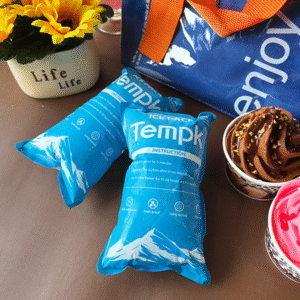
| Gel-Kältemittel & Eisbeutel | Halten Sie konstante, kalte Temperaturen ohne Lecks aufrecht | Benötigen Sie 2–3 Pfund Gel pro 5 Pfund Käse | Mittlere Entfernungen und gemischte Sendungen |
| Phasenwechselmaterial (PCMs) | Halten Sie die Temperaturen über einen längeren Zeitraum | Teurer als Gelpacks | Lange Reisen oder extremes Klima |
| Trockeneis | Behält den gefrorenen Zustand unter –78 °C bei | Als gefährlich eingestuft; erfordert eine sichere Handhabung | Gefrorene Desserts und Fernsendungen |
Praktische Tipps zur Verpackungsauswahl
Bewerten Sie den Temperaturbereich Ihres Produkts: Milch und Joghurt benötigen 0–4 °C, während Butter etwas höhere Temperaturen verträgt.
Berechnen Sie das Kältemittelgewicht: Verwenden Sie 2–3 Pfund Gelpackungen pro Stück 5 Pfund Käse.
Denken Sie über die Rücksendelogistik nach: Wenn Sie eine stabile Route haben, Mehrwegbehälter können langfristig Kosten senken.
Überprüfen Sie die Einhaltung gesetzlicher Vorschriften: Die Verpackung sollte Standards wie ISTA 7D und Good Distribution Practice entsprechen (BIP).
Bringen Sie ökologische Auswirkungen und Preis in Einklang: Recycelbare und kompostierbare Materialien kosten möglicherweise im Vorfeld mehr, sparen aber Geld bei der Entsorgung und verbessern den Ruf der Marke.
Verwenden Sie vorgefertigte Kits: Gebrauchsfertige Kombinationsbox für Kits, Liner und Kältemittel, Reduzierung von Arbeit und Fehlern.
Nutzen Sie Daten: Die prädiktive Modellierung nutzt Wettervorhersagen, Laufzeiten und Spediteurleistung zur Auswahl optimaler Verpackungs- und Versandwege.
Investieren Sie in Branding: Individuell bedruckte Thermotaschen und -boxen stärken Ihre Marke und differenzieren Premiumprodukte.
Optimieren Sie für Direct to Consumer (DTC): Leichte Verpackungen mit langer Haltbarkeit eignen sich für Essenssets und Abo-Boxen.
Fallstudie: Nach der Umstellung von Einweg-Schaumstoffboxen auf wiederverwendbare Isolierbehälter mit Gelpackungen, Eine mittelgroße Molkerei reduziert die Verpackungskosten pro Sendung um 15 % über 18 Monate und senken Sie die Abfallentsorgungsgebühren bei gleichzeitiger Wahrung der Temperaturintegrität 48 Std..
Nachhaltige Verpackung und Markttrends
Nachhaltigkeit ist nicht nur ein ethisches Gebot; es kann die Kosten senken. Herkömmliche Materialien wie EPS-Schaum verursachen Probleme bei der Entsorgung, während recycelbare Papierisolierung und pflanzliche Kühlmittel Abfall und Entsorgungsgebühren reduzieren. Der Biocooler® von Nature Pack verwendet eine pflanzliche Isolierung, die biologisch abbaubar ist und Kohlendioxid absorbiert, während Nature Ice™ Gel-Kältemittel die Temperatur ohne Toxizität aufrechterhalten. Laut einer Studie von Shorr Packaging, 90 % der Verbraucher kaufen eher bei Marken, die nachhaltige Verpackungen verwenden, und mehr als die Hälfte hatte solche Produkte in den vorangegangenen sechs Monaten gekauft. Regierungen führen strengere Verpackungsvorschriften ein, B. die Besteuerung von Einwegkunststoffen oder die Verpflichtung der Hersteller, für Recyclingprogramme zu zahlen. Durch die Investition in umweltfreundliche Verpackungen können Sie Bußgelder vermeiden und Ihr Unternehmen zukunftssicher machen. Zu den aufkommenden Trends gehört die intelligente Temperaturüberwachung, gebrauchsfertige Kits, Datengesteuerte Planung, maßgeschneiderte Verpackung, DTC-Optimierung, flexible Beutel und recycelbare Monomaterialfolien. Der Markt für Milchverpackungen selbst wird voraussichtlich wachsen $51 Milliarden von 2032.
Neueste Trends und Entwicklungen in 2025
Trendübersicht
Der Kühltransportsektor wächst weiterhin rasant. Der globale Markt für Kühlkettenlogistik wurde mit bewertet $436.3 Milliarden in 2025 und wird voraussichtlich ca. erreichen $1,359.78 Milliarden von 2034, expandiert mit einer durchschnittlichen jährlichen Wachstumsrate (CAGR) von 13.46 %. Auf Antrag, Der größte Umsatzanteil entfällt auf das Segment Milchprodukte und Tiefkühldesserts, um 36.1 %. Vorkühleinrichtungen wurden geschätzt $204.4 Milliarden in 2024, und das Kühltransportsegment wird voraussichtlich mit einer jährlichen Wachstumsrate von wachsen 13.0 %. Der Asien-Pazifik-Raum wird voraussichtlich mit der höchsten jährlichen Wachstumsrate (CAGR) wachsen 14.3 %. Parallel dazu, Der Markt für Kühlkettenverpackungen wird voraussichtlich wachsen $27.7 Milliarden in 2025 Zu $102.1 Milliarden von 2034.
Neueste Entwicklungen auf einen Blick
Umsetzung der FSMA-Vorschriften: Die FSMA Sanitary Transportation Rule setzt strengere Anforderungen an die Lebensmittelsicherheit durch, Der Schwerpunkt liegt auf sterilen Umgebungen und Temperaturkontrolle. Zusätzliche Regeln wie die 2024 Anforderungen an die Rückverfolgbarkeit (Abschnitt 204) erhöhen die Anforderungen an die Dokumentation.
Erweitertes Kühlkettenmanagement: Integration einer Echtzeit-Temperaturüberwachung, Automatisierte Speicherung und prädiktive Analysen verbessern die Zuverlässigkeit und reduzieren Abfall.
Auswirkungen der Pandemie: Die COVID-19-Pandemie hat die Fragilität der Lieferkette offengelegt; im April 2020 Die Dairy Farmers of America meldeten Dumping 3.7 Millionen Gallonen Milch pro Tag, weil sich die Logistik nicht anpassen konnte. Die Krise beschleunigte die Einführung flexibler Logistikstrategien und digitaler Technologien.
Fahrermangel und Automatisierung: Im LKW-Sektor herrscht ein Mangel, der voraussichtlich größer sein wird 100,000 Fahrer in den kommenden Jahren; Die American Trucking Association warnte davor, dass es in der Branche zu Engpässen kommen könnte 100,000 Fahrer von 2023 Und 160,000 von 2028. Dies steigert das Interesse an autonomen Fahrzeugen und erhöht die Rekrutierung.
Verbrauchertrends und Marktwachstum: Die steigende Nachfrage nach haltbaren Milchprodukten und der Fokus auf Nachhaltigkeit treiben die Expansion voran. Verbraucher bevorzugen frische Produkte, gesunde und regionale Lebensmittel, Beschleunigung des Wachstums der Kühllagerkapazität und Transparenz.
Technologische Innovation: Blockchain, IoT und KI werden zunehmend zur Rückverfolgbarkeit eingesetzt, Echtzeitüberwachung und Effizienz.
Nachhaltigkeit und Effizienz: Der Schwerpunkt liegt zunehmend auf Elektrofahrzeugen, Kältemittel mit niedrigem Treibhauspotenzial und energieeffiziente Anlagen. Automatisierung reduziert die Energiekosten um bis zu 50 % Der spekulative Bau hochmoderner Kühllager beschleunigt das Wachstum. Durchschnittliche Kühllagereinrichtungen sind 42 Jahre alt und mehr als die Hälfte ist älter 30 Jahre alt, Investitionen in die Modernisierung vorantreiben.
Markteinsichten
Die Abholung von Rohmilch erfolgt alle 24–48 Stunden, und die Transportkosten belaufen sich auf 10–15 % der Bearbeitungskosten. Kleine Effizienzsteigerungen können zu erheblichen Einsparungen führen. Echtzeitdaten von IoT-Sensoren helfen dabei, Engpässe zu erkennen und Nachfragespitzen vorherzusagen. Analyseplattformen können Lieferrouten anpassen, um Verkehr oder Unwetter zu vermeiden, Verbesserung der Servicezuverlässigkeit. Die Nachfrage der Verbraucher nach Transparenz und Nachhaltigkeit ermutigt Unternehmen, umweltfreundliche Kühl- und Verpackungslösungen einzuführen. Der regulatorische Druck nimmt weiter zu, Die FSMA fordert dokumentierte Verfahren und Audits durch Dritte. Internationale Standards streben nach globaler Konsistenz, und da die Exportmöglichkeiten wachsen, Robuste Kühlketten werden zum Wettbewerbsvorteil.
Häufig gestellte Fragen
Q1: Wie kalt sollte ein Kühlwagen für Milchprodukte sein??
Flüssige Milch und Sahne müssen eine Temperatur von 38–40 °F haben (3–4 ° C) Während des Transports. Milch der Güteklasse A darf die Temperatur von 45 °F nicht überschreiten. Eiscreme und gefrorene Desserts erfordern Temperaturen unter 32 °F. Kühlen Sie Fahrzeuge stets vor und verwenden Sie kalibrierte Überwachungsgeräte, um die Einhaltung sicherzustellen.
Q2: Welche Vorschriften regeln den Transport von Molkereiprodukten in den USA??
Die FSMA Sanitary Transportation Rule legt Anforderungen an Hygienepraktiken fest, Sauberkeit der Ausrüstung, Temperaturkontrolle und Aufzeichnung. Verlader und Frachtführer müssen sich schriftlich über die Verpackung einigen, Lagerung, Temperaturmanagement und Handhabung. Die HACCP-Grundsätze erfordern die Überwachung kritischer Kontrollpunkte und dokumentierte Korrekturmaßnahmen.
Q3: Wie verbessern IoT-Sensoren und KI den Molkereitransport??
IoT-Sensoren liefern Temperatur- und Standortdaten in Echtzeit, Warnt Bediener vor Abweichungen, bevor die Produktqualität beeinträchtigt wird. KI-gestützte Analysen verbessern die Bedarfsprognose und Routenoptimierung, Reduzierung des Kraftstoffverbrauchs und Sicherstellung pünktlicher Lieferungen.
Q4: Worauf sollte ich bei einem Kühltransportanbieter achten??
Beurteilen Sie, ob der Anbieter die erforderlichen Temperaturen einhalten kann. Zertifizierungen überprüfen (wie z. B. Certified Cold Carrier), Überprüfen Sie ihre Überwachungstechnologie und überprüfen Sie die Wartungspraktiken, Fahrerschulung und Notfallpläne. Erstellen Sie klare Service-Level-Agreements und Audit-Trails für die Compliance.
Q5: Wie kann ich meinen Molkereitransport nachhaltiger gestalten??
Ziehen Sie Elektro- oder Hybrid-Kühlfahrzeuge in Betracht, Kältemittel mit niedrigem GWP, energieeffiziente Kompressoren und solargestützte Kühlung. Optimieren Sie die Routenplanung, um Kilometer zu reduzieren, und verwenden Sie wiederverwendbare oder recycelbare Verpackungsmaterialien.
Zusammenfassung und Empfehlungen
Key Takeaways
Beachten Sie den Temperaturbereich: Halten Sie flüssige Milch bei 38–40 °F (3–4 ° C) und überschreiten Sie niemals 45 °F für Milch der Güteklasse A. Weichkäse benötigen 35–45 °F, Eiscreme muss unter 32 °F bleiben und kultivierte Milchprodukte sollten bei 32–40 °F bleiben.
Wählen Sie das richtige Transportmodell: Bewerten Sie dedizierte Flotten, geleaste LKWs, Drittanbieter und Hybridoptionen. Berücksichtigen Sie die Kapazität, Technologie, Zertifizierungen und Routenoptimierung, um Kontrolle und Kosten in Einklang zu bringen.
Umfassen Sie die Technologie: Führen Sie IoT-Sensoren ein, prädiktive Analytik, automatisierte Speicherung und Blockchain zur Verbesserung der Sichtbarkeit, Reduzieren Sie den Verderb und wahren Sie die Compliance.
Stellen Sie Compliance sicher und managen Sie Risiken: Setzen Sie FSMA- und HACCP-Anforderungen um, halten schriftliche Vereinbarungen ein, Führen Sie eine Temperaturkartierung durch und schulen Sie das Personal in den HACCP-Grundsätzen.
Investieren Sie in nachhaltige Verpackungen: Wählen Sie erschwingliche Lösungen wie Liner auf Papierbasis, Mehrwegbehälter und pflanzliche Kältemittel; Richten Sie die Verpackungsauswahl am Produkt aus, Route und Nachhaltigkeitsziele.
Bleiben Sie mit Trends auf dem Laufenden: Überwachen Sie das Marktwachstum, regulatorische Änderungen, Verbrauchernachfrage und technologische Innovation, um wettbewerbsfähig zu bleiben.
Umsetzbarer Rat
Überprüfen Sie Ihre aktuellen Transportvorgänge: Temperaturdaten kartieren, Überprüfen Sie die Routeneffizienz und identifizieren Sie Schwachstellen. Verwenden Sie IoT-Sensoren, um Basisdaten zu sammeln.
Beauftragen Sie zertifizierte Spediteure oder rüsten Sie Ihre Flotte auf: Überprüfen Sie die Kühlausrüstung, Überwachungssysteme und Compliance-Zertifizierungen. Ziehen Sie für mehr Flexibilität ein Hybridmodell in Betracht.
Implementieren Sie IoT-Sensoren und -Analysen: Beginnen Sie mit einem Pilotprojekt, um die Bedingungen in Echtzeit zu überwachen und Routen zu optimieren. Integrieren Sie Sensordaten mit Ihrem ERP für eine einheitliche Ansicht.
Entwickeln Sie dokumentierte Protokolle: Erstellen Sie schriftliche Vereinbarungen zum Temperaturmanagement, Hygiene, Verpackung und Handhabung; Schulung des Personals in den HACCP-Grundsätzen.
Planen Sie Nachhaltigkeit: Entdecken Sie elektrische Kühlfahrzeuge, Kältemittel mit niedrigem Treibhauspotenzial und wiederverwendbare oder recycelbare Verpackungen. Suchen Sie nach Zuschüssen oder Anreizen für grüne Initiativen und teilen Sie Ihre Bemühungen den Kunden mit.
Über Tempk
Tempk ist ein führender Anbieter von Kühlkettenverpackungen, Überwachungs- und Logistiklösungen. Wir helfen Molkereien, die Frische ihrer Produkte vom Bauernhof bis zum Verbraucher aufrechtzuerhalten. Zu unserem Portfolio gehören Isolierverpackungen, Wiederverwendbare Eisbeutel, IoT-fähige Temperaturlogger und Routenoptimierungssoftware. Mit jahrzehntelanger Erfahrung im Kühlkettenbereich, Wir kombinieren technisches Fachwissen mit kundenorientiertem Service, um sicherzustellen, dass Ihre Milchprodukte in einwandfreiem Zustand ankommen.
Nächste Schritte: Kontaktieren Sie unser Team für eine individuelle Beratung. Wir bewerten Ihren aktuellen Betrieb, Implementieren Sie Best Practices und übernehmen Sie modernste Technologien, um Compliance und Qualität sicherzustellen.