Die Wahrung der Integrität temperaturempfindlicher Medikamente ist nicht nur eine logistische Herausforderung – es ist eine Mission, die sich direkt auf die Patientensicherheit auswirkt. Arzneimittelversorgung in der Kühlkette Kettenoptimierung sorgt für Impfungen, Biologika und andere Medikamente sind wirksam und sicher. In diesem Leitfaden erfahren Sie, wie neue Technologien funktionieren, Intelligentere Verpackungen und strenge Compliance-Standards können helfen Du schlanker bauen, umweltfreundlichere und zuverlässigere Kühlkette. Mit Sensoren, Prädiktive Analytik und nachhaltige Materialien, Die 2025 Die Kühlkette wird eher proaktiv als reaktiv.
Warum die Optimierung Ihrer Kühlkette wichtig ist: wie die Echtzeitüberwachung die Produktintegrität schützt.
Digitale Tools für eine bessere Kontrolle: wie IoT-Sensoren und Datenanalysen die Sichtbarkeit verbessern und Verschwendung reduzieren.
Verpackungsstrategien: ob Phasenwechselmaterialien gewählt werden sollen (PCMs) oder Trockeneis und wie sich nachhaltige Verpackungen auf Ihr Geschäftsergebnis auswirken.
Verordnung & Einhaltung: was 21CFRPart11 und die WHO-Richtlinien für die Speicherung und Dokumentation bedeuten.
Neueste Trends: die Technologien und Marktveränderungen, die die Kühlkettenlogistik prägen 2025.
Warum ist die Optimierung der Kühlkette bei Arzneimitteln wichtig??
Der Boom bei Biologika und Gentherapien bedeutet, dass mehr Produkte als je zuvor auf ihrem Weg zum Patienten strenge Temperaturbereiche einhalten müssen. Die Optimierung der Kühlkette sichert Wirksamkeit und Compliance indem Temperaturschwankungen verhindert werden, die Medikamente unwirksam machen könnten. Während der Einführung des COVID-19-Impfstoffs, Unternehmen verwendeten Echtzeit-Tracker, um sicherzustellen, dass die Dosen innerhalb bestimmter Bereiche blieben, Vermeidung von Verschwendung und Sicherstellung pünktlicher Lieferungen. Studien zeigen, dass Temperaturschwankungen zu kostspieligen Produktverlusten und Rückrufen führen können, mit weitreichenden Folgen sowohl für Hersteller als auch für Patienten.
Den Einsatz verstehen: Produktintegrität und Patientensicherheit
Zu den temperaturempfindlichen Medikamenten gehören Impfstoffe, Biologika, Insulin, Zelltherapien und Gentherapien. Diese Produkte verlieren an Wirksamkeit, wenn sie Hitze oder Kälte außerhalb der empfohlenen Bereiche ausgesetzt werden. Der 2024 Der Kühlkettenbericht hob ein immer größeres Spektrum an Arzneimitteln hervor, die ein Kühlkettenmanagement erfordern, und stellte fest, dass die COVID-19-Pandemie die Widerstandsfähigkeit der Logistiksysteme auf die Probe stellte. Echtzeitüberwachung und koordinierte Maßnahmen in der Lieferkette setzen neue Maßstäbe für die Verteilung temperaturempfindlicher Medikamente, Dies zeigt die Bedeutung von Agilität und datengesteuerter Entscheidungsfindung.
| Gefährdung der Produktintegrität | Folge | Was es für Sie bedeutet |
| Temperaturschwankungen während des Transports | Potenzverlust und erhöhtes Rückrufrisiko | Finanzielle Verluste, behördliche Strafen und Patientenschäden |
| Unzureichende Feuchtigkeitskontrolle | Medikamente trocknen aus oder zerfallen; mikrobielle Kontamination | Reduzierte Produkthaltbarkeit und potenzielle Sicherheitsprobleme |
| Eingeschränkte Sichtbarkeit des Sendungsstatus | Verzögerungen oder unerkannte Pannen | Erhöhtes Risiko von Verderb und schlechtem Kundenerlebnis |
Praktische Tipps und Vorschläge
Definieren Sie kritische Kontrollpunkte: Bilden Sie Ihre Lieferkette ab und identifizieren Sie jede Phase, in der Temperatur oder Luftfeuchtigkeit schwanken können.
Verwenden Sie qualifizierte Transportmittel und Ausrüstung: Wählen Sie Partner mit Erfahrung im Umgang mit Arzneimitteln aus und stellen Sie sicher, dass ihre Ausrüstung den Good Distribution Practices entspricht (BIP) Richtlinien.
Investieren Sie in eine kontinuierliche Überwachung: Nutzen Sie IoT-Sensoren, die Live-Daten zur Temperatur liefern, Luftfeuchtigkeit und Standort, damit Sie bei Auftreten von Anomalien Korrekturmaßnahmen ergreifen können.
Fall: Während der Verteilung des COVID-19-Impfstoffs, Echtzeit-Tracker stellten sicher, dass die Dosen im extrem kalten Bereich blieben, Vermeidung von Verschwendung und Ermöglichung einer schnellen Einführung von Impfstoffen.
Wie können digitale Tools die Transparenz und Entscheidungsfindung in der Kühlkette verbessern??
Echtzeitüberwachung und IoT-Sensoren
Intelligente Sensoren verwandeln die Kühlkette von reaktiv in proaktiv. Pharmahändler nutzen mittlerweile IoT-fähige Geräte, um die Temperatur kontinuierlich zu überwachen, Luftfeuchtigkeit und Standort. Diese Sensoren übertragen Daten an Cloud-Dashboards und senden automatische Warnungen, wenn eine Abweichung auftritt. Mithilfe von Echtzeitdaten kann Ihr Team sofort eingreifen und auf Ersatzkühlung umstellen oder Sendungen umleiten, bevor die Produkte gefährdet werden. Branchenberichte zeigen, dass 96 % der Pharmaunternehmen die Entscheidungsfindung in Echtzeit als wesentlich erachten.
Datenanalyse, KI und Kontrolltürme
KI-gesteuerte Analysen verwandeln Daten in Erkenntnisse. Künstliche Intelligenz und Datenanalyse liefern Vorhersagemodelle, die Risiken erkennen, bevor sie eintreten. Anstatt auf Temperaturalarme zu reagieren, Sie können mit Verzögerungen rechnen, Optimieren Sie Routen und passen Sie den Lagerbestand proaktiv an. Mit integrierten Dashboards, Supply-Chain-Manager gewinnen durchgängige Transparenz – was Experten als a bezeichnen Tower– um den Lagerbestand zu verwalten, Logistik und Qualität in Echtzeit. Diese Verlagerung von isolierten Daten hin zu integrierten Plattformen verkürzt die Vorlaufzeiten, beschleunigt die Freisetzung am Zielort und verbessert die Compliance.
Digitalisierung von Dokumentation und Qualitätsabläufen
Digitalisierung der Fertigungsausführung (MES) und Unternehmensressourcenplanung (ERP) Systeme machen die manuelle Dateneingabe überflüssig und beschleunigen Compliance-Prüfungen. Wenn ein MES eine Charge erfasst, die Qualitätstests besteht, Das ERP aktualisiert den Bestand automatisch und löst die Verpackung oder Verteilung aus. Elektronische Chargenprotokolle verhindern, dass Produkte weiterverarbeitet werden, wenn Tests fehlen, und erstellen Prüfprotokolle, um den Vorschriften gerecht zu werden. Dieser integrierte Workflow minimiert Fehler und verkürzt die Release-Zeiten, Patienten schneller mit Medikamenten zu versorgen.
| Technologie | Hauptvorteil | Zu dir |
| IoT -Sensoren | Kontinuierliche Überwachung der Temperatur, Luftfeuchtigkeit und Standort | Sofortige Benachrichtigungen, Reduzierter Verderb und schnellere Eingriffe |
| Ai & Datenanalyse | Vorausschauende Erkenntnisse und proaktive Entscheidungsfindung | Optimierte Routen, Bestandsaufnahme und Risikominderung |
| Integriertes MES ERP | Nahtloser Datenfluss und automatisierte Compliance-Prüfungen | Reduzierte manuelle Arbeit, schnellere Chargenfreigabe und weniger Fehler |
| Blockchain | Unveränderliche Aufzeichnung von Sendungsereignissen für mehr Transparenz | Rückverfolgbarkeit, Manipulationsnachweise und vereinfachte Audits |
Praktische Tipps und Vorschläge
Wählen Sie Sensoren mit Bedacht aus: Bewerten Sie die Akkulaufzeit, Datengenauigkeit, und Konnektivitätsoptionen (Z.B., zellular, Satellit, Bluetooth) passend zu Ihren Sendungsprofilen.
Nutzen Sie Analysen zur Routenoptimierung: Nutzen Sie historische Daten, um zu ermitteln, auf welchen Routen die erforderlichen Temperaturen dauerhaft eingehalten werden, und passen Sie die Logistik entsprechend an.
Aktivieren Sie automatische Benachrichtigungen: Konfigurieren Sie Ihre Überwachungsplattform so, dass Benachrichtigungen per E-Mail oder SMS an die richtigen Stakeholder gesendet werden, um eine schnelle Reaktion zu ermöglichen.
Fall: Ein Pharmaunternehmen implementierte eine IoT-fähige Kühlkettenplattform, die Sensordaten mit Logistikinformationen kombinierte. Wenn ein Gefrierschrank eine Fehlfunktion hatte, Das System löste automatisch eine Ersatzkühlung aus und benachrichtigte das Team, Verhinderung des Produktverderbs und Sicherstellung einer kontinuierlichen Compliance.
Welche Verpackungsstrategien für Stabilität und Nachhaltigkeit sorgen?
Die Auswahl der richtigen Verpackung ist für die Optimierung der Kühlkette in der pharmazeutischen Lieferkette von entscheidender Bedeutung. Die Wahl hängt oft von Phasenwechselmaterialien ab (PCMs) oder Trockeneis. Jedes hat Vorteile für unterschiedliche Temperaturbereiche, Versanddauer und behördliche Anforderungen.
Phasenwechselmaterialien (PCMs)
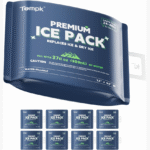
PCMs absorbieren und geben Wärme bei vordefinierten Temperaturen ab, Normalerweise werden Bereiche wie 2–8 °C oder −20 °C eingehalten. Sie stabilisieren die innere Umgebung, indem sie bei steigenden Temperaturen schmelzen und bei sinkenden Temperaturen erstarren. PCMs sind wiederverwendbar und als ungefährlich eingestuft, Das bedeutet weniger Versandbeschränkungen und geringere Entsorgungskosten. Sie wirken auch als Wärmepuffer, Minimierung von Temperaturspitzen und Verlängerung der Produkthaltbarkeit.
Trockeneis
Trockeneis (Festes Kohlendioxid) sublimiert bei −78,5 °C, Daher ist es ideal für ultrakalte Biologika, gefrorene Zellen und Gentherapien. Es bietet Tiefkühltemperaturen für kurzfristige Lieferungen, erfordert jedoch die Kennzeichnung gefährlicher Materialien und die strikte Einhaltung der Vorschriften durch den Spediteur. Trockeneis wird nur zum einmaligen Gebrauch verwendet und verursacht mehr Abfall und einen höheren regulatorischen Aufwand.
Wahl zwischen PCMs und Trockeneis
Die Entscheidung hängt vom Temperaturbereich ab, Versanddauer, Regulierungskomplexität und Nachhaltigkeitsziele. Für Sendungen, die 2–8 °C oder −20 °C benötigen, PCMs sorgen für konsistente Bedingungen und können wiederverwendet werden. Für Sendungen unter −70 °C, Trockeneis kann erforderlich sein, muss jedoch in belüfteten Behältern verpackt und regelmäßig aufgefrischt werden. Hybridlösungen, die sowohl PCMs als auch Trockeneis kombinieren, können gemischte Temperaturlasten bewältigen.
| Verpackungstyp | Typische Reichweite | Beste Anwendungsfälle | Praktische Bedeutung |
| Phasenwechselmaterialien (PCMs) | +2 °C bis −20 °C | Impfungen, Biologika, Reagenzien, Kits für klinische Studien | Wiederverwendbar, stabil und ungefährlich; Reduzierung von Versandbeschränkungen und Abfall |
| Trockeneis | Unter −70 °C | Ultrakalte Biologika, CRISPR-Proben, gefrorene Zellen | Bietet Tiefkühlbedingungen, erfordert jedoch Gefahrstoffkennzeichnungen und erzeugt Abfall |
| Hybrid (PCM + Trockeneis) | Gemischte Bereiche | Sendungen mit unterschiedlichen Nutzlastanforderungen | Vereint Stabilität und Tiefkühlkapazität; reduziert das Risiko von Temperaturschwankungen |
Praktische Tipps und Vorschläge
Passen Sie die Verpackung an die Nutzlast an: Verwenden Sie PCMs für Sendungen bei 2–8 °C oder −20 °C und Trockeneis nur, wenn extrem kalte Bedingungen unerlässlich sind.
Verpackung validieren: Führen Sie Qualifizierungszyklen durch (IR/WH/PQ) um sicherzustellen, dass die von Ihnen gewählte Verpackung während des gesamten Transports die Temperatur beibehält.
Berücksichtigen Sie Wiederverwendung und Kosten: Allerdings erfordern PCMs höhere Vorabinvestitionen, Ihre Wiederverwendung reduziert langfristige Kosten und Abfall.
Fall: Ein Biotech-Hersteller ist von Gel-Packs auf Nano-PCM-Behälter umgestiegen. Nach 10 Sendungen, Sie berichteten von null Temperaturausfällen und einer Kostenreduzierung von 40 % dank wiederverwendbarer Verpackung.
Wie beeinflussen Vorschriften die Optimierung der Kühlkette??
FDA 21CFRPart11 und gute Vertriebspraktiken
Gemäß 21CFRPart11 der US-amerikanischen Food and Drug Administration sind elektronische Aufzeichnungen und Unterschriften erforderlich, um nachzuweisen, dass temperaturempfindliche Arzneimittel gemäß den festgelegten Bedingungen gelagert werden. Wenn Medikamente ungünstigen Bedingungen ausgesetzt sind, Sie müssen vernichtet oder zur Untersuchung zurückgegeben werden. Lagerhäuser und Vertriebszentren müssen sich an globale gute Vertriebspraktiken halten (BIP), Dazu gehört eine strenge Kartierung und Qualifizierung der Lagerbereiche. Elektronische Chargenprotokolle, Audit-Trails und Datenintegritätsfunktionen reduzieren das Risiko menschlicher Fehler und vereinfachen Compliance-Inspektionen.
WHO-Richtlinien zu Impfstoffen und Luftfeuchtigkeit
Die Weltgesundheitsorganisation schreibt vor, dass Impfstoffe während der gesamten Lieferung in temperaturkontrollierten Umgebungen bleiben müssen. Außerdem wird empfohlen, die relative Luftfeuchtigkeit zwischen 45 % und 60 % aufrechtzuerhalten, um zu verhindern, dass Medikamente austrocknen oder das Mikrobenwachstum fördern. Die Einhaltung dieser Richtlinien trägt dazu bei, eine Verschlechterung des Produkts zu vermeiden und gewährleistet die Patientensicherheit.
Regulatorische Auswirkungen auf Verpackung und Überwachung
Vorschriften wie die U.S. Gesetz zur Sicherheit der Arzneimittellieferkette (DSCSA) und die EU-Fälschungsschutzrichtlinie schreibt Track-and-Trace-Funktionen vor, Serialisierung und manipulationssichere Verpackung. Verpackungslösungen müssen Standards wie 21CFRPart11 für die Datenprotokollierung erfüllen. Softwarekomponenten von Kühlkettenüberwachungssystemen werden zunehmend reguliert; Der Markt für Kühlkettenüberwachungssoftware wird aufgrund strengerer Anforderungen voraussichtlich die höchste CAGR verzeichnen. Die Einhaltung dieser Regeln verhindert nicht nur Bußgelder, sondern schafft auch Vertrauen bei Aufsichtsbehörden und Kunden.
Praktische Tipps und Vorschläge
Führen Sie elektronische Aufzeichnungen ein: Verwenden Sie konforme Datenlogger und Software, die die Anforderungen von 21CFRPart11 und EU Annex11 erfüllen.
Führen Sie eine regelmäßige Lagerkartierung durch: Überprüfen Sie die Temperaturverteilung in den Lagerbereichen, um Konsistenz sicherzustellen.
Bleiben Sie über globale Richtlinien auf dem Laufenden: Überwachen Sie regulatorische Änderungen in allen Regionen, um sicherzustellen, dass Ihre Prozesse konform bleiben.
Fall: Ein Pharmalager implementierte eine GxP-konforme Überwachung und Feuchtigkeitskontrolle. Durch die Aufrechterhaltung einer Luftfeuchtigkeit zwischen 45 % und 60 %, Die Anlage reduzierte die Produktverschlechterung und bestand die behördlichen Inspektionen mühelos.
Wie kann Nachhaltigkeit die Kühlkettenlogistik verbessern??
Nachhaltigkeit hat sich von einem Schlagwort zu einem Kernbestandteil der Kühlkettenlogistik entwickelt. Verbraucher bevorzugen zunehmend Produkte mit Nachhaltigkeitsaussagen, und regulatorischer Druck fördern umweltfreundlichere Abläufe. Nachhaltige Praktiken stehen auch im Einklang mit der Kostenoptimierung, Reduzierung von Abfall und Energieverbrauch.
Umweltfreundliche Kältemittel und Phasenwechselmaterialien
Kühlkettenmanager setzen umweltfreundliche Kältemittel ein, um die Umweltbelastung zu reduzieren. Diese Kältemittel, kombiniert mit Phasenwechselmaterialien, sorgen für eine energieeffiziente Temperaturregelung und einen geringeren CO2-Fußabdruck. PCMs sind eine umweltfreundlichere Alternative zu Trockeneis, da sie wiederverwendbar und ungefährlich sind. Der Markt für temperaturgesteuerte Pharmaverpackungen wird voraussichtlich von 5,5 Milliarden US-Dollar im Jahr wachsen 2024 auf 11,8 Milliarden US-Dollar 2035, Dies spiegelt die Nachfrage nach fortschrittlichen Isolierbehältern wider, PCMs und intelligente Verpackungslösungen.
Erneuerbare Energie, Elektrofahrzeuge und nachhaltige Verpackungen
Viele Logistikdienstleister investieren in Elektro-Lkw und erneuerbare Energiequellen. Elektrofahrzeuge reduzieren die Emissionen bei der Zustellung auf der letzten Meile, während erneuerbare Energien Lagerhäuser und Ladestationen mit Strom versorgen. Nachhaltige Verpackung, wie wiederverwendbare Behälter und biologisch abbaubare Isolierung, Reduziert den Abfall weiter und stimmt mit den Zielen der Unternehmensverantwortung überein. Die Einführung solcher Praktiken ist zur Grundlage effizienter Kühlkettenabläufe geworden.
Kreislaufwirtschaft und Abfallreduzierung
Wiederverwendbare PCM-Packungen und isolierte Versandtaschen reduzieren den Einwegabfall und senken die langfristigen Kosten. Programme zur Rücknahme und Wiederaufbereitung von Verpackungsmaterialien unterstützen Kreislaufwirtschaftsmodelle, Minimierung der Umweltbelastung. Investitionen in nachhaltige Logistik können auch umweltbewusste Partner und Verbraucher anziehen, Wettbewerbsvorteile bieten.
Praktische Tipps und Vorschläge
Nehmen Sie wiederverwendbare Verpackungen an: Übergang von Einweg-Gelpackungen zu wiederverwendbaren PCM-Packungen und Isolierboxen, um Abfall und langfristige Kosten zu reduzieren.
Verfolgen Sie Emissionen: Verwenden Sie CO2-Tracking-Tools, um die Emissionen Ihrer Flotte zu messen und Möglichkeiten für den Umstieg auf Elektro- oder Hybridfahrzeuge zu identifizieren.
Binden Sie Partner ein: Arbeiten Sie mit Lieferanten und Spediteuren zusammen, die Nachhaltigkeitsziele teilen, um eine integrierte grüne Lieferkette aufzubauen.
Fall: Ein Kühlkettenlogistiker führte elektrische Lieferwagen und wiederverwendbare PCM-Boxen ein. Die Initiative reduzierte die Kohlenstoffemissionen um 20 % und die Abfallentsorgungskosten um 30 %., während die Kunden das Umweltengagement des Unternehmens lobten.
Wofür gibt es die neuesten Innovationen und Trends? 2025?
Fernüberwachung und IoT-Sensoren werden zum Standard
In Cloud-Plattformen integrierte IoT-Sensoren werden schnell zum Industriestandard. Sie sorgen für kontinuierliche Sichtbarkeit, Reduzieren Sie den Verderb und ermöglichen Sie Korrekturmaßnahmen in Echtzeit. Neuere Sensoren verfügen über eine Feuchtigkeits- und Stoßüberwachung, Bereitstellung einer ganzheitlicheren Sicht auf die Versandbedingungen. Algorithmen des maschinellen Lernens lernen aus vergangenen Ausflügen und optimieren Routenplanung und Gerätewartung, Optimierung der Kühlketten hin zu prädiktiven Abläufen.
Automatisierung und Robotik in Lagern
Arbeitskräftemangel und Effizienzanforderungen treiben die Automatisierung in Lagern voran. Robotik, Automatisierte Lager- und Bereitstellungssysteme und autonome mobile Roboter verbessern Durchsatz und Genauigkeit. Experten gehen davon aus, dass innerhalb des nächsten Jahrzehnts die Hälfte aller Lagerhäuser autonome mobile Roboter einsetzen werden. Automatisierung reduziert auch menschliche Fehler, Dies ist beim Umgang mit temperaturempfindlichen Produkten von entscheidender Bedeutung.
Blockchain und Smart Contracts zur Rückverfolgbarkeit
Blockchain bietet unveränderliche Aufzeichnungen von Sendungsdaten, Erhöhung der Transparenz und Vereinfachung der Compliance. Intelligente Verträge optimieren den Zustellnachweis (POD), Reduzieren Sie Streitigkeiten und automatisieren Sie Zahlungsprozesse. Diese Technologie verbessert auch die Rückverfolgbarkeit, Wir helfen Unternehmen dabei, den Ursprung von Temperaturabweichungen schnell zu erkennen und Korrekturmaßnahmen zu ergreifen.
Drohnen und Innovationen auf der letzten Meile
Drohnenlieferungen erweisen sich als entscheidender Faktor für entlegene Standorte. Drohnen ermöglichen schnelles Arbeiten, kontaktlose Lieferung von Impfstoffen und Medikamenten, Reduzierung der manuellen Handhabung und Erreichen schwer zugänglicher Gemeinden. Zu den Innovationen der Last-Mile-Technologie gehören auch prädiktive Analysen, um Paketankünfte vorherzusagen und Kunden Minuten vor der Zustellung zu informieren.
Marktwachstum und regionale Verschiebungen
Der Markt für Kühlkettenüberwachung wird voraussichtlich von 8,31 Milliarden US-Dollar im Jahr wachsen 2025 auf 15,04 Milliarden US-Dollar 2030. Der Kühltemperaturbereich hat aufgrund der Nachfrage nach verderblichen Lebensmitteln und Impfstoffen den größten Anteil. Software zur Kühlkettenüberwachung wird voraussichtlich die höchste CAGR verzeichnen, da strengere Vorschriften eine digitale Rückverfolgbarkeit erfordern. Es wird erwartet, dass die Region Asien-Pazifik das stärkste Wachstum erzielen wird, getrieben durch den erhöhten Konsum verderblicher Waren, schnelle Urbanisierung und Investitionen in die Kühllagerinfrastruktur.
Fokus auf Nachhaltigkeit und soziale Verantwortung
Nachhaltigkeitsinitiativen beeinflussen jeden Aspekt der Kühlkette. Kunden bevorzugen Produkte mit Nachhaltigkeitsaussagen, Dies veranlasst Unternehmen dazu, umweltfreundliche Kältemittel einzusetzen, PCM-Verpackungen und Elektrofahrzeuge. Strategische Partnerschaften zwischen Logistikdienstleistern, Technologiefirmen und Regulierungsbehörden bilden sich, um gemeinsame Vertriebsnetze aufzubauen und die Umweltbelastung zu reduzieren.
FAQ
Q1: Welcher Temperaturbereich definiert die pharmazeutische Kühlkette??
Kühlkettenpharmazeutika müssen typischerweise bei 2–8 °C gelagert werden, Allerdings benötigen einige Biologika und Gentherapien Tiefkühltemperaturen unter –70 °C. Überprüfen Sie immer den spezifischen Bereich für Ihr Produkt, und wählen Sie die Verpackung entsprechend aus.
Q2: Wie verbessern IoT-Sensoren das Management der pharmazeutischen Kühlkette??
IoT-Sensoren sorgen für eine kontinuierliche Temperatur, Luftfeuchtigkeit und Standortdaten, Ermöglicht Echtzeitinterventionen und prädiktive Analysen. Sie reduzieren den Produktverderb und tragen zur Einhaltung gesetzlicher Vorschriften bei.
Q3: Sind Phasenwechselmaterialien (PCMs) besser als Trockeneis?
PCMs eignen sich ideal für Sendungen, die eine Temperatur von +2 °C bis −20 °C erfordern, und sind wiederverwendbar, ungefährliche Verpackung. Trockeneis ist für extrem kalte Sendungen unter –70 °C erforderlich, erfordert jedoch den Umgang mit gefährlichen Materialien. Wählen Sie basierend auf Temperaturbereich und Dauer aus.
Q4: Was ist 21CFRPart11 und warum ist es wichtig??
21 CFRPart11 beschreibt die USA. Anforderungen der FDA an elektronische Aufzeichnungen und Signaturen. Es stellt sicher, dass digitale Aufzeichnungen über Temperatur und andere Bedingungen vertrauenswürdig sind und dass Produkte, die ungeeigneten Bedingungen ausgesetzt sind, unter Quarantäne gestellt oder vernichtet werden. Compliance schützt Ihr Unternehmen vor behördlichen Strafen und schützt Patienten.
Q5: Wie kann mein Unternehmen den CO2-Fußabdruck in der Kühlkettenlogistik reduzieren??
Steigen Sie auf wiederverwendbare PCM-Verpackungen um, Einführung von Elektrofahrzeugen und Überwachung des Energieverbrauchs. Umweltfreundliche Kältemittel und erneuerbare Energiequellen reduzieren die Emissionen. Die Zusammenarbeit mit nachhaltigen Partnern verstärkt diese Bemühungen.
Anregung
Key Takeaways
Sichtbarkeit ist entscheidend: Echtzeitüberwachung durch IoT-Sensoren und KI verwandelt die Kühlkette von reaktiv in proaktiv, Verhinderung von Verderb und Verbesserung der Compliance.
Verpackung ist wichtig: Wählen Sie Phasenwechselmaterialien für Sendungen bei 2–8 °C oder −20 °C und Trockeneis für extrem kalte Bedingungen. Wiederverwendbare PCMs senken die langfristigen Kosten und die Umweltbelastung.
Compliance schafft Vertrauen: Vorschriften wie 21CFRPart11, Die GDP- und WHO-Richtlinien erfordern zuverlässige elektronische Aufzeichnungen und Temperaturkartierungen. Durch die Einhaltung der Vorschriften werden Bußgelder vermieden und die Patientensicherheit geschützt.
Nachhaltigkeit zahlt sich aus: Umweltfreundliche Kältemittel, Elektrofahrzeuge und wiederverwendbare Verpackungen reduzieren den CO2-Fußabdruck und sprechen umweltbewusste Kunden an.
Die Innovation beschleunigt sich: Automatisierung, Blockchain, Drohnen und wachsende Investitionen verändern die Kühlkettenlandschaft, Das treibt das Wachstum in den Schwellenländern voran und steigert die Erwartungen.
Aktionsplan
Überprüfen Sie Ihre aktuelle Kühlkette: Prozesse abbilden, Identifizieren Sie Engpässe und zeichnen Sie den Temperatur-Compliance-Verlauf auf.
Setzen Sie intelligente Sensoren ein: Implementieren Sie IoT-Geräte für die Speicherung und den Transport, um Echtzeitdaten zu erfassen, und integrieren Sie sie zur besseren Sichtbarkeit in eine zentrale Plattform.
Verbessern Sie die Verpackung: Bewerten Sie Sendungen, um festzustellen, ob PCMs vorliegen, Trockeneis oder Hybridlösungen sind am besten geeignet. Investieren Sie in wiederverwendbare und validierte Verpackungen, die Ihren Nachhaltigkeitszielen entsprechen.
Stellen Sie die Einhaltung sicher: Führen Sie elektronische Aufzeichnungssysteme ein, die den 21CFRPart11- und WHO-Richtlinien entsprechen. Schulen Sie das Personal in GDP-Praktiken und halten Sie die Luftfeuchtigkeit innerhalb der empfohlenen Bereiche.
Planen Sie Nachhaltigkeit: Wechseln Sie zu umweltfreundlichen Kältemitteln, Entdecken Sie Elektrofahrzeuge und arbeiten Sie mit Lieferanten zusammen, die sich für umweltfreundliche Praktiken einsetzen.
Nutzen Sie Analysen: Nutzen Sie KI und prädiktive Analysen, um Routen zu optimieren, Risiken antizipieren und fundierte Entscheidungen in der Lieferkette treffen.
Bleib informiert: Überwachen Sie regulatorische Änderungen und Markttrends, um sich schnell anzupassen und einen Wettbewerbsvorteil zu wahren.
Um Tempk
Tempk ist ein weltweit führender Anbieter von Kühlkettentechnologien und -dienstleistungen. Wir sind auf IoT-fähige Überwachungslösungen spezialisiert, validierte PCM- und Trockeneisverpackungen, und End-to-End-Supply-Chain-Beratung. Mit jahrzehntelanger Erfahrung und einem Anspruch an Qualität, Wir helfen Pharmaunternehmen, die Produktintegrität aufrechtzuerhalten, Erreichen Sie die Einhaltung gesetzlicher Vorschriften und reduzieren Sie die Auswirkungen auf die Umwelt. Unsere umfassenden Lösungen unterstützen Echtzeittransparenz, Automatisierte Berichterstattung und nachhaltiger Betrieb.
Aktionsaufruf: Kontaktieren Sie noch heute die Experten von Tempk, um zu besprechen, wie Sie Ihre pharmazeutische Kühlkette optimieren können. Unsere Spezialisten helfen Ihnen bei der Auswahl der richtigen Überwachungsgeräte, Verpackungslösungen und Nachhaltigkeitsstrategien zum Schutz Ihrer Produkte und Patienten.