So packen Sie einen Trockeneiskühler für 24–72 Stunden ein?
Aktualisiert: September 1, 2025. Wenn Sie müssen Packen Sie einen Trockeneiskühler ein für einen Wochenendausflug, Ausfall, oder Luftversand, Dieser Leitfaden zeigt Ihnen, wie es am sichersten ist, einfachste Weg. Plan 5–10 lb pro 24 h als Basislinie, Verpackung weiter entlüftet, und folge dem 2.5 kg Airline-Regel für Passagiere. Sie bestimmen die Größe der Ladung, Frostschäden vermeiden, und bleiben Sie konform – ohne Rätselraten.
-
So verpacken Sie Schritt für Schritt einen Trockeneiskühler? Praktische Schritte und eine Checkliste
-
Wie viel Trockeneis reicht für Ihre Kühlbox?? Schneller Schätzer und Tabelle
-
Trockeneis vs. Gel-Packs – wann sollten Sie keine Trockeneis-Kühlbox einpacken?? Risikobasierte Entscheidungen
-
Ist es legal, Trockeneiskühler für Luft und Boden einzupacken?? Etiketten und Grenzen
-
Was kann beim Einpacken eines Trockeneiskühlers schiefgehen?? Sicherheit, Entlüftung, und Korrekturen
So verpacken Sie Schritt für Schritt einen Trockeneiskühler?
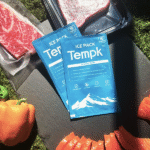
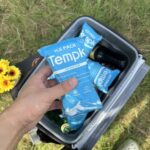
Kalt anfangen, Wickelblöcke, Platz für Ihr Ziel, Hohlräume füllen, and vent the container. Verwenden Sie isolierte Handschuhe und Augenschutz. Trockeneis auflegen Spitze um Waren hart gefroren zu halten; Sag es unten Eine Barriere, wenn Sie Ihre Speisen nur gekühlt haben möchten. Den Deckel niemals luftdicht verschließen. Diese kleinen Schritte verlängern die Haltezeit und verringern das Risiko.
Erklären Sie es wie eine Feldroutine. Kühlen Sie den Kühler 2–12 Stunden lang vor, damit das Trockeneis das Produkt kühlt, nicht aus Plastik. Wickeln Sie jeden Block in Papier ein, um die Sublimation zu verlangsamen und einen Gefrierbrand zu vermeiden. Wenn Sie einen Trockeneiskühler für gemischte Ladungen einpacken, Teilen Sie die Blöcke oben und unten und fügen Sie eine dünne Papp- oder Handtuchbarriere hinzu. Halten Sie den Deckel zwischen den Zugriffen geschlossen – Luft ist der Feind der Haltezeit.
Entlüftung und Platzierung für lange Haltezeiten
Entlüftung, nicht einstecken. CO₂-Gas muss entweichen. Achten Sie auf einen lockeren Sitz des Deckels oder einen Entlüftungskanal. Ort Trockeneis oben wenn das Ziel felsenfest bleiben muss; Kalte Luft sinkt nach unten und bedeckt die Ladung. Für gekühlte Schichten, verwenden Trockeneis auf der Unterseite mit einer Barriere und normalem Eis oben drauf. Dieses Gleichgewicht vermeidet Frostschäden an Produkten oder Milchprodukten.
| Packziel | Trockeneisplatzierung | Barriere / Add-ons | What It Means for You |
|---|---|---|---|
| Fest gefroren | Oberschicht | Dünner Karton oder Handtuch | Kalte Luftwaschbecken; am besten für Fleisch, Eiscreme |
| Gekühlt (1–4 ° C) | Untere Schicht | Barriere + normales Eis darüber | Verhindert das Einfrieren der Oberfläche von Produkten |
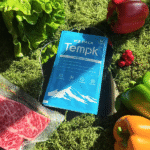
| Gemischte Last | Oben/unten geteilt | Gel-Packs in der Nähe von „Nur-Kühl“-Zonen | Gefroren bleibt hart; Getränke bleiben kalt |
Praktische Tipps und Vorschläge
-
Autotransport: Fenster knacken; Verwenden Sie bei langen Fahrten nicht den Umluftbetrieb.
-
Handhabung: Tragen Sie isolierte Handschuhe; Vermeiden Sie den Kontakt mit bloßen Händen.
-
Verpackung: Füllen Sie Hohlräume mit Papier; Halten Sie die Kühlbox schattig und geschlossen.
Feldfall: Ein 48-qt-Festkühler mit 12 Pfund verpackte Blöcke, vorgekühlt und entlüftet, hielten Milchprodukte und gefrorene Desserts zwei Markttage lang fest, ohne Deckelverformung und mit normaler CO₂-Entlüftung.
Wie viel Trockeneis benötigen Sie für den Trockeneiskühler??
Grundlinie: 5–10 lb per 24 h für ca. 25 qt Volumen, dann auf Größe skalieren, Hitze, und Öffnungshäufigkeit. Große Blöcke halten länger als Pellets. Durch Vorkühlen können am ersten Tag mehrere Pfunde eingespart werden.
Stellen Sie sich die Nachfrage als zwei Knöpfe vor: Wärme und Zugang. Sonne und häufiges Öffnen steigern die Sublimation. Schatten, enge Verpackung, und ein voller Kühler verlangsamen es. Verwenden Sie die folgende Schnellregel, Vergleichen Sie es dann mit der Größentabelle.
Schneller Schätzer (kopieren/einfügen)
| Kühlergröße | Basismultiplikator | 24 h Plan | 48 h Plan | Für Sie |
|---|---|---|---|---|
| 25 Qt | ×1,0 | 7–10 lb | 14–20 lb | Kurztrips; minimale Öffnungen |
| 48 Qt | ×1,9 | 14–20 lb | 28–40 Pfund | Wochenendausflüge; Vorschreibe |
| 65 Qt | ×2,6 | 18–26 Pfund | 36–52 Pfund | Führer / Familiengruppen |
| 100 Qt | ×4,0 | 30–40 Pfund | 60–80 Pfund | Mehrtägig; Zutrittsfenster planen |
Trockeneis vs. Gel-Packs – wann sollten Sie keine Trockeneis-Kühlbox einpacken??
Verwenden Sie Trockeneis für gefrorene Ziele; Verwenden Sie Gel oder PCM, wenn Sie ein Einfrieren vermeiden müssen. Trockeneis hat eine Temperatur von −78,5 °C und friert alles ein, was damit in Berührung kommt. Gelpackungen und PCMs halten wärmere Plateaus, ideal für 2–8°C oder kontrollierte Raumtemperatur.
Wenn Sie nur für Pralinen oder andere Obst- und Gemüsesorten Kühlschrankkälte benötigen, Das Einpacken eines Trockeneiskühlers ist übertrieben und birgt die Gefahr von Frostschäden. Für „eisharte“ Ergebnisse über 24–72 Stunden, Trockeneis ist das richtige Werkzeug. Für geregelte Waren mit 2–8°C, Wählen Sie qualifizierte Verpackungen und PCMs, die dem Temperaturbereich entsprechen.
Block vs. Pellet vs. Gel auf einen Blick
| Kühlauswahl | Typisches Fenster | Notizen | What It Means for You |
|---|---|---|---|
| Trockeneis blockieren | 48–72 h | Geringe Oberfläche; langsamerer Verlust | Längere Reisen; weniger Deckel öffnet sich |
| Pellet-Trockeneis | 12–36 h | Schnelles Herunterziehen; füllt Lücken | Schnelle Starts; Top-Off-Strategie |
| Gel / PCM -Packungen | 12–96 h (bandabhängig) | Wärmeres Plateau; wiederverwendbar | Gekühlte Sendungen ohne Einfrieren |
Umsetzbare Tipps
-
Empfindliche Gegenstände: Fügen Sie eine Barriere hinzu und testen Sie zunächst eine kleine Verpackung.
-
Gemischte Beladungen: Verwenden Sie Gel für „Nicht einfrieren“-Zonen und Blöcke für gefrorene Waren.
-
Kostenkontrolle: Ein großer Block überdauert viele Pellets derselben Masse.
Ist es legal, Trockeneiskühler für Luft oder Boden einzupacken??
Ja – mit Bedingungen. Für Luftfracht, Mark UN1845, Verwenden Sie die Klasse 9 Etikett, und angeben Netzmasse (kg); Befolgen Sie die Betreiberregeln (Z.B., Hier ist pi 954). Für Passagiergepäck, Die meisten Fluggesellschaften erlauben dies ≤ 2,5 kg (5.5 lb) pro Person in belüfteter Verpackung mit Zulassung. Für heimisches Gelände, Träger vereinfachen oft Dokumente, erfordern aber dennoch korrekte Markierungen und Belüftung.
Halten Sie es einfach: Drucken Sie „Trockeneis“ oder „Kohlendioxid“., solide,” Netto-kg Trockeneis hinzufügen, Stellen Sie die Entlüftung sicher, und befolgen Sie die Checkliste des Spediteurs. Im Zweifelsfall, Rufen Sie vor der Ausschreibung Ihren Betreiber an.
Was kann beim Einpacken eines Trockeneiskühlers schiefgehen??
Vier häufige Fehler: den Kühler luftdicht verschließen, Umgang mit Trockeneis mit bloßen Händen, Mischen von „nicht einfrierenden“ Artikeln ohne Barrieren, und Transport in unbelüfteten Räumen. Jedes davon verkürzt die Wartezeit oder birgt echte Sicherheitsrisiken.
Gestalten Sie Ihre SOP rund um die Prävention. Deckel entlüften, damit CO₂ entweichen kann. Verwenden Sie Kryo-Handschuhe und Augenschutz. Trennen Sie Nur-Kühl-Artikel mit Barrieren oder verschieben Sie sie in Gel-/PCM-Zonen. In Fahrzeugen, Sorgen Sie für Luftzirkulation – bei langen Fahrten sind gesprungene Fenster zwingend erforderlich.
Tun / Machen Sie keine Schnappschüsse
| Tun | Warum funktioniert es | Nicht | Was geht schief |
|---|---|---|---|
| Entlüften Sie Ihren Behälter | CO₂ muss entweichen | Luftdicht verschließen | Verformung des Deckels; Druck |
| Alles vorschreiben | Spart 3–5 Pfund am ersten Tag | Laden Sie warme Inhalte | Brennt durch Trockeneis |
| Wickeln Sie die Blöcke ein | Verlangsamt die Sublimation | Berühren Sie Elemente direkt | Schäden durch Oberflächenfrost |
| Halten Sie das Auto belüftet | Vermeidet CO₂-Ansammlung | Führen Sie einen geschlossenen Kreislauf durch | Risiko von Kopfschmerzen/Schläfrigkeit |
Tipps aus der Praxis für Sie
-
Stromausfall (24–36 h): 10–15 Pfund/Tag für einen 25-qt, beschattet; selten öffnen.
-
Mahlzeiten (über Nacht): Ein umwickelter Block oben drauf; Hohlräume füllen; Lüfter Deckel.
-
Hinterland (48 H): Zwei 10-Pfund-Blöcke; geteilte Platzierung; Barriere gegenüber empfindlichen Lebensmitteln.
Angewandtes Beispiel: Eine kleine Molkerei verwendet 12 lb in einem 48-qt-Kühler, vorgekühlt und in Papier verpackt. Ergebnis: festes Produkt am zweiten Tag, konforme Kennzeichnung für Luftsegmente, und keine Deckelverformung.
2025 Entwicklungen und Trends in der Tiefkühllogistik
Der Einschub 2025 ist in Richtung validierte Verpackungen, schlauer IoT -Temperaturprotokollierung, Und nachhaltige Isolierung das verlängert die Laderäume mit weniger Kältemittel. Die Spediteure haben die DG-Arbeitshilfen aktualisiert, und der Grenzwert für Passagiertrockeneis bleibt bestehen 2.5 kg. Erwarten Sie mehr PCM-basierte Bahnen für Kühlbereiche und Feuerzeug, langlebigere Versender für gefrorene Ströme.
Neueste Fortschritte auf einen Blick
-
Intelligentere Überwachung: Erschwingliche Logger mit Live-Benachrichtigungen reduzieren Überraschungsausflüge.
-
Grünere Packungen: Wiederverwendbare Transportbehälter und eine bessere Isolierung reduzieren die Kältemittelmasse.
-
Compliance zuerst: Klarere Etiketten-/Markierungsregeln beschleunigen den Hub-Durchsatz.
Market insight: Das Wachstum im E-Lebensmittelhandel und bei Spezialpharmazeutika sorgt dafür, dass die Tiefkühlkapazitäten knapp bleiben. Teams, die ihre SOPs validieren und dokumentieren, verzeichnen an den Hubs weniger Rückgaben und schnellere Übergaben.
Häufig gestellte Fragen
Wie lange hält ein 48-qt-Trockeneiskühler gefroren??
Planen Sie als Ausgangsgewicht 14–20 Pfund/Tag ein; 28–40 Pfund insgesamt für 48 Std., dann auf Hitze einstellen und öffnet. Für beste Ergebnisse vorkühlen.
Sollte Trockeneis oben oder unten landen, wenn ich einen Trockeneiskühler einpacke??
Oben zum Einfrieren, unten (mit einer Barriere und normalem Eis) für gekühlte Schichten. Dies verhindert Gefrierbrand bei empfindlichen Lebensmitteln.
Kann ich mit einem Pack-Trockeneiskühler fliegen??
Ja – bis zu 2.5 kg pro Passagier mit Genehmigung der Fluggesellschaft und belüfteter Verpackung. Markieren Sie „Trockeneis/Kohlendioxid, massiv“ und Netto-kg.
Wie entsorgt man Reste am sichersten??
Lassen Sie Trockeneis in einem belüfteten Bereich, fern von Menschen und Haustieren, sublimieren. Schließen Sie es nicht ein und lassen Sie es nicht abtropfen.
Wird trocknen Eis meinen Kühler beschädigen?
Qualitätskühler vertragen es. Verwenden Sie eine Sperrschicht, um Kunststoffauskleidungen zu schützen und spröde Stellen zu vermeiden.
Zusammenfassung und Empfehlungen
Schlüsselpunkte: Zu Packen Sie einen Trockeneiskühler ein Also, Vorschreibe, Wickelblöcke, Hohlräume füllen, und weiterverpackte entlüftet. Größe 5–10 Pfund pro Stück 24 Stunden pro ca. 25 qt und zum Einfrieren Eis darauf legen, unten (mit einer Barriere) für gekühlt. Für Luftsegmente, Mark UN1845, Klasse hinzufügen 9 Etikett, und Netto-kg anzeigen.
Nächste Schritte: Verwenden Sie den Schätzer, um die täglichen Pfunde festzulegen, Entwerfen Sie eine einseitige Entlüftung & Kennzeichnung SOP, und führen Sie einen Pilotversuch mit einem Logger durch. Bei Versand per Luftfracht, Audit anhand Ihrer Betreiber-Checkliste. CTA: Buchen Sie eine Tempk-Lane-Überprüfung, um Ihren Packout zu sichern und Kosten und Risiken zu reduzieren.
Über Tempk
Wir sind ein Team für Kühlkettenverpackungen und -analysen, das praktische Lösungen entwickelt, validierte Verpackungen. Wir kombinieren die Spurmodellierung mit qualifizierten Spediteuren und der richtigen Kühlmittelmischung, um Ihre Ziele mit weniger Berührungspunkten und niedrigeren Gesamtlandekosten zu erreichen. Vorteile: evidenzbasierte Standardarbeitsanweisungen (SOPs) und schnelle Pilotierung im Maßstab für alle Lebensmittel, E-Lebensmittelgeschäft, und Spezialpharmazeutika.
Sprich mit uns: Holen Sie sich noch heute einen maßgeschneiderten Plan oder fordern Sie ein Musterpaket an.