Pharmazeutische Kühlkettenlogistik ensures that lifesaving medicines reach you safely. In 2025, this field is undergoing rapid change. Echtzeitsensoren, künstliche Intelligenz (Ai) and blockchain are making it easier to keep vaccines, biologics and cell therapies within their required 2 °C–8 °C or ultra cold temperature ranges. Failures in temperature control already cost the global sector US$20 billion–US$35 billion annually, and up to half of all vaccines are discarded due to temperature excursions. By understanding new technologies and best practices, Sie können die Compliance verbessern, cut waste and protect patients.

What is pharmaceutical cold chain logistics and why is temperature control so critical? – covering the 2 °C–8 °C rule and the risks of excursions.
How are IoT sensors, AI and blockchain shaping cold chain logistics? – Echtzeitüberwachung, Prädiktive Analysen und sicherer Datenaustausch.
Welche Innovationen entstehen in 2025? – portable cryogenic freezers, solar powered storage and sustainable packaging.
How large is the pharmaceutical cold chain market and where is it headed? – key market forecasts and growth rates.
What best practices and compliance standards should you follow? – guidance on Good Distribution Practice (BIP), FDA rules and staff training.
What Is Pharmaceutical Cold Chain Logistics in 2025?
Direkte Antwort
Pharmaceutical cold chain logistics covers the storage, transport and handling of temperature sensitive medicines, typically within 2 °C–8 °C or ultra cold ranges. Keeping drugs within these narrow limits prevents them from losing potency or becoming unsafe. The chain includes refrigerated warehouses, Isolierte Verpackung, and vehicles equipped with monitoring systems. In 2025, increased demand for biologics and cell therapies is pushing companies to adopt advanced technology and sustainable practices to maintain strict temperature control.
Ausführliche Erklärung
Pharmaceutical products—vaccines, Biologika, Biosimilars, insulin and novel cell and gene therapies—are highly sensitive to temperature fluctuations. Most must remain in the 2 °C–8 °C-Bereich, while some gene therapies require ultra cold conditions down to –150 °C. Deviations can destroy active ingredients, degrade proteins and render treatments useless. Zum Beispiel, the CDMO World 2025 guideline notes that vaccines and biologics outside the 2 °C–8 °C range may lose efficacy or become hazardous. This risk is significant—industry studies estimate that the sector loses US$20–35 billion annually due to temperature related failures and nearly 50 % der Impfstoffe werden weltweit weggeworfen. Sogar ein 1 °C–2 °C excursion can degrade biologics or insulin. daher, robust cold chain processes are not optional; they are essential for protecting patient health and meeting regulatory obligations.
Key Components and Their Impact
| Komponente | Typical Technology | Zweck | Nutzen Sie Ihnen |
| Kühlsysteme | Flüssiger Stickstoff, Kühlbehälter, Schockfroster | Quickly bring products to the correct starting temperature and maintain it during initial stages | Prevents spoilage and stabilizes product quality |
| Kühllagereinrichtungen | Kühllager, cold rooms with advanced insulation | Hold products at precise temperatures before distribution | Ensures stable storage for large volumes and high value drugs |
| Kalttransport | Kühlfahrzeuge, Schiffe, aircraft with built in refrigeration units | Move goods between facilities while maintaining temperature | Enables long distance shipment without compromising efficacy |
| Überwachung und Datenprotokollierung | IoT -Sensoren, RFID -Tags, Datenlogger, GPS | Continuously track temperature, Luftfeuchtigkeit und Standort | Provides real time visibility, warnt bei Abweichungen und unterstützt die Compliance |
Praktische Tipps und Ratschläge
Map your entire supply chain: Identify every point where temperature deviations could occur. Use this mapping exercise to design redundancy (Z.B., Backup-Generatoren) and select equipment that can handle worst case delays.
Investieren Sie in Echtzeitüberwachung: Wireless sensors and GPS trackers deliver alerts within minutes of an excursion. Pair sensor data with AI analytics to predict failures before they happen.
Schulen Sie das gesamte Personal: The CDMO World 2025 guideline emphasizes that human error remains a major contributor to temperature deviations. Regular training and clear procedures reduce mistakes.
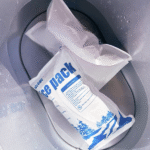
Erstellen Sie Notfallpläne: Have spare packaging, extra dry ice or gel packs, and alternative routes ready to prevent shipment failures when disruptions occur.
Kalibrieren Sie die Geräte regelmäßig: Ensure thermometers, data loggers and refrigeration systems are accurate; uncalibrated devices are a common inspection deficiency.
Beispiel aus der realen Welt: A Southeast Asian immunization program used solar powered refrigeration and blockchain tracking to deliver vaccines to remote villages. Real time temperature and location data gave health workers confidence that vaccines remained within the 2 °C–8 °C-Bereich, illustrating how innovative technology can overcome infrastructure challenges and improve patient outcomes.
How IoT, AI and Blockchain Are Transforming Cold Chains
Core Insight
Echtzeitsensoren, AI and blockchain are revolutionizing pharmaceutical cold chains by providing continuous visibility, predictive decision making and secure, manipulationssichere Aufzeichnungen. IoT-Geräte überwachen die Temperatur, humidity and location and send alerts when conditions drift out of range. AI algorithms analyze this data to optimize routes, Prognostizieren Sie den Bedarf und prognostizieren Sie Geräteausfälle. Blockchain ensures that temperature history and shipment data are immutable, which helps prove compliance and builds trust among supply chain partners.
Erweiterte Erklärung
IoT-Sensoren und Echtzeitüberwachung
Wireless sensors are at the heart of modern cold chain technology. IoT based sensors transmit data via Wi Fi, cellular networks or LoRaWAN to cloud dashboards, enabling real time temperature and location tracking. Passive RFID tags and Bluetooth Low Energy (Bloß) sensors automate scanning in warehouses and vehicles. Nach a 2025 monitoring guide, nearly a quarter of vaccines are discarded because manual checks miss temperature excursions; deploying real time monitoring reduces those losses. These devices also help meet regulatory requirements by creating an auditable trail of temperature data.
KI und Predictive Analytics
AI turns sensor data into actionable insights. Machine learning algorithms analyze historical and real time data to predict when a refrigerator might fail or a shipment might hit traffic delays. Trackonomy’s 2025 trend report notes that AI can predict potential disruptions, Routen optimieren, forecast demand and improve decision making across the cold chain. AI driven demand forecasting is especially valuable for biologics and cell therapies, where inventory is expensive and shelf life is short.
Blockchain für End-to-End-Rückverfolgbarkeit
Blockchain records every transaction or temperature reading in a tamper proof ledger. Pharma Now highlights that blockchain enables transparent data sharing among manufacturers, Vertriebshändler und Gesundheitsdienstleister, reducing the risk of tampering and ensuring regulatory compliance. In der Praxis, sensors record each temperature reading, and blockchain stores this data so that any attempt to alter records becomes obvious. This transparency strengthens patient safety and helps satisfy FDA and EMA guidelines.
Integrated Platforms and Digital Twins
Advanced cold chain platforms integrate IoT sensors, AI and blockchain into a unified system. Digitale Zwillingstechnologie, Zum Beispiel, creates a virtual model of a shipment or facility. ParkourSC’s digital twin platform ingests live sensor data and uses AI to predict risks and automate responses. Such systems reduce time spent on quality release from days to minutes and help companies intervene before conditions become dangerous.
Tisch: Monitoring Technologies and Benefits
| Technologie | Wie es funktioniert | Vorteile | Takeaway for You |
| Datenlogger | Compact devices placed inside packages record temperature and humidity; some transmit data via USB or NFC | Affordable and easy to deploy; provide historical audit records | Suitable for smaller shipments but require manual data retrieval and may delay corrective action |
| IoT-Funksensoren | Sensors send data continuously via Wi Fi, Mobilfunk oder LoRaWAN bis hin zu Cloud-Dashboards | Echtzeitüberwachung, Automatisierung und Fernzugriff; ermöglichen eine vorausschauende Wartung | Ideal für hochwertige Arzneimittel und Netzwerke mit mehreren Standorten, though they depend on connectivity |
| RFID- und BLE-Tags | Passive tags attach to pallets or packages; fixed readers capture temperature data at checkpoints | Automatisieren Sie die Datenerfassung und reduzieren Sie menschliche Fehler | Good for large warehouses; Die begrenzte Reichweite bedeutet, dass mehr Leser benötigt werden |
| GPS- und Satelliten-Tracker | Kombinieren Sie Standortverfolgung mit Temperaturüberwachung | Provide route visibility, theft prevention and real time alerts | Am besten für den Ferntransport geeignet; consider battery life and data transmission costs |
| Intelligente Kühlcontainer | Refrigerated containers with self regulating cooling and built in sensors | Höchst zuverlässig; maintain stable temperature regardless of external conditions | Indispensable for biologics and gene therapies during transoceanic shipping, albeit expensive |
| AI analytics platforms | Cloud platforms aggregate sensor data and use machine learning to predict failures | Enable proactive decision making and automated compliance reporting | Unverzichtbar für komplexe Vorgänge, bei denen eine durchgängige Transparenz und Trendanalyse erforderlich ist |
Actionable Strategies
Implement tiered monitoring: Combine data loggers for basic shipments with real time IoT sensors for high value biologics. This balanced approach controls costs while maintaining safety.
Nutzen Sie vorausschauende Wartung: Analyze sensor data to schedule maintenance for refrigeration units before they fail. This reduces downtime and product loss.
Blockchain selektiv übernehmen: Start with blockchain for high risk products such as vaccines and biologics. Gradually expand as partners adopt compatible systems.
Fallstudie: Cold Chain Technologies’ Smart Solutions ecosystem uses IoT sensors, Prädiktive Analysen und Automatisierung zur Reduzierung des Produktverderbs und zur Förderung der Nachhaltigkeit. A pharmaceutical company that implemented this system reported a drastic reduction in temperature excursions and improved release times.
Innovations Shaping 2025: Tragbare kryogene Gefriergeräte, Solar Storage and Sustainable Packaging
Primary Innovations
Several breakthrough technologies are redefining cold chain logistics in 2025. The most notable include portable cryogenic freezers that maintain –80 °C to –150 °C, solarbetriebene Kühllagereinheiten, AI driven route optimization and sustainable packaging. These innovations collectively expand ultra cold capacity, reduce energy costs, and enhance environmental sustainability.
Exploring Each Innovation
Tragbare kryogene Gefriergeräte
Portable cryogenic freezers are compact units capable of maintaining temperatures as low as –80 °C to –150 °C. They use advanced insulation and refrigeration to keep biologics and cell therapies stable during transport, even in remote regions. The Pharma Now article emphasizes that these units play a critical role in moving gene therapies and vaccine ingredients to areas lacking infrastructure. Real time temperature tracking and warning systems integrated into these freezers help meet regulatory mandates and avoid product loss.
Solarbetriebene Kühllagerung
Rural regions often suffer from inconsistent power supply, making it difficult to maintain a cold chain. Solar powered cold storage units provide an environmentally friendly solution. Using photovoltaic panels and energy efficient batteries, these systems reduce energy costs and support rural immunization programmes. Zum Beispiel, die USA. Energy Information Administration reported commercial electricity costs of 13.10 Cent pro kWh in 2024; solar installations can reduce costs to 3.2–15.5 cents per kWh. Such units also help decarbonize supply chains and align with sustainability goals.
IoT-fähige intelligente Sensoren
IoT sensors collect and share data on temperature, Luftfeuchtigkeit und Standort in Echtzeit. They detect unsafe temperature levels and automatically alert operators. Kombiniert mit GPS, IoT sensors enable real time position tracking and predictive maintenance. They reduce operational risks, prevent product loss and improve efficiency. The Trackonomy report notes that the hardware segment—sensors, tags and monitoring devices—held over 76.4 % of the cold chain tracking and monitoring market in 2022.
KI-gestützte Routenoptimierung
KI-Algorithmen analysieren Verkehrsmuster, weather data and historical transit times to identify optimal routes. This reduces transit time and the risk of temperature excursions. By combining predictive analytics with IoT data, logistics companies can anticipate disruptions and reroute shipments proactively. Such capabilities improve efficiency and ensure that sensitive products arrive on time.
Nachhaltige Verpackungslösungen
To address environmental concerns, companies are adopting recyclable insulated containers, biologisch abbaubare Thermowickel und wiederverwendbare Kühlakkus. Sustainable packaging protects temperature sensitive products while reducing carbon footprint. As governments and consumers push for greener practices, these materials become an integral part of cold chain logistics. They also help companies meet sustainability reporting requirements.
Comparative Table of Innovations
| Innovation | Sektorfokus | Beschreibung | Nutzen Sie Ihnen |
| Rückverfolgbarkeit der Blockchain | Pharmazeutika | Distributed ledgers record temperature data and shipment details | Erhöht die Sicherheit, verhindert Manipulationen und vereinfacht die Compliance |
| Solarbetriebener Speicher | Essen & Pharma | Photovoltaic panels power cold units in rural areas | Senkt die Energiekosten und erweitert die Reichweite auf abgelegene Märkte |
| IoT -Sensoren & GPS | Essen & Pharma | Devices provide real time data on temperature and location | Enables quick responses to excursions and improves route planning |
| KI-Routenoptimierung | Logistik | Algorithms combine traffic and weather data to find the best route | Reduziert die Transitzeit, senkt Emissionen und sichert die Produktqualität |
| Tragbare kryogene Gefriergeräte | Pharmazeutika | Ultra cold freezers maintain –80 °C to –150 °C | Ermöglicht den Transport von Zelltherapien und Impfstoffen in entlegene Gebiete |
Practical Tips
Bewerten Sie die Produktanforderungen: Use portable cryogenic freezers for ultra cold therapies and standard insulated containers for 2 °C–8 °C products.
Combine solar and grid power: In regions with unstable electricity, deploy solar powered units with battery backups to maintain continuous refrigeration.
Pilot-Blockchain-Projekte: Start with small shipments to test blockchain traceability before scaling across the entire supply chain.
Wählen Sie nachhaltige Materialien: Opt for recyclable materials and reusable gel packs. This reduces waste and appeals to environmentally conscious customers.
Fallstudie: Portable cryogenic freezers and blockchain tracking were combined in a Southeast Asian immunization program, enabling safe delivery of vaccines to remote villages while providing verifiable temperature data.
Marktgröße und Wachstum: How Big Is the Pharmaceutical Cold Chain?
Summary of Market Forecasts
The pharmaceutical cold chain is experiencing robust growth, getrieben durch die steigende Nachfrage nach Biologika, Impfstoffe und Zelltherapien. Several market studies highlight this trend:
Overall Cold Chain Logistics Market: The global cold chain logistics market is projected to grow from about US$436 billion in 2025 auf mehr als 1,3 Billionen US-Dollar 2034. This growth is fueled by automation, Echtzeitsensoren und nachhaltige Verpackungen.
Pharmaceutical Cold Chain Market: The pharmaceutical cold chain market is forecast to reach US$1.454 trillion by 2029, growing at an annual rate of 4.71 %. Etwa 20 % of new drugs are gene or cell therapies requiring precise temperature control. Trackonomy notes that the hardware segment accounted for 76.4 % des Kühlkettenverfolgungsmarktes in 2022.
Cold Chain Logistics Market for Pharmaceuticals: Technavio reports that the cold chain logistics market for pharmaceuticals will grow by US$14.56 billion between 2024 Und 2029, mit einer durchschnittlichen jährlichen Wachstumsrate (CAGR) von 9.9 %.
Cold Chain Pharmaceuticals Market: Towards Healthcare calculates that the cold chain pharmaceuticals market was US$6.67 billion in 2025 and is projected to reach US$9.71 billion by 2035, Dies entspricht einer CAGR von 3.83 % zwischen 2026 Und 2035. North America currently dominates the market due to advanced healthcare infrastructure.
Food and Fresh Produce: The North American food cold chain market is expected to reach US$86.67 billion in 2025. Pflanzliche Lebensmittel könnten hierfür verantwortlich sein 7.7 % des globalen Proteinmarktes durch 2030, representing a US$162 billion value.
Market Trends and Insights
Shift toward biologics and cell therapies: Roughly one fifth of new drugs are gene or cell therapies, amplifying the need for ultra cold chain capacity. Portable cryogenic freezers and advanced monitoring will become critical in this segment.
Schwerpunkt auf Nachhaltigkeit: The cold chain infrastructure currently accounts for about 2 % der weltweiten CO₂-Emissionen. Sustainable packaging and renewable energy sources (like solar powered storage) help lower this footprint and comply with environmental regulations.
Datenstandardisierung: Von 2025, 74 % Es wird erwartet, dass die Anzahl der Logistikdaten über die Lieferketten hinweg standardisiert wird. Standardization enables seamless integration of data from sensors, carriers and shippers, improving visibility and reducing errors.
Automatisierung und Robotik: Nur etwa 20 % of warehouses are currently automated. Automatisierte Lager- und Bereitstellungssysteme (AS/RS) and robotics promise increased efficiency and reduced human error.
Growth across regions: While North America leads the market, the Asia–Pacific region is the fastest growing due to expanding industries and increasing demand for pharmaceuticals.
Recommendations Based on Market Insights
Invest in scalable systems: Um wettbewerbsfähig zu bleiben, choose equipment and software that can scale with market growth. Systems should handle both 2 °C–8 °C and ultra cold requirements.
Überwachen Sie regulatorische Änderungen: As demand and technologies evolve, regulators may introduce stricter guidelines. Keep abreast of updates from the FDA, EMA, WHO and local authorities.
Develop partnerships: Strategic collaborations between manufacturers, packaging suppliers and technology providers facilitate standardization and innovation.
Brancheneinblick: The cold chain logistics market’s growth is not just about revenue. It reflects a shift toward precision therapies, sustainability and data driven operations. Companies that invest in real time monitoring, AI and eco friendly practices now will be well positioned to thrive in this expanding market.
Overcoming Challenges and Ensuring Compliance
Main Challenges
Pharmaceutical cold chains face several persistent challenges:
Temperaturregelung: Aufrechterhaltung der 2 °C–8 °C range during global transit is complex. Environmental and operational factors like prolonged shipping times, extreme weather and customs delays can cause excursions.
Vorschriftenregulierung: Companies must follow strict guidelines from bodies such as the FDA, EMA und WHO. Non compliance leads to penalties, Rückrufe und Reputationsschäden.
Verpackungsoptimierung: Products require packaging that maintains temperature and protects against physical damage while balancing cost and sustainability.
Data Integrity: Incomplete or inaccurate records undermine traceability and can lead to failed audits.
Menschliches Versagen: Improper handling, incorrect storage and failure to follow procedures contribute to many deviations.
Strategies to Overcome These Challenges
Temperaturregelung
Verwenden Sie isolierte Behälter und Gelpacks: High performance containers maintain internal temperatures for extended periods. Pair them with phase change materials tailored to the product’s temperature range.
Implementieren Sie Echtzeit-Tracking: GPS and wireless sensors allow operators to respond quickly when temperatures approach thresholds.
Map transport lanes: Conduct lane risk assessments to identify potential vulnerabilities and design contingency plans.
Vorschriftenregulierung
Befolgen Sie die gute Vertriebspraxis: The EU’s GDP guidelines require clear procedures for temperature control, documentation and qualification of suppliers.
Adhere to FDA and EMA rules: Both agencies require that cold chain products be stored within specified temperature ranges, with appropriate monitoring and records.
Create a quality management system (QMS): Document all processes, perform risk based temperature mapping and maintain thorough records. PDA experts advise that going back to basics—thorough documentation and root cause analysis—is essential.
Verpackungsoptimierung
Verwenden Sie fortschrittliche Isoliermaterialien: Vacuum insulation panels and phase change materials offer superior thermal performance and reduce the need for bulky gel packs.
Priorisieren Sie Nachhaltigkeit: Choose recyclable or biodegradable materials where possible.
Test packaging in real world conditions: Simulate worst case scenarios to ensure packaging can protect contents under extreme conditions.
Data Integrity
Automate data collection: Replace manual logs with digital systems. IoT sensors and blockchain provide real time, tamper proof data.
Centralize data management: Use cloud platforms to store sensor data, audit trails and regulatory documents.
Führen Sie regelmäßige Audits durch: Internal audits and third party assessments help identify gaps before regulators do.
Training and Personnel
Regular training: All employees—drivers, warehouse managers, technicians—must understand temperature requirements and equipment operation.
Designate Responsible Persons (RPs): The PDA emphasizes that RPs uphold distribution quality, perform risk mitigation and ensure compliance.
Embrace digital literacy: Staff should be comfortable using IoT platforms, blockchain dashboards and AI analytics.
Beispiel aus der realen Welt: Am 2025 PDA Good Distribution Practice event, regulators highlighted poor supplier qualification, inadequate documentation and non calibrated temperature monitoring as common inspection deficiencies. They recommended embracing digital tools and going back to basics—good data, thorough audits and solid documentation—to pass increasingly rigorous inspections.
2025 Developments and Trends in Pharmaceutical Cold Chain Technology
Trendübersicht
The pharmaceutical cold chain continues to evolve in 2025. Key trends include automation, Nachhaltigkeit, data standardization and digital transformation. Many innovations discussed above are now moving from pilot projects to mainstream adoption.
Neueste Fortschrittshighlights
Automatisierung und Robotik: Automatisierte Lager- und Bereitstellungssysteme (AS/RS) and robotic handling equipment are becoming common to address labor shortages. Um 80 % der Lager sind weiterhin nicht automatisiert, indicating substantial potential for growth.
Nachhaltigkeit: Solar powered cold storage units and eco friendly packaging reduce the cold chain’s carbon footprint. The global cold chain infrastructure currently contributes about 2 % der CO₂-Emissionen; sustainable solutions aim to lower this share.
End-to-End-Sichtbarkeit: Real time tracking devices and software provide insights into location, temperature and conditions. This end to end visibility reduces waste and enhances compliance.
Modernisierung der Infrastruktur: Aging warehouses and transport fleets are being upgraded to meet modern standards, including better insulation, automated handling and on site renewable energy generation.
KI und Predictive Analytics: KI hilft bei der Prognose der Nachfrage, Optimieren Sie Routen und prognostizieren Sie Geräteausfälle. It reduces costs and enhances reliability.
Growth of Gene and Cell Therapies: Rund 20 % of new drugs are gene and cell therapies requiring ultra cold transport. Portable cryogenic freezers make it possible to deliver these therapies worldwide.
Markteinblicke für 2025 und darüber hinaus
Verbrauchernachfrage, regulatory tightening and technological innovation are reshaping the cold chain. In addition to pharma, fresh food and plant based products are increasing the need for precise cold chain logistics. The North American food cold chain market alone will be worth US$86.67 billion by 2025. Collaboration among stakeholders—manufacturers, Verpackungslieferanten, tech providers and logistics companies—continues to drive data standardization and resilience.
Häufig gestellte Fragen
- What does the 2 °C–8 °C temperature range mean in pharmaceutical logistics?
Der 2 °C–8 °C range is the optimal temperature for storing and transporting many pharmaceutical products, einschließlich Impfstoffe und Biologika. Staying within this range prevents loss of potency and ensures patient safety. - How do companies ensure compliance with cold chain guidelines?
Compliance requires real time monitoring systems, insulated packaging and adherence to regulatory frameworks such as the FDA’s Good Distribution Practice (BIP) and EMA standards. Robust documentation and regular audits are also essential. - What are temperature excursions, and why are they problematic?
A temperature excursion is any deviation from the prescribed storage range. Even small excursions of 1 °C–2 °C can degrade biologics or vaccines. These deviations can cause irreparable damage, leading to product loss and patient risk. - Wie verbessert Blockchain die pharmazeutischen Kühlketten??
Blockchain provides an immutable record of temperature readings and shipment data. Diese Transparenz verhindert Manipulationen, simplifies audits and builds trust among stakeholders. - How can companies reduce their cold chain’s carbon footprint?
Adopting solar powered storage, energy efficient refrigeration systems and sustainable packaging reduces emissions. Optimizing routes with AI also cuts fuel consumption and emissions.
Summary of Key Takeaways
Pharmazeutische Kühlkettenlogistik in 2025 is defined by precision, Technologie und Nachhaltigkeit. Aufrechterhaltung der 2 °C–8 °C range or ultra cold temperatures is vital for preserving product efficacy, and deviations can lead to billions of dollars in losses. Emerging technologies—IoT sensors, Ai, Blockchain, portable cryogenic freezers and solar powered units—are transforming the industry. Der Markt wächst rasant, projected to reach over US$1 trillion by the end of the decade, with gene and cell therapies driving demand for ultra cold logistics. Um erfolgreich zu sein, companies must invest in real time monitoring, adopt sustainable practices and build resilient, compliant supply chains.
Action Plan and Recommendations
Assess Your Current Cold Chain: Conduct a thorough audit to identify gaps in temperature control, documentation and technology. Map every link from manufacturing to delivery.
Implement Real Time Monitoring and Predictive Tools: Deploy IoT sensors for continuous monitoring and pair them with AI analytics to forecast demand, route disruptions and equipment failures.
Upgrade Packaging and Storage: Use advanced insulation materials and consider portable cryogenic freezers for ultra cold products. Invest in solar powered storage where grid reliability is low.
Adopt Blockchain and Standardize Data: Start with high risk products and work toward standardizing data across partners to facilitate traceability.
Train Your Team and Designate Responsible Persons: Regular training, clear SOPs and designated Responsible Persons ensure compliance and mitigate human error.
Collaborate and Innovate: Partner with packaging suppliers, technology providers and logistics specialists to stay ahead of regulatory changes and industry trends.
Über Tempk
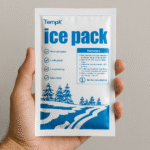
Tempk is a solutions provider specializing in cold chain packaging and monitoring. Wir entwerfen Isolierboxen, Eisbeutel, and temperature monitoring systems for pharmaceuticals and perishable goods. Our research and development centre focuses on reusable and recyclable materials, and we maintain certifications like Sedex to ensure ethical sourcing. We combine practical packaging expertise with emerging technologies—such as IoT sensors and AI platforms—to help clients maintain strict temperature control, comply with GDP and FDA guidelines, and reduce environmental impact.
Nächste Schritte
Bereit, Ihre Kühlkette zu stärken? Kontaktieren Sie uns für eine Beratung. Our experts can recommend the right combination of insulated packaging, IoT monitoring and AI analytics to keep your products safe and compliant.